- Product Description Description
- Table of Contents TOC
- List of Table & Figure LOT
- Get Free Sample PDF Sample PDF
Market Size, 2025
$11.93 BnMarket Estimate, 2026
$13.37 BnMarket Forecast, 2034
$33.38 BnCAGR, 2026–2034
12.11%Executive Summary: Asia-Pacific Ambulance Services Market
- Market Scope: Comprehensive regional market evaluation of the Asia-Pacific ambulance services sector covering service types, modes of transport, equipment specifications, and country-level distribution frameworks.
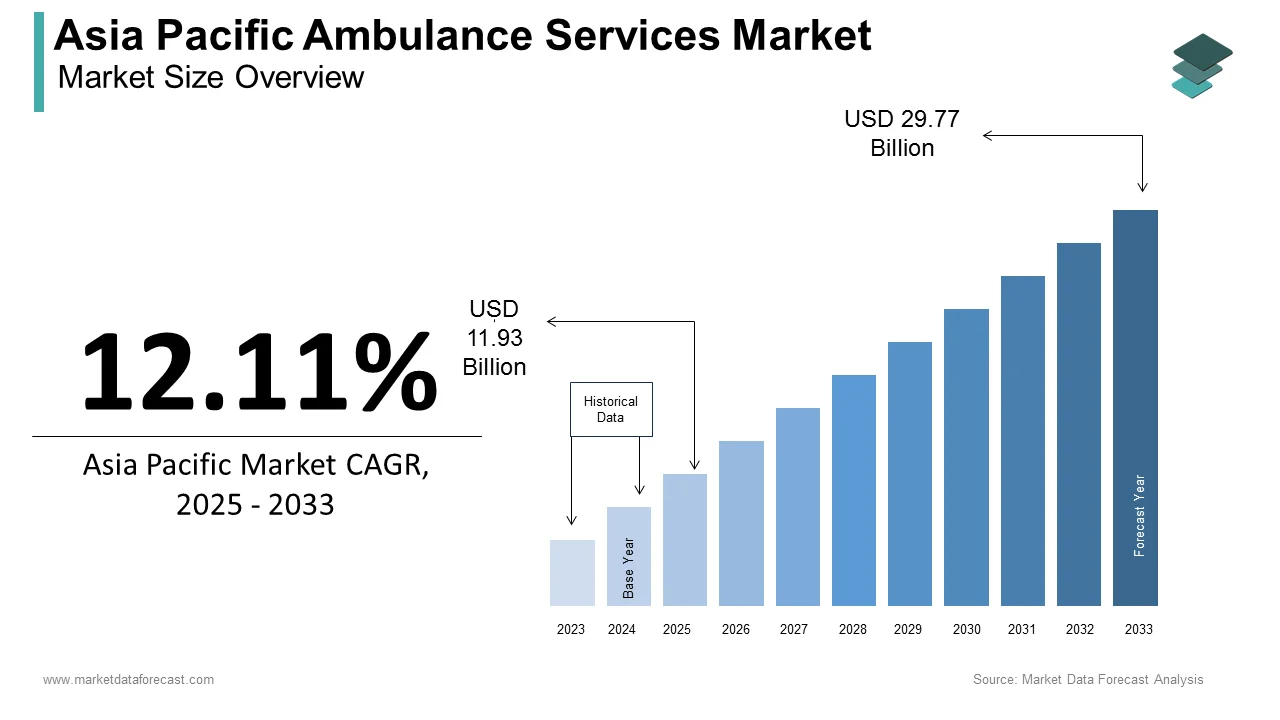
- Market Valuation: Valued at USD 11.93 billion in 2025, estimated at USD 13.37 billion in 2026, and projected to reach USD 33.38 billion by 2034, registering a strong CAGR of 12.11% from 2026 to 2034.
- Primary Growth Drivers: Rising incidence of road traffic accidents, rapidly aging populations, growing burden of chronic and cardiovascular diseases, and expanding urban healthcare infrastructure.
Key Market Segment Metrics (2026–2034)
| Category | Leading Segment (2025 Position) | Fastest-Growing / Preferred Segment |
|---|---|---|
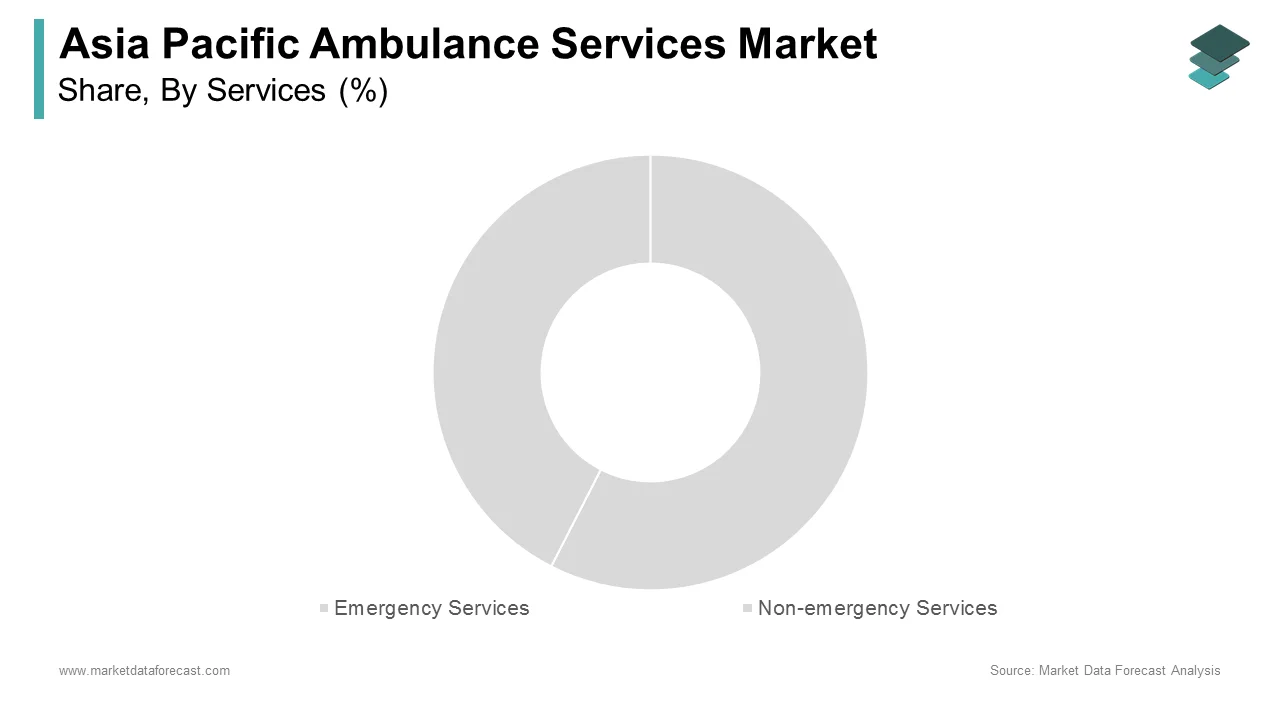
| By Services | Emergency Services (held the largest share of 65.4% in 2025 driven by acute trauma and critical care requirements) | Non-Emergency Services (projected to grow at a CAGR of 9.4% due to routine medical transport and subscription models) |
| By Transport | Ground Ambulance Services (ruled the regional market with the most significant share in 2025 due to widespread availability) | Air Ambulance Services (predicted to register a CAGR of 12.2% driven by rapid medical evacuation needs in remote areas) |
| By Equipment | Basic Life Support (BLS) (led the market by occupying 70.4% share in 2025 owing to affordability and wide rural deployment) | Advanced Life Support (ALS) (estimated to expand at a CAGR of 10.11% owing to critical pre-hospital care demands) |
| By Country | India (captured the leading share of 26.6% in 2025 backed by massive population scale and government health missions) | South Korea (showcasing prominent growth driven by rapid urbanization and smart ambulance technological adoption) |
Major Market Players & Market Structure
Market Structure: Highly competitive landscape featuring global emergency operators and regional healthcare providers competing on fleet expansion, IoT and telemedicine integration, and public-private partnerships (PPPs).
Key Companies: Falck A/S, Babcock International Group PLC, Acadian Ambulance Service, Inc., Medivic Pharmaceutical Pvt. Ltd., BVG India Ltd., America Ambulance Services, Inc., Air Methods Corporation, Global Medical Response, Inc., and Ziqitza Health Care Limited.
Asia Pacific Ambulance Services Market Size
The ambulance services market size in Asia-Pacific was valued at USD 11.93 billion in 2025. The regional market is estimated to be growing at a CAGR of 12.11% from 2026 to 2034 and is expected to be worth USD 33.38 billion by 2034, up from USD 13.37 billion in 2026.
Ambulance services include ground, air, and water ambulance operations, equipped with basic life support (BLS) and advanced life support (ALS) systems. According to the World Health Organization (WHO), the demand for ambulance services in the Asia Pacific region has surged due to the increasing prevalence of chronic diseases, road traffic accidents, and aging populations. For instance, cardiovascular diseases alone account for over 25% of all deaths in the region, necessitating rapid medical interventions facilitated by ambulance services.
The growing urbanization and the expansion of healthcare facilities across key countries such as India, China, and Japan are significantly fuelling the demand for ambulance services in the Asia-Pacific region. According to the Asian Development Bank, urban populations in the region are projected to grow by 1.2 billion people by 2050, intensifying the need for efficient emergency response systems. Additionally, advancements in medical technology have enhanced the capabilities of ambulance services, enabling them to deliver pre-hospital care that significantly improves patient outcomes. As per the Ministry of Health in Australia, ALS-equipped ambulances have reduced mortality rates in cardiac arrest cases by up to 30%. These factors collectively underscore the importance of ambulance services as a cornerstone of modern healthcare delivery in the Asia Pacific region.
MARKET DRIVERS
Rising Incidence of Road Traffic Accidents
According to the Global Burden of Disease Study, road traffic accidents are among the leading causes of death and disability in the Asia Pacific region, accounting for approximately 750,000 fatalities annually. The WHO estimates that over 60% of these incidents occur in low- and middle-income countries like India and Indonesia, where inadequate emergency response systems exacerbate the severity of injuries. In response, governments are investing heavily in upgrading ambulance fleets and training paramedics to reduce response times. For instance, the Indian government’s National Health Mission has allocated $250 million to enhance emergency medical services, including the procurement of 5,000 new ambulances by 2025. Furthermore, the Japan Automobile Federation reports that ambulance response times in urban areas have improved by 15% over the past five years due to technological advancements such as GPS tracking and real-time traffic monitoring. This growing focus on mitigating the impact of road accidents underscores the pivotal role of ambulance services in saving lives and reducing long-term healthcare costs.
Aging Population and Chronic Disease Burden
According to the United Nations Department of Economic and Social Affairs, the Asia Pacific region is home to over 60% of the world’s elderly population, with projections indicating that individuals aged 65 and above will constitute 25% of the population by 2050. This demographic shift has led to a significant rise in chronic diseases such as diabetes, hypertension, and respiratory disorders, which require frequent medical attention. According to the Ministry of Health in Japan, more than 80% of ambulance calls in the country are linked to age-related health issues. Similarly, China’s National Health Commission reports a 20% increase in ambulance usage among the elderly population over the past decade. To address this growing demand, governments are expanding their ambulance networks and integrating telemedicine solutions into emergency services. For example, South Korea has introduced smart ambulances equipped with remote diagnostic tools, enabling paramedics to consult specialists during transit. This convergence of demographic trends and healthcare innovation positions ambulance services as a vital component of geriatric care in the region.
MARKET RESTRAINTS
Inadequate Infrastructure in Rural Areas
According to the Asian Development Bank, rural regions in the Asia Pacific account for over 45% of the population but often lack the necessary infrastructure to support efficient ambulance services. For instance, the Indian Ministry of Health reports that nearly 70% of rural areas do not have access to timely ambulance services, primarily due to poor road connectivity and insufficient funding. The WHO highlights that in countries like Indonesia and the Philippines, mountainous terrain and scattered islands further complicate ambulance operations, resulting in delayed response times and increased mortality rates. Additionally, the absence of trained paramedics and outdated ambulance fleets exacerbates the challenges faced by rural communities. For example, a study conducted by the University of Melbourne reveals that response times in rural Australia are 30% longer than in urban areas, underscoring the disparity in service quality. These infrastructural gaps not only hinder the effectiveness of ambulance services but also widen the urban-rural divide in healthcare accessibility.
High Operational Costs and Budget Constraints
According to the Ministry of Finance in Thailand, the operational costs of maintaining an ambulance fleet, including fuel, maintenance, and staffing, can exceed $50,000 annually per vehicle. This financial burden is particularly acute for developing nations, where healthcare budgets are already stretched thin. For instance, the Bangladesh Health Economics Association reports that the country allocates less than 1% of its healthcare budget to emergency medical services, severely limiting the expansion of ambulance networks. Furthermore, the rising cost of advanced medical equipment, such as defibrillators and ventilators, poses additional challenges for ALS-equipped ambulances. The Australian Institute of Health and Welfare notes that despite government subsidies, private ambulance operators face a 10% annual increase in operational expenses, forcing them to pass these costs onto consumers. These financial constraints not only impede service scalability but also threaten the sustainability of existing ambulance operations across the region.
MARKET OPPORTUNITIES
Integration of Telemedicine and IoT Technologies
According to the International Telecommunication Union, the integration of telemedicine and Internet of Things (IoT) technologies into ambulance services presents a transformative opportunity for the Asia Pacific region. Smart ambulances equipped with IoT devices can transmit real-time patient data to hospitals, enabling doctors to initiate treatment protocols before the patient arrives. For instance, the Japanese Ministry of Health reports that IoT-enabled ambulances have reduced hospital admission times by 20%, improving survival rates for critical conditions. Similarly, as per the Health Sciences Authority of Singapore, telemedicine consultations conducted during ambulance transit have increased diagnostic accuracy by 15%. The adoption of these technologies is further supported by the region’s rapid digital transformation, with the Asia Cloud Computing Association projecting a 25% annual growth in IoT applications through 2030. By leveraging telemedicine and IoT, ambulance services can enhance operational efficiency and deliver superior patient outcomes, positioning themselves at the forefront of healthcare innovation.
Public-Private Partnerships (PPPs) for Service Expansion
According to the World Bank, public-private partnerships (PPPs) offer a viable solution to expand ambulance services across underserved areas in the Asia Pacific region. For example, the Indian government’s collaboration with private entities under the National Health Mission has resulted in the deployment of over 10,000 ambulances in rural districts, benefiting 500 million people. Similarly, the Philippine Department of Health reports that PPP initiatives have reduced ambulance response times by 25% in urban areas. The Australian Healthcare and Hospitals Association highlights that PPPs enable governments to leverage private sector expertise and funding, ensuring sustainable service delivery. Furthermore, the Asian Development Bank estimates that PPP-driven projects could generate $50 billion in healthcare investments by 2030, with a significant portion allocated to emergency medical services. By fostering collaboration between public and private stakeholders, the ambulance services market can overcome resource limitations and achieve equitable healthcare access.
MARKET CHALLENGES
Shortage of Trained Paramedics
According to the International Paramedic Association, the Asia Pacific region faces a critical shortage of trained paramedics, with an estimated deficit of 500,000 professionals as of 2022. According to the World Health Organization, countries like Vietnam and Malaysia have fewer than 10 paramedics per 100,000 people, far below the global average of 35. This shortage is exacerbated by limited training facilities and low awareness about paramedic careers. For instance, the Indonesian Ministry of Health reports that only 30% of ambulance staff receive formal paramedic training, compromising the quality of pre-hospital care. Additionally, the Australian Paramedics Association notes that rural areas experience a 40% higher turnover rate among paramedics due to challenging working conditions and inadequate remuneration. These workforce challenges not only hinder service delivery but also undermine public confidence in ambulance services, necessitating urgent policy interventions to address the paramedic deficit.
Regulatory Fragmentation Across Countries
According to the Asian Health Policy Forum, regulatory fragmentation poses a significant challenge to the standardization of ambulance services across the Asia Pacific region. Each country operates under distinct legal frameworks, creating inconsistencies in service quality and operational protocols. For example, the Chinese Ministry of Health mandates ALS-equipped ambulances for all urban areas, while neighboring countries like Cambodia lack such regulations, resulting in uneven service standards. The WHO reports that cross-border ambulance operations are further complicated by differing licensing requirements and insurance policies, limiting regional cooperation during emergencies. Additionally, the New Zealand Ministry of Health highlights that fragmented regulations delay the adoption of innovative technologies, as manufacturers must comply with multiple standards. These regulatory barriers not only impede market growth but also hinder the development of a cohesive regional emergency response system.
REPORT COVERAGE
| REPORT METRIC | DETAILS |
| Market Size Available | 2025 to 2034 |
| Base Year | 2025 |
| Forecast Period | 2026 to 2034 |
| Segments Covered | By Services, Transport, Equipment, and Country. |
| Various Analyses Covered | Global, Regional, and Country-Level Analysis, Segment-Level Analysis, Drivers, Restraints, Opportunities, Challenges; PESTLE Analysis; Porter’s Five Forces Analysis, Competitive Landscape, Analyst Overview of Investment Opportunities |
| Countries Covered |
|
| Market Leaders Profiled | Falck A/S, Babcock International Group PLC (Scandinavian AirAmbulance), Acadian Ambulance Service, Inc. (Acadian Companies), Medavie Health Services, BVG India Ltd., America Ambulance Services, Inc., Air Methods Corporation (ASP AMC Intermediate Holdings, Inc.), Global Medical Response, Inc., Ziqitza Health Care Limited and Dutch Health B.V. |
SEGMENTAL ANALYSIS
By Services Insights
The emergency services segment dominated the Asia Pacific Ambulance Services Market and accounted for a substantial share in 2025. This dominance of the segment was driven by the critical necessity of immediate medical intervention for life-threatening conditions such as cardiac arrests, strokes, and severe trauma. According to the World Health Organisation, cardiovascular diseases are the leading cause of death globally, accounting for an estimated 17.9 million deaths annually, which generates a consistent and high volume of emergency transport requests. This massive disease burden ensures that emergency ambulances remain the backbone of pre-hospital care systems across both developed and developing nations. As per the Chinese Centre for Disease Control and Prevention, stroke burden has consistently remained greater in rural populations than in urban populations over the past decade, necessitating rapid response units capable of delivering patients to specialised centres within the golden hour. The direct correlation between acute disease prevalence and ambulance utilization drives sustained demand for emergency fleets. Furthermore, government mandates in countries like Japan and Australia require strict response time standards for emergency calls, forcing municipalities to maintain robust and readily available ambulance networks. The integration of emergency services with national disaster management plans also ensures continuous funding and operational readiness. Public awareness campaigns regarding the importance of calling emergency numbers for chest pain and breathing difficulties have further increased call volumes. These factors collectively secure the dominant position of emergency services, as they address the most urgent and non-deferrable healthcare needs of the population.
Substantial government investment in establishing and upgrading emergency medical systems significantly contributes to the dominance of the emergency services segment. According to the Asian Development Bank, public financing for the universal health care program in the Philippines was expanded by a 250 million United States Dollar loan addition, with a significant portion allocated to purchasing advanced life support ambulances. The financial commitment enables governments to expand coverage in rural and underserved areas where private services are scarce. As per the Indian Ministry of Health and Family Welfare, the National Ambulance Service program has deployed 3,044 Advanced Life Support and 15,283 Basic Life Support vehicles across states, creating a vast public fleet dedicated to emergency response. The direct link between public funding and service availability ensures that emergency transport remains accessible to a broad demographic. Additionally, the implementation of unified emergency number systems, such as 112 in India and 000 in Australia, simplifies access for citizens and increases the efficiency of dispatch operations. These centralized systems allow for better resource allocation and faster response times, enhancing the reliability of emergency services. The focus on reducing preventable deaths through timely intervention aligns with national health goals, ensuring continued political and financial support. This institutional backing creates a stable foundation for the emergency services segment, making it the primary driver of market revenue and operational activity in the region.
The non-emergency services segment is predicted to witness the highest CAGR of 13.5% from 2026 to 2034 due to the escalating needs of an aging population and the management of chronic diseases. According to the United Nations Department of Economic and Social Affairs, the number of individuals aged 60 years and older in Asia is projected to more than double by 2050, creating a substantial demand for scheduled medical transport. This demographic shift increases the frequency of hospital visits for dialysis, chemotherapy, rehabilitation, and routine specialist consultations, which do not require immediate emergency response but need safe and comfortable transportation. As per the Japanese Ministry of Health, Labour and Welfare, emergency ambulance responses and disaster medical assistance deployments are expanding rapidly, reflecting the changing nature of healthcare utilization in aging societies. The direct relationship between aging demographics and scheduled transport needs drives rapid market expansion. Furthermore, the rising prevalence of mobility-limiting conditions such as arthritis and neurological disorders necessitates assisted transport services that standard taxis cannot provide. Private insurance providers are increasingly covering non emergency medical transport to ensure patients adhere to treatment plans, reducing long term healthcare costs. This financial support stimulates the growth of private operators specialising in patient logistics. The shift toward value-based care also encourages hospitals to partner with non-emergency transport providers to reduce readmission rates. These factors ensure that the non-emergency segment grows at an accelerated pace, diversifying the market beyond acute care.
The booming medical tourism industry and the increasing complexity of healthcare networks in the Asia Pacific region serve as key accelerators for the non-emergency services segment. According to the Medical Tourism Association, global medical tourism flows continue to expand significantly across major hubs, many of which require reliable transport between airports, hotels, and healthcare facilities for elective procedures and postoperative care. As per the Thailand Ministry of Tourism and Sports, total foreign tourist arrivals generated over 1.5 trillion baht in revenue, driving demand for premium non-emergency ambulance services that offer comfort and privacy. The direct correlation between medical travel volume and transport demand fuels growth in this segment. Additionally, the specialization of healthcare services has led to a rise in inter-facility transfers, where patients are moved from general hospitals to specialized centers for advanced treatments such as organ transplants or neurosurgery. These transfers require coordinated logistics and monitored transport, which non-emergency ambulance providers are equipped to handle. The development of regional healthcare hubs in countries like Singapore and Malaysia further increases the volume of cross-border and intercity patient movements. Private operators are responding by offering customised packages that include medical escort services and luxury vehicles. This trend toward specialised and comfortable patient transport ensures that the non-emergency segment maintains its rapid growth trajectory, catering to a discerning and expanding customer base.
By Transport Insights
The ground ambulance services segment led the Asia Pacific Ambulance Services Market and captured a significant share in 2025. This leading position of the segment was attributed to its cost-effectiveness, widespread availability, and extensive road infrastructure connectivity. According to the World Bank, road transport accounts for over 80% of passenger transport and 60% of goods movements in Latin America and the Caribbean, providing a ready-made network for ambulance operations. The established infrastructure allows ground ambulances to reach the majority of the population, including those in semi-urban and rural areas, at a fraction of the cost of air transport. As per the Australian Department of Health, the expansion of the Medical Retrieval Service across regional territories addresses critical care transport needs, serving emergency and non-emergency populations. The direct relationship between affordability and accessibility ensures the dominance of ground services. Furthermore, advancements in vehicle technology have improved the speed and comfort of ground ambulances, with many now equipped with advanced life support systems comparable to those in air units. Governments prioritise ground fleets in their public health budgets due to their scalability and ease of maintenance. The ability to deploy multiple ground units simultaneously during mass casualty incidents also makes them indispensable for disaster response. The dense urbanization in cities like Tokyo, Seoul, and Mumbai further supports ground transport, as short distances make air transport impractical. These factors collectively sustain the leading position of ground ambulance services as the primary mode of emergency medical transportation in the region.
Strong regulatory support and deep integration with public health systems significantly contribute to the leadership of the ground ambulance segment. According to sources, the integration of advanced technologies like AI-driven fleet dispatch and electronic medical records optimizes emergency medical services, receiving priority in funding and resource allocation. As per the Chinese Ministry of Health, ground ambulances are responsible for 90% of all medical transports in urban areas, reflecting the strategic focus on terrestrial transport for universal coverage. The policy directive ensures that ground services remain the backbone of emergency response infrastructure. Additionally, ground ambulances are easier to regulate and standardize in terms of equipment and staff qualifications compared to air services, facilitating consistent quality control. The establishment of dedicated emergency lanes and traffic signal priority systems in major cities further enhances the efficiency of ground transport. Public awareness campaigns often emphasise calling for ground ambulances, reinforcing their role in the public consciousness. The integration of ground fleets with hospital emergency departments allows for seamless patient handover and data sharing. This systemic integration creates a stable and predictable demand for ground services. Until air transport becomes more affordable and accessible, ground ambulances will remain the dominant mode of transport, supported by robust regulatory frameworks and public health strategies.
The air ambulance services segment is estimated to register the fastest CAGR of 11.8% during the forecast period owing to the urgent need for rapid medical response in remote and geographically challenging areas of the Asia Pacific region. According to the International Civil Aviation Organisation, global civil aviation networks require uniform safety oversight and standard operating procedures to manage isolated islands and mountainous regions, where road infrastructure is limited or nonexistent. The geographical necessity drives demand for helicopter and fixed-wing ambulance services that can bypass terrain obstacles and reduce travel time significantly. As per the Indonesian National Search and Rescue Agency, coordinated disaster response operations and medical aircraft tracking systems manage emergency evacuations, primarily for evacuating patients from remote villages to tertiary care centers in Java. The direct correlation between geographic isolation and air transport usage fuels rapid market expansion. Furthermore, the rising incidence of natural disasters such as typhoons and earthquakes in the region necessitates agile air response capabilities for mass casualty evacuation. Governments and private insurers are increasingly recognising the life-saving potential of air ambulances in these scenarios, leading to increased investment and coverage. The development of helipads in major hospitals and tourist destinations also facilitates easier access to air services. As healthcare systems strive to achieve equitable access for all citizens, regardless of location, the demand for air ambulance services will continue to grow at an accelerated pace.
The expansion of high-end medical tourism and the increasing adoption of corporate health contracts serve as key drivers for the rapid growth of the air ambulance segment. According to the Medical Tourism Association, outbound patients seeking high-quality overseas treatments often evaluate regional hubs based on clinical expertise, speed, comfort, and continuity of care. As per the Singapore Tourism Board, wellness and high-end leisure arrivals are driving structural hospitality changes, stimulating demand for premium fixed-wing jets equipped with intensive care units. The direct link between luxury healthcare consumption and air transport demand stimulates market growth. Additionally, multinational corporations operating in the region are increasingly including air ambulance evacuation in their employee health and safety packages, particularly for expatriates working in remote locations. This corporate demand provides a stable revenue stream for air ambulance operators. The ability of air ambulances to facilitate cross-border transfers for specialised treatments further enhances their appeal. Manufacturers are introducing newer, quieter, and more fuel-efficient aircraft tailored for medical use, lowering operational costs and environmental impact. These technological advancements make air services more attractive to a broader range of clients. As the region continues to position itself as a global healthcare hub, the demand for fast and reliable air transport will sustain its high growth trajectory.
By Equipment Insights
In 2025, the Basic Life Support (BLS) ambulance services segment held the majority share in the Asia Pacific Ambulance Services Market, because of its suitability for handling the high volume of minor emergencies and non-critical patient transports. According to the Tokyo Fire Department, over half of those transported by emergency units are assessed as having minor conditions that do not require hospitalisation. This high proportion of low-acuity cases makes BLS ambulances the most efficient and cost-effective solution for public health systems. As per the Philippine Department of Health, the implementation of the National Policy on Ambulance Use and Services ensures standardized staffing and equipment guidelines for both basic and advanced vehicles to optimize resource allocation. The direct relationship between case severity and equipment requirements ensures the dominance of BLS services. Furthermore, BLS ambulances are easier to staff, as they require fewer highly specialized personnel, addressing the shortage of paramedics in the region. They are also ideal for inter-facility transfers of stable patients and non-emergency medical appointments. The versatility of BLS units allows them to serve as first responders in many jurisdictions, stabilizing patients until ALS units arrive if necessary. This tiered response model optimises resource utilisation and reduces overall system costs. Consequently, BLS ambulances remain the workhorse of the emergency medical services landscape, handling the majority of transport volume.
The expansion of primary care and community health programs across the Asia Pacific region significantly contributes to the leadership of the Basic Life Support segment. According to the World Health Organization, public health emergency management training programs are expanding across Member States, which generates demand for basic transport services for routine check-ups and minor ailments. As per the Indian National Health Mission, the integrated 102/108 Ambulance Services continue to scale up referral transport across states, facilitating access to primary care for millions of residents. The policy-driven expansion creates a large installed base of BLS vehicles. The direct link between primary care accessibility and basic transport needs sustains market demand. BLS ambulances are well suited for these settings as they provide essential monitoring and oxygen support without the complexity of advanced equipment. They are also easier to maintain in resource-constrained environments, ensuring higher uptime and reliability. Community health workers often rely on BLS ambulances to refer patients to higher-level facilities, creating a steady flow of transport requests. The simplicity and affordability of BLS services make them accessible to a wider population, including those with limited insurance coverage. This broad accessibility ensures that BLS ambulances remain the most widely used type of emergency vehicle in the region.
The Advanced Life Support (ALS) ambulance services segment is anticipated to witness the fastest CAGR of 12.2% between 2026 and 2034. This swift expansion of the segment is propelled by the increasing complexity of chronic diseases and the need for sophisticated trauma care. According to the Global Burden of Disease Study, regional shifts in non-communicable disease burdens and injury-related healthcare demands are rising in the Asia Pacific region, requiring pre-hospital interventions that only ALS units can provide. These conditions often necessitate advanced airway management, cardiac monitoring, and administration of specific medications during transport. As per the Australian Resuscitation Council, uniform education protocols for high-quality cardiopulmonary resuscitation improve patient survival parameters, driving hospitals and emergency services to invest in ALS-equipped ambulances. The direct correlation between disease complexity and the need for advanced care fuels rapid market expansion. Furthermore, the aging population is more likely to experience multi-system failures that require comprehensive monitoring and support. ALS ambulances are equipped with defibrillators, ventilators, and infusion pumps, enabling paramedics to stabilize critically ill patients effectively. The growing expectation for hospital-level care in the pre-hospital setting also pushes providers to upgrade their fleets. As healthcare standards rise, the demand for ALS services will continue to accelerate, reflecting the evolving needs of the patient population.
Stricter regulatory mandates and the standardization of emergency care protocols serve as key accelerators for the Advanced Life Support segment. According to sources, a single-tiered emergency medical services structure governs public pre-hospital transport networks, favouring ALS configurations for serious emergencies. As per the Korean National Emergency Management Agency, specialized EMS helicopters and firefighting rescue aircraft are operated to manage regional trauma response infrastructure to comply with new quality benchmarks. The regulatory push drives systematic upgrades from BLS to ALS units. The direct link between compliance requirements and equipment procurement ensures sustained growth. Additionally, accreditation bodies for hospitals and emergency services increasingly require proof of advanced pre-hospital capabilities, encouraging investment in ALS fleets. Training programs for paramedics are also becoming more rigorous, producing a workforce capable of utilising advanced equipment. The integration of ALS ambulances with telemedicine systems allows for real-time guidance from physicians, enhancing the effectiveness of pre-hospital care. This technological synergy makes ALS services more valuable and justifies the higher investment. As regulatory frameworks continue to evolve toward higher standards of care, the adoption of ALS ambulances will remain robust, driving the segment’s rapid growth.
COUNTRY LEVEL ANALYSIS
India Ambulance Services Market Analysis
India is a rapidly expanding country in the Asia Pacific Ambulance Services Market. The country’s growth is fuelled by its large population, increasing road traffic accidents, and government initiatives to improve emergency care. According to the Ministry of Road Transport and Highways, India records over 460,000 road crashes annually, creating a massive demand for emergency transport services. As per the National Health Mission, the patient transport ambulances operating under the Dial 108 and 102 emergency service platforms have deployed over 20,000 emergency response vehicles across 35 States and Union Territories, improving coordination and response times in rural and urban areas. The direct link between accident volume and service demand establishes India as a key growth market. The rise of private ambulance aggregators using mobile apps has also enhanced accessibility and transparency in pricing. Government schemes like Ayushman Bharat are increasingly covering emergency transport costs, reducing financial barriers for patients. The expansion of trauma centers under the National Trauma Care Policy further drives demand for advanced life support ambulances. Despite challenges in infrastructure and staffing, the sheer scale of the market and ongoing reforms ensure robust growth. India’s market is characterized by a mix of public provision and private innovation, with a strong focus on expanding reach to underserved populations.
China Ambulance Services Market Analysis
China was the top performer in the Asia Pacific Ambulance Services Market and occupied the largest share in 2025. This supremacy of the Chinese market was supported by its massive healthcare infrastructure, rapid urbanisation, and government investment in emergency medical systems. According to the National Health Commission of China, major emergency medical centers increased from 345 to 526 between 2015 and 2021, with significant upgrades to ambulance fleets in major cities. As per the Chinese Center for Disease Control and Prevention, pre-hospital emergency care utilization increased by over 100% across nationwide monitoring periods, reflecting the rising incidence of acute cardiovascular conditions in urban areas. The epidemiological trend drives demand for advanced life support ambulances equipped with telemedicine capabilities. The government’s Healthy China 2030 initiative prioritises emergency response efficiency, leading to the implementation of smart dispatch systems and dedicated emergency lanes. The growing middle class is also willing to pay for premium private ambulance services for non-emergency transfers and medical tourism. China’s market is characterised by rapid technological adoption and large-scale infrastructure projects. The integration of 5G technology in ambulances allows for real-time data transmission, enhancing pre-hospital care. These factors sustain China’s leadership position, with continued growth expected as the system matures.
Japan Ambulance Services Market Analysis
Japan maintains a significant position in the Asia Pacific Ambulance Services Market. The Japanese market is known for its ageing population, advanced technology, and strict regulatory standards. According to the Fire and Disaster Management Agency, municipal fire departments in Japan dispatched over 7.6 million emergency ambulance runs annually, with a high proportion equipped with advanced life support devices. As per the Ministry of Internal Affairs and Communications, nationwide emergency dispatches increased by 5.7% year-on-year to reach record highs, driven by the growing number of elderly patients requiring medical assistance. The demographic pressure drives demand for both emergency and non-emergency transport services. Japan is a leader in integrating ambulances with digital health records and telemedicine, allowing for seamless continuity of care. The country’s strict response time targets ensure high operational efficiency and reliability. Private companies are increasingly entering the non-emergency segment to cater to the needs of senior citizens for hospital visits and rehabilitation. Japan’s market is characterized by high quality standards and technological innovation. The focus on disaster preparedness also ensures that ambulance services are robust and resilient. These factors make Japan a benchmark for excellence in the region.
South Korea Ambulance Services Market Analysis
South Korea is also a key player in the Asia Pacific Ambulance Services Market, due to its advanced healthcare system, high technology adoption, and comprehensive emergency medical services. Alternative Statement: According to the Ministry of Health and Welfare, South Korea is investing 22.8 billion won over five years to harness artificial intelligence in the development of a clinical decision support system for emergency departments. As per the Korea Disease Control and Prevention Agency, cases of myocardial infarction increased from 24,786 in 2013 to 34,768 in 2023, while stroke cases increased by 14% over the same period, leading to an increased demand for rapid response ambulances. The government’s investment in regional emergency medical centres has improved access to advanced care in rural areas. South Korea is also a pioneer in using drones and robots for emergency response support, enhancing the capabilities of traditional ambulances. The high level of health insurance coverage ensures that most citizens can access emergency transport without financial hardship. The market is characterised by innovation and efficiency. Private providers are expanding their services to include non-emergency transport for the elderly. South Korea’s focus on smart healthcare solutions ensures continued growth and modernisation of its ambulance services.
Australia Ambulance Services Market Analysis
Australia holds a noteworthy share of the Asia Pacific Ambulance Services Market, owing to high healthcare spending, vast geographic challenges, and strong public emergency services. According to the Productivity Commission, ambulance services in Australia responded to 5.9 million ambulance responses to 4.5 million incidents in 2024–25. As per the Royal Flying Doctor Service, air ambulance operations are critical for reaching remote communities, with around 35,000 aeromedical retrievals provided every year. The unique geographic requirement drives demand for both ground and air ambulance services. Australia has strict standards for paramedic training and vehicle equipment, ensuring high-quality care. The integration of telehealth in ambulances allows for remote specialist consultation, improving outcomes in rural areas. Private health insurance often covers non-emergency transport, supporting a vibrant private sector. The market is characterised by reliability and high standards. Government funding ensures equitable access across the continent. Australia’s experience in managing large distances serves as a model for other countries in the region.
COMPETITIVE LANDSCAPE
The competition in the Asia Pacific Ambulance Services Market is characterized by a mix of global multinational corporations and localized private operators vying for dominance through service quality and technological innovation. Global players leverage their extensive resources and standardized protocols to secure large government contracts and corporate partnerships. They compete on advanced features such as telemedicine integration and real-time data analytics, which enhance patient outcomes. Local players focus on affordability and deep community connections catering to specific regional needs and cultural preferences. The market sees intense rivalry in urban centers where response time and service reliability are key differentiators. Companies differentiate themselves by offering specialized services such as bariatric transport or neonatal care, which require unique equipment and expertise. Regulatory compliance serves as a significant barrier to entry, with established players benefiting from their experience in navigating complex licensing requirements. The lack of uniform standards across countries creates opportunities for agile competitors to adapt quickly to local mandates. Innovation in electric vehicles and autonomous dispatch systems also drives competitive advantage as providers seek to reduce costs and environmental impact. Overall, the market remains fragmented but is consolidating as larger entities acquire smaller operators to achieve economies of scale and broader geographic coverage.
KEY MARKET PLAYERS
The leading companies operating in the Asia Pacific ambulance services market include:
- Falck A/S
- Babcock International Group PLC (Scandinavian AirAmbulance)
- Acadian Ambulance Service, Inc. (Acadian Companies)
- Medavie Health Services
- BVG India Ltd.
- America Ambulance Services, Inc.
- Air Methods Corporation (ASP AMC Intermediate Holdings, Inc.)
- Global Medical Response, Inc.
- Ziqitza Health Care Limited
- Dutch Health B.V.
TOP PLAYERS IN THE MARKET
- Falck Global Assistance maintains a robust presence in the Asia Pacific Ambulance Services Market through its comprehensive emergency response and medical assistance solutions. The company focuses on delivering high-quality pre-hospital care and patient transport services across multiple countries in the region. Recent initiatives include expanding its digital dispatch platforms in Australia and New Zealand to enhance response times and operational efficiency. Falck actively collaborates with local governments and private healthcare providers to integrate advanced telemedicine capabilities into ambulance fleets. The company emphasizes sustainability by introducing electric ambulances in urban centers to reduce carbon emissions. These efforts align with growing environmental regulations and corporate social responsibility goals. Falck also invests heavily in training programs for paramedics to ensure consistent service quality. By offering end-to-end emergency management solutions, Falck strengthens customer loyalty and drives sustained growth in the diverse Asia Pacific healthcare landscape.
- Acadian Ambulance Service Inc contributes significantly to the Asia Pacific Ambulance Services Market by leveraging its extensive experience in emergency medical transportation and logistics. The company provides specialized air and ground ambulance services tailored for remote and challenging terrains in the region. Acadian recently launched new mobile intensive care units in Southeast Asia to support disaster relief and mass casualty incidents. These launches reflect the company’s commitment to enhancing emergency preparedness and resilience. The corporation partners with local hospitals to streamline patient transfer processes and improve continuity of care. Acadian prioritizes safety and compliance by adhering to international medical transport standards. Their focus on rapid response and critical care support addresses the urgent needs of trauma patients. By integrating advanced monitoring technologies into their vehicles, Acadian ensures superior patient outcomes. This strategic positioning reinforces their leadership in providing reliable and innovative ambulance services across the Asia Pacific region.
- Medavie Health Services West plays a vital role in the Asia Pacific Ambulance Services Market by offering integrated emergency medical services and health management solutions. The company is known for its efficient ground ambulance operations and strong community engagement in key markets. Medavie recently expanded its non-emergency patient transport services in Australia to cater to the aging population and chronic disease management needs. This expansion enhances accessibility for patients requiring regular medical appointments and rehabilitation. The company emphasizes digital innovation by implementing real-time tracking systems for families and healthcare providers. Medavie also collaborates with insurance companies to provide seamless billing and coverage verification for emergency transports. Their commitment to patient-centered care helps build trust and reliability among users. By providing scalable solutions that adapt to varying healthcare demands, Medavie captures a significant portion of the market. Their agile approach allows them to respond quickly to changing regulatory requirements and customer expectations in dynamic Asian markets.
TOP STRATEGIES USED BY KEY MARKET PARTICIPANTS
Key players in the Asia Pacific Ambulance Services Market employ several strategic initiatives to strengthen their competitive position and drive sustainable growth. Technological integration remains a primary strategy, with companies investing heavily in digital dispatch systems and telemedicine capabilities. These advancements address the regional need for faster response times and improved clinical decision-making. Strategic partnerships with local governments and healthcare providers enable operators to expand their reach into underserved areas and improve service coordination. This collaboration strategy enhances operational efficiency and reduces financial burdens. Companies also focus on regulatory compliance by aligning their services with national emergency medical standards, facilitating easier market entry across different countries. Training and certification programs for paramedics are another critical strategy helping to overcome skills gaps and ensure high-quality care. Additionally, manufacturers offer flexible financing models for fleet upgrades to make advanced vehicles accessible to smaller providers. These comprehensive strategies collectively enhance service reliability and foster long term customer relationships in the dynamic Asia Pacific healthcare sector.
MARKET SEGMENTATION
This research report on the Asia-Pacific ambulance services market is segmented and sub-segmented into the following categories.
By Services
- Emergency Services
- Non-emergency Services
By Transport
- Ground Ambulance Services
- Air Ambulance Services
- Water Ambulance Services
By Equipment
- Basic Life Support (BLS) Ambulance Services
- Advanced Life Support (ALS) Ambulance Services
By Country
- India
- China
- Japan
- South Korea
- Australia
- New Zealand
- Thailand
- Malaysia
- Vietnam
- Philippines
- Indonesia
- Singapore
- Rest of APAC