- Product Description Description
- Table of Contents TOC
- List of Table & Figure LOT
- Get Free Sample PDF Sample PDF
Market Size, 2025
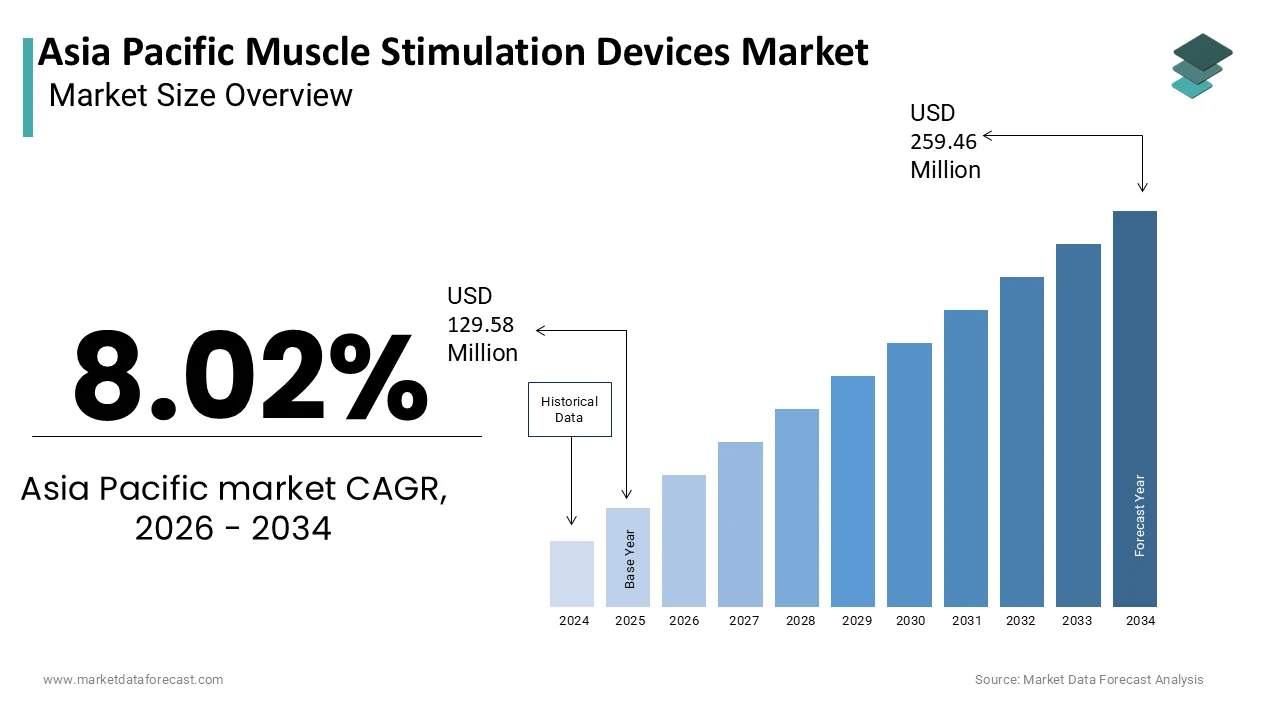
$129.58 MnMarket Estimate, 2026
$139.97 MnMarket Forecast, 2034
$259.46 MnCAGR, 2026–2034
8.02%Asia Pacific Muscle Stimulation Devices Market Report Summary
The Asia Pacific Muscle Stimulation Devices Market was valued at USD 129.58 million in 2025 and is projected to reach USD 259.46 million by 2034, growing from USD 139.97 million in 2026 at a CAGR of 8.02% during the forecast period. Growth is driven by the rising prevalence of chronic pain and neurological disorders, expanding sports medicine and fitness culture, and increasing adoption of rehabilitation technologies. However, stringent regulatory frameworks, high device costs, and limited reimbursement policies continue to restrain market growth.
Key Market Trends
- Increasing integration of wearable technology, Bluetooth connectivity, and IoT-enabled muscle stimulation devices.
- Growing adoption of home healthcare and tele-rehabilitation solutions.
- Rising demand for portable and smartphone-connected muscle stimulation devices.
- Expansion of AI-driven personalized therapy programs and digital health platforms.
- Increasing use of muscle stimulation devices for sports recovery, rehabilitation, and wellness applications.
Segmental Insights
- Based on product type, Transcutaneous Electrical Nerve Stimulator (TENS) held the largest market share of 46.3% in 2025, driven by its non-invasive nature, affordability, ease of use, and widespread application in pain management.
- Based on application, pain management accounted for the largest market share of 56.3% in 2025, supported by the high prevalence of musculoskeletal disorders, chronic pain, and increasing preference for non-pharmacological therapies.
- Neuromuscular Electric Stimulation (NMES) is the fastest-growing product segment, projected to register a CAGR of 9.8%, driven by increasing applications in sports rehabilitation, neurological recovery, and prevention of muscle atrophy.
Regional Insights
- China led the market in 2025, accounting for 43.2% of the regional market, supported by its large aging population, expanding healthcare infrastructure, growing rehabilitation services, and government healthcare initiatives.
- Japan holds a significant share, driven by its super-aged population, advanced healthcare system, and widespread adoption of rehabilitation technologies.
- India is a prominent market, supported by increasing health awareness, expanding physiotherapy services, medical tourism, and growing demand for sports recovery devices.
- Australia contributes notably through strong reimbursement policies, advanced physiotherapy services, and increasing adoption of evidence-based rehabilitation technologies.
- South Korea is an emerging high-growth market, driven by digital health innovation, wearable technologies, AI-enabled rehabilitation systems, and smart healthcare initiatives.
Competitive Landscape
The market is highly competitive, with global medical device manufacturers and regional companies competing through product innovation, wireless and AI-enabled technologies, digital health integration, and strategic partnerships with healthcare providers and sports organizations. Companies are investing in wearable devices, mobile applications, clinician training, regional manufacturing facilities, and supply chain optimization to strengthen their market position across the Asia Pacific region.Prominent players in the market include DJO Global, Inc., Zynex, Inc., NeuroMetrix, Inc., RS Medical, Inc., OMRON Corporation, Beurer GmbH, BTL Industries, EMS Physio Ltd., Enovis Corporation, Compex (DJO/Enovis), OG Wellness Technologies Co., Ltd., and Ito Co., Ltd.
 Download Free Sample Report
Asia Pacific Muscle Stimulation Devices Market Size
The Asia-Pacific muscle stimulation devices market size was valued at USD 129.58 million in 2025 and is expected to have an 8.02% CAGR from 2026 to 2034 and be worth USD 259.46 million by 2034 from USD 139.97 million in 2026.
Muscle stimulation devices are therapeutic and wellness technologies, including Electrical Muscle Stimulation, Neuromuscular Electrical Stimulation, and Transcutaneous Electrical Nerve Stimulation systems. These devices utilize electrical impulses to induce muscle contractions, alleviate pain,n and facilitate rehabilitation for patients suffering from neurological disorders, rs sports injuries,s or chronic conditions. As per the World Health Organization, the prevalence of musculoskeletal disorders in the Western Pacific Region affects approximately 1.71 billion people globally, with a significant concentration in aging populations across Japan, China, and South Korea. Regulatory frameworks are evolving, with countries like Australia and Japan implementing stringent medical device regulations under their respective Therapeutic Goods Administration and Pharmaceuticals and Medical Devices Agency guidelines. The integration of digital health solutions allows for remote monitoring and personalized therapy protocols, enhancing patient compliance. Furthermore, the growing participation in fitness activities across urban centers in India and Southeast Asia has spurred demand for consumer-grade stimulation devices aimed at performance enhancement and recovery.
MARKET DRIVERS
Rising Prevalence Of Chronic Pain And Neurological Disorders
The escalating incidence of chronic pain and neurological conditions is driving the growth of the Asia Pacific muscle stimulation devices market. Sedentary lifestyles coupled with an aging population have led to a surge in conditions such as lower back pain, osteoarthritis, and post-stroke mobility issues. Neuromuscular electrical stimulation is widely recognized by clinical practitioners as an effective non-pharmacological intervention for managing these conditions without the side effects associated with opioid medications. The increasing availability of reimbursement policies in countries like Japan and Australia for physiotherapy treatments further encourages patients to seek professional care involving these devices. Hospitals and rehabilitation centers are increasingly incorporating advanced stimulation units into their standard care protocols to improve patient outcomes and reduce hospital stay durations. The chronic nature of these ailments ensures recurring demand for therapy sessions and home use devices. Additionally, the growing awareness among healthcare providers about the efficacy of electrical stimulation in pain management drives prescription rates.
Expansion Of Sports Medicine And Fitness Culture
The rapid expansion of sports medicine infrastructure and the burgeoning fitness culture in emerging economies is significantly propelling the growth of the Asia Pacific muscle stimulation devices market. Governments across the region are investing heavily in sports infrastructure to host international events and promote national health initiatives. Professional athletes and fitness enthusiasts increasingly utilize electrical muscle stimulation for accelerated recovery, injury prevention,n and performance enhancement. As per the study, over 80% of elite athletes incorporate some form of electrical stimulation into their training routines to optimize muscle activation and reduce downtime. The rise of marathon running, cycling, and CrossFit communities in countries like Singapore, Thailand, and Vietnam has created a robust consumer segment for portable and wearable stimulation devices. Manufacturers are responding by developing compact, user-friendly devices that integrate with smartphone applications for personalized workout tracking. Corporate wellness programs are also adopting these technologies to address employee health and productivity. The perception of muscle stimulation as a high-tech aid for achieving fitness goals rather than just a medical tool broadens its appeal beyond clinical settings.
MARKET RESTRAINTS
Stringent Regulatory Heterogeneity Across Countries
The lack of harmonized regulatory frameworks is hindering the growth of the Asia Pacific muscle stimulation devices market. Each country maintains distinct classification criteria, approval processes, and post-surveillance requirements, which complicates entry for manufacturers. According to the Asia Pacific Medical Technology Association, obtaining regulatory clearance in China through the National Medical Products Administration can take up to 24 months, whereas in Singapore the Health Sciences Authority process may take 6 to 12 months. Small and medium-sized enterprises often struggle to navigate the complex legal landscape of multiple jurisdictions, leading to limited product availability in smaller markets. In countries like Indonesia and Vietnam, evolving regulations create uncertainty regarding the classification of consumer versus medical-grade devices. The requirement for local clinical trials in certain markets further delays product launches and increases financial burden. Manufacturers must maintain separate documentation and quality management systems for each country, which strains operational resources. This regulatory fragmentation discourages innovation and limits the speed at which new technologies reach patients. The absence of a unified mutual recognition agreement similar to those in Europe or North America means that companies must treat each market as a unique entity.
High Cost Of Advanced Devices And Limited Reimbursement
The high initial cost of advanced muscle stimulation devices combined with limited insurance coverage is also declining the growth of the Asia Pacific muscle stimulation devices market. While developed nations like Japan and Australia have established reimbursement pathways for specific therapeutic indications,s most emerging economies lack comprehensive coverage for electrotherapy. High-end neuromuscular stimulation units used in clinical settings can cost between 5000 and 15000 dollars, which is beyond the budget of many public hospitals and private clinics in lower-income regions. The limited public health funding prioritizes infectious diseases and basic care over rehabilitative technologies. Even in countries with partial coverage, strict eligibility criteria limit the number of patients who can benefit from reimbursed therapy sessions. This financial barrier forces patients to rely on cheaper,r less effective alternatives or forego treatment altogether. Manufacturers face pressure to reduce prices, es which can compromise profit margins and limit investment in research and development.
MARKET OPPORTUNITIES
Integration With Wearable Technology And IoT
The emergence of muscle stimulation devices with wearable technology and the Internet of Things is expected to accelerate the growth of the Asia Pacific muscle stimulation devices market. Consumers are increasingly seeking connected health solutions that provide real-time feedback and data analytics for personalized therapy. Manufacturers are integrating Bluetooth connectivity and mobile applications into stimulation devices, allowing users to customize intensity patterns,s track progress, ss and share data with healthcare providers. This digital integration enhances user engagement and adherence to treatment protocols. As per the study, growing preference for tele-rehabilitation services, particularly in remote areas where access to specialists is limited. Smart stimulation devices can be remotely monitored by physiotherapists, enabling virtual care models that expand reach and efficiency. The rise of 5G networks in countries like South Korea and Japan facilitates seamless data transmission and low-latency control of devices. Companies are leveraging artificial intelligence to analyze usage patterns and recommend optimized therapy plans. This technological evolution transforms muscle stimulation from a passive treatment into an interactive health management tool. The ability to collect longitudinal data supports clinical research and product improvement.
Growing Demand For Home Healthcare Solutions
The shifting preference towards home-based healthcare due to convenience and cost-effectiveness is also expected to escalate the growth of the Asia Pacific muscle stimulation devices market. The burden on hospital infrastructure and the desire for privacy drive patients to seek effective outpatient and home care options. Portable and battery-operated muscle stimulation devices enable patients to continue their rehabilitation routines without frequent hospital visits. Telemedicine consultations have surged, leading to increased prescriptions for home-use therapeutic devices. Manufacturers are designing ergonomic and discreet devices that are easy to operate by non-professionals. The aging population prefers aging in place, which necessitates reliable home medical equipment. Insurance providers are beginning to recognize the cost benefits of home care and are exploring coverage models for rented or purchased devices. The COVID-19 pandemic accelerated the acceptance of home healthcare, leaving a lasting impact on consumer behavior. Retail pharmacies and e-commerce platforms are expanding their medical device offerings, making procurement easier. This trend democratizes access to therapy and reduces the overall burden on the healthcare system. The convenience factor combined with technological advancements makes home care a lucrative segment for device manufacturers.
MARKET CHALLENGES
Counterfeit Products And Quality Concerns
The proliferation of counterfeit and substandard muscle stimulation devices poses a major challenge for the growth of the Asia Pacific muscle stimulation devices market. The ease of online shopping and lax enforcement in certain jurisdictions allow fake products to flood the market. These counterfeit devices often fail to deliver the required electrical parameters, leading to ineffective treatment or even skin burns and nerve damage. Data from consumer protection agencies in Southeast Asia reveals a significant increase in complaints related to unauthorized electronic health devices sold through unverified online platforms. Legitimate manufacturers suffer from brand dilution and revenue loss as consumers opt for cheaper,r unreliable alternatives. The lack of awareness among consumers about how to identify authentic certified products exacerbates the problem. Regulatory bodies struggle to monitor the vast number of online sellers and cross-border shipments. This issue erodes confidence in the entire category of muscle stimulation devices, making healthcare providers hesitant to recommend them. Ensuring supply chain integrity requires significant investment in serialization and authentication technologies. The reputational risk associated with counterfeit incidents can have long-term negative effects on market growth.
Lack Of Skilled Professionals For Proper Usage
The scarcity of trained healthcare professionals capable of properly administering and supervising muscle stimulation therapy limits the effective utilization of these devices and additionally limits the growth of the Asia Pacific muscle stimulation devices market. Correct placement of electrodes and adjustment of parameters are important for safety and efficacy, yet many general practitioners and nurses lack specialized training in electrotherapy. There is a significant shortage of qualified physiotherapists in rural areas of countries like India, Indonesia, and Vietnam. Even in developed markets,s wait times for specialist appointments can delay treatment initiation. Improper use of stimulation devices can lead to adverse effects such as muscle soreness, skin irritation, or ineffective outcomes, which discourages continued use. The complexity of modern devices with multiple settings requires professional guidance to ensure optimal results. Educational institutions in the region have not kept pace with the growing demand for rehabilitation specialists. This skills gap restricts the adoption of advanced stimulation technologies in primary care settings. Patients who purchase devices without proper instruction often abandon them due to confusion or lack of perceived benefit. Manufacturers face the challenge of providing adequate training and support to bridge this gap. The lack of standardized certification programs for electrotherapy across the region further complicates workforce development.
REPORT COVERAGE
| REPORT METRIC | DETAILS |
| Market Size Available | 2025 to 2034 |
| Base Year | 2025 |
| Forecast Period | 2026 to 2034 |
| Segments Covered | By Product Type, Application, End User and Region. |
| Various Analyses Covered | Global, Regional and Country-Level Analysis, Segment-Level Analysis, Drivers, Restraints, Opportunities, Challenges; PESTLE Analysis; Porter’s Five Forces Analysis, Competitive Landscape, Analyst Overview of Investment Opportunities |
| Countries Covered | India, China, Japan, South Korea |
| Market Leaders Profiled | DJO Global, Inc., Zynex, Inc., NeuroMetrix, Inc., RS Medical, Inc., OMRON Corporation, Beurer GmbH, BTL Industries, EMS Physio Ltd., Enovis Corporation, Compex (DJO/Enovis), OG Wellness Technologies Co., Ltd., Ito Co., Ltd. |
SEGMENTAL ANALYSIS
By Product Type Insights
The transcutaneous electrical nerve stimulator segment was the largest by holding 46.3% of the Asia Pacific muscle stimulation devices market share in 2025 due to its widespread acceptance as a first-line non-invasive therapy for acute and chronic pain management. TENS units are favored for their ease of use, portability, and ability to provide immediate relief without pharmacological intervention. According to the World Health Organization, musculoskeletal conditions affect approximately 1.71 billion people globally,y with a high prevalence in the Asia Pacific region, driving the demand for accessible pain relief solutions. The affordability of basic TENS units compared to other advanced stimulation technologies makes them accessible to a broader demographic, including elderly populations in countries like Japan and China. The availability of over-the-counter TENS devices in pharmacies and online platforms further boosts adoption among consumers seeking self- management options. Clinical guidelines in many Asia Pacific countries recommend TENS as part of multimodal pain management strategies, es reducing reliance on opioids. The simplicity of operation requires minimal training, allowing patients to use the devices at home effectively. Manufacturers have focused on producing compact battery-operated models that fit into daily lifestyles.
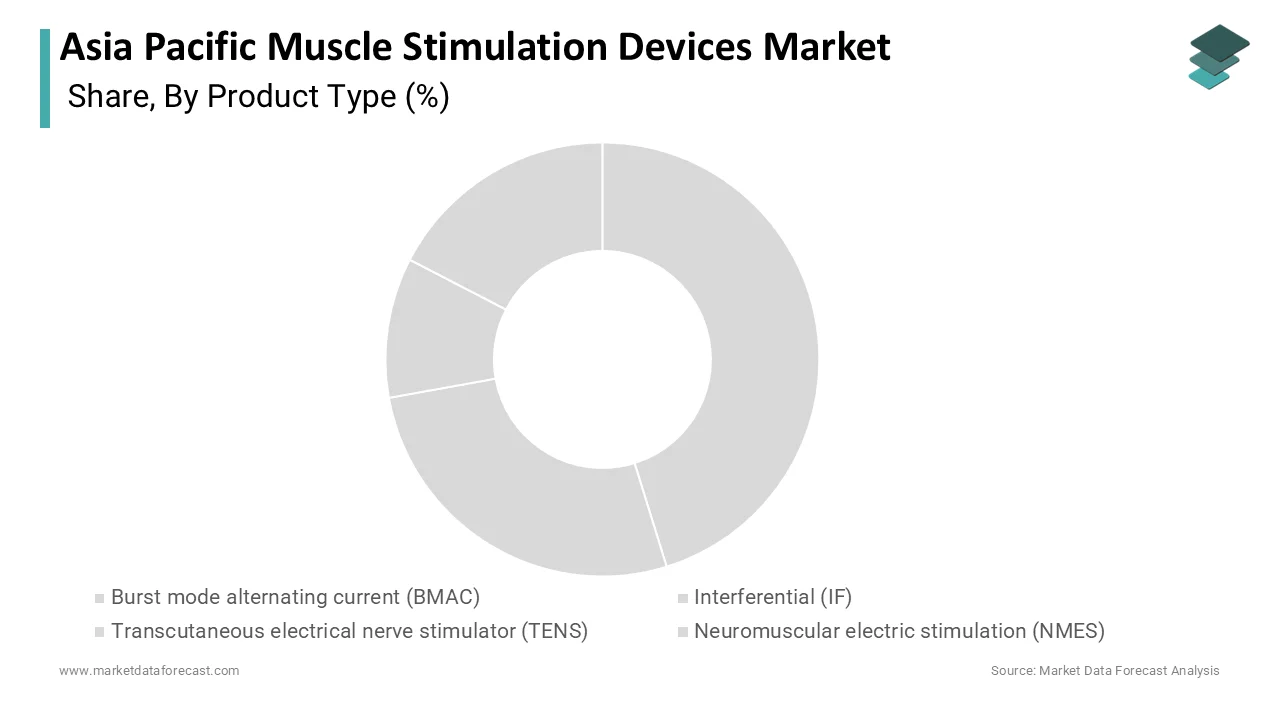
The neuromuscular electric stimulation segment is likely to grow at the fastest CAGR of 9.8% from 2026 to 2034, with the increasing application of NMES in sports performance enhancement,t rehabilitation, and prevention of muscle atrophy in immobilized patients. The aging population in countries like Japan and South Korea requires effective interventions to combat sarcopenia and maintain functional independence. NMES devices are becoming more sophisticated with wireless connectivity and customizable protocols, appealing to both clinical and consumer markets. The integration of NMES into comprehensive rehabilitation programs for stroke and spinal cord injury patients further fuels demand. Technological advancements have made NMES devices more portable and user-friendly, removing previous barriers to adoption.
By Application Insights
The pain management segment was the largest by accounting for 56.3% of the Asia Pacific muscle stimulation devices market share in 2025 due to the high prevalence of acute and chronic pain conditions across the region. Muscle stimulation devices, particularly TENS and interferential current units, ts are widely used to alleviate pain associated with musculoskeletal disorders, arthritis, and nerve damage. Low back pain is the leading cause of years lived with disability in the Asia Pacific region, affecting millions of individuals. The desire to avoid opioid medications and their associated side effects drives patients and healthcare providers towardsnon-pharmacologicall pain relief options. Chronic pain affects approximately 20% of adults globally, with significant economic impacts due to lost productivity and healthcare costs, as per the study. In countries like Australia and Japan, insurance coverage for physiotherapy and pain management treatments supports the use of stimulation devices. The versatility of these devices allows them to be used for various types of pain, including post-surgical pain,n menstrual cramps, ps and sports injuries. Consumer awareness campaigns by medical device manufacturers and healthcare institutions have educated the public about the benefits of electrical stimulation for pain relief. The availability of portable devices enables continuous pain management at home work, and during travel.
The neurological application segment is estimated to grow at the fastest CAGR of 10.5% from 2026 to 2034, with the increasing incidence of neurological disorders such as stroke, spinal cord injury,y and multiple sclerosis, which require extensive rehabilitation. Neuromuscular electrical stimulation is critical in these cases for preventing muscle atrophy,hy improving motor control,rol and facilitating neuroplasticity. Stroke is a leading cause of death and disability in Asia, with China accounting for one third of global stroke cases. The need for intensive and prolonged rehabilitation creates a strong demand for advanced stimulation technologies. Governments in countries like Japan and South Korea are investing in neurorehabilitation centers equipped with state-of-the-art stimulation devices. The development of functional electrical stimulation systems that help paralyzed patients perform movements is driving innovation in this segment. Increased awareness among neurologists and physiotherapists about the benefits of NMES in neurological recovery is expanding its clinical use. The integration of these devices with robotic exoskeletons and virtual reality systems further enhances their efficacy.
By End User Insights
The physiotherapy clinics segment held a dominant share of the Asia Pacific muscle stimulation devices market as they are the primary providers of rehabilitative services requiring these technologies. These clinics serve a diverse patient base including post-surgical patients, sports injuries, and chronic pain sufferers who require professional administration of muscle stimulation therapy. Clinics invest in high-end, durable muscle stimulation units that offer multiple modalities such as TENS, NMES, and interferential current to address various clinical needs. The expertise of physiotherapists ensures optimal parameter selection and electrode placement, maximizing therapeutic outcomes. Patients often visit clinics for a series of sessions, creating consistent demand for equipment usage. The credibility of clinical settings encourages patients to continue therapy and potentially purchase home units for maintenance. Regulatory requirements for professional-grade equipment ensure that clinics purchase certified and reliable devices.
The home care segment is projected to grow at the fastest CAGR of 11.2% from 2026 to 2034, with the increasing preference for convenient and cost-effective healthcare solutions at home. The aging population and rising prevalence of chronic conditions require long-term management that is best supported by home-based therapies. The number of individuals receiving home care services has increased significantly, reflecting a broader regional trend. Portable and user-friendly muscle stimulation devices enable patients to continue their rehabilitation routines without frequent hospital visits. Telemedicine platforms are integrating with home stimulation devices,s allowing remote monitoring and adjustment of therapy parameters by healthcare providers. The convenience of home care reduces transportation costs and time burdens for patients and caregivers. Insurance providers are beginning to cover home healthcare technologies,s recognizing their potential to reduce hospital readmissions.
COUNTRY LEVEL ANALYSIS
China Muscle Stimulation Devices Market Analysis
China was the top performer in the Asia Pacific muscle stimulation devices market by holding 43.2% of the share in 20,25 with its large aging population demographics and expanding healthcare infrastructure. The country has a high prevalence of musculoskeletal and neurological disorders, creating substantial demand for rehabilitation technologies. Thegovernment'st Healthy China 2030 initiative promotes preventive care and rehabilitation, boosting investment in medical devices. Local manufacturers are innovating to produce cost-effective devices for both clinical and home use. The rising middle class is increasingly willing to spend on health and wellness products. Regulatory reforms by the National Medical Products Administration have streamlined approval processes for innovative devices. The integration of traditional Chinese medicine with modern electrotherapy creates unique market opportunities. Large-scale hospital construction projects include dedicated rehabilitation departments equipped with advanced stimulation units. The vast domestic market allows for economies of scale, driving down costs.
Japan Muscle Stimulation Devices Market Analysis
Japan muscle stimulation devices market growth is expected to have significant growth opportunities in the coming years, with high adoption rates among its super-aged society. The country has one of the highest proportions of elderly citizens globally, driving demand for rehabilitative and home care solutions. According to the study, long-term care insurance covers a wide range of rehabilitation services, including electrical stimulation therapy. Japanese consumers prioritize high quality and reliability, leading to demand for premium devices with advanced features. Companies like Omron and Panasonic are leaders in developing compact and user-friendly stimulation units. The integration of robotics and AI into rehabilitation equipment is a key trend in Japan. Regulatory standards are stringent, ensuring high safety and efficacy levels. The well-developed healthcare infrastructure supports widespread access to professional therapy. Research and development investments focus on improving comfort and effectiveness of stimulation technologies. The cultural acceptance of technology in elderly care facilitates adoption.
India Muscle Stimulation Devices Market Analysis
India muscle stimulation devices market growth is likely to grow with increasing health awareness and expanding medical tourism. The rising incidence of lifestyle diseases and sports injuries is boosting demand for pain management and rehabilitation solutions. As per the data, integration of modern electrotherapy with traditional practices is gaining traction in urban centers. The presence of a large number of physiotherapy clinics in metropolitan areas drives professional usage. Medical tourism brings international patients seeking affordable, yet high-quality rehabilitation services. Local manufacturers are producing cost-effective devices to cater to the price-sensitive mass market. E-commerce platforms are playing a crucial role in distributing home-use devices to tier 2 and tier 3 cities. Government initiatives like Ayushman Bharat aim to improve access to healthcare services including rehabilitation. The young population is increasingly participating in fitness activities, driving demand for sports recovery devices.
Australia Muscle Stimulation Devices Market Analysis
Australia's muscle stimulation devices market growth is driven by strong reimbursement policies and high clinical standards. The country has a well-established healthcare system that supports the use of evidence-based rehabilitation technologies. The physiotherapy services are widely utilized for musculoskeletal conditions. The strict regulatory oversight ensures only high-quality devices enter the market. Private health insurance rebates encourage patients to seek professional therapy involving muscle stimulation. The high prevalence of sports participation drives demand for performance and recovery devices among athletes. Consumers are well informed and prefer branded and certified products. The market is dominated by international players who comply with rigorous local standards. Telehealth services have expanded access to rehabilitation advice and device prescriptions in rural areas. Research institutions collaborate with industry to develop innovative stimulation technologies. The focus on patient outcomes and safety drives continuous improvement in device design.
South Korea Muscle Stimulation Devices Market Analysis
South Korea's muscle stimulation devices market growth is propelled by digital health and technology integration. The country has a highly connected population that embraces smart healthcare solutions. Significant investment in wearable health technologies, including smart stimulation devices. The aging population requires efficient home care solutions, driving demand for connected rehabilitation equipment. Major electronics companies are entering the medical device spac,e leveraging their expertise in miniaturization and connectivity. The government supports the development of AI-based rehabilitation systems. High internet penetration facilitates telemedicine and remote monitoring applications. Consumers value aesthetics and functionality, leading to sleek and user-friendly device designs. The strong manufacturing base allows for rapid prototyping and production.
COMPETITIVE LANDSCAPE
The competitive landscape of the Asia Pacific muscle stimulation devices market is characterized by a mix of global medical technology giants and agile local manufacturers catering to diverse consumer and clinical needs. Leading players compete primarily on technologiinnovation in n, product reliability,iability and ease of use rather than price alone, especially in the professional segment. The market sees significant differentiation through the integration of digital features such as Bluetooth connectivity and AI-driven therapy protocols, which enhance value propositions fortech-savvyy consumers. Sustainability and portability are becoming key battlegrounds, with companies investing in eco-friendly materials and compact designs to align with modern lifestyle trends. Price competition remains intense in the consumer segment, where numerous low-cost alternatives from local brands challenge established players. Strategic alliances with healthcare institutions and sports bodies help build trust and credibility. Regulatory compliance varies across countries, creating barriers to entry for smaller firms but offering advantages to those with robust quality management systems.
KEY MARKET PLAYERS
Some of the companies that are playing a dominating role in the Asia Pacific Muscle Stimulation Devices Market include:
- DJO Global, Inc.
- Zynex, Inc.
- NeuroMetrix, Inc.
- RS Medical, Inc.
- OMRON Corporation
- Beurer GmbH
- BTL Industries
- EMS Physio Ltd.
- Enovis Corporation
- Compex (DJO/Enovis)
- OG Wellness Technologies Co., Ltd.
- Ito Co., Ltd.
TOP LEADING PLAYERS IN THE MARKET
- Omron Healthcare Co Ltd is a dominant force in the Asia Pacific muscle stimulation devices market,t leveraging its strong brand reputation and extensive distribution network across Jap China h, ina and Southeast Asia. The company specializes in portable Transcutaneous Electrical Nerve Stimulation units designed for home use, us,e focusing on pain relief and wellness applications. Omron recently launched advanced wearable stimulation patches that integrate with smartphone applications to provide personalized therapy programs and real-time tracking. The company has strengthened its position by expanding manufacturing capabilities in Vietnam to serve regional demand more efficiently. Strategic partnerships with local pharmacies and e-commerce platforms ensure wide product availability. Omron's continuous investment in research and development focuses on miniaturization and battery efficiency, enhancing user convenience.
- BTL Group s r o contributes significantly to the Asia Pacific muscle stimulation devices market through its high-end professional equipment used in physiotherapy clinics and sports medicine centers. The company offers a comprehensive portfolio, including Neuromuscular Electrical Stimulation and interferential current systems known for their precision and durability. BTL recently introducedAI-drivenn rehabilitation protocols that adapt stimulation parameters based on patient response, improving treatment outcomes. The company has expanded its presence in Australia and South Korea by collaborating with leading rehabilitation hospitals and sports institutes. BTL focuses on providing extensive training programs for clinicians,s ensuring proper usage and maximizing therapeutic benefits. Its commitment to innovation is evident in the development of wireless electrode systems that enhance patient comfort during sessions.
- Compex SA plays a pivotal role in the Asia Pacific muscle stimulation devices market, particularly in the sports performance and recovery segment. The company is renowned for its wireless muscle stimulators used by elite athletes and fitness enthusiasts acrossAustraliaia NeZealanda nd and emerging markets in Southeast Asia. Compex recently launched new pre-set programs tailored for specific sports activities such as running, cycling, and strength training,aining enhancing its appeal to active consumers. The company has strengthened its market position by partnering with major sports federations and fitness chains to promote its technology as an essential recovery tool. Compex integrates its devices with mobile apps that offer coaching advice and progress tracking, creating a holistic ecosystem for users.
TOP STRATEGIES USED BY KEY MARKET PARTICIPANTS
Key players in the Asia Pacific muscle stimulation devices market employ several strategic approaches to maintain competitiveness and drive growth. Product innovation remains central with companies developing wireless, wearable, and AI-integrated devices to enhance user experience and clinical efficacy. Strategic partnerships with healthcare providers, sports organizations, and e-commerce platforms help expand market reach and build brand credibility. Companies focus on localization by adapting products to meet specific regulatory requirements and cultural preferences in diverse Asian markets. Digital health integration through mobile applications enables remote monitoring and personalized therapy plans, increasing patient engagement. Manufacturers also invest in educational initiatives to train clinicians and consumers on proper device usage, ensuring safety and effectiveness. Supply chain optimization through regional manufacturing hubs reduces costs and improves delivery times.
MARKET SEGMENTATION
This research report on the Asia Pacific Muscle Stimulation Devices Market has been segmented and sub-segmented into the following categories.
By Product Type
- Burst mode alternating current (BMAC)
- Interferential (IF)
- Transcutaneous electrical nerve stimulator (TENS)
- Neuromuscular electric stimulation (NMES)
By Application
- Musculoskeletal disorder management
- Pain management
- Neurological
- Movement disorder management
By End User
- Physiotherapy clinics
- Homecare
- Hospitals
- Sports clinics
By Country
- India
- China
- Japan
- South Korea
- Australia
- New Zealand
- Thailand
- Malaysia
- Vietnam
- Philippines
- Indonesia
- Singapore
- Rest of APAC