- Product Description Description
- Table of Contents TOC
- List of Table & Figure LOT
- Get Free Sample PDF Sample PDF
Market Size, 2025
$5.32 BnMarket Estimate, 2026
$5.85 BnMarket Forecast, 2034
$12.48 BnCAGR, 2026–2034
9.93%Executive Summary: Asia Pacific Respiratory Devices Market
- Market Scope: Comprehensive regional assessment covering device types (therapeutic devices, diagnostic & monitoring devices, and disposables), end users (hospitals and homecare settings), and country-level markets across the Asia-Pacific region.
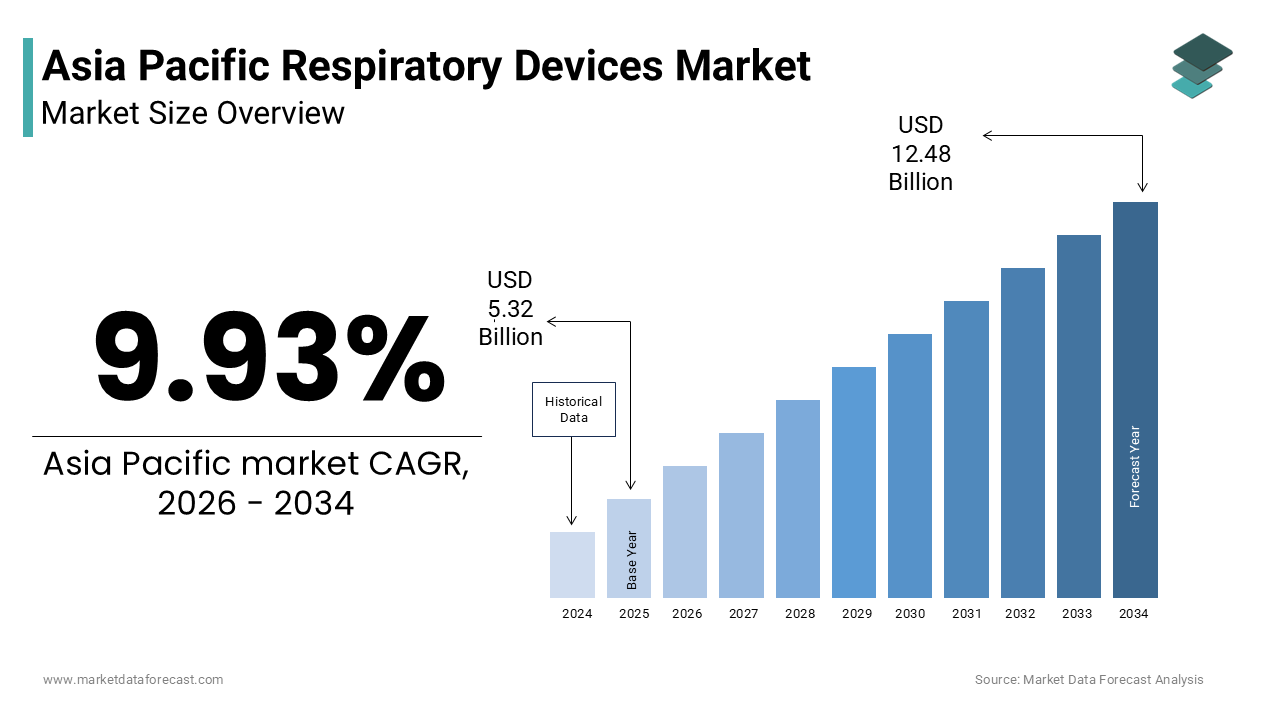
- Market Valuation: Valued at USD 5.32 billion in 2025, estimated at USD 5.85 billion in 2026, and projected to reach USD 12.48 billion by 2034, registering a strong compound annual growth rate (CAGR) of 9.93% during the forecast period from 2026 to 2034.
- Primary Growth Drivers: High incidence of respiratory disorders (such as asthma and COPD), rising aging populations, increasing urbanization and pollution levels, higher smoking rates, lifestyle changes, and improving healthcare infrastructure across emerging economies.
Key Market Segment Metrics (2026–2034)
| Category | Leading Segment Focus | Fastest-Growing / Key Structural Trends |
|---|---|---|
| By Type | Breathing Apparatus / Therapeutic Devices (command the largest market share due to escalating rates of respiratory illnesses) | Diagnostic & Monitoring Devices & Disposables (growing steadily with technological advancements focused on portability and simplicity of use) |
| By End User | Hospitals (represent the most prominent section backed by modern equipment, acute care capabilities, and skilled clinical staff) | Homecare Settings (expanding rapidly as an essential growth driver fueled by a growing senior population and chronic disease management) |
| By Country | China (holds the largest regional market share, propelled by advanced healthcare infrastructure, rising disposable incomes, and government support) | India (one of the fastest-growing countries in APAC, driven by high prevalence of respiratory illnesses and improving health facilities) |
Major Market Players & Market Structure
Market Structure: A highly competitive regional market environment characterized by major multinational medical technology corporations innovating around portability, patient compliance, and connected health solutions.
Key Companies: Masimo Corporation, ResMed, Inc., Philips Healthcare, Covidien plc, CareFusion Corporation, and Fisher & Paykel Healthcare Limited.
Asia Pacific Respiratory Devices Market Size
The Asia Pacific respiratory devices market size was valued at USD 5.32 billion in 2025 and is anticipated to reach USD 5.85 billion in 2026 from USD 12.48 billion by 2034, growing at a CAGR of 9.93% during the forecast period from 2026 to 2034.
Respiratory devices are medical tools that help people breathe, deliver oxygen, manage airways, or test lung function. These tools treat conditions like asthma, chronic obstructive pulmonary disease (COPD), and sleep apnea. They are used in hospitals and at home. This market includes ventilators, oxygen concentrators, nebulisers, and continuous positive airway pressure devices essential for critical care and home health settings. According to the World Health Organisation, chronic obstructive pulmonary disease causes 3.4 million deaths globally, with low- and middle-income countries accounting for nearly 90% of these deaths in people under 70 years of age. As per the Global Burden of Disease Study, global child lower respiratory infection incidence declined to 69.9 million cases, while South Asia and western sub-Saharan Africa continue to report the highest disease burdens. These alarming health statistics necessitate robust infrastructure for respiratory support and monitoring. Governments across the region are prioritizing healthcare accessibility, which drives the procurement of advanced respiratory technologies. The increasing prevalence of asthma and sleep apnea further amplifies demand for noninvasive therapeutic solutions. Technological advancements enabling portable and user friendly devices align with the growing preference for home based care. Hospitals are upgrading intensive care units with smart ventilators to improve patient outcomes during respiratory crises. The integration of digital health tools with respiratory devices enhances remote monitoring capabilities. Such innovations address the shortage of healthcare professionals in rural areas by facilitating telemedicine. Consequently, the market is poised for substantial growth driven by clinical needs and technological evolution.
MARKET DRIVERS
Rising Prevalence of Chronic Respiratory Diseases Driving Demand
The escalating incidence of chronic respiratory disorders is driving the expansion of the Asia Pacific Respiratory Devices Market. According to the International Union Against Tuberculosis and Lung Disease, global age-standardised rates of tuberculosis declined markedly from 1990 to 2021, yet Southeast Asia and Africa continue to report the highest absolute numbers and persistent disease burdens. This massive patient population creates an enduring need for reliable oxygen therapy and ventilation support systems. Additionally, according to the World Health Organisation, tobacco smoking accounts for over 70% of chronic obstructive pulmonary disease cases in high-income countries, while it accounts for 30% to 40% of cases in low- and middle-income nations where household air pollution remains a major risk factor. These lifestyle factors, combined with aging demographics, intensify the requirement for long term respiratory management solutions. Healthcare providers are increasingly adopting home care models to reduce hospital readmissions and lower treatment costs. Portable oxygen concentrators and nebulizers enable patients to manage their conditions effectively within domestic environments. The shift towards preventive care encourages early diagnosis through spirometry and other diagnostic devices. Public awareness campaigns about lung health further stimulate demand for screening tools. Pharmaceutical companies collaborating with device manufacturers promote integrated care packages for asthma and COPD patients. This synergy between drug therapy and device usage enhances treatment adherence and efficacy. As urbanisation continues, exposure to indoor and outdoor pollutants exacerbates respiratory issues. Consequently, the sustained rise in disease prevalence ensures steady growth for respiratory device manufacturers across the region.
Government Initiatives Enhancing Healthcare Infrastructure
Strategic government investments in healthcare infrastructure significantly fuel the growth of the Asia Pacific respiratory devices market. According to the National Health Commission of China, the "Thousand County Project" was launched to expand intensive care unit services at the county level to mitigate the unequal geographic allocation of critical care resources. This initiative aims to improve emergency response capabilities, particularly in light of recent pandemic experiences. Similarly As per the Ministry of Health and Family Welfare of India, the rural public healthcare delivery system utilizes a network of sub-centers, primary health centers, and community health centers to provide equitable access to basic medical services and common ailment management. These policy-driven efforts ensure that even remote areas have access to essential life-saving technologies. According to the Ministry of Health, Labour and Welfare of Japan, the public Long-Term Care Insurance system was launched in 2000 to cover institutional and community-based care services, including the loan of medical and daily living devices for certified elderly residents. This financial support reduces the economic burden on families and encourages the uptake of continuous positive airway pressure machines for sleep apnea. Regulatory bodies in South Korea and Australia streamline approval processes for innovative respiratory technologies, fostering rapid market entry. Public-private partnerships facilitate the distribution of affordable devices to underserved populations. Training programs for healthcare workers improve the proper utilisation and maintenance of respiratory equipment. Such comprehensive strategies create a favourable ecosystem for market growth. The alignment of national health goals with technological adoption ensures sustained demand. Governments recognise that robust respiratory care infrastructure is vital for public health security and economic stability.
MARKET RESTRAINTS
High Cost of Advanced Respiratory Technologies Limiting Access
The prohibitive cost of advanced equipment is a serious limitation to the Asia Pacific respiratory devices market. This restraint hinders widespread adoption of these products in many parts of the region. According to the World Bank, household out-of-pocket spending on healthcare remains persistently high in Southeast Asia, reaching up to 40% to 47% of total current health expenditures in several member countries. High end ventilators and sophisticated monitoring systems often exceed the budgetary constraints of small clinics and rural hospitals. This financial disparity results in unequal access to critical care resources between urban and rural populations. Manufacturers face challenges in pricing their products competitively while maintaining quality standards and profitability. The lack of adequate reimbursement policies for respiratory therapies further discourages patients from purchasing necessary devices. In countries like Vietnam and the Philippines, insurance coverage for durable medical equipment is limited or nonexistent. This gap forces patients to rely on outdated or substandard alternatives, which compromise treatment outcomes. Healthcare providers hesitate to invest in new technologies without clear financial returns or government subsidies. The high initial capital requirement for setting up respiratory care units deters private investors in emerging markets. Maintenance and operational costs add to the financial burden, making long-term sustainability difficult. Until pricing structures become more inclusive or financing options expand, the high cost will continue to restrict market penetration. Affordability remains a critical hurdle for achieving equitable respiratory care across the diverse economic landscapes of Asia Pacific.
Shortage of Skilled Healthcare Professionals Hindering Utilisation
The scarcity of trained healthcare professionals capable of operating and maintaining complex respiratory devices impedes the Asia Pacific market growth. As per the World Health Organization, the projected global health worker shortage is estimated to reach 11 million by 2030, with low- and lower-middle-income nations experiencing the most pronounced deficits. Many rural clinics lack staff with the expertise to manage mechanical ventilators or interpret data from advanced monitoring systems. This skills gap leads to underutilization of installed equipment and potential safety risks for patients. Medical education curricula in several developing nations do not adequately cover the technical aspects of modern respiratory care. Consequently, newly graduated nurses and doctors may feel unprepared to handle sophisticated devices in critical care settings. The turnover rate among healthcare staff further exacerbates the problem as experienced personnel migrate to better paying opportunities abroad. Hospitals struggle to provide continuous training due to resource constraints and heavy workloads. Without proper training, the risk of device misuse increases, leading to complications and reduced confidence in technology. Manufacturers find it challenging to introduce innovative features if end users lack the necessary technical proficiency. This human resource constraint limits the effective deployment of advanced respiratory solutions. Addressing this shortage requires coordinated efforts in education and professional development. The full potential of respiratory devices will remain unrealised in many healthcare facilities. This issue will continue until the workforce capacity improves.
MARKET OPPORTUNITIES
Integration of IoT and Remote Monitoring Technologies
The integration of Internet of Things capabilities into these devices opens the door for expansion of the Asia Pacific respiratory devices market. According to the Asian Development Bank, expanding investments in digital health infrastructures and frameworks enables developing member economies to maximise the impact of information technology in achieving universal health coverage. Smart ventilators and connected oxygen concentrators allow real-time transmission of patient data to healthcare providers, enabling timely interventions. This technology reduces the need for frequent hospital visits, which is particularly beneficial for patients in remote areas. Telemedicine platforms incorporating respiratory metrics facilitate continuous monitoring of chronic conditions such as asthma and COPD. The growing smartphone penetration in countries like India and Indonesia supports the adoption of mobile health applications linked to respiratory devices. Patients can track their lung function and receive personalised feedback, enhancing self-management capabilities. Healthcare systems benefit from reduced workload and improved resource allocation through automated data analysis. Insurance companies are beginning to offer incentives for using connected devices that demonstrate improved health outcomes. This trend encourages patients to invest in smart respiratory technologies. Manufacturers are focusing on developing user-friendly interfaces and secure data protocols to build trust. The convergence of connectivity and respiratory care creates new revenue streams and service models. Digital infrastructure is improving. As a result, the demand for IoT-enabled respiratory devices is expected to surge significantly.
Expansion of Home Healthcare Services
The rapid growth of home healthcare services offers substantial opportunities for the Asia Pacific Respiratory Devices Market. As per the United Nations Population Fund, the population of older persons aged 60 or older in the Asia-Pacific region is projected to triple by 2050, expanding to nearly 1.3 billion individuals. Ageing populations prefer receiving treatment in the comfort of their homes rather than institutional settings. This preference drives the adoption of portable and easy to use respiratory devices such as home ventilators and CPAP machines. Family caregivers require reliable equipment that ensures patient safety without constant professional supervision. Companies are designing devices with simplified controls and alarm systems to accommodate non-medical users. The rise of nuclear families in urban areas reduces the availability of informal care, prompting reliance on professional home care agencies. These agencies procure respiratory equipment to deliver comprehensive care packages to clients. Government initiatives promoting aging in place further support this trend by providing subsidies for home modifications and medical equipment. The convenience and cost-effectiveness of home care appeal to both patients and payers. Manufacturers can capitalise on this shift by offering rental services and maintenance contracts for home devices. The expansion of e-commerce platforms facilitates direct-to-consumer sales of respiratory products. This channel growth enables broader reach and faster delivery to end users. The home healthcare segment thus represents a dynamic avenue for market development.
MARKET CHALLENGES
Regulatory Complexity Across Diverse Jurisdictions
Navigating the complex regulatory landscape across different countries in the region remains a major obstacle for manufacturers in the Asia Pacific respiratory devices market. According to the Association of Southeast Asian Nations, the implementation of the ASEAN Medical Device Directive aims to streamline regional trade by standardizing technical frameworks, while member states continue to enforce individual national legislation at varying speeds. Each country has unique approval requirements, documentation standards, and post-market surveillance obligations. For instance, as per the Therapeutic Goods Administration of Australia, all medical devices supplied in the country must remain backed by comprehensive clinical evaluation reports that satisfy stringent essential principles for safety and performance throughout their life cycle on the registry. The fragmentation forces companies to adapt their submission strategies for each jurisdiction, increasing time and costs. Delays in regulatory approvals hinder the launch of innovative products and limit patient access to new technologies. Small and medium enterprises often lack the resources to manage multiple regulatory pathways effectively. Changes in local policies can occur unexpectedly, requiring constant vigilance and adaptation. The lack of mutual recognition agreements means that approval in one country does not guarantee acceptance in another. This inefficiency slows down regional expansion plans and discourages investment in less predictable markets. Manufacturers must maintain dedicated regulatory affairs teams to ensure compliance, which adds to operational overhead. The uncertainty surrounding regulatory timelines affects supply chain planning and inventory management. Companies will continue to face heavy administrative burdens until greater harmonisation is achieved. These burdens ultimately impede agile market entry and growth.
Supply Chain Disruptions and Raw Material Shortages
Supply chain vulnerabilities are a persistent challenge to the stability of the Asia Pacific Respiratory Devices Market. According to the World Trade Organization, misaligned regulatory changes and global trade barriers disrupt the supply chain of critical health products, highlighting a growing regional reliance on multilateral cooperation to secure essential components. Many manufacturers depend on imported sensor chips and raw materials from a limited number of suppliers. Geopolitical tensions and natural disasters in key sourcing regions can lead to sudden shortages and price volatility. The pandemic exposed the fragility of just-in-time inventory models, prompting a reevaluation of supply chain resilience. However, transitioning to diversified sourcing strategies requires substantial investment and time. Local production capabilities for critical components remain underdeveloped in many Asia Pacific countries. This dependency on imports makes the market susceptible to currency fluctuations and trade barriers. Logistics bottlenecks at ports and borders further delay the delivery of finished products to healthcare facilities. Hospitals face stockouts of essential respiratory devices during peak demand periods, compromising patient care. Manufacturers struggle to balance cost efficiency with supply security in an unpredictable environment. The lack of transparency in tier two and tier three supplier networks complicates risk management. Building robust and flexible supply chains is essential but challenging amidst global uncertainties. These logistical hurdles continue to threaten the consistent availability of respiratory devices across the region.
REPORT COVERAGE
| REPORT METRIC | DETAILS |
| Market Size Available | 2025 to 2034 |
| Base Year | 2025 |
| Forecast Period | 2026 to 2034 |
| CAGR | 9.93% |
| Segments Covered | By Type, End User and Region. |
| Various Analyses Covered | Global, Regional & Country Level Analysis, Segment-Level Analysis, DROC, PESTLE Analysis, Porter’s Five Forces Analysis, Competitive Landscape, Analyst Overview of Investment Opportunities |
| Regions Covered | India, China, Japan, South Korea, Australia, New Zealand, Thailand, Malaysia, Vietnam, the Philippines, Indonesia, Singapore, and the Rest of APAC. |
| Market Leaders Profiled | Masimo Corporation, ResMed, Inc., Philips Healthcare, Covidien plc, CareFusion Corporation, and Fisher & Paykel Healthcare Limited |
SEGMENTAL ANALYSIS
By Type Insights
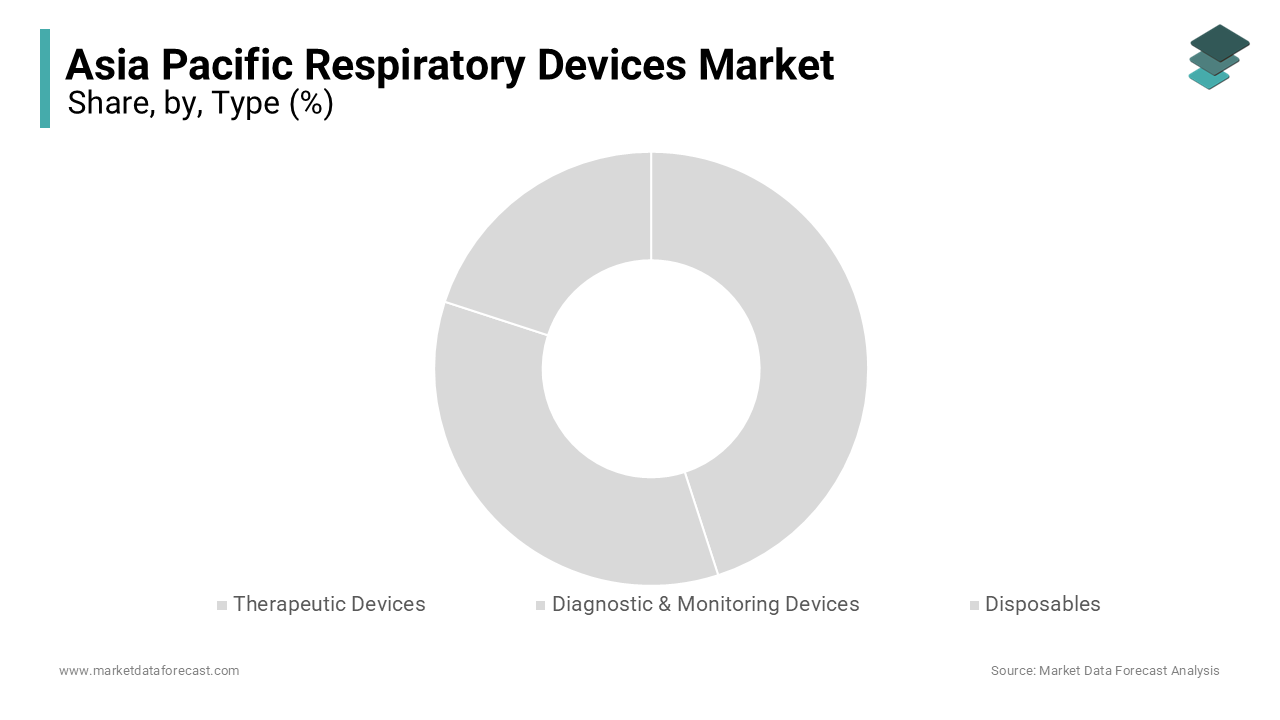
The therapeutic devices segment continued to lead the Asia Pacific respiratory devices market and captured a significant share in 2025. This leading position of the segment was attributed to the critical need for immediate intervention in acute and chronic respiratory conditions. The high prevalence of severe lung diseases necessitates continuous use of ventilators, oxygen therapy systems and nebulisers. According to the World Health Organisation, chronic obstructive pulmonary disease causes 3.23 million deaths annually, serving as the third leading cause of death worldwide, with nearly 90% of these fatalities occurring in low- and middle-income nations. This fact underscores the relentless demand for therapeutic interventions that support breathing function. Additionally, as per the Global Initiative for Chronic Obstructive Lung Disease, there are over 200 million people living with chronic obstructive pulmonary disease globally, which represents a massive healthcare burden across both developed and developing regions. These patients require long-term therapeutic support, driving consistent procurement of devices by hospitals and home care providers. The aging population in countries like Japan and China further amplifies the need for respiratory support as lung capacity naturally declines with age. Hospitals prioritize the acquisition of advanced ventilators to manage critical care patients effectively. Home care settings increasingly adopt portable oxygen concentrators to improve patient quality of life. The essential nature of these devices ensures they remain the primary focus of healthcare spending. Technological advancements such as noninvasive ventilation have expanded the applicability of therapeutic devices to wider patient groups. Government subsidies for essential medical equipment also favor the purchase of therapeutic devices over diagnostic tools. This sustained clinical necessity solidifies the leadership of the therapeutic segment in the regional market.
The expansion of critical care infrastructure across Asia Pacific strengthens this segment's position as the dominant force. According to The Lancet Regional Health - Western Pacific, critical care bed capacity in studied Asian economies expanded close to three-fold from 2017 to 2022, primarily driven by investments in middle-income nations. As per the National Health Commission of China, the state significantly expanded national critical care capacity by scaling up intensive care unit beds to minimize geographic gaps in emergency medical services. Each new ICU bed requires a suite of therapeutic respiratory equipment, including mechanical ventilators and high flow nasal cannula systems. This infrastructure development creates a direct and substantial demand for therapeutic devices. Similarly, the Indian Ministry of Health has launched initiatives to upgrade district hospitals with critical care capabilities. These programs mandate the installation of standard respiratory support systems, ensuring steady orders for manufacturers. The focus on reducing mortality rates from respiratory failures pushes healthcare administrators to procure state-of-the-art therapeutic technologies. Training programs for intensivists emphasize the use of advanced ventilation modes, further driving adoption. Private hospital chains are also expanding their critical care units to attract patients seeking high-quality emergency services. The competitive landscape encourages investment in premium therapeutic devices. As healthcare systems mature, the density of therapeutic equipment per hospital bed increases. This structural growth in healthcare capacity ensures that therapeutic devices remain the largest revenue-generating segment in the market.
The diagnostic and monitoring devices segment is the fastest growing in the Asia Pacific respiratory devices market due to the shift towards preventive healthcare and early detection. The rising awareness of respiratory health issues prompts individuals to seek regular screening and monitoring solutions. According to the American Thoracic Society, standardized spirometry execution remains essential for the accurate classification, early management, and longitudinal monitoring of chronic respiratory disorders. This clinical guideline drives the adoption of portable spirometers in primary care settings across the region. Additionally, as per the World Health Organization, early diagnosis combined with prompt treatment of active tuberculosis cases halts transmission chains and significantly mitigates the global disease burden. Countries like Indonesia and the Philippines are integrating digital chest X-ray systems and molecular diagnostic devices into national TB control programs. The integration of artificial intelligence in diagnostic imaging enhances accuracy and speed, attracting healthcare providers. Remote monitoring devices allow patients to track lung function at home, providing valuable data to physicians. The convenience of home based diagnostics appeals to the growing elderly population who prefer avoiding hospital visits. Technological innovations such as wearable respiratory sensors enable continuous monitoring without disrupting daily activities. These advancements make diagnostic devices more accessible and user-friendly. The focus on personalised medicine requires detailed physiological data, which diagnostic devices provide. As healthcare systems transition from reactive to proactive models, the demand for diagnostic and monitoring tools accelerates rapidly.
Technological advancements in portable diagnostic devices fuel the rapid growth of this segment in the Asia Pacific market. According to the Journal of Medical Internet Research, mobile remote monitoring applications connected to Bluetooth handheld spirometers allow clinicians to evaluate real-time lung function data and detect early signs of clinical deterioration. This evidence supports the widespread adoption of connected diagnostic tools in both urban and rural settings. Manufacturers are developing compact and battery operated devices that deliver hospital grade accuracy in a handheld format. These innovations address the logistical challenges of transporting large equipment to remote areas in countries like Vietnam and Thailand. The miniaturisation of sensors allows for integration into smartphones, enabling real-time data analysis and sharing with healthcare providers. This connectivity facilitates telemedicine consultations, which are becoming increasingly popular in the region. The cost of portable diagnostic devices has decreased due to mass production, making them affordable for individual consumers. Insurance companies are beginning to reimburse for home monitoring devices that help manage chronic conditions effectively. Educational campaigns by respiratory associations encourage patients to take ownership of their health through regular self-monitoring. The ease of use and immediate feedback provided by these devices empower patients to make informed health decisions. Regulatory bodies are approving new classes of home-use diagnostic devices, expanding the market scope. The convergence of consumer electronics and medical technology creates a dynamic environment for innovation. These factors collectively drive the high compound annual growth rate observed in the diagnostic and monitoring segment.
By End User Insights
The hospitals segment maintained dominance in the Asia Pacific respiratory devices market and accounted for a substantial share in 2025. This dominance of the segment was driven by their role as primary centers for acute care and complex disease management. The majority of severe respiratory cases requiring mechanical ventilation or advanced oxygen therapy are treated in hospital settings. According to the World Health Organisation, chronic respiratory diseases contribute to nearly 12% of all deaths in the South-East Asia Region, where lower respiratory infections persist as a leading public health challenge for vulnerable populations. This high volume of inpatient care necessitates a vast inventory of respiratory devices within hospital wards and intensive care units. Additionally, as per the Association of Pacific Rim Universities, collaborative global health programs leverage institutional research across member networks to address regional healthcare delivery gaps driven by rapidly aging populations and emerging infectious threats. These upgrades include the procurement of high end ventilators with advanced monitoring capabilities and noninvasive ventilation systems. Hospitals serve as training hubs for healthcare professionals who become accustomed to specific brands and technologies, influencing future procurement decisions. The concentration of specialised pulmonologists in hospitals drives the adoption of sophisticated diagnostic and therapeutic equipment. Emergency departments require immediate access to reliable respiratory support devices to stabilise critically ill patients. Public hospitals benefit from government funding aimed at improving emergency response capacities. Private hospitals compete on the quality of care, offering state-of-the-art respiratory technologies to attract patients. The centralised nature of hospital procurement allows for bulk purchasing agreements, ensuring steady demand for manufacturers. This institutional dominance ensures that hospitals remain the largest consumer of respiratory devices in the region.
Government funding for public healthcare facilities significantly drives the dominance of hospitals as the primary end user of respiratory devices. According to the National Health Commission of China, the central government drives extensive fiscal investments to reinforce medical treatment infrastructure and standardise public health emergency preparedness across regional hospital networks. This substantial investment ensures that public hospitals have the necessary resources to handle respiratory outbreaks and chronic care needs. Similarly, as per the Ministry of Health and Family Welfare of India, the Ayushman Bharat Pradhan Mantri Jan Arogya Yojana framework extends health protection coverage up to ₹5 lakh per family annually for secondary and tertiary care hospitalisations. This initiative includes the provision of ventilators and oxygen plants to district hospitals, enhancing their capacity to treat respiratory conditions. Public hospitals in countries like Malaysia and Thailand receive regular budget allocations for equipment maintenance and replacement, ensuring continuous operation. These funds prioritise essential medical devices such as respirators and oxygen concentrators, which are critical for patient survival. The emphasis on universal health coverage increases patient footfall in public hospitals, thereby increasing the utilisation of respiratory devices. Government tenders for medical equipment provide a stable revenue stream for manufacturers targeting the hospital segment. Policy mandates requiring minimum staffing and equipment ratios in hospitals further drive procurement. The reliability of government payments makes the hospital segment attractive for long-term business strategies. This consistent financial support from public sectors sustains the leading position of hospitals in the respiratory devices market.
The homecare segment is rapidly expanding in the Asia Pacific respiratory devices market owing to the increasing preference for home based management of chronic respiratory conditions. According to the United Nations Economic and Social Commission for Asia and the Pacific, accelerated demographic transitions across the Asia-Pacific region project that older persons will constitute approximately 25% of the total population by 2050. Elderly patients with conditions such as sleep apnea and COPD prefer the comfort and familiarity of home environments for long-term therapy. This demographic shift drives the adoption of portable oxygen concentrators, continuous positive airway pressure machines, and home nebulisers. Additionally, as per the World Health Organization, integrated community-based care models reduce reliance on prolonged institutionalisation, thereby optimising hospital resource allocation and lowering treatment expenses for chronic care management. Home care devices enable patients to receive effective treatment without frequent hospital visits, improving their quality of life. The rise of nuclear families and working populations reduces the availability of informal caregiving, prompting reliance on professional home care services and automated devices. Technological advancements have made home respiratory devices easier to use and maintain, encouraging patient independence. Insurance providers are increasingly covering home care equipment, recognising its cost-effectiveness compared to inpatient care. E-commerce platforms facilitate the direct purchase of home respiratory devices, expanding access to consumers. The convenience and affordability of home care solutions appeal to a broad patient base. These factors contribute to the rapid expansion of the home care segment in the regional market.
The rise of telemedicine and remote patient monitoring accelerates the growth of the home care segment in the Asia Pacific respiratory devices market. According to the Asian Development Bank, scaled rollouts of regional digital health architectures enable healthcare systems to improve universal coverage and lower operational barriers to clinical monitoring for rural patients. Connected respiratory devices transmit real-time data to healthcare providers, allowing for timely adjustments to treatment plans without physical visits. This capability enhances the safety and efficacy of home-based respiratory therapy. Patients with unstable conditions can be monitored closely from home, reducing the risk of complications and hospital readmissions. The COVID-19 pandemic accelerated the adoption of telehealth services, establishing a precedent for remote care management. Regulatory bodies in countries like Australia and Singapore have introduced reimbursement codes for remote monitoring services, incentivising providers to adopt these technologies. Manufacturers are integrating cloud-based platforms with their devices to offer comprehensive home care solutions. These platforms provide patients with educational resources and alerts for medication adherence, improving overall health outcomes. The integration of artificial intelligence in data analysis helps identify early signs of deterioration, enabling proactive interventions. This technological ecosystem supports the viability of home care as a mainstream treatment option. Patients gain confidence in managing their conditions independently with professional support available remotely. The synergy between telemedicine and home respiratory devices creates a robust framework for sustained growth in this segment.
COUNTRY ANALYSIS
China Respiratory Devices Market Analysis
China was the largest player in the Asia Pacific respiratory devices market and occupied a commanding share in 2025. This supremacy of the Chinese market was propelled by its vast population and significant burden of respiratory diseases. According to the Chinese Centre for Disease Control and Prevention, national tobacco control frameworks aim to lower the adult smoking rate to 20% by 2030, reducing the population's structural exposure to household and ambient respiratory hazards. This epidemiological reality creates an immense demand for both diagnostic and therapeutic respiratory equipment. The government has implemented the Healthy China 2030 plan, which prioritises the prevention and control of chronic diseases, including respiratory conditions. This policy framework drives investment in healthcare infrastructure and the procurement of advanced medical devices. Domestic manufacturers are gaining market share by offering cost-effective alternatives to imported products. The expansion of tier three hospitals in urban centers increases the demand for high end ventilators and monitoring systems. Rural healthcare reforms aim to equip township health centres with basic respiratory support devices, improving access in underserved areas. The aging population further exacerbates the need for home care respiratory solutions. Technological innovation in local companies focuses on smart devices integrated with mobile health platforms. Regulatory approvals for innovative devices have accelerated, fostering a competitive market environment. China serves as a major manufacturing hub for global respiratory device companies leveraging its supply chain advantages. The combination of domestic demand and export potential positions China as the dominant force in the regional market.
Japan Respiratory Devices Market Analysis
Japan was positioned second in the Asia Pacific respiratory devices market in 2025. This position of the Japanese market was supported by high adoption rates of innovative products. As per the Ministry of Internal Affairs and Communications of Japan, the proportion of elderly citizens aged 65 or older reached a record high of 29.3% to 29.4% of the total population. This demographic structure drives substantial demand for home care respiratory devices such as CPAP machines and portable oxygen concentrators. The national long-term care insurance system covers the cost of these devices, making them accessible to a wide range of patients. Japanese companies are leaders in developing compact and quiet respiratory technologies that cater to the preferences of home users. The country has a robust regulatory framework ensured by the Pharmaceuticals and Medical Devices Agency which guarantees high quality and safety standards. Hospitals in Japan are equipped with state-of-the-art intensive care units featuring advanced ventilation systems. Research and development activities focus on integrating artificial intelligence and IoT into respiratory care for better patient monitoring. The prevalence of sleep apnea is high in Japan, driving the consistent demand for diagnostic and therapeutic solutions. Collaboration between academia and industry fosters continuous innovation in respiratory technologies. The market is characterized by a preference for premium products with proven clinical efficacy. Japan serves as a trendsetter for respiratory care standards in the region.
India Respiratory Devices Market Analysis
India is the quickest growing region in the Asia Pacific respiratory devices market because of increasing healthcare awareness and government initiatives. According to the Indian Council of Medical Research, multi-city clinical studies indicate that incremental spikes in ambient particulate matter trigger immediate increases in emergency room admissions for acute respiratory distress. This health burden necessitates widespread availability of affordable respiratory devices. The government has launched the Pradhan Mantri Bhartiya Janaushadhi Pariyojana to provide generic medicines and medical devices at lower costs, improving accessibility. Domestic manufacturing of oxygen concentrators and nebulisers has surged, reducing dependency on imports. The expansion of private hospital chains in metropolitan areas drives demand for advanced ventilators and monitoring systems. Rural health missions aim to equip primary health centres with basic diagnostic tools such as spirometers. The rising middle class is increasingly investing in home healthcare solutions for chronic conditions like asthma. E-commerce platforms have democratized access to respiratory devices, allowing consumers to compare and purchase products easily. Regulatory reforms under the Medical Device Rules have streamlined approval processes, encouraging innovation. International companies are partnering with local distributors to expand their reach in tier two and tier three cities. The focus on preventive care and early diagnosis is shifting market dynamics towards diagnostic devices. India offers significant opportunities for volume-driven growth in the respiratory devices market.
South Korea Respiratory Devices Market Analysis
South Korea exhibits strong growth in the Asia Pacific respiratory devices market owing to advanced healthcare infrastructure and technological innovation. According to the Korea Disease Control and Prevention Agency, public health frameworks actively address the long-term management of chronic non-communicable diseases by standardising monitoring metrics across community health networks. This trend drives demand for both diagnostic and therapeutic solutions. The government invests heavily in biomedical research and development, fostering the growth of local medtech companies. South Korean firms are known for producing high-quality disposable respiratory accessories and components for global markets. The national health insurance system provides coverage for various respiratory treatments, encouraging patient compliance. Hospitals are adopting smart hospital technologies, including integrated respiratory monitoring systems that enhance patient safety. The ageing population increases the prevalence of chronic obstructive pulmonary disease requiring long-term management. Home care services are expanding with a focus on remote monitoring and telemedicine. Regulatory harmonization with international standards facilitates the entry of innovative foreign products. Consumer preference for sleek and user friendly designs influences product development. The country serves as a testing ground for new respiratory technologies before regional launch. Strong intellectual property protection encourages investment in research and development. South Korea balances domestic consumption with export-oriented manufacturing capabilities.
Australia Respiratory Devices Market Analysis
Australia plays a crucial role in the Asia Pacific respiratory devices market due to high regulatory standards and advanced clinical practices. As per Lung Foundation Australia, chronic lung disease acts as the causative factor in one in seven deaths nationwide, driving a substantial public health focus on early diagnostic interventions. According to the Therapeutic Goods Administration of Australia, all imported and locally manufactured medical devices must be formally registered in the Australian Register of Therapeutic Goods before they can be legally distributed. This rigorous oversight builds trust among healthcare providers and patients. The country has a well-developed home care sector supported by government subsidies for elderly and disabled patients. Continuous positive airway pressure devices for sleep apnea are widely used due to high diagnosis rates. Hospitals utilise advanced ventilation strategies and monitoring technologies to manage critical care patients. Research institutions collaborate with industry partners to develop novel respiratory therapies and devices. The geographic dispersion of the population necessitates reliable and portable respiratory equipment for remote areas. Telehealth services are extensively used for managing chronic respiratory conditions, reducing the need for hospital visits. Private health insurance covers a wide range of respiratory devices, encouraging uptake of premium products. The market is mature with a focus on value based healthcare outcomes. Australian clinicians are early adopters of evidence-based respiratory technologies. The country serves as a gateway for international companies entering the broader Asia Pacific region.
COMPETITIVE LANDSCAPE
The competition in the Asia Pacific respiratory devices market is characterized by the presence of established global giants and emerging local manufacturers vying for dominance in various segments. Multinational corporations leverage their extensive research and development capabilities and strong brand recognition to maintain leadership in high end therapeutic and diagnostic devices. Local players compete effectively by offering cost effective alternatives and customizing products to meet specific regional needs and regulatory requirements. The market is witnessing increased consolidation as larger companies acquire smaller innovators to expand their technological portfolios and geographic reach. Price sensitivity in emerging economies drives competition based on value and affordability rather than just technological superiority. Regulatory harmonization efforts within ASEAN are gradually reducing barriers to entry but differences in national standards still pose challenges. Innovation in digital health and remote monitoring technologies is becoming a key differentiator among competitors. Companies are increasingly focusing on after sales service and training to build long term relationships with healthcare providers. The rise of medical tourism in countries like Thailand and Singapore intensifies competition for premium hospital equipment. Strategic collaborations between device manufacturers and pharmaceutical companies are creating integrated care solutions that enhance competitive positioning. This dynamic environment encourages continuous improvement and adaptation to changing healthcare demands across the region.
KEY MARKET PLAYERS
Some of the notable companies in the APAC respiratory devices market include
- Masimo Corporation
- ResMed, Inc.
- Philips Healthcare
- Covidien plc
- CareFusion Corporation
- Fisher & Paykel Healthcare Limited
Top Players in the Asia Pacific Respiratory Devices Market
Philips
Philips maintains a strong presence in the Asia Pacific respiratory devices market through its comprehensive portfolio of sleep and respiratory care solutions. The company focuses on integrated care pathways that connect diagnostic tools with therapeutic devices for seamless patient management. Recent actions include expanding its digital health platforms in China and Japan to support remote monitoring of sleep apnea patients. Philips collaborates with local healthcare providers to offer tailored training programs on noninvasive ventilation technologies. The company invests heavily in research and development to create quieter and more comfortable continuous positive airway pressure machines. These innovations address user compliance issues which are critical for long term therapy success. Philips also strengthens its supply chain networks in Southeast Asia to ensure timely delivery of essential respiratory equipment. Their commitment to sustainability drives the development of energy efficient devices that reduce operational costs for hospitals. This strategic focus on technology integration and user experience solidifies their leadership position in the regional market.
ResMed
ResMed is a key contributor to the Asia Pacific respiratory devices market specializing in innovative solutions for sleep disordered breathing and chronic respiratory diseases. The company leverages its cloud based AirView platform to enable data driven insights for clinicians across Australia and New Zealand. Recent initiatives involve launching next generation ventilators with advanced algorithms that adapt to patient breathing patterns in real time. ResMed partners with regional distributors to expand access to home care devices in emerging markets like India and Vietnam. The company emphasizes patient centric design by developing lightweight masks and intuitive interfaces that enhance comfort. Educational campaigns targeting healthcare professionals promote early diagnosis and effective management of respiratory conditions. ResMed also invests in local manufacturing capabilities to reduce costs and improve supply chain resilience. Their focus on digital therapeutics integrates mobile applications with hardware to support behavioral change in patients. These efforts strengthen brand loyalty and drive adoption of their premium respiratory products throughout the region.
Fisher & Paykel Healthcare
Fisher & Paykel Healthcare plays a pivotal role in the Asia Pacific respiratory devices market with its expertise in humidification and high flow nasal cannula therapy. The company is renowned for its Optiflow technology which improves patient comfort and clinical outcomes in critical care settings. Recent actions include establishing new distribution centers in South Korea and Singapore to enhance logistical efficiency. Fisher & Paykel collaborates with academic institutions to conduct clinical studies validating the efficacy of their respiratory support systems. The company focuses on reducing hospital acquired infections by designing easy to clean and maintain devices. They also expand their product line to include portable oxygen concentrators for home use catering to the aging population. Strategic partnerships with local healthcare providers facilitate the adoption of their technologies in public hospitals. Fisher & Paykel prioritizes regulatory compliance and quality assurance to meet stringent standards in developed markets. Their dedication to clinical evidence and innovation sustains their competitive advantage in the dynamic regional landscape.
Major Strategies Used by Key Market Participants
Key players in the Asia Pacific respiratory devices market employ strategic partnerships with local distributors to navigate complex regulatory environments and enhance market penetration across diverse countries. Companies invest heavily in research and development to create innovative products that address specific regional health challenges such as high rates of tuberculosis and chronic obstructive pulmonary disease. Expansion of manufacturing facilities in cost effective locations like China and India helps reduce production costs and mitigate supply chain risks. Digital health integration is a major focus with firms developing connected devices that enable remote patient monitoring and telemedicine consultations. Educational initiatives targeting healthcare professionals aim to improve clinical skills and promote the adoption of advanced respiratory technologies. Mergers and acquisitions allow companies to broaden their product portfolios and gain access to new customer segments. Pricing strategies are tailored to accommodate varying economic conditions ensuring affordability in emerging markets while maintaining premium positioning in developed nations. These multifaceted approaches enable manufacturers to build strong brand loyalty and sustain long term growth in the competitive Asia Pacific landscape.
MARKET SEGMENTATION
This research report on the APAC respiratory devices market has been segmented and sub-segmented into the following categories
By Type
- Therapeutic Devices
- Diagnostic & Monitoring Devices
- Disposables
By End User
- Hospitals
- Homecare
By Country
- India
- China
- Japan
- South Korea
- Australia
- New Zealand
- Thailand
- Malaysia
- Vietnam
- Philippines
- Indonesia
- Singapore
- Rest of APAC