- Product Description Description
- Table of Contents TOC
- List of Table & Figure LOT
- Get Free Sample PDF Sample PDF
Market Size, 2025
$6.13 BnMarket Estimate, 2026
$7.98 BnMarket Forecast, 2034
$65.50 BnCAGR, 2026–2034
30.1%Executive Summary: Global CBD Gummies Market
- Market Scope: Comprehensive global analysis of the CBD gummies market covering concentration tiers, distribution channels, regional dynamics, legalization trends, and product development developments.
- Market Valuation: Valued at USD 6.13 billion in 2025, estimated at USD 7.98 billion in 2026, and projected to reach USD 65.50 billion by 2034, registering an exceptional CAGR of 30.1% from 2026 to 2034.
- Primary Growth Drivers: Increasing legalization of cannabis for medical and recreational purposes; rising preference for non-smoking cannabis consumption methods (edibles); and high consumer demand for stress, anxiety, and sleep-inducing wellness solutions.
Key Market Segment Metrics (2026–2034)
| Category | Leading Segment / Position | Segment Details / Breakdown |
|---|---|---|
| By Concentration | Low Concentration (1mg – 20mg CBD) | Dominates volume share favored by beginners and general health users, while high concentration (>20mg) surges for therapeutic/sleep disorder management. |
| By Distribution Channel | Online & Offline Stores | Online retail thrives due to direct-to-consumer brand transparency, while offline channels (dispensaries, pharmacies, health stores) ensure product authenticity. |
| By Region | North America (Fastest and Largest Market) | Anchored by widespread U.S. and Canadian legalization, product innovation (gluten-free/vegan lines), and strong millennial demand. |
Major Market Players & Market Structure
Market Structure: Rapidly expanding and competitive industry featuring specialized wellness brands, strategic corporate acquisitions (e.g., Tilray acquiring Smith & Sinclair), and direct-to-consumer e-commerce pioneers.
Key Companies: Premium Jane, CV Sciences, Diamond CBD, Pure Kana, Hemp Bombs, Medix CBD, Green Roads CBD, Sunday Scaries, Reliva CBD Wellness, and Dixie Brands Inc.
Global CBD Gummies Market Size
The global CBD gummies market was valued at USD 6.13 billion in 2025 and is expected to reach USD 65.50 billion by 2034 from USD 7.98 billion in 2026, growing at a CAGR of 30.1%.
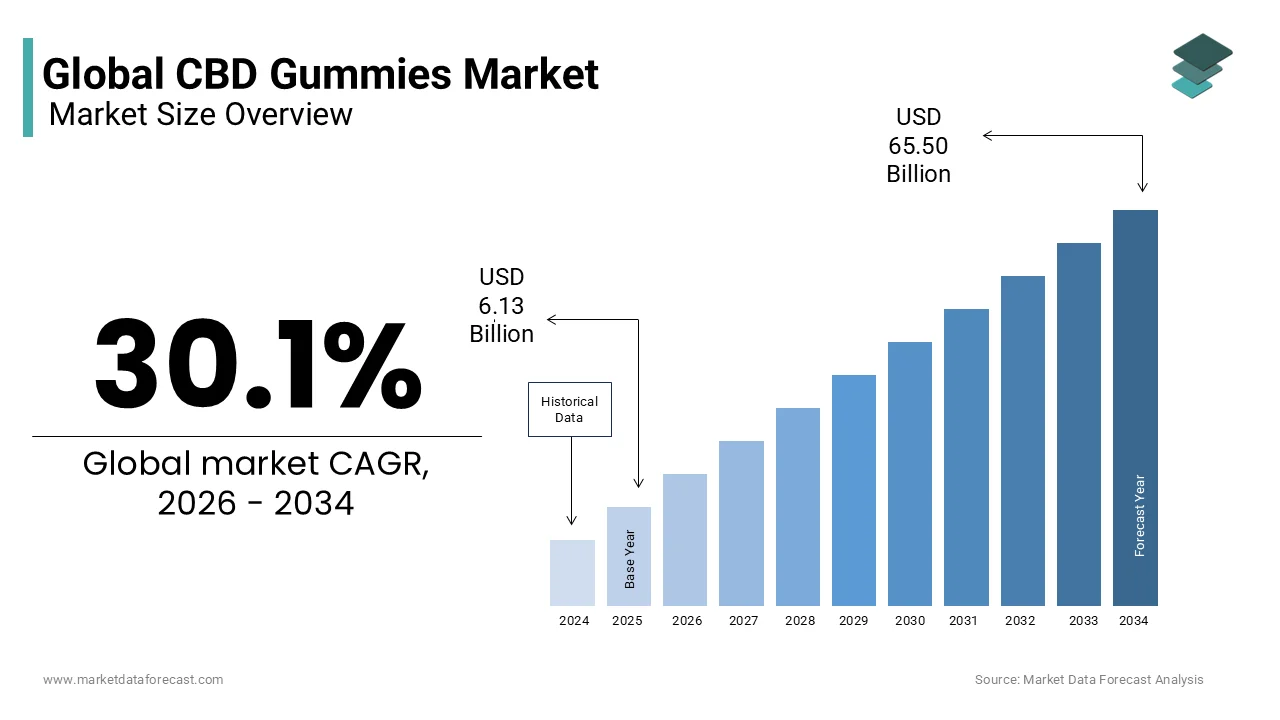
CBD gummies are chewable, flavoured candies infused with cannabidiol (CBD), a natural compound extracted from the hemp plant. These products offer a discreet, palatable, and convenient alternative to traditional consumption methods such as oils or capsules, appealing to consumers seeking relief from anxiety, pain, and sleep disturbances without psychoactive effects. According to a report by the World Health Organisation, cannabidiol exhibits no effects indicative of any abuse or dependence potential, accelerating consumer adoption of CBD gummies across various retail networks. The global shift toward natural and plant-based remedies is further accelerating adoption, with consumers increasingly prioritising holistic health solutions. As per the Centres for Disease Control and Prevention, an estimated 50 million adults in the United States experience chronic pain, driving the rapid market expansion of speciality wellness products like CBD gummies. Additionally, the rising prevalence of mental health disorders drives demand for calming supplements. According to the National Institute of Mental Health, an estimated 19.1% of U.S. adults experience an anxiety disorder each year, scaling up consumer demand for functional calming formulations and CBD gummy therapeutics. The convergence of health needs and consumer preference for enjoyable delivery formats positions CBD gummies as a pivotal product category in the modern self-care landscape, bridging the gap between recreational enjoyment and therapeutic benefit.
MARKET DRIVERS
Growing Prevalence of Anxiety and Sleep Disorders Drives Consumer Adoption
The escalating global burden of mental health issues, particularly anxiety and insomnia, is the main reason behind the expansion of the CBD Gummies Market. Individuals are seeking effective non-pharmaceutical interventions for daily stress management. According to the World Health Organisation, anxiety disorders affect an estimated 359 million people globally, including 72 million children and adolescents, driving massive consumer interest in non-prescription lifestyle support interventions. CBD gummies offer a low barrier to entry for these consumers due to their familiar candy-like format and precise dosing capabilities, which alleviate the intimidation often associated with medical treatments. As per the American Psychological Association, at least two-thirds of U.S. adults state that their daily stress manifests as physical symptoms, boosting the retail uptake of alternative adaptogens and plant-based relaxation remedies. The ability of cannabidiol to interact with the endocannabinoid system helps regulate mood and sleep cycles, addressing the root causes of restlessness and nervousness. Furthermore, the stigma surrounding mental health treatment is diminishing, encouraging more open discussion and trial of alternative therapies. Consumers prefer gummies because they provide a consistent and predictable experience, allowing users to manage their symptoms proactively throughout the day or before bedtime. This alignment with the growing wellness culture and the urgent need for safe, non-addictive stress relief solutions ensures sustained demand for CBD-infused edibles across diverse age groups and lifestyles.
Shift Toward Natural and Plant-Based Wellness Solutions
The profound consumer transition toward natural, organic, and plant-based health products is greatly boosting the growth of the CBD Gummies Market. Shoppers are increasingly rejecting synthetic pharmaceuticals in favour of holistic alternatives. According to the Nutrition Business Journal, the U.S. dietary supplement market reached $74.15 billion in sales in 2025, with projections indicating it will expand toward the $100 billion milestone by 2029. CBD, being a plant-derived compound extracted from industrial hemp, fits seamlessly into this narrative of natural healing and bodily balance. As per the International Food Information Council, an estimated 63% of consumers closely review product ingredient panels, forcing manufacturers to formulate consumer goods with clean components, natural fruit juices, or plant-based alternatives. The demand for transparency and purity aligns perfectly with the ethos of the CBD industry, which emphasizes whole plant benefits and minimal processing. The perception of CBD as a gentle yet effective remedy for inflammation and discomfort resonates with health-conscious individuals who prioritize long term wellness over quick fixes. Additionally, the rise of functional foods, where nutrition and therapy intersect, has normalised the consumption of bioactive compounds in everyday snacks. Consequently, CBD gummies are not viewed merely as supplements but as integral components of a natural lifestyle, attracting a broad consumer base that values sustainability, ethical sourcing, and chemical-free health management.
MARKET RESTRAINTS
Regulatory Ambiguity and Lack of Standardised Guidelines
The absence of clear and harmonized regulatory frameworks governing the production, labeling, and sale of CBD products is a significant limitation on the CBD Gummies Market. This creates uncertainty for both manufacturers and consumers. According to the Food and Drug Administration, CBD is legally prohibited from being introduced as a dietary supplement or ingredient in human food, accelerating corporate friction in interstate supply chains and retail networks. The regulatory limbo prevents major mainstream retailers from fully embracing the category, limiting market access and consumer trust. As per the European Food Safety Authority, ongoing novel food compliance frameworks require companies to submit exhaustive safety dossiers for CBD, slowing down regional product validation and consumer-facing retail deployments. The lack of standardized testing requirements also leads to inconsistencies in product quality, with some items containing inaccurate levels of CBD or trace amounts of THC, which can result in legal issues for consumers. Furthermore, the varying laws across different states and countries create a fragmented market landscape where compliance is difficult to maintain. This regulatory fragmentation increases operational costs for companies that must navigate complex legal environments, ultimately stifling investment and slowing the overall maturity of the industry. The market will continue to face hurdles in achieving widespread legitimacy and stability. This struggle will persist until comprehensive federal or international guidelines are established.
Consumer Scepticism Due to Product Quality and Labelling Inaccuracies
Persistent concerns regarding product quality, potency accuracy, and contamination risks hinder the broader acceptance of these gummies, which slows down the expansion of the CBD gummies market. This hesitation persists because consumers struggle to distinguish between reputable brands and inferior offerings. According to the Journal of the American Medical Association, nearly 70% of evaluated online CBD products were mislabeled regarding concentration, driving strict demands for third-party brand transparency across modern retail channels. Such findings erode consumer confidence and create hesitation among first-time buyers who fear wasting money on ineffective products or experiencing unintended side effects. As per sources, independent analysis of cannabinoid formulations detected measurable contaminants like heavy metals or mismatched active components, forcing a market shift toward transparent, certificate-backed batch testing. The lack of mandatory third-party testing in many jurisdictions allows substandard products to flood the market, making it difficult for conscientious consumers to make informed choices. This skepticism is exacerbated by the inability of users to verify claims independently, leading to reliance on word of mouth and brand reputation rather than scientific validation. Consequently, many potential customers remain on the sidelines, waiting for greater industry accountability and transparency. Consumer distrust will remain a formidable barrier to mass market adoption. This hesitation will persist until rigorous quality control standards become universal and easily verifiable through QR codes or certificates of analysis.
MARKET OPPORTUNITIES
Expansion into Mainstream Retail and Convenience Channels
The gradual integration of CBD gummies into mainstream retail outlets, pharmacies, and convenience stores offers a substantial opportunity for the expansion of the CBD gummies market. This transition moves the product from niche speciality shops to everyday consumer access points. According to research, the commercial availability of CBD products has scaled rapidly across conventional retail storefronts, compelling grocery groups and regional drugstores to allocate prime shelf footprint to certified wellness labels. This shift enhances visibility and normalises CBD consumption, reducing the stigma associated with purchasing from dedicated cannabis dispensaries. As per the National Association of Chain Drug Stores, integrating target wellness lines into major retail pharmacy aisles directly facilitates transaction point-of-sale expansions and high-volume product cross-selling. Mainstream retail presence also implies a level of vetting and quality assurance that reassures cautious consumers, thereby expanding the customer base beyond early adopters to include older demographics and conservative shoppers. Furthermore, partnerships with established consumer packaged goods companies bring professional marketing, distribution logistics, and brand credibility to the sector. The convenience of buying CBD gummies during regular shopping trips removes friction from the purchasing process, making it easier for consumers to incorporate these products into their daily routines. As regulatory clarity improves, more large-scale retailers are expected to enter the space. Their entry will unlock massive distribution networks and accelerate mainstream acceptance.
Innovation in Functional Formulations and Targeted Benefits
The development of specialized CBD gummy formulations that target specific health concerns such as energy, focus, immunity, and beauty gives rise to new potential for differentiation and premium pricing in the global market. According to a study, modern consumer demand is shifting toward functional confectionery snack formats that integrate adaptogens or herbal ingredients to address lifestyle stress rather than basic caloric intake. Manufacturers are increasingly blending CBD with other bioactive compounds like melatonin for sleep, turmeric for inflammation, or vitamin C for immune support, creating multifunctional products that appeal to diverse consumer needs. As per the Global Wellness Institute, the global preventative wellness ecosystem is pivoting toward diagnostic-backed personalized health services, triggering large-scale direct consumer capital allocation toward individualized metabolic and physiological optimization products. The customization allows brands to command higher price points and build loyal customer bases who rely on specific formulations for daily well being. Additionally, the use of advanced delivery technologies such as nano emulsification improves bioavailability, ensuring that the CBD is absorbed more efficiently by the body. These scientific advancements enhance product efficacy, addressing previous criticisms about inconsistent results. By moving beyond generic relaxation claims, companies can offer targeted therapeutic benefits. This strategy allows them to tap into new market segments like athletes, professionals, and beauty enthusiasts, thereby diversifying revenue streams.
MARKET CHALLENGES
Risk of Adverse Drug Interactions and Health Contraindications
The potential for adverse interactions with prescription medications is a significant barrier to the CBD Gummies Market. These interactions pose serious health risks and create liability concerns for manufacturers and healthcare providers. According to the Mayo Clinic, cannabidiol can interfere with liver enzymes responsible for processing certain pharmaceuticals, raising concentration levels of blood thinners, antidepressants, and anti-seizure medications in the bloodstream and increasing patient toxicity risks. The pharmacokinetic interaction can cause serious side effects or reduce the efficacy of essential treatments, creating a barrier for individuals with existing medical conditions. As per the British Medical Journal, sparse clinical datasets regarding the long-term safety profile of regular cannabinoid ingestion create persistent institutional hesitation among healthcare practitioners considering therapeutic recommendations. The lack of widespread education regarding these interactions means that many consumers self-medicate without consulting healthcare providers, increasing the risk of complications. Furthermore, the absence of standardised dosing guidelines makes it difficult for users to determine safe intake levels, especially for vulnerable populations such as the elderly or those with chronic illnesses. This uncertainty discourages medical endorsement and limits the integration of CBD into formal healthcare plans. The risk of adverse health effects will remain a critical challenge that limits broader medical acceptance and consumer confidence. This barrier will persist until comprehensive clinical trials establish clear safety profiles and interaction protocols.
Marketing Restrictions and Advertising Limitations
Strict advertising restrictions by major digital platforms and traditional media outlets are a major obstacle to the CBD gummies market. Specifically, they severely limit how well CBD gummy brands can reach potential customers and build brand awareness. According to guidelines enforced by Google and Meta, promotional campaigns for ingestible CBD products remain broadly banned, limiting consumer wellness brands from capitalizing on core algorithmic paid customer-acquisition ecosystems. The limitation forces marketers to rely on less scalable methods such as search engine optimisation, influencer partnerships, and email marketing, which often yield lower conversion rates and higher acquisition costs. As per Cannabis Regulations AI, automated algorithmic review protocols generate sudden ad account suspensions and campaign rejections, introducing severe operational volatility to corporate media planning budgets. Additionally, traditional media outlets such as television and radio often refuse CBD advertisements due to regulatory uncertainties and brand safety concerns. This exclusion from mainstream advertising channels hinders the ability of legitimate brands to differentiate themselves from lower quality competitors and educate consumers about proper usage. The resulting information vacuum allows misinformation to spread, further complicating consumer decision-making. Without access to broad-reaching advertising platforms, CBD gummy companies struggle to achieve the visibility necessary for mass market penetration. Consequently, they are forced to operate in a fragmented and inefficient marketing ecosystem that stifles growth and brand equity development.
REPORT COVERAGE
| REPORT METRIC | DETAILS |
| Market Size Available | 2025 to 2034 |
| Base Year | 2025 |
| Forecast Period | 2026 to 2034 |
| CAGR | 30.1% |
| Segments Covered | By Concentration, Distribution Channel, and Region. |
| Various Analyses Covered | Global, Regional and Country Level Analysis; Segment-Level Analysis; DROC; PESTLE Analysis; Porter’s Five Forces Analysis; Competitive Landscape; Analyst Overview of Investment Opportunities |
| Regions Covered | North America, Europe, APAC, Latin America, Middle East & Africa |
| Market Leaders Profiled | Premium Jane, CV Sciences, Charlotte’s Web Holdings Inc., Diamond CBD, Pure Kana, Green Roads World LLC, Hemp Bombs, Medix CBD, Green Roads CBD, Sunday Scaries, CBDfx, Reliva CBD Wellness, and Dixie Brands Inc. |
SEGMENTAL ANALYSIS
By Concentration Insights
The low concentration segment dominated the CBD Gummies Market and accounted for a substantial share in 2025. This dominance occurred because it caters to the vast majority of first-time users and individuals who prefer microdosing for daily wellness maintenance rather than intensive therapeutic intervention. According to studies, clear consumer preferences exist for standard dosing configurations across conventional wellness networks, driving brands to scale production of predictable ingestible options. The cautious approach is particularly prevalent among older demographics and professionals who need to maintain cognitive clarity throughout the day. As per the National Institutes of Health, cannabinoid microdosing protocols are undergoing medical evaluation to ascertain precise therapeutic thresholds without introducing debilitating neurological side effects. The affordability of low-concentration products also lowers the financial barrier to entry, allowing consumers to experiment with CBD without significant investment. Furthermore, regulatory limits in certain jurisdictions cap the amount of CBD allowed in edible products, naturally favoring lower concentration formulations. The widespread availability of these milder options in mainstream retail channels reinforces their dominance, as they are perceived as safer and more approachable by the general public. Consequently, the combination of consumer caution, regulatory constraints, and the trend toward daily preventive health ensures that low concentration gummies remain the most widely consumed category in the market.
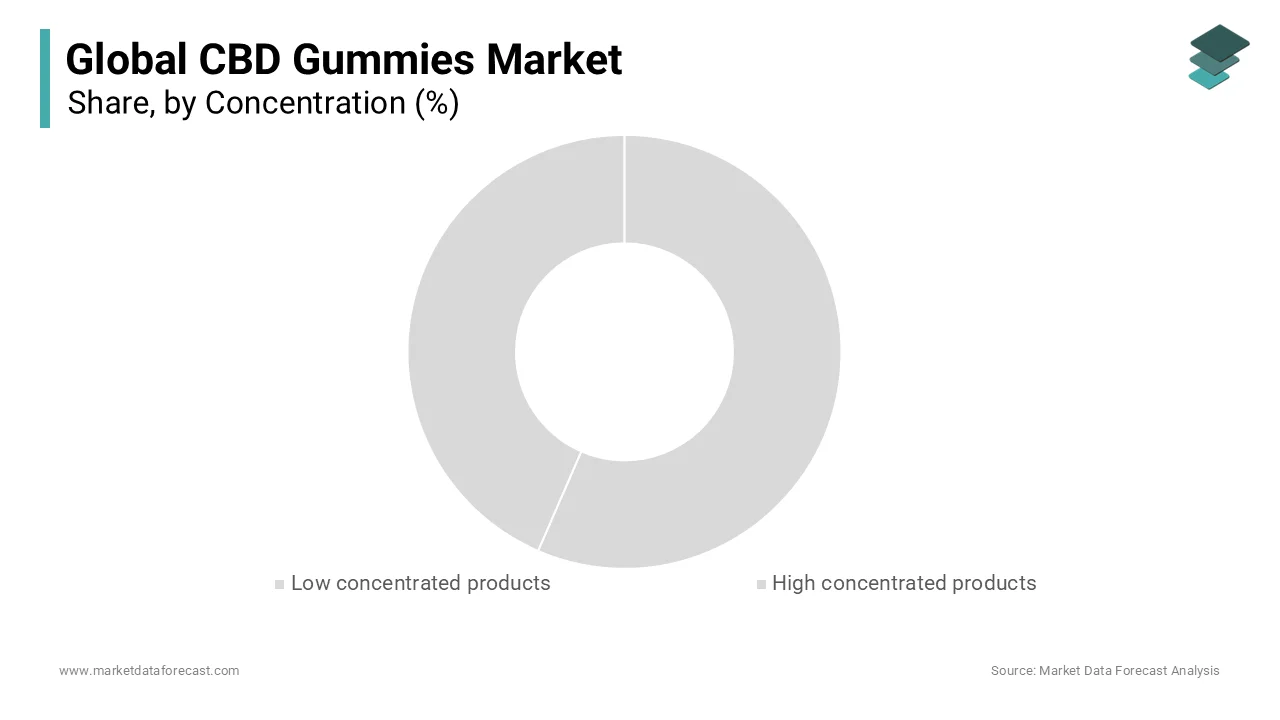
The high-concentration segment is projected to register the highest CAGR of 18.5% from 2026 to 2034 due to experienced users seeking stronger effects for managing chronic conditions such as severe pain, insomnia, and inflammation. According to the American Chronic Pain Association, multi-modal clinical protocols frequently demand strict integration of non-opioid therapeutics, forcing a substantial manufacturing pivot toward potent functional cannabinoid delivery vehicles. As per the Journal of Pain Research, real-world cannabinoid edible dosing equations show distinct outcomes depending on exact compound balances, accelerating the development of specialized high-potency formulations. Experienced consumers who have built up a tolerance to lower doses also drive this growth, as they require increased strength to maintain efficacy. Additionally, the rising cost of healthcare and prescription medications encourages patients to seek alternative treatments that offer robust symptom management. Manufacturers are responding by introducing premium high potency lines with enhanced bioavailability technologies, ensuring that the increased dosage translates to effective absorption. The willingness of consumers to pay a premium for proven therapeutic results further accelerates the adoption of high concentration gummies, positioning this segment as the fastest growing area in the market.
By Distribution Channel Insights
The offline segment led the CBD gummies market and captured a significant share in 2025. This leading position of the segment was attributed to the consumer preference for physical inspection of products and the immediate gratification of purchasing from brick-and-mortar stores such as pharmacies, health food shops, and convenience stores. According to research, physical retail brick-and-mortar storefronts continue to secure the majority share of consumer packaged goods volume, compelling brands to focus heavily on in-aisle product positioning and label visibility. The tactile experience builds trust, which is crucial in a market plagued by quality concerns and labelling inaccuracies. As per the National Association of Chain Drug Stores, regional pharmacy distribution infrastructure plays a central role in validating specialized health supplements, accelerating overall category adoption among risk-averse retail consumers. Furthermore, impulse purchases play a significant role in offline sales, as attractive packaging and strategic shelf placement near checkout counters or wellness aisles encourage spontaneous buying decisions. The ability to take the product home immediately without waiting for shipping also appeals to consumers seeking urgent relief from stress or discomfort. Additionally, local regulations often restrict online sales across state or national borders, making offline retail the only viable option for many consumers. The established distribution networks of major retailers ensure wide availability, solidifying the offline channel as the primary route to market for CBD gummies.
The online segment is anticipated to witness the fastest CAGR of 16.2% during the forecast period owing to the unparalleled convenience of home delivery, access to a wider variety of brands, and the ability to compare prices and reviews easily. According to studies, e-commerce transactions for consumer health goods are expanding at a rapid pace, with improved logistics networks driving high digital conversion rates. The online channel allows niche and emerging brands to reach a global audience without the high costs associated with securing shelf space in physical stores, fostering intense competition and innovation. As per research, digital-native wellness operations utilize direct-to-consumer infrastructure to capture first-party behavioral metrics, fueling automated subscription programs and higher customer lifetime valuations. Online platforms also provide detailed product information, third-party lab results, and educational content that help consumers make informed decisions, addressing the transparency gap often found in offline retail. Furthermore, the discretion offered by online shopping appeals to consumers who may feel stigma associated with purchasing CBD products in public. The expansion of mobile commerce and social media marketing further drives traffic to online stores, making it the most dynamic and rapidly expanding distribution channel for CBD gummies.
REGIONAL ANALYSIS
North America CBD Gummies Market Analysis
North America was the largest region in the CBD gummies market and accounted for a substantial share in 2025. This dominance of the North American market was driven by favourable regulatory frameworks in the United States and Canada, high consumer awareness, and a well-established wellness culture. As per research, the United States generates approximately 53% of global cannabinoid industry revenues, driving widespread corporate and agricultural investment into hemp-derived infrastructure. According to the Agricultural Improvement Act of 2018, industrial hemp cultivation became fully legalized at the federal level across the United States, prompting large-scale commercialization of hemp-derived product formulations. As per Health Infobase Canada, consumer consumption profiles for ingestible cannabis products surged from 43% in 2018 to 57% by 2024, expanding the consumer base for functional formulations. The presence of major industry players and innovative startups fosters intense competition and product development, ensuring a diverse range of options for consumers. High disposable income and a strong emphasis on preventive health care also contribute to market growth. Furthermore, the integration of CBD into mainstream retail channels such as grocery stores and pharmacies enhances accessibility and legitimacy. The combination of regulatory support, consumer acceptance, and advanced distribution networks ensures that North America remains the largest and most mature market for CBD gummies globally.
Europe CBD Gummies Market Analysis
Europe was the prominent region in the CBD gummies market and captured a significant share in 2025. The European market is known for varying regulatory landscapes across member states, but growing consumer interest in natural wellness solutions. According to the European Industrial Hemp Association, raw European hemp cultivation acreage expanded rapidly due to a surge in commercial food sector demands, forcing manufacturers to adjust downstream wellness logistics. The European Food Safety Authority is currently working on standardizing novel food regulations for CBD, which aims to create a harmonized market environment that ensures product safety and quality. As per Eurostat, citizens aged 65 and over command a 22.0% share of the total European Union population, triggering a market-wide pivot toward healthy aging and preventative wellness retail segments. However, strict regulations in some countries limit THC content to trace amounts, influencing product formulation and marketing strategies. Despite these challenges, the region boasts high levels of health consciousness and willingness to pay for premium organic products. The expansion of online retail and cross-border e-commerce facilitates access to a wider range of products, supporting market growth. As regulatory clarity improves, Europe is expected to see accelerated adoption and consolidation of the CBD gummy sector.
Asia Pacific CBD Gummies Market Analysis
Asia-Pacific is an emerging region in the CBD gummies market due to rising health awareness, increasing disposable incomes, and gradual regulatory shifts in key countries. According to the World Health Organisation, regional health systems are prioritising mental healthcare and suicide prevention, forcing regional administrative pivots toward accessible clinical interventions across South-East Asia. Countries like Australia and New Zealand have established legal frameworks for medicinal cannabis, paving the way for CBD product availability, while other nations are beginning to relax restrictions on hemp-derived extracts. As per the Asian Development Bank, developing Asian economies allocated significant capital allocations toward personal wellness programs, representing approximately 11% of the broader regional gross domestic product. However, cultural stigmas and strict drug laws in many parts of the region pose significant challenges to market penetration. Despite these hurdles, the influence of global wellness trends and digital connectivity is driving curiosity and trial among younger demographics. The expansion of e-commerce platforms allows international brands to reach consumers in regions with limited local availability. As governments continue to evaluate the benefits of hemp cultivation and CBD usage, the Asia Pacific market is poised for substantial long-term growth.
Latin America CBD Gummies Market Analysis
Latin America is moving ahead steadfastly in the CBD gummies market. The region leverages its status as a major producer of high-quality hemp and cannabis raw materials to support domestic and export-oriented industries. According to the Inter-American Institute for Cooperation on Agriculture, agricultural infrastructure frameworks in Uruguay emphasise the standardised production of non-psychoactive industrial hemp containing up to 1 per cent THC thresholds. The region faces significant challenges related to chronic pain and mental health, driving demand for accessible and affordable relief options. As per the Pan American Health Organisation, depression and anxiety afflictions scale widely across the Americas, with anxiety disorders impacting an estimated 58 million regional citizens. Economic constraints in some countries limit the purchasing power of consumers, favoring lower priced local brands over imported premium products. However, the growing tourism industry in countries like Mexico and Costa Rica introduces international visitors to local CBD products, boosting sales and brand visibility. The increasing adoption of digital payment methods and e-commerce platforms is also improving access to CBD gummies in remote areas. As regulatory frameworks stabilise and local production capabilities expand, Latin America is expected to become a key growth region for the global CBD market.
Middle East and Africa CBD Gummies Market Analysis
The Middle East and Africa region is expected to grow notably in the CBD gummies market during the forecast period. Moreover, the region is known for strict regulatory environments, but growing interest in natural health solutions among affluent populations. According to demographic modeling by the World Bank, the senior citizen population aged over 65 across the Gulf Cooperation Council region is projected to reach 3.3% by 2030, escalating the structural requirement for specialized long-term medical care models. While many countries in the region maintain zero tolerance policies for cannabis related substances, there is a growing distinction between psychoactive marijuana and non-psychoactive CBD, leading to tentative explorations of medical cannabis programs in countries like Israel and South Africa. As per the African Union, legislative frameworks are expanding to formally recognize and integrate traditional medicine systems alongside global biological diversity legal covenants. The expatriate community and international tourists in hubs like Dubai and Johannesburg serve as early adopters, driving initial demand through specialised clinics and online imports. However, lack of clear legal pathways and social stigma remain significant barriers to mass market adoption. As global pressure mounts for evidence-based medical treatments and regulatory bodies begin to differentiate between hemp and marijuana, the region may see gradual openings for CBD products, particularly in the medical and wellness sectors.
COMPETITIVE LANDSCAPE
The competition in the CBD Gummies Market is highly fragmented and intense characterized by a mix of established wellness brands specialized CBD companies and new entrants vying for consumer attention. Large multinational corporations leverage their extensive distribution networks and brand recognition to introduce CBD lines alongside existing product portfolios while niche players compete on purity potency and unique flavor profiles. The lack of federal regulation in many regions leads to significant variability in product quality creating a trust deficit that companies must overcome through transparency and third party testing. Price competition is fierce as low barriers to entry allow numerous small brands to flood the market with similar offerings forcing established players to differentiate through superior branding and customer education. Innovation in formulation such as vegan nano emulsified or fast acting gummies serves as a key battleground for capturing discerning consumers. Retail partnerships remain crucial as shelf space in mainstream stores becomes increasingly contested. Digital marketing restrictions compel brands to rely on organic growth strategies and direct to consumer channels. Ultimately success depends on building a reputable brand identity ensuring consistent quality and navigating the complex regulatory landscape effectively to maintain consumer confidence and drive long term loyalty.
KEY MARKET PLAYERS
Some of the key players in CBD gummies market are
- Premium Jane
- CV Sciences
- Charlotte’s Web Holdings Inc
- Diamond CBD
- Pure Kana
- Green Roads World LLC
- Hemp Bombs
- Medix CBD
- Green Roads CBD
- Sunday Scaries
- CBDfx
- Reliva CBD Wellness
- Dixie Brands Inc.
Top Players in the Market
- Charlotte’s Web Holdings Inc is a pioneer in the hemp derived CBD industry known for its high quality standards and transparent sourcing practices. The company produces premium CBD gummies that are widely recognized for their consistency and purity appealing to health conscious consumers. Recently Charlotte’s Web expanded its retail presence by partnering with major national pharmacy chains to increase product accessibility across the United States. This strategic move enhances brand visibility and builds trust among mainstream shoppers who prefer purchasing from established retailers. The company also invests heavily in third party testing and publishes certificates of analysis for every batch ensuring consumer confidence in product safety. By focusing on education and community engagement Charlotte’s Web strengthens its reputation as a trusted leader in the wellness sector while driving sustainable growth through responsible business practices.
- Green Roads World LLC specializes in pharmacist formulated CBD products offering a diverse range of gummies tailored to specific needs such as sleep support and stress relief. The company leverages its unique distribution model through independent pharmacies and wellness stores to reach customers seeking professional guidance. Recently Green Roads launched new functional gummy lines infused with additional botanicals like melatonin and chamomile to address growing consumer demand for targeted wellness solutions. This innovation differentiates their offerings in a crowded market and attracts users looking for comprehensive health benefits. The company also emphasizes rigorous quality control and uses broad spectrum CBD to ensure products are free from THC while retaining beneficial cannabinoids. By combining scientific formulation with strategic retail partnerships Green Roads solidifies its position as a preferred choice for consumers prioritizing efficacy and safety.
- CBDfx is a prominent brand in the CBD gummies market recognized for its creative flavors and commitment to using organic and non GMO ingredients. The company offers a wide variety of gummy types including vegan options and those combined with vitamins or adaptogens to appeal to diverse dietary preferences. Recently CBDfx enhanced its manufacturing capabilities by obtaining current good manufacturing practice certification which underscores its dedication to quality and regulatory compliance. This achievement allows the brand to compete more effectively in regulated markets and reassures retailers about product integrity. The company also engages in aggressive digital marketing campaigns and influencer collaborations to build brand awareness among younger demographics. By focusing on taste innovation and clean label formulations CBDfx captures the attention of lifestyle oriented consumers and maintains a strong competitive edge in the rapidly evolving edible sector.
Top Strategies Used by Key Market Participants
Key players in the CBD Gummies Market primarily focus on product differentiation and strategic retail partnerships to establish brand loyalty and expand market reach. Companies invest heavily in research and development to create unique formulations that combine CBD with other functional ingredients such as melatonin turmeric or vitamins targeting specific health concerns. They also prioritize transparency by providing third party lab results and clear labeling to build consumer trust in an unregulated environment. Expanding distribution channels through partnerships with mainstream pharmacies grocery stores and online platforms is another critical strategy to increase accessibility and normalize CBD consumption. Marketing efforts often emphasize education and wellness benefits rather than medicinal claims to comply with advertising restrictions. Additionally brands leverage social media influencers and content marketing to engage directly with consumers and drive brand awareness. These multifaceted approaches enable companies to navigate regulatory challenges while capturing a growing share of the health conscious consumer base.
MARKET SEGMENTATION
This research report on the global CBD gummies market has been segmented and sub-segmented based on Concentration, Distribution Channel & region.
By Concentration
- Low concentrated products
- High concentrated products
By Distribution Channel
- Online
- Offline
By Region
- North America
- Asia Pacific
- Europe
- Latin America
- Middle East and Africa