- Product Description Description
- Table of Contents TOC
- List of Table & Figure LOT
- Get Free Sample PDF Sample PDF
Market Size, 2025
$419.70 MnMarket Estimate, 2026
$438.38 MnMarket Forecast, 2034
$621.03 MnCAGR, 2026–2034
4.45%Global Cluster Headache Market Report Summary
The global cluster headache market was valued at USD 419.70 million in 2025, is estimated to reach USD 438.38 million in 2026, and is projected to reach USD 621.03 million by 2034, growing at a CAGR of 4.45% from 2026 to 2034. Market growth is driven by the increasing diagnosis of cluster headache disorders, rising awareness of neurological conditions, and growing availability of targeted therapies for acute and preventive treatment. Cluster headache is one of the most severe primary headache disorders, creating significant demand for effective pain management solutions and specialized neurological care. Advancements in neuromodulation therapies, improved access to healthcare services, and expanding research into novel treatment options are further supporting market growth worldwide.
Key Market Trends
- Rising awareness and diagnosis of cluster headache disorders.
- Increasing adoption of targeted therapies and preventive treatment approaches.
- Growing development of neuromodulation and non-invasive treatment technologies.
- Expansion of healthcare reimbursement coverage for neurological therapies.
- Increasing investment in research and development of novel headache management solutions.
Segmental Insights
- Based on type, the episodic cluster headache segment dominated the global cluster headache market in 2025, driven by its higher prevalence compared to chronic cluster headache and the availability of well-established treatment protocols for cyclical attack patterns.
- Based on drug class, the triptans segment held the leading share of the market in 2025, supported by their proven effectiveness as a first-line acute treatment for rapidly aborting cluster headache attacks.
- Based on distribution channel, the hospital pharmacies segment captured the highest market share in 2025, owing to the need for immediate access to specialized treatments, oxygen therapy, and expert neurological care within clinical settings.
Regional Insights
The global cluster headache market is witnessing steady growth across major regions, supported by improving neurological care infrastructure, increasing treatment accessibility, and growing awareness of headache disorders.
-
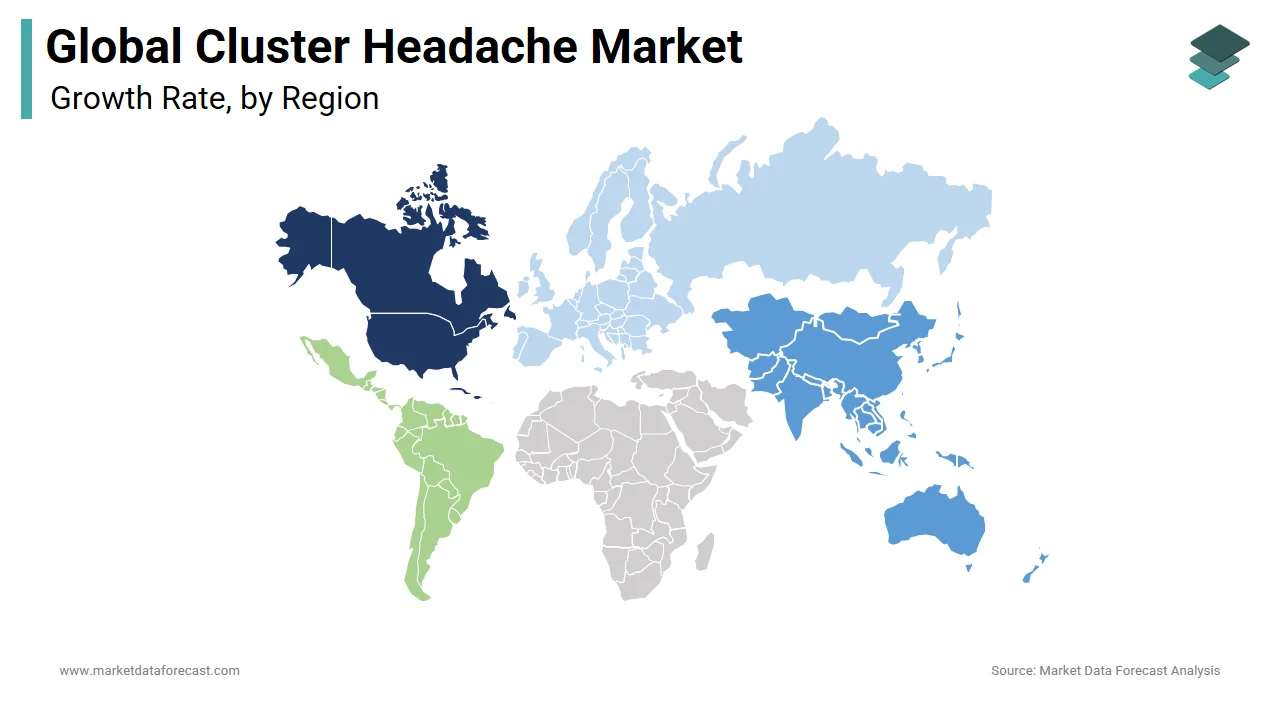
North America dominated the global cluster headache market in 2025 and is expected to maintain a substantial market share during the forecast period, driven by high adoption of advanced treatment options, strong healthcare infrastructure, and increasing investment in neurological research.
-
Europe is projected to experience steady market expansion, supported by streamlined regulatory pathways, broader healthcare reimbursement coverage, and growing access to specialized headache treatment centers.
-
Asia-Pacific is anticipated to register the fastest growth during the forecast period, driven by improving clinical infrastructure, increasing healthcare investments, and expanding access to neurological care services across emerging economies.
Competitive Landscape
The global cluster headache market is characterized by the presence of pharmaceutical companies and medical technology providers focusing on innovative therapies, neuromodulation devices, and targeted neurological treatments. Market participants are emphasizing research and development, regulatory approvals, and strategic collaborations to strengthen their market presence. The growing focus on personalized treatment approaches and novel preventive therapies is shaping competitive dynamics across the market.
Prominent companies operating in the global cluster headache market include Zosano Pharma, Eli Lilly and Company, Lundbeck Seattle BioPharmaceutical, Winston Laboratories, GlaxoSmithKline plc, electroCore Medical LLC, Autonomic Technologies, Inc., AstraZeneca plc, Linde plc, Allergan plc, Bayer AG, F. Hoffmann-La Roche Ltd, Novartis AG, Sun Pharmaceutical Industries Ltd, Teva Pharmaceutical Industries Ltd, Takeda Pharmaceutical Company Limited, Sanofi, and AbbVie Inc.
Global Cluster Headache Market Size
The global cluster headache market was valued at USD 419.70 million in 2025, is estimated to reach USD 438.38 million in 2026, and is projected to reach USD 621.03 million by 2034, growing at a CAGR of 4.45% from 2026 to 2034.
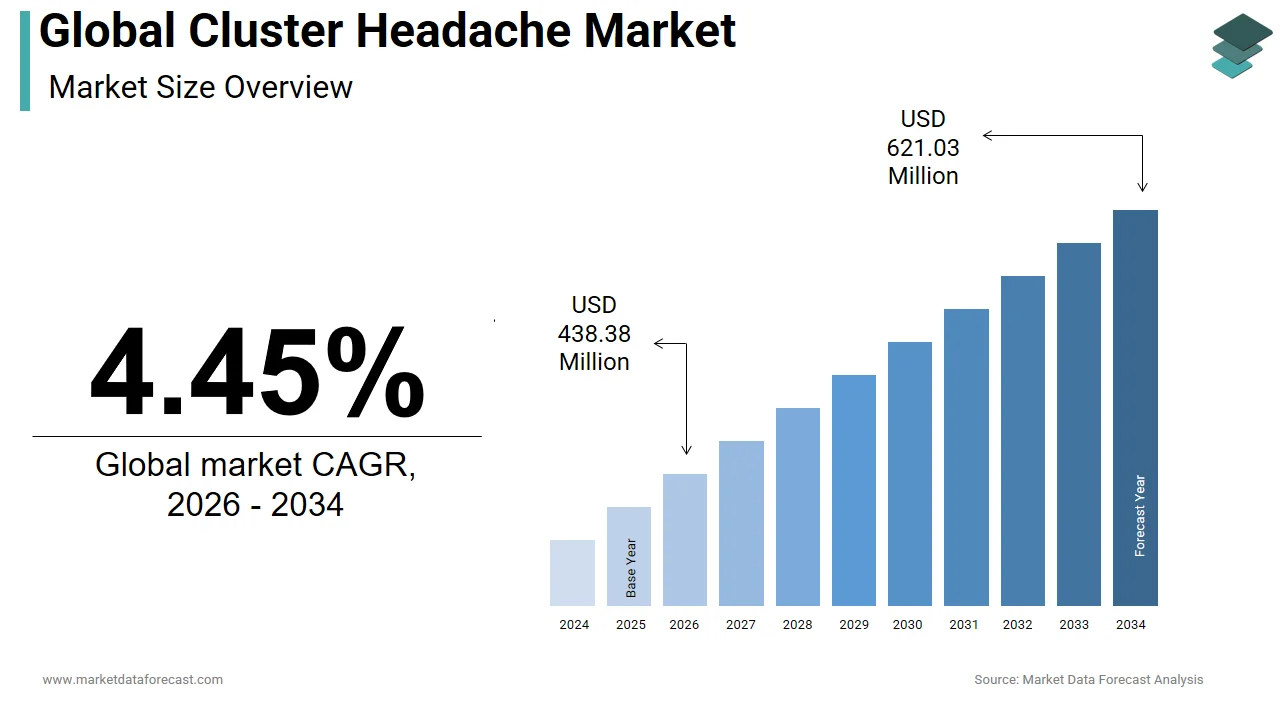
Cluster headache is a rare but debilitating primary headache disorder, characterized by severe unilateral pain typically located around the eye or temple, accompanied by autonomic symptoms such as lacrimation, nasal congestion, and ptosis. Often referred to as a suicide headache due to the excruciating intensity of the pain, it occurs in cyclical patterns or clusters lasting from weeks to months, followed by remission periods. Cluster headache is the diagnosis, acute treatment, and preventive management of this condition, involving pharmaceuticals, medical devices, and emerging neuromodulation therapies. According to the World Health Organization, cluster headache affects approximately 0.1% of the global population, with a higher prevalence in males compared to females at a ratio of roughly 3 to 1. As per the American Migraine Foundation, the average age of onset is between 20 and 40 years, although cases have been reported in children and older adults. The condition significantly impairs quality of life, leading to substantial productivity loss and psychological distress. According to recent epidemiological studies published in Cephalalgia, up to 80% of patients experience delays in diagnosis, often exceeding five years, due to misdiagnosis as migraine or sinusitis. This diagnostic gap highlights the urgent need for specialized healthcare provider education and awareness campaigns. The market is evolving with the introduction of targeted therapies, such as calcitonin gene-related peptide inhibitors and non-invasive vagus nerve stimulators, which offer new hope for patients who do not respond to traditional treatments like oxygen therapy or triptans. Understanding the complex pathophysiology, involving hypothalamic dysfunction and trigeminal autonomic reflex activation, remains central to developing effective interventions in this specialized neurological sector.
MARKET DRIVERS
High Unmet Medical Need Due to Limited Effective Therapies
The high unmet medical need arising from the limited availability of effective and fast-acting therapies is propelling the expansion of the global cluster headache market. Despite the severity of the condition, treatment options have historically been restricted to off-label use of medications, such as verapamil, lithium, and corticosteroids, which often carry significant side effects and variable efficacy. According to the European Federation of Neurological Societies, approximately 10% to 20% of cluster headache patients are classified as chronic sufferers who experience attacks daily without remission, making long-term preventive strategies critical yet difficult to manage. The acute phase of a cluster headache attack peaks within minutes, requiring interventions that act rapidly to alleviate pain, yet traditional oral medications are often too slow due to gastric stasis associated with the condition. As per clinical data published in The Lancet Neurology, subcutaneous sumatriptan and high-flow oxygen remain the gold standards for acute treatment, but they are not effective for all patients, and oxygen therapy requires bulky equipment that limits portability. This therapeutic gap has spurred intense research and development into novel mechanisms of action, such as galcanezumab, which was the first drug specifically approved by the Food and Drug Administration for episodic cluster headache prevention. The demand for faster-acting, non-invasive, and more tolerable treatments drives pharmaceutical innovation and market growth. Patients and providers are increasingly seeking solutions that improve adherence and reduce the burden of disease, thereby creating a robust demand for next-generation therapeutics and devices that address these specific clinical challenges.
Increasing Awareness and Diagnostic Accuracy Among Healthcare Providers
The rising awareness and improved diagnostic accuracy among healthcare providers are further boosting the cluster headache market growth. For decades, cluster headache was frequently misdiagnosed as migraine, tension-type headache, or dental issues, leading to ineffective treatment and prolonged patient suffering. According to the Cluster Headache Foundation, the average time to correct diagnosis has decreased from seven years to approximately three years in recent years, due to enhanced educational initiatives and updated clinical guidelines. The International Classification of Headache Disorders, third edition, has provided clearer diagnostic criteria, helping neurologists and primary care physicians distinguish cluster headache from other trigeminal autonomic cephalalgias. As per the American Academy of Neurology, the implementation of specialized headache clinics and referral networks has improved identification rates, particularly for chronic cluster headache patients who require complex management strategies. Medical conferences and continuing education programs now emphasize the distinct features of cluster headache, such as circadian rhythmicity and restlessness during attacks, which differentiate it from migraine. This heightened clinical awareness leads to earlier initiation of preventive therapies and acute interventions, improving patient outcomes and quality of life. Furthermore, patient advocacy groups play a crucial role in disseminating information to both the public and the medical community, fostering a supportive environment for diagnosis. As more patients receive accurate diagnoses, the demand for specialized medications and devices increases, driving market expansion. The shift towards precision medicine in neurology further supports this trend by encouraging tailored treatment plans based on individual patient profiles and response patterns.
MARKET RESTRAINTS
High Cost of Novel Therapies and Reimbursement Challenges
The high cost of novel therapies and significant reimbursement challenges are primarily hampering the global market expansion. Newer preventive medications, such as monoclonal antibodies targeting calcitonin gene-related peptide pathways and non-invasive neuromodulation devices, often come with substantial price tags that can exceed several thousand dollars annually. According to the Institute for Clinical and Economic Review, the list price for galcanezumab for cluster headache prevention is approximately 6000 dollars per year, which poses a financial barrier for many patients and healthcare systems. Insurance coverage for these innovative treatments is often inconsistent, with many payers requiring strict prior authorization steps, proof of failure on cheaper generic alternatives, and extensive documentation of disease severity. As per the National Headache Foundation, nearly 40% of patients report difficulties in obtaining insurance approval for newer cluster headache medications, leading to treatment delays or discontinuation. The economic burden is further exacerbated by the chronic nature of the disease, which requires long-term management and frequent medical visits. In countries with single-payer healthcare systems, budget constraints may limit the availability of high-cost therapies, forcing clinicians to rely on older, less effective options. Additionally, the lack of standardized health technology assessment criteria for rare headache disorders complicates reimbursement decisions across different regions. These financial hurdles restrict market penetration and prevent widespread adoption of breakthrough therapies despite their clinical benefits. Consequently, many patients remain underserved, unable to access the most effective treatments due to economic and administrative barriers within the healthcare system.
Regulatory Hurdles and Small Patient Population for Clinical Trials
Regulatory hurdles and the small patient population associated with cluster headache are also hampering the expansion of the global market. Cluster headache is classified as a rare disease affecting only 0.1% of the population, which complicates the recruitment of sufficient participants for large-scale randomized controlled trials. According to the Food and Drug Administration, orphan drug designation provides incentives for developing treatments for rare conditions, but the small sample sizes often lead to statistical power issues and variability in trial outcomes. The episodic nature of the disease further complicates study design, as researchers must account for spontaneous remission periods, which can confound efficacy measurements. As per clinical trial data published in JAMA Neurology, recruiting patients for chronic cluster headache trials is particularly difficult due to the stringent inclusion criteria and the need for washout periods from previous medications. Regulatory agencies require robust evidence of safety and efficacy, which can be difficult to generate in small, heterogeneous populations, leading to prolonged approval timelines. Additionally, the lack of validated biomarkers for cluster headache makes it challenging to objectively measure treatment response, relying heavily on subjective, patient-reported outcomes. These regulatory and methodological complexities increase the cost and risk of drug development, discouraging some pharmaceutical companies from entering the market. The limited number of approved indications also restricts marketing opportunities and physician adoption. Consequently, the pace of innovation is slower compared to more prevalent conditions, leaving patients with fewer options and hindering the overall growth potential of the cluster headache therapeutic landscape.
MARKET OPPORTUNITIES
Development of Non-Invasive Neuromodulation Devices
The development and commercialization of non-invasive Neuromodulation devices present a significant opportunity for the cluster headache market. These devices utilize electrical or magnetic stimulation to modulate neural pathways involved in pain transmission, such as the vagus nerve or sphenopalatine ganglion, providing rapid relief without systemic side effects. According to clinical studies published in Headache, non-invasive vagus nerve stimulation has demonstrated efficacy in aborting acute cluster headache attacks and reducing frequency in preventive settings, with a favorable safety profile. The portability and ease of use of these handheld devices enhance patient compliance and quality of life, allowing for immediate intervention at the onset of an attack. As per the American Migraine Foundation, the adoption of neuromodulation technologies is increasing among patients seeking to minimize medication overuse and avoid adverse effects associated with long-term drug therapy. Regulatory approvals for devices such as the gammaCore and Relivion MG have expanded treatment options and encouraged insurance coverage in certain jurisdictions. Furthermore, ongoing research into transcranial magnetic stimulation and remote electrical neuromodulation holds promise for even more effective and personalized interventions. The growing acceptance of device-based therapies by neurologists and patients creates a lucrative market segment for medical technology companies. Partnerships between device manufacturers and healthcare providers can facilitate broader access and education, driving market growth. As technology advances and costs decrease, neuromodulation is poised to become a cornerstone of cluster headache management, offering a transformative opportunity for industry stakeholders.
Expansion into Emerging Markets with Improving Healthcare Infrastructure
Expansion into emerging markets with improving healthcare infrastructure offers substantial growth opportunities for the cluster headache market, as awareness and diagnostic capabilities increase in regions such as the Asia Pacific, Latin America, and the Middle East. Historically, these regions have lacked specialized headache centers and trained neurologists, leading to underdiagnosis and undertreatment of cluster headache. However, government initiatives to strengthen neurological care and the establishment of specialized clinics are changing this landscape. According to the World Health Organization, the burden of neurological disorders is rising in low and middle-income countries, prompting investments in healthcare infrastructure and professional training. As per the Asian Society for Neurology, the number of neurologists in countries like China, India, and Brazil has increased significantly over the past decade, improving access to specialized care for headache disorders. Pharmaceutical companies and device manufacturers can capitalize on this trend by introducing affordable treatment options and partnering with local healthcare providers to educate physicians on cluster headache management. The growing middle class in these regions also increases affordability for out-of-pocket expenses related to advanced therapies. Additionally, digital health platforms and telemedicine services are bridging the gap between patients and specialists, enabling remote diagnosis and monitoring. These developments create a fertile ground for market expansion, allowing companies to tap into previously underserved patient populations. By adapting strategies to local regulatory and economic contexts, stakeholders can drive significant growth and improve patient outcomes in emerging markets.
MARKET CHALLENGES
Patient Adherence and Lifestyle Management Complexities
Patient adherence and the complexities of lifestyle management are significant challenges to the cluster headache market growth. Cluster headache attacks are often triggered by specific factors, such as alcohol consumption, smoking, strong smells, and changes in sleep patterns, requiring patients to make significant lifestyle adjustments. According to the Cluster Headache Foundation, maintaining strict avoidance of triggers is difficult for many patients, leading to breakthrough attacks and reduced effectiveness of preventive therapies. The unpredictable nature of cluster periods, which can last for weeks or months, causes psychological distress and anxiety, further impacting adherence to medication regimens. As per the Journal of Headache and Pain, up to 50% of patients report non-adherence to preventive medications due to side effects such as weight gain, fatigue, and cognitive impairment associated with drugs like verapamil and topiramate. The need for frequent dosing during acute attacks also burdens patients, particularly when using injectable sumatriptan or carrying oxygen tanks. Mental health comorbidities, such as depression and anxiety, are prevalent in cluster headache patients, exacerbating adherence issues and complicating management. Healthcare providers face the challenge of addressing these behavioural and psychological factors alongside pharmacological treatment. The lack of comprehensive support systems and patient education programs further hinders effective self-management. Consequently, improving adherence requires a multidisciplinary approach, involving neurologists, psychologists, and patient support groups, to address the holistic needs of individuals living with this debilitating condition.
Lack of Standardized Treatment Guidelines across Regions
The lack of standardized treatment guidelines across different regions is further challenging the growth of the cluster headache market. While organizations such as the European Academy of Neurology and the American Headache Society have published evidence-based guidelines, implementation varies widely depending on local healthcare resources and physician expertise. According to a comparative study published in Cephalalgia, treatment protocols for cluster headache differ significantly between North America, Europe, and Asia, with variations in the preferred first-line therapies and access to specialized interventions. In some regions, high-flow oxygen therapy is readily available and reimbursed, while in others it is considered experimental or inaccessible due to logistical constraints. As per the World Headache Alliance, many primary care physicians in low-resource settings are unaware of the latest guidelines, leading to reliance on outdated or ineffective treatments. This inconsistency creates disparities in care quality and limits the adoption of novel therapies, even when they are approved. Pharmaceutical companies face difficulties in marketing products uniformly across diverse regulatory and clinical landscapes. The absence of global consensus on best practices also hinders collaborative research and data sharing, slowing down the advancement of knowledge. Establishing international standards and promoting guideline adoption through education and policy advocacy are essential to overcoming this challenge and ensuring equitable access to effective cluster headache treatments worldwide.
REPORT COVERAGE
| REPORT METRIC | DETAILS |
| Market Size Available | 2025 to 2034 |
| Base Year | 2025 |
| Forecast Period | 2026 to 2034 |
| Segments Covered | By Type, Drug Class, Distribution Channel and Region. |
| Various Analyses Covered | Global, Regional and Country-Level Analysis, Segment-Level Analysis, Drivers, Restraints, Opportunities, Challenges; PESTLE Analysis; Porter’s Five Forces Analysis, Competitive Landscape, Analyst Overview of Investment Opportunities |
| Regions Covered | North America, Europe, Asia Pacific, Latin America, Middle East & Africa |
| Market Leaders Profiled | Zosano Pharma, Eli Lilly and Company, Lundbeck Seattle BioPharmaceutical, Winston Laboratories, GlaxoSmithKline plc., ElectroCore Medical LLC, Autonomic Technologies, Inc., AstraZeneca plc., Allergan plc., Bayer AG, F. Hoffmann-La Roche Ltd, Novartis AG, Sun Pharmaceutical Industries Ltd, Teva Pharmaceutical Industries Ltd., Takeda Pharmaceutical Company Limited, Sanofi, and AbbVie Inc. |
SEGMENT ANALYSIS
By Type Insights
The episodic segment accounted for the leading share of the global market in 2025 due to its higher prevalence compared to the chronic form and the established treatment protocols associated with cyclical attack patterns. The dominance of this segment is driven by the fact that approximately 80% to 90% of all cluster headache patients suffer from the episodic subtype, characterized by distinct periods of frequent attacks followed by remission phases lasting at least three months. According to the International Classification of Headache Disorders, the diagnostic criteria for episodic cluster headache are well defined, facilitating easier identification and management by neurologists compared to the more complex chronic variant. This clear distinction allows for targeted therapeutic interventions during active cluster periods, reducing the overall burden of continuous medication use. As per the American Migraine Foundation, the predictable nature of episodic clusters enables patients and physicians to plan preventive strategies effectively, such as initiating verapamil or corticosteroids at the onset of a cycle. The availability of acute treatments like subcutaneous sumatriptan and high-flow oxygen is particularly effective in this group, as patients can anticipate attacks and manage them promptly. Furthermore, clinical trials for new drugs often prioritize episodic patients, due to the measurable frequency of attacks, providing robust data for regulatory approvals. The lower complexity of managing episodic cases compared to chronic refractory cases reduces healthcare utilization costs and improves patient adherence to treatment plans. These factors collectively ensure that the episodic segment remains the primary focus of pharmaceutical development and clinical care, driving its market leadership.
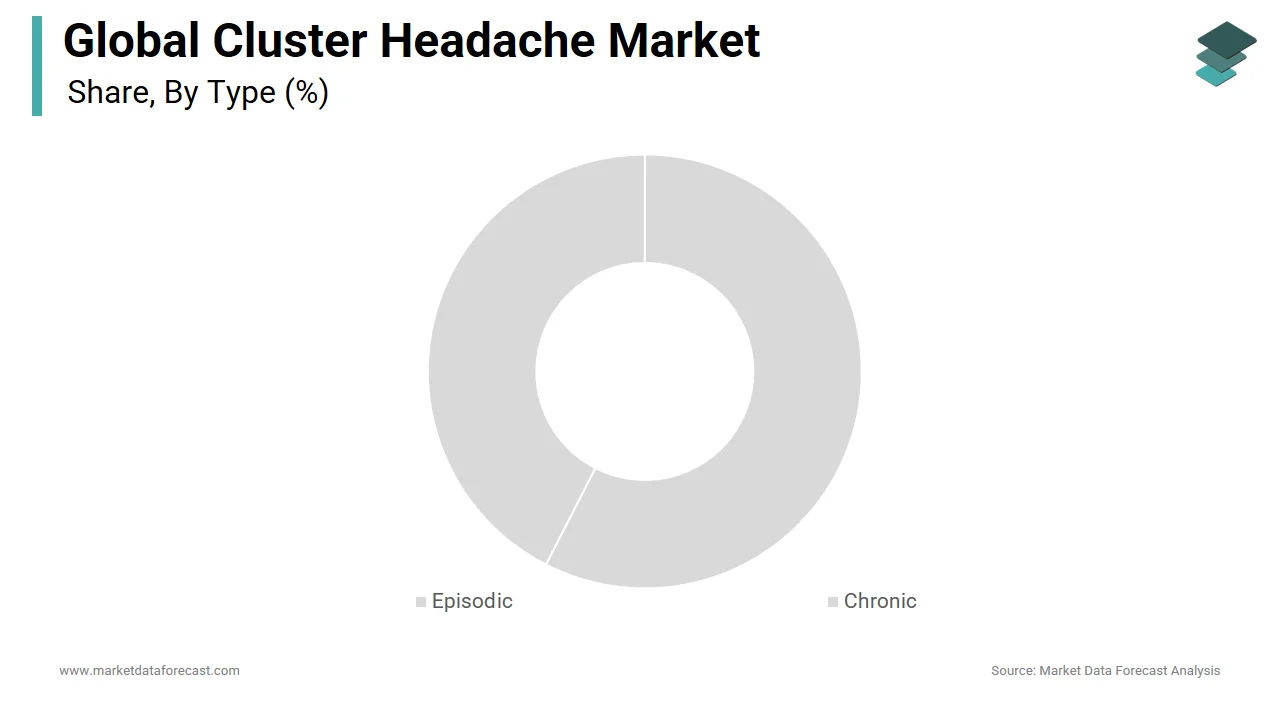
However, the chronic cluster headache segment is the fastest-growing category and is estimated to record a CAGR of 6.2% during the forecast period. This accelerated growth is fueled by the increasing recognition of chronic cluster headache as a distinct and severe phenotype that requires specialized long-term management and advanced therapeutic interventions. A key driving factor is the transition of a significant proportion of episodic patients to the chronic form over time, with studies indicating that up to 15% of episodic cases evolve into chronic cluster headache annually. According to research published in Cephalalgia, chronic cluster headache patients experience attacks daily or near daily without remission periods, leading to a higher demand for continuous preventive medications and novel therapies. The severity of this condition drives the adoption of newer treatments, such as galcanezumab and neuromodulation devices, which are specifically indicated or increasingly used off-label for refractory cases. As per the European Federation of Neurological Societies, the economic and social burden of chronic cluster headache is substantially higher than the episodic form, prompting healthcare systems to invest in better diagnostic tools and specialized care centers. The introduction of orphan drug designations for chronic cluster headache treatments has incentivized pharmaceutical companies to develop targeted solutions addressing this unmet need. Additionally, increased awareness among healthcare providers about the distinct pathophysiology of chronic cluster headache leads to earlier diagnosis and intervention. These dynamics position the chronic segment as the most rapidly expanding area in the market, driven by the urgent need for effective long-term management strategies.
By Drug Class Insights
The triptans segment had the leading share of the global market in 2025. The growth of the triptans segment in the global market is attributed to their established efficacy as the first-line acute treatment for aborting cluster headache attacks. The dominance of this segment is primarily driven by the rapid onset of action of subcutaneous sumatriptan, which is considered the gold standard for acute relief. According to the American Academy of Neurology, subcutaneous sumatriptan provides pain relief within 15 minutes for approximately 75% of patients, making it indispensable for managing the intense and short duration of cluster headaches. The physiological mechanism of triptans, which involves agonism of serotonin 5-HT1B and 5-HT1D receptors, effectively constricts dilated cranial blood vessels and inhibits the release of pro-inflammatory neuropeptides. As per clinical guidelines from the European Academy of Neurology, triptans are recommended as the primary acute therapy due to their consistent performance and extensive safety data accumulated over decades of use. The availability of multiple formulations, including subcutaneous injections and nasal sprays, allows for flexibility in administration, catering to patient preferences and the severity of attacks. Although oral triptans are less effective due to slow absorption during attacks, the injectable and intranasal routes maintain high patient adherence. The widespread insurance coverage and generic availability of sumatriptan further reinforce its market leadership by ensuring accessibility for a broad patient population. Despite the emergence of new therapies, triptans remain the cornerstone of acute management, driving their continued dominance in the cluster headache therapeutic landscape.
On the other side, the Calcitonin Gene Related Peptide CGRP inhibitors segment is predicted to register a promising CAGR of 13.3% during the forecast period in the global market, owing to the approval of galcanezumab as the first specific preventive treatment for episodic cluster headache, marking a paradigm shift in disease management. The superior tolerability profile of CGRP monoclonal antibodies compared to traditional preventives like verapamil, which often cause significant side effects such as constipation, hypotension, and cognitive impairment, is further boosting the expansion of this segment in the global market. According to clinical trial data published in The New England Journal of Medicine, galcanezumab significantly reduced the weekly frequency of cluster headache attacks by 50% or more in a substantial proportion of patients compared to placebo. The targeted mechanism of action, involving the inhibition of CGRP, a key mediator in pain transmission, offers a precise therapeutic approach with minimal systemic effects. As per the Food and Drug Administration, the approval of galcanezumab has spurred interest in other CGRP antagonists and antibodies for cluster headache indications, expanding the pipeline of potential treatments. The high unmet need for effective preventive options with fewer adverse events drives physician preference and patient adoption. Additionally, the convenience of monthly subcutaneous injections enhances adherence compared to daily oral medications. These factors collectively position CGRP inhibitors as the most dynamic growth segment in the cluster headache market, offering hope for improved quality of life for sufferers.
By Distribution Channels Insights
The hospital pharmacies segment captured the highest share of the global market in 2025 due to the critical need for immediate access to acute treatments and specialized diagnostic services in a clinical setting. The dominance of this segment is driven by the severity of cluster headache attacks, which often require emergency medical intervention and administration of high-flow oxygen or injectable medications that are not readily available in retail settings. According to the National Headache Foundation, many patients present to emergency departments during severe cluster periods, requiring rapid assessment and treatment by neurologists or emergency physicians. Hospital pharmacies are equipped to dispense specialized medications, such as subcutaneous sumatriptan, and provide access to intravenous therapies or nerve blocks that are administered under medical supervision. As per the Agency for Healthcare Research and Quality, hospital-based care ensures that patients receive comprehensive management, including differential diagnosis to rule out secondary causes of headache. The integration of pharmacy services with neurological care teams facilitates seamless transition from acute intervention to preventive management. Furthermore, hospital pharmacies often stock rare or expensive medications that may not be available in community pharmacies, ensuring continuity of care for complex cases. The trust associated with hospital-based care and the ability to handle insurance authorization for high-cost therapies further reinforce this channel's leadership. These factors make hospital pharmacies the primary point of access for critical cluster headache treatments.
However, the retail pharmacies segment is expected to witness the fastest CAGR of 6.8% during the forecast period, owing to the increasing shift towards outpatient management of cluster headache and the availability of oral preventive medications and nasal spray formulations that patients can self-administer at home. According to the National Community Pharmacists Association, the expansion of specialty pharmacy services within retail chains has improved access to newer therapies, such as CGRP inhibitors, through home delivery and patient support programs. As per the American Pharmacists Association, retail pharmacists play an increasingly important role in educating patients about proper medication use, adherence, and side effect management, enhancing overall treatment outcomes. The growing acceptance of telemedicine consultations has also facilitated prescription renewals and direct dispensing from retail outlets. Additionally, the availability of over-the-counter supplements and lifestyle management products in retail stores supports holistic care approaches. The ease of access and personalized service provided by retail pharmacies make them an attractive option for long-term management of cluster headache, driving their rapid growth in the distribution landscape.
REGIONAL ANALYSIS
North America Cluster Headache Market Analysis
North America dominated the cluster headache market in 2025 and is expected to exhibit strong growth and maintain a substantial market share for the next few years due to high adoption rates of advanced treatments. The United States dominates this regional market due to its advanced healthcare infrastructure, high awareness levels, and early adoption of innovative therapies. A primary driver is the presence of leading pharmaceutical companies and research institutions that facilitate rapid development and approval of new treatments. According to the Centers for Disease Control and Prevention, the prevalence of severe headache disorders, including cluster headache, is significant in the United States, driving demand for specialized care. The Food and Drug Administration approval of galcanezumab for episodic cluster headache has set a precedent for regulatory support, encouraging further investment in the sector. As per the American Migraine Foundation, the establishment of specialized headache centers and advocacy groups has improved diagnostic accuracy and patient access to care. High healthcare expenditure and favorable reimbursement policies for orphan drugs further support market growth. The strong presence of patient advocacy organizations ensures that cluster headache remains a priority in neurological research and policy discussions. Additionally, the high incidence of comorbid conditions, such as depression and anxiety, among cluster headache patients drives the need for comprehensive, multidisciplinary care models. These factors collectively sustain North America's position as the leading market for cluster headache treatments globally.
Europe Cluster Headache Market Analysis
Europe is projected to experience steady market expansion over the next few years as regulatory pathways become more streamlined and healthcare reimbursement expands. The market status is characterized by strong regulatory frameworks and a high concentration of specialized headache clinics, particularly in Germany, France, and the United Kingdom. According to the European Federation of Neurological Societies, Europe has a long history of headache research and clinical excellence, driving the adoption of evidence-based guidelines. The primary driver is the universal healthcare systems in many European countries, which provide equitable access to diagnostic services and treatments, including high-flow oxygen therapy. As per the European Medicines Agency, the approval of new therapies, such as CGRP inhibitors, has been accelerated, fostering a competitive market environment. The high prevalence of cluster headache in Northern European populations, due to genetic and environmental factors, contributes to sustained demand. Government initiatives to improve neurological care and reduce the burden of chronic pain further support market expansion. The presence of renowned research institutions and clinical trial networks facilitates the development of novel treatments. Additionally, the strong emphasis on patient-centered care and quality of life metrics drives the adoption of holistic management strategies. These elements ensure that Europe remains a key region for innovation and access in the cluster headache market.
Asia Pacific Cluster Headache Market Analysis
The Asia Pacific region is anticipated to see the highest growth rate in the market over the next few years due to improving clinical infrastructure and targeted investments by major healthcare players. The market status is characterized by a large underserved patient population and growing investment in neurological services. According to the World Health Organization, the burden of neurological disorders is rising in the Asia Pacific, prompting governments to enhance diagnostic and treatment capabilities. The primary driver is the increasing number of neurologists and specialized headache clinics in urban areas, which improves detection rates. As per clinical data, the regional expansion is heavily supported by rising disposable incomes and the rapid adoption of digital health platforms and telemedicine, which help bridge the gap between rural patients and urban specialists. Furthermore, local manufacturing of generic acute treatments and the gradual regulatory entry of advanced therapeutics are poised to dramatically accelerate market growth in this region over the coming years.
COMPETITIVE LANDSCAPE
The competition in the cluster headache market is characterized by a mix of established pharmaceutical giants, specialized biotechnology firms, and medical device manufacturers. Key players compete based on clinical efficacy, speed of onset, and tolerability of their respective treatments. The introduction of calcitonin gene-related peptide inhibitors has disrupted the traditional landscape dominated by triptans and verapamil, creating a new standard for preventive care. Device manufacturers offering non-invasive neuromodulation solutions provide a distinct alternative appealing to patients concerned about medication side effects. Intellectual property protection plays a crucial role as companies strive to maintain exclusivity for their novel molecules and technologies. Reimbursement negotiations with insurance providers are a significant competitive battleground influencing patient access and adoption rates. Collaborations with academic institutions and headache centers facilitate clinical trials and enhance credibility among prescribing physicians. The rarity of the condition limits the total addressable market, prompting companies to focus on high-value propositions and patient retention. Emerging pipelines featuring new mechanisms of action promise to further intensify rivalry. Overall, the market demands continuous innovation and strategic differentiation to meet the complex needs of patients suffering from this severe neurological disorder.
KEY MARKET PLAYERS
The prominent key players in the global cluster headache market are
- Zosano Pharma
- Eli Lilly and Company
- Lundbeck Seattle BioPharmaceutical
- Winston Laboratories
- GlaxoSmithKline plc
- electroCore Medical LLC
- Autonomic Technologies, Inc.
- AstraZeneca plc
- Linde plc
- Allergan plc
- Bayer AG
- F. Hoffmann-La Roche Ltd
- Novartis AG
- Sun Pharmaceutical Industries Ltd
- Teva Pharmaceutical Industries Ltd
- Takeda Pharmaceutical Company Limited
- Sanofi
- AbbVie Inc.
TOP PLAYERS IN THE MARKET
- Eli Lilly and Company is a prominent leader in the Cluster Headache Market primarily through its development and commercialization of galcanezumab. This monoclonal antibody targeting calcitonin gene-related peptide represents a significant advancement in preventive therapy for episodic cluster headache. The company has strengthened its market position by securing regulatory approvals in multiple major jurisdictions, including the United States and Europe. Recent actions include expanding clinical research to explore the efficacy of galcanezumab in chronic cluster headache patients, thereby broadening its potential patient base. Eli Lilly actively collaborates with headache specialists and patient advocacy groups to raise awareness and improve diagnostic rates. The company also invests in educational programs for healthcare providers to ensure proper administration and management of the therapy. By focusing on innovative mechanisms of action and robust clinical data, Eli Lilly continues to drive standard of care improvements. Their commitment to addressing unmet medical needs in rare neurological disorders reinforces their leadership and enhances access to effective treatments for sufferers globally.
- Linde plc plays a critical role in the Cluster Headache Market as a leading global supplier of high-flow medical oxygen, which is a first-line acute treatment for cluster headache attacks. The company provides specialized respiratory equipment and delivery systems that enable patients to administer oxygen therapy effectively at home or in clinical settings. Linde has strengthened its market position by developing portable and efficient oxygen concentrators that enhance patient mobility and compliance. Recent initiatives include partnerships with healthcare providers to optimize oxygen prescription protocols and ensure consistent supply chain reliability. The company also focuses on educating patients and caregivers on the proper use of oxygen therapy to maximize therapeutic benefits. Linde leverages its extensive distribution network to make medical oxygen accessible in remote and underserved regions. By maintaining high-quality standards and innovating in gas delivery technologies, Linde supports the essential non-pharmacological management of cluster headaches. Their contributions ensure that this vital treatment option remains available and effective for patients worldwide.
- ElectroCore LLC is a key participant in the Cluster Headache Market, specializing in non-invasive vagus nerve stimulation technology for the treatment of primary headache disorders. The company offers the gammaCore device, which is approved for the acute and preventive treatment of cluster headache, providing a drug-free alternative for patients. ElectroCore has strengthened its market position by generating robust clinical evidence demonstrating the efficacy and safety of its neuromodulation technology. Recent actions include expanding insurance coverage agreements and launching direct-to-consumer marketing campaigns to increase patient awareness. The company actively engages with neurologists and headache clinics to integrate gammaCore into standard treatment algorithms. ElectroCore also invests in research to explore new indications and optimize stimulation parameters for better outcomes. By offering a novel mechanism of action that avoids systemic side effects, ElectroCore addresses a significant unmet need. Their focus on patient-centric innovation and strategic collaborations continues to drive adoption and establish neuromodulation as a cornerstone of cluster headache management.
TOP STRATEGIES USED BY KEY MARKET PARTICIPANTS
Key players in the cluster headache market primarily focus on expanding clinical indications for existing therapies to capture broader patient populations, including chronic sufferers. Companies invest heavily in real-world evidence generation to demonstrate long-term efficacy and safety profiles to payers. Strategic partnerships with patient advocacy organizations help raise disease awareness and reduce diagnostic delays significantly. Pricing strategies such as patient assistance programs and value-based contracts are implemented to improve accessibility and reimbursement rates. Development of non-invasive devices offers a differentiated approach to attract patients seeking drug-free alternatives. Educational initiatives targeting primary care physicians aim to improve early recognition and referral to specialists. Digital health tools are integrated to support patient monitoring and adherence to preventive regimens. Regulatory efforts focus on obtaining orphan drug designations to secure market exclusivity and financial incentives. These multifaceted strategies enable companies to navigate the complex landscape of rare disease management and sustain competitive advantage in the evolving cluster headache therapeutic environment.
MARKET SEGMENTATION
This research report on the global cluster headache market has been segmented and sub-segmented based on the type, drug class, distribution channel and region.
By Type
- Episodic
- Chronic
By Drug Type
- Fast-acting Drugs
- Long-term Drugs
- Short-term Drugs
By Route of Administration
- Oral
- Topical
- Intravenous
- Others
By Distribution Channels
- Hospital Pharmacies
- Retail Pharmacies
- Online Pharmacies
By Region
- North America
- Europe
- Asia Pacific
- Middle East & Africa
- Latin America