- Product Description Description
- Table of Contents TOC
- List of Table & Figure LOT
- Get Free Sample PDF Sample PDF
Market Size, 2025
$646.19 MnMarket Estimate, 2026
$689.49 MnMarket Forecast, 2034
$1109.71 MnCAGR, 2026–2034
6.68%Europe Azotobacter Based Biofertilizers Market Report Summary
The Europe azotobacter based biofertilizers market was valued at USD 646.19 million in 2025, is estimated to reach USD 689.49 million in 2026, and is projected to attain USD 1,109.71 million by 2034, expanding at a CAGR of 6.68% during the forecast period from 2026 to 2034. The Europe azotobacter based biofertilizers market is gaining momentum as sustainable agriculture becomes a strategic priority across the region. Rising concerns over soil degradation, increasing restrictions on synthetic fertilizers, and growing demand for environmentally responsible crop nutrition solutions are driving the adoption of biological nitrogen-fixing products. Azotobacter-based biofertilizers are increasingly recognized for their ability to improve soil fertility, enhance nutrient availability, and support higher crop productivity while minimizing environmental impact. Supportive government policies promoting organic farming, expanding investments in regenerative agriculture, and growing awareness among farmers regarding long-term soil health are expected to accelerate market growth across Europe throughout the forecast period.
Key Market Trends
- Regenerative agriculture practices are encouraging greater adoption of microbial biofertilizers that improve soil biodiversity and long-term crop productivity.
- Farmers are increasingly replacing a portion of chemical fertilizers with biological alternatives to meet sustainability targets and regulatory requirements.
- Continuous advancements in microbial formulation technologies are improving product shelf life, field performance, and nutrient efficiency.
- Precision agriculture and digital farm management tools are supporting the optimized application of biofertilizers across diverse crop systems.
- Public and private investments in sustainable agricultural inputs and biological crop nutrition are fostering innovation and commercialization throughout the European market.
Segmental Insights
Based on crop, the cereals and grains segment dominated the Europe azotobacter based biofertilizers market in 2025. The segment's leadership is supported by the extensive cultivation of wheat, barley, maize, and other staple crops that require efficient nitrogen management to maintain productivity while reducing dependence on conventional fertilizers.
Based on application method, the soil application segment accounted for the largest share of the Europe azotobacter based biofertilizers market in 2025. Its dominance is attributed to its compatibility with existing agricultural practices, ease of integration into conventional farming systems, and effectiveness in promoting root development and sustained microbial activity within the soil.
Based on end use, the field crops segment captured the highest share of the European market in 2025. Large-scale cultivation, increasing adoption of sustainable nutrient management practices, and growing emphasis on improving soil fertility continue to drive the widespread use of Azotobacter-based biofertilizers in field crop production.
Regional Insights
Germany remained the leading market for azotobacter based biofertilizers in Europe and is expected to strengthen its position over the coming years through continued support for biological farming inputs, sustainable land management, and environmentally friendly agricultural practices. The country's strong organic farming sector, advanced agricultural technologies, and favorable policy framework are encouraging broader adoption of microbial biofertilizers. France is projected to witness rapid market growth as national agroecological transition programs, increasing organic cultivation, and rising demand for biological nitrogen-fixing solutions accelerate the use of sustainable crop nutrition products. Together, these countries are shaping the future of Europe's biofertilizer industry through innovation, policy support, and growing farmer awareness.
Competitive Landscape
The Europe azotobacter based biofertilizers market is characterized by increasing competition among global agricultural input manufacturers, microbial technology companies, and specialized biofertilizer producers. Leading market participants are investing in advanced microbial research, innovative formulation technologies, and product development to enhance nutrient efficiency, crop performance, and product stability. Strategic collaborations with research institutions, agricultural distributors, and farming organizations are accelerating product commercialization and market penetration across Europe. Companies are also expanding production capabilities, strengthening distribution networks, and developing sustainable biological solutions aligned with evolving environmental regulations and regenerative agriculture initiatives. As demand for eco-friendly crop nutrition continues to grow, innovation, scientific validation, and strategic partnerships are expected to remain the primary competitive differentiators within the European azotobacter based biofertilizers market.
Prominent players in the Europe azotobacter based biofertilizers market include Rashtriya Chemicals and Fertilizers (India), National Fertilizers Limited (India), Koppert Biological Systems, Indian Farmers Fertiliser Cooperative (India), BASF SE (Germany), Novozymes A/S (Denmark), Syngenta AG (Switzerland), T. Stanes & Company Limited (India), Kumar Organic Products Limited (India), AgriLife (India), and BioWorks, Inc. (United States).
Europe Azotobacter Based Biofertilizers Market Size
The Europe Azotobacter based biofertilizers market size was valued from 646.19 million in 2025 and is anticipated to reach from USD 689.49 million in 2026 to reach USD from 1109.71 million by 2034, growing at a CAGR of 6.68% during the forecast period from 2026 to 2034.
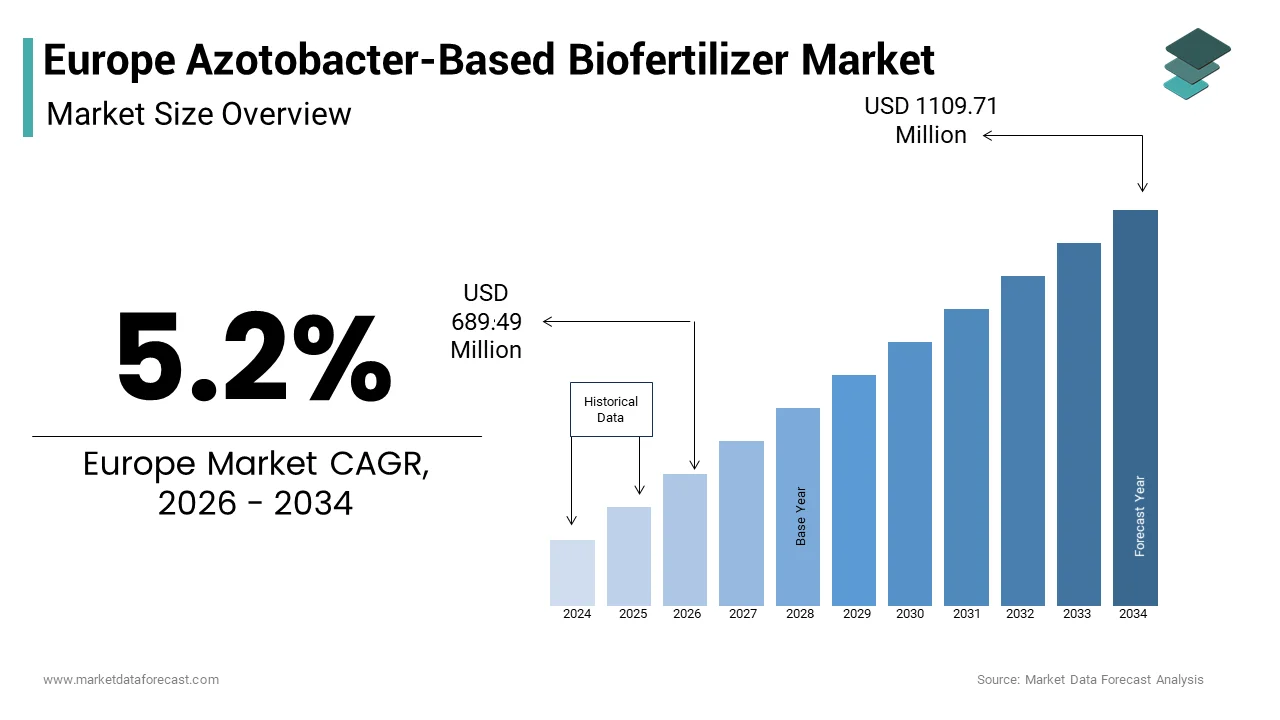
Azotobacter based biofertilizers represent a specialized segment within the broader agricultural inputs sector, leveraging free living nitrogen fixing bacteria to enhance soil fertility and crop productivity without synthetic chemical reliance. These microbial inoculants contain Azotobacter species that convert atmospheric nitrogen into ammonia through biological nitrogen fixation, providing an eco-friendly alternative to conventional urea and ammonium based fertilizers. The European agricultural landscape is undergoing a significant transformation driven by stringent environmental regulations and growing consumer demand for organic produce. According to data from the Research Institute of Organic Agriculture FiBL, organic farmland in the European Union constituted approximately 10.9% of total agricultural land in recent assessments, with countries like Austria surpassing 25% coverage. This expansion creates a fertile ground for biofertilizer adoption as farmers seek compliant nutrient management solutions. For instance, the demand for biofertilizers in Europe is growing significantly, which is reflecting strong institutional support for sustainable farming practices. Azotobacter strains are particularly valued for their ability to produce growth promoting substances such as auxins and gibberellins alongside nitrogen fixation, offering dual benefits for plant health. As per the Fertilizing Products Regulation which came into effect in July 2022, microbial fertilizers now have a standardized pathway for market access across member states, facilitating wider commercialization. The integration of these biological agents aligns with the European Green Deal objectives to reduce nutrient losses by 50% by 2030 while maintaining food security standards across the continent.
MARKET DRIVERS
Stringent Regulatory Frameworks Driving Sustainable Nutrient Management
The implementation of comprehensive environmental policies across the European Union is one of the major factors propelling the European Azotobacter based biofertilizer market growth. The European Green Deal and its associated Farm to Fork Strategy mandate a 50% reduction in the use of chemical pesticides and a 20% reduction in fertilizer use by 2030, which is compelling farmers to seek viable biological alternatives. Nitrogen remains the most consumed fertilizer nutrient in European agriculture, with the sector using an estimated 8.9 million tonnes of nitrogen fertilizer annually, as per Eurostat reports. This high dependency on synthetic nitrogen creates substantial environmental externalities including water pollution and greenhouse gas emissions, which regulatory bodies aim to mitigate through promoted bio input usage. The Fertilizing Products Regulation established in 2022 provides a harmonized legal framework for microbial fertilizers, allowing products containing Azotobacter to bear the CE marking and circulate freely across all member states. This regulatory clarity reduces market entry barriers and encourages investment in production facilities. Furthermore, national action plans in countries like Germany and France incentivize the transition to organic methods, where azotobacter inoculants are essential for maintaining soil nitrogen levels without prohibited synthetic inputs. As per industry analysis, the push for sustainable agricultural practices has led to increased monitoring of nutrient balances, making biological nitrogen fixation an attractive compliance strategy for large scale agribusinesses seeking to avoid penalties associated with excessive nitrate leaching into water bodies.
Expanding Organic Farmland Area Creating Demand for Biological Inputs
The continuous expansion of certified organic agricultural land across Europe generates sustained demand for azotobacter based biofertilizers as essential nutrient management tools, which is further driving the European Azotobacter based biofertilizer market expansion. Organic farming prohibits the use of synthetic nitrogen fertilizers, making biological nitrogen fixers like Azotobacter critical for maintaining crop yields and soil health in these systems. Data from the Research Institute of Organic Agriculture indicates that organic farmland in the European Union reached 10.9% of total agricultural area, with 14 member states achieving at least 10% coverage. Austria leads this transition with 27.3% of its agricultural land under organic management, demonstrating the scalability of chemical free farming models. According to industry reports, the global sales of organic food and drink reached approximately 145 billion euros in 2024, signaling robust consumer willingness to pay premium prices for sustainably produced goods. This economic incentive drives conventional farmers to convert portions of their land to organic certification, thereby increasing the addressable market for biofertilizers. Azotobacter species are particularly effective in organic rotations involving cereals and vegetables, where they enhance nitrogen availability while improving soil structure through polysaccharide production. As per industry observations, the conversion process requires reliable microbial inputs to prevent yield drops during the transition period, positioning azotobacter products as risk mitigation tools. The European organic farming market size was calculated to be 37.56 billion USD in 2025 and is anticipated to reach 73.09 billion USD by 2034, indicating long term growth potential for supporting inputs like biofertilizers. This trajectory ensures consistent procurement contracts for manufacturers supplying certified organic operations across the region.
MARKET RESTRAINTS
Limited Shelf Life and Storage Constraints Hindering Product Efficacy
The inherent biological nature of azotobacter based biofertilizers presents significant challenges related to product stability and shelf life, which restricts their widespread adoption in certain European markets and hampering the European Azotobacter based biofertilizer market growth. Unlike synthetic fertilizers that remain stable for years, microbial inoculants contain live bacterial cultures that require specific storage conditions to maintain viability and nitrogen fixing capacity. Exposure to extreme temperatures, moisture fluctuations, or ultraviolet light can rapidly degrade Azotobacter populations, rendering the product ineffective before application. Most liquid formulations have a shelf life of only 6 to 12 months even under optimal refrigerated conditions, creating logistical complexities for distributors operating across diverse climatic zones in Europe. Solid carrier based formulations offer slightly better stability but still suffer from gradual population decline during extended warehouse storage. According to agricultural supply chain analyses, inconsistent cold chain infrastructure in rural distribution networks leads to significant product wastage and farmer dissatisfaction due to poor field performance. The sensitivity of Azotobacter to desiccation further complicates transportation over long distances, limiting the geographic reach of manufacturers based in central production hubs. Farmers often hesitate to invest in biofertilizers when faced with uncertainty regarding bacterial count at the time of application, preferring the predictable nutrient content of mineral fertilizers. This reliability gap necessitates rigorous quality control measures and rapid turnover strategies that increase operational costs for suppliers. The lack of standardized preservation technologies across different formulation types creates variability in product performance, undermining confidence among conventional growers who are accustomed to the consistency of chemical inputs.
High Production Costs and Price Sensitivity Among Conventional Farmers
The elevated production costs associated with manufacturing azotobacter based biofertilizers create a price barrier that limits their competitiveness against subsidized synthetic alternatives in the European market, which is further impeding the regional market expansion. Producing high quality microbial inoculants requires sterile fermentation facilities, specialized downstream processing equipment, and rigorous quality assurance protocols to ensure consistent colony forming units per gram. These capital intensive processes result in higher per unit costs compared to mass produced chemical fertilizers that benefit from economies of scale and established supply chains. Conventional farmers operating on thin margins often perceive biofertilizers as premium products with uncertain return on investment, particularly when synthetic nitrogen prices remain relatively affordable. Although nitrogen fertilizer consumption in Europe reached 8.9 million tonnes annually, the dominance of low cost mineral options makes it difficult for biological alternatives to gain significant market share outside the organic sector. The cost disparity is exacerbated by the need for repeated applications in some cropping systems to achieve adequate nitrogen supplementation, further increasing the total expense for growers. Small and medium sized farms, which constitute a large portion of European agriculture, lack the financial buffer to experiment with expensive inputs without guaranteed yield improvements. Government subsidies for synthetic fertilizers in certain member states distort the pricing landscape, making it challenging for biofertilizer manufacturers to compete on a level playing field. Additionally, the absence of bulk purchasing discounts comparable to those offered by major chemical fertilizer corporations places independent bio input producers at a commercial disadvantage. This economic constraint slows the transition rate among conventional growers who recognize the environmental benefits but cannot justify the immediate financial outlay required for switching to biological nutrient management systems.
MARKET OPPORTUNITIES
Integration with Precision Agriculture Technologies Offering Enhanced Efficiency
The convergence of azotobacter based biofertilizers with precision agriculture technologies presents a substantial opportunity for the European Azotobacter based biofertilizer market. Advanced farm management software and sensor networks enable growers to monitor soil microbial activity and nutrient levels in real time, allowing for targeted inoculant application where it is most needed. Variable rate technology equipped machinery can distribute biofertilizers at precise depths and concentrations, ensuring optimal contact between Azotobacter cells and root zones while minimizing waste. As per industry reports, the European agricultural sensors market is experiencing robust growth as farmers adopt digital tools to improve resource use efficiency, creating a compatible ecosystem for biological inputs. Integrating microbial data with weather forecasts and crop growth models helps predict periods of peak nitrogen demand, enabling timely application of azotobacter products to synchronize bacterial activity with plant uptake requirements. This data driven approach addresses one of the key limitations of biofertilizers by reducing the uncertainty associated with biological nitrogen fixation rates. Furthermore, drone based spraying systems offer novel delivery methods for foliar applications of Azotobacter formulations, expanding their utility beyond traditional soil drenching techniques. The adoption of Internet of Things devices in smart farming initiatives across countries like the Netherlands and Germany provides the infrastructure necessary for monitoring biofertilizer performance at scale. As per industry trends, the synergy between biological inputs and digital agriculture enhances the credibility of biofertilizers among tech savvy younger farmers who prioritize measurable outcomes. This technological integration also facilitates traceability and documentation required for organic certification and sustainability reporting, adding value to the overall farming operation.
Development of Novel Formulations Improving Stability and Field Performance
Advancements in microbial encapsulation and formulation technologies offer significant opportunities to the expansion of the European Azotobacter based biofertilizer market. Researchers and manufacturers are developing innovative carrier materials such as biochar, alginate beads, and nanocomposites that protect Azotobacter cells from desiccation, temperature stress, and ultraviolet radiation during storage and after field application. These protective matrices create microenvironments that sustain bacterial viability for extended periods, potentially doubling the shelf life of current products and reducing logistical constraints. The use of polymer coatings allows for controlled release of microbial cells, ensuring gradual colonization of the rhizosphere rather than immediate exposure to harsh soil conditions. Recent innovations in liquid formulations include the addition of osmoprotectants and antioxidants that stabilize cell membranes during freeze drying and rehydration processes. According to scientific literature, encapsulated Azotobacter strains demonstrate superior survival rates in alkaline and saline soils common in southern European regions, expanding their geographic applicability. The development of consortium based products combining Azotobacter with other beneficial microbes such as phosphate solubilizing bacteria creates synergistic effects that enhance overall soil health and nutrient availability. These multi strain formulations address multiple nutrient deficiencies simultaneously, offering greater value proposition to farmers compared to single function inputs. Investment in research and development by leading agrochemical companies is accelerating the commercialization of next generation biofertilizers with improved performance metrics. The European Union funding programs supporting sustainable agriculture innovation provide financial incentives for startups and established firms to pioneer these advanced formulation technologies. As these novel products enter the market, they promise to bridge the performance gap between biological and synthetic fertilizers, making azotobacter based solutions more attractive to mainstream conventional growers seeking reliable and efficient nutrient management options.
MARKET CHALLENGES
Inconsistent Field Performance Due to Environmental Variability
The variable efficacy of azotobacter based biofertilizers across different soil types and climatic conditions poses a significant challenge to their consistent adoption among European farmers. Azotobacter species exhibit specific environmental preferences regarding pH, moisture content, temperature, and organic matter levels, meaning their nitrogen fixing activity can fluctuate dramatically depending on local field conditions. Soils with low organic carbon content or extreme pH values often inhibit bacterial colonization and enzyme activity, resulting in negligible nitrogen contribution despite proper application. European agricultural landscapes display considerable heterogeneity, ranging from acidic peat soils in northern regions to alkaline calcareous soils in the Mediterranean, making it difficult to develop universal formulations that perform reliably everywhere. According to agronomic studies, the adoption rate of soil improving practices remains heterogeneous across Europe due to these site specific performance variations. Farmers who experience poor results in one season may abandon biofertilizers entirely, perceiving them as unreliable compared to the predictable nutrient content of synthetic alternatives. The lack of immediate visible effects further complicates adoption, as biological nitrogen fixation occurs gradually over weeks rather than providing instant green up like urea. This delay requires farmers to have advanced planning capabilities and trust in long term soil health benefits, which conflicts with short term economic pressures. Extension services often struggle to provide site specific recommendations due to limited localized trial data, leaving growers to experiment at their own risk. The complexity of soil microbiome interactions means that introduced Azotobacter strains may face competition from native microbial communities, reducing their establishment success. Without standardized guidelines for matching specific strains to local soil conditions, the risk of application failure remains high, deterring risk averse conventional farmers from integrating these biological inputs into their regular nutrient management programs.
Lack of Farmer Awareness and Technical Knowledge Regarding Application Methods
Insufficient awareness and technical understanding among European farmers regarding the proper handling and application of azotobacter based biofertilizers hinder their widespread acceptance and effective utilization. Many conventional growers lack familiarity with microbial inoculants and mistakenly treat them like chemical fertilizers, applying them at incorrect times or using incompatible tank mixes that kill the bacterial cells. Azotobacter requires specific application techniques such as seed treatment, root dipping, or soil incorporation near the root zone to ensure successful colonization, but extension services often fail to provide detailed training on these methods. The complexity of biological inputs demands a higher level of agronomic knowledge compared to straightforward synthetic fertilizer broadcasting, creating a knowledge gap that slows adoption. According to research on behavioral drivers of sustainable practices, farmers decisions to adopt new technologies are heavily influenced by peer networks and trusted advisory sources, which may not yet prioritize biofertilizer education. Misinformation about storage requirements and compatibility with pesticides leads to product misuse and subsequent crop performance issues, reinforcing negative perceptions. The rapid evolution of biofertilizer products outpaces the update cycles of traditional agricultural training programs, leaving many advisors ill equipped to recommend appropriate solutions. Smallholder farmers in particular may lack access to demonstration plots or field days where they can observe successful biofertilizer applications firsthand. The absence of clear labeling standards and usage instructions in local languages further complicates proper implementation across diverse European regions. Without comprehensive educational initiatives and hands on support from manufacturers and government agencies, farmers remain hesitant to invest in technologies they do not fully understand. This knowledge deficit perpetuates reliance on familiar chemical inputs and prevents the realization of potential yield and environmental benefits offered by properly applied azotobacter based biofertilizers.
REPORT COVERAGE
| REPORT METRIC | DETAILS |
| Market Size Available | 2025 to 2034 |
| Base Year | 2025 |
| Forecast Period | 2026 to 2034 |
| CAGR | 6.68% |
| Segments Covered | By Type, Propulsion, End-user, Sales Channel, Length Size, and Country. |
| Various Analyses Covered | Global, Regional, and country Analysis, Segment-Level Analysis, DROC, PESTLE Analysis, Porter’s Five Forces Analysis, Competitive Landscape, Analyst Overview of Investment Opportunities |
| Regions Covered | North America, Europe, APAC, Latin America, Middle East & Africa |
| Market Leaders Profiled | Rashtriya Chemicals and Fertilizers (IN), National Fertilizers Limited (IN), Koppert Biological Systems, Indian Farmers Fertiliser Cooperative (IN), BASF SE (DE), Novozymes A/S (DK), Syngenta AG (CH), T. Stanes & Company Limited (IN), Kumar Organic Products Limited (IN), AgriLife (IN), BioWorks, Inc. (US) |
SEGMENTAL ANALYSIS
By Crop Insights
The cereals and grains segment dominated the market by accounting for the major share of the European market in 2025 due to the vast agricultural land dedicated to staple crops such as wheat, barley, maize, and rice across the continent. Wheat alone accounts for approximately 25 million hectares of cultivated area in the European Union, making it the most widely grown crop and a primary target for nitrogen management strategies. The sheer scale of cereal production necessitates efficient nutrient inputs to maintain yield stability while adhering to environmental regulations that limit synthetic fertilizer usage. Azotobacter inoculants are particularly effective in cereal cropping systems where they enhance root development and improve nitrogen use efficiency during critical growth stages. According to Eurostat data, cereals represent over 50% of the total arable land use in many member states, creating a massive addressable market for biological nitrogen fixers. The high frequency of cereal cultivation in rotation systems allows for consistent annual demand for biofertilizers, ensuring steady revenue streams for manufacturers. Furthermore, government subsidies for sustainable cereal production in countries like France and Germany encourage farmers to adopt bio inputs as part of integrated nutrient management plans. The economic importance of cereals to European food security drives continuous investment in productivity enhancing technologies, including microbial inoculants that offer cost effective alternatives to expensive mineral fertilizers. This widespread adoption across large scale commercial farms solidifies the leading position of the cereals and grains segment in the regional market.
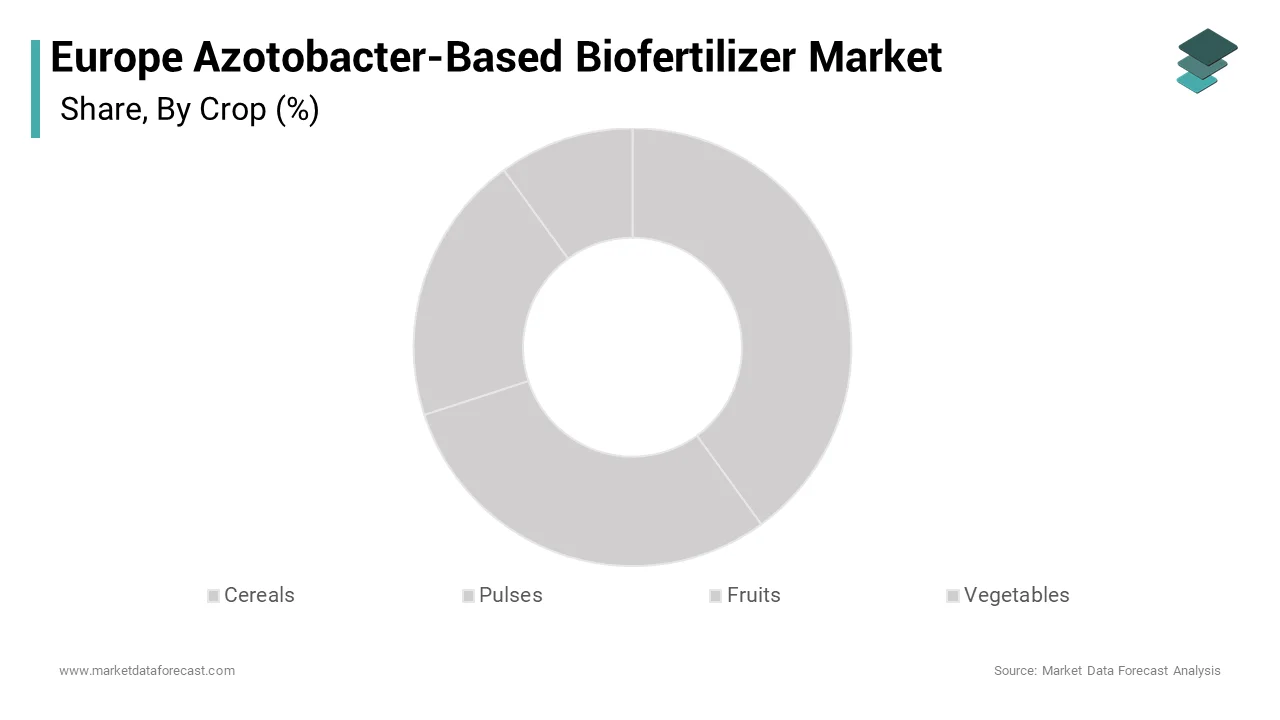
However, the fruits and vegetables segment is a promising segment and is expected to record a CAGR of 9.4% over the forecast period owing to the escalating consumer preference for chemical residue free fresh produce. Health conscious consumers in Europe are increasingly willing to pay premium prices for fruits and vegetables grown without synthetic pesticides and fertilizers, creating strong economic incentives for growers to adopt organic and semi organic practices. Azotobacter based biofertilizers play a crucial role in these systems by enhancing soil health and providing essential nutrients without leaving harmful chemical residues on edible parts of the crops. According to industry reports, the European market for fresh organic fruits and vegetables has expanded significantly, with sales growing by double digit percentages in recent years. High value crops such as strawberries, tomatoes, and leafy greens are particularly sensitive to chemical inputs, making biological alternatives like azotobacter inoculants highly attractive to commercial growers. The short growth cycles of many vegetable crops allow for rapid realization of benefits from microbial applications, encouraging repeat purchases and sustained demand. Retailers and supermarkets are also imposing stricter maximum residue limits on supplied produce, forcing suppliers to adopt cleaner production methods. This market pull from downstream buyers ensures that fruit and vegetable growers remain at the forefront of biofertilizer adoption, driving the segment's rapid expansion compared to slower moving staple crop sectors.
By Application Method Insights
The soil segment held the largest share of the European market in 2025 due to its compatibility with existing farm machinery and established agronomic practices. Most European farmers are accustomed to applying granular or liquid inputs directly to the soil during tillage or planting operations, making the transition to soil applied biofertilizers seamless and cost effective. This method ensures direct contact between Azotobacter cells and the root zone, where nitrogen fixation and plant growth promotion activities are most beneficial. The widespread availability of spreaders and sprayers capable of handling microbial formulations supports the dominance of this application method across diverse farm sizes. According to agricultural equipment surveys, the majority of tractors and implements in Europe are configured for soil based input application, reducing the need for additional capital investment when adopting biofertilizers. Soil application also allows for uniform distribution over large areas, which is essential for field crops like cereals and oilseeds that cover extensive hectares. The ability to incorporate biofertilizers into standard fertilization schedules without disrupting workflow makes this method highly appealing to time constrained farmers. Furthermore, soil application protects microbial cells from immediate exposure to ultraviolet radiation and desiccation, enhancing survival rates compared to foliar methods. This practical advantage, combined with lower labor requirements, sustains the leading position of soil application in the regional market.
On the other side, the seed treatment segment is emerging as the fastest growing application method in the Europe azotobacter based biofertilizer market and is anticipated to record a CAGR of 10.5% over the forecast period owing to its precision delivery mechanism and resource efficiency. Coating seeds with Azotobacter inoculants ensures that each plant receives a consistent dose of beneficial microbes at the earliest stage of development, maximizing colonization success and minimizing waste. This method requires significantly lower quantities of biofertilizer compared to soil application, reducing material costs and logistical burdens for farmers. The rise of professional seed treatment facilities across Europe, particularly in major agricultural hubs like Germany and France, provides the technical infrastructure necessary for high quality microbial coating. According to industry data, the adoption of treated seeds has increased substantially as farmers seek ways to optimize input use and reduce environmental footprints. Seed treatment also eliminates the need for separate field operations, saving time and fuel costs during the busy planting season. The compatibility of azotobacter formulations with other seed treatments such as fungicides and insecticides allows for integrated pest and nutrient management solutions in a single product. This convenience factor appeals to large scale commercial operators who prioritize operational efficiency. As seed companies increasingly offer biological treatment options to differentiate their products, the availability of pre-treated seeds drives market penetration and accelerates the growth of this segment.
By End Use Insights
The field crops segment captured the highest share of the European market in2025 due to the extensive area dedicated to arable farming across the continent. Crops such as wheat, barley, maize, and rapeseed cover millions of hectares in the European Union, creating a substantial base for biofertilizer consumption. The scale of field crop production necessitates efficient and scalable nutrient management solutions, positioning azotobacter based biofertilizers as viable alternatives to synthetic inputs. According to Eurostat, arable land represents approximately 60% of the total agricultural area in the EU, highlighting the magnitude of this segment. The mechanized nature of field crop farming facilitates the easy integration of biofertilizers into standard operating procedures, ensuring widespread adoption. Government policies promoting sustainable agriculture in major field crop producing countries like France, Germany, and Poland further drive demand in this segment. The economic significance of field crops to national food security and export revenues encourages investment in productivity enhancing technologies, including biological nitrogen fixers. The repetitive nature of field crop rotations allows for consistent annual demand, providing stability for biofertilizer manufacturers. Additionally, the pressure to reduce carbon footprints in large scale agriculture pushes field crop growers towards low emission input options, reinforcing the leading position of this segment in the regional market.
On the other hand, the organic farming segment is the fastest growing end use segment in the Europe azotobacter based biofertilizer market and is predicted to showcase a CAGR of 11.2% over the forecast period owing to the mandatory prohibition of synthetic nitrogen fertilizers in certified organic systems. Organic standards strictly forbid the use of chemical fertilizers, making biological nitrogen fixers like Azotobacter essential for maintaining soil fertility and crop productivity. As the organic farmland area in the European Union continues to expand, reaching 10.9% of total agricultural land, the demand for compliant bio inputs rises proportionally. According to FiBL data, the number of organic producers in Europe has increased significantly, creating a growing customer base for azotobacter based products. Organic farmers rely heavily on biological processes to supply nitrogen, positioning azotobacter inoculants as critical components of their nutrient management strategies. The premium prices commanded by organic produce provide financial flexibility for growers to invest in high quality biofertilizers, supporting market growth. Certification bodies increasingly recognize the role of specific microbial strains in maintaining organic integrity, further validating their use. The expansion of organic retail channels and consumer demand for certified organic goods ensure sustained growth in this segment. As more conventional farmers convert to organic practices to capture premium market opportunities, the demand for azotobacter-based biofertilizers in this end use category will continue to accelerate rapidly.
COUNTRY LEVEL ANALYSIS
Germany Azotobacter Based Biofertilizers Market Analysis
Germany is likely to strengthen its leadership in the biofertilizer market as it further incentivizes the adoption of biological soil health solutions over the next few years. The dominance of Germany in the European market is further driven by its advanced agricultural technology sector and strong commitment to environmental sustainability. The country is a leader in organic farming adoption, with over 10% of its agricultural land under organic management, creating substantial demand for biological inputs. German farmers are increasingly integrating precision agriculture tools with biofertilizer applications to optimize nutrient use efficiency and comply with strict environmental regulations. The Fertilizer Ordinance in Germany imposes stringent limits on nitrogen surpluses, compelling growers to seek alternative nutrient sources such as azotobacter based products. According to the Federal Ministry of Food and Agriculture, the German government provides significant financial support for sustainable farming practices, including the adoption of biofertilizers. The presence of major agrochemical companies and research institutions in Germany fosters innovation in microbial formulation technologies, enhancing product efficacy and market acceptance. The country's robust distribution network ensures wide availability of biofertilizers across diverse farming regions. Consumer demand for organic and sustainably produced food in Germany is among the highest in Europe, driving retailers to source from farms using biological inputs. This market pull, combined with regulatory push, establishes Germany as a key growth engine for the azotobacter based biofertilizer market in the region.
France Azotobacter Based Biofertilizers Market Analysis
France is expected to witness rapid growth in the application of biological nitrogen fixers as it continues its agroecological transition efforts over the coming years. The country is one of the largest agricultural producers in the European Union, with significant areas dedicated to cereals, wine grapes, and vegetables, all of which are potential users of biofertilizers. The French Ecophyto Plan aims to reduce pesticide use by 50%, indirectly promoting the adoption of biological inputs that enhance plant health and reduce dependency on chemical protections. According to the French Ministry of Agriculture, the area under organic farming has doubled in recent years, reaching over 2.5 million hectares, which drives demand for compliant nutrient management solutions. French farmers are increasingly aware of the benefits of soil health management, leading to greater interest in microbial inoculants like azotobacter. The country hosts several leading biofertilizer manufacturers and research centers that develop strains suited to local soil conditions. Government subsidies for organic conversion and sustainable practices provide financial incentives for farmers to adopt biofertilizers. The strong cooperative structure in French agriculture facilitates knowledge sharing and bulk purchasing of bio inputs, accelerating market penetration. Consumer preference for locally produced and environmentally friendly food is also a significant driver.
COMPETITIVE LANDSCAPE
The competition in the Europe azotobacter based biofertilizer market is characterized by a mix of established multinational agrochemical corporations and specialized niche biological solution providers. Multinational companies leverage their extensive distribution networks, brand recognition, and financial resources to introduce biofertilizers as part of integrated crop management portfolios. These large players often compete on the basis of product stability, formulation technology, and seamless integration with existing chemical inputs. Specialized firms differentiate themselves through deep technical expertise, high quality microbial strains, and personalized customer support services. They focus on building trust with organic and progressive conventional farmers by providing evidence based results from local field trials. The market sees intense competition in innovation, with companies constantly developing novel carrier materials and consortium formulations to enhance efficacy and shelf life. Regulatory compliance serves as a significant barrier to entry, favoring established players with resources to navigate complex approval processes. Price competition remains moderate as buyers prioritize product reliability and performance over cost alone. Strategic alliances between biofertilizer manufacturers and seed companies or precision agriculture tech firms are becoming common to create comprehensive value propositions. The fragmented nature of European agriculture means that regional players also hold strong positions in specific countries, leveraging local knowledge and relationships to compete effectively against global giants.
KEY MARKET PLAYERS
A few of the dominating the market players that are in the Europe azotobacter based biofertilizer market are
- Rashtriya Chemicals and Fertilizers (IN)
- National Fertilizers Limited (IN)
- Koppert Biological Systems
- Indian Farmers Fertiliser Cooperative (IN)
- BASF SE (DE)
- Novozymes A/S (DK)
- Syngenta AG (CH)
- T. Stanes & Company Limited (IN)
- Kumar Organic Products Limited (IN)
- AgriLife (IN)
- BioWorks, Inc. (US)
Top Players In The Market
- Novozymes A/S stands as a global leader in biological solutions with a significant footprint in the European agricultural sector. The company leverages its extensive research capabilities to develop high efficacy microbial inoculants including azotobacter strains tailored for diverse European soil conditions. Novozymes focuses on integrating its biofertilizer products with digital farming tools to provide farmers with precise application recommendations. Recent initiatives include partnerships with major seed companies to offer pre treated seeds containing their proprietary microbial formulations. This strategy enhances product accessibility and ensures optimal colonization from the earliest growth stages. The company actively participates in field trials across Germany and France to demonstrate yield benefits and soil health improvements. By emphasizing scientific validation and sustainable agriculture goals, Novozymes strengthens its reputation as a trusted provider of innovative biological inputs. Their commitment to reducing environmental impact aligns with European regulatory frameworks, driving adoption among progressive farmers seeking compliant nutrient management solutions.
- BASF SE utilizes its vast chemical expertise to expand its portfolio of sustainable agricultural solutions including azotobacter based biofertilizers. The company integrates microbial technologies into its broader crop protection and nutrition offerings, creating holistic solutions for European growers. BASF invests heavily in research and development to improve the stability and shelf life of its biological products through advanced encapsulation techniques. Recent actions involve launching new formulation platforms that protect azotobacter cells during storage and application, addressing key market restraints. The company collaborates with agricultural retailers across Europe to ensure widespread distribution and technical support for farmers. BASF emphasizes the synergy between its chemical and biological products, promoting integrated pest and nutrient management strategies. By leveraging its established supply chain and brand recognition, BASF accelerates the adoption of biofertilizers among conventional farmers. Their focus on scalability and performance consistency helps bridge the gap between traditional and biological farming practices in the European market.
- Koppert Biological Systems specializes in natural pest management and pollination solutions but has increasingly expanded into soil health products including azotobacter based biofertilizers. The company is renowned for its high quality standards and rigorous quality control processes that ensure viable microbial counts in every product batch. Koppert focuses on educating farmers and advisors about the benefits of biological soil amendments through extensive training programs and demonstration projects. Recent efforts include developing consortium products that combine azotobacter with other beneficial microbes to enhance overall soil ecosystem functionality. The company works closely with organic farmers and greenhouse operators in countries like the Netherlands and Spain to tailor solutions for specific cropping systems. Koppert’s strong presence in the protected agriculture sector allows it to introduce biofertilizers to high value crop producers who prioritize residue free production. Their customer centric approach and technical expertise foster long term relationships and drive repeat purchases in the competitive European biofertilizer market.
Top Strategies Used By Key Market Participants
Key players in the Europe azotobacter based biofertilizer market primarily employ strategic partnerships and collaborations to expand their distribution networks and enhance product credibility. Companies frequently partner with seed manufacturers to integrate microbial inoculants directly into seed coatings, ensuring early root colonization and ease of use for farmers. Research and development investments focus on improving formulation stability through advanced encapsulation technologies that extend shelf life and protect bacterial viability during storage and transport. Market participants also engage in extensive field trials and demonstration projects to generate local data proving efficacy under diverse European soil and climatic conditions. Educational initiatives targeting farmers and agronomists are crucial to overcoming knowledge gaps and promoting proper application techniques. Additionally, companies pursue regulatory approvals under the European Fertilizing Products Regulation to facilitate cross border trade and market access. Mergers and acquisitions allow larger firms to acquire specialized microbial strains and technical expertise, strengthening their product portfolios. Digital integration strategies involve combining biofertilizer recommendations with precision agriculture tools to optimize application timing and dosage for maximum efficiency and return on investment.
MARKET SEGMENTATION
This research report on the Europe azotobacter based biofertilizer market is segmented and sub-segmented into the following categories.
By End-Use
- Agriculture
- Horticulture
- Forestry
- Land Rehabilitation
By Application
- Soil Fertility Improvement
- Crop Yield Enhancement
- Disease Resistance
- Nutrient Uptake Efficiency
By Formulation Type
- Liquid Biofertilizer
- Granular Biofertilizer
- Powder Biofertilizer
By Crop Type
- Cereals
- Pulses
- Fruits
- Vegetables
By Country
- UK
- Russia
- Germany
- Italy
- France
- Spain
- Sweden
- Denmark
- Poland
- Switzerland
- Netherlands
- Rest of Europe