Europe Edible Flowers Market Size, Share, Trends & Growth Forecast Report – Segmented By Flower Type (Rose, Hibiscus, Lavender, Marigold, Pansy and Viola, Nasturtium, and Other Flower Types), Form, Distribution Channel, and Country (UK, France, Spain, Germany, Italy, Russia, Sweden, Denmark, Switzerland, Netherlands, Turkey, Czech Republic & Rest of Europe), Industry Analysis From 2026 to 2034
Europe Edible Flowers Market Report Summary
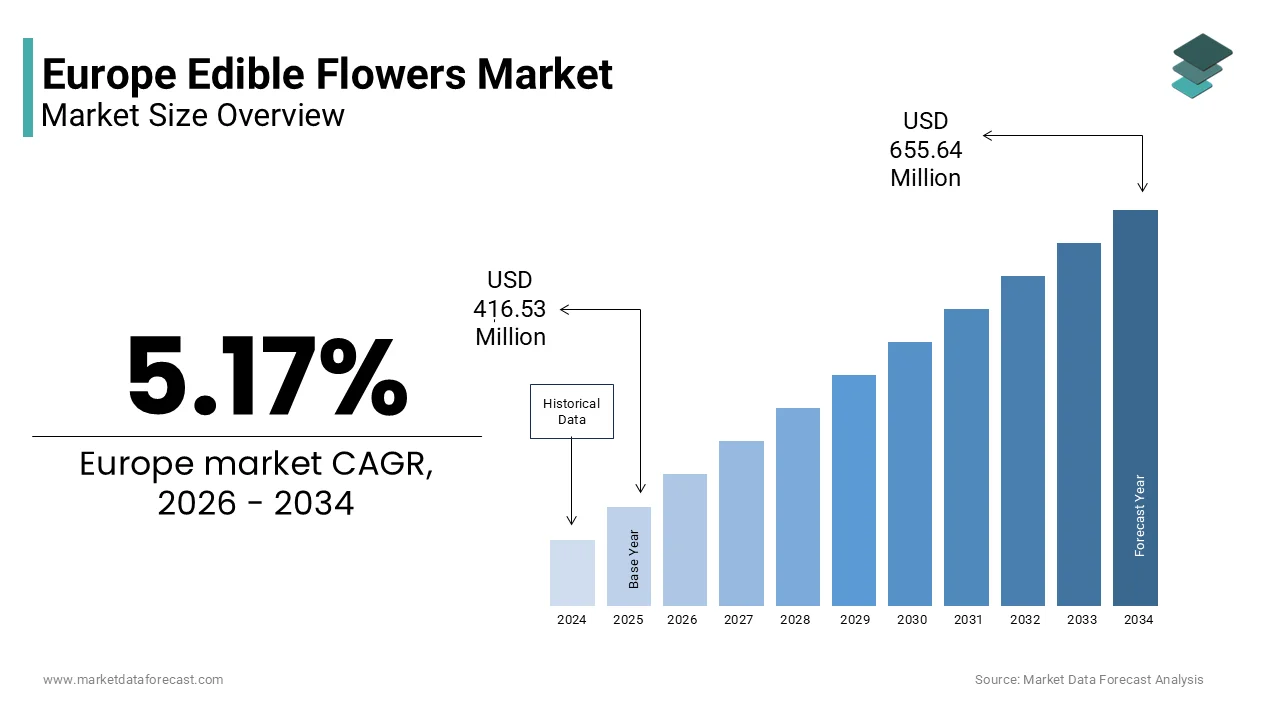
The Europe edible flowers market was valued at USD 416.53 million in 2025, is estimated to reach USD 438.06 million in 2026, and is projected to reach USD 655.64 million by 2034, growing at a CAGR of 5.17% during the forecast period from 2026 to 2034. The growth of the Europe edible flowers market is driven by increasing consumer interest in gourmet cuisine, rising demand for natural food garnishes, and the expanding use of edible flowers in beverages, confectionery, salads, and premium culinary applications. Growing awareness of the nutritional and functional benefits of edible flowers, coupled with the expansion of specialty retail channels and sustainable farming practices, is further supporting market growth. Additionally, the rising popularity of fine dining and visually appealing food presentations is contributing to increased market demand across Europe.
Key Market Trends
-
Rising demand for premium and visually appealing food products is driving the adoption of edible flowers in the food and beverage industry.
-
Increasing popularity of gourmet cuisine and fine dining is boosting the use of edible flowers as natural garnishes and ingredients.
-
Growing consumer preference for organic, natural, and clean-label food products is supporting market expansion.
-
Expanding applications in herbal teas, beverages, bakery, confectionery, and salads are creating new growth opportunities.
-
Advances in controlled-environment agriculture and specialty horticulture are improving product quality and year-round availability.
Segmental Insights
-
Based on flower type, the rose segment dominated the Europe edible flowers market in 2025. The segment's leadership is attributed to its extensive use in confectionery, beverages, desserts, jams, and premium culinary applications, along with its appealing aroma and visual characteristics.
-
Based on form, the fresh segment held the largest share of the Europe edible flowers market in 2025. The segment's dominance is driven by strong demand from restaurants, hotels, bakeries, and catering services that prefer fresh flowers for superior appearance, flavor, and texture.
-
Based on distribution channel, the off-trade segment accounted for the largest share of the Europe edible flowers market in 2025. The segment's growth is supported by expanding supermarket chains, specialty food stores, farmers' markets, and online retail platforms offering edible flower products to consumers.
Regional Insights
-
The Europe edible flowers market is witnessing steady growth due to increasing consumer interest in gourmet foods, premium culinary experiences, and natural food ingredients.
-
The United Kingdom dominated the Europe edible flowers market in 2025. The country's leadership is supported by a strong gardening culture, a vibrant hospitality sector, growing demand for premium food presentation, and increasing adoption of edible flowers by restaurants and specialty food producers.
-
France remains a significant market due to its well-established culinary traditions, premium gastronomy sector, and growing use of edible flowers in desserts and fine dining.
Competitive Landscape
The Europe edible flowers market is moderately competitive, with producers focusing on specialty cultivation, sustainable farming practices, and premium product offerings to strengthen their market positions. Companies are investing in controlled-environment agriculture, organic production, innovative packaging, and strategic partnerships to meet the growing demand from the foodservice, retail, and hospitality sectors. Key players operating in the Europe edible flowers market include Fresh Origins, LLC, Koppert Cress B.V., Farm.One Holdings, Inc., The Chef's Garden, Inc., Starwest Botanicals, Duncan Family Farms, LLC, Agriver Ltd., Herbs Unlimited, Petite Ingredient, Nurtured in Norfolk, Les Fils de Marius Auda, Givaudan, Cherry Valley Organics, and Flowerdale Farm.
Europe Edible Flowers Market Size
The Europe edible flowers market size was valued at USD 416.53 million in 2025 and is projected to reach USD 655.64 million by 2034 from USD 438.06 million in 2026, growing at a CAGR of 5.17%.
Edible flowers are safe for human consumption and serve as both aesthetic garnishes and functional ingredients in gastronomy. These botanical elements, including violets, nasturtiums, pansies, and borage, are increasingly integrated into high end dining, artisanal confectionery, and beverage formulations across the continent. The sector aligns with the broader European trend toward visual appeal and natural ingredient transparency in food products. According to Eurostat, the organic farming area in the European Union reached 16.9 million hectares in 2022, reflecting a growing consumer preference for natural and chemical free produce which directly benefits edible flower growers who often operate under organic standards. The European Food Safety Authority maintains strict guidelines on novel foods and pesticide residues, ensuring that only specific species cultivated under controlled conditions enter the food chain. As per industry observations, consumer interest in experiential dining has surged, with the hospitality sector reporting a 15% increase in menu items featuring floral elements in major culinary hubs like Paris and London. Furthermore, according to horticultural trade data, the rise of home gardening during recent years has led to a 20% increase in sales of edible flower seeds among hobbyist gardeners. This dual demand from professional chefs and home enthusiasts drives the market dynamics. The integration of edible flowers into wellness trends, such as herbal teas and antioxidant rich supplements, further expands their utility beyond mere decoration. As sustainability becomes paramount, local sourcing of these delicate blooms reduces carbon footprints associated with long distance transport of fresh produce.
MARKET DRIVERS
Surging Demand for Visual Appeal in Gastronomy and Social Media
The intense pressure on restaurants and food brands to create visually striking dishes for social media platforms is a key factor propelling the Europe edible flowers market growth. In the digital age, food presentation is as critical as taste, with Instagram and TikTok influencing dining choices for millions of Europeans. According to a survey by the European Hospitality Association, 70% of Millennials and Gen Z consumers in Europe consider the visual appeal of food before purchasing or ordering. Edible flowers provide an immediate and elegant solution for enhancing plate aesthetics without altering flavor profiles drastically. Chefs utilize vibrant petals from calendula, cornflowers, and roses to add color contrast and sophistication to desserts, salads, and cocktails. This trend extends beyond fine dining to casual eateries and bakeries, where floral toppings on cakes and pastries attract customer attention. The viral nature of visually appealing food content amplifies brand visibility, encouraging establishments to invest in premium garnishes. Additionally, food styling for commercial photography and advertising relies heavily on edible flowers to convey freshness and natural quality. The ease of incorporating these blooms into existing menus allows businesses to differentiate themselves in a saturated market. As competition for consumer attention intensifies, the use of edible flowers transitions from a niche luxury to a standard practice in modern European culinary presentation.
Growing Consumer Preference for Natural and Functional Ingredients
The shifting consumer preference toward natural, clean-label and functional ingredients is further driving the Europe edible flowers market expansion. Modern European shoppers are increasingly scrutinizing ingredient lists, seeking alternatives to artificial colors, flavors, and preservatives. Edible flowers offer a natural source of pigments and aromas, allowing manufacturers to replace synthetic additives with botanical extracts. For instance, butterfly pea flower is used as a natural blue colorant in beverages and confectionery, aligning with the European Union’s strict regulations on food additives. According to the European Commission, the demand for natural food colors has grown by 12% annually over the past five years. Beyond aesthetics, many edible flowers possess recognized health benefits, such as anti-inflammatory and antioxidant properties. Chamomile and lavender are widely consumed in teas for their calming effects, while hibiscus is valued for its vitamin C content. This functional aspect appeals to health conscious consumers who view food as medicine. According to research by the Global Wellness Institute, the wellness economy in Europe is valued at over 500 billion euros, supporting the integration of functional botanicals into daily diets. Retailers respond by stocking dried edible flowers and floral infusions in health food sections. This convergence of culinary tradition and modern health awareness creates a robust demand base for edible flowers as both functional and sensory ingredients in the European market.
MARKET RESTRAINTS
Stringent Regulatory Compliance and Safety Standards
Strict regulatory frameworks regarding food safety and pesticide residues are a significant restraint on the Europe edible flowers market. Unlike ornamental flowers, those intended for consumption must adhere to rigorous hygiene and chemical standards set by the European Food Safety Authority. Many commercially available flowers are treated with pesticides and fungicides not approved for food use, making them unsafe for ingestion. Growers must obtain specific certifications and undergo regular testing to ensure compliance, which increases production costs and operational complexity. According to the Rapid Alert System for Food and Feed, several batches of imported edible flowers were rejected in 2023 due to excessive pesticide levels, highlighting the challenges in maintaining supply chain integrity. Small scale farmers often lack the resources to implement necessary safety protocols, limiting market entry. Additionally, the classification of certain exotic flowers as novel foods requires extensive safety assessments and authorization before they can be legally sold in the European Union. This bureaucratic hurdle delays product launches and restricts variety. Consumers are also becoming more aware of potential allergens associated with pollen, leading to cautious purchasing behavior. The need for clear labeling and traceability adds another layer of administrative burden for suppliers. These regulatory barriers create a high threshold for quality assurance, restricting the availability of affordable edible flowers and slowing market expansion despite growing demand.
Perishability and Complex Supply Chain Logistics
The extreme perishability of edible flowers is further hindering the Europe edible flowers market growth. Edible flowers have a very short shelf life, often lasting only two to three days post-harvest if not stored under ideal cold chain conditions. This fragility necessitates rapid transportation and specialized packaging to prevent wilting, bruising, or microbial contamination. According to logistics industry data, spoilage rates for fresh floral produce can reach up to 30% during transit, which is significantly impacting profitability. The lack of standardized cold chain infrastructure for delicate botanicals in some European regions exacerbates this issue. Retailers face difficulties in managing inventory due to the unpredictable nature of demand and the rapid degradation of product quality. This leads to frequent stockouts or waste, discouraging smaller grocery stores from carrying edible flowers. Additionally, the seasonal nature of many flower varieties limits year round availability, forcing reliance on imports from distant regions which further complicates logistics and increases carbon footprint. The high cost of air freight for fresh imports makes these products expensive for end consumers. Suppliers must invest in advanced preservation technologies such as modified atmosphere packaging, which adds to the final price. These logistical constraints limit the widespread adoption of edible flowers in mainstream retail channels, which is keeping them largely confined to specialty stores and high end hospitality sectors.
MARKET OPPORTUNITIES
Expansion into Natural Food Colorants and Flavorings
The increasing demand for natural alternatives to synthetic food additives presents a substantial opportunity for the Europe edible flowers market. Manufacturers of beverages, confectionery, and dairy products are actively seeking plant based sources for coloring and flavoring to meet clean label requirements. Edible flowers such as hibiscus, rose, and violet offer vibrant hues and distinct aromatic profiles that can replace artificial E numbers. The European market for natural food colors is projected to grow steadily as regulators tighten restrictions on synthetic dyes. Companies can extract pigments from flowers to create stable, natural colorants for use in a wide range of processed foods. This industrial application allows for scalable consumption of edible flowers beyond fresh garnishing. For example, elderflower and lavender extracts are gaining popularity in the beverage industry for crafting premium sodas and alcoholic drinks. The ability to market products as naturally colored and flavored enhances brand appeal among health conscious consumers. Collaborations between flower growers and food technologists can lead to innovative extraction methods that preserve potency and color stability. This shift toward industrial utilization diversifies revenue streams for producers and reduces dependency on the volatile fresh market. As consumer awareness of additive risks grows, the demand for floral derived ingredients in packaged goods will likely surge, offering a lucrative avenue for market expansion.
Integration into Wellness and Aromatherapy Products
The integration of edible flowers into the wellness and aromatherapy sectors offers a promising opportunity for the Europe edible flowers market. Consumers are increasingly seeking holistic health solutions that combine nutrition with mental well-being, and many edible flowers possess calming and therapeutic properties. Lavender, chamomile, and jasmine are widely used in teas, supplements, and skincare products for their stress relieving and anti-anxiety benefits. The global wellness economy continues to expand, with European consumers spending billions annually on self-care products. Edible flowers can be incorporated into functional foods, such as protein bars and smoothie mixes, to enhance their health profile. Additionally, the beauty industry is exploring edible flowers for ingestible skincare supplements that promote skin health from within. The trend toward botanical beauty aligns with the natural origins of these flowers. Retailers can capitalize on this by creating dedicated wellness sections featuring floral infusions and supplements. Educational campaigns highlighting the specific health benefits of different flowers can drive consumer interest and trial. Partnerships with wellness influencers and health practitioners can further validate these claims. By positioning edible flowers as essential components of a balanced lifestyle rather than just culinary novelties, companies can tap into a loyal and growing customer base focused on holistic health.
MARKET CHALLENGES
Climate Change Impact on Cultivation and Yield Stability
Climate change poses a significant challenge to the Europe edible flowers market by disrupting growing seasons and affecting crop yields. Edible flowers are highly sensitive to temperature fluctuations, rainfall patterns, and extreme weather events. Unseasonal frosts or heat waves can damage delicate blooms, which is leading to reduced harvests and inconsistent supply. According to the European Environment Agency, climate related losses in agricultural productivity have increased by 10% in recent years, affecting specialty crops disproportionately. Growers face difficulties in predicting harvest times, which complicates planning for commercial buyers who require consistent availability. The shift in climatic zones may force producers to relocate or invest in expensive controlled environment agriculture such as greenhouses to maintain production. These adaptations increase operational costs, which are often passed on to consumers. Additionally, changing weather patterns can alter the flavor and color intensity of flowers, affecting their culinary value. Water scarcity in Southern Europe further threatens cultivation, requiring efficient irrigation systems that small holders may not afford. The unpredictability of supply due to climate variability makes it risky for retailers to commit to long term contracts. This instability hinders market growth and encourages reliance on imports, which may not meet local quality or sustainability standards. Addressing these climatic risks requires significant investment in resilient farming practices and technology.
Limited Consumer Knowledge and Culinary Application Barriers
A lack of consumer knowledge regarding safe identification and culinary application of edible flowers remains a persistent challenge in the European market. Many consumers are unsure which flowers are safe to eat and how to prepare them, leading to hesitation in purchasing. Misidentification can result in accidental consumption of toxic look alikes, which is posing health risks and damaging consumer trust. For instance, surveys indicate that over 60% of European households have never cooked with edible flowers due to uncertainty about usage. This knowledge gap limits the market to experienced cooks and professional chefs, excluding the broader mass market. Retailers struggle to educate customers effectively through packaging alone, requiring additional marketing efforts and resources. The absence of standardized culinary guidelines for different flower varieties creates confusion. Some flowers require removal of pistils or stamens to avoid bitterness, a step often overlooked by novices. Furthermore, the strong flavors of certain flowers may not appeal to all palates, leading to negative first experiences. Without proper guidance, consumers may discard unused flowers due to spoilage, reinforcing the perception of waste. Overcoming this barrier requires comprehensive educational campaigns, recipe sharing, and collaboration with culinary schools. Until consumers feel confident in using edible flowers, their adoption will remain limited to niche segments.
REPORT COVERAGE
| REPORT METRIC | DETAILS |
| Market Size Available | 2025 to 2034 |
| Base Year | 2025 |
| Forecast Period | 2026 to 2034 |
| CAGR | 5.17% |
| Segments Covered | By Flower Type, Form, Distribution Channel, and Region |
| Various Analyses Covered | Global, Regional, & Country Level Analysis; Segment-Level Analysis; DROC, PESTLE Analysis; Porter’s Five Forces Analysis; Competitive Landscape; Analyst Overview of Investment Opportunities |
| Regions Covered | UK, France, Spain, Germany, Italy, Russia, Sweden, Denmark, Switzerland, Netherlands, Turkey, and the Czech Republic |
| Market Leaders Profiled | Fresh Origins, LLC, Koppert Cress B.V., Farm.One Holdings, Inc., The Chef's Garden, Inc., Starwest Botanicals, Duncan Family Farms, LLC, Agriver Ltd., Herbs Unlimited, Petite Ingredient, Nurtured in Norfolk, Les Fils de Marius Auda, Givaudan, Cherry Valley Organics, and Flowerdale Farm |
SEGMENTAL ANALYSIS
By Flower Type Insights
The rose segment dominated the market by capturing the largest share of the European market in 2025 due to its extensive application in the confectionery and beverage sectors. Rose petals and rose water are integral ingredients in traditional European sweets such as Turkish delight, marzipan, and various pastries. The global demand for rose flavored products has driven significant cultivation in regions like Bulgaria and Turkey, which supply much of the European market. For instance, rose based flavorings account for over 25% of all floral flavor applications in the European food and beverage industry. The distinct aroma and mild sweetness of roses make them versatile for both sweet and savory dishes. Major beverage manufacturers utilize rose extracts in premium teas, soft drinks, and alcoholic beverages to create sophisticated flavor profiles. The cultural significance of roses in European history and literature further enhances their appeal as a premium ingredient. Retailers consistently stock rose petal jams, syrups, and dried petals, ensuring high visibility and accessibility. The established supply chain for rose derivatives allows for consistent quality and availability throughout the year. This industrial demand combined with consumer familiarity secures the dominance of the rose segment. The ability of roses to convey luxury and romance in branding also drives their use in high end product launches. Consequently, roses remain the most traded and consumed edible flower in Europe.
On the other end, the hibiscus segment is estimated to record a promising CAGR in the European market over the forecast period owing to its surging popularity in functional beverages and health drinks. Hibiscus flowers are rich in antioxidants, particularly anthocyanins, which are linked to cardiovascular health and blood pressure regulation. The European market for herbal teas and functional infusions has grown by 15% annually, with hibiscus being a key ingredient in many blends. According to market research, hibiscus tea sales in Europe increased by 20% in the last three years due to its vibrant color and tart flavor profile. Beverage companies are launching ready to drink hibiscus sodas and kombuchas to cater to health conscious consumers seeking low sugar alternatives. The natural red color of hibiscus serves as an attractive visual cue for marketing these healthy beverages. Furthermore, hibiscus is caffeine free, making it suitable for consumption at any time of day. The alignment with wellness trends such as detoxification and heart health boosts its appeal. Retailers are expanding their herbal tea sections to include diverse hibiscus blends. The ease of preparation and pleasant taste encourage regular consumption. As awareness of its health benefits spreads, hibiscus is transitioning from a niche ingredient to a mainstream staple in the European beverage sector.
By Form Insights
The fresh form segment led the market by accounting for the major share of the European market in 2025 due to the premium quality perception and aesthetic value it offers in gastronomy and hospitality. High end restaurants and hotels prefer fresh flowers for garnishing dishes because they retain their vibrant colors, delicate textures, and aromatic profiles. For instance, over 60% of fine dining establishments in Europe use fresh edible flowers to enhance plate presentation. Chefs argue that fresh petals provide a superior sensory experience compared to dried or processed forms. The immediacy of freshness aligns with the farm to table movement, emphasizing local and seasonal ingredients. Consumers associate fresh flowers with higher quality and authenticity, justifying premium pricing. The visual impact of fresh blooms on social media platforms drives demand in the hospitality sector. Suppliers maintain cold chain logistics to ensure flowers arrive in pristine condition. Although perishable, the high turnover in busy urban centers supports a robust fresh market. The tactile and visual appeal of fresh flowers cannot be replicated by other forms, making them indispensable for culinary artistry. This preference for authenticity and quality sustains the leadership of the fresh segment.
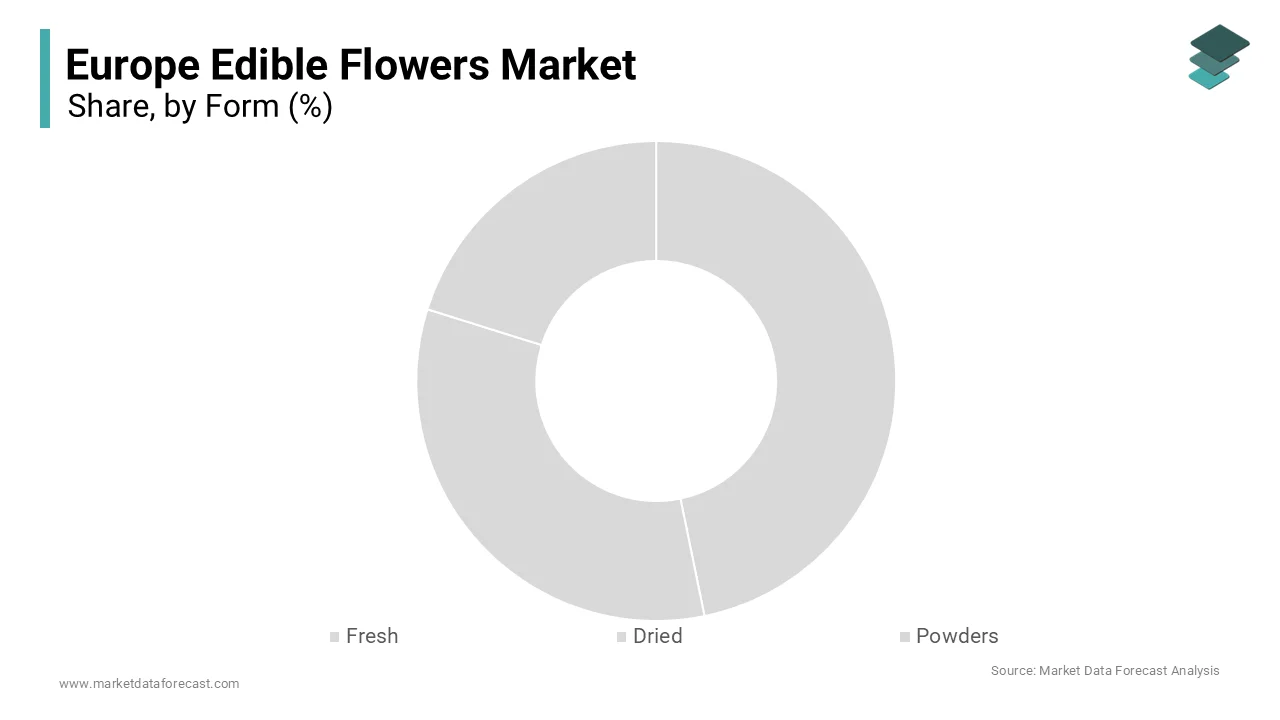
On the other side, the dried edible flowers segment is expected to showcase the fastest CAGR in the European market during the forecast period due to their extended shelf life and convenience for retail distribution. Unlike fresh flowers, dried variants can be stored for months without refrigeration, reducing waste and logistical costs. This stability allows retailers to stock a wider variety of flowers year round. For instance, dried flowers have a spoilage rate of less than 5% compared to 30% for fresh flowers. This efficiency makes them attractive for supermarkets and online retailers who seek low maintenance inventory. Consumers appreciate the convenience of having edible flowers readily available for occasional use. Dried flowers are easy to incorporate into baking, tea blending, and crafting. The packaging of dried flowers is simpler and cheaper, lowering the final price for consumers. The growth of e commerce has boosted sales of dried edible flowers as they are easier to ship without damage. Online platforms offer diverse bundles of dried flowers, appealing to hobbyists and home bakers. The ability to purchase in bulk further drives adoption. As consumers seek practical and long lasting ingredients, dried flowers meet these needs effectively. This logistical advantage propels the rapid growth of the dried segment.
By Distribution Channel Insights
The off-trade segment dominated the market with the highest share of the European market in 2025 due to wide accessibility through supermarkets and specialty stores. Consumers prefer purchasing edible flowers for home use, driving retail sales. Major supermarket chains have expanded their fresh produce sections to include edible flowers, which is making them easily available to the general public. For instance, off trade channels account for 70% of total edible flower sales in Europe. Specialty health food stores and organic markets also contribute significantly by offering premium and organic varieties. The convenience of one stop shopping encourages impulse purchases. Retailers promote edible flowers through in store displays and recipe cards, educating consumers on usage. The growth of online grocery shopping has further boosted off trade sales, allowing customers to order fresh and dried flowers with home delivery. The variety of forms available in retail, from fresh petals to dried blends, caters to diverse needs. Price competitiveness in retail channels attracts budget conscious buyers. The consistent availability of stock ensures that consumers can rely on retail outlets for their floral ingredient needs. This broad reach and convenience secure the dominance of the off trade segment.
However, the on-trade segment is growing rapidly and is likely to grow at the fastest CAGR in the European market during the forecast period owing to the expansion of experiential dining and mixology in Europe. Restaurants, bars, and cafes are increasingly using edible flowers to create unique visual and flavor experiences for customers. Mixologists incorporate floral elements into cocktails to attract patrons seeking novel drinking experiences. For instance, the number of cocktail menus featuring edible flowers has increased by 25% in major European cities. High end dining establishments use flowers to justify premium pricing and enhance brand image. The Instagrammable nature of floral dishes and drinks drives foot traffic and social media engagement. Chefs collaborate with local growers to source fresh, seasonal flowers, supporting the farm to table narrative. The competitive hospitality landscape forces businesses to innovate continuously, with flowers being a low cost high impact tool. Bars host floral themed events and workshops, further promoting usage. The willingness of consumers to pay for experiential dining supports this growth. As the hospitality sector recovers and expands, the demand for edible flowers in on trade settings accelerates. This trend transforms flowers from mere garnishes to central components of culinary storytelling.
REGIONAL ANALYSIS
United Kingdom Edible Flowers Market Analysis
The UK led the market in 2025 and is poised for continued growth in the edible flowers market over the next few years due to a strong tradition of gardening and a vibrant hospitality sector. British consumers have a deep cultural connection to flowers, with gardening being a popular national pastime. According to the Royal Horticultural Society, over 87% of UK households have access to a garden, fostering familiarity with edible varieties. The UK hospitality industry, particularly in London, is a major driver of demand for fresh edible flowers for high end dining and afternoon teas. The trend toward foraging and wild food has also increased interest in native edible blooms. Retailers such as Waitrose and Marks and Spencer stock fresh and dried edible flowers, which is reflecting mainstream acceptance. The UK is also a hub for artisanal gin production, where botanicals including flowers are key ingredients. Government support for local agriculture and sustainability encourages domestic cultivation. The presence of numerous flower festivals and food events promotes education and consumption. The UK market is mature and innovative, setting trends for the rest of Europe. Its combination of cultural heritage and modern culinary trends sustains strong market growth.
France Edible Flowers Market Analysis
France is expected to maintain its leadership position in the edible flowers market through continued innovation and high culinary standards over the next several years. French cuisine values elegance and refinement, making edible flowers a natural fit for haute cuisine. Parisian restaurants and patisseries frequently use violets, roses, and lavenders in desserts and savory dishes. The French perfume industry, centered in Grasse, also contributes to the cultivation of edible floral varieties such as jasmine and orange blossom. According to tourism data, culinary tourism in France attracts millions of visitors who seek authentic floral infused experiences. The French government supports organic farming, benefiting edible flower growers who adhere to strict pesticide free standards. Local markets in Provence and other regions offer fresh seasonal flowers, reinforcing regional traditions. The concept of terroir extends to edible flowers, with specific varieties valued for their local origin. French consumers are knowledgeable about floral flavors and their culinary applications. The strong export of French gourmet products featuring edible flowers enhances the country’s market status. France’s influence on global culinary trends ensures its continued leadership in the edible flowers sector.
Germany Edible Flowers Market Analysis
Germany is likely to experience sustained growth in its edible flowers market over the next few years as health and wellness trends continue to dominate consumer preferences. German consumers are increasingly incorporating edible flowers into their diets for their nutritional and medicinal benefits. Herbal teas featuring chamomile, lavender, and hibiscus are staples in German households. The country has a robust organic food sector, with dedicated stores selling certified organic edible flowers. According to statistical data, Germany is one of the largest importers of herbal teas in Europe, driving demand for dried floral ingredients. The trend toward veganism and plant based diets also supports the use of flowers as natural flavor enhancers. German breweries and distilleries are experimenting with floral botanicals in craft beers and spirits. Urban gardening initiatives in cities like Berlin promote the cultivation of edible flowers among residents. Retailers offer a wide range of dried and fresh options, catering to health conscious buyers. The German emphasis on quality and safety ensures high standards for imported and domestic products. This health driven demand sustains steady market growth. Germany’s structured approach to wellness integrates edible flowers into daily life.
Italy Edible Flowers Market Analysis
Italy is anticipated to see a steady increase in the consumption and production of edible flowers over the coming years, driven by a deep-rooted appreciation for local, high-quality ingredients. Italian cuisine traditionally uses flowers such as zucchini blossoms, elderflowers, and acacia in regional dishes. The country’s diverse climate allows for the cultivation of various edible species throughout the year. Italian chefs emphasize simplicity and fresh ingredients, making edible flowers a natural addition to salads and pasta dishes. The production of limoncello and other floral liqueurs contributes to market demand. According to agricultural reports, Italy is a major producer of aromatic herbs and flowers for both culinary and cosmetic use. The slow food movement in Italy advocates for traditional and local ingredients, supporting small scale flower growers. Tourists visiting Italy often seek out floral infused foods and wines, boosting local sales. Italian retailers integrate edible flowers into their fresh produce sections, reflecting consumer familiarity. The cultural appreciation for natural beauty and flavor drives consistent demand. Italy’s role as a culinary influencer promotes the use of edible flowers across Europe. Its traditional practices combined with modern innovation sustain market vitality.
Spain Edible Flowers Market Analysis
Spain is likely to strengthen its market position over the next few years by leveraging its favorable climate and agricultural expertise to expand the production and export of edible flowers. Spanish cuisine incorporates flowers such as saffron crocus, orange blossoms, and roses in traditional sweets and savory dishes. The country is a leading producer of saffron, a high value edible flower stigma. According to export data, Spain supplies a significant portion of the world’s saffron, influencing the global market. The warm climate allows for year round cultivation of various edible blooms. Spanish tapas bars and restaurants use flowers to enhance visual appeal and flavor. The trend toward healthy eating in Spain supports the consumption of nutrient rich floral ingredients. Local festivals celebrating flowers and food promote cultural awareness and consumption. Retailers in major cities like Madrid and Barcelona offer diverse selections of fresh and dried flowers. The tourism industry boosts demand as visitors seek authentic culinary experiences. Spanish producers are adopting sustainable practices to meet international standards. The combination of traditional use and modern health trends drives market growth. Spain’s agricultural strength supports its prominent market role.
COMPETITIVE LANDSCAPE
The competition in the Europe edible flowers market is characterized by a fragmented landscape comprising specialized growers, botanical extract manufacturers, and international traders. Niche producers differentiate themselves through unique heirloom varieties and hyperlocal freshness targeting high end hospitality clients. Larger ingredient suppliers compete on volume reliability and regulatory compliance for industrial food and beverage applications. Price competition remains moderate due to the premium nature of fresh products but intensifies in the dried flower segment where global sourcing creates commoditization. Innovation in preservation technology and sustainable packaging serves as a key differentiator among mid-tier players. Regulatory barriers regarding novel foods and pesticide limits create high entry thresholds favoring established compliant operators. Collaboration rather than pure rivalry often defines relationships as growers partner with flavor houses to expand application scope. Geographic specialization allows regional players to dominate local fresh markets while global firms control processed ingredient streams. Overall competitiveness hinges on balancing aesthetic quality with rigorous safety standards and supply chain resilience in this sensitive botanical category.
KEY MARKET PLAYERS
Some of the notable key players in the Europe edible flowers market are
- Fresh Origins, LLC
- Koppert Cress B.V.
- Farm.One Holdings, Inc.
- The Chef's Garden, Inc.
- Starwest Botanicals
- Duncan Family Farms, LLC
- Agriver Ltd.
- Herbs Unlimited
- Petite Ingredient
- Nurtured in Norfolk
- Les Fils de Marius Auda
- Givaudan
- Cherry Valley Organics
- Flowerdale Farm
Top Players in the Market
- Koppert Cress is a pioneering Dutch company that has revolutionized the European edible flowers market through its extensive portfolio of microgreens and specialty blossoms. The company supplies high end restaurants and retailers across Europe with unique varieties like electric daisies and shiso flowers. Koppert Cress strengthens its position by collaborating directly with Michelin star chefs to develop new floral ingredients tailored for modern gastronomy. They recently expanded their sustainable greenhouse facilities to ensure year round supply consistency regardless of seasonal fluctuations. Their commitment to organic cultivation and zero pesticide use aligns perfectly with stringent European food safety standards. This dedication builds trust among premium buyers seeking safe and innovative botanical garnishes for culinary applications.
- Starwest Botanicals serves as a major supplier of dried edible flowers and herbal ingredients throughout the European market. The company focuses on providing certified organic rose petals, lavender, and hibiscus to tea blenders and confectionery manufacturers. They have recently enhanced their quality testing protocols to meet evolving European Union regulations regarding pesticide residues in botanical products. Starwest Botanicals also invested in improved packaging solutions to extend shelf life and preserve aroma during transit. Their bulk supply capabilities support industrial food processors requiring consistent raw materials. By maintaining transparent sourcing practices they appeal to brands prioritizing clean label formulations and ethical supply chains across the continent.
- Givaudan contributes significantly to the Europe edible flowers market through its advanced flavor and fragrance extraction technologies. The company develops natural floral extracts and distillates for beverage and confectionery applications across the region. Givaudan recently launched a new line of sustainable rose and elderflower essences derived from upcycled agricultural byproducts. This innovation supports circular economy goals while providing cost effective natural flavoring solutions. They collaborate with European food manufacturers to create bespoke floral profiles that mimic fresh bloom characteristics in processed goods. Their technical expertise enables the integration of delicate floral notes into stable commercial products without compromising sensory quality or regulatory compliance.
Top Strategies Used by Key Market Participants
Key players in the Europe edible flowers market employ strategies focused on sustainability certification and direct chef partnerships to secure competitive advantages. Companies prioritize obtaining organic and GlobalGAP certifications to meet strict European food safety requirements and build consumer trust. Strategic collaborations with renowned chefs drive product innovation and validate new floral varieties for culinary use. Suppliers invest in controlled environment agriculture to guarantee consistent year round availability despite seasonal climate variations. Marketing efforts emphasize the functional health benefits and visual appeal of flowers to attract wellness conscious consumers. Businesses also focus on developing value added products like extracts and powders to reduce perishability risks. Transparent traceability systems are implemented to assure buyers of ethical sourcing and pesticide free cultivation. These multifaceted approaches enable participants to navigate regulatory complexities while capturing growth in both gourmet and industrial segments across the diverse European landscape.
MARKET SEGMENTATION
This research report on the Europe edible flowers market has been segmented and sub-segmented based on categories.
By Flower Type
- Rose
- Hibiscus
- Lavender
- Marigold
- Pansy and Viola
- Nasturtium
- Other Flower Types
By Form
- Fresh
- Dried
- Powders
By Distribution Channel
- On-Trade
- Off-Trade
By Country
- UK
- France
- Spain
- Germany
- Italy
- Russia
- Sweden
- Denmark
- Switzerland
- Netherlands
- Turkey
- Czech Republic
- Rest of Europe
Frequently Asked Questions
1. What is the Europe edible flowers market?
The Europe edible flowers market includes the cultivation, processing, distribution, and sale of edible flowers used in food, beverages, bakery, confectionery, and garnishing applications.
2. What factors are driving the growth of the Europe edible flowers market?
The market is driven by increasing consumer demand for natural ingredients, growing popularity of gourmet cuisine, rising interest in healthy eating, and expanding use of edible flowers in food and beverages.
3. Which flower type dominates the Europe edible flowers market?
Rose is one of the leading flower types due to its extensive use in desserts, beverages, confectionery, salads, and culinary garnishing.
4. Which countries are major contributors to the Europe edible flowers market?
Germany, France, Italy, Spain, the Netherlands, and the United Kingdom are among the key markets due to their well-established food processing and horticulture industries.
5. What are the major forms of edible flowers available in the market?
Edible flowers are commonly available in fresh, dried, and powdered forms to meet different culinary and industrial requirements.
6. Which distribution channel holds the largest share of the Europe edible flowers market?
Off-trade channels, including supermarkets, specialty stores, and online retailers, account for a significant share due to their broad consumer reach.
7. What are the primary applications of edible flowers?
Edible flowers are widely used in salads, desserts, beverages, bakery products, confectionery, teas, garnishes, and specialty food products.
8. What challenges does the Europe edible flowers market face?
The market faces challenges such as short shelf life, seasonal availability, high cultivation costs, and limited consumer awareness in some regions.
9. How is the organic edible flowers segment performing in Europe?
The organic segment is growing steadily as consumers increasingly prefer pesticide-free, sustainably cultivated, and clean-label food ingredients.
10. What is the future outlook for the Europe edible flowers market?
The Europe edible flowers market is expected to grow steadily over the coming years, supported by rising demand for natural food ingredients, expanding gourmet dining, and increasing consumer preference for healthy and visually appealing foods.
Access the study in MULTIPLE FORMATS
Purchase options starting from
$ 2000
Didn’t find what you’re looking for?
TALK TO OUR ANALYST TEAM
Need something within your budget?
NO WORRIES! WE GOT YOU COVERED!
Call us on: +1 888 702 9696 (U.S Toll Free)
Write to us: sales@marketdataforecast.com