- Product Description Description
- Table of Contents TOC
- List of Table & Figure LOT
- Get Free Sample PDF Sample PDF
Market Size, 2025
$4.69 BnMarket Estimate, 2026
$5.25 BnMarket Forecast, 2034
$12.96 BnCAGR, 2026–2034
11.95%Europe Grapes Market Size
The europe grapes market size was valued at USD 4.69 billion in 2025, is expected to have 11.95 % CAGR from 2026 to 2034 and, be worth USD 12.96 billion by 2034 from USD 5.25 billion in 2026.
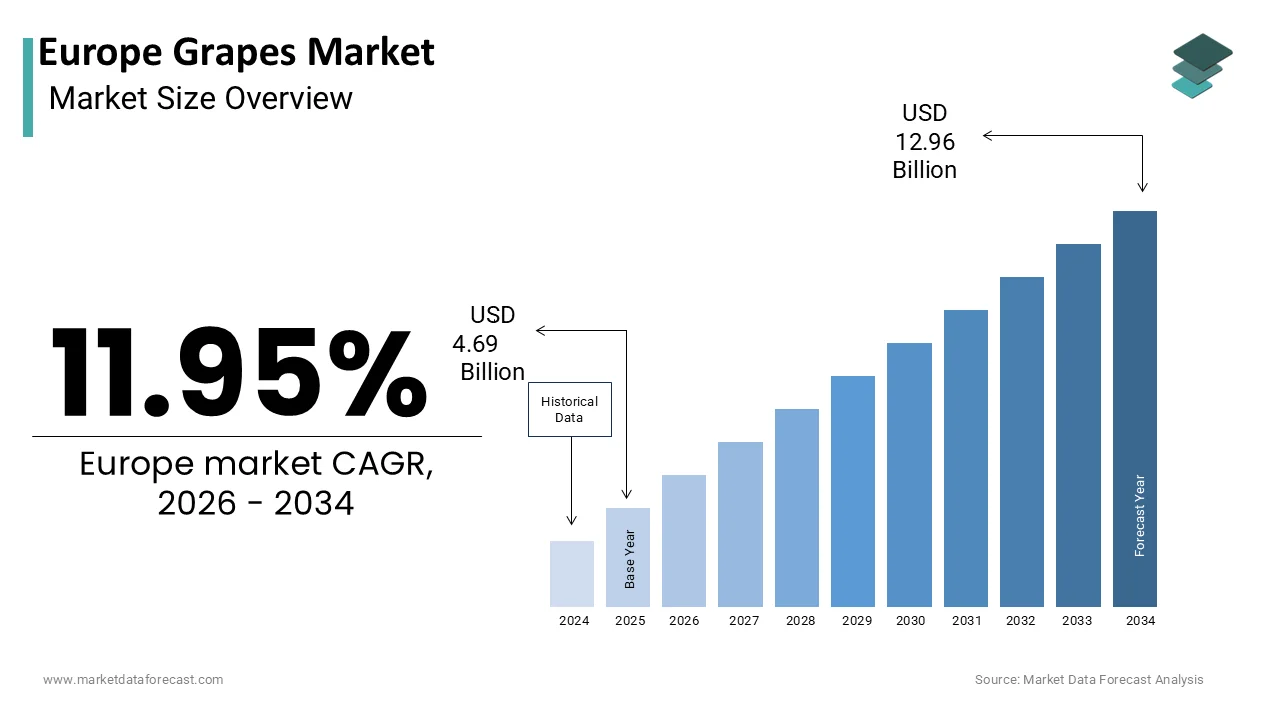
The Europe grapes market encompasses the production, distribution, and consumption of table grapes, wine grapes, and dried grape varieties across the continent. Europe is one of the leading producers and exporters of wine globally, with countries such as Italy, Spain, and France dominating both viticulture and winemaking industries. According to Eurostat, European vineyards cover over 3 million hectares, which is contributing significantly to agricultural GDP in several Mediterranean nations. The continent’s favorable climate in southern regions, supports high-quality grape cultivation, with many areas benefiting from protected geographical indications that enhance product value and authenticity. As per FAO data, Italy remains the largest grape producer in Europe, followed closely by Spain and France. These countries not only serve domestic markets but also export substantial volumes to Asia, North America, and other European nations. In contrast, northern European countries like Germany and Poland focus more on cold-resistant grape cultivars suitable for local consumption and regional processing.
MARKET DRIVERS
Expansion of Organic and Sustainable Viticulture Practices
One of the primary drivers influencing the Europe grapes market is the growing shift toward organic and sustainable viticulture practices. Consumers are increasingly prioritizing health-conscious food choices and environmentally responsible production methods, which is prompting grape growers to adopt pesticide-free cultivation techniques and resource-efficient farming strategies. According to the European Commission, the total area under organic vineyards in the EU reached 620,000 hectares in 2023, representing a 14% increase compared to five years earlier. Countries such as Italy, Spain, and France have led this transition, with government incentives supporting farmers in converting conventional vineyards into certified organic plots.
As per a report by FiBL (Research Institute of Organic Agriculture), wine consumers in Western Europe show a strong preference for organically produced wines, with retail premiums reaching up to 30% higher than conventional counterparts. This willingness to pay more for sustainable options has encouraged larger investments in biodiversity preservation, water conservation, and regenerative soil management.
Moreover, stricter environmental regulations within the European Union have prompted producers to reduce synthetic chemical usage and implement carbon-reduction measures. The European Green Deal's Farm to Fork Strategy further reinforces this movement by setting ambitious targets for reducing pesticide use and promoting eco-friendly agricultural practices.
In response, major retailers and cooperatives have expanded their organic grape portfolios, ensuring traceability and transparency in sourcing. As per Eurostat, certified organic wine exports from Europe accounted for 9% of total wine shipments in 2023, indicating rising global demand for cleaner and more ethical grape-based products.
Rising Demand for Premium and Protected Designation of Origin (PDO) Grape Products
A significant driver shaping the Europe grapes market is the increasing consumer demand for premium and geographically designated grape products, particularly those with Protected Designation of Origin (PDO) status. These labels ensure authenticity, quality, and regional specificity, enhancing market value and consumer trust. According to the European Union Intellectual Property Office, there were over 80 registered PDO wine designations in Europe in 2023, with additional classifications covering specialty table grapes and raisin varieties. As per a study conducted by the International Organisation of Vine and Wine (OIV), premium wine and table grape segments have seen annual growth rates exceeding those of mass-market alternatives, supported by both domestic appreciation and international export demand. Additionally, trade agreements facilitated by the European Commission have enabled PDO grape products to access high-value international markets, particularly in the U.S., Japan, and China. Producers benefit from enhanced pricing margins and reduced price volatility associated with branded, place-specific grape commodities.
MARKET RESTRAINTS
Climate Change and Unpredictable Weather Patterns
One of the most pressing restraints affecting the Europe grapes market is the increasing impact of climate change and erratic weather conditions on grape production cycles. Rising temperatures, prolonged droughts, unseasonal frosts, and extreme rainfall events have disrupted traditional viticulture patterns by affecting both yield and quality. According to the Copernicus Climate Change Service, the average temperature in Southern Europe rose by 1.4°C between 2010 and 2023 compared to the late 20th century baseline, resulting in earlier harvests and altered sugar-acid balances in critical wine-producing regions such as Bordeaux and Tuscany. Early ripening can compromise flavor development, which is impacting the sensory attributes of premium wines.
Furthermore, extreme weather events have caused localized crop losses. As per a report by the European Environment Agency, unseasonal frost in April 2023 affected over 150,000 hectares of vineyards in France and Germany, leading to significant financial losses for small and medium-sized producers. Water scarcity has also emerged as a growing concern, particularly in Spain and Portugal, where irrigation constraints limit expansion potential. According to the European Drought Observatory, surface soil moisture levels in key grape-growing regions dropped below normal thresholds in 2023, intensifying resource competition among agricultural sectors.
Intensifying Competition from Non-European Grape Producers
The Europe grapes market faces escalating competition from non-European grape producers, particularly from countries such as Chile, Argentina, South Africa, Australia, and the United States. These regions have capitalized on competitive pricing, expanding export networks, and improved viticultural technologies to capture market share traditionally dominated by European producers. According to the International Organisation of Vine and Wine (OIV), emerging wine-producing countries increased their global market presence by 12% between 2020 and 2023. Additionally, table grape imports from countries like Egypt, Morocco, and South Africa have surged, particularly during off-season periods when European availability declines. The European Union has responded with initiatives aimed at protecting geographical indications and promoting terroir-driven products. However, as international competitors invest in marketing and quality improvements, European grape producers must continuously innovate to maintain their global foothold and justify premium positioning in an increasingly competitive landscape.
Regulatory Restrictions on Pesticide Use
Regulatory constraints on pesticide use have emerged as a major restraint in the Europe grapes market are limiting vineyards’ ability to manage pests and diseases effectively. The European Union has implemented stringent agrochemical regulations under the Sustainable Use of Pesticides Directive, aiming to reduce environmental impact and protect human health. While these policies align with broader sustainability goals, they have introduced significant challenges for vineyard operators who rely on conventional treatment methods.
According to the European Chemicals Agency, approximately 40 pesticides commonly used in viticulture were either restricted or phased out between 2020 and 2023 due to concerns about toxicity, residue levels, and ecological impact. This has left many growers searching for viable alternatives, often at the expense of yield protection and efficiency.
Declining Domestic Consumption in Core Markets
A notable restraint in the Europe grapes market is the declining domestic consumption of wine and grape-based products in several core markets, particularly in Western and Central Europe. Long-established wine-consuming countries such as France, Italy, and Germany have seen steady decreases in per capita alcohol intake, which is impacting overall grape demand in the region. According to the World Health Organization, per capita wine consumption in France declined by 23% between 2010 and 2023, while Germany experienced a 14% drop over the same period. This shift is attributed to changing consumer preferences, public health awareness campaigns, and generational shifts in drinking habits. In parallel, younger consumers are showing a preference for spirits, craft beers, and non-alcoholic alternatives, reducing traditional wine’s appeal. While export markets offer a counterbalance, fluctuations in currency values, trade tariffs, and logistical disruptions can affect profitability. Additionally, sustaining premium pricing amid domestic contraction requires robust international branding and marketing efforts.
High Seasonality and Price Volatility
The Europe grapes market faces significant challenges stemming from high seasonality and resultant price volatility, which affects both producers and downstream buyers. Unlike some agricultural commodities that allow for extended harvesting periods, European grape production is largely concentrated within a few months each year, leading to pronounced fluctuations in supply and pricing. Wine producers also face similar volatility, particularly in years of exceptional harvests, where sudden surpluses drive down prices and squeeze profit margins. As per the International Organisation of Vine and Wine, bulk wine prices in France and Spain dropped by 8% in 2023, pressuring small wineries to cut costs or diversify into contract blending and private-label exports. Storage limitations, coupled with seasonally dependent logistics, exacerbate the situation. As per Rabobank, storage costs for surplus wine increased by 6% in 2023, further compounding financial risk during volatile seasons.
Consumer Shift Toward Alternative Fermented and Alcoholic Beverages
A growing challenge for the Europe grapes market is the ongoing shift in consumer preferences toward alternative fermented and alcoholic beverages, particularly among younger demographics. Traditional wine consumption has declined in several core European markets, with consumers increasingly favoring beer, spirits, and ready-to-drink (RTD) products that align with modern lifestyles and occasion-based drinking habits. According to NielsenIQ, wine’s share of total alcohol sales in the UK and Germany declined by 6 percentage points between 2019 and 2023, while RTD beverages and craft beers captured market share due to their perceived convenience and novelty. Younger consumers, particularly millennials and Gen Z, are driving this shift, favoring mixable, lower-alcohol, and flavored beverages that diverge from classic wine profiles. Additionally, health-conscious consumers are reducing their alcohol intake or opting for non-alcoholic alternatives. Craft cider, botanical spirits, and infused seltzers have gained prominence in supermarket and bar menus, further diverting attention from mainstream wine offerings. European grape producers are adapting through product diversification, including non-alcoholic wines and biodynamic offerings, though these innovations require significant marketing investment and consumer education to achieve broad acceptance and market penetration.
MARKET OPPORTUNITIES
Growth of Premium Wine Tourism and Direct-to-Consumer Sales
An emerging opportunity in the Europe grapes market lies in the expansion of premium wine tourism and direct-to-consumer (DTC) sales channels, which allow vineyards to connect directly with consumers while capturing higher profit margins. This trend is being fueled by growing interest in experiential travel, artisanal wine appreciation, and digital commerce platforms that facilitate personalized purchasing. As per the European Travel Commission, wine tourism attracted over 12 million visitors to European vineyards in 2023, with prominent destinations including Tuscany, Burgundy, and La Rioja experiencing record footfall. These visits often translate into on-site purchases, club memberships, and subscription-based deliveries which is reinforcing customer loyalty and brand engagement. Additionally, the rise of e-commerce and blockchain traceability solutions has empowered small and mid-sized producers to bypass intermediaries and sell directly to consumers. Government-backed initiatives have further supported this transformation. The European Union has funded programs that assist vineyards in developing online storefronts,
Increasing Demand for Functional Grape-Based Products
The Europe grapes market is witnessing a growing demand for functional grape-based products such as grape juice concentrates, polyphenol extracts, and dietary supplements derived from grape seeds and skins. Consumers are becoming more health-conscious, seeking natural antioxidants and plant-based wellness solutions, which has spurred innovation in grape-derived ingredients and nutraceutical applications. Grape seed extract, rich in proanthocyanidins, has been incorporated into various supplements and cosmetic formulations, gaining traction among health-focused demographics. Food manufacturers and beverage companies are responding by launching fortified juices, wellness shots, and ready-to-drink grape-infused blends. Moreover, research institutions such as the University of Madrid and INRAE (France) have published studies linking grape polyphenols to cardiovascular benefits, lending scientific credibility to these emerging product categories. This rising interest in natural, plant-based wellness aligns well with the EU’s broader push for healthier diets and sustainable food systems is presenting a lucrative avenue for diversification and value addition in the European grapes market.
Innovation in Value-Added Grape-Based Beverages and Cosmetics
An emerging opportunity in the Europe grapes market is the innovation and commercialization of value-added grape-based products in the beverage and cosmetics industries. According to Euromonitor International, sales of grape-based functional beverages, including kombucha, fermented grape drinks, and ready-to-drink antioxidant mixes, grew by 21% in 2023 across Western Europe. Brands are marketing these products as natural energy boosters and digestive aids, attracting health-conscious consumers looking to replace synthetic additives with plant-derived alternatives. The cosmetics sector has also witnessed a surge in demand for grape-derived ingredients, particularly in anti-aging and skin repair formulations. As per Mintel, over 150 personal care products containing grape extract were launched in Europe in 2023, with claims focusing on collagen stimulation and UV damage protection.
Companies such as Caudalie and LVMH-owned subsidiaries have leveraged grape polyphenols extracted from winemaking by-products to create premium skincare lines. These innovations not only add value to surplus grape material but also align with circular economy principles by reducing waste.
Expansion of E-commerce Platforms for Specialty Grapes and Wine Sales
The rapid expansion of e-commerce platforms tailored to specialty grapes and fine wines presents a significant growth opportunity for the Europe grapes market. The digital sales channels are enabling niche grape producers and boutique wineries to reach wider audiences beyond traditional distribution networks. This shift has allowed small producers to bypass traditional wholesalers and command higher margins through direct-to-consumer models. Moreover, the availability of subscription services and membership clubs has enhanced customer retention. Table grape suppliers have also benefited from e-commerce advancements. Online grocery platforms such as Amazon Fresh, Getir, and Picnic have expanded their offerings to include premium grape varieties sourced from specific European micro-regions, which is catering to gourmet and health-oriented consumers. Challenges
Trade Barriers and Export Tariffs Affecting Wine Exports
Trade barriers and fluctuating export tariffs have emerged as a major challenge for the Europe grapes market, particularly in the wine sector, which relies heavily on international trade. Additionally, trade negotiations with Asian markets have yet to fully offset these losses, with China imposing strict import requirements and customs inspections on bottled wine imports from Europe, citing labeling and certification issues. Efforts to diversify export destinations have met mixed success. While markets such as India and Vietnam present opportunities, they require extensive marketing efforts and adjustments to meet local tastes and regulatory frameworks.
Water Scarcity and Resource Management Constraints
Water scarcity and resource management challenges have become a growing concern for the Europe grapes market in Southern Europe, where vineyards occupy significant portions of agricultural land. Climate change and regulatory reforms around water usage are placing pressure on grape producers to adopt more efficient irrigation practices while maintaining yield quality.
According to the European Environment Agency, several Mediterranean countries, including Spain, Greece, and southern Italy, experienced water stress levels categorized as “high” in 2023, with groundwater depletion rates surpassing replenishment capacity. The Spanish Ministry of Agriculture reported that water allocations for agricultural use in Andalusia and Murcia were reduced by 25% in 2023 due to drought conditions, directly impacting grape production cycles.
Vineyard owners have responded by adopting drip irrigation, wastewater recycling, and soil moisture monitoring systems to optimize water usage. However, the necessary infrastructure upgrades and maintenance costs often prove burdensome for small-scale producers, limiting widespread implementation.
MARKET CHALLENGES
Labor Shortages and Rising Production Costs
A significant challenge facing the Europe grapes market is the persistent shortage of skilled labor and the corresponding rise in production costs. Grape harvesting is for high-quality wine and niche table grape varieties, requires specialized knowledge and manual labor, yet the industry struggles to attract workers in rural and seasonal employment settings.
According to Eurofound, agricultural labor shortages in the EU increased by 20% between 2021 and 2023, with vineyards in Italy, France, and Spain reporting difficulties in securing sufficient seasonal workforce. Younger generations are increasingly reluctant to pursue farm labor, while restrictive immigration policies have limited access to migrant workers who historically filled these roles. Rising labor costs are further compounded by mechanization limitations. As per a report by the European Parliamentary Research Service, only 35% of European vineyards have adopted semi-automated harvesting systems due to terrain constraints and the need for selective picking in premium wine production.
Pest and Disease Outbreaks in Vineyards
Pest infestations and disease outbreaks have become a growing challenge for the Europe grapes market, threatening yields, quality, and long-term vineyard sustainability. Climate-induced changes in pest behavior, combined with restrictions on chemical treatments, have made disease management more complex and costly for grape growers. According to the European and Mediterranean Plant Protection Organization, fungal diseases such as downy mildew and powdery mildew have become more severe in recent years, with wetter winters and warmer summers creating favorable conditions for pathogen proliferation. Additionally, invasive species such as the spotted lanternfly and grape phylloxera have resurfaced in parts of Eastern Europe, which is posing risks to both vine health and regional biodiversity. As per Agri-Food Canada, the spread of these pests across borders highlights the vulnerability of European viticulture to biological threats previously thought under control.
Organic and low-intervention viticulture practices have further complicated disease prevention, requiring increased reliance on alternative treatments such as copper-based fungicides and biocontrol agents. Addressing these biological risks requires coordinated research funding, integrated pest management strategies, and greater support for farmer education to safeguard the future productivity of European vineyards.
REPORT COVERAGE
| REPORT METRIC | DETAILS |
| Market Size Available | 2025 to 2034 |
| Base Year | 2025 |
| Forecast Period | 2026 to 2034 |
| Segments Covered | By Type,Color ,Variety, End-User and Country. |
| Various Analyses Covered | Global, Regional, & Country Level Analysis; Segment-Level Analysis, DROC, PESTLE Analysis, Porter’s Five Forces Analysis, Competitive Landscape, Analyst Overview of Investment Opportunities |
| Country Covered | UK, Germany, Italy, France, Spain, Sweden, Denmark, Poland, Switzerland, Netherlands, Rest of Europe. |
| Market Leaders Profiled | Agricola Nova, Anecoop, Sunaran, Arraez, Grupo Murgi, APOT, OPG |
SEGMENT ANALYSIS
By Type Insights
The seedless grapes segment was the largest and held prominent share of the Europe grapes market in 2025with strong consumer preference for convenience and ease of consumption among urban populations and younger demographics who favor ready-to-eat snacks with minimal preparation. According to Eurostat, over 75% of table grape sales in Western European supermarkets in 2023 were attributed to seedless varieties such as Thompson Seedless, Crimson Seedless, and Flame Seedless. These cultivars are favored for their longer shelf life, better transportability, and suitability for both fresh consumption and value-added food products like dried fruits and juices. A key driver behind this dominance is the growing emphasis on health-conscious eating habits. As per a report by NielsenIQ, consumers perceive seedless grapes as more hygienic and easier to incorporate into daily diets, especially in packed lunches, smoothies, and fruit bowls. Moreover, seedless grape cultivation has been supported by government-backed agricultural programs promoting high-yield and disease-resistant varieties.
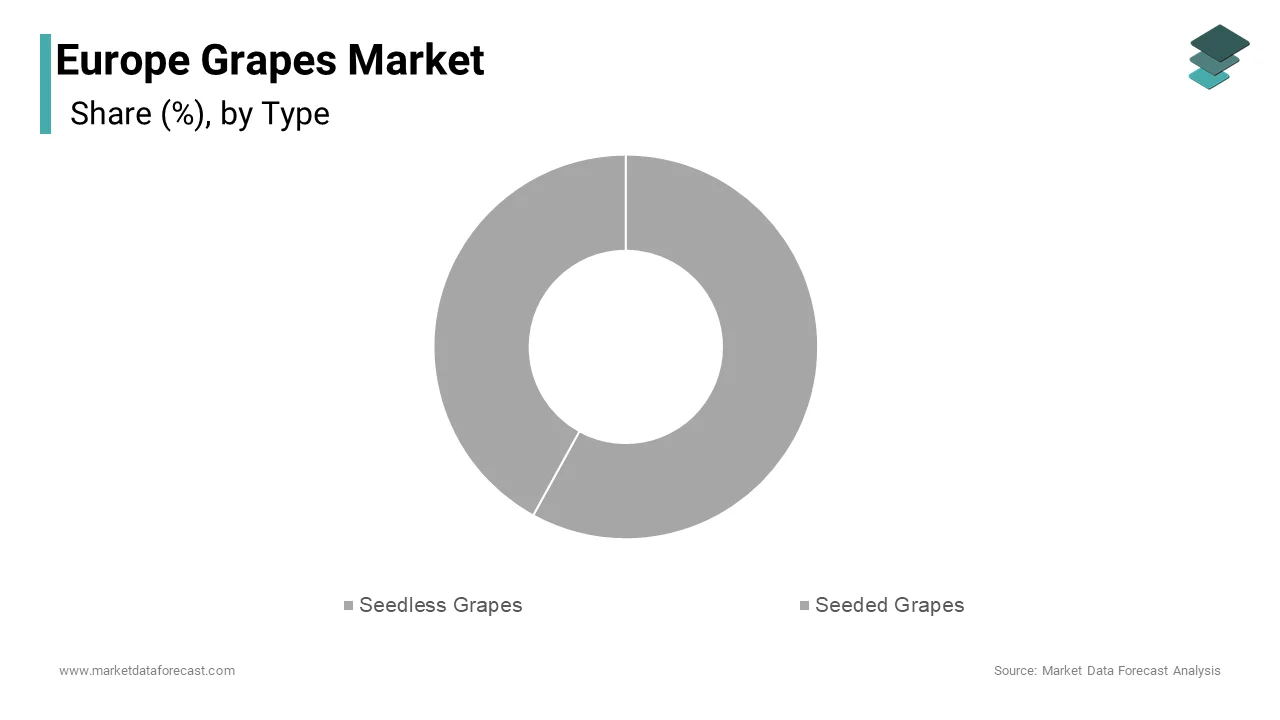
The seeded grapes segment is likely to grow with a CAGR of 5.7% during the forecast period. This growth is being fueled by increasing awareness of the nutritional benefits associated with seeded grape varieties among health-conscious consumers and niche winemaking sectors. According to a study conducted by the University of Madrid, seeded grapes contain higher concentrations of polyphenols and antioxidants compared to their seedless counterparts, making them attractive for functional foods and natural wellness products. Another significant factor contributing to this growth is the resurgence of interest in traditional wine-making practices that rely on seeded grape cultivars. Additionally, artisanal food producers are incorporating seeded grapes into jams, vinegars, and gourmet preserves, capitalizing on their intense flavor profiles and heritage appeal. As per Mintel, over 120 new grape-based specialty food products launched in Europe in 2023 included seeded grape variants.
By Color Insights
The green grapes segment was accounted in holding 44.3% of the Europe grapes market share in 2025due to the widespread availability, extended shelf life, and versatility across both fresh consumption and industrial processing applications. As per Eurostat, green grapes remain the most commonly consumed variety in household settings across Germany, the Netherlands, and the United Kingdom, where they are preferred for their mild flavor and crisp texture. Retail chains such as Carrefour, Rewe, and Lidl have consistently prioritized green grape procurement due to steady year-round demand and reliable sourcing from major Mediterranean suppliers. Furthermore, green grapes are extensively used in juice production and raisin manufacturing, which enhances their economic importance. As per Rabobank, the European raisin industry relies on green grape cultivars for over 70% of total output, reinforcing their role beyond fresh fruit retailing.
The black grapes segment is likely to grow with a CAGR of 6.3% during the forecast period. This rapid ascent is being driven by heightened consumer interest in antioxidant-rich foods and the increasing popularity of dark-skinned grape varieties in premium wine production and health-focused diets. According to the European Food Safety Authority (EFSA), black grape varieties such as Concord and Perlette are rich in anthocyanins, compounds linked to cardiovascular benefits and anti-inflammatory properties. Wine producers have also contributed to this trend. Premium red wine blends made from black grape cultivars continue to command high prices in both domestic and export markets. Additionally, black grape consumption has been boosted by targeted marketing efforts highlighting their role in heart health and aging well.
By Variety Insights
The thompson seedless segment was the largest by occupying 39.4% of the Europe grapes market share in 2025. This variety’s dominance is attributed to its versatility, long-standing consumer familiarity, and extensive use in both fresh fruit markets and processed products such as raisins and juices. According to the Food and Agriculture Organization (FAO), Thompson Seedless accounts for nearly half of all raisin production in the EU, particularly in Greece, Spain, and Portugal, where sun-drying facilities are well-established. In the fresh grape sector, Thompson Seedless remains a staple in supermarket chains across Central and Eastern Europe due to its affordability, consistent supply, and adaptability to different climates. Additionally, Thompson Seedless is favored for its neutral sweetness and firm texture, making it ideal for blending into juices and smoothies.
The red globe grape variety segment is esteemed to grow with a CAGR of 7.1% in the next coming years. This rapid ascent is driven by changing consumer preferences toward larger, juicier, and visually appealing grape varieties in urban centers and premium retail environments. According to Eurocommerce, Red Globe grape imports into the EU increased by 24% in 2023, with Spain and Italy leading the way in domestic cultivation and distribution. One of the primary drivers behind this growth is the increasing presence of Red Globe in private-label premium fruit assortments offered by major retailers such as Tesco, Carrefour, and Lidl. Additionally, Red Globe is gaining traction in the hospitality and food service sector, where presentation and sensory experience play a crucial role. Moreover, research from Wageningen University highlights that Red Globe grapes have superior storage longevity compared to other colored varieties by reducing post-harvest losses and improving profitability for growers. As per the Dutch Ministry of Agriculture, this characteristic has made Red Globe a preferred choice for controlled-atmosphere cold storage and long-distance export logistics.
By End-User Insights
The retail consumer segment held the largest share of the Europe grapes market by capturing prominent share in 2025. Supermarkets such as Carrefour, Rewe, and Albert Heijn have expanded their organic and sustainably labeled grape offerings, aligning with evolving consumer preferences for traceable and eco-friendly produce. The growing emphasis on healthy snacking and clean eating trends is also to propel the growth of the segment. As per a 2023 report by Mintel, 64% of surveyed European consumers cited grapes as a go-to snack due to their natural sweetness, hydration benefits, and low-calorie profile. Parents have shown a preference for seedless grape varieties as school lunch staples. Moreover, the expansion of online grocery services has facilitated greater access to premium grape varieties.
The processing industry segment is swiftly emerging with a CAGR of 8.9% during the forecast period. According to the European Bioeconomy Network, grape pomace rich in polyphenols and fiber is now being repurposed into functional food ingredients, including bakery additives, plant-based protein boosters, and dairy-free yogurts. Juice and nectar production also play a pivotal role in this growth. As per Eurostat, European grape juice output surpassed 450,000 tons in 2023, with brands like Innocent Smoothies and Alpro integrating locally sourced grape pulp into blended beverages. Additionally, the cosmetics industry is leveraging grape seed oil extracted from processing waste to develop high-end skincare products.
COUNTRY LEVEL ANALYSIS
Italy was the top performer in the Europe grapes market with 23.4% of the share in 2025. Italy benefits from favorable climatic conditions in regions such as Puglia, Sicily, and Emilia-Romagna, where viticulture and table grape farming coexist seamlessly. According to the Italian National Institute of Statistics (ISTAT), over 1.2 million tons of fresh and wine grapes were harvested in 2023, with 40% destined for domestic retail and food service channels. A notable trend in Italy is the increasing adoption of sustainable viticulture practices. Moreover, Italy serves as a critical exporter, supplying both neighboring EU nations and global markets.
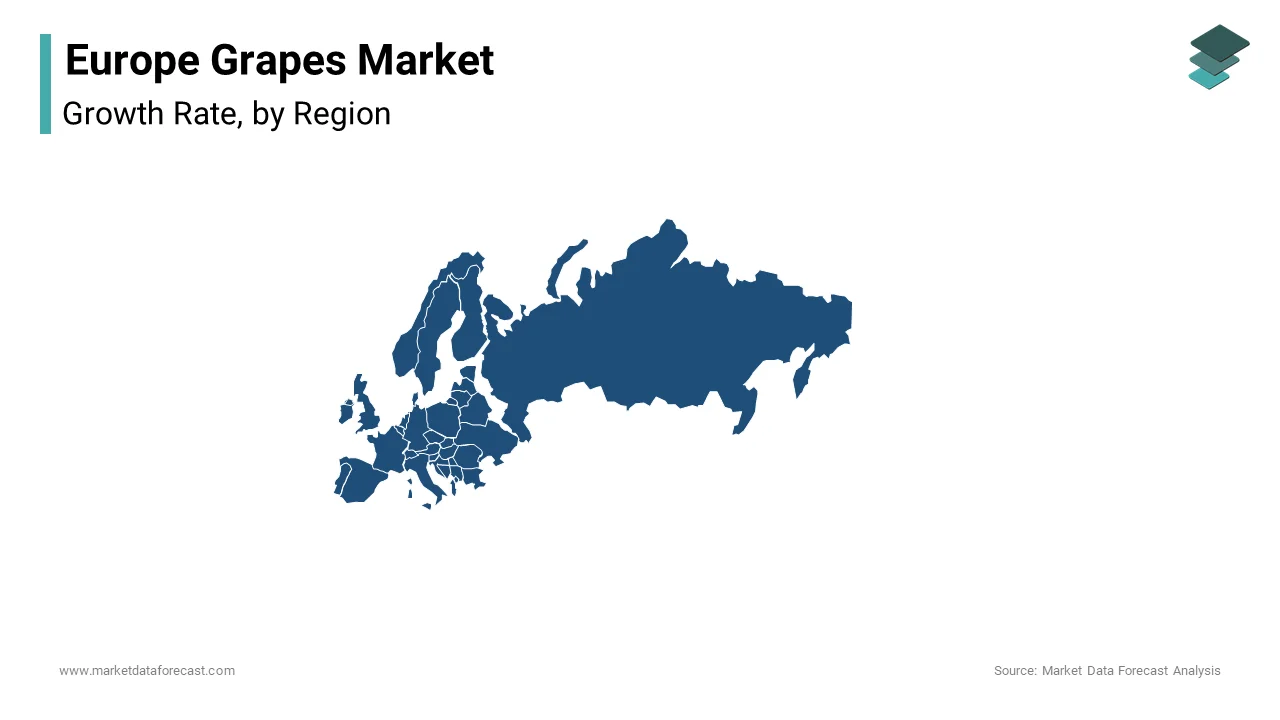
Spain grapes market growth is likely to be driven by strong presence due to its status as a top producer of both table and wine grapes. One of the key drivers of Spain’s market strength is its focus on seedless grape varieties tailored for export. As per FEPEX, Spain’s fruit and vegetable exporters' association, seedless table grape exports rose by 18% in 2023, with Morocco and South Africa serving as complementary off-season suppliers to maintain year-round availability. However, water scarcity and labor shortages pose ongoing challenges. As per the European Drought Observatory, irrigation restrictions in key grape-growing areas led to localized yield reductions in 2023, prompting renewed investments in drip irrigation and soil moisture monitoring technologies.
France grapes market growth is likely to be driven by the premium wine production and niche table grape cultivation. The country is renowned for its terroir-driven wine industry, with regions such as Bordeaux, Burgundy, and Champagne producing some of the world’s most sought-after wines.
As per INAO (French National Institute of Origin and Quality, formerly INAO), over 7.4 million hectoliters of French wine were produced in 2023, with a growing proportion derived from sustainably certified vineyards. The push for organic and biodynamic wines has reinforced France’s premium positioning, with AOC-labeled wines commanding higher price points in both domestic and international markets. Moreover, France is a leader in grape-derived health and beauty products. Companies such as Caudalie have capitalized on grape polyphenols, developing premium skincare and wellness lines that leverage winemaking by-products.
Germany grapes market growth is driven by its thriving wine industry and growing domestic demand for local table grape varieties adapted to cooler climates. According to the German Wine Institute, the country produced over 9 million hectoliters of wine in 2023, with Riesling and Müller-Thurgau leading the pack. In the table grape segment, Germany focuses on hybrid cultivars such as Phoenix and Regent, which can withstand colder temperatures and shorter growing cycles. Additionally, Germany has emerged as a hub for grape-based nutraceuticals and functional beverages.
Greece grapes market growth is known for its historical ties to viticulture and a strong presence in the dried grape (raisin) sector. The country's mountainous terrain and dry summers create ideal conditions for cultivating sultanas, Corinth raisins, and wine grape varieties such as Agiorgitiko and Assyrtiko. According to the Hellenic Statistical Authority, Greece produced over 250,000 tons of fresh and dried grapes in 2023, with raisins accounting for nearly 60% of total grape exports. As per Wines of Greece, exports of Greek wines increased by 13% in 2023, with boutique wineries attracting attention for their indigenous grape varietals and volcanic terroirs. Greek table grapes are also gaining traction in premium European markets. Additionally, Greece has leveraged agro-tourism to strengthen its grape industry. Wine tourism in Santorini and Nemea has surged, with visitor numbers surpassing pre-pandemic levels.
KEY MARKET PLAYERS AND COMPETITIVE LANDSCAPE
Companies playing a prominent role in the Europe Grapes Market are
- Agricola Nova,
- Anecoop,
- Sunaran,
- Arraez,
- Grupo Murgi,
- APOT,
- OPG,
- Koala Grapes,
- Agroter,
- Sun Farms,
- Plantaže,
- Peter Mertes,
- Bodegas Torres,
- Chivite,
- Banfi Vintners,
- Vale da Rosa,
- La Favorita SRL,
- Falcó Fruits,
- CCCOOP.
- Coldiretti,
- Vitiserve GmbH,
- Fruitsland,
- Castel Group,
- Vinexport,
- Mediterranean Grapes.
The competition in the Europe grapes market is shaped by a mix of traditional vineyards, modern agribusinesses, cooperatives, and emerging private-label suppliers vying for dominance in both fresh fruit and processed grape segments. Established wine-producing regions continue to assert influence through heritage and branding by leveraging appellation systems to differentiate their offerings in a crowded marketplace. However, they face increasing pressure from new entrants that prioritize innovation, sustainability, and direct-to-consumer models. In the table grape sector, large-scale exporters from Spain and Italy compete fiercely over shelf space in major supermarket chains, often adjusting harvest cycles to extend availability and capture seasonal premiums. Retailers are playing an expanded role, influencing variety selection, packaging formats, and pricing structures to align with shifting consumer expectations around convenience and health benefits. Meanwhile, the rise of functional foods and natural wellness products has introduced non-traditional competitors into the grape value chain, including nutraceutical brands and cosmetic manufacturers seeking grape-derived ingredients. This diversification is redefining market boundaries and intensifying cross-sector rivalry.
Top Players in the Market
Les Grappes d'Or (France)
Les Grappes d'Or is a leading French grape producer known for its premium table and wine grapes cultivated in the Mediterranean region. The company specializes in organic and sustainably grown grape varieties, catering to high-end retail and hospitality sectors across Europe. Les Grappes d'Or has played a key role in promoting French terroir-driven products internationally, particularly in Northern European markets where demand for specialty fruits is growing.
Bodegas Torres (Spain)
Bodegas Torres is a globally recognized Spanish winery that also plays a significant role in the broader grapes market by sourcing and cultivating high-quality wine grape varieties. While primarily known for its wines, the company contributes to the value chain by supporting sustainable viticulture, investing in climate-resilient grape breeding, and exporting raw materials to international wine producers. Its commitment to environmental stewardship has influenced industry-wide shifts toward carbon-neutral vineyard practices.
Cantina Sociale di Imola (Italy)
Cantina Sociale di Imola is a major Italian cooperative that represents hundreds of small and medium-sized grape growers, ensuring quality control, market access, and fair pricing for its members. It operates across both fresh fruit and wine production, with a strong focus on regional branding and export capabilities. The cooperative model allows it to maintain stability in supply while promoting traditional Italian grape varieties in global markets, which is reinforcing Italy’s dominance in premium viticulture.
Top strategies used by the key market participants
One of the primary strategies employed by key players in the Europe grapes market is the adoption of sustainable farming practices to meet evolving consumer preferences and regulatory requirements. Companies are increasingly transitioning to organic cultivation, water-efficient irrigation systems, and integrated pest management to ensure long-term viability and enhance brand reputation among environmentally conscious consumers.
Another crucial strategy involves vertical integration, allowing major producers to control multiple stages of the supply chain from vineyard to retail shelf. By managing processing, packaging, and distribution internally, companies can maintain product consistency, reduce costs, and respond more effectively to market fluctuations and consumer demands for traceability and transparency.
The strategic branding and differentiation through geographical indications have become essential tools for maintaining competitive advantage. Leading firms emphasize protected designations such as AOC (France), DOCG (Italy), and DO (Spain) to reinforce product authenticity, justify premium pricing, and strengthen market positioning in both domestic and international trade.
RECENT HAPPENINGS IN THE MARKET
- In February 2025, Les Grappes d’Or launched a new line of organic seedless grape varieties tailored for Northern European markets, which is aiming to capitalize on rising demand for pesticide-free produce and expand its footprint in eco-conscious retail channels.
- In May 2025, Bodegas Torres announced a partnership with a biotech firm to develop disease-resistant grapevine rootstocks by enhancing vineyard longevity and reducing reliance on chemical treatments in response to stricter EU agricultural regulations.
- In July 2025, Cantina Sociale di Imola introduced blockchain-based traceability for its wine grape supply chain, providing real-time visibility from vineyard to bottle and strengthening consumer trust in Italian wine authenticity and quality assurance.
- In September 2025, a major German supermarket chain entered into a long-term procurement agreement with Greek grape producers to secure exclusive rights to early-season black grape varieties, ensuring year-round availability and exclusivity in premium retail assortments.
- In November 2025, a French cooperative specializing in niche grape varietals established a dedicated e-commerce platform offering direct-to-consumer sales of limited-edition table grapes and artisanal wines, bypassing traditional intermediaries and strengthening brand engagement with affluent urban buyers.
MARKET SEGMENTATION
This research report on the europe grapes market has been segmented and sub-segmented into the following categories.
By Type
- Seedless Grapes
- Seeded Grapes
By Color
- Red Grapes
- Green Grapes
- Black Grapes
By Variety
- Thompson Seedless
- Red Globe
- Concord
- Moon Drops
By End-User
- Retail Consumers
- Food Service Industry
- Processing Industry
By Country
- UK
- France
- Spain
- Germany
- Italy
- Russia
- Sweden
- Denmark
- Switzerland
- Netherlands
- Turkey
- Czech Republic
- Rest of Europe.