Europe Honeysuckle Market Size, Share, Trends & Growth Forecast Report – Segmented By Type, Source, Application, and Country (UK, France, Spain, Germany, Italy, Russia, Sweden, Denmark, Switzerland, Netherlands, Turkey, Czech Republic & Rest of Europe), Industry Analysis From 2026 to 2034
Market Size, 2025
$110.23 MnMarket Estimate, 2026
$116.45 MnMarket Forecast, 2034
$180.67 MnCAGR, 2026–2034
6.54%Europe Honeysuckle Market Report Summary
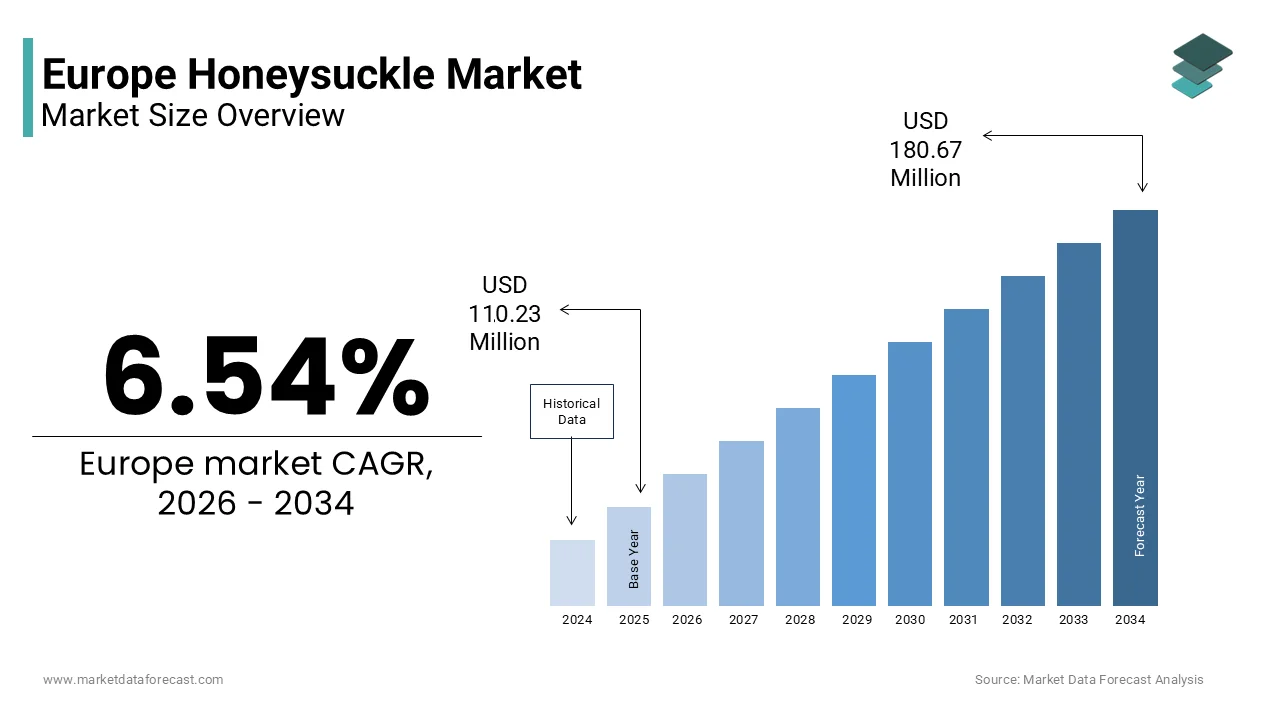
The Europe honeysuckle market was valued at USD 110.23 million in 2025, is estimated to reach USD 116.45 million in 2026, and is projected to reach USD 180.67 million by 2034, growing at a CAGR of 6.54% during the forecast period. Market growth is driven by increasing demand for natural and plant based ingredients across cosmetics, pharmaceuticals, and nutraceutical applications. Honeysuckle is widely valued for its antioxidant, anti inflammatory, and antimicrobial properties, making it a preferred ingredient in skincare and wellness products. The rising consumer shift toward herbal and clean label products, along with expanding use in traditional medicine and personal care formulations, is further supporting market expansion across Europe.
Key Market Trends
- Rising demand for natural and botanical ingredients is driving growth in the honeysuckle market.
- Increasing use of honeysuckle extracts in skincare and cosmetic formulations is boosting market expansion.
- Growing consumer preference for herbal and clean label products is supporting product adoption.
- Expansion of nutraceutical and pharmaceutical applications is creating new growth opportunities.
- Increasing focus on plant based wellness solutions is enhancing market demand.
Segmental Insights
- Based on type, the Japanese honeysuckle segment was the largest and held 42.4% of the Europe honeysuckle market share in 2025. This dominance is attributed to its widespread use in traditional medicine and cosmetic applications due to its strong therapeutic properties.
- Based on source, the conventional segment accounted for the largest share of the Europe honeysuckle market in 2025, driven by large scale cultivation, cost effectiveness, and consistent supply.
- Based on application, the cosmetic segment dominated with 55.3% of the Europe honeysuckle market share in 2025, supported by increasing demand for natural skincare ingredients and herbal beauty products.
Regional Insights
- The Europe honeysuckle market is experiencing steady growth across key countries, supported by rising demand for plant based ingredients and natural products.
- Germany was the largest contributor, accounting for 24.8% of the Europe honeysuckle market share in 2025, driven by strong demand for herbal products, advanced cosmetic industry, and growing consumer awareness of natural ingredients.
Competitive Landscape
The Europe honeysuckle market is moderately competitive, with key players focusing on product quality, botanical extraction technologies, and expansion of application areas to strengthen their market position. Companies are investing in natural ingredient sourcing, sustainable practices, and innovation in herbal formulations. Prominent players in the Europe honeysuckle market include Symrise AG, Naturex, Martin Bauer Group, Damin Foodstuff, Fuzhou Farwell, Nutra Green Biotechnology Co Ltd, The Bach Centre, Indena S p A, Shaanxi Undersun Biomedtech Co Ltd, Ecuadorian Rainforest LLC, Novoherb Technologies, Mountain Rose Herbs, The Good Scents Company, and RD Health Ingredients.
Europe Honeysuckle Market Size
The Europe honeysuckle market size was valued at USD 110.23 million in 2025 and is projected to reach USD 180.67 million by 2034 from USD 116.45 million in 2026, growing at a CAGR of 6.54%.
Honeysuckle is a genus of about 180 species of ornamental shrubs and twining vines belonging to the family Caprifoliaceae. This market operates at the intersection of horticulture, natural cosmetics, and herbal medicine, reflecting a growing consumer preference for botanical ingredients. Honeysuckle species such as Lonicera japonica and Lonicera caprifolium are widely distributed across European gardens and wild landscapes, serving as key components in biodiversity conservation strategies. The European Environment Agency emphasize that establishing diverse habitats with native flowering species is essential for reversing the downward trend in pollinator populations, as a significant portion of regional insect species currently face the risk of habitat fragmentation. In addition, the Royal Horticultural Society recognizes honeysuckle as a highly valuable species for domestic landscapes, frequently recommending it to gardeners for its strong fragrance and its role in providing essential nectar sources for nocturnal and diurnal wildlife. The extraction of honeysuckle essential oils and extracts for use in perfumery and skincare aligns with the broader trend towards clean label and natural personal care products. Regulatory frameworks under the European Union’s Cosmetic Regulation strictly govern the safety and labeling of botanical extracts, ensuring high standards for consumer protection. The integration of honeysuckle into urban greening projects further underscores its ecological and aesthetic value. This multifaceted utility drives demand across diverse sectors, from landscape architecture to pharmaceutical research, positioning honeysuckle as a significant botanical resource within the European bioeconomy.
MARKET DRIVERS
Rising Demand for Natural Ingredients in Cosmetics and Personal Care
The escalating consumer preference for natural and organic ingredients in cosmetics and personal care products acts as a major driver for the Europe honeysuckle market. Honeysuckle extract is renowned for its anti inflammatory, antioxidant, and antimicrobial properties, making it a valuable component in skincare formulations such as creams, serums, and toners. Cosmetics Europe indicate that the demand for natural and organic personal care products is rising steadily as consumers increasingly prioritize environmental sustainability and ingredient transparency in their purchasing habits. Research confirms that a significant portion of the European population prefers personal care items enriched with plant-derived components, often associating these ingredients with gentler formulations and general wellness. Honeysuckle’s ability to soothe sensitive skin and combat acne aligns with these consumer demands, leading to its increased incorporation by major beauty brands. The shift towards clean beauty labels, which exclude synthetic preservatives and fragrances, further amplifies the role of honeysuckle as a natural alternative. Manufacturers are investing in advanced extraction technologies to preserve the bioactive compounds of honeysuckle, enhancing product efficacy. Additionally, the rise of indie beauty brands focusing on transparency and ethical sourcing has created new avenues for honeysuckle based ingredients. This trend is supported by regulatory incentives promoting sustainable sourcing practices, encouraging suppliers to adopt environmentally friendly cultivation methods. The convergence of aesthetic appeal and functional benefits ensures that honeysuckle remains a sought after ingredient in the evolving European personal care landscape.
Expansion of Urban Greening and Biodiversity Initiatives
The expansion of urban greening projects and biodiversity conservation initiatives significantly propels the demand in the Europe honeysuckle market. Municipalities and urban planners increasingly recognize the importance of native and pollinator friendly plants in mitigating the effects of urban heat islands and supporting local ecosystems. According to the European Urban Initiative, approximately 75% of Europeans live in urban areas, where green infrastructure is essential for improving air quality and mental well being. As per the International Union for Conservation of Nature, planting native species like honeysuckle helps restore ecological balance by providing nectar sources for bees, butterflies, and birds. Honeysuckle’s vigorous growth habit and adaptability to various soil conditions make it an ideal choice for vertical gardens, green walls, and public parks. Government policies such as the EU Biodiversity Strategy for 2030 mandate the integration of green spaces in urban planning, driving procurement of suitable plant species. Local councils and landscape architects prioritize honeysuckle for its aesthetic versatility and low maintenance requirements. Furthermore, community led gardening projects and school programs promote the planting of honeysuckle to educate citizens about native flora and fauna. This institutional support creates a stable demand stream for nurseries and suppliers. The alignment of honeysuckle cultivation with broader environmental goals ensures its continued relevance in urban development strategies across Europe.
MARKET RESTRAINTS
Invasive Species Concerns and Regulatory Restrictions
The classification of certain honeysuckle species as invasive plants is a significant obstacle for the Europe honeysuckle market. Consequently, this limits their cultivation and sale in specific regions. Species such as Lonicera japonica and Lonicera maackii are known to outcompete native vegetation, disrupting local ecosystems and reducing biodiversity. European Union regulations currently allow for the commercial trade and cultivation of popular honeysuckle varieties across the member states. Under European Union plant health rules, professional nurseries are required to utilize a standardized passporting system for the movement of all climbing plants to ensure the traceability of stock and prevent the spread of regulated pests. Non compliance can result in hefty fines and reputational damage, discouraging smaller growers from entering the market. Public awareness campaigns highlighting the ecological risks of invasive honeysuckle have also shifted consumer preferences towards non invasive native alternatives. This regulatory scrutiny limits the variety of honeysuckle products available, potentially stifling innovation and market expansion. Additionally, the need for specialized management practices to prevent spread adds complexity for landscapers and homeowners. The tension between the aesthetic appeal of honeysuckle and its ecological impact creates uncertainty for stakeholders. Navigating this regulatory landscape requires rigorous adherence to guidelines and investment in sustainable cultivation practices, which may hinder market growth for non compliant or high risk varieties.
Climate Change Impact on Growth and Yield Stability
Climate change-induced weather extremes constitute a formidable constraint to the European honeysuckle market. These conditions negatively impact plant health, flowering patterns, and overall yield stability. Honeysuckle species require specific climatic conditions for optimal growth, including adequate winter chilling and moderate summer temperatures. However, increasing frequency of droughts, heatwaves, and erratic rainfall disrupts these conditions, leading to reduced vigor and lower flower production. According to the European Drought Observatory, extreme weather patterns and moisture deficits continue to challenge the horticultural sector, affecting the growth and vitality of ornamental garden species. As per the Joint Research Centre, rising temperatures can alter the phenology of honeysuckle, causing earlier flowering that may not synchronize with pollinator activity, thereby reducing seed set and propagation success. These climatic stresses increase the susceptibility of plants to pests and diseases, necessitating higher input costs for protection and care. Nurseries face challenges in maintaining consistent stock quality, leading to supply fluctuations and price volatility. Home gardeners and landscapers may experience higher mortality rates, dampening consumer confidence and demand. Adaptation strategies such as irrigation systems and shade structures add to production expenses, squeezing profit margins. The unpredictability of weather patterns complicates long term planning for growers and suppliers. Addressing these climate related risks requires investment in resilient cultivars and sustainable water management practices, which may be prohibitive for smaller market participants.
MARKET OPPORTUNITIES
Development of Value Added Herbal and Medicinal Products
Developing value-added herbal and medicinal products from honeysuckle is a significant opportunity. It holds great potential for the European honeysuckle market. Traditional medicine systems have long utilized honeysuckle for its anti viral, anti bacterial, and anti inflammatory properties, particularly in treating respiratory infections and skin conditions. Pharmaceutical and nutraceutical companies are investing in research to isolate and standardize active compounds such as chlorogenic acid and luteolin, enhancing product efficacy and consistency. The rise of preventive healthcare and self care trends encourages consumers to seek natural immune boosting solutions, driving demand for honeysuckle teas, tinctures, and capsules. Collaborations between researchers and industry players can accelerate the development of evidence based products, meeting regulatory standards for safety and quality. Additionally, the integration of honeysuckle extracts into functional foods and beverages offers new revenue streams. By leveraging its medicinal heritage and scientific validation, the market can transition from purely ornamental use to high value health applications. This diversification strengthens market resilience and appeals to health conscious demographics seeking holistic wellness solutions.
Integration into Sustainable Landscape Architecture and Eco Tourism
The integration of honeysuckle into sustainable landscape architecture and eco tourism initiatives provides great prospects for the Europe honeysuckle market growth. As travelers and residents increasingly value authentic natural experiences, landscapes featuring native and aromatic plants like honeysuckle enhance aesthetic appeal and ecological integrity. According to sources, eco tourism is one of the fastest growing segments in the travel industry, with tourists seeking destinations that prioritize environmental stewardship. Honeysuckle’s ability to create lush, fragrant environments makes it ideal for botanical gardens, heritage sites, and rural tourism venues. Landscape architects are incorporating honeysuckle into green infrastructure designs that promote biodiversity and climate resilience. Hotels and resorts are adopting honeysuckle planted facades and gardens to attract eco conscious guests, creating demand for large scale nursery supplies. Educational programs and guided nature tours focused on local flora further boost visibility and appreciation for honeysuckle. Partnerships between tourism boards and horticultural suppliers can facilitate the promotion of honeysuckle as a signature element of regional identity. This strategic alignment with sustainable tourism trends expands the market beyond traditional retail channels, fostering long term demand through experiential and educational engagement.
MARKET CHALLENGES
Supply Chain Fragmentation and Quality Consistency Issues
Supply chain fragmentation and inconsistencies in product quality are serious challenges to the Europe honeysuckle market. The market comprises numerous small scale growers, wild harvesters, and processors, leading to variability in raw material quality and availability. According to studies, the lack of standardized cultivation and harvesting protocols results in inconsistent levels of active compounds in honeysuckle extracts. As per sources, stringent quality standards for herbal substances require precise control over growing conditions, harvesting times, and processing methods, which many small suppliers struggle to meet. This variability complicates formulation for manufacturers in the cosmetics and pharmaceutical sectors, who require batch to batch consistency for regulatory compliance and product efficacy. The reliance on wild harvested honeysuckle further exacerbates supply instability, as yields fluctuate with environmental conditions and regulatory restrictions. Logistics challenges, including perishability and transportation costs, add complexity to the supply chain. Limited traceability systems make it difficult to verify the origin and sustainability of sourced materials, raising concerns about ethical sourcing. Consolidation of the supply chain through cooperatives or vertical integration could improve quality control, but requires significant investment and coordination. Addressing these structural inefficiencies is crucial for building trust with industrial buyers and ensuring a reliable flow of high quality honeysuckle products.
Competition from Synthetic Alternatives and Other Botanicals
Intense competition from synthetic alternatives and other botanical ingredients further limits the expansion of the Europe honeysuckle market. In the cosmetics and pharmaceutical sectors, synthetic compounds often offer lower costs, higher stability, and standardized potency compared to natural extracts. Honeysuckle must compete for shelf space and formulation inclusion against these well entrenched alternatives. Marketing efforts to differentiate honeysuckle’s unique benefits require significant investment in education and branding. Price sensitivity among consumers and manufacturers can favor cheaper synthetic options or more common botanicals, limiting market penetration for honeysuckle. Additionally, the perception of honeysuckle primarily as an ornamental plant rather than a functional ingredient hinders its adoption in health and beauty applications. Overcoming these competitive pressures requires demonstrating superior efficacy, sustainability credentials, and unique sensory profiles. Honeysuckle risks remaining a niche player in a crowded botanical market. It needs a clear differentiation and value proposition to succeed.
REPORT COVERAGE
| REPORT METRIC | DETAILS |
| Market Size Available | 2025 to 2034 |
| Base Year | 2025 |
| Forecast Period | 2026 to 2034 |
| CAGR | 5.64% |
| Segments Covered | By Type, Source, Application, and Region |
| Various Analyses Covered | Global, Regional, & Country Level Analysis; Segment-Level Analysis; DROC, PESTLE Analysis; Porter’s Five Forces Analysis; Competitive Landscape; Analyst Overview of Investment Opportunities |
| Regions Covered | UK, France, Spain, Germany, Italy, Russia, Sweden, Denmark, Switzerland, Netherlands, Turkey, and the Czech Republic |
| Market Leaders Profiled | Symrise AG, Naturex, Martin Bauer Group, Damin Foodstuff, Fuzhou Farwell, Nutra Green Biotechnology Co. Ltd, The Bach Centre, Indena S.p.A., Shaanxi Undersun Biomedtech Co. Ltd, Ecuadorian Rainforest LLC, Novoherb Technologies, Mountain Rose Herbs, The Good Scents Company, and RD Health Ingredients |
SEGMENTAL ANALYSIS
By Type Insights
The Japanese honeysuckle segment dominated the Europe honeysuckle market and accounted for a 42.4% share in 2025. This dominance of the segment is mainly driven by its widespread availability, rapid growth rate, and extensive use in traditional herbal medicine and cosmetic formulations across Asia and increasingly in Europe. Lonicera japonica is highly valued for its high concentration of bioactive compounds such as chlorogenic acid and luteolin, which are essential for anti inflammatory and antioxidant applications. The European Medicines Agency continues to evaluate various botanical substances for inclusion in official herbal monographs, ensuring that any plant-derived ingredients used in healthcare products meet rigorous safety and efficacy standards. Moreover, the Royal Horticultural Society provides extensive guidance on the responsible cultivation of different honeysuckle varieties, emphasizing the importance of choosing non-invasive cultivars to protect local ecosystems while enjoying their ornamental value. The plant’s adaptability to various climatic conditions allows for cost effective large scale farming, reducing raw material costs for extract manufacturers. Furthermore, the strong cultural influence of Traditional Chinese Medicine in global wellness trends has boosted demand for Japanese honeysuckle extracts in immune boosting supplements. Manufacturers prefer this variety due to standardized extraction protocols and consistent quality profiles. The dual utility of Japanese honeysuckle in both ornamental gardening and industrial extraction ensures a steady demand stream. Its prevalence in wild harvesting also supplements cultivated supply, making it the most accessible and economically viable option for processors seeking high volume inputs for cosmetics and health products.
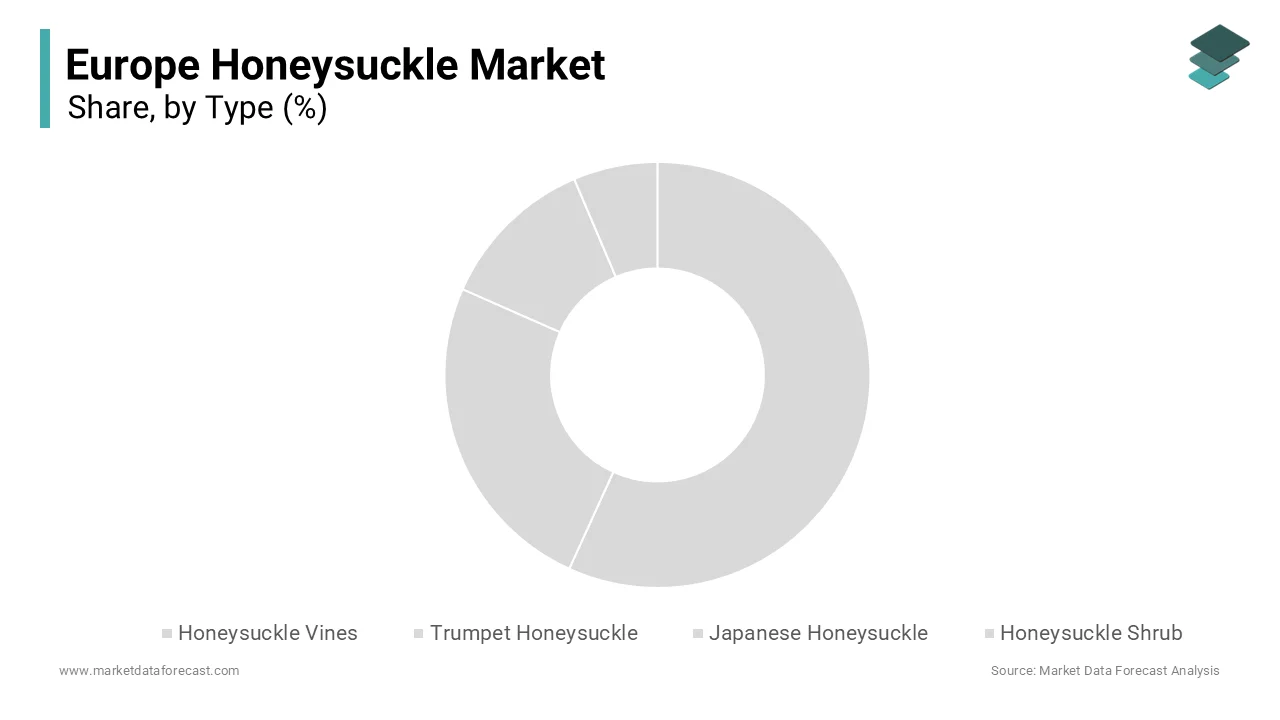
The trumpet honeysuckle segment is expected to exhibit a noteworthy CAGR of 6.8% from 2026 to 2034 owing to its status as a native non invasive species in many regions, aligning with strict environmental regulations and biodiversity conservation goals. Lonicera sempervirens is increasingly preferred by landscape architects and eco conscious consumers for urban greening projects that prioritize native flora. Reports from the European Environment Agency indicate that the implementation of the Nature Restoration Law is fostering a sustained increase in the use of indigenous flora across urban and rural landscapes to bolster regional biodiversity. The Royal Society for the Protection of Birds advocates for the planting of native honeysuckle in domestic gardens, noting its critical role in providing nectar for insects and nesting sites for birds as part of wider wildlife conservation effort. Unlike Japanese honeysuckle, it does not pose an ecological threat, allowing for unrestricted planting in sensitive areas. The aesthetic appeal of its vibrant red tubular flowers also makes it a popular choice for ornamental gardens, boosting retail sales. Nurseries are expanding their stock of native varieties to meet this shifting consumer preference. Additionally, research into the unique phytochemical profile of trumpet honeysuckle is opening new avenues in niche cosmetic applications. The combination of regulatory compliance, ecological benefits, and ornamental value positions trumpet honeysuckle for significant market expansion.
By Source Insights
In 2025, the conventional source segment was the largest segment in the Europe honeysuckle market and captured a significant share. This prominence of the segment is attributed to the lower production costs and higher yields associated with conventional farming methods, which utilize synthetic fertilizers and pesticides to maximize output. Large scale processors rely on conventional sources to meet the high volume demands of industrial clients without compromising on delivery schedules. The established supply chains for conventional crops ensure consistent quality and availability, reducing operational risks for manufacturers. Additionally, many mainstream beauty brands prioritize affordability and scalability over organic certification, further sustaining demand for conventional extracts. Regulatory standards for pesticide residues in final products are stringent but manageable with proper processing, allowing conventional honeysuckle to meet safety requirements. The efficiency of conventional farming practices enables producers to offer competitive pricing, maintaining its dominance in the market despite the growing interest in organic alternatives.
The organic source segment is predicted to witness the highest CAGR of 7.5% over the forecast period due to the increasing consumer demand for clean label and chemical free personal care and health products. Organic honeysuckle is free from synthetic pesticides and fertilizers, appealing to brands that emphasize sustainability and purity in their marketing. Certification bodies such as COSMOS and Ecocert provide trusted verification, enhancing consumer confidence and brand loyalty. The rise of indie beauty brands focusing on transparency and ethical sourcing has created new opportunities for organic suppliers. Additionally, regulatory incentives promoting organic farming practices encourage growers to transition away from conventional methods. The perceived superior safety profile of organic extracts makes them preferred ingredients for sensitive skin formulations and baby care products. This shift towards holistic wellness and environmental responsibility positions organic honeysuckle as a key growth driver in the premium segment of the market.
By Application Insights
The cosmetic application segment led the Europe honeysuckle market and occupied a 55.3% share in 2025 because of the extensive use of honeysuckle extract in skincare products for its soothing, anti inflammatory, and antimicrobial properties. Honeysuckle’s ability to reduce redness and combat acne makes it a valuable component in formulations for sensitive and problem skin. Major beauty brands are incorporating honeysuckle into their product lines to differentiate themselves in a crowded market. The trend towards clean beauty, which excludes harsh chemicals, further amplifies the role of honeysuckle as a gentle yet effective alternative. Advanced extraction technologies preserve the bioactive compounds, enhancing product performance and consumer satisfaction. Additionally, the aromatic profile of honeysuckle adds sensory appeal to perfumes and body care items. The versatility of honeysuckle in addressing various skin concerns ensures its continued prominence in the cosmetic industry, driving sustained demand from manufacturers seeking innovative and natural solutions.
The pharmaceutical application segment is estimated to register the fastest CAGR of 6.2% from 2026 to 2034. This rapid growth of the segment is supported by the increasing recognition of honeysuckle’s medicinal properties, particularly its anti viral and immune boosting capabilities. The recent focus on preventive healthcare and respiratory health has heightened demand for natural immune support products containing honeysuckle. Pharmaceutical companies are investing in clinical trials to establish standardized dosages and efficacy levels, facilitating regulatory approval for new drug formulations. The integration of honeysuckle extracts into over the counter remedies for colds and flu offers significant commercial potential. Additionally, the rise of integrative medicine approaches encourages the combination of conventional treatments with herbal supplements. This scientific validation and broader acceptance in medical practice drive the rapid expansion of the pharmaceutical segment, positioning honeysuckle as a critical ingredient in modern herbal therapeutics.
REGIONAL ANALYSIS
Germany Honeysuckle Market Analysis
Germany outperformed other countries in the Europe honeysuckle market and accounted for a 24.8% share in 2025. The robust, established practice of herbal medicine, or phytotherapy, acts as a primary driver for the high market demand for honeysuckle extracts in pharmacological and personal care products. Besides, the presence of major pharmaceutical and cosmetic companies in Germany facilitates the processing and distribution of honeysuckle products. Strict quality standards and regulatory frameworks ensure high product safety, enhancing consumer trust. The country’s robust research infrastructure supports scientific validation of herbal benefits, encouraging innovation in product development. Additionally, the popularity of home gardening and native plant conservation boosts ornamental sales. Germany’s commitment to sustainability and health wellness maintains its leadership in the regional honeysuckle market, setting trends for quality and efficacy.
France Honeysuckle Market Analysis
France followed closely behind in the Europe honeysuckle market and captured a share of 18.5% in 2025. It is renowned for its luxury cosmetics and perfume industries, which utilize honeysuckle for its aromatic and skincare properties. French perfumers value honeysuckle for its sweet and delicate scent, incorporating it into high end fragrances. The emphasis on elegance and sensory experience in French beauty culture enhances the appeal of honeysuckle based products. Additionally, the country’s diverse climate allows for local cultivation, supporting artisanal producers. Government initiatives promoting sustainable agriculture encourage organic farming practices. France’s reputation for quality and innovation in beauty sustains its significant position in the regional market, influencing global trends in natural luxury cosmetics.
United Kingdom Honeysuckle Market Analysis
The United Kingdom remains a major country in the European honeysuckle market due to its deeply rooted gardening culture, with the plant being a popular choice for its fragrance and aesthetic appeal. Also, the prevalence of traditional herbal remedies in the UK supports pharmaceutical applications. Retailers and nurseries offer a wide variety of honeysuckle species, catering to diverse consumer preferences. The trend towards wildlife friendly gardens boosts demand for native varieties. Additionally, the growing interest in clean beauty products influences the cosmetic sector. The UK’s combination of horticultural passion and health consciousness ensures a steady demand for honeysuckle across multiple segments.
Italy Honeysuckle Market Analysis
Italy expanded steadily in the Europe honeysuckle market. The country’s rich biodiversity and Mediterranean climate support the cultivation of various honeysuckle species. The aesthetic value of honeysuckle in Italian gardens and public spaces enhances its ornamental demand. Traditional uses of herbal remedies in Italian culture also contribute to pharmaceutical applications. The tourism sector’s emphasis on natural beauty and authentic experiences promotes the use of local botanicals. Italy’s focus on quality and design in both landscaping and beauty products supports market growth. The integration of honeysuckle into sustainable agricultural practices further strengthens its position.
Spain Honeysuckle Market Analysis
Spain is an emerging player in the Europe honeysuckle market. The country’s favorable climate allows for year round cultivation of honeysuckle, supporting both domestic use and exports. According to sources, the organic farming sector is growing, with increasing production of medicinal and aromatic plants. As per research, demand for ornamental climbers is rising due to urbanization and housing developments. The tourism industry’s focus on natural landscapes and eco friendly practices boosts landscaping demand. Consumer awareness of natural health benefits is driving interest in herbal supplements. Spain’s strategic location facilitates trade with other European markets. The combination of agricultural potential and growing consumer interest positions Spain as an emerging player in the regional honeysuckle market.
COMPETITIVE LANDSCAPE
The competition within the Europe honeysuckle market is characterized by a mix of specialized botanical extract manufacturers large chemical companies and local growers. Major players compete on the basis of product quality standardization and sustainability credentials. The market is fragmented with numerous small suppliers catering to niche regional demands while larger corporations dominate the industrial supply chain for cosmetics and pharmaceuticals. Differentiation is achieved through proprietary extraction technologies and clinical validation of health benefits. Regulatory compliance regarding invasive species and pesticide residues serves as a significant barrier influencing competitive dynamics. Companies investing in organic certification and traceability systems gain a competitive edge among eco conscious consumers. Price competition remains intense for conventional extracts whereas premium pricing is sustained for standardized and organic variants. Strategic collaborations with research institutions enhance innovation capabilities. The shift towards natural and clean label products drives continuous improvement in sourcing and processing practices. Maintaining supply chain resilience and adapting to changing regulatory landscapes are critical for sustaining market presence and profitability in this dynamic sector.
KEY MARKET PLAYERS
Some of the notable key players in the Europe honeysuckle market are
- Symrise AG
- Naturex
- Martin Bauer Group
- Damin Foodstuff
- Fuzhou Farwell
- Nutra Green Biotechnology Co. Ltd
- The Bach Centre
- Indena S.p.A.
- Shaanxi Undersun Biomedtech Co. Ltd
- Ecuadorian Rainforest LLC
- Novoherb Technologies
- Mountain Rose Herbs
- The Good Scents Company
- RD Health Ingredients
Top Players in the Market
- Martin Bauer Group is a leading global supplier of botanical extracts and tea ingredients with a significant presence in the European honeysuckle market. The company specializes in sourcing high quality Lonicera japonica for pharmaceutical and cosmetic applications ensuring strict adherence to sustainability standards. Recent actions include expanding its extraction facilities in Germany to enhance production capacity for standardized honeysuckle extracts. The group invests heavily in research and development to validate the efficacy of honeysuckle compounds for immune support and skin health. By securing long term contracts with certified growers Martin Bauer ensures consistent raw material supply and traceability. Their commitment to quality and innovation strengthens their position as a trusted partner for major beauty and healthcare brands seeking reliable natural ingredients. This strategic focus on vertical integration and scientific validation supports their global leadership in the botanical extract industry.
- Indena S.p.A. is a prominent Italian company renowned for its expertise in identifying and developing active ingredients from plants including honeysuckle. The company contributes to the global market by providing highly standardized and clinically tested honeysuckle extracts for the pharmaceutical and nutraceutical sectors. Recent initiatives involve launching new proprietary formulations that leverage the anti inflammatory properties of honeysuckle for respiratory health supplements. Indena collaborates with academic institutions to conduct clinical trials enhancing the scientific credibility of their products. The company focuses on sustainable sourcing practices and green extraction technologies to minimize environmental impact. By emphasizing evidence based solutions Indena differentiates itself in the competitive landscape of herbal medicines. Their strong distribution network across Europe and beyond ensures wide availability of their premium honeysuckle based ingredients supporting the growth of natural health solutions globally.
- Symrise AG is a major global supplier of fragrances and flavors with a growing portfolio of botanical extracts including honeysuckle for the cosmetic industry. The company utilizes advanced extraction methods to capture the delicate aromatic profile and bioactive benefits of honeysuckle for use in perfumes and skincare products. Recent strategies include integrating honeysuckle into their natural ingredient platforms aimed at meeting the demand for clean label cosmetics. Symrise invests in sustainable sourcing programs to ensure ethical procurement of raw materials from diverse geographic regions. Their innovation centers work on creating unique scent combinations and functional skincare solutions featuring honeysuckle. By combining sensory appeal with therapeutic benefits Symrise attracts leading beauty brands seeking differentiated products. This focus on creativity and sustainability reinforces their market position and drives growth in the natural personal care segment across Europe and worldwide.
Top Strategies Used by the Key Market Participants
Key players in the Europe honeysuckle market primarily focus on vertical integration to secure sustainable raw material supplies and ensure product quality. Companies invest heavily in research and development to scientifically validate the health and cosmetic benefits of honeysuckle extracts. Strategic partnerships with certified growers promote ethical sourcing and compliance with environmental regulations. Innovation in extraction technologies enhances the purity and potency of active compounds appealing to premium segments. Diversification into multiple applications such as pharmaceuticals cosmetics and functional foods mitigates market risks. Digital marketing and education campaigns raise consumer awareness about the unique properties of honeysuckle. Collaboration with regulatory bodies ensures adherence to safety standards facilitating market access. These strategies enable companies to differentiate their offerings build brand loyalty and maintain competitiveness in a evolving natural products landscape.
MARKET SEGMENTATION
This research report on the European honeysuckle market has been segmented and sub-segmented based on categories.
By Type
- Honeysuckle Vines
- Trumpet Honeysuckle
- Japanese Honeysuckle
- Honeysuckle Shrub
By Source
- Organic
- Conventional
By Application
- Pharmaceutical Industry
- Cosmetic
- Food And Beverage
By Country
- UK
- France
- Spain
- Germany
- Italy
- Russia
- Sweden
- Denmark
- Switzerland
- Netherlands
- Turkey
- Czech Republic
- Rest of Europe
Frequently Asked Questions
1. What is honeysuckle and how is it used in Europe?
Honeysuckle is a flowering plant known for its fragrance and medicinal properties, widely used in ornamental gardening, herbal medicine, cosmetics, and perfumes.
2. What factors are driving the Europe honeysuckle market growth?
The market is driven by increasing demand for natural ingredients in cosmetics, rising interest in herbal medicine, and growing landscaping and gardening activities.
3. What are the main applications of honeysuckle in Europe?
Key applications include personal care products, pharmaceuticals, aromatherapy, food and beverages, and ornamental horticulture.
4. Why is honeysuckle popular in the cosmetics industry?
Honeysuckle extracts are valued for their antioxidant, anti inflammatory, and antimicrobial properties, making them suitable for skincare and haircare formulations.
5. Which types of honeysuckle are commonly used in Europe?
Common varieties include Japanese honeysuckle and European honeysuckle, each used for different medicinal and ornamental purposes.
6. What are the health benefits of honeysuckle?
Honeysuckle is known for its anti inflammatory, antibacterial, and immune boosting properties, often used in traditional remedies.
7. Which countries lead the honeysuckle market in Europe?
Countries such as Germany, France, Italy, and the United Kingdom lead the market due to strong demand for natural products and established cosmetic industries.
8. What are the key trends in the Europe honeysuckle market?
Key trends include increasing use in organic skincare products, expansion of herbal formulations, and growing demand for plant based ingredients.
9. What challenges does the Europe honeysuckle market face?
Challenges include seasonal availability, variability in raw material quality, and regulatory requirements for herbal and cosmetic products.
10. What is the future outlook of the Europe honeysuckle market?
The market is expected to grow steadily due to rising demand for natural and plant based ingredients across multiple industries.
Access the study in MULTIPLE FORMATS
Purchase options starting from
$ 2000
Didn’t find what you’re looking for?
TALK TO OUR ANALYST TEAM
Need something within your budget?
NO WORRIES! WE GOT YOU COVERED!
Call us on: +1 888 702 9696 (U.S Toll Free)
Write to us: sales@marketdataforecast.com