- Product Description Description
- Table of Contents TOC
- List of Table & Figure LOT
- Get Free Sample PDF Sample PDF
Market Size, 2025
$1,647.09 MnMarket Estimate, 2026
$1,735.7 MnMarket Forecast, 2034
$2,640 MnCAGR, 2026–2034
5.38%Europe Metaxalone Market Report Summary
The Europe metaxalone market was valued at USD 1,647.09 million in 2025, is estimated to reach USD 1,735.70 million in 2026, and is projected to reach USD 2,640 million by 2034, growing at a CAGR of 5.38% from 2026 to 2034. Market growth is driven by the rising prevalence of musculoskeletal disorders, increasing incidence of muscle injuries, and growing demand for centrally acting muscle relaxants in pain management. Metaxalone is widely prescribed for the relief of acute musculoskeletal pain associated with strains, sprains, and other orthopedic conditions. Expanding geriatric population, sedentary lifestyles, and increasing healthcare access across Europe are further supporting steady market expansion.
Key Market Trends
- Rising prevalence of musculoskeletal disorders and chronic back pain.
- Increasing demand for non-opioid pain management therapies.
- Growing focus on short-term muscle relaxant prescriptions in orthopedic care.
- Expansion of hospital-based and outpatient pain management services.
- Strengthening regulatory oversight on safe prescribing practices.
Segmental Insights
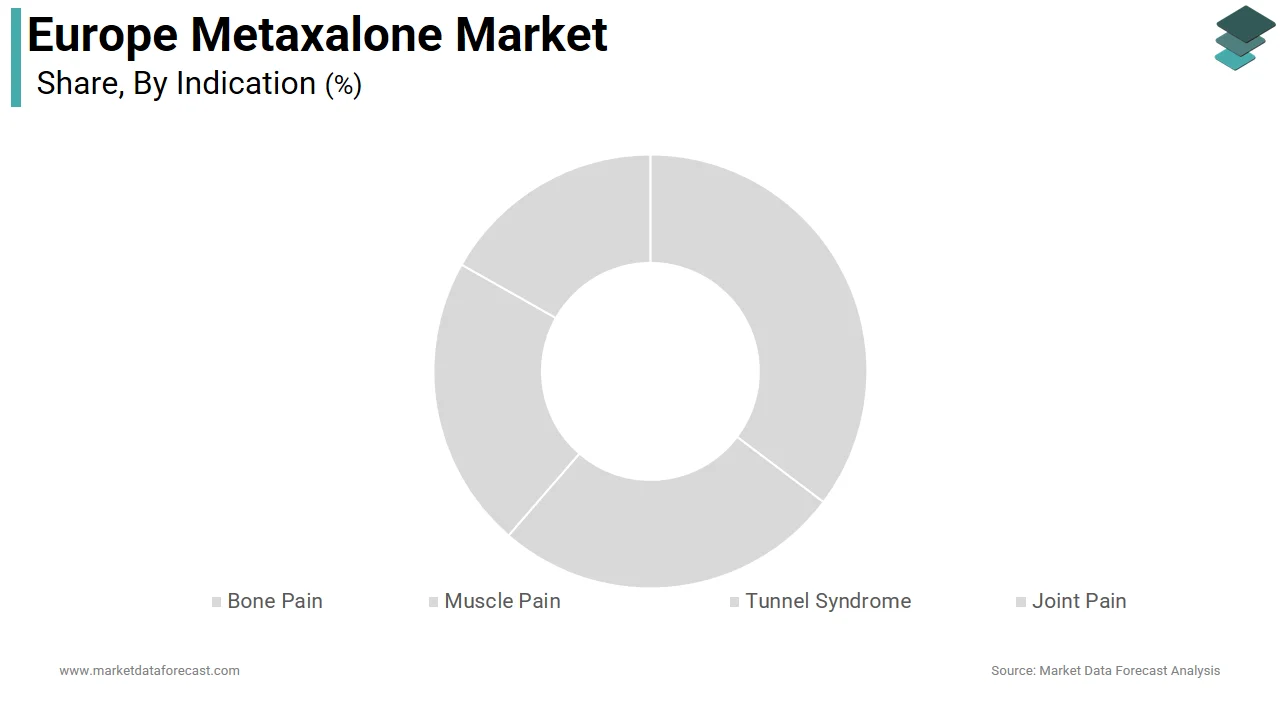
- Based on indication, the muscle pain segment was the largest in 2025, occupying 65.1% market share, driven by widespread use of metaxalone in treating acute muscle spasms and musculoskeletal discomfort.
- Based on end user, the hospitals segment led the market by capturing 55.8% share in 2025, supported by higher patient inflow, orthopedic procedures, and structured pain management protocols.
Regional Insights
The Europe metaxalone market is witnessing steady growth across major economies, supported by strong healthcare infrastructure, rising orthopedic cases, and structured pharmaceutical distribution systems.
- Germany dominated the regional market in 2025 with 28.6% share, driven by high healthcare spending, advanced hospital systems, and strong pharmaceutical manufacturing capabilities.
- France ranked second with 22.7% share in 2025, supported by well-established healthcare services and increasing demand for musculoskeletal pain therapies.
- The United Kingdom holds a significant position, influenced by its dual public and private healthcare system that shapes prescribing patterns and access to muscle relaxant therapies.
Competitive Landscape
The Europe metaxalone market is characterized by the presence of pharmaceutical manufacturers and active pharmaceutical ingredient (API) suppliers competing on product quality, regulatory compliance, and distribution strength. Market players are focusing on expanding generic portfolios, strengthening supply chains, and maintaining regulatory approvals to enhance market positioning. Strategic collaborations and distribution partnerships are shaping competitive dynamics across the region.
Prominent companies operating in the Europe metaxalone market include Biosynth, Chunghwa Chemical Synthesis and Biotech, Mylan N.V., Sigma Aldrich, CDI Technology, Teva Pharmaceutical Industries, Angelini, Pfizer, Sandoz Group, Aurum Pharmatech, Finetech Industry Limited, Biochem, and Oxchem Corporation.
Europe Metaxalone Market Size
The Europe metaxalone market was valued at USD 1,647.09 million in 2025, is estimated to reach USD 1,735.70 million in 2026, and is projected to reach USD 2,640 million by 2034, growing at a CAGR of 5.38% from 2026 to 2034.
Metaxalone is a muscle relaxant used to treat discomfort associated with acute, painful musculoskeletal conditions, such as muscle spasms, strains, or sprains. This pharmaceutical sector is defined by its reliance on prescription protocols where metaxalone serves as an adjunct to rest and physical therapy rather than a standalone cure. The drug functions centrally within the nervous system to depress polysynaptic reflexes, offering relief without directly relaxing skeletal muscle fibers. Metaxalone, a muscle relaxant with widespread use in the US, is not approved via the European Medicines Agency (EMA) centralized procedure. It is generally not listed on national reimbursement lists, and its availability is limited to specialized, private, or off-label use in a few selected European countries. The clinical scenario in Europe is heavily influenced by the prevalence of work-related back injuries, which the European Agency for Safety and Health at Work identifies as the most common work-related health problem affecting millions of employees annually. As per data from the Global Burden of Disease Study, low back pain remains the leading cause of disability across the continent. This creates a high demand for effective pharmacological interventions. However, European treatment guidelines typically prioritize NSAIDs and other skeletal muscle relaxants over metaxalone, which is not a common therapeutic option in most European markets. The market definition extends beyond mere sales to include the complex interplay between general practitioners, orthopedic specialists, and physiotherapists who determine treatment pathways. Unlike over-the-counter analgesics, metaxalone occupies a niche requiring professional diagnosis, ensuring its usage aligns with strict medical guidelines aimed at preventing misuse while addressing the substantial burden of musculoskeletal disorders in the aging European population.
MARKET DRIVERS
Escalating Prevalence of Musculoskeletal Disorders Among Aging Populations
The escalating prevalence of musculoskeletal disorders among aging populations serves as a key force behind the sustained demand for metaxalone and the overall growth of the Europe metaxalone market. Consequently, this has driven consistent utilization across European healthcare systems. As life expectancy increases throughout the continent, the demographic shift toward an older society correlates directly with higher incidences of degenerative spine conditions and chronic back pain. These conditions require pharmacological management. As per Eurostat, the proportion of individuals aged sixty-five and older in the European Union is projected to reach nearly thirty percent by 2050, creating a vast patient pool susceptible to acute musculoskeletal episodes. This demographic reality forces healthcare providers to seek effective muscle relaxants that offer a favorable safety profile for elderly patients who often present with comorbidities. Metaxalone is frequently preferred in these scenarios due to its lower incidence of sedation compared to older generation alternatives, making it suitable for patients who need to maintain daily functionality. Musculoskeletal conditions represent the most significant driver of physical functional limitations and long-term disability on a global scale. In the European region, these conditions place an immense strain on healthcare systems and social services due to the high prevalence of chronic pain and mobility issues among the citizenry. Consequently, national health strategies increasingly prioritize pain management protocols that include muscle relaxants as a core component of conservative care. This demographic pressure ensures a steady stream of new prescriptions, particularly in countries with robust geriatric care frameworks, driving volume growth independent of aggressive marketing efforts.
Integration into Multimodal Pain Management Protocols
The integration of metaxalone into multimodal pain management protocols is a significant driver in the region’s medical community and the Europe metaxalone market. This integration is actively shaping prescribing patterns and market uptake. Modern clinical guidelines increasingly advocate for a holistic approach to treating acute back pain that combines pharmacotherapy with physical rehabilitation to minimize reliance on opioids and reduce the risk of addiction. European rehabilitation standards are increasingly integrating short-term pharmacological aids to overcome the initial physical barriers to movement. This approach focuses on reducing muscle tension quickly so that active, exercise-based recovery can begin without delay, thereby preventing the long-term stiffness associated with immobilization. Metaxalone fits seamlessly into this paradigm due to its mechanism of action, which targets central nervous system pathways without causing profound muscle weakness that could hinder rehabilitation exercises. In major healthcare systems like France and Germany, there is a clear evolution toward prescribing multiple therapeutic agents that work through different biological mechanisms. This trend signifies a shift from treating individual symptoms in isolation to a more comprehensive management strategy that targets both the neurological and inflammatory pathways of musculoskeletal distress simultaneously. This strategic alignment with evidence-based medicine enhances the credibility of metaxalone among specialists who are cautious about prescribing controlled substances. Furthermore, the rising awareness of the opioid crisis has prompted regulators and clinicians to seek safer alternatives for managing acute pain, positioning non opioid muscle relaxants as a critical first-line defense. This clinical endorsement drives consistent utilization in hospital outpatient departments and primary care settings alike.
MARKET RESTRAINTS
Stringent Regulatory Hurdles and Variable Reimbursement Policies
Stringent regulatory hurdles and variable reimbursement policies act as a formidable restraint on the widespread adoption and commercial viability of the Europe metaxalone market. The pharmaceutical market in Europe is characterized by a fragmented regulatory environment where each member state maintains its own authority for drug approval and pricing, leading to inconsistent market access for specific molecules like metaxalone. As per the European Federation of Pharmaceutical Industries and Associations, the time required for health technology assessment and subsequent pricing negotiations can delay market entry by several years in key territories, limiting the window for revenue generation. In several nations, metaxalone faces exclusion from public reimbursement lists due to cost-effectiveness analyses that favor cheaper generic alternatives or non-pharmacological interventions as first-line treatments. This lack of financial support forces patients to bear the full cost of therapy, which significantly dampens demand in price-sensitive demographics. The European Commission has noted that disparities in patient access to medicines remain a critical challenge, with availability often dictated by national budget constraints rather than clinical need. Additionally, rigorous post-marketing surveillance requirements impose heavy administrative burdens on manufacturers, increasing operational costs and discouraging investment in smaller market segments. These regulatory complexities create a barrier to uniform distribution, forcing companies to navigate a patchwork of rules that stifles growth potential and limits the drug's penetration in regions where it could provide significant therapeutic benefit.
Availability of Alternative Therapies and Generic Substitution Pressure
The availability of alternative therapies and intense pressure from generic substitution significantly curtail the market potential for branded metaxalone formulations and the Europe metaxalone market. This impact is particularly evident within the European healthcare ecosystem. The expiration of patents for various skeletal muscle relaxants has flooded the market with low-cost generic versions of competing drugs such as cyclobenzaprine and baclofen, which physicians often prescribe due to their established efficacy and minimal out-of-pocket expense for patients. As per the European Generic and Biosimilar Medicines Association, generic medicines account for a substantial volume of all prescriptions issued in the EU, driven by national policies mandating the substitution of branded drugs with cheaper equivalents whenever possible. This economic imperative forces prescribers to consider cost as a primary factor, often bypassing metaxalone in favor of more affordable options that are perceived as therapeutically equivalent for acute muscle spasms. Furthermore, the rise of non-pharmacological interventions, including advanced physiotherapy techniques, chiropractic care, and cognitive behavioral therapy for pain management, offers patients effective alternatives that do not carry the risk of drug side effects. There is a growing emphasis among health insurers and public health bodies on physical and digital rehabilitative interventions as a first-line defense against chronic disability. This shift is motivated by the understanding that early non-drug management can prevent the progression of conditions into more complex, high-cost medical requirements later in a patient's life. The combination of cheap generic competitors and the strategic shift toward non-invasive treatments creates a highly competitive environment where metaxalone struggles to maintain market share unless it can demonstrate distinct clinical advantages that justify higher costs, a difficult task in a cost-constrained environment.
MARKET OPPORTUNITIES
Expansion of Telemedicine and Digital Prescription Platforms
The expansion of telemedicine and digital prescription platforms offers a transformative opportunity to enhance patient access and is expected to boost the growth of the Europe metaxalone market. These technologies streamline the delivery of metaxalone across remote and underserved regions of Europe. The rapid digitization of healthcare services following recent global health crises has normalized virtual consultations, allowing patients suffering from acute musculoskeletal pain to obtain prescriptions without the need for physical clinic visits. Healthcare delivery in the European Region has shifted from temporary emergency digital measures to long-term, structurally embedded telehealth services. National health systems are increasingly using these remote platforms as a primary tool to manage chronic conditions and reach populations in underserved or remote geographic areas. This shift enables general practitioners to assess patients with back pain remotely and issue electronic prescriptions for muscle relaxants like metaxalone that can be fulfilled by local pharmacies or delivered directly to homes. The convenience of this model appeals to working professionals who cannot afford time off for medical appointments, thereby capturing a demographic that might otherwise delay treatment. Furthermore, digital platforms facilitate better adherence monitoring through automated reminders and follow-up consultations, ensuring patients complete their prescribed courses safely. There is a significant movement toward a unified European digital health infrastructure that allows medical data and prescriptions to follow the patient across national borders. This trend is moving the EU away from fragmented national systems toward a more integrated market where a patient’s medical authorization is digitally recognized and fulfillable in multiple countries. Digital channels allow pharma companies to bypass traditional boundaries and engage directly with consumers, promoting the advantages of timely muscle spasm intervention.
Development of Fixed Dose Combination Formulations
The development of fixed-dose combination formulations containing metaxalone alongside analgesics or anti-inflammatory agents offers a lucrative opportunity to differentiate products and is likely to promote the expansion of the Europe metaxalone market. These formulations also aim to enhance therapeutic outcomes in the European market. Clinicians often prescribe multiple medications to manage the complex symptoms of acute back pain, leading to issues with patient compliance and increased pill burden that can be addressed through single tablet solutions. As per the European Medicines Agency, combination products undergo rigorous evaluation but offer significant clinical advantages by targeting different pain pathways simultaneously, potentially providing faster and more comprehensive relief than monotherapy. Pharmaceutical innovators can capitalize on this by formulating metaxalone with non-steroidal anti-inflammatory drugs or acetaminophen to create proprietary blends that offer superior efficacy profiles. This approach not only improves patient adherence by simplifying dosing regimens but also creates a unique market position that is less susceptible to direct generic competition compared to standalone molecules. Research from academic institutions suggests that synergistic effects in combination therapy can reduce the required dosage of individual components, thereby minimizing side effects while maintaining pain control. Such innovations align with the industry trend toward personalized medicine and value-based care, appealing to payers who seek treatments that reduce overall recovery times and healthcare utilization. Successfully launching these advanced formulations could revitalize interest in metaxalone and open new revenue streams in a crowded therapeutic class.
MARKET CHALLENGES
Risk of Central Nervous System Side Effects and Safety Concerns
The risk of central nervous system side effects and associated safety concerns poses a persistent challenge to the broader acceptance and long term usage of metaxalone, and the overall Europe metaxalone market. Consequently, these factors limit its adoption within the European patient population. Metaxalone is generally considered to have a favorable safety profile compared to some alternatives. However, it can still induce dizziness, drowsiness, and headache, which raises apprehension among physicians treating elderly patients or those operating heavy machinery. As per the European Agency for Safety and Health at Work, a significant portion of the European workforce is employed in industries requiring high levels of alertness, making the prescription of any sedating medication a complex decision involving occupational health considerations. Adverse event reporting systems across the continent continuously monitor the safety signals of muscle relaxants, and any uptick in reported incidents can lead to updated warnings or restricted indications that dampen prescribing confidence. The fear of falls and fractures in the geriatric demographic is particularly acute, with the World Health Organization noting that falls are a leading cause of injury-related death among older adults in Europe. Consequently, clinicians may opt for non-pharmacological interventions or drugs with even lower sedation profiles to mitigate liability and ensure patient safety. This cautious approach limits the potential market size, as a segment of patients who could benefit from the drug is deemed unsuitable due to their lifestyle or comorbidities. Managing these safety perceptions requires ongoing pharmacovigilance and education efforts to balance therapeutic benefits against potential risks.
Economic Pressures and Cost Containment Measures in Healthcare Systems
Economic pressures and stringent cost containment measures implemented by European healthcare systems are a formidable challenge to the Europe metaxalone market. These factors hinder the pricing power and market expansion of metaxalone. Governments across the continent are grappling with rising healthcare expenditures and aging populations, prompting the implementation of aggressive budget caps and reference pricing schemes that limit reimbursement for non-essential or higher-cost medications. As per the Organisation for Economic Co-operation and Development, public spending on pharmaceuticals is under intense scrutiny, with authorities frequently mandating price cuts or demanding rebates from manufacturers to keep drugs on formularies. In this environment, metaxalone faces the constant threat of being delisted or relegated to second-line therapy status if cheaper alternatives are available, regardless of nuanced clinical differences. The trend toward value-based purchasing means that manufacturers must provide robust health economic data demonstrating superior outcomes to justify any price premium, a resource-intensive requirement that can strain smaller companies. Additionally, the push for biosimilars and generics in other therapeutic areas sets a precedent for expecting lower costs across the board, creating a deflationary pressure on drug prices. Data from national health insurance funds indicate a growing reluctance to cover newer or branded formulations without clear evidence of cost savings elsewhere in the care pathway. These fiscal constraints force companies to operate on thinner margins and limit their ability to invest in marketing or further research, stalling market growth.
REPORT COVERAGE
| REPORT METRIC | DETAILS |
| Market Size Available | 2025 to 2034 |
| Base Year | 2025 |
| Forecast Period | 2026 to 2034 |
| Segments Covered | By Indication, End User, and Country. |
| Various Analyses Covered | Global, Regional, and Country-Level Analysis, Segment-Level Analysis, Drivers, Restraints, Opportunities, Challenges; PESTLE Analysis; Porter’s Five Forces Analysis, Competitive Landscape, Analyst Overview of Investment Opportunities |
| Countries Covered | UK, France, Spain, Germany, Italy, Russia, Sweden, Denmark, Switzerland, Netherlands, Turkey, Czech Republic, and the Rest of Europe. |
| Market Leaders Profiled | Biosynth, Chunghwa Chemical Synthesis and Biotech, Mylan N.V., Sigma Aldrich, CDI Technology, Teva Pharmaceutical Industries, Angelini, Pfizer, Sandoz Group, Aurum Pharmatech, Finetech Industry Limited, Biochem, and Oxchem Corporation. |
SEGMENTAL ANALYSIS
By Indication Insights
The muscle pain segment was the largest segment in the Europe metaxalone market and occupied a 65.1% share in 2025. The supremacy of the segment is attributed to the specific pharmacological indication of metaxalone as a skeletal muscle relaxant designed to treat acute painful musculoskeletal conditions rather than chronic inflammatory or neuropathic pain. An additional driver is the high incidence of work-related musculoskeletal disorders across the European workforce, which creates a consistent demand for short-term relief agents that facilitate physical therapy and rest. As per the European Agency for Safety and Health at Work, musculoskeletal disorders affect millions of workers annually, with back and neck pain representing the most frequent complaints leading to sick leave and medical intervention. This epidemiological reality ensures that general practitioners and occupational health specialists prioritize muscle relaxants like metaxalone in their treatment algorithms for acute strain and spasm. Furthermore, clinical guidelines in major European nations recommend skeletal muscle relaxants as a first-line adjunctive therapy for acute low back pain, reinforcing the segment's volume. The vast majority of clinical applications for this specific muscle relaxant are focused on treating sudden-onset muscle contractions and acute localized pain. The drug's mechanism of action, which depresses polysynaptic reflexes in the spinal cord without directly affecting muscle contractility, makes it uniquely suited for this indication compared to non-steroidal anti-inflammatory drugs that target inflammation. This precise alignment between drug mechanism and the prevalent condition of acute muscle pain secures the segment's leading position.
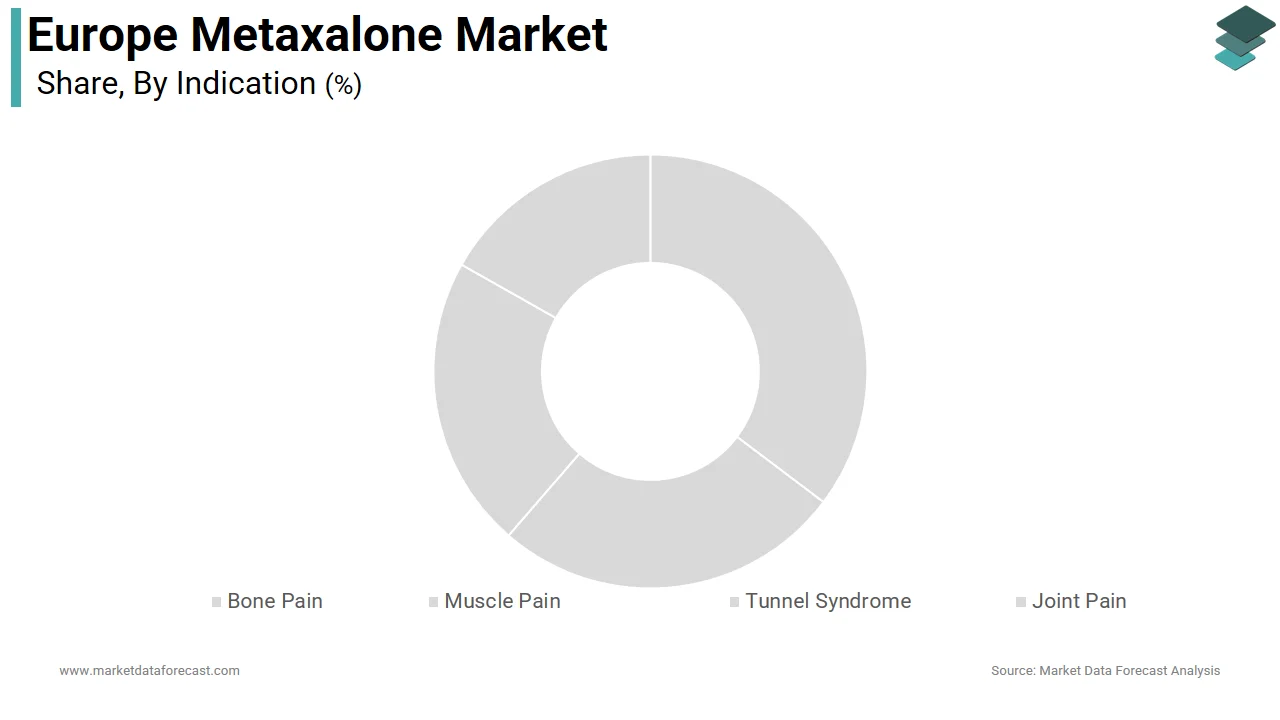
The bone pain segment is anticipated to witness the fastest CAGR of 7.4% from 2026 to 2034 due to an aging population and increasing recognition of metastatic bone pain management needs. Metaxalone is primarily used as a muscle relaxant. However, its utility in managing secondary muscle spasms associated with severe bone pathologies, such as osteoporosis fractures and bone metastases, is gaining traction among oncologists and geriatricians. The primary driver is the rising prevalence of osteoporosis and related fractures in Europe, which often trigger intense protective muscle spasms that exacerbate patient suffering and hinder mobility. Clinicians are increasingly adopting multimodal analgesic regimens where metaxalone is added to opioid or bisphosphonate therapies to alleviate the muscular component of bone pain, improving overall patient comfort and functional status. This holistic approach is supported by data from palliative care studies showing that combination therapy reduces total opioid consumption, thereby minimizing side effects like constipation and sedation. Additionally, the growing awareness of the quality of life benefits in cancer care has prompted oncology societies to recommend adjunctive muscle relaxants for patients with bone metastases. The expansion of specialized pain clinics focusing on complex bone disorders further accelerates the adoption of metaxalone in this niche but rapidly expanding indication.
By End User Insights
The hospitals segment led the Europe metaxalone market and captured a 55.8% share in 2025. The leading position of the segment is credited to its role as the primary point of care for acute musculoskeletal emergencies and post-surgical recovery. A further driving factor is the concentration of severe trauma cases, including sports injuries, workplace accidents, and post-operative orthopedic procedures, within hospital emergency departments and inpatient wards where immediate pharmacological intervention is required. Hospital emergency departments across Europe frequently manage a high volume of acute, non-traumatic musculoskeletal conditions, where they serve as a primary access point for treatment. Hospitals leverage their formulary systems to standardize treatment protocols, often selecting metaxalone as a preferred agent due to its favorable safety profile compared to benzodiazepines for inpatient use. The ability of hospitals to administer medication under direct supervision ensures adherence and allows for rapid titration based on patient response, a capability lacking in outpatient settings. Furthermore, the integration of pharmacy and therapeutics committees within hospital structures facilitates the bulk procurement of metaxalone, driving significant volume sales. Acute pain management in European orthopedic units heavily emphasizes multimodal analgesia to manage pain, with skeletal muscle relaxants sometimes used as an adjunct to primary treatments. The trust placed in hospital prescribers by patients also ensures that discharge prescriptions often mirror inpatient treatments, extending the hospital's influence into the outpatient sphere and solidifying its market dominance.
The clinics segment is likely to experience the fastest CAGR of 8.2% between 2026 and 2034, owing to the strategic shift in European healthcare systems toward decentralizing care and managing chronic and subacute conditions in outpatient settings to reduce hospital overcrowding and costs. In addition, this area is supported by the increasing volume of patients seeking specialized care for recurring musculoskeletal issues in dedicated orthopedic and sports medicine clinics where personalized treatment plans are developed. There is a growing effort to improve early pain management and strengthen the integration between primary care and specialist pain clinics for chronic musculoskeletal conditions across Europe. These clinics offer a conducive environment for longitudinal management, allowing physicians to monitor patient progress and adjust dosages over time, which fosters higher adherence and repeat prescriptions. The rise of private healthcare insurance in countries like Germany and France has also empowered patients to access premium clinic services where newer or branded formulations are more readily prescribed. Additionally, the integration of physical therapy services within clinic settings creates a synergistic effect, as therapists often collaborate with physicians to prescribe muscle relaxants that facilitate more effective manual therapy sessions. Musculoskeletal disorder visits are rising as part of a long-term trend, frequently accompanied by an increase in therapeutic interventions, including medication, in outpatient settings. The convenience and specialized focus of clinics make them an increasingly preferred channel for both patients and providers.
COUNTRY-LEVEL ANALYSIS
Germany Metaxalone Market Analysis
Germany dominated the Europe metaxalone market and accounted for a 28.6% share in 2025. The dominance of the German market is driven by its robust healthcare infrastructure and high prevalence of musculoskeletal disorders. The country functions as a central hub for pharmaceutical consumption, characterized by a dense network of orthopedic specialists and a culture that prioritizes active treatment for back pain. The driving force behind this dominance is the statutory health insurance system which provides comprehensive coverage for prescription medications, ensuring high patient access to therapies like metaxalone without significant financial barriers. The burden of musculoskeletal diseases on the German workforce remains high, but it is increasingly matched or exceeded by mental health-related absences. The presence of major pharmaceutical manufacturers and distributors within the country further streamlines supply chains and promotes physician education on optimal pain management strategies. German clinical guidelines strongly endorse the use of muscle relaxants for acute low back pain, reinforcing prescribing habits among general practitioners. The prescription rate for skeletal muscle relaxants in Germany is substantial, reflecting their continued, widespread, and long-standing use as a pharmacological treatment option in the management of pain and spasm-related conditions within the healthcare system. The country's aging demographic also contributes significantly, as older adults are more prone to degenerative spine conditions requiring pharmacological intervention. This combination of regulatory support, cultural acceptance of medical treatment, and economic capacity ensures Germany remains the largest and most influential market for metaxalone in the region.
France Metaxalone Market Analysis
France was the second largest country in the European metaxalone market and occupied a share of 22.7% in 2025. The growth of the French market is propelled by its high consultation rates and extensive network of private medical practices. The market status reveals a strong tradition of seeking medical advice for pain management, with French patients frequently visiting general practitioners and specialists for acute musculoskeletal complaints. Among these, a key driving factor is the reimbursement model managed by the national health insurance fund, which covers a significant portion of prescription costs, encouraging the use of branded and generic muscle relaxants. Current clinical guidelines in France emphasize early movement and non-pharmacological management for acute back pain, with restricted, short-term medication use, focusing primarily on pain relievers rather than specific muscle relaxants. The density of physicians in France is among the highest in Europe, facilitating easy access to prescriptions for patients suffering from work-related strains or sports injuries. Cultural attitudes toward pain management in France favor pharmacological solutions alongside physical therapy, creating a fertile environment for drug uptake. Prescription data indicate that pain relievers are heavily prescribed, but muscle relaxants are generally not among the highest-volume drug classes used in the country. Furthermore, the presence of a well-organized pharmacy network ensures widespread availability of medications even in rural areas. The French market is also characterized by a high level of awareness regarding occupational health, driving corporate policies that support timely medical intervention for employees, thereby sustaining steady demand for metaxalone across various sectors.
United Kingdom Metaxalone Market Analysis
The United Kingdom is a major player in the Europe metaxalone market due to a dual system of public and private healthcare that influences prescribing patterns for metaxalone. The market is also led by the National Health Service, which acts as the primary provider, enforcing strict clinical guidelines that emphasize cost-effectiveness and evidence-based practice in pain management. A major factor that aids this market is the high burden of musculoskeletal conditions within the UK population, which accounts for a significant proportion of general practitioner consultations and referrals to secondary care. Musculoskeletal pain remains a primary reason for work absence, and while muscle relaxants are sometimes used for short-term symptomatic relief, they are generally considered a secondary treatment option in clinical practice. NICE guidelines often recommend non-pharmacological interventions first. However, there is recognized utility for muscle relaxants in severe cases, driving targeted prescription volumes. The private healthcare sector in the UK also contributes substantially, offering faster access to specialists and a broader range of therapeutic options, including metaxalone for patients willing to pay out of pocket or through insurance. NHS-prescribed treatments for musculoskeletal pain often feature non-steroidal anti-inflammatory drugs, while muscle relaxants are used as a smaller component for short-term, acute symptom management. The growing emphasis on reducing opioid prescribing has indirectly boosted the profile of non opioid alternatives like metaxalone, positioning it as a safer option for acute pain management within the constrained resources of the public system.
Italy Metaxalone Market Analysis
Italy expanded steadily in the Europe metaxalone market owing to its rapidly aging population and high incidence of degenerative musculoskeletal conditions. The market status is influenced by the regional variation in healthcare delivery, yet the overall demand for pain management solutions remains consistently high across the peninsula. The driving factor is the demographic shift toward an older society, where conditions such as osteoarthritis and spinal stenosis frequently coexist with acute muscle spasms, necessitating comprehensive pharmacological management. Italy's population is experiencing a sustained increase in the median age, leading to a higher prevalence of age-related fragility, falls, and chronic musculoskeletal pain among the elderly. The Italian healthcare system provides universal coverage, ensuring that essential medications like metaxalone are accessible to the elderly population, who are the primary consumers. Clinical practices in Italy often favor a multimodal approach to pain, combining muscle relaxants with analgesics to improve quality of life for chronic sufferers. Prescriptions for pain-related treatments are consistently high, driven by the need to manage chronic musculoskeletal pain in an aging population. Additionally, the strong presence of rheumatology and orthopedic clinics in major cities like Rome and Milan supports the diagnosis and treatment of complex cases, further driving drug utilization. The cultural importance of maintaining mobility and independence in old age also motivates families to seek effective treatments, sustaining market growth.
Spain Metaxalone Market Analysis
Spain is predicted to grow in the Europe metaxalone market during the forecast period due to a unique blend of domestic healthcare needs and influences from its active lifestyle and tourism sectors. This market shows a public health system that prioritizes primary care accessibility, allowing for early intervention in musculoskeletal disorders before they become chronic. A further driving factor is the high prevalence of work-related injuries in key industries such as construction and agriculture, alongside sports injuries fueled by a culture of physical activity and outdoor living. The tourism industry also plays a subtle role, as the influx of visitors engaging in recreational activities leads to a steady stream of acute injury cases treated in local clinics and hospitals, adding to prescription volumes. Spanish clinical guidelines align with European standards, recommending short-term use of muscle relaxants for acute back pain, which validates the prescription of metaxalone. The expansion of private insurance coverage in recent years has further enhanced access to specialized care and medications, broadening the patient base beyond the public system and fostering a dynamic market environment for metaxalone.
COMPETITIVE LANDSCAPE
The competition in the Europe metaxalone market is characterized by intense rivalry among established generic pharmaceutical giants and emerging regional manufacturers striving for dominance in a cost-constrained environment. The landscape is highly fragmented with numerous players offering therapeutically equivalent products, which drives prices down and compresses profit margins for all participants. Large multinational corporations leverage their economies of scale and extensive distribution networks to outcompete smaller firms, while niche players focus on specific national markets or specialized formulations to survive. The threat of new entrants remains moderate due to stringent regulatory requirements and the need for significant capital investment in manufacturing compliance. Competitive dynamics are further influenced by the purchasing power of centralized government health agencies that dictate pricing through tender processes, forcing companies to operate on thin margins. Innovation in this sector is limited to process improvements and packaging enhancements rather than new molecular entities since metaxalone is an off-patent drug. Brand loyalty is minimal as prescribers often switch between generic suppliers based on availability and price, leading to volatile market shares. The rise of biosimilars and alternative pain management therapies adds another layer of pressure requiring companies to constantly demonstrate value. Overall, the market demands operational excellence and strategic agility to navigate the complex regulatory and economic landscape successfully.
KEY MARKET PLAYERS
The leading companies operating in the Europe metaxalone market include:
- Biosynth
- Chunghwa Chemical Synthesis and Biotech
- Mylan N.V.
- Sigma Aldrich
- CDI Technology
- Teva Pharmaceutical Industries
- Angelini
- Pfizer
- Sandoz Group
- Aurum Pharmatech
- Finetech Industry Limited
- Biochem
- Oxchem Corporation
TOP PLAYERS IN THE MARKET
- Mylan N.V. operates as a global pharmaceutical leader with a substantial footprint in the European metaxalone market through its extensive portfolio of generic skeletal muscle relaxants. The company contributes significantly to the global supply chain by manufacturing high-quality affordable versions of metaxalone that ensure widespread patient access across diverse healthcare systems. Recent actions to strengthen their market position include expanding production capacity at their European facilities to mitigate supply chain disruptions and ensure consistent availability for hospitals and pharmacies. Mylan has also engaged in strategic partnerships with local distributors to enhance last-mile delivery efficiency in remote regions. The firm actively invests in regulatory compliance initiatives to maintain approvals across varying national frameworks within the European Union. Mylan focuses on cost-effective manufacturing processes. These processes allow Mylan to deliver competitive pricing. This pricing appeals to cost-conscious payers and government health programs. Their commitment to quality assurance and robust pharmacovigilance systems reinforces trust among prescribers who rely on their products for acute pain management protocols throughout the continent.
- Teva Pharmaceutical Industries stands as a dominant force in the Europe metaxalone market, leveraging its status as the world's largest generic medicine producer to drive volume and accessibility. The company plays a critical role in the global market by supplying active pharmaceutical ingredients and finished dosage forms to numerous countries, ensuring treatment continuity for patients suffering from musculoskeletal disorders. Recent actions to strengthen their market position involve the launch of new packaging formats designed to improve patient adherence and reduce medication errors in hospital settings. Teva has also upgraded its logistics networks to accelerate distribution speeds across major European hubs, including Germany and France. The firm prioritizes sustainability by implementing green manufacturing technologies that reduce environmental impact while maintaining product integrity. Teva collaborates closely with healthcare providers to offer educational resources on safe muscle relaxant usage, which fosters stronger professional relationships. Their aggressive expansion into emerging therapeutic areas alongside their core generic offerings ensures they remain a preferred supplier for national health services seeking reliable and economical treatment options.
- Sandoz Group AG functions as a key player in the Europe metaxalone market, specializing in the development and distribution of generic and biosimilar medicines that address unmet medical needs. Their contribution to the global market is defined by a strong emphasis on innovation in generic drug delivery systems that enhance therapeutic efficacy and patient comfort. Recent actions to strengthen their market position include the acquisition of specialized manufacturing assets to secure raw material supplies and reduce dependency on external vendors. Sandoz has introduced digital health tools that support physicians in prescribing decisions and monitor patient outcomes related to muscle relaxant therapy. The company actively participates in tender processes across European nations to secure large volume contracts with public health institutions. Sandoz also focuses on expanding its portfolio of central nervous system medications to create synergistic treatment bundles for pain management. Their dedication to rigorous quality standards and rapid market entry strategies for off-patent drugs allows them to capture significant prescription volumes quickly. This approach ensures that Sandoz remains a vital partner for healthcare systems aiming to balance cost containment with high-quality patient care.
TOP STRATEGIES USED BY KEY MARKET PARTICIPANTS
Key players in the Europe metaxalone market primarily employ aggressive generic launch strategies to capture market share immediately following patent expirations of branded formulations. Companies invest heavily in securing regulatory approvals across multiple European jurisdictions simultaneously to maximize early mover advantages. Another major strategy involves vertical integration, where manufacturers acquire raw material suppliers to control costs and ensure supply chain stability against global disruptions. Market participants frequently engage in strategic partnerships with local distributors and pharmacy chains to enhance product visibility and availability in both urban and rural areas. Product differentiation through improved packaging designs that offer better child safety or ease of use serves as a crucial tactic to gain preference among prescribers and patients. Firms also focus on pharmacovigilance and real-world evidence generation to demonstrate safety profiles that appeal to cautious regulators and clinicians. Pricing strategies often involve competitive bidding for government tenders to secure bulk supply contracts with national health services. Additionally, companies are increasingly adopting digital marketing approaches to educate healthcare professionals about optimal dosing and combination therapies. These combined efforts.
MARKET SEGMENTATION
This research report on the European metaxalone market has been segmented and sub-segmented into the following categories.
By Indication
- Bone Pain
- Muscle Pain
- Tunnel Syndrome
- Joint Pain
- Others
By End User
- Hospitals
- Clinics
- Others
By Country
- UK
- France
- Spain
- Germany
- Italy
- Russia
- Sweden
- Denmark
- Switzerland
- Netherlands
- Turkey
- Czech Republic
- Rest of Europe