- Product Description Description
- Table of Contents TOC
- List of Table & Figure LOT
- Get Free Sample PDF Sample PDF
Market Size, 2025
$4.19 BnMarket Estimate, 2026
$4.70 BnMarket Forecast, 2034
$11.73 BnCAGR, 2026–2034
12.11%Executive Summary: Europe Microencapsulation Market
- Market Scope: Comprehensive Europe microencapsulation market analysis covering application verticals, encapsulation technologies, core material types, country-level leadership frameworks, and controlled-release regulatory standards (EU Farm to Fork Strategy).
- Market Valuation: Valued at USD 4.19 billion (2025), estimated at USD 4.70 billion (2026), and projected to reach USD 11.73 billion by 2034, registering a strong CAGR of 12.11% (2026–2034).
- Primary Growth Drivers: Increasing demand for controlled-release technologies across pharmaceuticals, food, agriculture, cosmetics, and advanced materials. Key catalysts include EU regulations promoting encapsulated food ingredients, precision agrochemicals, and targeted drug delivery systems.
Key Market Segment Metrics (2026–2034)
| Category | Leading Segment (Base Year Position) | Fastest-Growing Segment |
|---|---|---|
| By Application / End-Use | Pharmaceutical and Healthcare Products Segment (held the largest share in 2025) | Textile Application Segment (projected to register the highest CAGR of 14.8%) |
| By Technology | Spray Technologies Segment (led the market in 2025 due to scalability and cost efficiency) | Emulsion-Based Microencapsulation Segment (expected to grow at the fastest CAGR of 16.2%) |
| By Core Materials | Carbohydrates Segment (dominated the market in 2025) | Synthetic and Semi-Synthetic Polymers (anticipated to witness the highest CAGR of 18.4%) |
| By Country / Region | Germany (led the European market with a 24.8% share in 2025, followed by France at 17.9%) | United Kingdom, Switzerland, and the Netherlands (strengthening regional growth through pharma innovation and agri-food tech) |
Major Market Players & Market Structure
Market Structure: Highly competitive European landscape characterized by competition focused on material innovation, process scalability, regulatory compliance, biodegradability, bioavailability, and clean-label product development.
Key Companies: Capsulae, LycoRed Group, BASF SE, Balchem, AVEKA Group, Reed Pacific Pty Ltd., GAT Microencapsulation GmbH, Ronald T. Dodge Co., Evonik Industries AG, and Bayer AG.
Europe Microencapsulation Market Size
The europe microencapsulation market size was valued at USD 4.19 billion in 2025 and is anticipated to reach USD 4.70 billion in 2026 from USD 11.73 billion by 2034, growing at a CAGR of 12.11% during the forecast period from 2026 to 2034.
Microencapsulation refers to the advanced material engineering techniques that enclose active ingredients, such as vitamins, probiotics, pharmaceuticals, agrochemicals, and phase change materials, within protective polymeric or lipid-based microscale shells. This technology enables controlled release, enhanced stability, masking of odors or tastes, and targeted delivery across food, pharmaceutical, agricultural, and cosmetic applications. In Europe, microencapsulation has evolved beyond functional enhancement to become a critical enabler of regulatory compliance, sustainability, and precision performance. According to multiple sources, a notable majority of new substances intended for food use incorporated a specific delivery method to satisfy established benchmarks related to how the body absorbs them and overall consumption levels. Similarly, the European Medicines Agency recognizes microencapsulation as a key formulation strategy for improving drug solubility and gastrointestinal protection. Materials designed to store and release thermal energy are increasingly becoming part of construction materials and fabrics, helping to decrease the amount of power needed for heating and cooling. These cross sectoral imperatives position microencapsulation not as a niche process but as a foundational innovation pillar in Europe’s quest for smarter, safer, and more sustainable product design.
MARKET DRIVERS
Stringent EU Regulations on Food Additive Safety and Bioavailability
European Union food safety regulations increasingly mandate the use of microencapsulation to control the release and exposure of sensitive or potent ingredients, which drives the growth of the Europe microencapsulation market. This directly drives adoption across the food and nutraceutical industries. The European Food Safety Authority requires that any novel ingredient with high reactivity or instability, such as omega three fatty acids or certain probiotics, undergo encapsulation to ensure consistent dosage and prevent degradation during processing or digestion. The majority of recent approved health claim submissions have incorporated advanced delivery systems to support their efficacy and safety arguments. Furthermore, specific regulations regarding flavorings require that certain unstable compounds be stabilized using processes such as encapsulation to ensure they remain within permissible levels in finished products Manufacturers like Nestlé and Danone now routinely use alginate or starch based microcapsules to protect live cultures in yogurts, with an increase in probiotic survival through gastric transit. This regulatory framework transforms microencapsulation from an optional formulation tool into a compliance necessity.
Rising Demand for Controlled Release Agrochemicals Under the Farm to Fork Strategy
The rising demand for controlled release agrochemicals under the farm to fork strategy also boosts the expansion of the Europe microencapsulation market. Moreover, the European Union’s Farm to Fork Strategy, which aims to reduce chemical pesticide use by two thousand thirty, has accelerated the adoption of microencapsulated agrochemicals that enable precise targeted delivery and minimize environmental leaching. Conventional pesticide applications often result in a significant portion of active ingredients being lost to drift or soil degradation rather than being utilized. A substantial amount of the applied active ingredient is not utilized effectively. Microencapsulation addresses this inefficiency by releasing the active ingredients in response to specific environmental triggers like changes in pH, moisture levels, or microbial activity. The use of microencapsulated formulations has become more prevalent in new pesticide registrations within the European Union. There has been an increase in the proportion of microencapsulated formulations among new pesticide registrations. Companies have launched microcapsule based herbicides that reduce application frequency by half while maintaining efficacy. Trials have indicated a notable decrease in groundwater contamination when comparing the use of microencapsulated formulations with conventional applications. A reduction in environmental impact regarding water quality has been observed with the use of microencapsulated formulations. This alignment with Europe’s sustainable agriculture vision makes microencapsulation a strategic lever for regulatory and ecological compliance.
MARKET RESTRAINTS
High Production Costs and Scalability Limitations of Advanced Encapsulation Techniques
The elevated production expenses and technical issues in scaling complex methods such as electrospraying or supercritical fluid processing are a factor that limits the growth of the Europe microencapsulation market. Spray drying, the most common industrial technique, is cost effective but unsuitable for heat sensitive actives like enzymes or mRNA, which require gentler methods like coacervation or interfacial polymerization that are significantly more expensive. According to research, the average production cost for microencapsulated probiotics using freeze drying is higher than standard blending, limiting use to premium products. In addition, achieving uniform particle size distribution at commercial volumes remains challenging. High manufacturing expenses restrict the application of microencapsulated probiotics primarily to high-end product lines. A minority of microencapsulation facilities maintain the specific particle consistency levels necessary for pharmaceutical applications. These cost and quality barriers deter small and medium food and cosmetic manufacturers from adopting advanced microencapsulation, which restricts its use primarily to large multinationals with dedicated R and D budgets and reinforcing a two-tier innovation landscape across the European market.
Complex Regulatory Approval Pathways for Novel Wall Materials and Nanocarriers
The use of new polymeric or lipid-based wall materials, particularly those at the nanoscale, faces prolonged and uncertain regulatory scrutiny under the European Chemicals Agency and the European Food Safety Authority, which delays commercialization, and negatively impacts the expansion of the Europe microencapsulation market. Substances like chitosan nanoparticles or synthetic polylactic acid microspheres must undergo full safety dossiers under REACH or Novel Food regulations, a process that can take several years and cost substantial amount. The production cost associated with producing microencapsulated probiotics through a freeze-drying method is typically higher compared to standard blending techniques, which generally restricts its application to higher value goods. A substantial portion of the manufacturing lines that use microencapsulation technology within Southern Europe currently do not meet specific particle consistency standards necessary for applications in the pharmaceutical sector. This regulatory opacity discourages investment in next generation carriers, pushing formulators toward legacy materials like gelatin or gum arabic despite their functional limitations. Consequently, innovation is bottlenecked not by science but by procedural complexity.
MARKET OPPORTUNITIES
Integration into Advanced Drug Delivery Systems for Personalized Medicine
The region’s push toward personalized and precision medicine is creating potential opportunities for microencapsulation. This is due to its application in targeted oral and transdermal drug delivery. The European Medicines Agency now encourages the use of microcapsule-based formulations to improve bioavailability of poorly soluble drugs, a category that includes a notable share of new molecular entities. According to research, Innovative delivery methods utilizing specific carriers have shown improved absorption of certain medications in clinical studies. Furthermore, the Horizon Europe funded SmartCapsule project is developing pH responsive microcapsules that release therapeutics only in specific intestinal regions, reducing systemic side effects. In diabetes management, companies like Novo Nordisk are testing microencapsulated insulin analogs that mimic pancreatic beta cell function. As per sources, numerous drug products that incorporate microencapsulation are currently progressing through intermediate or late-stage trials. This convergence of regulatory support clinical need and advanced material science positions pharmaceutical microencapsulation as a frontier of therapeutic innovation.
Expansion in Sustainable Textiles and Functional Apparel
The European Union’s Strategy for Sustainable and Circular Textiles is opening new applications possibilities for microencapsulation in performance and eco-friendly apparel, which is expected to propel the growth of the Europe microencapsulation market. Microcapsules containing phase change materials are being embedded into sportswear and workwear to regulate body temperature, while others release antimicrobials or fragrances on demand. Several European brands now provide clothing incorporating microencapsulated functionalities. This approach aims to lessen reliance on chemical finishes that might leach out during cleaning. When integrated into home textiles, materials utilizing microencapsulation can contribute to a reduction in indoor heating needs. Guidelines updated by a European environmental certification program now consider encapsulation a favored technique for achieving lasting functional properties without using persistent pollutants. Start-ups have commercialized bio based microcapsules that degrade safely in wastewater, aligning with zero discharge goals. This alignment with circular design principles transforms microencapsulation into a tool for both performance and planetary health.
MARKET CHALLENGES
Lack of Standardized Characterization and Quality Control Protocols
The absence of harmonized European standards for measuring microcapsule performance, such as release kinetics shell integrity and payload stability, creates inconsistency in product validation and regulatory acceptance, and this constrains the growth of the Europe microencapsulation market. Unlike bulk chemicals, microcapsules are defined by dynamic properties that vary with storage conditions, matrix interactions, and processing history. The absence of a unified test method for assessing the release profiles of food and cosmetic microcapsules results in the use of proprietary protocols, which limits the ability to compare results across the industry. The European Pharmacopoeia includes guidelines for pharmaceutical microspheres but not for food grade systems, creating a regulatory gap. Variations in gastric simulation parameters lead to significant discrepancies in viability results for probiotic microcapsules during inter-laboratory comparisons. This metrological uncertainty increases development timelines, complicates supply chain qualification, and deters cross border product harmonization. Europe needs to develop standardized guidelines and testing methods for microencapsulation, otherwise, it's just a trial-and-error process, not a robust, reproducible industry, which hinders its growth beyond a craft.
Limited End User Awareness and Technical Expertise in Downstream Industries
Insufficient understanding among formulators in food cosmetics and agriculture regarding material selection, processing compatibility, and cost benefit trade-offs obstructs the expansion of the Europe microencapsulation market. According to multiple sources, a notable majority of small and medium food manufacturers often lack the necessary internal knowledge to assess potential microencapsulation vendors or create their own encapsulation procedures. Many confuse microencapsulation with simple coating or blending leading to failed scale up or performance gaps. Similarly, In the agricultural sector, most cooperative advisors may not be equipped to provide farmers with comprehensive guidance on the different application rates required for microencapsulated compared to conventional pesticides. This knowledge deficit results in conservative formulation choices and underutilization of advanced carriers. Academic programs rarely include applied microencapsulation modules, and industry workshops remain fragmented. Consequently, even when cost effective solutions exist, lack of confidence and know how suppresses demand, particularly in price sensitive sectors where perceived risk outweighs innovation incentive.
REPORT COVERAGE
| REPORT METRIC | DETAILS |
| Market Size Available | 2025 to 2034 |
| Base Year | 2025 |
| Forecast Period | 2026 to 2034 |
| CAGR | 12.11% |
| Segments Covered | By Application, Technology, Materials and Region. |
| Various Analyses Covered | Global, Regional & Country Level Analysis, Segment-Level Analysis, DROC, PESTLE Analysis, Porter’s Five Forces Analysis, Competitive Landscape, Analyst Overview of Investment Opportunities |
| Regions Covered | United Kingdom, France, Spain, Germany, Italy, Russia, Sweden, Denmark, Switzerland, the Netherlands, Turkey, and the Czech Republic. |
| Market Leaders Profiled | Capsulae, LycoRed Group, BASF SE, Balchem, AVEKA Group, Reed Pacific Pty Ltd., GAT Microencapsulation GmbH, Ronald T. Dodge Co., Evonik Industries AG, and Bayer AG |
SEGMENTAL ANALYSIS
By Application Insights
The pharmaceutical and healthcare products segment held the largest share of the Europe microencapsulation market in 2025. The pharmaceutical and healthcare products is attributed to stringent regulatory support for advanced drug delivery and the rising prevalence of chronic diseases requiring precision therapeutics. Microencapsulation enables targeted release, enhanced bioavailability, and protection of sensitive biologics such as peptides and mRNA, critical for next generation treatments. Recent new oral drug approvals have frequently incorporated microencapsulation technology to manage common formulation challenges such as solubility and stability issues. In addition, formulations utilizing microencapsulation are becoming increasingly prevalent in the developmental pipelines for critical disease treatments, including oncology and diabetes therapies. Furthermore, demographic shifts, specifically a growing older population, are increasing the demand for patient-centric drug delivery systems that can simplify dosing schedules and potentially enhance treatment adherence. Some of the companies routinely use microcapsules for sustained release antibiotics and hormone therapies, which reinforces this segment’s dominance through clinical necessity and regulatory alignment.
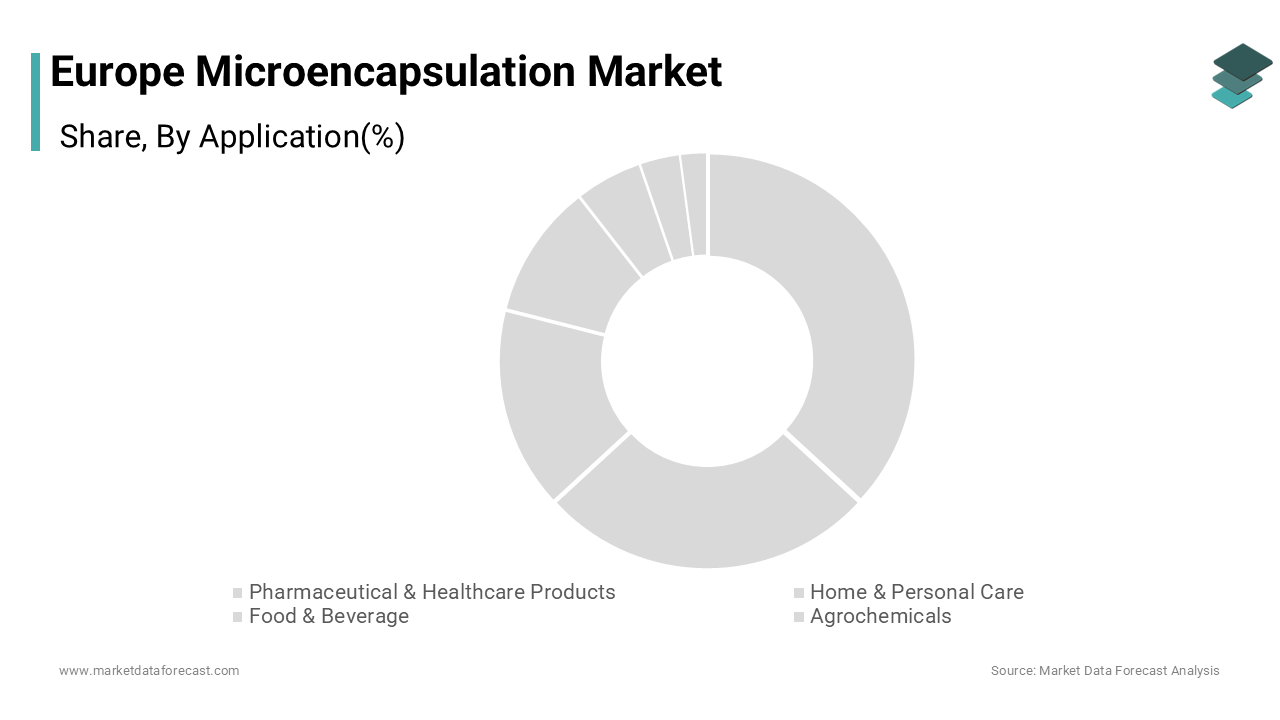
The textile application segment is predicted to witness the highest CAGR of 14.8% from 2026 to 2034 owing to the European Union’s Strategy for Sustainable and Circular Textiles which incentivizes durable functionalization without persistent chemical finishes. Microencapsulation enables on demand release of phase change materials for thermal regulation antimicrobials for odor control and fragrances for sensory appeal, all without continuous leaching during washing. Garments integrated with microencapsulated phase change materials contribute to a reduction in indoor heating energy consumption when worn by individuals. Leading brands including Houdini Sportswear and Vaude now integrate bio-based microcapsules into outdoor apparel certified under the EU Ecolabel. Furthermore, recent environmental standards prioritize encapsulation methods over traditional wet chemical treatments because they demonstrate lower levels of aquatic toxicity. This regulatory and consumer driven shift toward smart sustainable textiles positions microencapsulation as a high growth innovation vector in Europe’s green apparel transition.
By Technology Insights
The spray technologies segment led the Europe microencapsulation market in 2025. The prominence of the spray technologies segment is credited to its scalability cost efficiency and compatibility with food and feed applications. These methods are well established in large scale production of microencapsulated flavors probiotics and omega three oils used by major food manufacturers. Commercial microencapsulation operations frequently favor spray drying because the method supports continuous production and high output levels. The technology is particularly favored for heat stable actives and is widely deployed by companies like DSM and BASF in their European nutrition facilities. Additionally spray drying aligns with European food safety protocols as it operates in closed systems that minimize microbial contamination. Spray-dried microcapsules demonstrate high stability, effectively retaining active ingredients when stored in powdered beverage formats at room temperature. This combination of industrial maturity regulatory acceptance and performance reliability solidifies spray technologies as the backbone of Europe’s microencapsulation infrastructure.
The emulsion-based microencapsulation segment is estimated to register the fastest CAGR of 16.2% during the forecast period due to its suitability for heat sensitive actives such as probiotics enzymes and essential oils that degrade under thermal spray processes. Complex coacervation, a subset of emulsion technology, enables gentle encapsulation using natural polymers like gelatin and gum arabic under ambient conditions preserving biological activity. Emulsion encapsulated lactic acid bacteria demonstrate superior survival rates when exposed to simulated gastric conditions, in contrast to their non-encapsulated counterparts. In the pharmaceutical industry, double emulsion systems are increasingly utilized to encapsulate hydrophilic drugs within biodegradable polymer shells, enabling controlled release mechanisms. Clinical studies are currently underway to investigate the use of emulsion microcapsules for targeted delivery to the colon. Furthermore, the rise of clean label demands favors emulsion methods that avoid synthetic solvents. This alignment with bioactive integrity and green chemistry principles drives rapid adoption across premium food and advanced drug development sectors.
By Materials Insights
The carbohydrates segment dominated the Europe microencapsulation market in 2025. The leading position of the carbohydrates segment is because of its food grade status biodegradability and cost effectiveness. These materials are widely used to encapsulate flavors vitamins and probiotics in dairy beverages and powdered foods across the region. Certain complex carbohydrates are approved for use in a wide variety of food applications to enhance solubility and stability, without a specified daily intake limit. Modified starch microcapsules are a common choice for flavor encapsulation in powdered drink mixes due to their film-forming properties and neutral taste. Besides, carbohydrates align with clean label trends as they are derived from corn potato or tapioca and perceived as natural by consumers. When used in infant formula, encapsulated omega-three oils exhibit increased stability during typical storage and testing periods. This regulatory acceptance consumer familiarity and functional versatility make carbohydrates the material of choice for mass market food and supplement applications.
The synthetic and semi synthetic polymers segment is anticipated to witness the fastest CAGR of 18.4% from 2026 to 2034. The rapid expansion of the synthetic and semi synthetic polymers segment is driven by the need for precise release profiles in pharmaceuticals agrochemicals and high-performance textiles that natural materials cannot reliably deliver. Polymers such as polylactic acid polyglycolic acid and ethyl cellulose offer tunable degradation rates pH responsiveness and mechanical strength essential for colon targeted drug delivery or slow-release pesticides. For a new treatment related to rheumatoid arthritis, the use of polymer microcapsules was observed to allow for a significant reduction in how often the medicine needed to be administered during a phase of human clinical trials. In agricultural contexts, the application of a herbicide using polymer encapsulation was noted to decrease the amount of the chemical moving into the surrounding soil and water during various environmental tests. Furthermore, the European Commission’s Circular Economy Action Plan supports bio based polymers like polylactic acid derived from European corn starch reducing dependency on fossil feedstocks. This convergence of performance regulatory support and sustainability is accelerating polymer adoption across high value applications.
REGIONAL ANALYSIS
Germany Microencapsulation Market Analysis
Germany led the Europe microencapsulation market and accounted for a 24.8% share in 2025. The supremacy of the German market is driven by its world class pharmaceutical chemical and food industries. Home to global leaders like BASF Bayer and Evonik Germany integrates microencapsulation into drug delivery functional foods and crop protection products at industrial scale. A significant portion of recent dietary product advancements within the country incorporate the use of microencapsulated nutrients. Pilot facilities are available for producing microencapsulated ingredients, supporting the needs of numerous European biotechnology companies. Besides, Germany’s strict adherence to European Chemicals Agency guidelines ensures rapid regulatory clearance for novel wall materials. This ecosystem of industrial capacity research infrastructure and regulatory rigor positions Germany as the manufacturing and innovation nucleus of Europe’s microencapsulation landscape.
France Microencapsulation Market Analysis
France was the second-largest country in the Europe microencapsulation market and held a 17.9% share in 2025. The growth of the French market is credited to its dual leadership in sustainable agriculture and gourmet functional foods. The country is home to Syngenta’s European agrochemical R and D center where microencapsulated pesticides are developed to comply with the Farm to Fork Strategy’s chemical reduction target. In food Danone and Lactalis use microencapsulation to stabilize probiotics in fermented dairy with survival rates exceeding industry benchmarks. The French Agency for Food Environmental and Occupational Health and Safety maintains a streamlined review process for food grade microcapsules accelerating time to market. This synergy between farm and fork innovation makes France a high impact market for controlled release technologies.
United Kingdom Microencapsulation Market Analysis
The United Kingdom witnessed a steady growth of the Europe microencapsulation market, with its strength in pharmaceutical R and D and university led material science. Despite Brexit the UK remains integrated into Horizon Europe projects such as the SmartCapsule initiative developing stimuli responsive microcapsules for oncology. Companies utilize lipid polymer hybrid microcapsules for oral peptide delivery reducing injection dependency. The University of Leeds hosts the UK’s National Microencapsulation Facility providing open access to advanced technologies for small and medium enterprises. This concentration of clinical translation academic infrastructure and biotech entrepreneurship creates a high value innovation corridor focused on therapeutic precision.
Switzerland Microencapsulation Market Analysis
Switzerland also holds a noteworthy position in the Europe microencapsulation market during the forecast period owing to its luxury cosmetics and high precision biopharmaceutical sectors. Companies like Nestlé Health Science and Firmenich use microencapsulation to deliver active ingredients in nutraceuticals and fragrances with exact release profiles. Microencapsulated hormone therapies represent a significant portion of recent approvals within the women's health sector. Also, microencapsulated phase change materials have become a standard feature in high-end winter sportswear. The integration of these materials into apparel enhances thermal comfort for the wearer without increasing the bulk of the garment. Switzerland’s strict but predictable regulatory framework under the Swiss Federal Office of Public Health enables rapid adoption of novel carriers like chitosan nanoparticles. This focus on quality precision and premiumization makes Switzerland a high margin niche leader in European microencapsulation.
Netherlands Microencapsulation Market Analysis
The Netherlands is anticipated to expand in the Europe microencapsulation market during the forecast period owing to its integrated agri-food chain and collaborative innovation model. Wageningen University leads EU funded projects on microencapsulated biopesticides and probiotic feed additives that reduce antibiotic use in livestock. The Netherlands Organisation for Applied Scientific Research operates shared microencapsulation pilot lines serving over two hundred small and medium enterprises annually with EU Green Deal co funding. Dutch companies like Corbion supply lactic acid based polymers for bio degradable microcapsules aligned with circular economy goals. This open access culture combined with strong sustainability mandates positions the Netherlands as a scalable testbed for next generation microencapsulation in food and agriculture
COMPETITIVE LANDSCAPE
The Europe microencapsulation market features a competitive landscape shaped by multinational chemical and ingredient companies regional specialty formulators and academic spin offs each navigating a complex interplay of regulation sustainability and technical precision. Global leaders like BASF and Givaudan leverage scale and regulatory expertise to dominate high volume applications in agrochemicals and flavors while European specialists such as Evonik and Capsulab focus on high margin pharmaceutical and cosmetic niches. Competition is not primarily price driven but centers on material innovation process scalability and compliance with evolving standards for biodegradability bioavailability and clean labeling. The market is further segmented by end use with food and pharma demanding stringent safety validation and textiles and construction prioritizing durability and environmental impact. This specialization fosters collaboration over direct rivalry with vendors competing on scientific credibility regulatory foresight and alignment with Europe’s green and health sovereignty agendas. Success requires not only encapsulation expertise but also the ability to translate regulatory complexity into market ready solutions.
KEY MARKET PLAYERS
Some of the companies that are playing a dominating role in the Europe Microencapsulation Market include
- Capsulae
- LycoRed Group
- BASF SE
- Balchem
- AVEKA Group
- Reed Pacific Pty Ltd.
- GAT Microencapsulation GmbH
- Ronald T. Dodge Co.
- Evonik Industries AG
- Bayer AG
Top Players in the Market
BASF SE
BASF SE is a global leader in microencapsulation technologies with deep integration across Europe’s agrochemical food and personal care sectors. The company develops proprietary encapsulation platforms such as Sefose and Lutrol that enable controlled release of actives in crop protection and nutrition applications. The company also expanded its Encapso technology for self healing coatings used in automotive and construction industries across Germany and France. These innovations reinforce BASF’s role as a solutions provider that aligns advanced material science with Europe’s sustainability and regulatory frameworks while maintaining strong export channels to North America and Asia.
Givaudan SA
Givaudan SA is a Swiss multinational specializing in microencapsulated flavors fragrances and active cosmetic ingredients serving premium food and personal care brands across Europe. The company’s proprietary TasteSensations and SmartRelease platforms use carbohydrate and lipid based shells to deliver precise sensory and functional performance. Additionally the company enhanced its microcapsule durability testing protocols to comply with the EU Ecolabel criteria for rinse off cosmetics. These developments strengthen Givaudan’s position as an innovator in sustainable sensory science while supporting global clients in navigating Europe’s complex regulatory landscape for novel delivery systems.
Evonik Industries AG
Evonik Industries AG is a key European player in pharmaceutical and nutraceutical microencapsulation offering advanced polymer based systems under its RESOMER and VESTAKEEP brands. The company provides GMP compliant microcapsules for oral peptide delivery and long acting injectables used by biotech firms across Germany the UK and Switzerland. The company also partnered with the Fraunhofer Institute to develop inhalable microencapsulated vaccines with enhanced lung retention. These strategic moves position Evonik as a trusted partner for high value therapeutic delivery while reinforcing Europe’s sovereignty in advanced health technologies and green polymers.
Top Strategies Used by the Key Market Participants
Key players in the Europe microencapsulation market focus on aligning product development with European regulatory and sustainability mandates such as the Farm to Fork Strategy Circular Economy Action Plan and EU Ecolabel criteria. They invest in bio based and biodegradable wall materials like polylactic acid starch and sunflower oil to replace synthetic polymers and meet clean label demands. Companies strengthen partnerships with academic and research institutes including Fraunhofer Wageningen and CEA to co develop application specific encapsulation platforms for pharma agrochemicals and functional foods. Strategic expansion of GMP and food grade pilot production lines enables rapid scale up for small and medium enterprises lacking in house capabilities. Additionally vendors prioritize transparency in safety dossiers to accelerate approvals from the European Food Safety Authority and European Medicines Agency reinforcing trust and compliance in a highly scrutinized market.
MARKET SEGMENTATION
This research report on the europe microencapsulation market has been segmented and sub–segmented into the following categories.
By Application
- Pharmaceutical & Healthcare Products
- Home & Personal Care
- Food & Beverage
- Agrochemicals
- Construction
- Textile
- Others
By Technology
- Emulsion
- Spray Technologies
- Coating
- Dripping
- Others
By Materials
- Gums & Resins
- Lipids
- Carbohydrates
- Polymers
- Proteins
By Country
- UK
- France
- Spain
- Germany
- Italy
- Russia
- Sweden
- Denmark
- Switzerland
- Netherlands
- Turkey
- Czech Republic
- Rest of Europe