- Product Description Description
- Table of Contents TOC
- List of Table & Figure LOT
- Get Free Sample PDF Sample PDF
Market Size, 2025
$726 MnMarket Estimate, 2026
$801 MnMarket Forecast, 2034
$1,753 MnCAGR, 2026–2034
10.28%Europe Microgreens Market Report Summary
The Europe microgreens market was valued at USD 726.78 million in 2025, is estimated to reach USD 801.49 million in 2026, and is projected to reach USD 1,753.36 million by 2034, growing at a CAGR of 10.28% during the forecast period. Market growth is driven by increasing consumer demand for nutrient dense and fresh foods, rising popularity of healthy diets, and growing adoption of urban farming practices. Microgreens are widely valued for their high nutritional content, vibrant flavors, and use in gourmet cuisine. The expansion of organic food consumption, along with increasing demand from restaurants and food service providers, is further supporting rapid market growth across Europe.
Key Market Trends
- Rising demand for nutrient rich and fresh food products is driving market growth.
- Increasing adoption of healthy and plant based diets is boosting consumption.
- Growing popularity of microgreens in gourmet and fine dining is supporting market expansion.
- Expansion of urban farming and indoor agriculture is enhancing supply capabilities.
- Rising awareness of organic and sustainable food production is influencing demand.
Segmental Insights
- Based on product type, the radish microgreens segment was the largest and held 25.4% of the Europe microgreens market share in 2025. This dominance is attributed to its strong flavor, fast growth cycle, and widespread use in culinary applications.
- Based on end user, the food service sector accounted for 55.4% of the Europe microgreens market share in 2025. The segment’s growth is driven by high demand from restaurants, hotels, and catering services for premium ingredients.
- Based on distribution channel, retail stores dominated with an estimated 60% of the Europe microgreens market share in 2025, supported by increasing availability in supermarkets and specialty stores.
Regional Insights
- The Europe microgreens market is experiencing rapid growth across key countries, supported by rising health awareness and demand for fresh produce.
- Germany was the largest contributor, accounting for 20.3% of the Europe microgreens market share in 2025, driven by strong demand for organic foods, advanced urban farming practices, and increasing consumer focus on healthy eating.
Competitive Landscape
The Europe microgreens market is moderately competitive, with key players focusing on sustainable farming practices, product quality, and expansion of distribution networks to strengthen their market position. Companies are investing in vertical farming technologies, organic certification, and direct to consumer channels. Prominent players in the Europe microgreens market include Gotham Greens Holdings, Fresh Origins, The Chef's Garden Inc, AeroFarms LLC, Farmbox Greens LLC, Bowery Farming Inc, Living Earth Farm, Teshuva Agricultural Projects Ltd, Madar Farms, 2B Fresh, and GoodLeaf Farms.
Europe Microgreens Market Size
The Europe microgreens market size was valued at USD 726.78 million in 2025 and is projected to reach USD 1,753.36 million by 2034 from USD 801.49 million in 2026, growing at a CAGR of 10.28%.
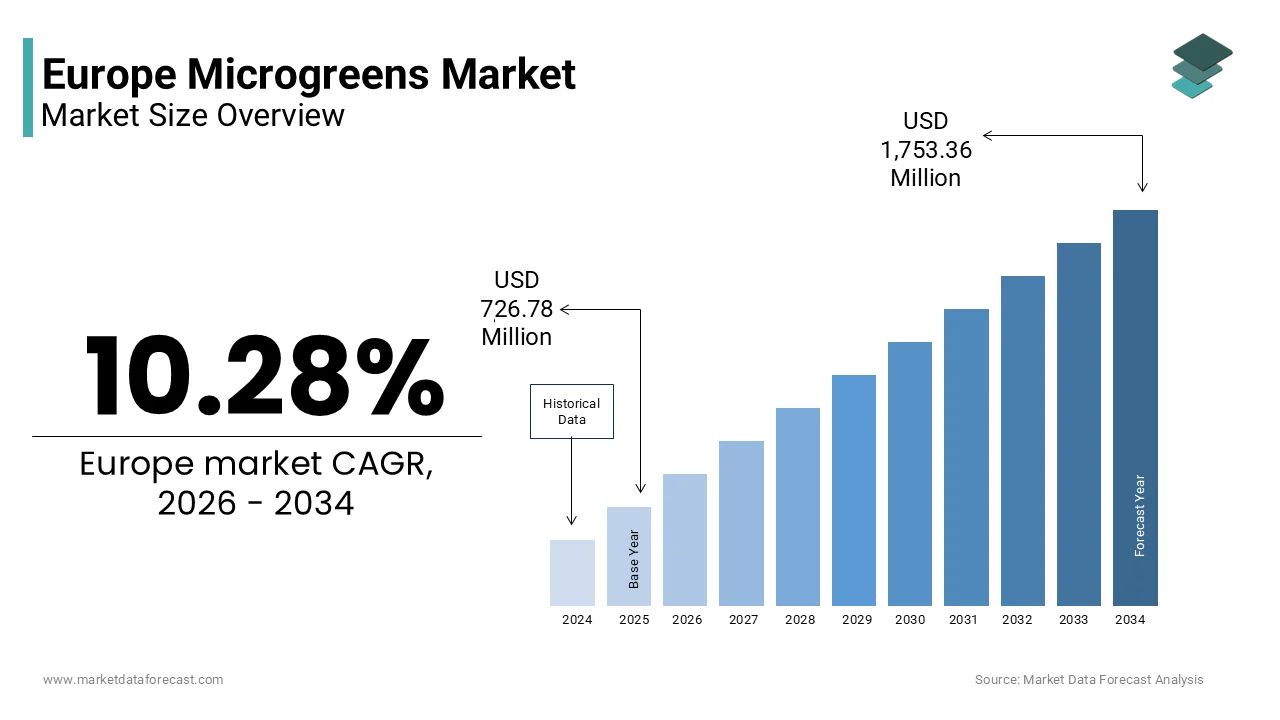
The microgreens are young vegetable greens harvested, typically within 7 to 14 days after germination. These nutrient dense plants including varieties such as radish arugula kale and broccoli are valued for their intense flavors vibrant colors and high concentrations of vitamins minerals and antioxidants. As per the Food and Agriculture Organization of the United Nations, Europe has seen a significant shift towards urban agriculture and sustainable food systems with over 70% of the population residing in urban areas. According to Eurostat, the organic farming area in the European Union has expanded by more than 50% in the last decade reflecting a broader consumer preference for sustainable and chemical free food options. Furthermore, the European Green Deal aims to make food systems fair healthy and environmentally friendly which aligns with the production methods of microgreens. Regulatory frameworks regarding novel foods and hygiene standards are stringent ensuring product safety and quality. The interplay between culinary innovation nutritional awareness and sustainability mandates defines the current market dynamics. Producers are increasingly adopting controlled environment agriculture technologies to ensure year round supply and consistent quality meeting the exacting standards of European retailers and food service providers.
MARKET DRIVERS
Rising Consumer Awareness Of Nutritional Benefits And Functional Foods
The rising consumer awareness of nutritional benefits and the demand for functional foods is accelerating the growth of Europe Microgreens Market. European consumers are increasingly prioritizing health and wellness seeking foods that offer enhanced nutritional value beyond basic sustenance. As per the World Health Organization, non-communicable diseases related to poor diet remain a leading cause of mortality in Europe, prompting public health initiatives to promote nutrient rich diets. Microgreens are recognized for containing up to 40 times higher concentrations of vitamins and antioxidants compared to their mature counterparts making them an attractive option for health-conscious individuals. According to the European Food Safety Authority, there is growing scientific evidence supporting the health benefits of phytonutrients found in young plant shoots which boosts consumer confidence. The trend towards preventive healthcare has led to increased incorporation of microgreens into daily meals smoothies and salads. Retailers are responding by expanding their fresh produce sections to include diverse microgreen varieties often labeled with nutritional information to educate shoppers. Social media and culinary influencers further amplify this awareness by showcasing creative and healthy recipes. The alignment with clean label trends where consumers prefer minimally processed and natural ingredients also supports market growth. Consequently, the perception of microgreens as a superfood drives consistent demand across various demographic segments particularly among millennials and Gen Z, who are proactive about their dietary choices.
Expansion Of Urban Farming And Sustainable Agriculture Practices
The expansion of urban farming and sustainable agriculture practices by aligning with regional environmental goals and supply chain efficiencies is additionally to level up the growth of Europe microgreens market. Microgreens are ideal for vertical farming and controlled environment agriculture, which require significantly less water and land than traditional farming methods. As per the European Environment Agency, urban agriculture contributes to biodiversity waste reduction and local food security, which are key priorities in European urban planning strategies. Cities, such as Berlin London and Paris have seen a surge in indoor farms specializing in microgreens due to their ability to produce high yields in small spaces. According to the Joint Research Centre of the European Commission, short supply chains reduce carbon footprints associated with transportation and storage enhancing the sustainability profile of fresh produce. The European Green Deal’s Farm to Fork Strategy aims to reduce the environmental impact of food production encouraging investments in innovative agricultural technologies. Microgreen producers benefit from subsidies and grants aimed at promoting sustainable farming practices. Furthermore, the ability to grow microgreens year round regardless of external weather conditions ensures a stable supply for retailers and restaurants. This reliability is crucial for maintaining consistent quality and meeting consumer expectations. The integration of microgreens into urban food systems supports the transition towards a circular economy where resources are used efficiently and waste is minimized.
MARKET RESTRAINTS
Short Shelf Life And Perishability Limit Distribution Reach
The short shelf life and high perishability of microgreens by limiting distribution reach and increasing waste is impeding the growth of Europe microgreens market. Microgreens are delicate and prone to rapid deterioration if not stored under optimal conditions typically requiring refrigeration and high humidity. As per the Waste and Resources Action Programme, food waste remains a significant challenge in Europe with fresh produce being one of the most wasted categories. The fragile nature of microgreens means they often have a shelf life of only five to seven days post-harvest, which restricts the geographical area they can be effectively distributed. According to the European Commission, logistics and cold chain infrastructure must be highly efficient to maintain product quality, which increases operational costs for producers and retailers. Any disruption in the cold chain can lead to significant spoilage resulting in financial losses and reduced profitability. Small scale producers often lack the resources to invest in advanced packaging technologies such as modified atmosphere packaging which can extend shelf life. Retailers may be hesitant to stock microgreens due to the risk of unsold inventory leading to limited availability in smaller stores.
High Production Costs And Labor Intensity Impact Profitability
The high production costs and labor intensity by impacting profitability and pricing competitiveness is another factor degrading the growth of Europe microgreens market. Although, microgreens require less space than traditional crops the initial investment in controlled environment agriculture infrastructure, such as lighting climate control and hydroponic systems is substantial. As per the International Labour Organization, labor costs in Europe are among the highest globally affecting the economic viability of labor intensive agricultural activities. Harvesting and packaging microgreens are predominantly manual processes requiring skilled workers to ensure quality and prevent damage. According to Eurostat, the cost of agricultural inputs, including energy and seeds has risen due to inflation and supply chain disruptions further squeezing margins. Small and medium sized enterprises struggle to achieve economies of scale making it difficult to compete with larger agribusinesses on price. The premium pricing of microgreens limits their accessibility to mass market consumers restricting demand to niche segments. Additionally, compliance with strict European food safety and hygiene regulations adds to the operational burden and costs. Producers must invest in regular testing certification and staff training to meet these standards. These financial pressures hinder the entry of new players and limit the expansion capabilities of existing businesses.
MARKET OPPORTUNITIES
Integration Into Ready To Eat Meals And Convenience Foods
The integration of microgreens into ready to eat meals and convenience foods to tap into the growing demand for healthy and convenient dining options is certainly a major factor boosting the growth of Europe microgreens market. As per the European Convenience Food Association, the market for ready to eat and ready to heat meals is expanding rapidly driven by busy lifestyles and changing consumer habits. Incorporating microgreens into salads sandwiches wraps and grain bowls enhances the nutritional profile and visual appeal of these products. According to study, consumers are increasingly seeking convenience without compromising on health driving innovation in the prepared food sector. Food manufacturers and retailers can leverage microgreens to differentiate their offerings and attract health-conscious buyers. The use of microgreens as a garnish or ingredient adds value and justifies premium pricing. Partnerships between microgreen producers and meal kit companies provide a stable and scalable distribution channel. These collaborations allow producers to supply consistent volumes while reducing marketing and distribution costs. Furthermore, the trend towards plant based diets supports the inclusion of microgreens as a flavorful and nutritious component in vegetarian and vegan meals.
Development Of Value Added Products And Extended Shelf Life Technologies
The development of value-added products and extended shelf life technologies to overcome perishability constraints and enhance product versatility, which is another attribute to lavish new opportunities for the growth of Europe microgreens market. Innovations in packaging such as biodegradable containers with modified atmosphere capabilities can significantly extend the freshness of microgreens. As per the study, Europe there is a strong push for sustainable packaging solutions that reduce environmental impact while maintaining product quality. Developing dried or freeze dried microgreen powders allows for longer storage and easier integration into supplements smoothies and culinary applications. According to the European Journal of Nutrition, these processed forms retain much of the nutritional value of fresh microgreens offering a convenient alternative for consumers. Companies can also create blended mixes tailored to specific health benefits such as immunity boosting or detoxifying blends. These value added products command higher margins and appeal to diverse consumer segments. Investment in research and development for preservation techniques such as high pressure processing can further enhance shelf life without compromising quality. Collaborations with technology providers enable producers to adopt cutting edge solutions that improve efficiency and reduce waste.
MARKET CHALLENGES
Stringent Regulatory Compliance And Food Safety Standards
The stringent regulatory compliance and food safety standards by imposing rigorous requirements on production and handling is one of the major factors to degrade the growth of Europe microgreens market. Microgreens are often consumed raw making them susceptible to microbial contamination, if not produced under strict hygiene conditions. As per the European Food Safety Authority, outbreaks of foodborne illnesses linked to fresh produce have led to tighter regulations on agricultural practices and traceability. Producers must adhere to Hazard Analysis and Control Points systems, which require detailed documentation and regular audits. According to the European Commission, compliance with these standards involves significant investment in infrastructure training and testing protocols. Small scale farmers may find it difficult to meet these requirements due to limited resources and technical expertise. The complexity of regulations varies across different European countries creating additional barriers for cross border trade. Non-compliance can result in product recalls fines and reputational damage, which can be devastating for small businesses. The need for continuous monitoring and certification adds to operational costs and administrative burdens. Furthermore, consumers are becoming more discerning about food safety expecting transparency and proof of safe practices. Meeting these expectations requires ongoing effort and investment.
Competition From Traditional Leafy Greens And Substitute Products
The competition from traditional leafy greens and substitute products by influencing consumer purchasing decisions and price sensitivity is also to inhibit the growth of Europe microgreens market. Established vegetables, such as spinach lettuce and kale are widely available affordable and familiar to consumers. As per the Fresh Produce Consortium, traditional greens dominate the retail shelf space and benefit from established supply chains and economies of scale. According to Nielsen IQ, price sensitivity remains a key factor for many European households, particularly during periods of economic uncertainty. Consumers may opt for cheaper alternatives that offer similar culinary uses without the premium cost. Additionally, the emergence of other superfoods and functional ingredients competes for the same health conscious demographic. The limited awareness of microgreens in some regions further hinders adoption compared to well known greens. Retailers may prioritize stocking traditional items with higher turnover rates limiting shelf space for microgreens. Overcoming this competition requires strategic positioning and effective communication of value propositions.
REPORT COVERAGE
| REPORT METRIC | DETAILS |
| Market Size Available | 2025 to 2034 |
| Base Year | 2025 |
| Forecast Period | 2026 to 2034 |
| CAGR | 10.28% |
| Segments Covered | By Product Type, Farming Method Distribution channel, End User, and Region |
| Various Analyses Covered | Global, Regional, & Country Level Analysis; Segment-Level Analysis; DROC, PESTLE Analysis; Porter’s Five Forces Analysis; Competitive Landscape; Analyst Overview of Investment Opportunities |
| Regions Covered | UK, France, Spain, Germany, Italy, Russia, Sweden, Denmark, Switzerland, Netherlands, Turkey, and the Czech Republic |
| Market Leaders Profiled | Gotham Greens Holdings, Fresh origins, The chef's garden inc., Aerofarms LLC, Farmbox Greens LLC, Bowery Farming Inc., Living Earth Farm, Teshuva Agricultural Projects Ltd., Madar Farms, 2B Fresh, Good Leaf Farms |
SEGMENTAL ANALYSIS
By Product Type Insights
The radish microgreens segment was the largest by holding 25.4% of the Europe Microgreens Market share in 2025 with their distinct peppery flavor profile and rapid growth cycle which allows for efficient production and high turnover. As per the European Food Safety Authority radish microgreens are recognized for their high content of glucosinolates and antioxidants which appeal to health-conscious consumers seeking functional foods. The short cultivation period of seven to ten days enables producers to maintain a consistent supply chain meeting the steady demand from both retail and food service sectors. According to Eurostat, the efficiency of urban farming operations in Europe favors crops with quick harvest times reducing energy and labor costs per unit. Radish microgreens are widely used in culinary applications ranging from salad garnishes to sandwich fillings due to their ability to add a spicy kick, without overwhelming other flavors. Their vibrant red stems and green leaves also enhance the visual appeal of dishes making them a favorite among chefs. The adaptability of radish varieties to various growing conditions including hydroponic and soil based systems further supports their widespread cultivation.
The basil microgreens segment is likely to witness a fastest CAGR of 8.5% from 2026 to 2034 with the rising popularity of Mediterranean cuisine and the increasing demand for aromatic herbal flavors in contemporary cooking. As per the International Olive Council, the Mediterranean diet is widely promoted, across Europe for its health benefits leading to increased consumption of herbs and fresh ingredients associated with this culinary tradition. Basil microgreens offer a concentrated burst of flavor and aroma making them ideal for enhancing pasta dishes pizzas and caprese salads. The versatility of basil microgreens allows them to be used in both savory and sweet applications appealing to innovative chefs and home cooks. Social media platforms play a significant role in popularizing basil microgreens through visually appealing recipes and cooking tutorials. The association of basil with freshness and vitality resonates with health-conscious consumers seeking natural ingredients.
By End User Insights
The food service sector was the largest by holding 55.4% of the Europe Microgreens Market share in 2025 with the extensive use of microgreens in high end restaurants hotels and catering services where visual appeal and unique flavors are paramount. As per the European Hospitality Association, the culinary industry in Europe continues to innovate with chefs increasingly incorporating microgreens into signature dishes to enhance presentation and taste. Microgreens provide a sophisticated garnish that elevates the aesthetic of plates while adding a burst of freshness and nutrition. According to study, trends fine dining establishments prioritize locally sourced and sustainable ingredients aligning with the production methods of microgreen farms. The ability of microgreens to offer diverse flavors ranging from spicy to sweet allows chefs to create complex flavor profiles without altering the core components of a dish. The consistency and quality provided by professional microgreen growers ensure that restaurants can rely on a steady supply for their menus. Furthermore, the trend towards farm to table dining experiences encourages partnerships between local growers and restaurants fostering a direct supply chain.
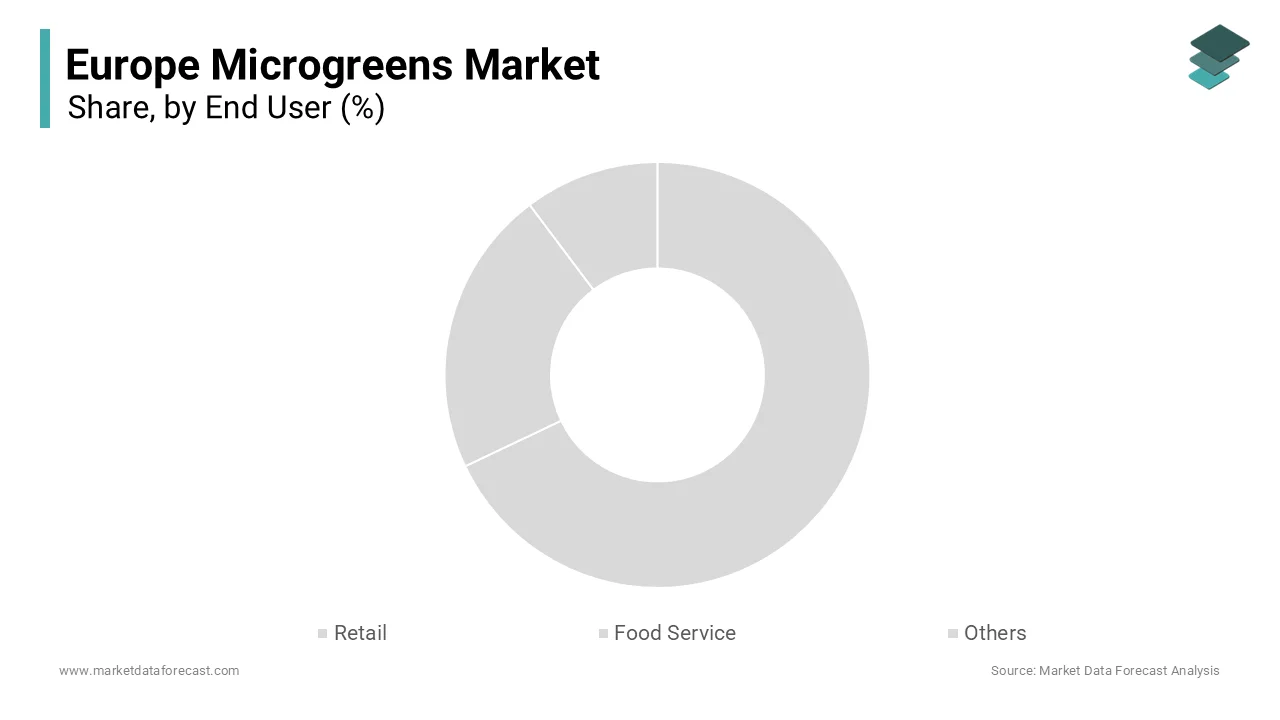
The retail segment is likely to witness a fastest CAGR of 7.8% from 2026 to 2034. This rapid expansion is fueled by increasing home cooking trends and heightened health consciousness among consumers following the pandemic. As per the European Commission, the shift towards preparing meals at home has persisted with individuals seeking to improve their dietary habits through fresh and nutritious ingredients. Microgreens are readily available in supermarkets and specialty stores making them an accessible option for home cooks. The convenience of ready to eat microgreens appeals to busy professionals who want to add nutritional value to their meals with minimal effort. Retailers are responding by expanding their fresh produce sections to include a wider variety of microgreen packs often accompanied by recipe suggestions. The packaging innovations such as breathable containers help extend shelf life reducing waste and enhancing consumer satisfaction. Promotional campaigns highlighting the health benefits of microgreens educate shoppers and drive trial. The availability of organic and locally grown options further attracts discerning buyers. This convergence of lifestyle changes and retail accessibility ensures that the retail segment continues to grow at an accelerated pace.
By Distribution Channel Insights
Retail stores constitute the leading distribution channel in the Europe Microgreens Market holding an estimated 60% share. This dominance is underpinned by the established infrastructure of supermarkets hypermarkets and convenience stores which provide easy access to consumers. As per the European Retail Round Table the majority of European households rely on physical retail outlets for their weekly grocery shopping ensuring high foot traffic and visibility for fresh produce. Microgreens benefit from this existing network allowing producers to reach a wide audience efficiently. According to Eurostat the density of retail stores in urban areas facilitates frequent purchases of perishable goods like microgreens. Consumers appreciate the ability to inspect the quality and freshness of microgreens before buying which is a key factor in purchasing decisions. The presence of refrigerated sections in retail stores helps maintain the integrity of microgreens extending their shelf life and reducing spoilage. Retailers often promote microgreens through in store displays and promotions driving impulse buys. The trust associated with well known retail brands also reassures consumers about the safety and quality of the products. Furthermore the integration of microgreens into meal deal bundles and ready to eat sections enhances their appeal to busy shoppers. This combination of accessibility convenience and trust ensures that retail stores remain the primary channel for microgreen distribution.
Strategic Partnerships With Local Growers Ensure Fresh Supply
The leadership of the retail store channel is further reinforced by strategic partnerships between retailers and local microgreen growers which ensure a fresh and reliable supply. As per the British Retail Consortium many supermarkets are committing to sourcing produce locally to reduce carbon emissions and support regional economies. These collaborations allow retailers to offer freshly harvested microgreens with minimal transit time enhancing product quality. According to the Fresh Produce Consortium short supply chains improve the freshness and nutritional value of produce making it more attractive to consumers. Local growers can respond quickly to changes in demand ensuring that shelves are consistently stocked with popular varieties. Retailers often highlight the local origin of microgreens in their marketing efforts appealing to consumers who value sustainability and community support. The transparency provided by these partnerships builds consumer confidence in the product source. Additionally local sourcing reduces the risk of supply chain disruptions caused by logistical issues or weather events. This reliability is crucial for maintaining customer satisfaction and loyalty. The mutual benefits of these partnerships foster long term relationships that stabilize the market. Consequently the focus on local and fresh supply chains solidifies the position of retail stores as the dominant distribution channel.
Convenience Of Home Delivery And Digital Engagement Accelerates Growth
Online stores are emerging as the fastest growing distribution channel in the Europe Microgreens Market with a projected compound annual growth rate of 9.2% from 2024 to 2029. This rapid expansion is driven by the convenience of home delivery and the increasing digital engagement of consumers. As per the European E Commerce Association online grocery shopping has become a habitual practice for many Europeans particularly in urban areas where time is a scarce resource. The ability to order microgreens along with other groceries and have them delivered to the doorstep appeals to busy professionals and families. According to Statista the penetration of e commerce in the food and beverage sector is rising steadily with improvements in last mile logistics ensuring timely and safe delivery. Online platforms offer a wider variety of microgreen types and blends than physical stores catering to diverse consumer preferences. Detailed product descriptions and customer reviews help educate buyers and build trust in online purchases. Subscription services for regular deliveries of fresh microgreens are gaining popularity providing convenience and ensuring a steady supply for households. Digital marketing campaigns and social media influencers promote online stores reaching a broader audience. The integration of mobile apps for easy ordering and tracking enhances the user experience. This seamless and convenient shopping experience drives the sustained growth of the online distribution channel.
Direct To Consumer Models Enhance Producer Margins And Loyalty
The growth of the online store segment is further propelled by direct to consumer models that allow microgreen producers to sell directly to customers bypassing intermediaries. As per the Small Business Administration direct sales enable producers to retain higher margins and build stronger relationships with their customers. Online platforms facilitate this direct interaction allowing growers to share their stories farming practices and sustainability efforts. According to the Local Food Lab consumers are increasingly interested in knowing the source of their food and supporting local businesses. Direct to consumer sales provide transparency and traceability which are key drivers of consumer loyalty. Producers can offer personalized recommendations and recipes enhancing the value proposition for buyers. The feedback loop created by direct sales allows growers to adjust their offerings based on customer preferences improving product relevance. Online marketplaces and specialized websites dedicated to local produce make it easier for consumers to discover and purchase from small scale growers. The flexibility of online ordering allows for customized bundles and seasonal specials attracting niche markets. This model empowers producers to control their brand and pricing strategies. Consequently the rise of direct to consumer online sales supports the rapid expansion of this distribution channel.
REGIONAL ANALYSIS
Germany Microgreens Market Analysis
Germany was the out performer in the Europe microgreens market by holding 20.3% of the share in 2025 with a strong emphasis on organic farming and sustainable food practices. As per the Federal Ministry of Food and Agriculture, Germany has the largest area of organically farmed land in the European Union reflecting a deep consumer commitment to environmentally friendly products. This cultural inclination supports the demand for microgreens which are often grown using organic methods. According to the study, the German population is increasingly health conscious with a significant portion actively seeking nutrient dense foods to support their well-being. Urban centers like Berlin and Munich are hubs for vertical farming initiatives producing fresh microgreens for local markets. The robust retail infrastructure including numerous organic supermarkets and weekly farmers markets ensures wide availability. Government policies promoting urban agriculture and local food systems further stimulate market growth. The high disposable income of German consumers allows for premium pricing of specialty produce. Furthermore, the culinary scene in Germany is evolving with chefs incorporating microgreens into traditional and modern dishes.
United Kingdom Microgreens Market Analysis
The United Kingdom microgreens market was ranked second by holding 18.8% of the Europe microgreens market share in 2025 with a vibrant food culture and a strong trend towards home cooking and wellness. As per the Department for Environment Food and Rural Affairs, the UK has seen a surge in interest for locally sourced produce driven by concerns over food security and carbon footprints. Microgreens fit perfectly into this narrative offering a sustainable and nutritious option. According to Kantar Worldpanel the UK retail sector has expanded its range of fresh and healthy products including microgreens to meet consumer demand. London and other major cities are home to numerous urban farms and startups specializing in microgreen production. The hospitality industry in the UK is also a key driver with restaurants using microgreens to enhance dish presentation. The prevalence of food delivery services has further boosted the visibility of microgreens in home kitchens. Government initiatives supporting green technologies and sustainable agriculture provide a favorable environment for growth.
France Microgreens Market Analysis
France microgreens market growth is likely to grow with the rich culinary heritage and a growing interest in healthy eating. As per the French Ministry of Agriculture, the country is a leader in gourmet food production with chefs constantly seeking new ways to elevate their dishes. Microgreens are increasingly used in haute cuisine and bistros across Paris and other major cities. According to INSEE the French consumer is becoming more health oriented with a rising demand for organic and natural products. The proliferation of organic stores and markets in urban areas provides ample distribution channels for microgreen producers. The government's support for local agriculture through initiatives like short supply chains encourages the growth of small scale microgreen farms. The cultural emphasis on meal quality and presentation drives the adoption of microgreens in both professional and home kitchens. Furthermore, the trend towards vegetarian and plant based diets is gaining momentum in France boosting demand for nutrient rich greens. This blend of culinary excellence and health awareness ensures steady market growth.
Italy Microgreens Market Analysis
Italy microgreens market growth is likely to grow with the strong tradition of fresh herb usage in cooking and a growing awareness of nutritional benefits. As per the Italian National Institute of Statistics, the consumption of fresh vegetables and herbs remains high in Italian households. Microgreens are being integrated into traditional dishes such as pasta salads and bruschetta adding a modern twist to classic recipes. According to Coldiretti, the largest agricultural association in Italy there is increasing interest in urban farming and sustainable food production methods. Cities like Milan and Rome are seeing a rise in vertical farms producing microgreens for local consumption. The hospitality sector in Italy is a major consumer utilizing microgreens to enhance the visual appeal of dishes. The emphasis on Made in Italy products supports local growers who can offer fresh and high quality microgreens. Government policies promoting biodiversity and sustainable agriculture further support the sector.
Spain Microgreens Market Analysis
Spain microgreens market growth is driven by the favorable climate for agriculture and a growing health consciousness. As per the Ministry of Agriculture Fisheries and Food, Spain is a major producer of fresh produce with a strong export orientation. Domestic consumption of microgreens is rising particularly in urban areas like Madrid and Barcelona. According to the Spanish Federation of Fruit and Vegetable Producers, there is increasing investment in innovative farming techniques including hydroponics for microgreen production. The hospitality industry in Spain is vibrant with restaurants and hotels incorporating microgreens into their menus to attract health-conscious tourists. The government's support for sustainable agriculture and water efficiency aligns with the low resource requirements of microgreen farming. The growing trend towards organic food in Spain is driving demand for pesticide free microgreens.
COMPETITIVE LANDSCAPE
The competition in the Europe Microgreens Market is characterized by a fragmented landscape comprising numerous small scale local producers and a few established regional companies. Large players leverage advanced agricultural technologies and extensive distribution networks to dominate the retail and food service sectors while smaller farms focus on niche markets and direct to consumer sales. The barrier to entry is relatively low for small scale urban farming but high for industrial scale operations due to capital requirements for controlled environment agriculture. Competition is driven by product quality freshness and sustainability credentials rather than price alone. Companies strive to differentiate themselves through unique varieties organic certifications and innovative packaging solutions. Collaborations with chefs and retailers help build brand loyalty and secure long term contracts. The increasing demand for locally sourced produce favors regional suppliers who can offer faster delivery and lower carbon footprints. Regulatory compliance regarding food safety and organic labeling also shapes competitive dynamics. Established firms invest in research and development to create new products and improve efficiency.
KEY MARKET PLAYERS
Some of the notable companies in the Europe microgreens market are
- Gotham Greens Holdings
- Fresh Origins
- The Chef's Garden Inc.
- AeroFarms LLC
- Farmbox Greens LLC
- Bowery Farming Inc.
- Living Earth Farm
- Teshuva Agricultural Projects Ltd.
- Madar Farms
- 2B Fresh
- GoodLeaf Farms
Top Players in the Market
- VitalHerb GmbH is a prominent producer of microgreens and sprouts based in Germany with a significant influence on the European market. The company contributes to the global sector by supplying high quality organic microgreens to retail chains and food service providers across the continent. VitalHerb focuses on sustainable cultivation methods using vertical farming technologies to ensure year round availability and consistent quality. Recent actions include expanding its production facilities in Berlin to increase capacity for diverse varieties such as broccoli and radish. The corporation actively partners with local supermarkets to reduce transportation emissions and enhance product freshness. Their commitment to innovation in packaging extends shelf life and reduces waste. This strategic focus on sustainability and quality ensures VitalHerb remains a preferred supplier for health-conscious consumers and professional chefs alike.
- Living Greens Farm B.V. is a leading Dutch company specializing in living herbs and microgreens that plays a vital role in the Europe Microgreens Market. The company distinguishes itself by selling products with roots intact which significantly extends shelf life and maintains freshness for consumers. Living Greens Farm contributes to the global market by exporting its innovative living products to various European countries. Recent initiatives involve investing in advanced climate controlled greenhouses to optimize growth conditions and reduce resource usage. The company collaborates with major retail groups to introduce convenient packaging solutions that appeal to modern shoppers. Their emphasis on circular agriculture practices aligns with European sustainability goals. This approach positions the company as a pioneer in fresh produce innovation strengthening its competitive edge in the dynamic microgreens sector.
- Koppert Cress B.V. is an innovative Dutch enterprise renowned for its unique and exotic microgreens catering to the high end culinary sector. The company contributes to the global market by offering a vast array of specialized varieties that provide distinct flavors and visual appeal for gourmet dishes. Koppert Cress works closely with top chefs and restaurants to develop custom microgreen solutions that elevate culinary presentations. Recent actions include launching new educational programs to promote the use of microgreens in professional kitchens and home cooking. The company invests heavily in research and development to discover and cultivate rare plant species. Their focus on biodiversity and unique taste profiles differentiates them from conventional producers. This specialization allows Koppert Cress to dominate the premium segment of the Europe Microgreens Market.
Top Strategies Used by the Key Market Participants
Key players in the Europe Microgreens Market primarily focus on product differentiation and sustainable cultivation practices to maintain competitive advantage. Companies invest in vertical farming and hydroponic technologies to maximize yield and minimize environmental impact. Strategic partnerships with local retailers and restaurants ensure consistent demand and reduce logistics costs. Innovation in packaging solutions extends shelf life and enhances consumer convenience. Marketing efforts emphasize health benefits and culinary versatility to educate customers and drive adoption. Expansion into online sales channels provides direct access to consumers and broader market reach. These strategies enable companies to address supply chain challenges while capturing growth opportunities in the health-conscious European market.
MARKET SEGMENTATION
This research report on the Europe microgreens market has been segmented and sub-segmented into the following categories.
By Product Type
- Broccoli
- Cabbage
- Cauliflower
- Arugula
- Peas
- Basil
- Radish
- Cress
- Other
By End User
- Retail
- Food Service
- Others
By Farming Method
- Indoor Vertical farming
- Commercial Greenhouse farming
- Others
By Distribution Channel
- Retail stores
- Online stores
- Farmer's market
By Country
- UK
- France
- Spain
- Germany
- Italy
- Russia
- Sweden
- Denmark
- Switzerland
- Netherlands
- Turkey
- Czech Republic
- Rest of Europe