Europe Pancreatic Cancer Market Research Report By Treatment Type, Cancer Type, End Users & Country (UK, France, Spain, Germany, Italy, Russia, Sweden, Denmark, Switzerland, Netherlands, Turkey, Czech Republic & Rest of Europe) - Industry Analysis, Size, Share, Growth, Trends & Forecast (2026 to 2034)
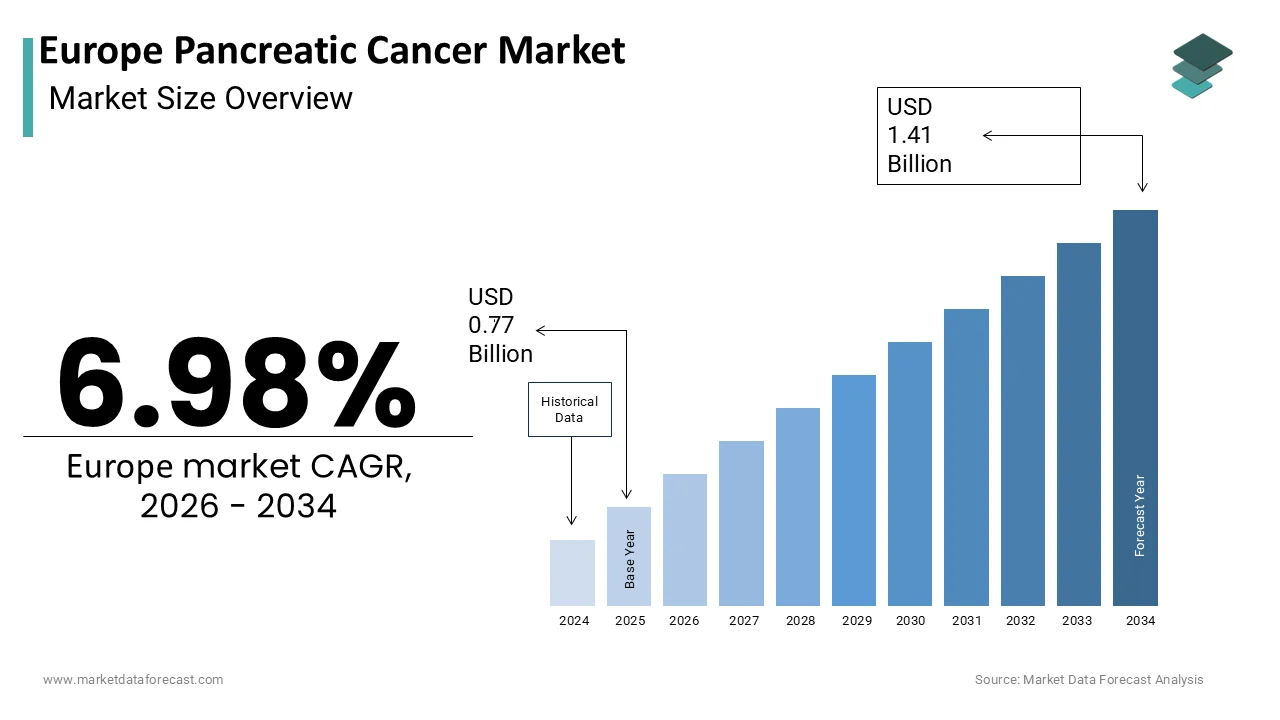
Market Size, 2025
$0.77 BnMarket Estimate, 2026
$0.82 BnMarket Forecast, 2034
$1.41 BnCAGR, 2026–2034
6.98%Europe Pancreatic Cancer Market Summary
Market Size & Growth
- The Europe Pancreatic Cancer Market was valued at USD 0.77 billion in 2025.
- Expected to reach USD 1.41 billion by 2034, growing at a CAGR of 6.98% from 2026 to 2034.
- Germany leads with a 20.2% market share in 2025; Research Institutes is the fastest-growing end-user segment at a CAGR of 8.5%.
Key Market Segments
- By Treatment Type: Chemotherapy (largest share at 58.3% in 2025), Surgery (fastest-growing at CAGR of 6.2%), Radiation Therapy, Others
- By Cancer Type: Exocrine Pancreas Cancer (dominant; accounts for 90–95% of cases), Endocrine Pancreas Cancer (fastest-growing at CAGR of 7.8%)
- By End User: Hospitals (largest share), Research Institutes (fastest CAGR at 8.5%), Clinics, Others
- By Country: Germany (20.2%), United Kingdom (16.1%), France, Italy, Spain, and Rest of Europe
Key Drivers
- Aging European population and rising prevalence of modifiable risk factors including obesity, type 2 diabetes, and tobacco use are expanding the patient pool.
- European oncology guidelines mandating biomarker testing for all advanced pancreatic cancer patients are accelerating demand for companion diagnostics and precision therapies.
- Consolidation of care into certified high-volume pancreatic cancer centers of excellence is improving surgical resection rates and driving demand for advanced interventions.
Key Players
AbbVie Inc., Bristol-Myers Squibb Company, Eli Lilly and Company, F. Hoffmann-La Roche Ltd., Novartis AG, Merck and Co. Inc., Pfizer Inc., AstraZeneca plc, Ipsen S.A., Takeda Pharmaceutical Company Limited, Sanofi S.A., Amgen Inc., Mirati Therapeutics Inc., Incyte Corporation, Eisai Co. Ltd., Nektar Therapeutics.
Europe Pancreatic Cancer Market Size
The Europe Pancreatic Cancer Market is projected to grow from USD 0.77 billion in 2025 to USD 0.82 billion in 2026 and reach USD 1.41 billion by 2034, registering a CAGR of 6.98% during the forecast period from 2026 to 2034.
Pancreatic cancer is a malignant disease where cells in the pancreas grow uncontrollably, forming tumors that can invade nearby tissues and spread (metastasize) to other body parts, impacting digestion and blood sugar regulation, and is a leading cause of cancer death, driving demand for diagnostics, treatments, and therapies within the market. Pancreatic ductal adenocarcinoma accounts for over 90% to 95% of cases and remains one of the most lethal malignancies, with a high mortality-to-incidence ratio. According to a study, pancreatic cancer incidence is increasing annually across many regions, posing a growing public health challenge. As per research, the disease is often diagnosed at an advanced stage due to non- specific symptoms, leading to a consistently low long-term survival rate that has seen minimal improvement over recent decades. European health initiatives, such as the European Commission's Beating Cancer Plan, are increasingly prioritizing research into high-mortality cancers like pancreatic cancer to foster innovation in early detection and treatment strategies. National health systems across Europe are increasingly adopting multidisciplinary care pathways and molecular profiling to guide therapy selection, yet access to novel agents and clinical trials remains uneven. Consequently, the market operates within a high unmet need environment where innovation is measured not by volume but by incremental survival benefit, the quality of life improvement,nt and diagnostic precision.
MARKET DRIVERS
Rising Incidence Linked to Aging Population and Metabolic Risk Factors
Demographic aging and the increasing prevalence of modifiable risk factors such as obesity, smoking, and type 2 diabetes are driving the growth of the European pancreatic cancer market. According to sources, the share of the elderly population within the EU continues to grow, and projections indicate this aging trend will accelerate in the coming decades, raising concerns about associated health care needs and diagnostic challenges related to age-prevalent diseases like pancreatic cancer. Concurrently, A majority of adults across the European region are classified as overweight or obese, a widespread condition linked to an increased risk of developing pancreatic cancer, as per multiple studies. Despite public health campaigns, tobacco use remains common in several EU member states, representing a significant and preventable factor in the overall burden of pancreatic cancer cases. As per research, variations in health outcomes, such as regional differences in pancreatic cancer incidence within Italy, are observed in areas with high rates of associated lifestyle risk factors, highlighting a correlation between localized behaviors and disease prevalence. This confluence of demographic and lifestyle trends ensures a structurally expanding patient pool that drives demand for diagnostics, therapeutics, and palliative interventions across healthcare systems.
Expansion of Molecular Profiling and Personalized Treatment Pathways
European oncology guidelines now mandate biomarker testing for all advanced pancreatic cancer patients to identify rare but actionable genomic alterations, which in turn propels the expansion of theEuropeane pancreatic cancer market. Most major cancer centers frequently use advanced sequencing techniques on tumor tissue to identify specific genetic changes. Certain patients with inherited genetic mutations are considered candidates for a particular type of targeted therapy after receiving standard chemotherapy. This targeted therapy regimen has been shown to improve the duration of progression-free survival in clinical studies. Similarly, professional guidelines suggest immunotherapy as a treatment option for a small percentage of patients who exhibit a specific genetic marker in their tumors. National molecular tumor boards in France, the Netherlands,s and Sweden further facilitate access to targeted therapies through compassionate use programs. This shift toward precision oncology transforms pancreatic cancer from a uniformly fatal diagnosis into a stratified disease with niche but growing therapeutic opportunities, driving demand for companion diagnostics and specialized treatments.
MARKET RESTRAINTS
Late-Stage Diagnosis Due to Absence of Early Symptoms and Screening Tools
A percentage of pancreatic cancer cases in the region are diagnosed at locally advanced or metastatic stages when curative surgery is no longer feasible, thereby restricting the growth of the European pancreatic cancer market. Patients often present with non-specific symptoms such as weight loss, abdominal discomfort, or new-onset diabetes. The manifestation of these non-specific symptoms frequently results in diagnostic delays. Moreover, the time from the initial presentation of symptoms to a specialist referral is extended in primary care settings that lack clear referral pathways. Unlike breast or colorectal cancer, no validated blood or imaging-based screening test exists for asymptomatic individuals at average risk. Patients in high-risk groups, including those with familial pancreatic cancer syndromes, undergo monitoring using endoscopic ultrasound in specialized facilities. This systemic inability to detect disease early confines most patients to palliative chemotherapy regimens with limited survival benefit, thereby restricting the addressable market for curative or adjuvant therapies and reinforcing poor overall outcomes.
Stringent Health Technology Assessment and Reimbursement Barriers
Novel pancreatic cancer therapies face significant hurdles in gaining reimbursement across the region due to modest survival gains, high cost,s and stringent cost-effectiveness thresholds, which ultimately inhibitthe expansion of the European pancreatic cancer market. The incremental cost per quality-adjusted life year for novel agents, such as PARP inhibitors or targeted kinase inhibitors, frequently surpasses standard reimbursement thresholds. The cost-effectiveness of these new medical treatments is often higher than the levels typically accepted by health authorities in several European nations. Few new medications for pancreatic cancer have been approved for reimbursement recently because they were determined to offer insufficient additional therapeutic benefit. In Germany, the Federal Joint Committee frequently restricts access to biomarker-defined subgroups requiring extensive real-world evidence before broad approval. These barriers delay patient access and disincentivize investment in clinical development for European populations. Consequently, many innovative therapies remain available only through clinical trials or out-of-pocket payment, limiting market penetration despite regulatory approval.
MARKET OPPORTUNITIES
Integration of Liquid Biopsy for Early Detection and Monitoring
Liquid biopsy technologies analyzing circulating tumor DNA, exosomes, or protein biomarkers provide potential opportunities for the growth of the European pancreatic cancer market. They offer a non-invasive pathway for earlier pancreatic cancer detection and dynamic treatment monitoring. According to a study, a blood-based assay measuring methylated DNA and protein markers can detect early stages of pancreatic cancer in individuals who have a higher risk. The European Commission’s Horizon Europe program has funded the PANCAID consortium to validate such tests in primary care settings for patients with new-onset diabetes, a known early sign. As per sources, the implementation of early detection methods such as liquid biopsy may lead to improved surgical intervention rates for cancer. National health agencies are now evaluating these tools for inclusion in diagnostic algorithms. This paradigm shift from tissue-dependent to blood-based diagnostics opens a transformative opportunity for both early intervention and real-time therapy adjustment.
Growth of Multidisciplinary Pancreatic Cancer Centers of Excellence
European health systems are increasingly consolidating pancreatic cancer care into specialized centers that integrate surgery, medical oncology, radiology, and supportive services to improve outcomes. This creates new opportunities for the expansion of the European pancreatic cancer market. Numerous certified pancreatic cancer centers operate throughout the European Union. These institutions adhere to established quality indicators, including minimum annual case volumes. Certified centers utilize multidisciplinary tumor boards for patient case reviews. Pancreatic resection mortality rates vary between hospitals based on their annual surgical volumes. Some nations have implemented centralized care models for pancreatic treatment. Centralization has been associated with changes in the frequency of surgical resections. Certified centers function as primary locations for the conduct of clinical trials. A significant portion of regional pancreatic cancer research takes place within these certified facilities. These centers, through the concentration of expertise, infrastructure, and innovation, form high-value ecosystems thatsignificantly boost demand for advanced diagnostics, targeted therapies, and supportive care technologies.
MARKET CHALLENGES
Limited Access to Clinical Trials Across Southern and Eastern Europe
Enrollment in pancreatic cancer clinical trials remains highly uneven, with significant regional disparities despite Europe’s strong oncology research base. Consequently, this hinders the growth of the European pancreatic cancer market. It is observed that participation rates for eligible patients in medical studies vary across different countries. In some nations, the percentage of patients engaging in these studies remains low. Conversely, other countries demonstrate significantly higher levels of patient involvement in such studies. Systemic barriers include a lack of trial infrastructure, insufficient research funding, and fragmented referral pathways in publicly funded systems facing budget constraints. This gap not only deprives patients of access to novel therapies but also limits the generalizability of trial data to diverse European populations. Pharmaceutical companies often exclude low recruitment sites from multinational studies,s further reinforcing inequity. Disparities in patient outcomes will continue across Europe as long as lower-income member states lack coordinated EU funding and harmonized trial systems.
High Treatment Toxicity and Supportive Care Gaps Affecting Quality of Life
Pancreatic cancer regimens such as FOLFIRINOX or gemcitabine plus nab paclitaxel are associated with significant hematologic, gastrointestinal, and neurologic toxicities that often lead to dose reductions or treatment discontinuation. As a result, this constrains the expansion of the European pancreatic cancer market. Patients often discontinue initial medical treatments shortly after beginning therapy because they experience significant side effects. Treatment interruptions due to adverse reactions occur frequently among patients who are elderly or considered frail. Many individuals diagnosed with pancreatic cancer do not receive integrated supportive services such as nutritional assistance or pain management. Psychological counseling and palliative care are often not integrated into standard treatment plans despite established clinical guidelines. In Spain and Italy, access to specialized symptom control services is limited outside major urban centers,s exacerbating suffering and reducing treatment adherence. These gaps not only compromise survival outcomes but also increase emergency hospitalizations and caregiver burden. Without standardized supportive care pathways across healthcare systems, ems the full therapeutic potential of available regimens cannot be realized, undermining both clinical and humanistic goals of cancer care.
REPORT COVERAGE
| REPORT METRIC | DETAILS |
| Market Size Available | 2025 to 2034 |
| Base Year | 2025 |
| Forecast Period | 2026 to 2034 |
| Segments Covered | By Treatment Type, Cancer Type, End User, and Region. |
| Various Analyses Covered | Global, Regional, and Country-Level Analysis, Segment-Level Analysis, Drivers, Restraints, Opportunities, Challenges; PESTLE Analysis; Porter’s Five Forces Analysis, Competitive Landscape, Analyst Overview of Investment Opportunities |
| Countries Covered | UK, France, Spain, Germany, Italy, Russia, Sweden, Denmark, Switzerland, Netherlands, Turkey, Czech Republic, Rest of Europe |
| Market Leaders Profiled | AbbVie Inc., Bristol-Myers Squibb Company, Eli Lilly and Company, F. Hoffmann-La Roche Ltd., Novartis AG, Merck & Co., Inc., Pfizer, Inc., AstraZeneca plc, Celgene Corporation (a Bristol-Myers Squibb company), Johnson & Johnson Services, Inc., Ipsen S.A., Takeda Pharmaceutical Company Limited, Sanofi S.A., Amgen Inc., BI Linx Oncology (a specialty oncology company), Mirati Therapeutics, Inc., Incyte Corporation, Eisai Co., Ltd., Nektar Therapeutics |
SEGMENTAL ANALYSIS
By Treatment Type Insights
The chemotherapy segment held the largest share of 58.3% of the European pancreatic cancer market in 2025. The leading position of the chemotherapy segment is attributed to its central role across all disease stages. Chemotherapy is the only treatment modality applicable to nearly all pancreatic cancer patients, regardless of stage or resectability status. The European Society for Medical Oncology (ESMO) emphasizes that systemic chemotherapy is a cornerstone in the treatment of most pancreatic cancer patients across various stages, including neoadjuvant, adjuvant, and palliative settings. A significant proportion of pancreatic cancer cases are diagnosed at an advanced or metastatic stage, which presents substantial treatment challenges. For eligible and fit patients with metastatic disease, current clinical guidelines in Europe recommend intensive combination regimens like FOLFIRINOX or gemcitabine plus nab-paclitaxel as standard first-line therapies. Following surgical removal of the tumor, adjuvant chemotherapy is a standard recommendation, as clinical trials have demonstrated a meaningful improvement in long-term survival outcomes compared to observation alone. This universal indication ensures consistent procurement across public hospitals and outpatient oncology units, ts making chemotherapy the backbone of the therapeutic market. Chemotherapy agents for pancreatic cancer are widely covered under statutory health insurance across Europe due to established efficacy and cost-effectiveness relative to newer targeted therapies. In Germany, regimens based on gemcitabine, nab-paclitaxel, and fluorouracil receive full reimbursement for all approved uses, without requiring prior authorization. Within France, the National Health Insurance Fund has listed these same medications in its category of "products of major therapeutic interest," which helps ensure prompt patient access. A majority of countries across the European Union offer universal public funding that covers initial chemotherapy treatments for pancreatic cancer. This financial accessibility contrasts sharply with newer agents like PARP inhibitors, which face restricted reimbursement. Furthermore, chemotherapy is seamlessly integrated into national cancer plans such as Denmark’s National Cancer Strategy, which mandates standardized regimens within multidisciplinary care pathways. This institutional embedding sustains high volume utilization despite the emergence of precision oncology approaches.
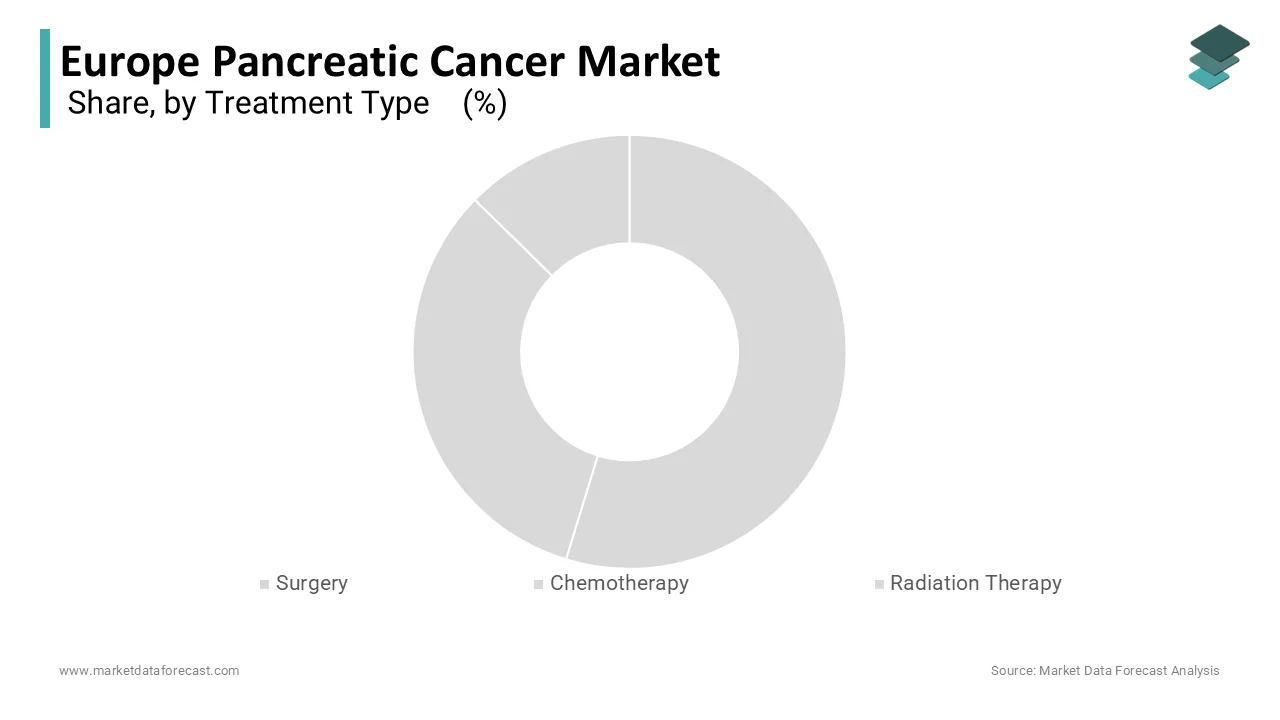
The surgery segment is predicted to witness the highest CAGR of 6.2% from 2025 to 2033. The rapid expansion of the surgery segment is propelled by the centralization of care in high-volume pancreatic cancer centers and advancements in minimally invasive and robotic pancreatic resection. European health systems are increasingly concentrating pancreatic surgery in specialized centers that meet minimum case volume thresholds to improve outcomes. Hospitals that perform a higher number of pancreatic resections each year generally have better outcomes for patients. This is because increased surgical experience is associated with lower mortality rates. As a result of this association, some nations have implemented specific policies to guide patients toward certified or accredited centers for these procedures. This practice of referring patients to specialized facilities has been observed in various regions and has led to an increase in the rate at which these surgeries are performed. This policy-driven centralization expands the pool of eligible patients through improved preoperative assessment and multidisciplinary selection. This systemic shift directly drives growth in the surgical segment beyond incidental increases in incidence. Technological innovations are expanding the feasibility and safety of surgical intervention for borderline resectable tumors. According to multiple sources, the adoption of robotic-assisted pancreatectomy in Western Europe has been expanding, with numerous centers across the region contributing to the growing experience with this complex procedure. Multicenter analyses have indicated that robotic pancreaticoduodenectomy is a safe and effective alternative to open surgery, with research continuing to explore potential advantages in patient recovery pathways and specific outcome measures. These techniques offer shorter hospital stays, less blood loss,s and faster recovery,ry enabling surgery in older or higher risk patients previously deemed inoperable. Furthermore, enhanced imaging and intraoperative ultrasound improve margin assessment, reducing positive margin rates, a key predictor of recurrence. National health systems are beginning to reimburse these advanced procedures. This convergence of technology training and reimbursement transforms surgery from a static intervention into a growing therapeutic frontier.
By Cancer Type Insights
The exocrine pancreas cancer segment dominated theEuropeane pancreatic cancer market and accounted for a substantial share in 2025. The dominance of the exocrine pancreas cancer segment is driven by the overwhelming prevalence of pancreatic ductal adenocarcinoma, and the concentration of research funding and clinical trial infrastructure. Exocrine pancreatic cancers, primarily pancreatic ductal adenocarcinoma, account for the vast majority of cases due to their aggressive biology and association with common risk factors. The European Cancer Information System (ECIS) estimated approximately 126,500 new pancreatic cancer cases in the EU in 2022. Pathological data confirm that the vast majority (roughly 90–95%) are exocrine (predominantly ductal adenocarcinoma), while the remainder are endocrine tumors. This histological type arises from the ductal epithelium and is strongly linked to smoking, obesity,y and chronic pancreatitis, conditions prevalent across European populations. In contrast, Functional endocrine tumors like insulinomas and gastrinomas are rare. Current medical literature and ENETS-associated guidelines consistently cite an annual incidence of roughly 1 to 4 cases per million for these specific subtypes, as per sources. The aggressive nature of exocrine cancer drives demand for intensive diagnostic, cs systemic therapy and palliative care across the entire treatment continuum. As per data from national health registries in major European countries, exocrine-based malignancies represent the dominant form of pancreatic cancer, following patterns observed in global epidemiological reports. This demographic reality ensures that virtually all therapeutic development reimbursement decisions and clinical guidelines are structured around exocrine disease. Public and private investment in pancreatic cancer research is overwhelmingly directed toward exocrine subtypes due to their public health burden. The majority of financial support designated for pancreatic cancer research has concentrated on a specific subtype of the disease. Research initiatives for this form of cancer primarily emphasize finding new indicators for identifying the disease earlier and creating improved approaches to treatment. Furthermore, a significant number of ongoing studies for pancreatic cancer are dedicated to the exocrine type of the disease. There are far fewer active studies exploring treatment options for the endocrine subtype. Pharmaceutical companies prioritize exocrine indications for drug development,t given the larger patient pool and regulatory incentives like orphan drug designation. This research and development asymmetry reinforces market dominance by ensuring a continuous pipeline of diagnostics and therapeutics aligned with the needs of the vast majority of patients.
The endocrine pancreas cancer segment is estimated to register the fastest CAGR of 7.8% during the forecast period due to improved diagnostic imaging and incidental detection, and the availability of targeted therapies and radiopharmaceuticals. Advances in cross-sectional imaging and endoscopic ultrasound have significantly increased the detection of small non-functioning pancreatic neuroendocrine tumors, often found incidentally during scans for unrelated conditions. The utilization of contrast-enhanced MRI and gallium-68 DOTATATE PET-CT scans has increased within specialized medical centers. Advanced imaging techniques facilitate earlier and more precise diagnostic outcomes for patients. Incidental findings during unrelated medical procedures now contribute to a larger proportion of new endocrine tumor diagnoses. These tumors often have an indolent behavior, or allowing for curative surgery or long-term surveillance. The rising detection rate, rather than true incidence increase, fuels market growth through expanded demand for somatostatin aanalogs use of peptide receptor radionuclide therapy, and specialized pathology services. National guidelines in the Netherlands and Switzerland now recommend routine endoscopic ultrasound for patients with unexplained diarrhea or hypoglycemia, further broadening the diagnostic net. Unlike exocrine cancer, endocrine tumors benefit from a growing arsenal of molecularly targeted and radiolabeled treatments that improve progression-free survival and quality of life. Multiple therapies have received approval to treat pancreatic neuroendocrine tumors. Approved options for treatment include everolimus, sunitinib, and lutetium 177 DOTATATE. Lutetium-based peptide receptor radionuclide therapy demonstrates an extension in median progression-free survival. This therapy's effectiveness is observed when compared to high-dose octreotide treatment. National health systems are increasingly covering these high-value therapies. As per research, a portion of centers now offer PRRT across Western Europe, with capacity expanding annually. This therapeutic differentiation, absent in exocrine disease, creates a premiumhigh-growthh segment driven by precision medicine innovation and favorable reimbursement for biomarker-defined populations.
By End User Insights
The hospitals segment led the European pancreatic cancer market by capturing a significant share in 2025. The supremacy of the hospitals segment is credited to the concentration of multidisciplinary cancer care in tertiary hospitals, and public procurement and reimbursement through hospital formularies. Pancreatic cancer management requires integrated expertise in medical oncology, surgical oncology, radiology, pathology,ogy and palliative care, resources only available in large publicuniversity-affiliatedated hospitals. Pancreatic cancer care is predominantly delivered in specialized hospitals that meet accreditation standards. Most complex surgical procedures and advanced systemic therapies for this condition take place within these accredited centers. National policies often support this trend, requiring patients to be treated within designated, certified hospital networks. Specific guidelines may also limit certain treatments, like particular chemotherapy regimens, to hospital settings because of necessary monitoring requirements. Furthermore, some regulatory bodies authorize only hospitals with certain minimum patient volumes to perform specific, complex pancreatic surgeries. This institutional consolidation ensures that hospitals remain the primary site for diagnosis, treatment, and follow-up across the disease continuum. Even oral therapies like PARP inhibitors are typically initiated in hospital settings to ensure proper patient education and adverse event management. Chemotherapy, targeted therapies, and supportive care agents for pancreatic cancer are predominantly procured and dispensed through hospital pharmacies under national pricing and reimbursement frameworks. Most European Union countries provide reimbursement for high-cost oncology medications through hospital budgets instead of retail channels. The Spanish National Health System includes pancreatic cancer therapies in its centralized hospital catalog to manage purchasing and inventory. NHS England utilizes specialized commissioning services to negotiate bulk contracts for medications such as nab-paclitaxel for use across its hospital network. This procurement model gives hospitals gatekeeper control over market access and ensures consistent availability of complex regimens requiring cold chain storage or intravenous administration. The hospital’s role as both a clinical and financial hub solidifies its dominance across the pancreatic cancer care ecosystem.
The research institutes segment is anticipated to witness the fastest CAGR of 8.5% over the forecast period, owing to the expansion of EU-funded pancreatic cancer research consortia and the integration of biobanking and real-world data collection infrastructure. There is increased investment in pancreatic cancer research within European initiatives. Funding for research into early detection, the tumor microenvironment, and immunotherapy resistance has grown. Large research collaborations are active across numerous European countries. These collaborations include work on genetic profiling, liquid biopsy studies, and the exploration of existing treatments for new uses. Research institutes are managing a notable number of clinical trials that are focused on biomarkers in pancreatic cancer. These institutes also coordinate the handling of biological samples and the analysis of data for associated medical facilities. National research agencies in France, Sweden, and the Netherlands have launched parallel funding streams requiring collaboration between academic labs and clinical centers. This ecosystem expansion drives demand for specialized reagents, sequencing services,s and bioinformatics platforms within the research segment. Research institutes are increasingly tasked with establishing standardized biobanks and data registries to support precision oncology initiatives. The European Pancreatic Cancer Biobank Network has successfully expanded to include a substantial number of research institutes across multiple countries, facilitating the collection of diverse patient data, ta including tissue, blood, and imaging information. In the UK, research institutes receive dedicated funding to connect biobank samples with electronic health records, allowing for retrospective analysis of how treatments work and why they might stop working. In Denmark, the National Genome Center partners with research institutes to perform whole genome sequencing on all pancreatic cancer patients as part of a national precision medicine program. These infrastructures not only accelerate discovery but also serve as eligibility screening platforms fbiomarker-drivenven trials. The growing mandate for data-driven research transforms institutes from passive collaborators into active drivers of market growth through demand for advanced molecular profiling and digital pathology solutions.
COUNTRY LEVEL ANALYSIS
Germany Pancreatic Cancer Market Analysis
Germany was the top performer in the European pancreatic cancer market and accounted for 20.2% in 2025. The dominance of the German market is driven by its high incidence rate, advanced healthcare infrastructure, and robust public funding for oncology innovation. Numerous individuals in Germany receive a diagnosis of pancreatic cancer each year. The number of new cases has shown a steady annual increase. Advancing age and metabolic risk factors contribute to the rising frequency of this condition. Multiple certified specialized centers throughout the country provide care based on national quality standards. Medical professionals at these facilities perform a significant number of surgical resections for the disease. The statutory health insurance system provides universal coverage for chemotherapy, targeted therapy,s and supportive care, with rapid reimbursement for biomarker-defined treatments like PARP inhibitors. Besides, Germany is a hub for clinical research with the German Cancer Consortium leading multinational trials on early detection and immunotherapy. This combination of patient volume, clinical excellence, and research investment sustains Germany’s position as Europe’s largest and most sophisticated pancreatic cancer market.
United Kingdom Pancreatic Cancer Market Analysis
The United Kingdom was the second-largest player in theEuropeane pancreatic cancer market and captured a 16.1% share in 2025. The expansion of the UK market is propelled by centralized care and strong regulatory pathways. Through the National Health Service, all pancreatic cancer patients are managed in designated cancer centers that follow standardized pathways endorsed by the National Institute for Health and Care Excellence. Public Health England recorded new cases of the condition. Survival rates for patients have improved. The use of centralized surgery has contributed to better patient outcomes. Routine molecular profiling is utilized to aid in the management of the disease.e The NHS Specialised Commissioning service ensures nationwide access to high-cost therapies, es including nab paclitaxel alutetium-based PRRT for eligible patients. The UK also maintains the National Cancer Registration and Analysis Service, which tracks outcomes in real time,e enabling rapid quality improvement. Post Brexit, the Medicines and Healthcare products Regulatory Agency has maintained alignment with EMA on oncology drug approvals while introducing faster access routes for breakthrough therapies. This integrated system of care data and access solidifies the UK’s role as a high-performance market with equitable treatment delivery.
France Pancreatic Cancer Market Analysis
France holds a noteworthy position in theEuropeane pancreatic cancer market because of national cancer plans and academic research leadership. The French National Cancer Institute oversees a collaborative system of regional cancer centers. This network manages numerous pancreatic cancer cases each year. France has established a framework to ensure consistent patient care. This framework includes a requirement for universal molecular testing. It also mandates a multidisciplinary review for every patient. These measures help ensure that all patients have consistent access to precision therapies. The country is home to leading research institutions like Gustave Roussy and Institut Curie, which conduct pivotal trials on early detection biomarkers and novel drug combinations. The National Health Insurance Fund provides comprehensive reimbursement for all guideline-recommended treatments,s including FOLFIRINOX and PARP inhibitors for BRCA-mutated patients. Additionally, France has pioneered liquid biopsy validation through the PANCAID consortium funded by the Ministry of Health. This blend of policy science and universal access creates a dynamic and equitable market that balances innovation with population health objectives.
Italy Pancreatic Cancer Market Analysis
Italy is steadily growing in the European pancreatic cancer market due to regional disparities and high smoking-related incidence. New cases of the condition have been identified within the population. Higher rates of these diagnoses are observed in specific southern regions. Smoking habits and variations in screening accessibility contribute to the regional distribution of these cases. "Northern Italy benefits from world-class centers for robotic surgery and PRRT, contrasting sharply with Southern regions that experience workforce shortages and delayed patient referrals. The National Health Service provides universal coverage for chemotherapy, but access to newer agents varies by region due to budget constraints. However, Italy participates actively in European research networks and has launched national initiatives to standardize care pathways through the Italian Association of Medical Oncology. Recent government investments in cancer center certification aim to reduce geographic inequities. This dual reality of excellence and disparity defines Italy’s complex but expanding market landscape.
Spain Pancreatic Cancer Market Analysis
Spain is likely to expand in theEuropeane pancreatic cancer market from 2025 to 2033, owing to rising incidence and growing investment in early detection. New cases of the condition have been documented. The frequency of new diagnoses shows an upward trend. Advancing age within the population is associated with the rising number of cases. Higher body mass index levels are connected to the increased incidence. Spain’s decentralized healthcare system allows autonomous regions to set priorities,s with Catalonia and Madrid leading in pancreatic cancer care through specialized units at hospitals. The National Health System covers all standard therapies, but access to biomarker testing remains uneven outside major cities. However, Spain is a key participant in EU early detection initiatives, with the Spanish National Cancer Research Centre validating liquid biopsy assays in high-risk cohorts. The Ministry of Health has allocated funding to expand multidisciplinary teams and reduce diagnostic delays. This focus on systemic improvement positions Spain for accelerated market growth as care quality converges across regions.
COMPETITIVE LANDSCAPE
The European pancreatic cancer market features a highly specialized competitive landscape dominated by global pharmaceutical companies with strong oncology portfolios and regulatory expertise. Competition is defined not by volume but by scientific differentiation, biomarker strategy, and integration into national cancer care systems. Leading players differentiate through targeted therapies for rare genomic subsets, companion diagnostics,s and supportive care solutions that address high unmet needs in a disease with limited treatment options. Barriers to entry remain high due to the complexity of clinical development in pancreatic cancer, er which requires large multinational trials and robust biomarker validation. National variations in reimbursement policies,ies health technology assessment thresholds, and molecular testing infrastructure compel companies to adopt localized market access strategies, especially between Northern and Southern Europe. Success favors firms that combine innovation,n regulatory compliance, and deep collaboration with academic patient advoca, patient advocacy groups, public health authorities to deliver incremental but meaningful improvements in survival and quality of life across Europe’s diverse healthcare ecosystems.
KEY MARKET PLAYERS
Some of the companies that are playing a dominating role in the European pancreatic cancer market include
- AbbVie Inc.
- Bristol-Myers Squibb Company
- Eli Lilly and Company
- F. Hoffmann-La Roche Ltd.
- Novartis AG
- Merck & Co., Inc.
- Pfizer, Inc.
- AstraZeneca plc
- Celgene Corporation (a Bristol-Myers Squibb company)
- Johnson & Johnson Services, Inc.
- Ipsen S.A.
- Takeda Pharmaceutical Company Limited
- Sanofi S.A.
- Amgen Inc.
- BI Linx Oncology (a specialty oncology company)
- Mirati Therapeutics, Inc.
- Incyte Corporation
- Eisai Co., Ltd.
- Nektar Therapeutics
TOP LEADING PLAYERS IN THE MARKET
- Roche Holding AG is a global oncology leader with deep integration in the European pancreatic cancer market through its dual expertise in targeted therapeutics and molecular diagnostics. The company provides companion diagnostic tests that identify rare but actionable genomic alterations such as microsatellite instability and BRCA mutations, enabling personalized treatment strategies. Roche contributes to global research by leading multinational clinical trials evaluating immunotherapy and combination regimens in biomarker-selected populations. In Europe, Roche collaborates with national cancer centers and health technology assessment agencies to facilitate access to precision medicine pathways. Recently, the company expanded its comprehensive genomic profiling service across certified laboratories in Germany, France, and the Netherlands to support early patient identification for clinical trials and targeted therapy. These initiatives reinforce Roche’s position as an integrated precision oncology partner committed to improving outcomes in this high-unmet-need disease.
- Eli Lilly and Company plays a critical role in the European pancreatic cancer market as the originator of nab paclitaxel, which,h in combination with gemcitabine,ne remains astandard first-linee regimen for metastatic disease. The company’s albumin-bound nanoparticle platform enhances drug delivery while avoiding toxic solvents used in traditional formulations. Lilly supports European healthcare systems through real-world evidence generation on treatment adherence, toxicity management,t, and quality of life outcomes across diverse patient populations. The company also partners with pancreatic cancer centers of excellence to optimize infusion protocols and integrate supportive care early in the treatment journey. These efforts underscore Lilly’s commitment to holistipatient-centricic care beyond pharmaceutical supply.
- AstraZeneca PLC is a key innovator in the European pancreatic cancer market through its development of olaparib, the first PARP inhibitor approved for maintenance therapy in germline BRCA-mutated metastatic pancreatic cancer. The landmark POLO trial conducted across European and global sites demonstrated a doubling of progression-free survival, establishing a new standard of care for this molecularly defined subgroup. AstraZeneca contributes to early detection research by funding liquid biopsy validation studies in high-risk cohorts across Sweden and the UK. In Euroe, the company actively engages with national cancer plans to embed germline and somatic testing into routine diagnostic pathways. Recently, AstraZeneca introduced a digital biomarker screening toolkit in collaboration with German university hospitals to accelerate the identification of eligible patients. This focus on biomarker-driven innovation and system-level integration positions AstraZeneca as a leader in precision oncology for pancreatic cancer.
TOP STRATEGIES USED BY THE KEY MARKET PARTICIPANTS
Key players in the European pancreatic cancer market focus on advancing precision oncology by developing companion diagnostics and targeted therapies for molecularly defined subgroups. They invest in real-world evidence generation to demonstrate clinical value and support health technology assessment submissions for reimbursement. Companies collaborate with national cancer centers and multidisciplinary tumor boards to integrate biomarker testing into standard diagnostic pathways. Strategic partnerships with academic institutions drive innovation in early detection through liquid biopsy and imaging biomarkers. Additionally, they expand patient support services,s including nutritional counseling, psychological care, andfinancial assistancee to improve treatment adherence and quality of life in this challenging disease setting.
MARKET SEGMENTATION
This research report on the europe pancreatic cancer market has been segmented & sub-segmented into the following categories.
By Treatment Type
- Surgery
- Chemotherapy
- Radiation Therapy
- Others
By Cancer Type
- Exocrine Pancreas Cancer
- Endocrine Pancreas Cancer
By End User
- Hospitals
- Clinics
- Research Institutes
- Others
By Country
- UK
- France
- Spain
- Germany
- Italy
- Russia
- Sweden
- Denmark
- Switzerland
- Netherlands
- Turkey
- Czech Republic
- Rest of Europe
Frequently Asked Questions
1. Which countries dominate the Europe Pancreatic Cancer Market?
Germany and France are the two major regions dominating the Europe Pancreatic Cancer Market, with Germany leading due to well-established healthcare infrastructure, demand for high-priced drugs like Abraxane and Gemzar, rapid drug approvals, and significant healthcare spending, while France holds the second-largest market share attributed to increasing R&D funding, technological advances, and substantial pharmaceutical industry growth.
2. What are the primary treatment options in the Europe Pancreatic Cancer Market?
The Europe Pancreatic Cancer Market encompasses chemotherapy agents such as gemcitabine, nab-paclitaxel, and FOLFIRINOX as mainstay treatments, along with emerging targeted therapies and immunotherapies that offer improved efficacy against cancer cells with fewer side effects, alongside surgical interventions and radiation therapy for eligible patients with localized disease.
3. What are the major risk factors driving the Europe Pancreatic Cancer Market?
The Europe Pancreatic Cancer Market is influenced by several risk factors including smoking tobacco, chronic pancreatitis conditions, diabetes mellitus, obesity rates, genetic predisposition with family history of the disease, and increasing age demographics, with incidence rates rising significantly in populations over 50 years old across European Union countries.
4. What is the mortality rate impact on the Europe Pancreatic Cancer Market?
Pancreatic cancer ranks as the third leading cause of cancer-related deaths in the European Union after lung and colorectal cancers, with approximately 140,000 new cases diagnosed annually and death rates that overtook breast cancer mortality in 2017, creating urgent demand for innovative treatments that drives substantial investment and growth in the Europe Pancreatic Cancer Market.
5. How does the Europe Pancreatic Cancer Market segment by disease type?
The Europe Pancreatic Cancer Market segments primarily into exocrine pancreatic cancer, which represented 88.4% revenue share in 2024 and includes adenocarcinoma as the most common type, and endocrine pancreatic cancer (neuroendocrine tumors) representing the fastest-growing segment, each requiring distinct therapeutic approaches and diagnostic strategies that shape market dynamics and investment priorities.
6. What role does early diagnosis play in the Europe Pancreatic Cancer Market?
Early diagnosis represents a critical challenge and opportunity in the Europe Pancreatic Cancer Market, as most patients are diagnosed at advanced stages due to asymptomatic early disease, driving substantial investment in diagnostic technologies including biomarker testing, imaging innovations, and screening programs that could significantly improve survival rates and expand the addressable treatment market.
7. What are the indirect economic costs in the Europe Pancreatic Cancer Market?
The Europe Pancreatic Cancer Market generates substantial indirect economic costs exceeding EUR 3.3 billion across Europe, with indirect costs accounting for 79-85% of total disease burden due to lost productivity, premature mortality, and caregiver burden, particularly affecting working-age populations under 65 years, highlighting the broader societal impact beyond direct treatment expenditures.
8. How do regulatory approvals affect the Europe Pancreatic Cancer Market?
The European Medicines Agency (EMA) plays a crucial role in the Europe Pancreatic Cancer Market by fast-tracking approvals for innovative treatments, enabling quicker market access for breakthrough therapies including targeted drugs and immunotherapies, while harmonized EU-wide regulatory standards facilitate multi-country launches that accelerate market growth and improve patient access to cutting-edge treatment options.
9. What research funding challenges impact the Europe Pancreatic Cancer Market?
Despite being the third leading cause of cancer deaths in the European Union, pancreatic cancer receives less than 2% of overall cancer research funding across Europe, creating significant barriers to breakthrough discoveries and innovative treatment development that could transform the Europe Pancreatic Cancer Market, necessitating increased investment and harmonized research efforts to address this critical funding gap.
10. How does the aging population affect the Europe Pancreatic Cancer Market?
The aging population significantly drives the Europe Pancreatic Cancer Market as incidence rates increase substantially with age, particularly among individuals over 50 years old, with demographic projections showing continued population aging across Germany, France, UK, and Italy creating expanding patient populations that require advanced diagnostic services, innovative treatment options, and comprehensive care management throughout the forecast period
Related Reports
Access the study in MULTIPLE FORMATS
Purchase options starting from
$ 2000
Didn’t find what you’re looking for?
TALK TO OUR ANALYST TEAM
Need something within your budget?
NO WORRIES! WE GOT YOU COVERED!
Call us on: +1 888 702 9696 (U.S Toll Free)
Write to us: sales@marketdataforecast.com