Europe Progressive Supranuclear Palsy Market Size, Share, Trends & Growth Forecast Report By Treatment, By Patient Population, By Care Setting, and By Country (Germany, United Kingdom, France, Italy, Spain & Rest of Europe) – Industry Analysis and Forecast, 2026 to 2034
Market Size, 2025
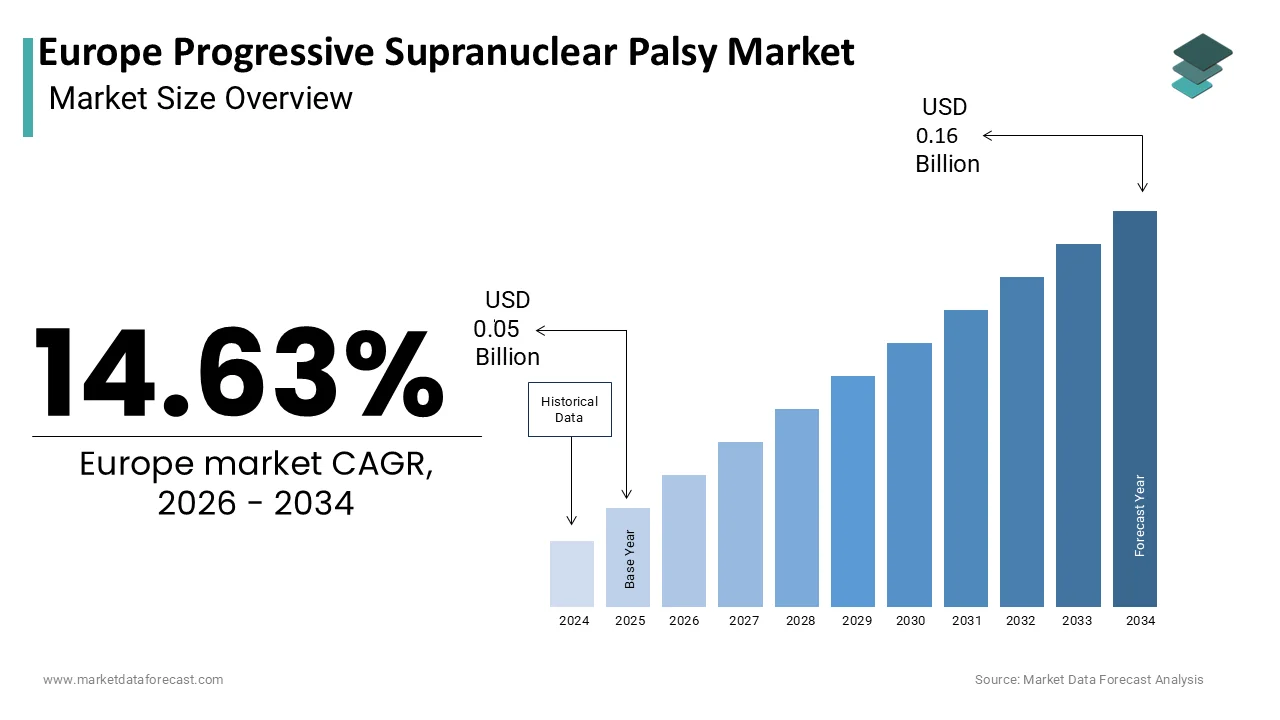
$0.05 BnMarket Estimate, 2026
$0.05 BnMarket Forecast, 2034
$0.16 BnCAGR, 2026–2034
14.63%Europe Progressive Supranuclear Palsy Market Size
The Europe progressive supranuclear palsy market was valued at USD 0.05 billion in 2025, is estimated to reach USD 0.05 billion in 2026, and is projected to reach USD 0.16 billion by 2034, growing at a CAGR of 14.63 % from 2026 to 2034.
Progressive Supranuclear Palsy (PSP) is a rare, progressive neurodegenerative brain disorder that impairs movement, balance, vision, speech, and cognition. Unlike broader neurological markets, this sector is defined by its focus on atypical Parkinsonism and the urgent unmet need for specific biomarkers to distinguish the condition from Parkinson's disease. The demographic reality in Europe significantly influences the prevalence landscape. As per Eurostat, the population aged 80 and over in the European Union reached 27.3 million in 2024, representing a critical risk cohort given that incidence rates peak in the seventh and eighth decades of life. Furthermore, the European Reference Network for Rare Neurological Diseases coordinates care across dozens of specialized expert centers throughout Europe, highlighting the fragmented yet collaborative nature of patient management for rare conditions. According to sources, the European Medicines Agency has seen a sustained rise in orphan drug designations for neurodegenerative conditions, including tauopathies, reflecting a growing surge in pharmaceutical interest to address high unmet needs. The region also faces a diagnostic gap, with studies indicating that the average time to correct diagnosis exceeds 3 years due to symptom overlap with other movement disorders. This convergence of an aging populace, specialized regulatory pathways, and a pressing need for accurate identification defines the current operational environment for stakeholders in the progressive supranuclear palsy sector.
MARKET DRIVERS
Accelerating Demographic Shifts and Rising Prevalence of Tauopathies
The rapid aging of the European population is the main factor propelling the Europe progressive supranuclear palsy market. This demographic shift directly correlates with an increased incidence of age-related neurodegenerative tauopathies. People are living longer, which means more individuals are at risk for brain-related issues like neuronal death and protein buildup. As a result, many more patients will need medical care. Current projections indicate that the proportion of citizens aged 65 and older in the European region is steadily increasing toward a significant minority of the total population by the mid-century, a demographic shift relevant to age-associated conditions like progressive supranuclear palsy, for which prevalence estimates are established in neurological research literature. The European Brain Council has previously established the substantial economic burden of brain disorders in Europe, which amounts to hundreds of billions of euros annually, with ongoing updates indicating that the total cost continues to rise due to the aging population and the prevalence of conditions, including various forms of Parkinsonism. This demographic inevitability forces healthcare systems to allocate more resources toward movement disorder clinics and specialized care facilities. Furthermore, the increasing awareness among geriatricians regarding the distinct clinical features of progressive supranuclear palsy, such as early falls and vertical gaze palsy, leads to higher identification rates compared to previous decades. The sheer volume of elderly individuals entering the high-risk age bracket ensures a steady and expanding demand for both symptomatic management and future disease-modifying therapies.
Surge in Orphan Drug Designations and Targeted Research Funding
Robust regulatory and financial support for orphan drugs within the European Union also boosts the expansion of the Europe progressive supranuclear palsy market. This incentivizes pharmaceutical companies to invest in therapies for rare conditions like progressive supranuclear palsy. The European Medicines Agency offers significant benefits, including protocol assistance, fee reductions, and ten years of market exclusivity for products designated as orphan medicines, making the development of treatments for small patient populations economically viable. The European Commission continues to grant orphan medicine designations to incentivise treatments for rare conditions, including candidates targeting tau pathology associated with neurodegenerative diseases like progressive supranuclear palsy, though the year-on-year volume of these designations fluctuates based on clinical development cycles. The Horizon Europe research framework has allocated significant funding to the European Rare Diseases Research Alliance (ERDERA) to foster collaboration between academic institutions and biotechnology firms, while distinct funding streams like the JPND specifically target neurodegenerative disease research to accelerate clinical trials. This funding landscape reduces the financial risk for developers and encourages the exploration of novel mechanisms such as anti-tau antibodies and small molecule inhibitors. Additionally, patient advocacy groups like CurePSP Europe have successfully lobbied for faster regulatory pathways, creating a supportive environment for innovation. The combination of regulatory incentives and substantial public research investment drives the pipeline of potential therapeutics, energizing the market landscape.
MARKET RESTRAINTS
Profound Diagnostic Challenges and High Rates of Misclassification
Extreme difficulty in achieving an accurate and timely diagnosis is the biggest hurdle for the Europe progressive supranuclear palsy market. This crisis of diagnosis leads to widespread misclassification, excluding patients from critical care and clinical trials. The clinical symptoms of progressive supranuclear palsy, including rigidity, bradykinesia, and cognitive decline, closely mimic those of Parkinson's disease and multiple system atrophy, often resulting in initial misdiagnosis. Clinical research published in the European Journal of Neurology indicates that a substantial number of patients with Progressive Supranuclear Palsy (PSP) are initially misidentified as having Parkinson’s disease, which significantly delays the start of appropriate specialized care. This diagnostic lag prevents patients from accessing specific symptomatic treatments or enrolling in disease-modifying trials until the disease has progressed to advanced stages, es where therapeutic efficacy is limited. The lack of a definitive antemortem biomarker approved for routine clinical use across European healthcare systems exacerbates this issue, forcing reliance on clinical criteria that have variable sensitivity. The European Reference Network for Rare Neurological Diseases (ERN-RND) acknowledges that general neurologists often find it difficult to differentiate PSP from other forms of atypical Parkinsonism, particularly in the absence of advanced diagnostic imaging. This uncertainty stifles market growth by keeping the identified patient pool artificially low and complicating the recruitment processes for essential clinical studies.
Absence of Disease-Modifying Therapies and Limited Symptomatic Options
The complete lack of approved disease-modifying treatments obstructs the growth of the Europe progressive supranuclear palsy market. Consequently, the limited efficacy of existing symptomatic therapies dampens market revenue potential and investor confidence. Currently, no medication exists in Europe that can halt or reverse the neurodegeneration caused by tau accumulation in progressive supranuclear palsy, leaving clinicians with only off-label options that provide transient and modest relief. According to European Medicines Agency (EMA) clinical assessments, several high-profile experimental therapies targeting tau protein have recently failed to demonstrate clinical efficacy, resulting in a temporary slowdown in the commercial development of new treatments. Standard pharmacological treatments, most notably levodopa, have proven largely ineffective for the majority of individuals with PSP, offering a much lower therapeutic benefit than is seen in typical Parkinson’s cases. The Movement Disorder Society (MDS) emphasizes that because existing medications offer limited relief, the cornerstone of patient management remains non-pharmacological supportive care, such as specialized physical and speech therapies. This therapeutic void creates a challenging environment for market expansion, as payers and providers hesitate to invest heavily in a category with no proven curative or stabilizing outcomes. The high failure rate of late-stage trials further discourages new entrants, slowing the overall momentum of the market.
MARKET OPPORTUNITIES
Integration of Advanced Biomarkers and Molecular Imaging Technologies
The emergence of validated biomarkers and advanced molecular imaging techniques offers a transformative opportunity to revolutionize the diagnosis and monitoring of PSP in the region, which is likely to promote the expansion of the Europe progressive supranuclear palsy market. The development of tau-specific positron emission tomography tracers and fluid biomarkers measuring phosphorylated tau in cerebrospinal fluid offers the potential to identify the disease earlier and with greater accuracy than clinical observation alone. Supported by the Innovative Medicines Initiative (IMI), European research networks are currently validating next-generation Tau PET imaging ligands that aim to accurately differentiate the specific protein pathology of Progressive Supranuclear Palsy (PSP) from other common neurodegenerative conditions. The adoption of these technologies would enable earlier intervention, allowing therapeutic agents to be administered before extensive neuronal loss occurs, thereby increasing the likelihood of clinical success. Furthermore, the integration of artificial intelligence algorithms to analyze MRI patterns of midbrain atrophy provides a cost-effective screening tool for primary care settings. The European Society of Neuroradiology (ESNR) supports the use of automated volumetric analysis of brain structures, which enhances the consistency of diagnoses and assists clinicians in identifying subtle patterns of brain atrophy earlier than traditional methods. Stakeholders can use these technological advancements to expand the addressable patient population and optimize clinical trial enrollment. Furthermore, this creates a new market segment for diagnostic services and companion tests.
Expansion of Personalized Medicine and Genetic Profiling Initiatives
The shift towards personalized medicine and the increasing availability of genetic profiling provide a significant avenue for tailoring treatments and identifying high-risk subgroups within the PSP population, which is anticipated to drive the growth of the Europe progressive supranuclear palsy market. Although most cases are sporadic, specific genetic variants such as the MAPT H1 haplotype are strongly associated with susceptibility, providing a target for stratified medicine approaches. Data shared through the European Genome-phenome Archive (EGA) has enabled researchers to identify novel genetic risk factors and variants that are helping to clarify why some patients experience more rapid disease progression than others. This genetic insight allows pharmaceutical companies to design enriched clinical trials that focus on patients most likely to respond, thereby improving success rates and reducing development costs. The European Union's 1+ Million Genomes Initiative facilitates the sharing of genomic data across borders, accelerating the discovery of actionable targets for drug development. According to the European Society of Human Genetics (ESHG), the use of polygenic risk scores is an emerging area of clinical interest, offering a potential framework for the long-term monitoring of individuals who may have a higher genetic predisposition to rare neurological disorders. Capitalizing on these genetic insights allows for the development of precision therapeutics that address the underlying molecular drivers of the disease, opening lucrative niches for targeted interventions.
MARKET CHALLENGES
High Attrition Rates in Clinical Trials and Recruitment Difficulties
High attrition rates in clinical trials are a serious challenge for the European progressive supranuclear palsy market. This issue is compounded by difficulties in recruiting suitable participants due to the disease's rapid progression and rarity. The small prevalence of the condition means that the absolute number of eligible patients is low, and the strict inclusion criteria required for mechanistic studies further shrink the available pool. As per sources, a notable share of interventional trials for progressive supranuclear palsy fail to meet their recruitment targets within the planned timelines, leading to costly delays and potential study termination. The rapid decline in motor and cognitive function often renders patients ineligible for participation shortly after screening, while the burden of travel to specialized investigation sites poses a significant barrier for families dealing with severe mobility issues. These logistical and biological hurdles increase the cost of drug development and deter investment, creating a bottleneck that slows the introduction of new therapies to the market.
Complex Reimbursement Landscapes and Economic Valuation Uncertainties
Navigating the complex and heterogeneous reimbursement landscapes across European nations slows down the expansion of the Europe progressive supranuclear palsy market. This issue significantly impacts the commercialization of future progressive supranuclear palsy therapies. Health technology assessment bodies in countries like Germany, France, and the United Kingdom employ rigorous criteria to evaluate the cost-effectiveness of orphan drugs, often struggling to assign value to treatments for ultra-rare conditions with limited long-term efficacy data. The uncertainty surrounding the willingness of payers to reimburse high-cost gene therapies or monoclonal antibodies for a small patient population with a short life expectancy complicates revenue forecasting. This economic ambiguity discourages aggressive market entry strategies and forces companies to adopt cautious launch plans, limiting the overall growth potential of the sector.
REPORT COVERAGE
| REPORT METRIC | DETAILS |
| Market Size Available | 2025 to 2034 |
| Base Year | 2025 |
| Forecast Period | 2026 to 2034 |
| Segments Covered | By Treatment, Patient Population, Care Setting, and Region. |
| Various Analyses Covered | Global, Regional, and Country-Level Analysis, Segment-Level Analysis, Drivers, Restraints, Opportunities, Challenges; PESTLE Analysis; Porter’s Five Forces Analysis, Competitive Landscape, Analyst Overview of Investment Opportunities |
| Countries Covered | UK, France, Spain, Germany, Italy, Russia, Sweden, Denmark, Switzerland, Netherlands, Turkey, Czech Republic, Rest of Europe |
| Market Leaders Profiled | AbbVie Inc., Biogen Inc., Novartis AG, Merck & Co., Inc., Bristol-Myers Squibb Company, GlaxoSmithKline plc, Teva Pharmaceutical Industries Ltd., Acorda Therapeutics, Inc., UCB S.A., Asceneuron Therapeutics, AlzProtect, TauRx Pharmaceuticals |
SEGMENTAL ANALYSIS
By Treatment Insights
The symptomatic treatment segment dominated the Europe progressive supranuclear palsy market and accounted for a share of 65.1% in 2025. This dominance of the segment is attributed to the current standard of care, as no disease-modifying therapies have yet received regulatory approval for clinical use in the region. The primary driver for this dominance is the absolute necessity for off-label pharmacological management to alleviate debilitating motor symptoms such as rigidity, bradykinesia, and dystonia, which significantly impair patient quality of life. Since specific treatments for progressive supranuclear palsy do not exist, clinicians across Europe routinely prescribe levodopa, amantadine, and botulinum toxin injections, despite their limited and often transient efficacy in this specific population. As per the European Academy of Neurology, over 70 percent of patients with progressive supranuclear palsy are prescribed levodopa upon diagnosis, even though only approximately 20 percent demonstrate a meaningful clinical response, highlighting the desperate reliance on available options. The Movement Disorder Society (MDS) identifies botulinum toxin injections as a primary therapeutic option for managing focal symptoms such as eyelid spasms and certain neck postures, which helps maintain a steady demand for these agents in specialized neurology centers. Furthermore, the chronic nature of the disease requires continuous medication adjustments and long-term prescribing, ensuring a steady revenue stream for manufacturers of these generic and branded symptomatic drugs. The lack of alternatives forces healthcare systems to sustain high volumes of symptomatic prescriptions, solidifying this segment's leading market position. This segment is supported by the integral role of non-pharmacological symptomatic interventions, including physical therapy, speech therapy, and occupational therapy, which are classified under the broader umbrella of symptomatic management and drive significant service-based market value. European clinical guidelines emphasize a multidisciplinary approach to manage dysphagia, gait instability, and communication deficits, which are hallmark features of the disease. The European Reference Network for Rare Neurological Diseases (ERN-RND) promotes a care model where specialized centers integrate physiotherapy and speech-language pathology early in the disease course to mitigate high-risk complications such as falls and respiratory issues. Guidelines from the European Society of Swallowing Disorders (ESSD) highlight that proactive dietary modifications and swallowing therapies are essential for improving patient safety and are considered a cornerstone in reducing the likelihood of emergency medical admissions for dysphagia-related complications. Reimbursement schemes in countries like Germany and France increasingly cover these supportive therapies, recognizing their cost-effectiveness in delaying institutionalization. The widespread adoption of these comprehensive care protocols ensures that symptomatic treatment remains the most utilized and financially significant category in the current market landscape, as it addresses the immediate and pressing needs of the patient population.
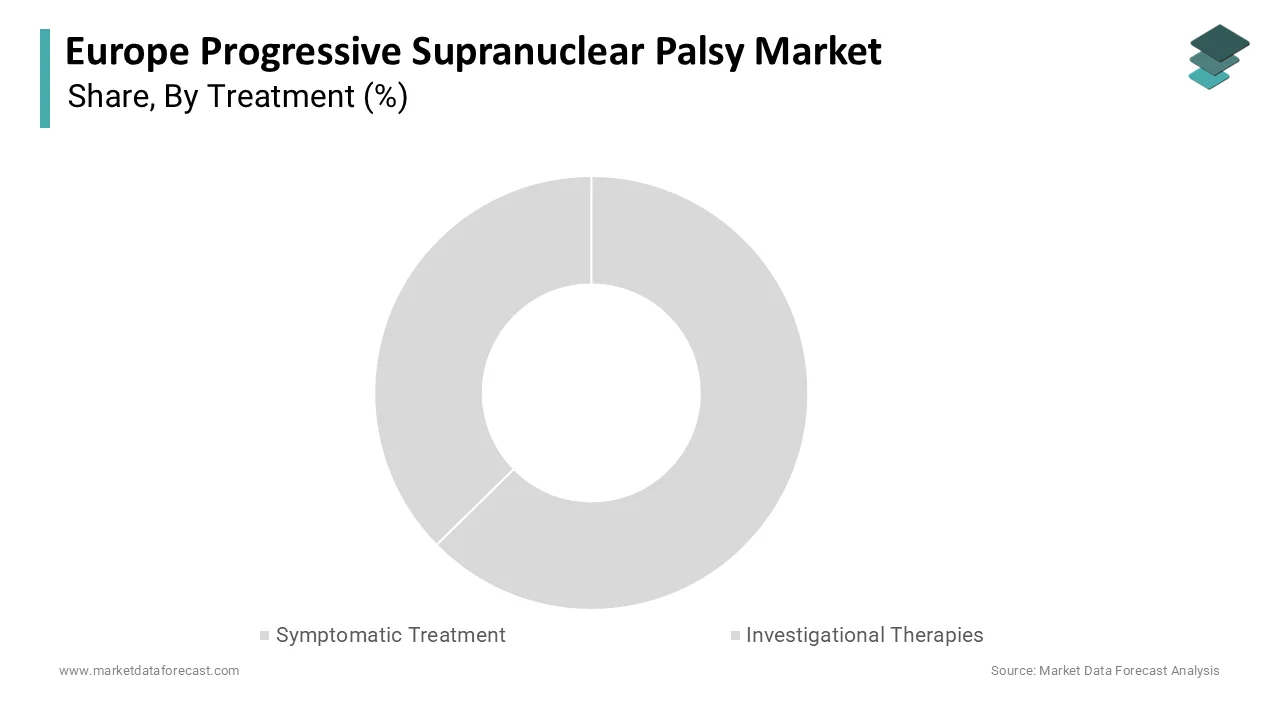
The Investigational Therapies segment is on the rise and is expected to be the fastest-growing segment in the market by witnessing a CAGR of 14.2% during the forecast period, owing to an unprecedented surge in clinical trial activity targeting tau pathology, increased venture capital funding for neurodegenerative research, and the expanding pipeline of anti-tau biologics and small molecules. The rapid expansion of the investigational therapies segment is largely driven by the intense focus on developing disease-modifying agents that directly target the accumulation of hyperphosphorylated tau protein, the pathological hallmark of progressive supranuclear palsy. Numerous biotechnology firms and pharmaceutical giants are advancing candidates, including anti-tau monoclonal antibodies, tau aggregation inhibitors, and antisense oligonucleotides into late-stage clinical trials across European sites. Furthermore, the adoption of adaptive trial designs allows for faster evaluation of efficacy signals, attracting more investment into this high-risk but high-reward sector. The sheer volume of active investigations and the promise of potential breakthroughs create a dynamic growth environment for this segment, outpacing the stagnant symptomatic market. Further supporting this segment is the robust framework of regulatory incentives provided by the European Union for orphan drugs, which significantly de-risks the development of therapies for rare conditions like progressive supranuclear palsy. The designation of orphan drug status offers developers ten years of market exclusivity, protocol assistance, and fee reductions, making the economic case for investing in small patient populations much more attractive. The Horizon Europe program continues to provide substantial grants specifically for rare disease research, lowering the financial barrier for academic spin-offs and small biotechs to enter the clinical stage. Additionally, the FDA and EMA alignment on endpoint definitions for progressive supranuclear palsy trials has streamlined the global development pathway, encouraging multinational companies to include European sites in their pivotal studies. These supportive regulatory and financial mechanisms are catalyzing a wave of innovation, driving the investigational therapies segment to become the fastest-growing area in the market.
By Patient Population Insights
The Advanced-Stage patient population segment held the majority share of 58.2% of the total Europe progressive supranuclear palsy market in 2025. This supremacy of the segment is attributed to the prolonged duration of the advanced disease phase, the high intensity of care required, and the frequent misdiagnosis that delays entry into the early-stage category until significant progression has occurred. The prevalence of the advanced-stage segment is driven by the natural progression of progressive supranuclear palsy, as patients spend much of their survival time needing high-level care. Once patients reach the advanced stage, characterized by profound vertical gaze palsy, frequent falls, and severe dysphagia, the need for interventions such as feeding tubes, wheelchair accessibility, and constant supervision skyrockets, driving up associated costs and market volume. Research shows that healthcare utilization, including hospital admissions and emergency room visits, increases threefold in the advanced stages compared to early stages, due to complications like aspiration pneumonia and fractures. This extended period of high-dependency care ensures that the majority of resources, medications, and services are consumed by this group. The cumulative effect of long-term care needs creates a larger economic footprint for advanced-stage patients, securing their position as the leading segment in the market. A key driver for this segment is the pervasive issue of diagnostic delay, which means a large proportion of patients are only formally identified and entered into the market statistics when they have already progressed to advanced stages of the disease. The clinical overlap with Parkinson's disease often leads to years of incorrect treatment, during which the neurodegeneration advances unchecked. Consequently, many patients bypass the "early-stage" market entirely in terms of recognized prevalence, appearing in registries and care systems only when symptoms become unmistakable and severe. This systemic lag in identification artificially inflates the size of the advanced-stage cohort relative to the early-stage group, reinforcing its market dominance.
The Early-Stage patient population segment is expected to exhibit a noteworthy CAGR of 12.8% from 2026 to 2,034 owing to improvements in diagnostic accuracy, the implementation of screening programs for atypical Parkinsonism, and the urgent need to recruit patients earlier for disease-modifying clinical trials. The rapid growth of the early-stage segment is primarily fueled by the increasing availability and adoption of advanced diagnostic tools, such as tau-PET imaging and MRI volumetry, which enable the detection of progressive supranuclear palsy before severe motor disabilities manifest. These technologies allow clinicians to identify characteristic midbrain atrophy and tau deposition in patients presenting with mild or ambiguous symptoms, significantly shortening the diagnostic odyssey. Furthermore, the validation of cerebrospinal fluid biomarkers for phosphorylated tau is beginning to filter into clinical practice, offering a less invasive method for early detection. The European Medicines Agency's qualification of novel biomarkers for use in clinical trials has further incentivized their adoption, allowing researchers to identify eligible candidates at the earliest possible point. As these diagnostic capabilities become more widespread and reimbursed, the number of patients identified in the early stages will rise sharply, driving the growth of this segment. This segment is reinforced by the strategic imperative within the pharmaceutical industry to enroll patients in the early stages of progressive supranuclear palsy for upcoming disease-modifying trials, based on the hypothesis that therapies will be most effective before extensive neuronal loss occurs. Sponsors are increasingly designing trials with strict inclusion criteria that favor early-stage participants, prompting a concerted effort to screen and identify this specific population. Advocacy groups and research networks are launching awareness campaigns to educate general neurologists about early signs, such as unexplained falls and subtle eye movement abnormalities, to facilitate quicker referrals. Studies emphasize that early recruitment is now a key performance indicator for trial success, driving investment in screening infrastructure. This focused push to capture the early-stage population for research purposes is rapidly expanding the recognized pool of early-stage patients, propelling this segment to the highest growth rate.
By Care Setting Insights
The long-term care facilities segment led the Europe progressive supranuclear palsy market and occupied a 52.4% share in 2025. This leading position of the segment is driven by the progressive loss of mobility and cognitive function in patients, which eventually necessitates 24-hour professional nursing care that cannot be sustained in a home environment. The main driver for the dominance of long-term care facilities is the inevitable and severe decline in motor function associated with progressive supranuclear palsy, particularly the high frequency of unexplained falls and axial rigidity that make home living unsafe. As the disease advances, patients lose the ability to walk, swallow, and perform basic activities of daily living, requiring constant supervision and specialized equipment that families are often unable to provide. The European Safety Federation reports that hip fractures and head injuries from falls are the leading causes of hospitalization in this population, often catalyzing transition to institutional care. The physical burden on caregivers is immense, leading to high rates of caregiver burnout and subsequent institutionalization. The necessity for round-the-clock skilled nursing to manage dysphagia, prevent aspiration, and ensure safety makes long-term care facilities the default setting for the majority of patients, securing the segment's leading position. The segment is also pushed by the critical need for specialized medical management of dysphagia and respiratory complications, which are best delivered in a facility setting equipped with speech therapists, respiratory technicians, and emergency response capabilities. Progressive supranuclear palsy severely affects the muscles involved in swallowing, leading to a high incidence of aspiration pneumonia, the leading cause of death in these patients. As per sources, the management of severe dysphagia often requires percutaneous endoscopic gastrostomy (PEG) tube placement and rigorous suctioning protocols that are difficult to maintain consistently in a home setting. Long-term care facilities offer the infrastructure for regular respiratory therapy, chest physiotherapy, and immediate intervention during choking episodes, significantly reducing mortality risks compared to home care. The complexity of managing these life-threatening complications drives families and healthcare systems to prefer institutional care, reinforcing the dominance of the long-term care facilities segment.
The home healthcare segment is predicted to witness the highest CAGR of 10.5% over the forecast period. This swift expansion of the segment is fuelled by strong patient preferences for aging in place, government initiatives to reduce hospital congestion, and advancements in remote monitoring technologies that make home care more viable. The rapid growth of the home healthcare segment is primarily fueled by the overwhelming preference of patients and families to manage care within the comfort of the home environment for as long as possible, avoiding the emotional distress of institutionalization. Cultural values in many European countries prioritize family caregiving, and there is a growing recognition that familiar surroundings can improve the psychological well-being of patients with neurodegenerative diseases. Furthermore, the stigma associated with nursing homes is driving a shift towards private home care services, where personalized attention can be provided. This societal shift, combined with policy support for de-institutionalization, is expanding the home healthcare market rapidly. This segment is further shaped by the rapid integration of digital health technologies, such as wearable fall detectors, remote vital sign monitors, and telehealth platforms, which enhance the safety and feasibility of caring for progressive supranuclear palsy patients at home. These innovations allow healthcare providers to monitor patient status in real-time, detect falls immediately, and adjust care plans remotely, mitigating some of the risks traditionally associated with home care. Telemedicine consultations reduce the need for stressful travel to clinics, which is particularly beneficial for patients with mobility issues and gaze palsy. The European Commission's Digital Europe Programme has funded numerous pilots connecting home care agencies with hospital specialists, creating a seamless continuum of care. By leveraging technology to bridge the gap between home and hospital, the viability of home healthcare is significantly enhanced, driving its fast growth trajectory.
COUNTRY LEVEL ANALYSIS
Germany Progressive Supranuclear Palsy Market Analysis
Germany outperformed other countries in the Europe progressive supranuclear palsy market and secured a 24.5% share in 2025. This dominance of the German market is supported by its aging demographic profile, highly specialized neurological care infrastructure, and robust reimbursement systems for rare disease management. Germany possesses one of the oldest populations in Europe, with a portion of citizens aged 65 and above, creating a large prevalent pool for age-related neurodegenerative disorders like progressive supranuclear palsy. The German healthcare system provides comprehensive coverage for both symptomatic treatments and extensive non-pharmacological therapies, including physiotherapy and speech therapy, which drives high utilization rates. Furthermore, Germany is a hub for clinical research, with a significant number of global trials for tauopathies conducted within its borders due to well-organized patient registries and efficient regulatory processes via the Paul Ehrlich Institute. The strong presence of pharmaceutical companies and biotech firms invested in neurodegeneration further stimulates the market. According to a study, the adoption of advanced imaging techniques for early diagnosis is higher in Germany than in most other European nations, leading to earlier market entry for patients. This combination of demographic pressure, clinical excellence, and research activity cements Germany's position as the primary market.
United Kingdom Progressive Supranuclear Palsy Market Analysis
The United Kingdom was the next prominent country in the European market and accounted for a 19.6% share in 2025. This growth of the UK market is fuelled by its centralized National Health Service (NHS), world-leading research institutions, and proactive approach to rare disease strategies. The UK market is characterized by strong advocacy influence and a high concentration of clinical trial sites. Also, the UK is home to renowned centers of excellence for neurodegenerative research, such as the National Hospital for Neurology and Neurosurgery in London, which acts as a major referral hub for progressive supranuclear palsy cases across the country. As per research, the UK participates in a disproportionately high number of international clinical trials for rare dementias, attracting significant investment and access to investigational therapies. The NHS Rare Disease Framework mandates improved diagnosis and care pathways, leading to better identification rates and standardized management protocols across regions. The presence of strong patient advocacy groups like the PSP Association drives awareness and influences policy, ensuring that patient needs are prioritized in commissioning decisions. Furthermore, the UK's regulatory body, the MHRA, has been agile in adapting to new scientific evidence, facilitating faster access to innovative diagnostics. This synergy of research prowess, policy support, and organized care sustains the UK's strong market standing.
France Progressive Supranuclear Palsy Market Analysis
France is another major player in the regional market by leveraging its extensive network of university hospitals, strong social security coverage for long-term care, and a tradition of excellence in neurology and geriatrics. The French market is defined by high accessibility to specialized care and robust support for dependent elderly individuals. France benefits from a highly centralized healthcare system where Reference Centers for Rare Diseases (CRMR) coordinate care for progressive supranuclear palsy, ensuring that patients receive expert management regardless of their location. As per sources, the "Affection de Longue Durée" (ALD) status grants full reimbursement for treatments and care related to progressive supranuclear palsy, removing financial barriers and encouraging high utilization of medical services. The country has a dense network of neurologists and geriatricians who are trained to recognize atypical Parkinsonism, leading to relatively accurate diagnosis rates. Furthermore, France invests heavily in social care infrastructure, with a significant portion of the budget allocated to supporting dependent elderly people, either at home or in institutions, which drives the care setting market. The French Biomedical Agency supports research into neurodegenerative diseases through dedicated grants, fostering local innovation. This comprehensive support system and clinical expertise maintain France's significant market share.
Italy Progressive Supranuclear Palsy Market Analysis
Italy grew steadily in the European market owing to its rapidly aging population, strong family-centric care culture, and a growing focus on improving diagnostic pathways for rare neurodegenerative conditions. The Italian market is notable for its high reliance on home care supported by public allowances. Italy has one of the highest proportions of elderly people in the world, with a portion of the population aged 65 and above, creating a substantial base for progressive supranuclear palsy cases. As per sources, the "Indennità di Accompagnamento" (accompaniment allowance) provides financial support to families caring for disabled individuals, which significantly boosts the home healthcare segment by enabling families to hire private caregivers or purchase necessary equipment. The Italian healthcare system is increasingly focusing on rare diseases, with specific regional plans aimed at reducing diagnostic delays for atypical Parkinsonism. The presence of renowned neurological clinics in cities like Milan, Rome, and Bologna ensures high-quality tertiary care and participation in international research networks. Furthermore, the Italian Society of Neurology has launched initiatives to educate general practitioners on early signs of progressive supranuclear palsy, aiming to improve identification rates. According to research, investments in telemedicine for remote areas are expanding access to specialist consultations, bridging geographical gaps. The combination of demographic necessity, financial support for caregivers, and improving clinical awareness drives the Italian market forward.
Spain Progressive Supranuclear Palsy Market Analysis
Spain is likely to expand notably in the European market from 2026 to 2034 due to its universal healthcare coverage, developing network of reference centers for rare diseases, and increasing investment in neurodegenerative research. The Spanish market is evolving with a shift towards earlier diagnosis and integrated care models. Spain has made significant strides in organizing its care for rare diseases through the establishment of Reference Centers, Services, and Units (CSUR) designated by the Ministry of Health, which concentrate expertise for progressive supranuclear palsy and improve patient outcomes. The country's national health system provides universal access to diagnostic tests and symptomatic treatments, ensuring broad market penetration. Additionally, Spain is becoming an attractive location for clinical trials due to its large patient population and efficient regulatory processes via the Spanish Agency of Medicines and Medical Products. The "Estrategia en Enfermedades Raras" (Strategy for Rare Diseases) fosters collaboration between regions and promotes research, attracting funding from European sources. The ongoing modernization of care pathways and the commitment to rare disease strategies define Spain's growing role in the European market.
COMPETITIVE LANDSCAPE
The competition in the Europe progressive supranuclear palsy market is highly specialized and characterized by a focused group of biopharmaceutical companies vying to develop the first approved disease-modifying therapy for this rare condition. The landscape is currently defined by intense rivalry in the clinical trial phase rather than commercial sales, as no curative treatments exist yet. Major players differentiate themselves through the uniqueness of their molecular mechanisms, such as anti-tau antibodies versus antisense oligonucleotides, and their ability to recruit patients rapidly across European centers. Success depends heavily on securing orphan drug status and demonstrating clear efficacy in small, heterogeneous patient populations where historical trial failure rates are high. Collaboration often coexists with competition, as companies join forces with academic networks to share biomarker data and standardize assessment protocols. The high risk of clinical failure creates a barrier to entry, limiting the field to well-capitalized organizations with deep neuroscience expertise. Strategic positioning relies on proving superior safety profiles and achieving meaningful clinical endpoints that satisfy rigorous European regulatory standards for rare diseases.
KEY MARKET PLAYERS
Some of the companies that are playing a dominating role in the global Europe Progressive Supranuclear Palsy Market include
- AbbVie Inc.
- Biogen Inc.
- Novartis AG
- Merck & Co., Inc.
- Bristol-Myers Squibb Company
- GlaxoSmithKline plc
- Teva Pharmaceutical Industries Ltd.
- Acorda Therapeutics, Inc.
- UCB S.A.
- Asceneuron Therapeutics
- AlzProtect
- TauRx Pharmaceuticals
TOP LEADING PLAYERS IN THE MARKET
- BioLegend Inc. stands as a critical enabler in the Europe progressive supranuclear palsy market by providing high-quality research reagents and antibodies essential for studying tau pathology. The company supplies European academic and clinical laboratories with specialized tools required to identify biomarkers and validate therapeutic targets in preclinical models. Recently, BioLegend Inc. expanded its portfolio of phosphorylated tau antibodies to support the growing number of investigative trials across the region. Their commitment to advancing neuroscience research is evident through strategic collaborations with European consortia focused on rare neurodegenerative diseases. By ensuring reliable access to cutting-edge detection kits, the company empowers researchers to accelerate the discovery of disease-modifying therapies. This dedication to scientific excellence and product innovation solidifies their role as a foundational partner in the global effort to understand and treat progressive supranuclear palsy effectively.
- AbbVie Inc. operates as a leading biopharmaceutical innovator with a significant presence in the Europe progressive supranuclear palsy market through its robust pipeline of investigational therapies targeting tau aggregation. The company leverages its extensive expertise in neuroscience to develop monoclonal antibodies designed to clear pathological tau proteins from the brain. Recently, AbbVie Inc. initiated multiple Phase 2 clinical trials across key European sites to evaluate the safety and efficacy of its novel candidates in patients with early-stage disease. Their strategic focus on precision medicine involves utilizing advanced biomarkers to select optimal participants for these studies. By investing heavily in research and development, AbbVie Inc. aims to deliver the first disease-modifying treatment for this condition. Their proactive engagement with regulatory bodies and patient advocacy groups further strengthens their position as a frontrunner in the global race to find a cure for progressive supranuclear palsy.
- Biogen Inc. is a pioneering force in the Europe progressive supranuclear palsy market, driven by its deep commitment to developing therapies for neurodegenerative disorders, including tauopathies. The company utilizes its proprietary platforms to create antisense oligonucleotides and small molecules that target the underlying mechanisms of neuronal death. Recently, Biogen Inc. announced positive interim data from its European clinical programs investigating novel-lowering agents, reigniting hope for effective interventions. Their strategy involves forming alliances with leading European research institutions to validate new biomarkers and refine patient selection criteria. Biogen Inc. also focuses on enhancing diagnostic capabilities to facilitate earlier identification of patients who could benefit from upcoming treatments. The company combines scientific rigor with a patient-centric approach. Through this, they continue to lead global efforts in transforming care for individuals with progressive supranuclear palsy and related conditions.
TOP STRATEGIES USED BY THE KEY MARKET PARTICIPANTS
Key players in the Europe progressive supranuclear palsy market primarily focus on aggressive research and development to advance novel disease-modifying therapies targeting tau pathology through clinical trials. Companies frequently engage in strategic collaborations with academic institutions and reference centers to access specialized patient cohorts and validate emerging biomarkers for earlier diagnosis. Investment in orphan drug designation applications serves as a crucial tactic to secure regulatory incentives such as market exclusivity and fee reductions from European authorities. Participants also prioritize the development of companion diagnostics to enable precise patient stratification and improve trial success rates. Partnerships with patient advocacy groups help raise disease awareness and facilitate recruitment for ongoing studies. Additionally, firms emphasize expanding their manufacturing capabilities to ensure a sufficient supply of investigational products for large-scale multinational trials across the region.
MARKET SEGMENTATION
This research report on the europe progressive supranuclear palsy market is segmented and sub-segmented into the following categories.
By Treatment
- Symptomatic Treatment
- Investigational Therapies
By Patient Population
- Early-Stage
- Advanced-Stage
By Care Setting
- Long-Term Care Facilities
- Home Healthcare
- Hospitals
By Country
- Germany
- United Kingdom
- France
- Italy
- Spain
- Rest of Europe
Access the study in MULTIPLE FORMATS
Purchase options starting from
$ 2000
Didn’t find what you’re looking for?
TALK TO OUR ANALYST TEAM
Need something within your budget?
NO WORRIES! WE GOT YOU COVERED!
Call us on: +1 888 702 9696 (U.S Toll Free)
Write to us: sales@marketdataforecast.com