- Product Description Description
- Table of Contents TOC
- List of Table & Figure LOT
- Get Free Sample PDF Sample PDF
Market Size, 2025
$1,595.41 MnMarket Estimate, 2026
$1,692.41 MnMarket Forecast, 2034
$2,713.17 MnCAGR, 2026–2034
6.08%Europe Wheelchair Market Report Summary
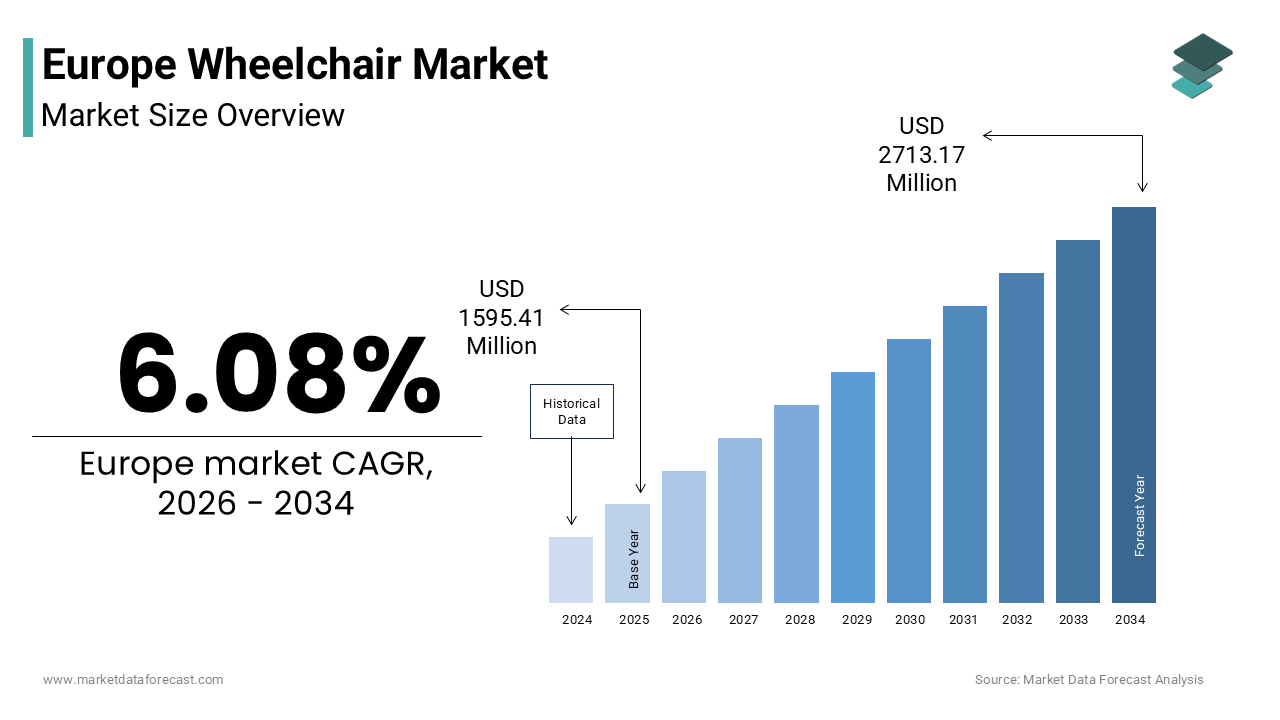
The Europe wheelchair market was valued at USD 1,595.41 million in 2025 and is anticipated to reach USD 1,692.41 million in 2026 from USD 2,713.17 million by 2034, growing at a CAGR of 6.08% during the forecast period from 2026 to 2034. The growth of the Europe wheelchair market is driven by the rising prevalence of chronic diseases, increasing mobility impairments among the aging population, and growing awareness regarding independent living for people with disabilities. Expanding government reimbursement programs, increasing accessibility regulations, and growing demand for advanced mobility solutions are further accelerating market growth. Moreover, technological advancements in powered wheelchairs, integration of smart mobility features, and increasing adoption of home healthcare services are supporting the expansion of the Europe wheelchair market.
Key Market Trends
-
Rising adoption of smart wheelchairs integrated with IoT and connectivity features.
-
Increasing demand for lightweight and portable wheelchair designs.
-
Growing focus on home healthcare and aging-in-place initiatives.
-
Rising adoption of powered wheelchairs among elderly and severely disabled individuals.
-
Increasing investments in accessibility infrastructure and mobility assistance programs.
Segmental Insights
- Based on product, the manual wheelchairs segment dominated the Europe wheelchair market and held the largest share in 2025. The dominance of the segment is attributed to affordability, ease of use, widespread availability, lower maintenance requirements, and extensive reimbursement support across European healthcare systems. The versatility of manual wheelchairs across rehabilitation, homecare, and community settings continues to support segment growth.
- The electric wheelchairs segment is projected to witness the fastest CAGR during the forecast period owing to technological advancements, growing demand for enhanced mobility and independence, increasing prevalence of severe mobility impairments, and expanding reimbursement support for advanced mobility devices. Improvements in battery technology, smart navigation systems, and user comfort features are further driving growth in this segment.
- Based on category, the adult wheelchairs segment accounted for the leading share of the Europe wheelchair market in 2025. The dominance of the segment is driven by the rapidly aging population, increasing incidence of chronic diseases, growing prevalence of mobility limitations, and rising demand for long-term mobility assistance solutions among elderly individuals.
- The pediatric wheelchairs segment is anticipated to register the fastest CAGR during the forecast period due to increasing awareness regarding early mobility intervention, growing availability of customized pediatric mobility devices, expanding government support programs, and rising focus on improving quality of life for children with disabilities.
- Based on application, the homecare segment held the major share of the Europe wheelchair market in 2025. The growth of the segment is attributed to increasing preference for independent living, expanding home healthcare services, growing aging population, and rising adoption of wheelchairs for everyday mobility support within residential settings.
- The rehabilitation centers segment is expected to witness the fastest growth during the forecast period owing to increasing investments in rehabilitation infrastructure, rising demand for post-acute care services, growing prevalence of stroke and orthopedic injuries, and expanding use of specialized mobility equipment during rehabilitation programs.
Regional Insights
Germany dominated the Europe wheelchair market in 2025 and accounted for the largest regional share owing to its comprehensive healthcare reimbursement system, large elderly population, strong medical device manufacturing industry, and advanced rehabilitation services. The country also benefits from extensive investments in mobility assistance technologies and accessibility infrastructure.
The United Kingdom held a substantial share of the Europe wheelchair market due to strong support from the National Health Service, increasing demand for mobility aids among the aging population, expanding homecare services, and growing emphasis on independent living solutions.
France continues to maintain a significant position in the European market owing to favorable reimbursement policies, increasing elderly population, growing demand for powered mobility solutions, and strong investments in healthcare accessibility initiatives.
Italy is witnessing steady growth supported by one of the largest aging populations in Europe, increasing demand for long-term care solutions, expanding adoption of mobility assistance devices, and growing government support for disability care.
Spain is expected to experience notable growth during the forecast period due to improving healthcare infrastructure, increasing awareness regarding disability rights, rising elderly population, and expanding access to mobility assistance programs and rehabilitation services.
Competitive Landscape
The Europe wheelchair market is highly competitive and characterized by the presence of multinational mobility device manufacturers, specialized wheelchair providers, and rehabilitation equipment companies competing through product innovation, technological advancements, customization capabilities, and after-sales support services. Leading companies are focusing on developing lightweight manual wheelchairs, advanced powered mobility solutions, smart wheelchair technologies, and customized seating systems. Strategic partnerships with healthcare providers, investments in research and development, expansion of service networks, and integration of digital health technologies are further strengthening market positioning across the European wheelchair ecosystem. The key players operating in the Europe wheelchair market include Invacare Corporation, Carex Health Brands, Ottobock, Sunrise Medical Limited, Drive Medical Design & Manufacturing, Pride Mobility Products Corp., and GF Health Products, Inc.
Europe Wheelchair Market Size
The Europe wheelchair market size was valued at USD 1595.41 million in 2025 and is anticipated to reach USD 1692.41 million in 2026 from USD 2713.17 million by 2034, growing at a CAGR of 6.08% during the forecast period from 2026 to 2034.
A wheelchair is a mobile seating device mounted on wheels that is used by individuals for whom walking is difficult or impossible due to illness, injury, disability, or old age This market is integral to the broader healthcare infrastructure supporting aging populations and individuals with disabilities across the continent. The demographic landscape in Europe is shifting dramatically as life expectancy increases and birth rates decline creating a substantial base of elderly citizens requiring assistive devices. Furthermore, as per the World Health Organization (WHO), an estimated 1.6 billion people, representing approximately 16% of the global population, experience a significant disability, with functional and structural limitations dictating a growing global demand for accessible infrastructure and mobility solutions. In Europe this translates to millions of individuals who rely on wheelchairs for daily independence and social participation. Government initiatives such as the European Accessibility Act aim to harmonize standards and improve access to assistive products ensuring that mobility solutions are available and affordable. The market is also influenced by technological advancements that integrate smart features into wheelchair designs enhancing user experience and safety. Healthcare systems across nations like Germany France and the United Kingdom provide varying levels of reimbursement which significantly impacts adoption rates. The intersection of demographic pressure regulatory support and technological innovation defines the current trajectory of this essential medical device sector in the region.
MARKET DRIVERS
Rising Prevalence of Chronic Diseases and Mobility Impairments
The increasing incidence of chronic conditions such as arthritis stroke and multiple sclerosis is a key reason for the growth of the Europe wheelchair market. These health issues often result in reduced mobility or complete loss of lower limb function necessitating the use of assistive devices for daily activities. According to the European Commission and the World Health Organization (WHO), non-communicable diseases (NCDs) are responsible for approximately 80% to 90% of the health and disease burden in Europe, emphasizing the pervasive demand for long-term health and mobility care. Stroke remains a leading cause of long term disability with data from the European Stroke Organisation indicating that there are approximately 1.1 million new stroke cases annually in the European Union. Many survivors experience hemiplegia or severe weakness that requires wheelchair assistance during rehabilitation and often permanently. Clinical guidance from the European Alliance of Associations for Rheumatology (EULAR) addresses the heavy burden of knee osteoarthritis, utilizing a baseline medical prevalence of approximately 12.5% among adults aged 45 and older to evaluate diagnostic and therapeutic pathways. This degenerative joint disease causes pain and stiffness that severely limit walking ability. The growing burden of diabetes also contributes to mobility issues through complications such as neuropathy and amputations. As per the International Diabetes Federation (IDF) Diabetes Atlas, approximately 66 million adults are living with diabetes in the European Region, a high proportion of whom are susceptible to diabetic neuropathy and mobility complications. These medical realities create a consistent and expanding patient pool that drives the sustained need for both manual and powered wheelchairs. Healthcare providers increasingly prescribe wheelchairs as part of comprehensive care plans to prevent secondary complications such as pressure ulcers and muscle atrophy further reinforcing market growth.
Government Reimbursement Policies and Accessibility Regulations
Robust government reimbursement schemes and stringent accessibility regulations are major factors behind the expansion of the Europe wheelchair market. Most European nations have established national health services or insurance systems that cover a significant portion of the cost for prescribed mobility aids reducing the financial burden on patients. Enforced by the European Commission, the European Accessibility Act (EAA) mandates that specific digital infrastructure, consumer electronics, and e-commerce services must comply with harmonized digital accessibility guidelines to integrate seamlessly with assistive technologies. This legislative framework encourages manufacturers to produce high quality compliant devices and ensures that consumers have access to standardized safe products. In countries like Germany the statutory health insurance system covers the costs of wheelchairs deemed medically necessary with patients only paying a small co payment. Supported by regulatory frameworks from the German Federal Ministry of Health, spending on official medical aids and mobility equipment under the statutory health insurance system reached €23.2 billion, creating a robust public reimbursement channel for manufacturers. Similarly in the United Kingdom the National Health Service provides wheelchairs through assessment centers ensuring that individuals receive equipment tailored to their specific needs. Under a landmark healthcare reform enacted by the French government, the public health insurance system (Assurance Maladie) provides 100% full reimbursement for prescribed manual and electric wheelchairs, removing out-of-pocket barriers for users requiring mobility devices. These financial supports remove economic barriers and encourage timely acquisition of appropriate mobility solutions. Furthermore public funding for home modifications and accessible transport infrastructure complements wheelchair usage by enabling users to navigate their environments effectively. This supportive policy environment fosters market stability and promotes the integration of advanced wheelchair technologies into mainstream healthcare provision.
MARKET RESTRAINTS
High Costs of Advanced Powered Wheelchairs
The substantial financial outlay required for advanced powered wheelchairs acts as a significant restraint limiting their accessibility for many potential users in the region, which constrains the growth of the Europe wheelchair market. While basic manual wheelchairs are relatively affordable sophisticated electric models equipped with features such as tilt in space standing functions and smart navigation systems can cost tens of thousands of euros. Multiple studies indicate that while standard powered models are more moderately priced, highly customized, top-tier powered wheelchairs utilizing complex technological specifications can reach average capital costs of €15,000 to €30,000 per unit. Although reimbursement programs exist they often have strict caps on funding amounts leaving patients to cover the difference out of pocket. This financial gap excludes many middle and low income individuals from accessing the most beneficial technologies. According to the European Disability Forum a significant number of people with disabilities report difficulties in affording adequate assistive devices despite insurance coverage. The complexity of the reimbursement approval process also delays access with patients waiting months or even years for funding authorization. During this waiting period their condition may deteriorate reducing the effectiveness of the eventual intervention. Additionally maintenance and repair costs for powered wheelchairs are high due to the specialized nature of components and technical expertise required. Batteries motors and control systems require regular servicing which adds to the total cost of ownership. For healthcare systems facing budget constraints approving expensive devices becomes challenging leading to rationing or preference for cheaper less effective alternatives. This economic barrier stifles the adoption of innovative solutions that could significantly enhance quality of life and independence for users with severe mobility limitations.
Stringent Regulatory Compliance and Certification Processes
The rigorous regulatory landscape governing medical devices in the region imposes substantial compliance burdens on manufacturers slowing down product launches and increasing operational costs, and thereby slowing down the expansion of the Europe wheelchair market. The implementation of the Medical Device Regulation MDR has introduced stricter requirements for clinical evidence post market surveillance and technical documentation compared to previous directives. While the rigorous conformity mandates of the EU Medical Device Regulation (MDR) historically burdened manufacturers with severe certification backlogs, the European Commission has intervened via newly enforced harmonized timelines (Regulation EU 2026/977) to systematically cap assessment periods and mitigate capacity constraints. This regulatory bottleneck delays the time to market for new wheelchair models particularly those incorporating novel technologies or software components. According to tracking data from European medical technology associations and the European Commission, although the designation of qualified Notified Bodies has slowly rebounded from initial transitional deficits, the total volume of complex conformity workloads remains exceptionally high as final grace-period deadlines converge. Small and medium sized enterprises struggle to meet these demanding requirements due to limited resources and expertise leading to market consolidation or exit. The need for continuous clinical evaluation and real world performance data adds ongoing administrative and financial pressures. Manufacturers must invest heavily in quality management systems and regulatory affairs teams to maintain compliance. These costs are ultimately passed on to consumers contributing to higher prices. Furthermore the lack of harmonization in national reimbursement criteria across different European countries creates additional complexity. A device approved in one country may face different hurdles in another requiring separate applications and negotiations. This fragmented regulatory and reimbursement environment hinders economies of scale and slows the diffusion of innovative wheelchair technologies across the continent.
MARKET OPPORTUNITIES
Integration of Smart Technologies and IoT Connectivity
The incorporation of Internet of Things IoT capabilities and smart technologies into wheelchair designs opens the door for manufacturers to differentiate their products and enhance user value, which is anticipated to drive the growth of the Europe wheelchair market. Modern wheelchairs equipped with sensors connectivity modules and artificial intelligence can monitor user health track usage patterns and optimize performance in real time. As per the European Innovation Partnership on Active and Healthy Ageing digital health solutions are increasingly recognized as vital tools for enabling independent living among the elderly. Smart wheelchairs can detect falls monitor heart rate and alert caregivers or emergency services automatically improving safety and peace of mind for users and their families. Data collected from these devices can be analyzed to provide insights into mobility trends helping healthcare providers tailor rehabilitation programs more effectively. According to sources, the global smart wheelchair segment is expected to grow at a double digit compound annual growth rate driven by technological advancements and consumer demand for connected health devices. Integration with smartphone apps allows users to control environmental features such as lighting and doors enhancing convenience and autonomy. Voice activation and gesture control interfaces make wheelchairs more accessible for individuals with limited hand function. Collaborations between wheelchair manufacturers and tech companies are accelerating innovation in this space. Reimbursement policies are gradually evolving to recognize the clinical benefits of smart features potentially covering these advanced functionalities. This technological convergence opens new revenue streams and positions wheelchair providers as holistic mobility solution partners rather than just hardware suppliers.
Expansion of Home Healthcare and Aging in Place Initiatives
The growing emphasis on home healthcare and aging in place strategies across the region creates significant opportunities for the Europe wheelchair market. This is because more individuals are receiving care in their own homes rather than institutions. Governments and healthcare systems are promoting home based care to reduce hospital admissions and improve patient satisfaction while managing rising healthcare costs. As per the European Observatory on Health Systems and Policies long term care expenditures are shifting towards community based services with a focus on supporting independent living. This trend increases the demand for lightweight maneuverable and easy to store wheelchairs that are suitable for home environments. Manual transit wheelchairs and compact powered models are particularly well suited for navigating narrow doorways and tight spaces common in residential settings. Home healthcare providers often recommend or supply wheelchairs as part of care packages ensuring that patients have the necessary mobility support. The rise of telehealth services also complements home care with remote monitoring capabilities integrated into modern wheelchairs enhancing the effectiveness of virtual consultations. Manufacturers can partner with home care agencies and insurance providers to offer bundled solutions that include equipment training and maintenance. This shift in care delivery models expands the customer base beyond traditional clinical settings and creates recurring service opportunities. Companies can capture a growing segment of the market by aligning product development with the needs of home-based care providers. This market expansion is being driven by shifting demographic and policy trends.
MARKET CHALLENGES
Supply Chain Disruptions and Raw Material Volatility
Supply chain instability and fluctuating costs of raw materials, such as aluminum, steel, and electronic components, are obstacles for the manufacturing in the Europe wheelchair market. The global semiconductor shortage has particularly impacted the production of powered wheelchairs which rely heavily on microcontrollers and sensors for operation. Manufacturers struggle to secure consistent supplies of critical components leading to extended lead times and order backlogs. The geopolitical tensions and trade disruptions further exacerbate these issues by affecting the availability of raw materials sourced from outside Europe. According to the European Commission import dependencies for critical raw materials remain high making the industry vulnerable to external shocks. Rising energy costs in Europe also increase manufacturing expenses affecting profit margins and forcing price adjustments. Small and medium sized manufacturers are disproportionately affected as they lack the bargaining power and inventory buffers of larger corporations. These supply chain vulnerabilities disrupt the timely delivery of wheelchairs to patients who urgently need them for mobility and independence. Healthcare providers face difficulties in planning and resource allocation due to unpredictable availability. Mitigating these risks requires diversifying supplier bases investing in local production capabilities and adopting agile manufacturing practices. However, these strategic shifts require significant capital investment and time posing a considerable challenge in a rapidly changing global economic landscape.
Shortage of Skilled Technicians and Clinical Specialists
A critical shortage of trained professionals capable of prescribing fitting and maintaining wheelchairs is a significant challenge to the effective delivery of mobility services in the region, which further holds back the expansion of the Europe wheelchair market. Proper wheelchair prescription requires specialized knowledge of biomechanics posture and individual user needs to prevent secondary complications such as pressure sores and spinal deformities. Position frameworks supported by the European Society of Physical and Rehabilitation Medicine (ESPRM) emphasize an expanding disparity between the rising societal demand for physical rehabilitation and the current recruitment, training, and retention of specialized healthcare professionals. Many countries face shortages of occupational therapists physiotherapists and rehabilitation engineers who are essential for conducting comprehensive mobility assessments. This workforce deficit leads to longer waiting times for assessments and fittings delaying access to appropriate equipment. In rural areas the scarcity of specialists is even more pronounced limiting access to expert care for residents outside major urban centers. According to the World Health Organization the ratio of rehabilitation professionals to population varies widely across Europe with many regions falling below recommended levels. The aging workforce in the healthcare sector further compounds the problem as experienced professionals retire without sufficient replacements entering the field. Training programs for wheelchair specialists are often limited or not standardized across borders hindering mobility of labor and best practice sharing. Maintenance technicians for complex powered wheelchairs are also in short supply leading to prolonged repair times and increased downtime for users. Addressing this human resource challenge requires investment in education and training initiatives as well as incentives to attract professionals to the rehabilitation sector.
REPORT COVERAGE
| REPORT METRIC | DETAILS |
| Market Size Available | 2025 to 2034 |
| Base Year | 2025 |
| Forecast Period | 2026 to 2034 |
| CAGR | 6.08% |
| Segments Covered | By Product, Category, Application and Region |
| Various Analyses Covered | Global, Regional & Country Level Analysis; Segment-Level Analysis; DROC, PESTLE Analysis; Porter’s Five Forces Analysis; Competitive Landscape; Analyst Overview of Investment Opportunities |
| Regions Covered | United Kingdom, France, Spain, Germany, Italy, Russia, Sweden, Denmark, Switzerland, the Netherlands, Turkey, and the Czech Republic |
| Market Leaders Profiled | Invacare Corporation, Carex Health Brands, Ottobock, Sunrise Medical Limited, Drive Medical Design & Manufacturing, Pride Mobility Products Corp., and GF Health Products, Inc. |
SEGMENTAL ANALYSIS
By Product Insights
The manual wheelchairs segment was the largest in the Europe wheelchair market and occupied a 54.3% share in 2025. This supremacy of the segment was supported by its affordability ease of use and suitability for a wide range of mobility impairments. These devices are the first line of intervention for individuals with temporary injuries or mild to moderate permanent disabilities who retain sufficient upper body strength for self propulsion. The lower cost compared to electric models makes them accessible to a broader demographic including those with limited insurance coverage or out of pocket payment capabilities. According to data from national health services in countries like the United Kingdom and France manual wheelchairs are often provided free of charge or at minimal cost ensuring widespread availability. Their lightweight design and foldability facilitate easy transport in cars and storage in homes which is crucial for maintaining an active social life. The simplicity of mechanical components reduces maintenance requirements and repair costs making them a practical choice for long term use. Furthermore manual wheelchairs promote physical activity by engaging the user’s arm and shoulder muscles which can contribute to overall fitness and cardiovascular health. Healthcare professionals frequently recommend manual models for rehabilitation purposes to encourage muscle strengthening and independence. The extensive variety of designs ranging from basic transit chairs to high performance sports models ensures that there is a suitable option for nearly every user need and lifestyle preference.
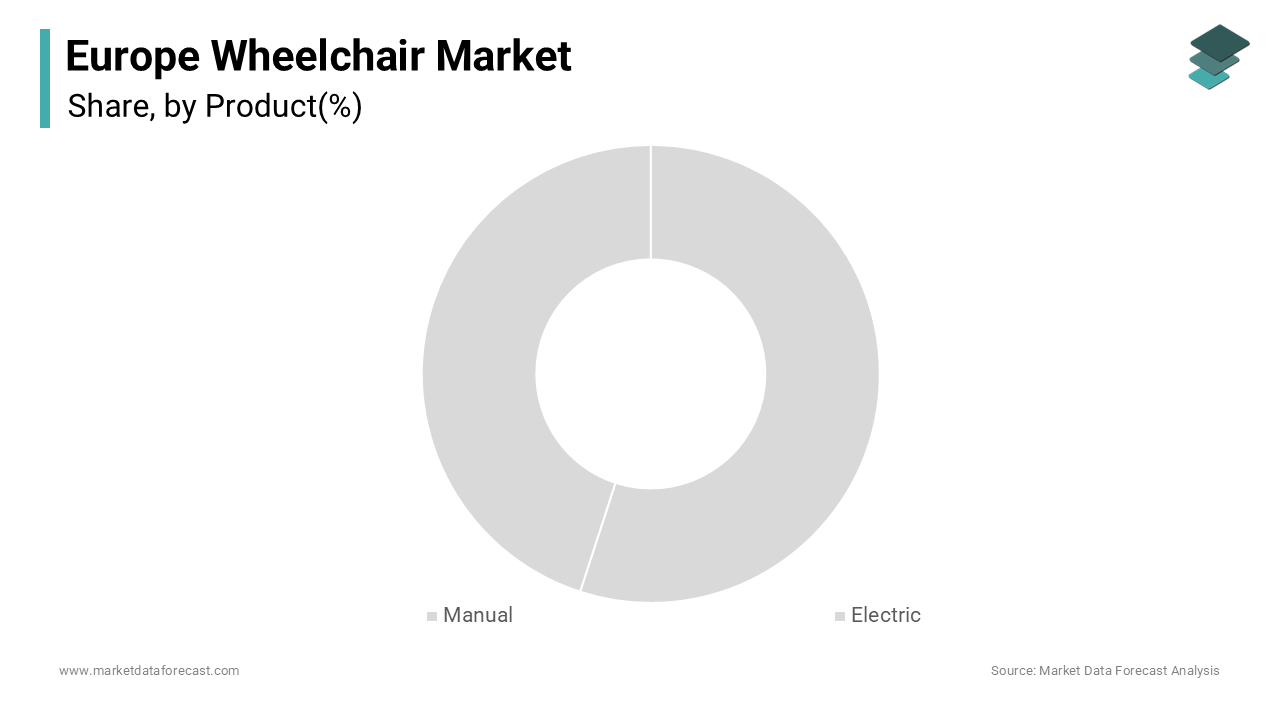
On the other hand, the electric wheelchairs segment is estimated to register the fastest CAGR of 6.5% over the forecast period owing to technological advancements and the increasing needs of users with severe mobility limitations. Aging populations are seeking greater independence and comfort. According to global tracking data from the World Health Organization (WHO), the global population requiring some form of assistive technology is projected to double to 2 billion individuals by 2030, a surge heavily accelerated by age-related frailty and non-communicable conditions. Electric wheelchairs offer superior mobility for individuals who lack the upper body strength to operate manual devices effectively. Innovations such as joystick controls voice activation and smartphone integration enhance usability and safety appealing to tech savvy consumers. Supported by innovation frameworks from the European Commission, funding for digital health and active aging technology is driving research into next-generation mobility solutions, fostering an environment for connected devices that integrate into broader digital care ecosystems. Reimbursement policies in countries like Germany and Sweden are expanding to cover more advanced electric models recognizing their role in reducing caregiver burden and improving quality of life. The rising prevalence of conditions such as multiple sclerosis and spinal cord injuries further drives demand for customized powered solutions. Manufacturers are focusing on developing lighter more compact batteries and improved suspension systems to enhance portability and ride comfort. These technological improvements combined with supportive regulatory frameworks create a favorable environment for rapid market expansion in the electric wheelchair sector.
By Category Insights
In 2025, the adult wheelchairs segment held the majority share of the Europe wheelchair market because of the substantial aging population and the high prevalence of chronic diseases among older adults. According to data from Eurostat, individuals aged 65 and over account for 22.0% of the total European Union population, creating an expansive structural base of potential users requiring physical mobility assistance. Age related conditions such as osteoarthritis stroke and heart disease frequently result in reduced mobility necessitating the use of wheelchairs for daily activities. As compiled by the European Commission, chronic non-communicable diseases represent the primary driver of long-term disability and health burdens across the European region, impacting millions of adults annually. The adult segment benefits from established reimbursement pathways in most European healthcare systems which cover the cost of standard and specialized wheelchairs for eligible patients. Hospitals and rehabilitation centers predominantly serve adult patients recovering from surgeries or acute medical events further boosting demand. The diversity of adult needs has led to a wide range of product offerings from lightweight travel chairs to heavy duty bariatric models. Caregivers and family members often play a key role in selecting and managing wheelchair use for elderly relatives ensuring consistent procurement and replacement. The sheer volume of adult users compared to pediatric cases ensures that this segment remains the primary focus for manufacturers and distributors. Continuous innovation in ergonomic design and pressure relief technologies caters specifically to the physiological needs of aging bodies sustaining market leadership.
But the pediatric wheelchairs segment is anticipated to witness the fastest CAGR of between 2026 and 2034 due to increased awareness of early intervention and specialized care for children with disabilities. Healthcare providers are recognizing the importance of appropriate mobility aids for child development. Children require specialized equipment that supports growth postural development and participation in play and educational activities. According to the World Health Organization early access to assistive technology significantly improves outcomes for children with cerebral palsy spina bifida and other congenital conditions. Governments in countries like the Netherlands and Sweden have implemented specific funding programs for pediatric assistive devices ensuring that families can access high quality customizable wheelchairs. Manufacturers are introducing innovative features such as modular frames that adjust to growing bodies reducing the need for frequent replacements. The emotional and social benefits of independent mobility for children drive parental advocacy and demand for aesthetically appealing and functional designs. Collaborations between clinicians engineers and families are leading to more user centered products that address the unique challenges of pediatric users. This focused attention on childhood disability and development fuels the rapid growth of the pediatric wheelchair segment.
By Application Insights
The homecare applications segment led the Europe wheelchair market and captured a 49.9% share in 2025. This leading position of the segment was attributed to the majority of individuals with mobility impairments who prefer to live independently in their own homes rather than in institutional settings. As per the European Observatory on Health Systems and Policies home based care is increasingly favored by policymakers and patients alike due to its cost effectiveness and positive impact on quality of life. The trend toward aging in place means that wheelchairs are primarily used in domestic environments for daily activities such as moving between rooms accessing gardens and participating in family life. According to Eurostat over 90 percent of elderly people in Europe live in private households highlighting the critical role of home adapted mobility solutions. Homecare settings require wheelchairs that are easy to maneuver in tight spaces lightweight for lifting into cars and durable for everyday use. Family caregivers often rely on these devices to assist with transfers and outdoor excursions making ease of use a paramount consideration. Reimbursement schemes in many European countries support the provision of wheelchairs for home use recognizing their importance in preventing hospital readmissions and reducing caregiver strain. The rise of telehealth and remote monitoring services further integrates wheelchair usage into home care plans allowing healthcare providers to track usage and adjust prescriptions remotely. This shift towards decentralized care ensures that homecare remains the largest application segment for wheelchair distribution and usage across the continent.
However, the rehabilitation centers segment is likely to experience the fastest CAGR of 7.2% during the forecast period. This rapid growth of the segment is propelled by the increasing focus on specialized post acute care and recovery services. Healthcare systems are investing in dedicated facilities for stroke trauma and orthopedic rehabilitation. As per the European Society of Physical and Rehabilitation Medicine the demand for intensive multidisciplinary rehabilitation is rising due to the increasing survival rates of patients with severe injuries and chronic conditions. Rehabilitation centers require a diverse fleet of wheelchairs including specialized seating systems standing frames and gait training devices to support various therapeutic goals. These facilities prioritize high quality adjustable and technologically advanced wheelchairs that can be customized for individual therapy plans. The emphasis on evidence based practice drives the adoption of smart wheelchairs that provide data on progress and performance. Partnerships between rehabilitation centers and manufacturers facilitate the testing and implementation of new technologies enhancing clinical outcomes. Government funding for rehabilitation services is increasing recognizing its role in restoring function and reducing long term dependency. This strategic focus on recovery and reintegration fuels the rapid growth of wheelchair usage in rehabilitation settings.
REGIONAL ANALYSIS
Germany Wheelchair Market Analysis
Germany dominated the Europe wheelchair market and accounted for a 23.8% share in 2025. The country’s robust statutory health insurance system provides comprehensive coverage for mobility aids ensuring high accessibility for patients. According to the German Federal Statistical Office (Destatis), the share of the population of retirement age has already crossed the 20% mark and is fast approaching 25% to 27%. Research safely connects this demographic shift to sustained wheelchair demand. Also, approximately 7.8 million severely disabled people live in Germany, representing roughly 9.4% of the population, while broader healthcare assessments confirm growing long-term care and specialized mobility support needs for older cohorts. Germany is a hub for medical device manufacturing with several leading global wheelchair producers headquartered in the region fostering innovation and quality. Strict regulatory standards under the Medical Device Regulation ensure product safety and efficacy. The strong emphasis on rehabilitation and home care services supports the integration of wheelchairs into comprehensive treatment plans. High disposable incomes allow consumers to opt for premium features and customization. The government’s commitment to barrier free living encourages the adoption of mobility aids through infrastructure improvements. Research and development investments in smart wheelchair technologies position Germany at the forefront of industry advancements. Collaborative efforts between insurers manufacturers and healthcare providers ensure efficient supply chains and patient centered services. These factors combine to maintain Germany’s leadership position in the European market.
United Kingdom Wheelchair Market Analysis
The United Kingdom was positioned second in the Europe wheelchair market and held a 19.6% share in 2025. This expansion of the UK market was supported by a centralized National Health Service that dictates procurement and distribution. The NHS provides wheelchairs through local assessment centers ensuring that patients receive equipment tailored to their specific clinical needs. According to demographic data and projections aligned with the Office for National Statistics, the UK's population is aging rapidly, with long-term projections indicating that one in four people will be aged 65 or over by 2050. This demographic shift places increasing pressure on social care and mobility services driving demand for efficient and durable wheelchair solutions. The UK has a strong tradition of charitable organizations supplementing state provisions offering additional support and specialized equipment for complex cases. Recent initiatives focus on personal budgets allowing users greater choice in selecting their mobility aids. The presence of major international distributors and local manufacturers ensures a competitive landscape with diverse product offerings. Regulatory alignment with European standards continues to influence product availability despite Brexit. The emphasis on independent living and community care promotes the use of lightweight and portable wheelchairs. Digital health strategies are integrating wheelchair data into electronic health records improving coordination of care. These structural and demographic factors sustain steady growth and innovation in the UK wheelchair market.
France Wheelchair Market Analysis
France plays a key role in the Europe wheelchair market owing to a comprehensive social security system and a strong culture of home based care. The French healthcare system reimburses a significant portion of wheelchair costs encouraging timely access to necessary mobility aids. According to the National Institute of Statistics and Economic Studies (INSEE), France is experiencing a significant demographic shift, where the population aged 75 or over is projected to grow by 5.7 million individuals by 2070, pushing the 65+ total to 29% of the population. This demographic trend fuels demand for electric and specialized manual wheelchairs that support independence. France has a well developed network of private and public rehabilitation centers that prescribe and fit wheelchards as part of recovery programs. The government promotes accessibility through strict building codes and transport regulations enhancing the usability of wheelchairs in public spaces. Local manufacturers and international brands compete vigorously offering a wide range of products from basic to high tech models. Consumer preference for aesthetic design and comfort influences purchasing decisions leading to innovation in materials and ergonomics. The integration of digital tools in healthcare is beginning to impact wheelchair services with remote monitoring and tele rehabilitation gaining traction. These dynamics ensure that France remains a vibrant and evolving market for mobility solutions.
Italy Wheelchair Market Analysis
Italy witnessed a steady growth in the European market due to its rapidly aging population and fragmented regional healthcare administration. With one of the highest life expectancies in the world Italy faces significant demand for long term care and mobility assistance. According to the Italian National Institute of Statistics (Istat), approximately a quarter of the population (nearly 25%) is aged 65 or older, creating one of the largest bases of potential mobility device users in Europe. Regional differences in healthcare funding lead to variations in availability and waiting times for wheelchair prescriptions across the country. Northern regions generally have more resources and shorter wait lists compared to the south. The strong family care tradition means that many elderly individuals rely on relatives for assistance increasing the demand for easy to use and transportable wheelchairs. Government incentives for home modifications and assistive technology adoption are gradually improving access. Local distributors play a crucial role in navigating the complex bureaucratic landscape to deliver products to patients. The tourism industry also influences demand for lightweight and foldable wheelchairs suitable for travel. Innovation in design and functionality is driven by consumer expectations for quality and style. These factors create a diverse and challenging but opportunity rich market environment.
Spain Wheelchair Market Analysis
Spain is likely to expand notably in the Europe wheelchair market during the forecast period. It is supported by improving healthcare infrastructure and increasing awareness of disability rights. The aging population is a primary driver with projections showing that nearly 30 percent of Spaniards will be over 65 by 2050 according to the National Statistics Institute. This demographic reality necessitates expanded access to mobility aids and home care services. The Spanish healthcare system provides coverage for wheelchairs although regional autonomy leads to differences in implementation and waiting periods. Recent legislative changes aimed at improving accessibility in public buildings and transport are enhancing the practical utility of wheelchairs. The economic recovery has boosted consumer confidence and spending power allowing for greater investment in higher quality devices. Local manufacturers are gaining prominence by offering cost effective and culturally adapted solutions. The climate in Spain encourages outdoor activity increasing the demand for durable and all terrain wheelchairs. Social services and non governmental organizations play a vital role in supporting low income individuals with mobility needs. Digital transformation in healthcare is beginning to streamline prescription and delivery processes. These developments position Spain as a market with significant potential for future growth and modernization.
COMPETITIVE LANDSCAPE
The competitive landscape of the Europe wheelchair market is characterized by a mix of established multinational corporations and specialized regional manufacturers vying for dominance through innovation and service excellence. Large players leverage economies of scale and extensive distribution networks to offer comprehensive product portfolios ranging from basic manual chairs to advanced powered systems. Smaller niche competitors focus on specific segments such as pediatric care or sports wheelchairs providing highly customized solutions that appeal to distinct user groups. Competition drives continuous improvement in battery technology material science and ergonomic design ensuring that products become lighter more durable and easier to use. Regulatory compliance with the Medical Device Regulation creates high entry barriers favoring companies with robust quality management systems and clinical data. Price competition remains intense in the standard manual segment while the powered wheelchair sector competes on features and technological sophistication. Reimbursement policies vary by country influencing pricing strategies and market access tactics. Companies increasingly differentiate themselves through digital services such as remote monitoring and predictive maintenance adding value beyond the hardware. Strategic acquisitions and collaborations are common as firms seek to expand their geographic reach and technological capabilities. This dynamic environment requires constant adaptation to changing healthcare needs regulatory requirements and consumer expectations.
KEY MARKET PLAYERS
A few of the prominent companies operating in the European wheelchair market include
- Invacare Corporation
- Carex Health Brands
- Ottobock
- Sunrise Medical Limited
- Drive Medical Design & Manufacturing
- Pride Mobility Products Corp.
- GF Health Products, Inc
Top Players in the Europe Wheelchair Market
Invacare Corporation
Invacare Corporation stands as a pivotal entity in the European mobility sector with a strong legacy of manufacturing high quality manual and powered wheelchairs. The company maintains extensive production facilities across the continent ensuring rapid delivery and localized support for healthcare providers and end users. Recent strategic initiatives include the launch of innovative lightweight carbon fiber models that enhance portability and user independence. Invacare has also invested heavily in digital platforms to streamline order processing and improve customer service efficiency. Their commitment to sustainability is evident in new eco friendly manufacturing processes that reduce environmental impact. By focusing on ergonomic design and clinical evidence Invacare continues to meet the evolving needs of an aging population. Partnerships with rehabilitation centers further strengthen their brand presence and ensure professional endorsement of their products throughout the region.
Ottobock SE & Co. KGaA
Ottobock SE & Co KGaA is a global leader in prosthetics and orthotics with a dominant position in the European wheelchair market through its advanced mobility solutions. The company specializes in highly customizable powered wheelchairs that integrate cutting edge sensor technology and smart connectivity features. Recent actions involve expanding their service network to provide faster maintenance and repair services across major European cities. Ottobock has introduced new modular seating systems that adapt to the changing physical needs of users over time. Their focus on research and development has led to breakthroughs in battery efficiency and obstacle detection safety systems. Collaborations with universities and medical institutes help validate clinical benefits and drive innovation. Ottobock prioritizes user-centric design and technological superiority. By doing so, the company reinforces its reputation as a premium provider of mobility aids for individuals with complex disabilities.
Sunrise Medical (Permobil)
Sunrise Medical operating under the Permobil brand is renowned for its sophisticated powered wheelchair technologies and standing devices in the European market. The company focuses on enhancing quality of life through features that promote circulation posture and social interaction. Recent developments include the introduction of AI driven navigation assistants that help users maneuver complex environments with greater confidence. Sunrise Medical has expanded its training programs for clinicians to ensure proper prescription and fitting of advanced devices. Their investment in telehealth capabilities allows remote monitoring of wheelchair performance and user health metrics. The company actively participates in industry conferences to showcase innovations and gather feedback from healthcare professionals. Sunrise Medical strengthens its position as a trusted partner in long-term mobility care across diverse European healthcare systems. They achieve this by emphasizing clinical outcomes and user empowerment.
Top Strategies Used by Key Market Participants
Key players in the Europe wheelchair market predominantly employ product differentiation strategies focused on technological innovation and customization to meet diverse user needs. Companies invest heavily in research and development to create smart wheelchairs with IoT connectivity pressure mapping and automated driving features. Strategic partnerships with healthcare providers and rehabilitation centers ensure clinical validation and professional recommendations which drive adoption. Expansion of after sales services including maintenance training and remote support enhances customer loyalty and reduces downtime. Manufacturers also focus on sustainable production methods using recyclable materials to align with European environmental regulations and consumer values. Digital transformation of supply chains improves inventory management and delivery speed ensuring timely access to critical mobility aids. Marketing efforts emphasize independence and quality of life appealing to both users and caregivers. These comprehensive approaches enable companies to maintain competitive advantages and respond effectively to demographic and regulatory changes in the region
MARKET SEGMENTATION
This research report on the European wheelchair market has been segmented and sub-segmented into the following categories:
By Product
- Manual
- Electric
By Category
- Adults
- Pediatric
By Application
- Homecare
- Hospitals
- Ambulatory Surgical Centers
- Rehabilitation Centers
By Country
- United Kingdom
- France
- Spain
- Germany
- Italy
- Russia
- Sweden
- Denmark
- Switzerland
- Netherlands and
- Rest of Europe