- Product Description Description
- Table of Contents TOC
- List of Table & Figure LOT
- Get Free Sample PDF Sample PDF
Market Size, 2025
$4.78 BnMarket Estimate, 2026
$4.93 BnMarket Forecast, 2034
$6.31 BnCAGR, 2026–2034
3.12%Global Foot Massager Market Size
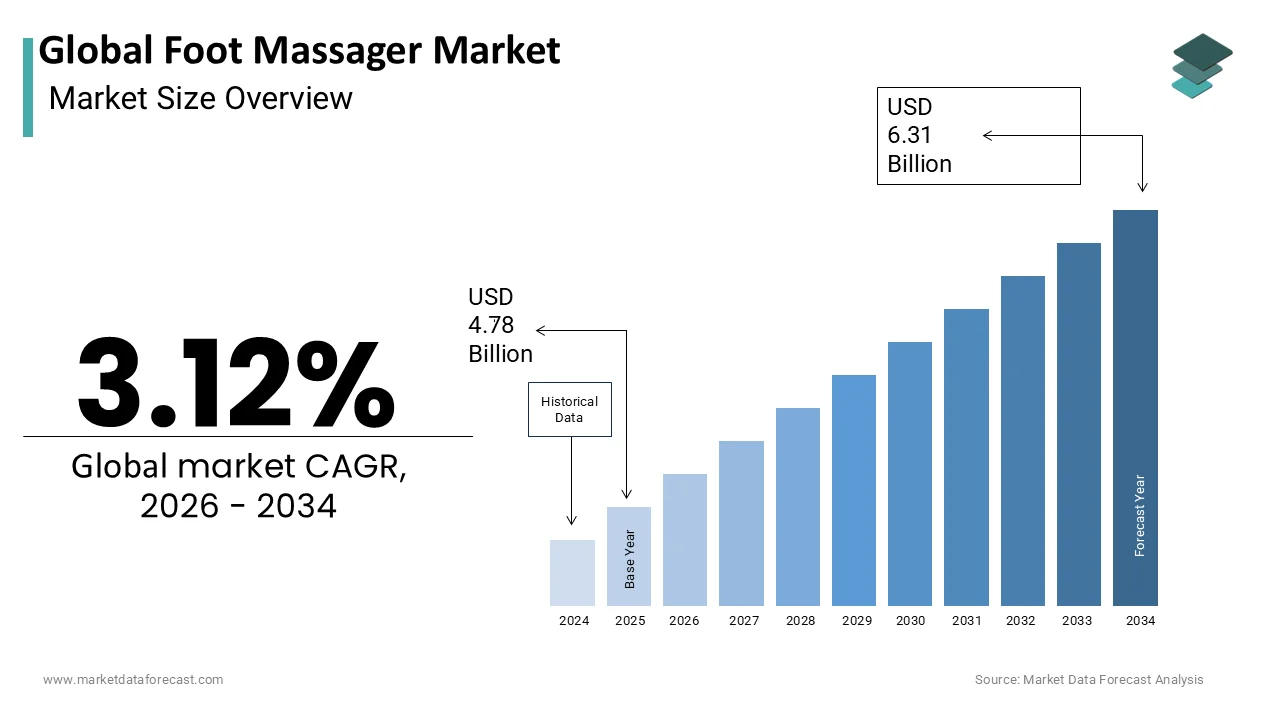
The Global Foot Massager Market is projected to grow from USD 4.78 billion in 2025 to USD 4.93 billion in 2026 and reach USD 6.31 billion by 2034, registering a CAGR of 3.12% during the forecast period from 2026 to 2034.
Foot massager devices represent a specialized category of personal wellness appliances designed to alleviate fatigue, improve circulation, and reduce muscle tension in the lower extremities through mechanical manipulation, heat therapy, or air compression. These products range from simple rolling units to sophisticated electronic systems that mimic professional reflexology techniques, offering users a convenient at-home solution for foot care. In Europe, the growing emphasis on preventive health and self-care has elevated the status of these devices from luxury items to essential wellness tools. According to Eurostat, approximately 35.3% of the European Union population reported having a long-standing health problem in 2024, with foot and leg discomfort being a prevalent complaint among office workers and elderly individuals. The World Health Organization states that physical inactivity is estimated to cause between 3.2 and 5 million deaths globally each year, prompting individuals to seek active recovery methods such as massage therapy. As per research referenced by the Ubie Doctor's Note, regular foot massage can temporarily boost local blood flow and support endothelial function in patients with peripheral nerve issues, highlighting the therapeutic potential of these devices. Regulatory frameworks, such as the General Product Safety Directive, ensure that electrical massagers meet stringent safety standards, protecting consumers from electrical hazards. The integration of smart technology, allowing app-controlled customization, further enhances user engagement. As remote work continues to reshape daily routines, the demand for ergonomic solutions that address physical strain from prolonged sitting or standing drives the evolution of this market segment toward more advanced and personalized offerings.
MARKET DRIVERS
Rising Prevalence Of Sedentary Lifestyles And Occupational Stress
The growing prevalence of sedentary lifestyles and occupational stress is one of the major factors driving the growth of the global foot massager market as individuals seek effective remedies for physical discomfort. Modern work environments often require prolonged periods of sitting, which restricts blood flow to the lower limbs and causes swelling and pain. According to the European Agency for Safety and Health at Work, the EU Working Time Directive sets minimum standards for rest breaks for employees, though musculoskeletal disorders remain a common concern for those in sedentary roles. This demographic shift has created a substantial consumer base seeking relief through non-invasive therapies. The International Labour Organization reports that psychosocial risks in the workplace, including long working hours and job strain, contribute to over 840,000 deaths annually and manifest physically as tension in the feet and legs. Foot massagers offer a practical solution by stimulating pressure points and enhancing circulation, thereby reducing fatigue and improving overall well-being. Consumer surveys indicate that a significant portion of office workers experience daily foot pain, leading them to invest in home wellness devices. The rise of remote work has further amplified this trend as individuals lack access to corporate wellness programs and instead create personal relaxation routines. Additionally, the aging population, which is more susceptible to circulatory issues, finds foot massagers beneficial for managing symptoms. Medical professionals increasingly recommend regular foot massage as part of a holistic health strategy, reinforcing consumer confidence in these products. The convenience of using these devices at home, without the need for appointments, makes them an attractive option for busy professionals prioritizing health maintenance.
Growing Awareness Of Preventive Healthcare And Wellness Trends
The growing awareness of preventive healthcare and wellness trends significantly propels the demand for foot massagers as consumers prioritize proactive health management over reactive treatment, which is another major market driver. Individuals are increasingly educated about the benefits of regular massage for maintaining physiological balance and preventing chronic conditions. According to the Global Wellness Institute, the wellness economy reached approximately 6.3 trillion dollars in 2023 and is expected to continue its upward trajectory, with self-care products accounting for a substantial portion of this expansion. Consumers view foot massagers as investment pieces that support long-term health rather than mere indulgences. The European Centre for Disease Prevention and Control emphasizes those lifestyle modifications, including regular physical activity and therapy, can significantly reduce the risk of cardiovascular diseases. Foot massage is recognized as an effective method for lowering blood pressure and reducing anxiety levels. Data from the National Institutes of Health shows that regular massage therapy can significantly decrease cortisol levels, promoting mental relaxation alongside physical relief. The proliferation of health and fitness apps has also played a role by educating users on the importance of recovery and self-care practices. Social media influencers and health experts frequently endorse foot massagers as essential tools for post-workout recovery and stress relief. This cultural shift toward holistic wellness encourages manufacturers to innovate with features, such as infrared heat and shiatsu techniques, that align with traditional medicine principles. As consumers become more discerning about their health choices, they prefer devices that offer measurable benefits and therapeutic value, which is driving sustained market growth.
MARKET RESTRAINTS
High Initial Costs and Perceived Lack of Medical Efficacy
High initial costs and the perceived lack of medical efficacy are significant restraints for the foot massager market, which is limiting adoption among price-sensitive and skeptical consumers. Premium foot massagers equipped with advanced features, such as air compression, heating, and smart connectivity, often retail for prices exceeding 200 euros, which may be prohibitive for average households. According to the European Consumer Organisation, a large segment of consumers considers high-end wellness devices to be luxury items rather than necessities, leading to hesitation in purchasing decisions. The economic uncertainty in many regions has further tightened household budgets, causing individuals to prioritize essential goods over discretionary wellness products. Additionally, there is a widespread skepticism regarding the therapeutic benefits of consumer-grade massagers compared to professional treatments. A survey by the European Federation of Neurological Associations suggests that a significant number of respondents doubt the effectiveness of home massagers for treating serious conditions, such as neuropathy or severe arthritis. This perception is exacerbated by the presence of low-quality products in the market that fail to deliver promised results, leading to negative reviews and reduced trust. Medical professionals sometimes caution against the use of massagers for certain conditions without proper diagnosis, creating confusion among potential buyers. The lack of standardized clinical trials validating the long-term benefits of specific massager models further hinders credibility. Consumers often require tangible proof of efficacy before committing to a purchase, which many manufacturers struggle to provide due to regulatory restrictions on medical claims. These factors collectively slow down market penetration and restrict growth to affluent or highly motivated segments.
Safety Concerns and Risk of Injury for Vulnerable Populations
Safety concerns and the risk of injury for vulnerable populations are further hampering the global market expansion, particularly among elderly users and individuals with pre-existing health conditions. Improper use of intense vibration or heat settings can cause bruising, burns, or exacerbate underlying issues, such as diabetes or deep vein thrombosis. According to the European Commission Rapid Alert System for Dangerous Products, personal care electronics are occasionally subject to recalls due to electrical faults or overheating risks, raising consumer anxiety. Individuals with diabetic neuropathy have reduced sensation in their feet, making them susceptible to injuries from excessive pressure or temperature that they cannot feel. The American Diabetes Association warns that improper foot care can lead to serious complications, including ulcers and infections, necessitating caution when using mechanical devices. Many product manuals lack clear guidelines for users with specific medical conditions, leading to misuse. Regulatory bodies, such as the International Electrotechnical Commission, enforce strict safety standards, but compliance varies among smaller manufacturers entering the market. The fear of liability also discourages some retailers from stocking advanced models that require careful handling. Additionally, the complexity of modern devices with multiple settings can be overwhelming for older adults who may struggle with digital interfaces. Incidents of adverse effects reported in medical journals highlight the need for better user education and safer design protocols. Until manufacturers address these safety gaps through improved engineering and comprehensive labeling, consumer trust will remain fragile, limiting broader market acceptance.
MARKET OPPORTUNITIES
Integration of Smart Technology and Personalized User Experience
The integration of smart technology and personalized user experience offers significant opportunities for the foot massager market. Manufacturers are increasingly incorporating Bluetooth connectivity, mobile applications, and artificial intelligence to customize massage sessions based on individual preferences and biometric data. According to the Internet of Things Analytics Foundation, the number of connected health devices is growing into the billions, creating a vast ecosystem for integrated wellness solutions. Smart foot massagers can track usage patterns, adjust intensity levels automatically, and provide feedback on foot health metrics, such as temperature and pressure distribution. This data-driven approach allows users to monitor their progress and optimize their wellness routines, enhancing engagement and loyalty. The European Digital Health Market report indicates that a significant majority of consumers are willing to pay a premium for health devices that offer personalized insights and connectivity. Companies can leverage this trend by developing subscription-based services that provide expert advice and customized massage programs through apps. Partnerships with fitness trackers and health platforms enable seamless data sharing, creating a holistic view of user well-being. Furthermore, voice control and automation features improve accessibility for users with limited mobility, expanding the potential customer base. The ability to update software remotely ensures that devices remain current with the latest features, extending their lifespan and value proposition. By focusing on personalization and connectivity, manufacturers can transform foot massagers from simple mechanical tools into intelligent health companions, driving higher margins and brand differentiation.
Expansion into Corporate Wellness and Hospitality Sectors
The expansion into corporate wellness and hospitality sectors presents a lucrative opportunity for foot massager manufacturers to diversify their revenue streams and increase brand visibility. Companies are increasingly investing in employee well-being programs to boost productivity and reduce absenteeism caused by stress and physical discomfort. According to the European Network for Workplace Health Promotion, organizations that implement wellness initiatives can see a return on investment of 3 to 1 through improved employee health and morale. Installing foot massagers in office break rooms or providing them as corporate gifts can enhance employee satisfaction and promote a culture of health. The hospitality industry also offers significant potential as hotels and spas seek to differentiate their services by offering premium in-room amenities. Data from the European Hotel Association suggests that a vast majority of travelers prioritize wellness facilities when choosing accommodation, driving demand for high-quality massage equipment in guest rooms. Partnerships with hotel chains allow manufacturers to showcase their products to a wide audience of potential retail customers. Additionally, airports and lounges are adopting foot massage stations to provide comfort for travelers during long waits, creating new public usage scenarios. These B2B channels provide stable bulk orders and long-term contracts, reducing reliance on fluctuating consumer retail sales. Brand exposure in these high-traffic environments builds credibility and trust among consumers who may later purchase similar devices for home use. By targeting these institutional markets, manufacturers can achieve steady growth and establish their products as standard elements of modern wellness infrastructure.
MARKET CHALLENGES
Intense Market Competition and Price Wars among Manufacturers
Intense market competition and price wars among manufacturers pose a significant challenge to foot massager market expansion. The low barrier to entry has led to a saturation of brands offering similar products, resulting in fierce competition on price rather than quality or innovation. According to the European Competitive Landscape Report, the number of foot massager brands has increased significantly, with many new entrants from Asia offering low-cost alternatives that undercut established players. This commoditization forces companies to reduce margins to remain competitive, which limits their ability to invest in research and development. Large e-commerce platforms facilitate easy comparison shopping, enabling consumers to choose the cheapest option regardless of brand reputation. Data from the European E-Commerce Federation indicates that price discounts remain a primary driver for online purchases in the wellness category. Smaller manufacturers struggle to compete with the marketing budgets of larger corporations, leading to market consolidation. The constant pressure to lower prices often results in compromised material quality and durability, leading to higher return rates and customer dissatisfaction. Additionally, the proliferation of counterfeit products further erodes trust and damages brand equity. Companies must continuously innovate and justify premium pricing through superior design and functionality, but this requires significant capital investment. The lack of differentiation in core features makes it difficult for brands to stand out, leading to a race to the bottom that threatens the long-term viability of many market participants.
Regulatory Heterogeneity across Different Geographic Regions
Regulatory heterogeneity across different geographic regions creates complex compliance challenges for foot massager manufacturers aiming for global expansion. Each country has its own set of safety standards, certification requirements, and labeling regulations, which vary significantly in stringency and interpretation. According to the International Organization for Standardization, while there are general guidelines for electrical safety, specific national deviations require separate testing and documentation for each market. In the European Union, the CE marking process involves rigorous conformity assessments, whereas other regions may have less stringent or entirely different protocols. This fragmentation increases the time and cost associated with product launches as companies must navigate multiple regulatory frameworks simultaneously. Data from the Global Trade Compliance Institute suggests that regulatory delays can account for a significant portion of the time-to-market for new electronic health devices. Changes in regulations, such as updates to the RoHS directive restricting hazardous substances, require continuous monitoring and potential product redesigns. Non-compliance can result in hefty fines, product recalls, and reputational damage, which small and medium-sized enterprises may find difficult to absorb. The lack of harmonization also complicates supply chain management as components sourced from different countries must meet varying standards. Manufacturers must maintain dedicated regulatory affairs teams to ensure ongoing compliance, which adds to operational overhead. These bureaucratic hurdles slow down innovation and limit the agility of companies to respond to market trends. Until greater international harmonization is achieved, regulatory complexity will remain a persistent barrier to efficient global market participation.
REPORT COVERAGE
| REPORT METRIC | DETAILS |
| Market Size Available | 2025 to 2034 |
| Base Year | 2025 |
| Forecast Period | 2026 to 2034 |
| Segments Covered | Based on Type, Application, and Region |
| Various Analyses Covered | Global, Regional & Country Level Analysis, Segment-Level Analysis, DROC, PESTLE Analysis, Porter’s Five Forces Analysis, Competitive Landscape, Analyst Overview of Investment Opportunities |
| Regions Covered | North America, Europe, Asia Pacific, Latin America, and Middle East & Africa |
| Market Leaders Profiled | Yifang, Dingxiang, Qianjin, Pangao, Terumo, Citizen, Kenz, Elk, Suzuken, Wego, Qiaoxin, Huangwei, Taich, Beurer, Panasonic, FUJIIRYOKI, Sunpentown, Povos, Emson, HoMedics, OSIM and Human Touch. |
SEGMENTAL ANALYSIS
By Mechanism Insights
The shiatsu mechanism segment held the dominant share of the global market in 2025 and is likely to remain the industry benchmark for deep-tissue relaxation as consumer demand for professional-style home therapy persists over the next few years. his technique, which involves applying pressure to specific points on the body, mimics traditional Japanese massage therapy and is highly valued for its therapeutic benefits. According to the International Federation of Aromatherapists and Massage Therapists, a majority of consumers prefer Shiatsu-style massages for chronic pain relief, citing its ability to target trigger points effectively. The mechanism utilizes rotating nodes that simulate human thumbs, providing a deep-tissue experience that enhances blood circulation and reduces fatigue. Data from the European Wellness Association indicates that Shiatsu-based devices account for a large portion of total foot massager sales in developed markets where consumers are well-educated about alternative therapies. The popularity of this mechanism is further driven by its versatility as it can be adjusted for different pressure levels, making it suitable for a wide range of users, from athletes to elderly individuals. Manufacturers have refined the technology to include heating elements that complement the pressure application, enhancing the overall relaxation effect. The strong brand association with professional spa treatments adds perceived value, encouraging consumers to invest in higher-end models. Additionally, the availability of Shiatsu massagers in various price points ensures broad market accessibility. The consistent demand for authentic massage experiences at home solidifies the dominance of this segment as users seek reliable solutions for daily stress management and physical recovery.
However, the compression mechanism segment the fastest-growing segment in the foot massager market and is estimated to showcase a CAGR of 10.5% during the forecast period owing to the increasing awareness of circulatory health and the rising prevalence of conditions, such as edema and varicose veins, among office workers and travelers. Air compression technology uses inflatable airbags to squeeze the feet and calves, promoting lymphatic drainage and reducing swelling. According to the Society for Vascular Surgery, regular use of compression therapy can reduce the risk of deep vein thrombosis in sedentary individuals. The aging population in Europe and North America drives demand for non-invasive solutions to manage leg discomfort. Data from the European Centre for Disease Prevention and Control shows that sedentary behavior has increased in recent years, leading to higher incidences of circulatory issues. Compression massagers are also gaining traction among athletes who use them for post-workout recovery to accelerate muscle repair. The integration of sequential compression patterns that mimic natural blood flow enhances the therapeutic effect, making these devices more appealing to health-conscious consumers. Manufacturers are introducing portable and wireless models that allow users to enjoy compression therapy anywhere, increasing convenience. The medical endorsement of compression therapy for managing chronic venous insufficiency further validates the efficacy of these devices. As consumer education improves, the preference for scientifically backed wellness tools continues to rise, supporting the robust growth of this segment.
By Usage Insights
The home segment led the market in 2025 with the largest share of the global market and is likely to continue its expansion as smart, compact devices increasingly replace traditional salon visits over the next few years. Consumers increasingly view their homes as sanctuaries for relaxation and health maintenance, leading to higher investment in personal wellness appliances. According to the Global Wellness Institute, the home wellness economy has seen steady growth, reflecting a shift toward private health management. The convenience of using foot massagers at any time eliminates the need for scheduling appointments and traveling to spas, saving both time and money. Data from the European Consumer Organisation indicates that a majority of households now own at least one personal care electronic device, highlighting the normalization of home-based therapy. The rise of remote work has further reinforced this trend as individuals spend more time at home and seek ways to alleviate work-related stress and physical strain. Home models are designed to be user-friendly with intuitive controls and compact designs that fit easily into living spaces. The availability of a wide range of products, from basic rollers to advanced electronic units, ensures that there is an option for every budget and preference. Additionally, the privacy of home usage appeals to individuals who may feel uncomfortable receiving massages in public settings. The long-term cost savings compared to regular professional sessions make home massagers an attractive investment for families. As technology advances, home devices are becoming more sophisticated, offering features previously available only in professional settings, thereby sustaining their market leadership.
On the other side, the professional usage segment is experiencing significant growth and is anticipated to record a CAGR of 9.4% during the forecast period owing to the expansion of the wellness tourism industry and the increasing integration of foot massage services in hotels, airports, and corporate offices. Businesses are recognizing the value of offering wellness amenities to enhance customer experience and employee satisfaction. According to the World Travel and Tourism Council, wellness tourism expenditures are reaching record levels, with many travelers seeking destinations that offer rejuvenating treatments. High-end hotels and resorts are investing in premium foot massagers for guest rooms and spa areas to differentiate their services and command higher room rates. Corporate offices are also adopting these devices in break rooms to improve employee well-being and productivity. Data from the European Workplace Health Network shows that companies implementing wellness programs see a measurable reduction in absenteeism. Professional-grade massagers are built for durability and heavy use, featuring robust construction and advanced hygiene protocols. The B2B model provides manufacturers with stable bulk orders and long-term contracts, reducing reliance on volatile consumer retail sales. Additionally, the visibility of these devices in high-traffic public spaces serves as effective marketing, exposing potential customers to the benefits of foot massage. As the focus on holistic health continues to grow in commercial settings, the demand for professional-grade equipment is expected to rise steadily.
By Features Insights
The heat therapy segment had the major share of the global market in 2025 and is expected to remain the standard feature for nearly all foot massager models as it serves as a critical entry point for comfort-focused consumers over the next few years. The application of heat helps to dilate blood vessels, increase blood flow, and relax tight muscles, making the massage experience more soothing and therapeutic. According to the American Physical Therapy Association, heat therapy can significantly reduce pain perception by blocking pain signals and promoting muscle elasticity. Consumers strongly prefer massagers with infrared or ceramic heating elements as they provide consistent and safe warmth that penetrates deep into tissues. Data from the European Consumer Electronics Association shows that a vast majority of foot massagers sold in 2024 included a heat function, indicating its status as a standard expectation rather than a luxury add-on. The combination of heat and massage creates a synergistic effect that accelerates recovery from fatigue and minor injuries. This feature is particularly popular among older adults and individuals with arthritis who find warmth comforting and beneficial for joint stiffness. Manufacturers have improved safety mechanisms, such as auto shut-off timers and temperature controls, to prevent burns, addressing previous consumer concerns. The widespread adoption of heat therapy is also driven by its simplicity and low additional cost to produce, making it accessible across various price points. As consumers become more aware of the benefits of thermotherapy for circulation and pain relief, the demand for heated foot massagers remains robust and central to product development strategies.
However, the air compression feature segment is estimated to be the fastest-growing segment in the foot massager market and grow at a CAGR of 11.2% during the forecast period. This rapid growth is attributed to the increasing recognition of air compression as an effective method for improving lymphatic drainage and reducing leg swelling. Unlike mechanical kneading, air compression provides a gentle yet firm squeeze that covers the entire foot and lower calf, offering a comprehensive massage experience. According to the Journal of Vascular Research, air compression therapy can improve venous return, making it highly beneficial for individuals who stand or sit for prolonged periods. The feature is particularly appealing to travelers and office workers who suffer from fluid retention and heaviness in the legs. Data from the International Air Transport Association indicates that long-haul flights contribute to significant leg discomfort, driving demand for portable compression devices among frequent flyers. Modern air compression massagers utilize multi-chamber airbags that inflate and deflate in sequence, mimicking the natural pumping action of muscles. This technological advancement provides a more realistic and effective massage compared to static pressure devices. The quiet operation of air pumps also enhances user comfort, allowing for relaxation during work or while watching television. As awareness of the health benefits of compression therapy grows, consumers are willing to pay a premium for devices that offer this specialized feature, driving its rapid adoption in the market.
COUNTRY LEVEL ANALYSIS
North America Foot Massager Market Analysis
North America accounted for 31.9% of the global market share in 2025 and is likely to maintain its lead in innovation and high-end device adoption as healthcare systems increasingly embrace home-based recovery tools over the next few years. The United States serves as the primary contributor with a well-established wellness industry and high prevalence of lifestyle-related health issues, such as obesity and diabetes. According to the Centers for Disease Control and Prevention, over 100 million adults in the United States suffer from chronic pain, creating a substantial demand for non-pharmaceutical pain management solutions. The region benefits from advanced retail infrastructure and widespread e-commerce penetration, which facilitates easy access to a wide variety of foot massager products. Consumer awareness regarding the benefits of regular foot care is high, supported by extensive marketing campaigns and endorsements from health professionals. The presence of major manufacturers and innovative startups in the region fosters continuous product development and technological advancements. Data from the National Retail Federation shows that sales of personal care electronics remain strong, reflecting continued consumer interest. The aging population in North America, where individuals over 65 constitute a significant portion of the population, further drives demand for devices that alleviate age-related discomfort. Additionally, the corporate wellness sector is expanding, with companies investing in employee health programs that include access to massage devices. Regulatory standards enforced by the Food and Drug Administration ensure product safety and quality, building consumer trust. These factors collectively sustain North America's leadership position in the global foot massager market.
Europe Foot Massager Market Analysis
Europe is likely to see a steady rise in the integration of medical-grade wellness devices into standard insurance-backed health plans over the next few years. The region comprises diverse markets, with Germany, France, and the United Kingdom serving as key contributors due to their large populations and advanced healthcare systems. According to Eurostat, healthcare expenditure in the European Union remains high, indicating substantial investment in health and well-being initiatives. European consumers are highly discerning and prioritize products that offer proven therapeutic benefits and adhere to strict safety standards. While the European Union Medical Device Regulation (EU MDR) applies strictly to devices intended for medical purposes, wellness devices are often marketed under separate safety directives unless they make specific therapeutic claims that trigger MDR classification. The aging demographic in Europe creates sustained demand for devices that manage circulatory issues and joint pain. Data from the European Wellness Economy Monitor shows that the wellness sector continues to grow, driven by interest in holistic health practices. The popularity of spa culture in countries like Hungary and Italy influences consumer preferences for massage technologies that mimic professional treatments. Sustainability is also a key factor, with consumers preferring eco-friendly materials and energy-efficient devices. Local manufacturers focus on innovation and design aesthetics to compete with global brands. The strong regulatory framework and high health literacy among consumers ensure a stable and mature market for foot massagers.
Asia Pacific Foot Massager Market Analysis
The Asia Pacific region is likely to emerge as the global innovation hub for compact and affordable wellness technology, driven by rapid urban growth over the next few years. Countries such as China, Japan, and South Korea are leading this growth due to their strong cultural appreciation for massage therapy and advanced manufacturing capabilities. According to the Asian Development Bank, the middle-class population in the Asia Pacific is expected to expand significantly by 2030, driving demand for premium wellness products. In Japan, foot massage is deeply ingrained in daily life, with many households owning dedicated massagers, reflecting high market penetration. China is becoming a major production hub and consumption market, with e-commerce platforms facilitating widespread distribution. As per the data from the China Health Care Association, sales of personal health appliances are growing at a double-digit rate. The increasing prevalence of sedentary jobs and urban stress further encourages consumers to adopt foot massage as an accessible daily ritual for relaxation. Manufacturers in the region are at the forefront of combining traditional reflexology concepts with modern electronic automation. The combination of high domestic demand and a vast export network ensures that the Asia Pacific region will remain a pivotal force in the global foot massager market.
COMPETITIVE LANDSCAPE
The competition in the foot massager market is intense and characterized by a mix of established electronics giants and specialized wellness brands. Large corporations leverage their extensive distribution networks and brand recognition to dominate the premium segment while smaller niche players compete on price and specific features. Innovation is a key differentiator as companies strive to introduce advanced technologies such as artificial intelligence and wireless connectivity to enhance user experience. Price competition remains fierce particularly in the entry level segment where numerous manufacturers offer similar basic functionalities. Regulatory compliance and safety standards act as barriers to entry ensuring that only reputable brands can operate in major markets. Customer loyalty is driven by product durability effectiveness and after sales support prompting companies to invest in quality assurance and service infrastructure. The rise of e commerce has lowered entry barriers allowing new brands to gain visibility through digital marketing and direct to consumer sales. Strategic collaborations with retailers and wellness centers help established players maintain market presence. Continuous product upgrades and feature enhancements are necessary to retain consumer interest in a rapidly evolving landscape. Emerging markets present growth opportunities but require localized strategies to address diverse cultural and economic conditions.
KEY MARKET PLAYERS
Some of the companies that are playing a dominating role in the Global Foot Massager Market include
- Yifang
- Dingxiang
- Qianjin
- Pangao
- Terumo Corporation
- Citizen Systems Japan Co., Ltd.
- Kenzmedico Co., Ltd.
- Elk
- Suzuken Co., Ltd.
- WEGO Medical Group
- Qiaoxin
- Huangwei
- Taich
- Beurer GmbH
- Panasonic Holdings Corporation
- FUJIIRYOKI Co., Ltd.
- Sunpentown Inc. (SPT)
- Povos Electric Works Co., Ltd.
- Emson Inc.
- HoMedics, LLC
- OSIM International Ltd.
- Human Touch, LLC
TOP LEADING PLAYERS IN THE MARKET
- Panasonic Corporation is a global leader in the foot massager market renowned for its high quality engineering and innovative health care solutions. The company integrates advanced sensor technology and ergonomic design to create devices that deliver precise and therapeutic massage experiences. Recent initiatives include the launch of smart foot massagers with app connectivity allowing users to customize intensity and patterns based on personal preferences. Panasonic actively invests in research and development to enhance energy efficiency and reduce noise levels ensuring a quiet and relaxing user experience. Their strong brand reputation for reliability and durability attracts consumers seeking long term value. By expanding distribution channels through e commerce platforms and retail partnerships Panasonic ensures wide accessibility. The company also focuses on sustainability by using recyclable materials in production. These efforts reinforce its position as a trusted provider of premium wellness appliances that support holistic health and daily relaxation for customers worldwide.
- Beurer GmbH plays a significant role in the foot massager market by offering a diverse portfolio of health and wellness products focused on comfort and therapeutic benefits. The German company leverages its expertise in medical technology to develop foot massagers that combine heat therapy air compression and vibration for comprehensive relief. Recent actions include the introduction of cordless models that provide greater flexibility and ease of use for consumers. Beurer prioritizes user safety and compliance with strict European standards ensuring high product quality and reliability. The company expands its market reach through strategic collaborations with pharmacies and online retailers across Europe and beyond. By focusing on customer feedback Beurer continuously refines its designs to meet evolving consumer needs. Their commitment to innovation and quality assurance strengthens brand loyalty among health conscious individuals. Beurer also engages in educational campaigns to raise awareness about the benefits of regular foot care. These strategies solidify its reputation as a dependable choice for effective and safe home wellness solutions.
- OSIM International Pte Ltd contributes significantly to the foot massager market through its premium lifestyle wellness products that blend technology with luxury design. The Singapore based company is known for its innovative approach to creating immersive relaxation experiences using proprietary massage techniques. Recent developments include the integration of artificial intelligence into foot massagers to analyze user pressure points and adjust settings automatically. OSIM focuses on delivering superior customer service and exclusive retail experiences in key markets across Asia and the Middle East. The company invests heavily in marketing and brand building to position its products as essential tools for modern well being. By collaborating with health experts OSIM validates the therapeutic efficacy of its devices enhancing consumer trust. Their expansion into airport lounges and corporate wellness programs increases brand visibility and trial opportunities. OSIM also emphasizes sustainable practices in manufacturing and packaging. These strategic moves strengthen its competitive edge and appeal to affluent consumers seeking high end wellness solutions that offer both functionality and aesthetic appeal.
TOP STRATEGIES USED BY KEY MARKET PARTICIPANTS
Key players in the foot massager market primarily focus on product innovation and digital integration to maintain competitive advantage. Companies invest heavily in research and development to create smart devices with customizable features such as app control and biometric tracking. Strategic partnerships with healthcare professionals and wellness influencers help validate product efficacy and build consumer trust. Manufacturers also prioritize expansion into emerging markets by adapting products to local preferences and price points. E commerce optimization is crucial as firms enhance online visibility and customer engagement through targeted marketing campaigns. Sustainability initiatives are increasingly important with brands adopting eco friendly materials and energy efficient designs to meet regulatory requirements. Additionally companies emphasize after sales service and warranty programs to differentiate themselves and ensure customer satisfaction. These multifaceted approaches enable firms to navigate a crowded marketplace and sustain growth by addressing evolving consumer demands for convenience personalization and health benefits.
MARKET SEGMENTATION
This research report on the global foot massager market has been segmented and sub-segmented based on type, application, and region.
By Type
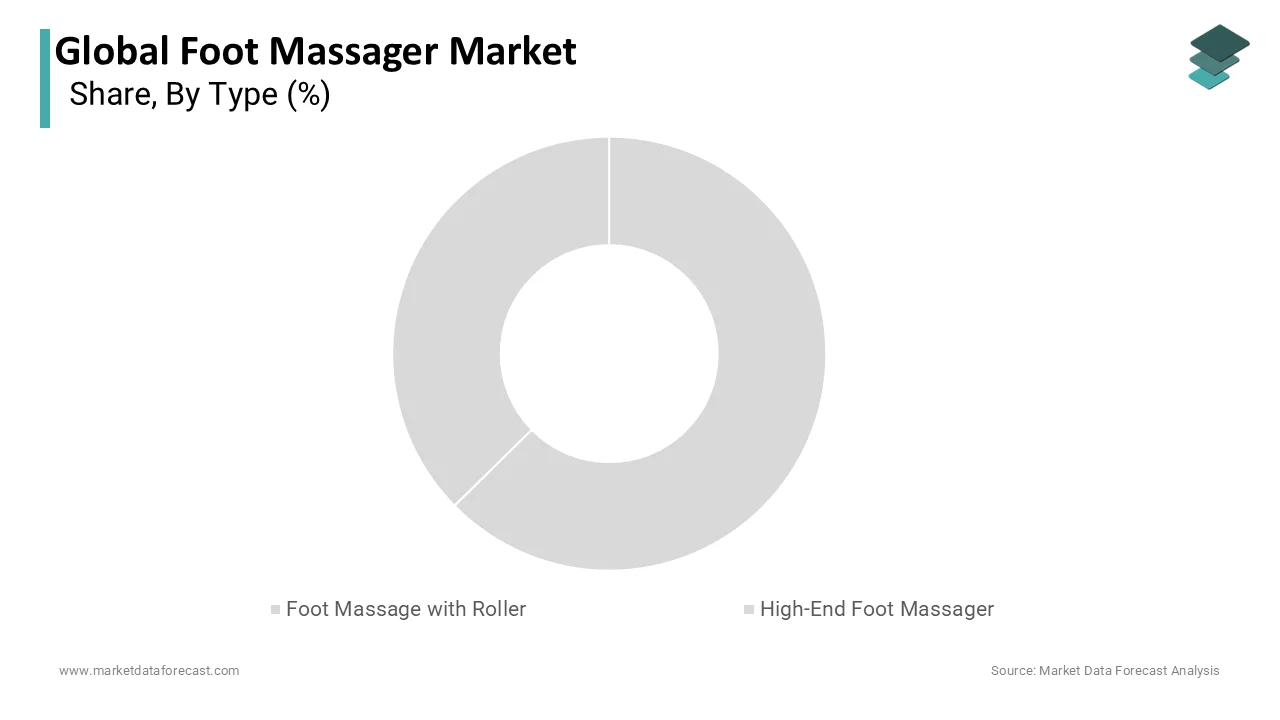
- Foot Massage with Roller
- High-End Foot Massager
By Application
- Household Use
- Hospital Use
- Spa Use
- Beauty Salon Use
- Others
By Distribution Channel
- Online
- Hypermarkets
By Region
- North America
- Europe
- Asia Pacific
- Latin America
- The Middle East and Africa