- Product Description Description
- Table of Contents TOC
- List of Table & Figure LOT
- Get Free Sample PDF Sample PDF
Market Size, 2025
$1170.79 MnMarket Estimate, 2026
$1,263.05 MnMarket Forecast, 2034
$2317.12 MnCAGR, 2026–2034
7.88%Executive Summary: Breath Analyzers Market
- Market Scope: Comprehensive global analysis of the breath analyzers market covering product types, application fields, sensor technologies, end-user sectors, and regional leadership metrics.
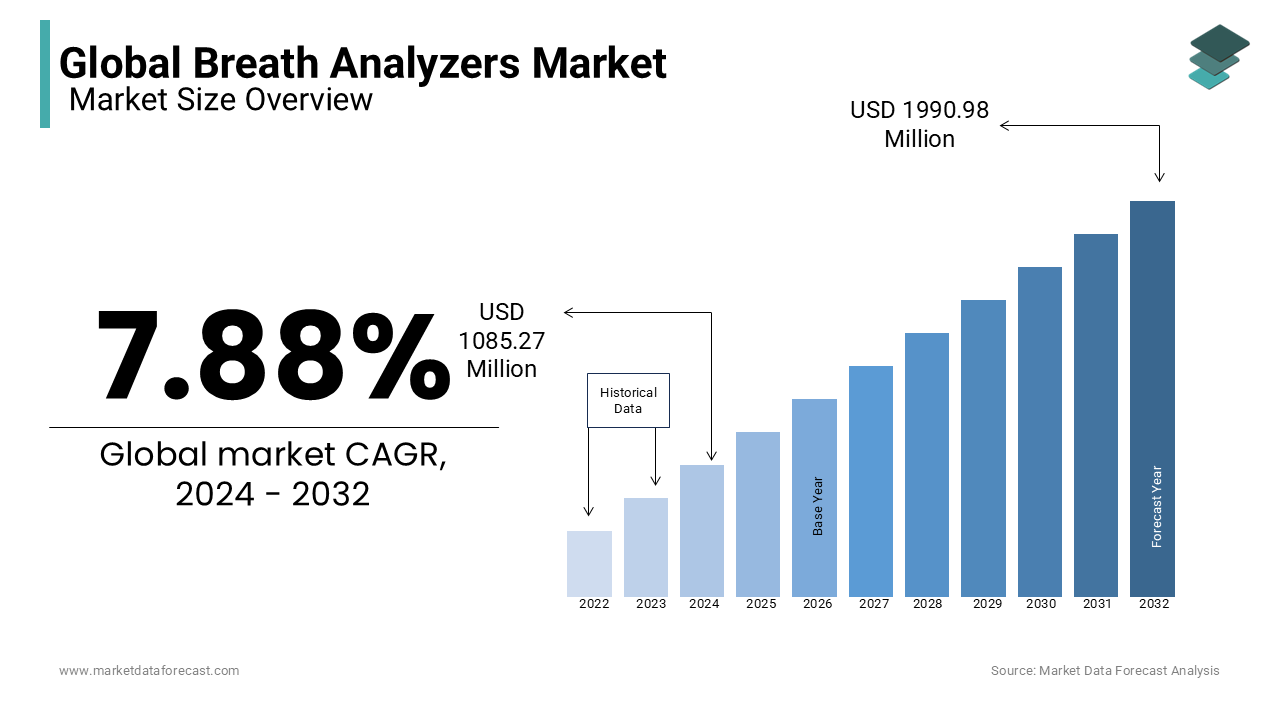
- Market Valuation: Valued at USD 1,170.79 million (2025), estimated at USD 1,263.05 million (2026), and projected to reach USD 2,317.12 million by 2034, registering a robust CAGR of 7.88% (2026–2034).
- Primary Growth Drivers: Stringent global regulations against drunk driving, rising prevalence of gastrointestinal disorders necessitating non-invasive diagnostics, and increasing workplace safety mandates. Key opportunities persist in AI integration, personal metabolic wellness monitoring, and infrared spectroscopy advancements.
Key Market Segment Metrics (2026–2034)
| Category | Leading Segment (2025 Position) | Fastest-Growing Segment |
|---|---|---|
| By Product Type | Portable Devices (dominated in 2025 due to widespread law enforcement screening) | Non-Portable Devices (predicted to witness the highest CAGR of 6.8% from 2025 to 2033) |
| By Application | Alcohol Detection (captured the largest application share in 2025) | Medical Applications (estimated to register the fastest CAGR of 7.5% from 2026 to 2034) |
| By Technology | Fuel Cell Technology (held the majority market share in 2025) | Infrared Spectroscopy (anticipated to witness the fastest CAGR of 8.2% over the forecast period) |
| By End User | Government and Private Offices (constituted the largest end-user segment in 2025) | Diagnostic Centres (likely to experience the fastest CAGR of 7.9% between 2026 and 2034) |
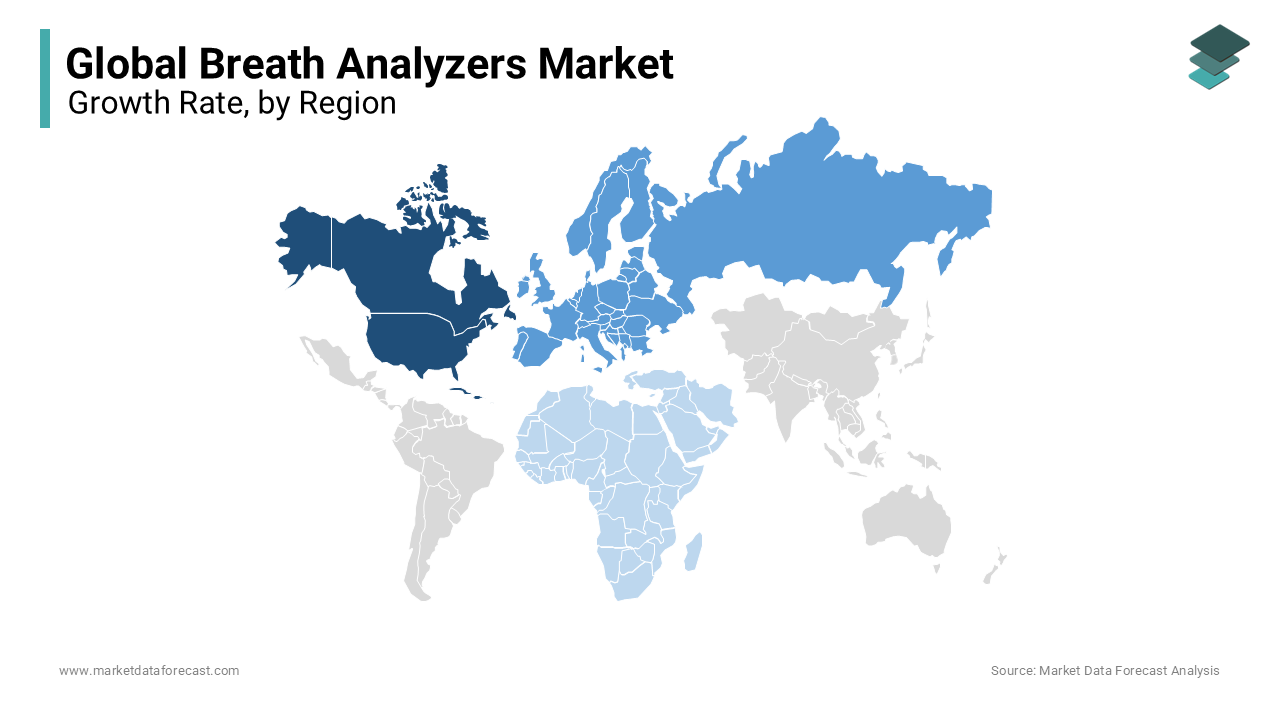
| By Region / Country | North America (led regionally with a 35.7% share in 2025, followed by Europe at 28.1%) | Global Law Enforcement & Clinical Screening Expansion Hubs |
Major Market Players & Market Structure
Market Structure: Highly competitive global safety and medical device landscape featuring leading manufacturers competing intensely on digital connectivity integration, sensor longevity enhancement, evidentiary regulatory certifications, and institutional service networks.
Key Companies: Lion Laboratories Limited, Drägerwerk AG & Co. KGaA, Intoximeters, Inc., Andatech Private Limited, Lifeloc Technologies, BACtrack, Alere, Inc., Quest Products, Inc., and C4 Development Ltd.
Global Breath Analyzers Market Size
The global breath analyzers market size was valued at USD 1170.79 million in 2025. The size of the breath analyzers market is predicted to be worth USD 2317.12 million by 2034 from USD 1,263.05 million in 2026, growing at a CAGR of 7.88% during the forecast period.
A breath analyzer (or breathalyzer) is a device that estimates your Blood Alcohol Concentration (BAC) by analyzing a sample of your exhaled breath. These instruments serve critical functions in law enforcement for alcohol detection, clinical settings for diagnosing gastrointestinal disorders such as Helicobacter pylori infection and emerging applications in metabolic monitoring, including diabetes management through acetone measurement. The technology relies on various sensing mechanisms, including electrochemical fuel cells, semiconductor oxide sensors and infrared spectroscopy, to provide rapid non-invasive results. According to the World Health Organization's Global Status Report (2024), harmful use of alcohol contributes to 2.6 million deaths globally per year (based on 2019 data), representing 4.7% of all deaths, which underscores the persistent necessity for reliable alcohol screening tools in public safety initiatives. Furthermore, the International Diabetes Federation's 11th Edition Diabetes Atlas reports that 589 million adults were living with diabetes in 2024, a figure projected to rise to 853 million by 2050, driving interest in non-invasive glucose monitoring alternatives. These epidemiological realities define the operational landscape where breath analysis serves as a pivotal bridge between preventive healthcare, public safety compliance and chronic disease management without the need for invasive blood sampling or complex laboratory procedures.
MARKET DRIVERS
Stringent Global Regulations Against Drunk Driving and Workplace Safety
The implementation of rigorous legal frameworks targeting driving under the influence and workplace intoxication fuels the sustained demand for these analyzers, which propels the growth of the breath analyzers market. Governments worldwide have lowered permissible blood alcohol concentration limits and mandated zero-tolerance policies for commercial drivers and safety-sensitive industries. According to the National Highway Traffic Safety Administration (NHTSA), alcohol-impaired driving crashes accounted for 30% of all traffic-related fatalities in the United States in 2020 (11,654 deaths), prompting continued high-visibility enforcement protocols. The European Union has introduced regulations requiring new vehicle types to be equipped with alcohol interlock connection points by 2022, which drives the integration of breath analysis technology into automotive systems. As per the U.S. Department of Transportation (DOT) regulations, drug and alcohol testing is mandatory for safety-sensitive employees in transportation sectors (e.g., aviation, trucking, and rail), while OSHA supports workplace safety but does not federally mandate universal testing programs. According to International Labour Organization (ILO) global estimates, occupational accidents and work-related diseases cost the global economy approximately 4% of GDP annually, while national studies (e.g., in the US and the UK) highlight that substance abuse significantly contributes to lost productivity and workplace incidents. Law enforcement agencies are increasingly adopting handheld evidential breath testers that meet strict accuracy standards to ensure admissibility in court proceedings. These regulatory mandates create a stable baseline demand independent of economic cycles, as compliance is legally compulsory rather than discretionary. The expansion of random testing programs in schools and public events further amplifies the volume of devices required. This legislative pressure ensures that breath analyzers remain essential infrastructure for public safety and legal accountability across developed and developing nations.
Rising Prevalence of Gastrointestinal Disorders and Non-invasive Diagnostic Preference
The growing burden of gastrointestinal diseases, particularly Helicobacter pylori infection and small intestinal bacterial overgrowth, further contributes to the expansion of the breath analyzers market. This drives the adoption of clinical breath testing devices in hospitals and diagnostic centers. This drives the adoption of clinical breath testing devices in hospitals and diagnostic centers. Patients and clinicians increasingly prefer non-invasive diagnostic methods over endoscopy or blood tests due to reduced discomfort, lower risk obreath-testings and immediate result availability. As per the American College of Gastroenterology (ACG) Clinical Guidelines, the urea breath test is a preferred non-invasive method for confirming H. pylori eradication. Meanwhile, according to the World Gastroenterology Organisation (WGO), infection rates remain high, exceeding 80% in populations within developing regions. The rising incidence of irritable bowel syndrome and lactose intolerance also contributes to demand for hydrogen and methane breath tests, which help identify malabsorption issues. Healthcare systems are shifting toward outpatient diagnostics to reduce hospital congestion and costs, making portable breath analyzers ideal for point-of-care testing. The ease of administration allows for repeated testing to monitor treatment efficacy without patient burden. Insurance reimbursement policies in many countries cover breath tests for gastrointestinal indications, encouraging their routine use. Technological advancements have improved the accuracy of these devices, reducing false positives and enhancing clinical confidence. This shift toward patient-centric non-invasive diagnostics ensures steady growth in the clinical segment of the breath analyzer market as healthcare providers prioritize efficiency and patient comfort.
MARKET RESTRAINTS
Accuracy Limitations and Susceptibility to Environmental Interferences
Vulnerability to environmental conditions and cross-reactivity with unintended chemical compounds are major obstacles to the broader integration of these analyzers in both medical and personal diagnostics, which impedes the growth of the breath analyzers market. Electrochemical sensors commonly used in alcohol detectors can produce false positives when exposed to mouthwash containing alcohol, acetone from ketogenic diets or certain medications. According to NIST, environmental variables such as ambient temperature and humidity can significantly influence the sensitivity of breath alcohol sensors, requiring precise compensation algorithms to ensure consistent readings. In clinical applications detecting volatile organic compounds for disease diagnosis requires highly sophisticated equipment to distinguish between similar molecular structures, which current portable devices often lack. Studies published in Clinical Chemistry indicate that breath acetone levels can fluctuate due to fasting, exercise or hydration status, complicating the interpretation of results for diabetes monitoring. These accuracy concerns limit the reliability of breath analyzers for definitive medical diagnosis compared to gold standard blood tests. Regulatory bodies such as the Food and Drug Administration require extensive validation data before approving breath-based diagnostic claims, slowing market entry for innovative devices. Users may lose trust in devices that provide erratic results, leading to low adoption rates among health-conscious consumers. The need for frequent recalibration and maintenance adds to operational complexity and cost. Until sensor technology achieves higher specificity and robustness against interference, breath analyzers will face scepticism in critical healthcare applications where precision is paramount.
High Cost of Advanced Spectroscopic Technologies for Clinical Use
The prohibitive cost of advanced breath analysis technologies such as gas chromatography-mass spectrometry and laser-based spectroscopy restricts their accessibility to well-funded research institutions and large hospitals, which in turn hinders the expansion of the breath analyzers market. While simple electrochemical alcohol testers are affordable devices, those capable of detecting multiple biomarkers for early disease detection can cost tens of thousands of dollars per unit. According to sources, comprehensive breath analysis systems for volatile organic compound (VOC) profiling (such as mass spectrometry units) typically range from USD 50,000 to USD 100,000, limiting their adoption to major research hospitals and specialized diagnostic centers. The high capital expenditure is compounded by the need for specialized technical staff to operate and maintain these complex instruments. Reimbursement rates for breath-based diagnostic tests often do not cover the full cost of acquisition and operation, discouraging healthcare providers from investing in this technology. In low- and middle-income countries where the burden of infectious diseases is high, financial constraints prevent the adoption of even basic breath-testing devices. The lack of economies of scale for niche clinical breath analyzers keeps prices elevated compared to established blood testing methodologies. Manufacturers struggle to justify production volumes for expensive devices with limited market penetration. This financial barrier slows the translation of promising research findings into widespread clinical practice. Advanced breath analyzers will remain confined to specialized tertiary care settings. This limits their overall market impact. Costs must first decrease through technological miniaturization and mass production to change this.
MARKET OPPORTUNITIES
Integration of Artificial Intelligence for Pattern Recognition in Disease Diagnosis
The convergence of artificial intelligence algorithms with breath analysis technology offers a transformative opportunity to enhance diagnostic accuracy and expand the range of detectable conditions, which is likely to promote the growth of the breath analyzers market. Machine learning models can analyze complex patterns of volatile organic compounds in breath samples to identify subtle signatures associated with diseases such as lung cancer, Parkinson’s disease and asthma. As per research, institutions like the Technion – Israel Institute of Technology have demonstrated that AI-enhanced electronic noses can distinguish lung cancer in breath, with accuracy rates often exceeding 85%. This capability allows for the development of multi-disease screening platforms that can assess overall health status from a single breath sample. Digital health platforms integrating breath data with electronic health records enable longitudinal monitoring of chronic conditions, providing personalised insights for patients and clinicians. The scalability of software-based solutions reduces the need for hardware upgrades, allowing existing devices to gain new capabilities through firmware updates. Pharmaceutical companies are exploring breath analysis as a biomarker for drug efficacy in clinical trials, offering a non-invasive alternative to frequent blood draws. Regulatory agencies are beginning to recognise digital biomarkers, paving the way for approval of AI-driven diagnostic tools. Partnerships between technology firms and medical device manufacturers accelerate the development of smart breath analyzers. This digital transformation opens new revenue streams through subscription-based analytics services and remote patient monitoring solutions.
Expansion into Personal Wellness and Fitness Monitoring Segments
The emerging trend of the quantified self and personalised wellness creates major prospects for consumer-orientated breath analyzers focused on metabolic health and fitness optimisation, which is anticipated to boost the expansion of the global market. Devices measuring breath acetone are gaining popularity among individuals following ketogenic diets, as they provide real-time feedback on fat-burning status without the need for urine strips or blood ketone meters. As per the Global Wellness Institute (GWI) 2024 Monitor, the global wellness economy has expanded to a value of USD 6.3 trillion, which encompasses a rapidly growing segment dedicated to biohacking and personalized metabolic tracking. Smart breath analyzers connected to smartphone apps allow users to track trends over time and adjust dietary and exercise routines accordingly. Wearable breath sensors are being developed to monitor hydration levels and stress markers through breath composition, offering continuous health insights. The convenience and non-invasive nature of breath testing appeal to health-conscious consumers who seek actionable data without medical intervention. Social media influencers and fitness experts promote these devices, driving consumer awareness and demand. Manufacturers can leverage direct-to-consumer channels to bypass traditional medical distribution barriers and reach a broader audience. Collaborations with fitness tracker brands enable integration of breath data with activity and sleep metrics, creating holistic health profiles. This shift from clinical to consumer markets diversifies revenue sources and reduces dependency on regulated medical device approvals. Personal breath analyzers are poised to become staple items in home wellness kits. This shift is happening as technology becomes more affordable and user-friendly.
MARKET CHALLENGES
Lack of Standardized Protocols for Sample Collection and Analysis
The absence of universally accepted standards for breath sample collection, storage, and analysis is a significant challenge to the reproducibility and comparability of results across different devices and studies, which constrains the growth of the breath analyzers market. Variations in breathing manoeuvres, such as tidal breathing versus forced exhalation, can significantly alter the concentration of target analytes, leading to inconsistent data. According to the American Thoracic Society (ATS) and European Respiratory Society (ERS) joint technical standards, specific protocols exist for exhaled breath condensate (EBC) collection, though clinical adherence varies widely due to differences in collection devices. Different manufacturers employ proprietary sampling methods and calibration techniques, making it difficult to validate results against external benchmarks. This lack of harmonization hinders the establishment of normal reference ranges for volatile organic compounds, limiting the clinical utility of breath analysis. Regulatory bodies struggle to evaluate new devices without standardized testing protocols, delaying approvals and market entry. Multi-centre clinical trials face challenges in ensuring data consistency when using different equipment and procedures. The scientific community calls for international consensus on best practices to facilitate collaboration and data sharing. Without standardised protocols, breath analysis remains fragmented, preventing the accumulation of robust evidence needed for widespread clinical adoption. Manufacturers must invest in educational initiatives to train users on proper sampling techniques, but variability persists. This foundational challenge undermines confidence in breath-based diagnostics and slows the transition from research tools to routine clinical instruments.
Regulatory Hurdles for Novel Biomarker Validation and Approval
Navigating the complex regulatory landscape for validating new breath biomarkers and obtaining approval for diagnostic claims is a formidable barrier for manufacturers and researchers in the breath analyzers market. Unlike established alcohol detectors, novel clinical breath analyzers must demonstrate rigorous clinical validity and utility through extensive trials, which are time-consuming and costly. As per the Food and Drug Administration (FDA), novel breath-based diagnostic devices are classified as Class II or Class III medical devices, necessitating either 510(k) clearance or premarket approval depending on their clinical risk profile. According to Vantage MedTech, the average time to bring a novel, regulated diagnostic device to market typically ranges from 3 to 7 years due to strict evidentiary and clinical trial requirements. Proving that a specific volatile organic compound profile is uniquely associated with a disease requires large-scale prospective studies that are difficult to conduct and fund. Regulatory agencies are cautious about approving breath tests for serious conditions like cancer due to the risk of false negatives which could delay life-saving treatment. The lack of clear regulatory pathways for digital health integrations and AI algorithms adds further uncertainty. Manufacturers face the risk of rejection after significant investment if clinical data does not meet regulatory expectations. This regulatory inertia discourages innovation and limits the number of validated breath tests available to clinicians. Companies must balance the desire for rapid commercialization with the need for robust clinical evidence, creating a strategic dilemma. Market growth for breath analysis will remain constrained by approval delays. This will continue until regulatory frameworks evolve to accommodate the unique characteristics of the technology.
REPORT COVERAGE
| REPORT METRIC | DETAILS |
| Market Size Available | 2025 to 2034 |
| Base Year | 2025 |
| Forecast Period | 2026 to 2034 |
| Segments Covered | By Product Type, Application, Technology, End User, and Region. |
| Various Analyses Covered | Global, Regional & Country Level Analysis, Segment-Level Analysis; DROC, PESTLE Analysis, Porter's Five Forces Analysis, Competitive Landscape, Analyst Overview of Investment Opportunities |
| Regions Covered | North America, Europe, APAC, Latin America, Middle East & Africa |
| Market Leader Profiled | Lion Laboratories Limited, Dragerwerk AG & Co. KGaA, Intoximeters, Inc., Andatech Private Limited, Lifeloc Technologies, BACtrack, Alere, Inc., Quest Products, Inc., and C4 Development Ltd. |
SEGMENTAL ANALYSIS
By Product Type Insights
The portable devices segment dominated the breath analyzers market and accounted for a substantial share in 2025. This segment dominated primarily because law enforcement agencies require mobile solutions for roadside sobriety testing. Handheld units enable officers to conduct immediate screening at traffic stops without transporting suspects to stationary facilities, which streamlines enforcement workflows significantly. According to Federal Bureau of Investigation (FBI) Uniform Crime Reporting data (cited by NHTSA), law enforcement agencies made approximately 789,316 driving under the influence arrests in 2022, underscoring the continued necessity for widespread field testing deployment. The compact form factor and battery operation allow for use in diverse environments, including checkpoints, accident scenes and border crossings. Technological advancements have reduced device weight to under 300 grams while maintaining evidential accuracy standards required for legal proceedings. Workplace safety programs also favour portable units for random drug and alcohol screening in industrial settings where fixed installations are impractical. As per the International Labour Organization (ILO), occupational accidents and diseases cost the global economy 4% of annual GDP. Meanwhile, the National Safety Council (NSC) reports that substance use specifically costs US employers over USD 400 billion annually in lost productivity and healthcare, driving demand for workplace screening. Consumer personal breathalyzers further contribute to this segment dominance as individuals seek self-monitoring tools. Manufacturing scalability has lowered unit costs, making bulk purchases feasible for municipal police departments with limited budgets. This operational flexibility ensures portable devices remain the default choice for public safety applications worldwide, sustaining their market leadership through consistent replacement cycles and regulatory compliance mandates
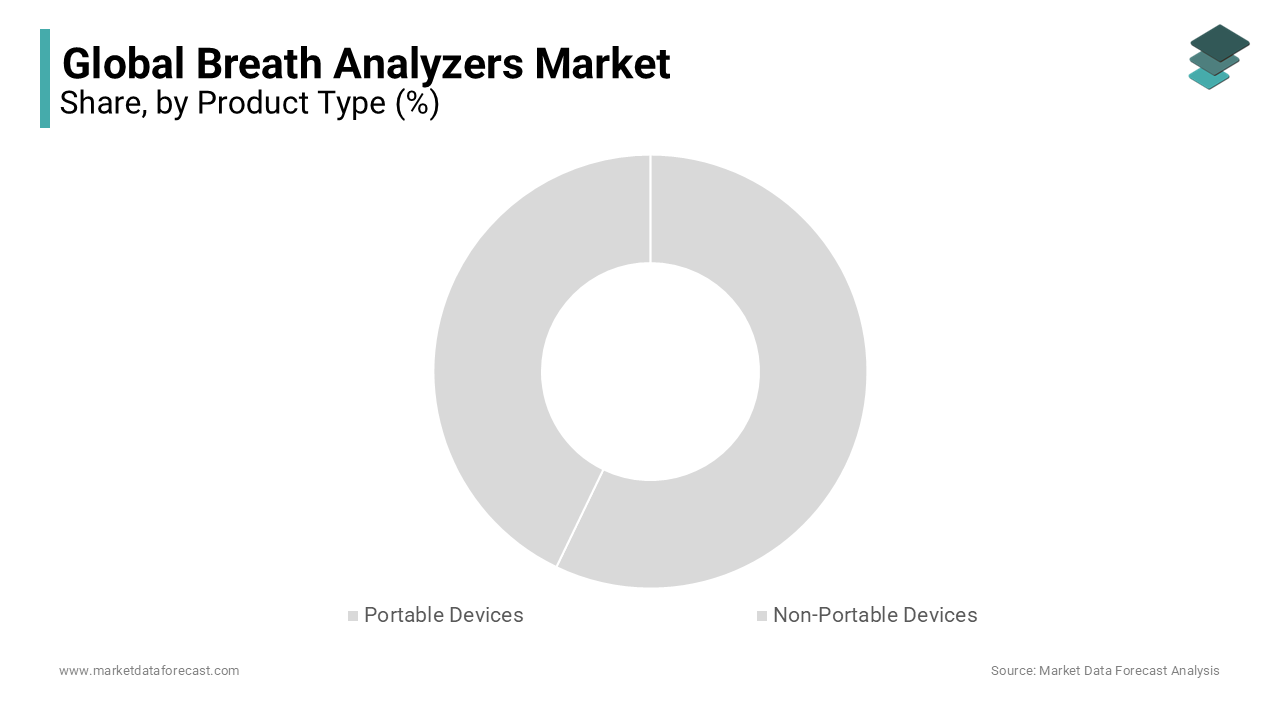
On the other hand, the non-portable devices segment is predicted to witness the highest CAGR of 6.8% during the forecast period due to increasing demand for high-precision clinical diagnostics in hospital laboratories. Stationary systems utilizing gas chromatography or infrared spectroscopy offer superior sensitivity and specificity compared to handheld alternatives, making them essential for medical applications such as Helicobacter pylori detection and metabolic disorder diagnosis. As per the American College of Gastroenterology (ACG) Clinical Guidelines, the urea breath test is recommended as the preferred non-invasive method for confirming H. pylori eradication (test-of-cure) following antibiotic therapy due to its high accuracy. These benchtop instruments provide quantitative results with minimal interference from environmental factors, ensuring reliable data for treatment decisions. Research institutions utilize advanced stationary analyzers to discover novel volatile organic compound biomarkers for early cancer detection, expanding the clinical utility of breath analysis. The rising prevalence of chronic respiratory diseases necessitates frequent pulmonary function monitoring, which integrated breath analysis systems facilitate efficiently. Healthcare facilities investing in diagnostic infrastructure upgrades prioritise multi-parameter platforms that combine breath testing with other laboratory functions. Regulatory approvals for new clinical indications continue to expand the addressable patient population for these sophisticated devices. Although higher in cost, the unmatched analytical performance of non-portable systems justifies investment in tertiary care centres seeking comprehensive diagnostic capabilities beyond basic alcohol screening.
By Application Insights
The alcohol detection application segment led the breath analyzers market and captured a significant share in 2025. Impaired driving remains a critical public health crisis that requires continuous enforcement intervention and thereby contributes to the leading position of this segment. Global road safety initiatives mandate regular sobriety testing as a deterrent strategy reducing fatalities and injuries associated with drunk driving. Legal blood alcohol concentration limits have been lowered in many jurisdictions, increasing the frequency of testing required to ensure compliance. Commercial transportation regulations enforce zero-tolerance policies for bus, truck and airline operators, creating institutional demand for certified breath-testing equipment. As per European Commission Regulation (EU) 2019/2144, all new vehicle types introduced from July 2022 must include a standardized interface for alcohol interlock installation, allowing for the seamless integration of aftermarket breath analysis devices. Social awareness campaigns have normalised personal breathalyzer use among responsible drinkers, further expanding the consumer base. Insurance companies offer premium discounts for drivers using ignition interlock devices, incentivising adoption. The established regulatory framework and cultural acceptance of alcohol breath testing create a stable revenue stream independent of economic fluctuations. Continuous technological improvements in sensor accuracy and anti-tamper mechanisms reinforce trust in these devices, ensuring sustained market dominance for alcohol detection applications.
However, the medical applications segment is estimated to register the fastest CAGR of 7.5% from 2026 to 2034 owing to the shift toward non-invasive diagnostic methodologies in clinical practice. Breath tests for gastrointestinal disorders, asthma monitoring and metabolic profiling offer painless alternatives to blood draws, endoscopies and biopsies, improving patient compliance and satisfaction. According to the Centers for Disease Control and Prevention (CDC), approximately two-thirds of the world's population is infected with Helicobacter pylori, creating a substantial global demand for urea breath testing kits for detection and management. Emerging research links specific volatile organic compound profiles to lung cancer, Parkinson’s disease and diabetes, enabling early detection through simple breath analysis. Point-of-care testing devices reduce turnaround times, allowing clinicians to make immediate treatment decisions during office visits. Reimbursement coverage for breath-based diagnostics is expanding in developed healthcare systems, encouraging routine utilisation. Pharmaceutical companies explore breath biomarkers as endpoints in clinical trials, accelerating drug development timelines. Technological miniaturization brings laboratory-grade accuracy to portable formats, broadening accessibility beyond specialised centres. This convergence of clinical need, technological advancement and payer support positions medical applications as the primary growth engine for the future breath analyzer market.
By Technology Insights
In 2025, the fuel-cell technology segment held the majority share of the breath analyzers market because it provides the linear response and ethanol specificity required for legally admissible evidence testing in law enforcement and workplace safety programs. Electrochemical fuel cells oxidise alcohol molecules, generating an electrical current proportional to concentration, ensuring accurate quantification across the entire measurement range. According to the National Highway Traffic Safety Administration (NHTSA) Model Specifications, fuel cell-based breath alcohol ignition interlock devices (BAIIDs) and evidential testers are rigorously tested and listed on the Conforming Products List (CPL) for forensic applications, a process supported by measurement traceability from the National Institute of Standards and Technology (NIST). These sensors exhibit minimal cross-sensitivity to common interferents such as acetone, methanol or cigarette smoke, reducing false positive rates in field conditions. Long-term stability allows for extended calibration intervals, lowering maintenance costs for high-volume users like police departments. The International Organization of Legal Metrology establishes international standards that predominantly reference fuel cell technology as the benchmark for breath alcohol testing. Manufacturing maturity has optimized production yields, making fuel cell units cost-competitive despite superior performance. Regulatory bodies in North America and Europe mandate fuel cell-based devices for evidential purposes, creating a protected market segment. The proven track record of fuel cell technology in millions of legal proceedings builds institutional confidence, ensuring continued dominance in safety-critical applications where accuracy cannot be compromised.
But the infrared spectroscopy technology segment is anticipated to witness the fastest CAGR of 8.2% over the forecast period. This swift expansion of the segment is propelled by its ability to simultaneously detect multiple volatile organic compounds for complex medical and industrial applications. Unlike single-analyser sensors, infrared systems identify molecular fingerprints based on absorption spectra, enabling comprehensive breath profiling beyond alcohol detection. According to Analytical Chemistry (and the Journal of Breath Research), Fourier transform infrared (FTIR) spectroscopy combined with machine learning can distinguish between asthma, COPD, and healthy controls with classification accuracy often exceeding 90%, offering a non-invasive diagnostic potential. This multiplexing capability supports emerging clinical indications, including cancer screening, metabolic monitoring and infectious disease diagnosis. Non-dispersive infrared sensors are increasingly used in stationary clinical analyzers due to their long lifespan and lack of consumable reagents, reducing operational expenses. Environmental monitoring applications benefit from real-time detection of toxic gases and industrial solvents in workplace air quality assessments. Technological advancements in laser sources and detector sensitivity have reduced instrument size and cost, making infrared systems more accessible to mid-tier laboratories. Regulatory pathways for multi-marker diagnostic tests favour technologies capable of simultaneous validation, accelerating approval timelines. The versatility of infrared spectroscopy across diverse use cases, from healthcare to occupational safety, drives rapid adoption as organizations seek unified platforms replacing multiple single-purpose devices.
By End User Insights
The government and private offices segment was the largest in the breath analyzers market and occupied a commanding share in 2025. Law enforcement agencies, correctional facilities, and corporate safety programs heavily rely on mandatory breath testing protocols, which fuel the top position of this segment. Police departments represent the largest single purchaser category conducting millions of roadside screenings annually to enforce traffic laws and prevent impaired driving fatalities. According to the Federal Bureau of Investigation (FBI), law enforcement agencies reported approximately 7.9 million arrests nationwide (a decrease from historical highs of 10 million), with drug- and alcohol-related offenses continuing to necessitate documented breath testing. Correctional institutions implement intake screening and random testing programs to maintain facility security and inmate safety. Corporate human resources departments administer pre-employment and post-incident drug and alcohol testing as part of occupational health compliance, particularly in safety-sensitive industries like construction, mining and energy. The Occupational Safety and Health Administration enforces strict substance abuse policies, driving private sector procurement. As per standard government procurement solicitations (e.g., from US State Departments of Transportation), tenders for breath alcohol instruments consistently mandate compliance with the NHTSA Conforming Products List (CPL), effectively favouring established manufacturers with certified, evidential-grade technology. Budget allocations for public safety infrastructure include recurring line items for device replacement and calibration services, creating predictable demand streams. The legal defensibility of test results depends on proper chain of custody documentation which government protocols strictly enforce. This institutionalized reliance on breath analysis for regulatory compliance and liability management solidifies the dominance of government and private office end users in the global market.
On the contrary, the diagnostic centres segment is likely to experience the fastest CAGR of 7.9% between 2026 and 2034. This quick surge of the segment is driven by the decentralization of healthcare services and increasing outpatient procedure volumes. Hospitals are shifting routine diagnostic testing to dedicated ambulatory facilities to reduce congestion, improve throughput and lower operational costs. Breath tests for Helicobacter pylori, lactose intolerance and small intestinal bacterial overgrowth are ideally suited for outpatient settings due to their non-invasive nature and rapid turnaround times. According to the World Gastroenterology Organisation (WGO) and the Rome Foundation, functional gastrointestinal disorders affect up to 40% of the global population, leading to increasing referral rates to specialized clinics for non-invasive diagnostics like hydrogen breath tests. Independent laboratories invest in automated breath analysis platforms to handle high sample volumes efficiently while maintaining quality standards. As per Centers for Medicare & Medicaid Services (CMS), reimbursement structures increasingly favor cost-effective office-based or outpatient diagnostics over hospital-based settings, incentivizing the adoption of point-of-care breath testing in diagnostic centers. Preventive health screening packages increasingly include breath tests as value-added services, attracting health-conscious consumers. Franchise models enable rapid geographic expansion, bringing standardized testing capabilities to underserved communities. Partnerships with primary care physicians create referral networks ensuring steady patient flow. The focus on patient experience in modern diagnostic centres aligns perfectly with the comfort advantages of breath-based testing. This structural shift toward ambulatory care delivery positions diagnostic centres as key growth drivers for clinical breath analyzer adoption.
REGIONAL ANALYSIS
North America Breath Analyzers Market Analysis
North America was the top performer in the global breath analyzers market and accounted for a 35.7% share in 2025. This dominance of the North American market was propelled by stringent drunk driving laws and advanced healthcare infrastructure. The United States accounts for the majority of regional demand due to its extensive law enforcement network and high per capita healthcare spending. According to the National Highway Traffic Safety Administration (NHTSA), alcohol-impaired driving fatalities reached 13,384 in 2021, prompting intensified enforcement efforts and equipment upgrades. State-level implied consent laws mandate breath testing for suspected impaired drivers, creating consistent institutional procurement. As per the Food and Drug Administration (FDA) regulatory controls, the agency classifies and regulates medical breath analyzers as toxicology devices to ensure their safety and efficacy for clinical and screening applications. Canada implements federal criminal code provisions against impaired driving, requiring certified screening devices nationwide. Occupational safety regulations under OSHA drive corporate testing programs in hazardous industries. High prevalence of chronic diseases supports clinical breath-testing adoption in hospitals and diagnostic centres. Reimbursement policies cover urea breath tests and pulmonary function assessments, facilitating patient access. Technological innovation hubs foster the development of next-generation sensors and AI integration. Strong distribution channels ensure rapid product availability across urban and rural areas. Cultural emphasis on individual responsibility and public safety sustains consumer demand for personal breathalyzers. These combined factors reinforce North America’s market leadership through regulatory rigor and healthcare maturity.
Europe Breath Analyzers Market Analysis
Europe followed closely behind in the breath analyzers market and captured a 28.1% share in 2025. This position of the European market was supported by harmonized regulatory frameworks and strong public health systems. According to the European Parliament and Council Directive (EU) 2015/413, cross-border road safety rules facilitate the exchange of vehicle registration information for drink-driving offenses, while technical breath testing protocols remain regulated by individual member states. Germany, France and the United Kingdom lead regional consumption due to large populations and well-funded law enforcement agencies. As per the European Commission’s General Safety Regulation, all new motor vehicles must be equipped with a standardized alcohol interlock installation facilitation interface, streamlining the addition of aftermarket breathalyzers to prevent drunk driving. Clinical breath testing benefits from universal healthcare coverage, ensuring broad patient access to diagnostic services. According to the European Respiratory Society (ERS) technical standards, standardized protocols are established strictly for exhaled breath biomarkers to track clinical lung diseases, which operates entirely separate from public safety alcohol testing. Environmental monitoring regulations drive industrial workplace testing for volatile organic compounds. Ageing populations increase the prevalence of respiratory and metabolic disorders, supporting medical application growth. Public awareness campaigns emphasise responsible drinking, normalising personal breathalyzer use. Local manufacturers benefit from proximity to regulatory bodies accelerating approval processes. Cross-national research collaborations advance biomarker discovery and validation. Sustainability initiatives encourage the development of eco-friendly disposable mouthpieces and energy-efficient devices. These regional characteristics create a stable, mature market environment balancing safety enforcement with clinical innovation.
Asia Pacific Breath Analyzers Market Analysis
The Asia-Pacific region shows the highest growth rate in the breath analyzer market due to rapid urbanization, increasing road safety awareness, and expanding healthcare access. China, India and Japan represent key markets with distinct growth dynamics, reflecting varying stages of economic development. According to the Asian Development Bank (ADB), traffic fatalities in low- and middle-income Asian countries represent a disproportionately high economic and public health burden, driving government investments in traffic enforcement infrastructure. Rising middle-class populations increase vehicle ownership rates, amplifying demand for traffic safety measures, including breath testing. Healthcare expenditure growth enables procurement of advanced diagnostic equipment in major cities. Japan’s super-aged society drives clinical breath testing for age-related respiratory and metabolic conditions. Medical tourism hubs in Thailand and Singapore attract international patients seeking affordable, high-quality diagnostics. Local manufacturing reduces costs, improving affordability for mass market deployment. Digital health initiatives integrate breath analyzers with telemedicine platforms, expanding reach to remote areas. Government campaigns targeting drunk driving change social norms, increasing compliance. Private diagnostic chains expand rapidly, offering standardized testing services. Increasing prevalence of lifestyle diseases creates demand for non-invasive monitoring solutions. These converging trends position the Asia Pacific as the primary growth engine for the global breath analyzer market over the forecast period.
Latin America Breath Analyzers Market Analysis
Latin America expanded steadily in the global market owing to gradual improvements in road safety enforcement and healthcare infrastructure development. Brazil and Mexico lead regional demand, accounting for the majority of breath analyzer installations. According to the Pan American Health Organization (PAHO), high percentages of road traffic deaths are directly linked to alcohol consumption, driving advocacy for stricter legal blood alcohol limits and mandatory checkpoint enforcement. Zero tolerance laws for commercial drivers create institutional demand for certified testing equipment. Urbanization increases vehicle density, raising accident risks and public pressure for safety measures. Healthcare system expansions improve access to diagnostic services in major metropolitan areas. Economic volatility affects purchasing power, favouring cost-effective generic devices over premium brands. Private security firms implement substance testing programs for employees in high-risk sectors. Tourism industries adopt breath testing to ensure visitor safety and reputation management. Non-governmental organizations support capacity building for law enforcement training and equipment maintenance. Rising chronic disease burden stimulates interest in clinical breath testing, although reimbursement remains limited. Local distributors partner with global manufacturers to navigate complex import regulations. Cultural attitudes toward alcohol consumption slowly shift toward greater responsibility. These incremental improvements sustain steady market growth despite structural challenges in funding and infrastructure.
Middle East and Africa Breath Analyzers Market Analysis
The Middle East and Africa are expected to see notable growth in the breath analyzers market during the forecast period due to significant disparities in market maturity between Gulf Cooperation Council nations and sub-Saharan African countries. Saudi Arabia and the United Arab Emirates drive regional demand through substantial investments in smart city infrastructure and healthcare modernisation. According to Saudi Arabia's Vision 2030 Health Sector Transformation Program, public funding is heavily allocated toward preventative healthcare and digital safety systems, though specific allocations for breath analysis technology are not explicitly detailed in public policy mandates. Strict Sharia-compliant laws against alcohol consumption paradoxically create demand for highly sensitive detection equipment to enforce prohibitions. Medical tourism development in Dubai and Abu Dhabi attracts international patients requiring accredited diagnostic services. Sub-Saharan Africa faces resource constraints limiting widespread adoption, but targeted programs address specific needs like tuberculosis screening through breath analysis. Mining and oil extraction industries implement mandatory substance testing for worker safety. International aid organizations donate equipment and training to strengthen public health systems. Urbanization in major cities creates concentrated demand for traffic enforcement solutions. Private healthcare providers cater to expatriate and elite populations with premium diagnostic services. Regulatory frameworks evolve to accommodate new technologies, although harmonization remains challenging. Climate conditions affect device performance, requiring specialized engineering adaptations. Strategic partnerships with global suppliers facilitate technology transfer. These varied dynamics create a fragmented but evolving market landscape with selective high-value opportunities.
COMPETITIVE LANDSCAPE
The competitive landscape of the breath analyzers market is characterized by intense rivalry among specialized manufacturers focusing on distinct application segments such as law enforcement clinical diagnostics and personal wellness. Established players leverage their brand reputation and regulatory certifications to maintain dominance in institutional markets where reliability is paramount. Price competition is moderate in the professional segment but intense in the consumer market where numerous low cost entrants offer basic functionality. Innovation in sensor technology serves as a primary differentiator with companies striving to achieve higher specificity and lower detection limits. Intellectual property protection plays a crucial role as manufacturers secure patents for novel sensing mechanisms and algorithmic improvements. Service quality including calibration support and technical training significantly influences customer loyalty and repeat purchases. The market witnesses frequent product launches featuring smart connectivity and miniaturized designs to address evolving user preferences. Strategic alliances with software developers enable advanced data analytics capabilities enhancing the value proposition of hardware devices. Regulatory barriers create high entry thresholds for new competitors particularly in medical and forensic applications. This dynamic environment requires continuous adaptation and investment in quality assurance to sustain market relevance and profitability.
KEY MARKET PLAYERS
Some of the companies that are playing a dominating role in the Global Breath Analyzers Market include
- Lion Laboratories Limited
- Dragerwerk AG & Co. KGaA
- Intoximeters, Inc.
- Andatech Private Limited
- Lifeloc Technologies
- BACtrack
- Alere, Inc.
- Quest Products, Inc.
- C4 Development Ltd
Top Players in the Global Breath Analyzers Market
Drägerwerk AG and Co KGaA Leadership in Safety Solutions
Drägerwerk maintains a prominent global position by providing comprehensive safety and security solutions including advanced breath alcohol testing devices for law enforcement and industrial applications. The company focuses on developing robust portable evidential breath testers that meet stringent international certification standards for accuracy and reliability. Recent strategic initiatives include integrating digital connectivity features into handheld devices to facilitate real time data transmission to central management systems. Dräger actively collaborates with government agencies to support traffic safety programs through training and equipment supply. The company invests heavily in research to enhance sensor longevity and reduce maintenance requirements for high volume users. Expansion into emerging markets through localized service networks ensures consistent customer support and product availability. These efforts reinforce its reputation as a trusted partner in public safety and occupational health sectors worldwide.
Intoximeters Inc Dominance in Evidential Testing Technology
Intoximeters strengthens its market presence by specializing in high precision breath alcohol analyzers designed for forensic and legal applications. The company offers a diverse portfolio of portable and stationary instruments that comply with rigorous regulatory requirements across multiple jurisdictions. Recent product launches feature improved fuel cell technology with enhanced resistance to environmental interference ensuring consistent performance in varied conditions. Intoximeters prioritizes customer education through comprehensive certification programs for operators and maintenance technicians. Strategic partnerships with distribution partners expand reach into remote regions requiring reliable sobriety testing infrastructure. The company emphasizes durability and ease of use in its design philosophy catering to the needs of law enforcement officers in the field. Continuous innovation in calibration stability reduces operational downtime and total cost of ownership for institutional clients.
Guth Laboratories Innovation in Clinical Diagnostics
Guth Laboratories contributes significantly to the market by focusing on clinical breath analysis systems for diagnosing gastrointestinal disorders and metabolic conditions. The company develops specialized urea breath test kits and automated analyzers that provide accurate non invasive diagnostic results for Helicobacter pylori detection. Recent actions include obtaining regulatory approvals for new diagnostic indications and expanding manufacturing capacity to meet growing global demand. Guth Laboratories engages in scientific collaborations with medical researchers to validate novel biomarkers for early disease detection. The company implements strict quality control measures to ensure product consistency and patient safety. Educational initiatives targeting gastroenterologists promote awareness of breath testing benefits over invasive procedures. By focusing on niche clinical applications Guth Laboratories establishes itself as a key provider of specialized diagnostic tools in the healthcare sector.
Strategic Approaches Adopted by Key Market Participants
Key players in the breath analyzers market primarily focus on technological innovation to enhance sensor accuracy and device portability. Companies invest substantially in research and development to create multi gas detection capabilities and integrate artificial intelligence for data analysis. Strategic partnerships with law enforcement agencies and healthcare providers enable customized solutions that meet specific regulatory and clinical requirements. Expansion into emerging markets through local manufacturing and distribution agreements helps capture growth opportunities in regions with improving infrastructure. Mergers and acquisitions allow established firms to broaden their product portfolios and access new customer segments efficiently. Regulatory compliance and certification are prioritized to maintain trust and ensure admissibility of test results in legal proceedings. Digital integration features such as cloud connectivity and mobile app compatibility enhance user experience and data management capabilities. Sustainability initiatives including eco friendly materials and energy efficient designs align with corporate social responsibility goals. These strategies collectively strengthen market positions and drive long term growth in a competitive landscape.
RECENT MARKET HAPPENINGS
- In August 2024, Wenzheng Heng and his team presented a soft and easy to wear and microfluidic smart mask system, devised for non-invasive and constant analysis of EBC at reasonable cost. This system allows for uninterrupted monitoring through a bioinspired microfluidic design that replicates the capillary movement in plants and utilises a water-friendly inner surface to guide EBC towards the sensing reservoir.
- In June 2024, the central government in India revealed a draft of regulatory standards to assist in improving the reliability and accuracy of breath analyser equipment, thereby helping law enforcement agencies stop incidents of drunken driving. The new regulations released by the legal metrology division of the Department of Consumer Affairs under the Legal Metrology (General) Rules, 2011, need breath analysers to comply with standardised assessment methods, to maintain uniform and dependable outcomes across various devices.
- In 2022, FoodMarble, well-known for manufacturing gastroenterology devices, launched a personal digestive breath tester named AIRE 2. This is helpful to people who are suffering from ongoing digestive issues. It is a pocket-size device at home used to measure and monitor digestion in real time to help better manage digestive health.
- In 2021, the Indonesian Ministry of Transportation launched rapid COVID-19 breath tests for domestic air travel. This breath analyzer can electronically 'smell' the coronavirus and immediately detect infection. It is a faster, cheaper, non-invasive, and reliable way to detect COVID-19 infections. The device uses artificial intelligence to analyze a breath sample and identify whether COVID-19 infects a person.
MARKET SEGMENTATION
This research report on the global breath analyzers market has been segmented and sub-segmented based on product type, application, technology, end-user, and region.
By Product Type
- Portable Devices
- Non-Portable Devices
By Application
- Drug Abuse Detection
- Alcohol Detection
- Medical Applications
By Technology
- Fuel Cell Technology
- Semiconductor Oxide Sensor Technology
- Infrared Spectroscopy
- Other Technologies
By End-user
- Government and Private Offices
- International and National Transport Systems
- Diagnostic Centres
- Rehabilitation Centres
By Region
- North America
- Europe
- Asia-Pacific
- Latin America
- Middle East and Africa