- Product Description Description
- Table of Contents TOC
- List of Table & Figure LOT
- Get Free Sample PDF Sample PDF
Market Size, 2025
$19.88 BnMarket Estimate, 2026
$20.83 BnMarket Forecast, 2034
$30.26 BnCAGR, 2026–2034
4.78%Global Fungicides Market Size, Trends & Forecast (2026–2034)
- Market Scope: Comprehensive global fungicides market analysis covering active chemical and biological types, crop applications, mode of application, regional production frameworks, and evolving demand drivers.
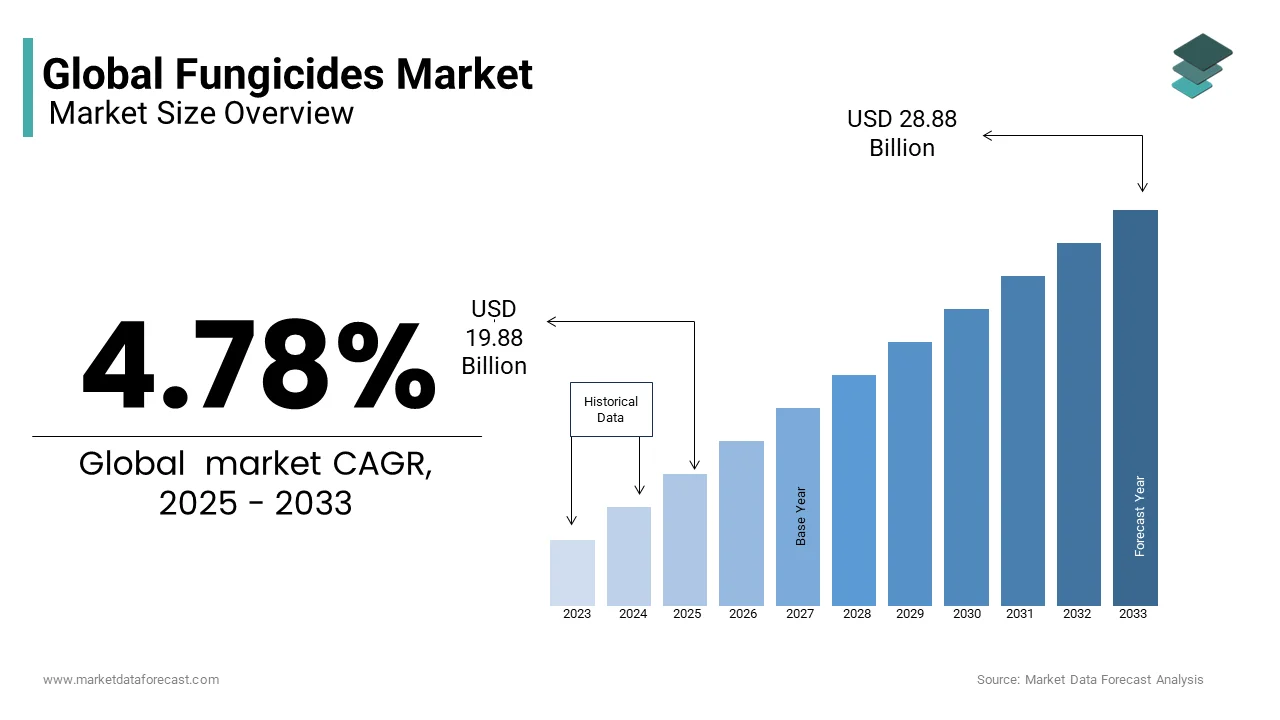
- Market Valuation: Valued at USD 19.88 billion (2025), estimated at USD 20.83 billion (2026), and projected to reach USD 30.26 billion by 2034, registering a steady CAGR of 4.78% from 2026 to 2034.
- Primary Growth Drivers: Rising demand for global food security driven by population growth (projected to reach 8.5 billion by 2030), substantial crop loss prevention due to fungal infections (accounting for 10% to 23% pre-harvest loss and an additional 10% to 20% post-harvest loss), global warming pressures accelerating fungal poleward spread, and rising R&D investments in sustainable biological crop protection solutions.
Key Market Segment Metrics (2026–2034)
| Category | Leading Segment (2025 Position) | Fastest-Growing Segment |
|---|---|---|
| By Type | Synthetic Fungicides (dominated with proven broad-spectrum efficacy and cost efficiency) | Bio-Fungicides (projected to witness a CAGR of 14.2%) |
| By Crop Type | Fruits and Vegetables (held the majority share due to high economic value and strict cosmetic standards) | Oilseeds (expected to grow at a CAGR of 9.8% due to soybean rust expansion and biofuel demands) |
| By Mode of Application | Foliar Spray (dominated due to universal equipment compatibility and established extension practices) | Seed Treatment (projected to grow at a CAGR of 11.4%) |
| By Region | Europe (largest market share, led by intensive agricultural practices in Italy, Spain, France, and Germany) | Asia-Pacific (fastest-growing region driven by agricultural output expansion in China and India) |
Major Market Players & Market Structure
Market Structure: Highly competitive global agrochemical landscape where key industry players compete on integrated solution stewardship, regulatory navigation, resistance management frameworks, and the commercialization of sustainable biological and precision-application technologies.
Key Companies: BASF SE, Dow AgroSciences LLC, Sumitomo Chemical Co., Ltd, Bayer CropScience AG, Syngenta AG, Nippon Soda Co., Ltd, Cheminova A/S, and Nufarm Ltd.
Global Fungicides Market Size
The global fungicides market size was valued at USD 19.88 billion in 2025, and is anticipated to reach a valuation of USD 20.83 billion in 2026 and USD 30.26 billion by 2034, growing at a (CAGR) of 4.78%, from 2026 to 2034.
According to the Food and Agriculture Organization of the United Nations, plant pests and diseases cause annual crop losses ranging from 20 to 40% globally, with fungal infections accounting for the majority of these damages. As per the International Society for Plant Pathology, climate change is exacerbating the spread of fungal spores, with warmer temperatures and increased humidity creating favorable conditions for pathogens like Fusarium and Phytophthora in previously unaffected regions. The market is characterized by a shift towards integrated pest management strategies, where fungicides are used in rotation with other control methods to delay resistance. Regulatory bodies in major economies are increasingly scrutinizing active ingredients for their environmental impact, driving innovation in low toxicity formulations. This dynamic landscape requires manufacturers to balance efficacy with sustainability, ensuring that farmers have access to effective tools while minimizing ecological footprints and protecting biodiversity in agricultural ecosystems.
MARKET DRIVERS
Escalating Prevalence of Fungal Diseases Due to Climate Variability
The increasing frequency and severity of fungal outbreaks driven by changing climatic patterns is a key factor fuelling the expansion of the global fungicides market. Rising global temperatures, erratic rainfall, and higher humidity levels create ideal environments for the proliferation of fungal spores, leading to more aggressive and widespread crop infections. According to the Intergovernmental Panel on Climate Change, extreme weather events have increased significantly over recent decades, directly correlating with a rise in plant disease incidence in major agricultural zones. As per the European Environment Agency, warmer winters fail to kill off overwintering fungal pathogens, resulting in higher initial inoculum loads in spring and necessitating earlier and more frequent fungicide applications. For instance, the spread of wheat rust in Northern Europe has intensified due to milder temperatures, threatening staple grain supplies. Farmers are compelled to adopt prophylactic spraying schedules to protect yields, driving consistent demand for both contact and systemic fungicides. The unpredictability of weather patterns also means that traditional farming calendars are less reliable, prompting the use of responsive chemical interventions. This driver is reinforced by the economic imperative to maximize output per hectare, as even minor fungal infections can significantly reduce crop quality and market value. Consequently, the biological pressure exerted by climate induced disease dynamics ensures a steady and growing requirement for effective fungicidal solutions across diverse cropping systems.
Intensification of High Value Crop Production for Export Markets
The global shift towards the cultivation of high value cash crops such as fruits, vegetables, nuts, and vineyards drives substantial demand for premium fungicide products, which is further aiding the global market growth. These crops are highly susceptible to fungal diseases that can cause cosmetic damage, rendering them unmarketable for export or retail sale. According to the United States Department of Agriculture, the value of fresh fruit and vegetable exports exceeds 15 billion dollars annually, with strict quality standards requiring blemish free produce. As per the International Trade Centre, fungal infections like apple scab, grapevine downy mildew, and citrus canker can lead to rejection rates of up to 30% if not effectively managed. Producers of these high margin crops are willing to invest in advanced fungicides, including strobilurins and triazoles, which offer superior protection and longer residual activity. The intensive farming practices used in horticulture, such as high density planting and irrigation, further increase humidity within the canopy, elevating disease risk. Export markets in Europe and North America impose stringent maximum residue limits, pushing growers towards newer, safer chemistries that comply with international regulations. This economic driver ensures that the fungicide market remains robust, as the financial stakes for high value crop producers are significantly higher than for commodity grains. The need to maintain aesthetic quality and shelf life makes fungicides an indispensable input in modern horticultural supply chains.
MARKET RESTRAINTS
Stringent Regulatory Restrictions on Chemical Active Ingredients
Increasingly rigorous environmental and health regulations imposed by government agencies are a significant restraint on the fungicides market by limiting the availability of established chemical compounds. Regulatory bodies such as the European Commission and the United States Environmental Protection Agency are systematically reviewing and banning active ingredients deemed hazardous to human health or non-target organisms. According to the European Food Safety Authority, over 50 active substances have been withdrawn from the EU market in the last decade due to concerns regarding endocrine disruption and toxicity to aquatic life. As per the Pesticide Action Network, the re approval process for existing fungicides has become more costly and time consuming, with data requirements expanding significantly. This regulatory pressure forces manufacturers to withdraw profitable products from the market, reducing the toolkit available to farmers. The loss of broad spectrum fungicides often leaves gaps in disease control strategies, particularly for resistant pathogens. Small and medium sized agrochemical companies struggle to bear the high costs of generating new toxicological data, leading to market consolidation and reduced competition. Furthermore, the uncertainty surrounding future bans discourages long term investment in certain chemical classes. Farmers face challenges in adapting to new restrictions, often requiring changes in application practices and equipment. Until viable and equally effective alternatives are widely available, regulatory constraints will continue to hinder market growth and complicate disease management protocols.
Development of Fungal Resistance to Existing Chemistries
The rapid evolution of fungal pathogen resistance to commonly used fungicide modes of action presents a major biological restraint on market effectiveness and sustainability. Over reliance on single site inhibitor fungicides, such as succinate dehydrogenase inhibitors and demethylation inhibitors, has accelerated the selection of resistant strains in many agricultural regions. According to the Fungicide Resistance Action Committee, resistance has been documented in over 150 fungal species worldwide, affecting key crops like wheat, grapes, and bananas. As per research published in Nature Plants, the prevalence of resistant strains of Zymoseptoria tritici in European wheat fields has increased notably in recent years, rendering standard treatments ineffective. This biological adaptation forces farmers to increase application frequencies or dosages, which raises production costs and environmental burdens without guaranteeing control. The lack of new modes of action introduced to the market in the past two decades exacerbates the problem, as there are fewer novel mechanisms to rotate with existing products. Resistance management strategies require complex mixing and rotation programs that are difficult for smallholder farmers to implement correctly. The failure of chemical controls due to resistance leads to significant yield losses and economic distress for growers. This challenge necessitates continuous innovation in chemistry and biology, but the slow pace of discovery relative to the speed of fungal evolution remains a critical bottleneck for the global market.
MARKET OPPORTUNITIES
Expansion of Biological Fungicides and Biocontrol Agents
The growing consumer preference for organic and residue free food products is a significant opportunity for the global fungicides market. Unlike synthetic chemicals, biological agents utilize living microorganisms or natural extracts to suppress fungal pathogens, aligning with sustainable agriculture goals. According to the Research Institute of Organic Agriculture, the global market for organic food has grown annually, driving demand for certified organic inputs including bio fungicides. As per the Biological Products Industry Alliance, the registration of microbial fungicides has increased by 25% in the last five years, reflecting heightened interest from both regulators and growers. These products offer advantages such as zero pre harvest intervals and no risk of chemical resistance, making them attractive for high value crops close to harvest. Governments in regions like Europe and North America are providing subsidies and incentives for farmers who adopt biocontrol methods to reduce chemical dependency. Advances in fermentation technology and formulation science have improved the shelf life and efficacy of biological products, addressing previous limitations. Companies investing in this segment can differentiate themselves in a crowded market and capture premium pricing. The integration of biologicals into integrated pest management programs allows for reduced chemical usage while maintaining crop health. This trend represents a structural shift in crop protection, offering long term growth potential for innovators in the bio fungicide space.
Adoption of Precision Agriculture and Digital Farming Technologies
The integration of precision agriculture technologies offers a prominent opportunity for the fungicides market by optimizing application efficiency and reducing waste. Digital tools such as drone based multispectral imaging, satellite monitoring, and artificial intelligence driven disease prediction models enable farmers to apply fungicides only when and where needed. According to the American Society of Agronomy, precision application techniques can reduce fungicide usage by up to 30% while maintaining or improving disease control efficacy. As per agricultural insights, variable rate technology allows for targeted spraying based on real time field data, minimizing environmental impact and lowering input costs. This technological advancement appeals to large scale commercial farmers who seek to maximize return on investment and comply with environmental regulations. The data generated by these systems helps in identifying early signs of infection before visible symptoms appear, allowing for timely preventive measures. Agrochemical companies are partnering with tech firms to develop smart spraying solutions that integrate with their product portfolios. This synergy creates new revenue streams through service based models and data analytics. Furthermore, precision agriculture supports the stewardship of newer, more expensive fungicides by ensuring they are used optimally. The adoption of these technologies enhances the perceived value of fungicides as part of a sophisticated, data driven farming system, opening new avenues for market expansion and customer engagement.
MARKET CHALLENGES
Complexity of Registration Processes for New Active Ingredients
The lengthy and complex regulatory registration processes for new fungicide active ingredients pose a significant challenge to the global fungicides market. Developing a new chemical entity requires extensive field trials, toxicological studies, and environmental impact assessments that can take over a decade and cost hundreds of millions of dollars. According to CropLife America, the average time to bring a new crop protection product to market has increased significantly, with regulatory compliance accounting for a substantial portion of this timeline. As per the European Crop Protection Association, the data requirements for registration have doubled in complexity since 2010, creating a high barrier to entry for smaller innovators. This regulatory burden discourages investment in novel chemistries, particularly for niche crops where the potential return on investment is lower. The fragmentation of global regulations means that companies must navigate different requirements in each country, further delaying global launches. Delays in approval mean that farmers continue to rely on older, potentially less effective or more hazardous products while waiting for safer alternatives. The uncertainty of regulatory outcomes adds financial risk to research and development projects. Until harmonization efforts among major regulatory bodies gain traction, the slow pace of new product introductions will remain a critical challenge for the industry’s ability to address emerging disease threats and resistance issues.
Economic Volatility and Input Cost Pressures on Farmers
Fluctuating global economic conditions and rising input costs present a notable challenge to the fungicides market by affecting farmer purchasing power and adoption rates. Inflationary pressures on energy, raw materials, and logistics have increased the production costs of fungicides, leading to higher prices for end users. According to the World Bank, global fertilizer and agrochemical prices rose notably in recent years, squeezing farm margins and forcing growers to prioritize essential inputs. As per the International Monetary Fund, economic instability in key agricultural exporting nations has reduced credit availability for farmers, limiting their ability to invest in premium fungicide programs. Smallholder farmers in developing regions are particularly vulnerable, often resorting to cheaper, less effective alternatives or skipping applications altogether during periods of financial stress. This price sensitivity can lead to suboptimal disease control, resulting in yield losses that further exacerbate economic difficulties. Additionally, currency fluctuations in emerging markets affect the affordability of imported fungicides, creating volatility in demand. Agrochemical companies face the challenge of balancing profitability with affordability, often needing to adjust pricing strategies and offer financing options. The economic pressure also accelerates the shift towards generic products, intensifying competition for branded manufacturers. Navigating this financial landscape requires strategic flexibility and a deep understanding of local economic dynamics to maintain market share and support farmer livelihoods.
REPORT COVERAGE
| REPORT METRIC | DETAILS |
| Market Size Available | 2025 to 2034 |
| Base Year | 2025 |
| Forecast Period | 2026 to 2034 |
| CAGR | 4.78% |
| Segments Covered | By Type, Crop Type, Application, and Region |
| Various Analyses Covered | Global, Regional and Country Level Analysis; Segment-Level Analysis; DROC; PESTLE Analysis; Porter’s Five Forces Analysis; Competitive Landscape; Analyst Overview of Investment Opportunities |
| Regions Covered | North America, Europe, APAC, Latin America, Middle East & Africa |
| Market Leaders Profiled | BASF SE, Dow AgroSciences LLC, Sumitomo Chemical Co., Ltd, Bayer CropScience AG, Syngenta AG, Nippon Soda Co., Ltd, Cheminova A/S, and Nufarm Ltd |
SEGMENT ANALYSIS
By Type Insights
The synthetic fungicides segment led the market by accounting for the highest share of the global market in 2025. The dominance of synthetic fungicides segment in the Latin American market can be attributed to their proven efficacy, rapid action, and broad spectrum of control against diverse fungal pathogens. These chemicals, including triazoles, strobilurins and chloronitriles offers reliable protection for high value crops where yield loss is economically devastating. According to the Food and Agriculture Organization of the United Nations, synthetic crop protection products prevent approximately 30% to 40% of potential global crop losses, with fungicides playing a critical role in cereal and fruit production. As per the European Crop Protection Association, synthetic fungicides remain the primary choice for large scale commercial farming because they provide consistent results under varying environmental conditions. The ability of synthetic molecules to penetrate plant tissues and offer systemic protection makes them indispensable for controlling internal infections that contact fungicides cannot reach. Furthermore, the established manufacturing infrastructure and lower cost per hectare compared to emerging biological alternatives ensure their continued dominance. Farmers rely on these products for their predictability and ease of integration into existing spray schedules. The extensive regulatory history and known safety profiles of many older synthetic compounds also contribute to their widespread acceptance. Despite growing interest in bio alternatives, the immediate need for high efficacy in intensive agriculture sustains the leadership of synthetic formulations. This segment is reinforced by continuous innovation in chemical structures that improve potency while reducing application rates, maintaining their relevance in modern agronomy.
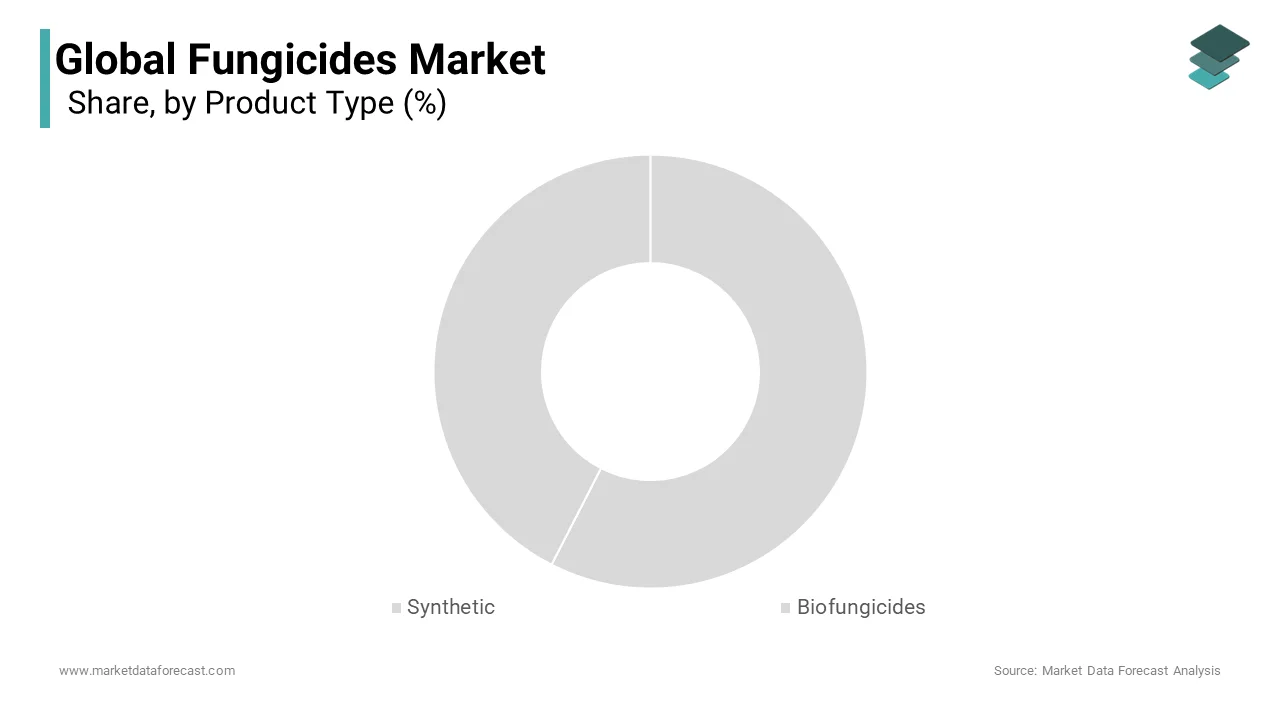
On the other side, the bio fungicides segment is anticipated to grow at the fastest CAGR of 14.4% over the forecast period in the global market owing to the stringent regulations on chemical residues and rising consumer demand for organic produce. These products utilize living microorganisms or natural substances to suppress fungal diseases, offering a sustainable alternative with minimal environmental impact. According to the Research Institute of Organic Agriculture, the global area under organic cultivation has increased annually, directly boosting the demand for certified biological inputs. As per the Biological Products Industry Alliance, registration approvals for microbial fungicides have surged in recent years, reflecting regulatory support for safer crop protection solutions. Bio fungicides are particularly favored in high value crops like berries and leafy greens where residue limits are strict and pre harvest intervals must be short. They also play a crucial role in resistance management strategies by providing different modes of action that can be rotated with synthetic chemicals. Advances in formulation technology have improved the shelf life and field stability of biological agents, addressing previous performance concerns. Government incentives in Europe and North America for reducing chemical pesticide use further accelerate adoption. The alignment of bio fungicides with sustainable agriculture goals and corporate sustainability commitments ensures robust long term growth. This segment appeals to environmentally conscious consumers and farmers seeking to maintain soil health and biodiversity.
By Crop Insights
The cereals and grains segment held the major share of the fungicides market in 2025 due to the vast global acreage dedicated to staple crops such as wheat, rice, maize, and barley. These crops are essential for global food security and are highly susceptible to fungal diseases like rusts, blights, and mildews that can cause significant yield reductions. According to the International Maize and Wheat Improvement Center, fungal diseases can reduce wheat yields by up to 50% in severe epidemics, necessitating regular fungicide applications. As per the United States Department of Agriculture, cereals account for over 60% of global caloric intake, driving intensive management practices to maximize productivity. The large scale nature of cereal farming allows for efficient mechanical application of fungicides, making it cost effective for growers. In regions like Europe and North America, high yielding hybrid varieties often require multiple fungicide sprays to achieve their genetic potential. The economic importance of grain exports also compels producers to maintain high quality standards, which includes protecting crops from fungal damage that affects grading. The widespread adoption of foliar fungicides in cereal production is supported by strong agronomic research demonstrating clear return on investment. This segment’s dominance is sustained by the continuous expansion of arable land for grain production in emerging economies and the intensification of farming practices to meet growing global demand.
However, the fruits and vegetables segment is estimated to register a CAGR of 7.4% over the forecast period in the global market owing to the increasing global consumption of fresh produce and the high susceptibility of these crops to fungal infections. Fruits and vegetables have high water content and delicate tissues, making them prone to rapid deterioration from diseases like botrytis, powdery mildew, and anthracnose. According to the World Health Organization, daily intake of fruits and vegetables is recommended for preventing chronic diseases, leading to a surge in global demand and production intensity. As per the International Trade Centre, the value of global fruit and vegetable trade has grown notably in the last five years, with strict quality requirements driving aggressive disease management. Growers of high value crops such as grapes, strawberries, and tomatoes invest heavily in premium fungicides to ensure cosmetic perfection and extend shelf life. The shift towards protected cultivation and greenhouse farming also increases humidity levels, elevating disease pressure and necessitating frequent fungicide use. Consumer preference for residue free produce is pushing growers towards newer, safer chemistries and biological options. The high profit margins associated with specialty crops allow farmers to absorb the higher costs of advanced fungicide programs. This segment’s growth is further fueled by urbanization and changing dietary habits that prioritize fresh, healthy food options.
By Form Insights
The liquid segment accounted for the largest share of the global market in 2025. The dominance of liquid segment in the global market is attributed to their ease of handling, uniform application, and compatibility with modern spraying equipment. These forms, including emulsifiable concentrates and suspension concentrates, allow for precise dosing and better coverage of plant surfaces compared to solid forms. According to the American Society of Agricultural and Biological Engineers, liquid sprays achieve up to 90% coverage efficiency when applied with calibrated nozzles, ensuring effective disease control. As per industry surveys conducted by CropLife, a vast majority of professional applicators prefer liquid formulations for their convenience and reduced risk of dust inhalation during mixing. Liquid products are easily integrated into tank mixes with other agrochemicals, saving time and labor for farmers. The development of advanced adjuvants has improved the sticking and spreading properties of liquid fungicides, enhancing their efficacy in rainy conditions. Furthermore, liquid formulations are less prone to drift issues when formulated correctly, minimizing environmental contamination. The widespread availability of spraying machinery designed for liquids supports this dominance. Manufacturers continue to innovate with concentrated liquid formulas that reduce packaging waste and transportation costs. This segment remains the preferred choice for large scale operations where speed and efficiency are critical. The versatility of liquid forms across different crop types and application methods sustains their leading position in the global market.
However, the water dispersible powder segment is expected to showcase a CAGR of 6.06% over the forecast period in the global market owing to the advancements in formulation technology that improve solubility and user safety. Unlike traditional wettable powders, water dispersible granules dissolve rapidly in water without forming dust, reducing exposure risks for handlers and improving mixing efficiency. According to the Global Crop Protection Federation, the adoption of dust free formulations has increased notably in recent years as safety regulations become stricter. As per regulatory guidelines in the European Union, formulations that minimize operator exposure are favored during the re approval process, encouraging manufacturers to shift towards water dispersible technologies. These powders offer better stability during storage and transport compared to liquids, reducing the risk of leakage and spoilage. They are particularly suitable for smallholder farmers who may lack sophisticated mixing equipment, as they disperse easily in manual sprayers. The environmental benefit of reduced plastic packaging compared to liquid containers also appeals to sustainability focused buyers. Improvements in particle size distribution have enhanced the suspension quality of these powders, ensuring uniform application. This segment’s growth is supported by the trend towards safer, more user friendly agrochemical products that balance efficacy with occupational health standards.
REGIONAL ANALYSIS
North America Market Analysis
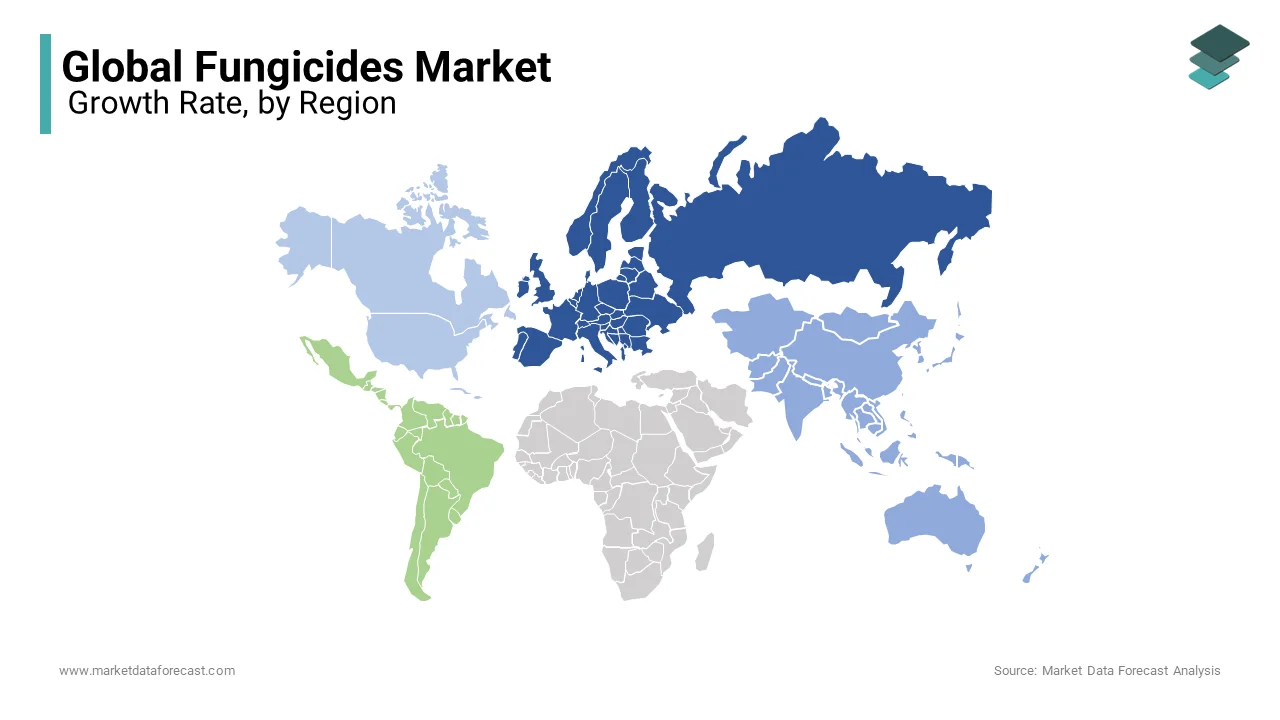
North America dominated the market by holding 26.9% of the global market share in 2025 and is poised to sustain steady technological adoption and robust market valuation through advanced agricultural modernization over the next few years. The United States and Canada are key contributors, with extensive cultivation of cereals, soybeans, and high value fruits. According to the United States Department of Agriculture, fungicide use in US corn and soybean production has increased notably in recent years due to rising disease pressure from climate variability. As per Health Canada, the registration of new biological fungicides is accelerating, reflecting a shift towards sustainable crop protection solutions. The region benefits from strong regulatory frameworks that ensure product safety and efficacy, fostering trust among farmers. Large scale commercial farms drive demand for high performance synthetic fungicides, while the growing organic sector supports bio fungicide adoption. Technological integration, such as variable rate application and drone spraying, enhances efficiency and reduces waste. The presence of major agrochemical companies and research institutions fosters innovation in new modes of action. Market growth is sustained by the economic importance of export oriented agriculture and the need to maintain high yield standards. Regulatory support for integrated pest management further encourages balanced use of chemical and biological tools.
Europe Market Analysis
Europe is expected to navigate stringent environmental policies by accelerating low risk and biological pest control integration over the next few years. Countries like France, Germany, and Spain are major consumers, driven by extensive vineyard and cereal production. According to the European Commission, the Farm to Fork Strategy aims to reduce chemical pesticide use significantly by 2030, significantly influencing market dynamics. As per Eurostat, the area under organic farming in the EU has expanded notably in the last decade, boosting demand for approved bio fungicides. Regulatory bans on certain active ingredients have forced farmers to adopt alternative strategies, including resistant crop varieties and biological controls. The region leads in the development and adoption of low risk fungicides that meet stringent safety criteria. Consumer demand for residue free food drives retailers to impose strict limits on suppliers, encouraging prudent fungicide use. Research initiatives funded by the EU focus on developing novel biological agents and precision application tools. Despite regulatory headwinds, the need to protect high value crops ensures steady demand for effective solutions. The market is shifting towards integrated approaches that combine reduced chemical inputs with advanced monitoring technologies.
Asia Pacific Market Analysis
Asia-Pacific is likely to experience accelerated expansion and dominate global consumption volume, driven by intensive cultivation and rising food demand over the next few years. Asia-Pacific is the largest and fastest growing regional market for fungicides, driven by massive agricultural populations, increasing food demand, and intensifying farming practices. China, India, and Japan are the primary contributors, with rice, wheat, and horticultural crops being major users. According to the Food and Agriculture Organization of the United Nations, Asia accounts for over 50% of global rice production, where fungal diseases like blast and sheath blight are prevalent. As per the Ministry of Agriculture in India, fungicide consumption has grown annually as farmers adopt modern crop protection practices to secure yields. The region faces high disease pressure due to tropical climates and monsoon rains, necessitating frequent applications. Rising incomes are driving demand for high value fruits and vegetables, which require intensive fungicide programs. Government subsidies for agrochemicals in countries like China and India support market growth. However, awareness of safe usage and resistance management is still developing, leading to occasional misuse. The market is transitioning from generic products to branded, higher efficacy solutions as farmer education improves. Local manufacturing capabilities are expanding, reducing costs and improving accessibility. The sheer scale of agricultural activity in Asia-Pacific ensures its continued dominance in global fungicide consumption.
Latin America Market Analysis
Latin America is poised to maintain strong export driven demand and expand its adoption of specialized biological and chemical solutions over the next few years. Latin America represents a dynamic and growing market for fungicides, driven by its role as a major global exporter of soybeans, coffee, and fruits. Brazil, Argentina, and Chile are key markets, with Brazil being the largest consumer in the region. According to the Brazilian Association of Plant Defense, fungicide sales in Brazil have increased significantly in recent years due to the expansion of soybean acreage and severe Asian soybean rust outbreaks. As per the Inter American Institute for Cooperation on Agriculture, coffee producers in Colombia and Central America rely heavily on fungicides to combat coffee leaf rust, which threatens livelihoods. The region’s tropical climate creates favorable conditions for fungal proliferation, requiring robust protection programs. Adoption of genetically modified crops has influenced fungicide use patterns, with some traits reducing but not eliminating the need for chemical control. Large scale agribusinesses drive demand for premium products, while smallholders are gradually adopting improved practices. Regulatory frameworks are becoming more structured, aligning with international standards. The economic dependence on agricultural exports ensures continued investment in crop protection. Market growth is supported by the introduction of new active ingredients and biological solutions tailored to local conditions.
Middle East and Africa Market Analysis
The Middle East and Africa region is expected to see gradual modernization in agricultural practices and rising investments in food security initiatives over the next few years. The Middle East and Africa region represents an emerging market for fungicides, characterized by diverse agricultural systems and increasing focus on food security. South Africa, Egypt, and Kenya are leading markets, with significant production of cereals, horticulture, and cash crops. According to the African Union, agricultural productivity improvements are a priority, driving adoption of crop protection inputs including fungicides. As per the Egyptian Ministry of Agriculture, fungal diseases in cotton and rice are major concerns, prompting regular fungicide applications. The region faces challenges such as limited access to advanced products in remote areas and varying regulatory enforcement. However, government initiatives to modernize agriculture and support smallholder farmers are creating opportunities. Climate change is exacerbating disease pressures, increasing the need for effective control measures. The market is largely dominated by generic products due to cost sensitivity, but demand for advanced biological solutions and tailored crop protection plans are gradually increasing.
COMPETITIVE LANDSCAPE
The competition in the fungicides market is characterized by intense rivalry among multinational agrochemical giants and regional manufacturers striving for leadership in innovation and sustainability. Major players compete on the basis of product efficacy spectrum of control and environmental safety profiles. The market sees frequent consolidation through mergers and acquisitions as companies seek to broaden their portfolios and acquire proprietary technologies. Differentiation is achieved through the development of novel biological agents and advanced formulation technologies that improve ease of use. Price competition is significant in mature markets where generic products dominate leading to margin pressure for branded manufacturers. Regulatory compliance acts as a major barrier to entry favoring established companies with resources to navigate complex approval processes. Customer loyalty is driven by technical support and demonstrated return on investment in field trials. The shift towards integrated pest management requires vendors to offer holistic solutions rather than standalone products. Overall the market remains dynamic with success depending on the ability to balance innovation with cost effectiveness while addressing evolving environmental and resistance challenges.
KEY MARKET PLAYERS
The key players in the market are
- BASF SE
- Dow AgroSciences LLC
- Sumitomo Chemical Co., Ltd
- Bayer CropScience AG
- Syngenta AG
- Nippon Soda Co. L, Ltd
- Cheminova A/S
- Nufarm Ltd
Top Players In The Market
- Syngenta Group Co Ltd is a global leader in the fungicides market with a comprehensive portfolio of innovative chemical and biological solutions. The company focuses on developing advanced molecules that offer superior disease control while minimizing environmental impact. Recent actions include the launch of new broad spectrum fungicides for cereals and row crops that address emerging resistance issues. Syngenta actively invests in digital farming tools that help farmers optimize application timing and dosage. The company strengthens its position through strategic partnerships with local distributors and research institutions to tailor solutions for regional needs. By expanding its biologicals division, Syngenta addresses the growing demand for sustainable crop protection options. Its commitment to research and development ensures a steady pipeline of novel active ingredients. These efforts enable Syngenta to maintain technological leadership and provide reliable solutions for global food security challenges.
- Bayer AG plays a pivotal role in the global fungicides market through its Crop Science division which offers a wide range of protective and curative products. The company leverages its extensive research capabilities to introduce high efficacy fungicides for key crops such as soybeans wheat and fruits. Recent actions involve integrating digital platforms with product offerings to provide data driven recommendations for disease management. Bayer has strengthened its market position by acquiring specialized biological firms to expand its portfolio of bio fungicides. The company emphasizes sustainability by promoting integrated pest management strategies that reduce chemical dependency. Bayer also engages in farmer education programs to ensure safe and effective use of its products. Its global supply chain infrastructure ensures consistent product availability across major agricultural regions. These initiatives reinforce Bayer’s reputation as a trusted partner for modern agriculture and sustainable crop protection.
- BASF SE is a major contributor to the fungicides market known for its innovative chemistry and strong focus on sustainability. The company provides a diverse range of fungicide solutions including triazoles and strobilurins that are critical for controlling severe fungal diseases. Recent actions include the development of next generation formulations that enhance rain fastness and leaf penetration. BASF has strengthened its position by collaborating with seed companies to offer combined seed treatment and foliar protection packages. The company invests heavily in biological research to create complementary bio solutions that extend the life of chemical actives. BASF also prioritizes regulatory compliance and stewardship to maintain trust with farmers and authorities. Its global manufacturing network ensures high quality standards and reliable supply. By focusing on innovation and customer support BASF continues to drive growth and deliver value in the competitive crop protection landscape.
Top Strategies Used by Key Market Participants
Key players in the fungicides market primarily employ strategies centered on research and development innovation portfolio diversification and strategic mergers and acquisitions. Companies invest heavily in discovering new modes of action to combat fungal resistance and meet stringent regulatory requirements. Expanding into biological fungicides allows firms to cater to the growing demand for sustainable and organic compatible solutions. Strategic partnerships with digital agriculture providers enable the integration of precision application tools that optimize product usage. Manufacturers also focus on geographic expansion into emerging markets where agricultural intensification is driving demand. Regulatory stewardship and farmer education programs are crucial for maintaining product licenses and building brand loyalty. These multifaceted approaches help participants navigate complex market dynamics while ensuring long term growth and competitiveness in the global agrochemical industry.
MARKET SEGMENTATION
This research report on the global fungicides market has been segmented and sub-segmented based on type, crop type, application, and region.
By Type
-
Synthetic
- Benzimidazoles
- Triazoles
- Chloronitriles
- Phenylamides
- Strobilurins
- Dithiocarbamates
- others
- Bio fungicides
By Crop Type
- Fruits and vegetables
- Oilseeds
- Pulses
- Cereals and Grains
- Others
By Form
- Liquid
- Wettable powder
- Water dispersible powder
By Application
- Soil treatment
- Post-harvest
- Foliar spray
- Seed treatment
- Others
By Region
- North America
- Europe
- Asia-Pacific
- Latin America
- Middle East & Africa