- Product Description Description
- Table of Contents TOC
- List of Table & Figure LOT
- Get Free Sample PDF Sample PDF
Market Size, 2025
$2.33 BnMarket Estimate, 2026
$2.59 BnMarket Forecast, 2034
$5.97 BnCAGR, 2026–2034
11%Executive Summary: Global HbA1c Testing Market
- Market Scope: Comprehensive global HbA1c testing market analysis covering device configurations, assay technologies, end-user settings, and regional leadership frameworks for diabetes management worldwide.
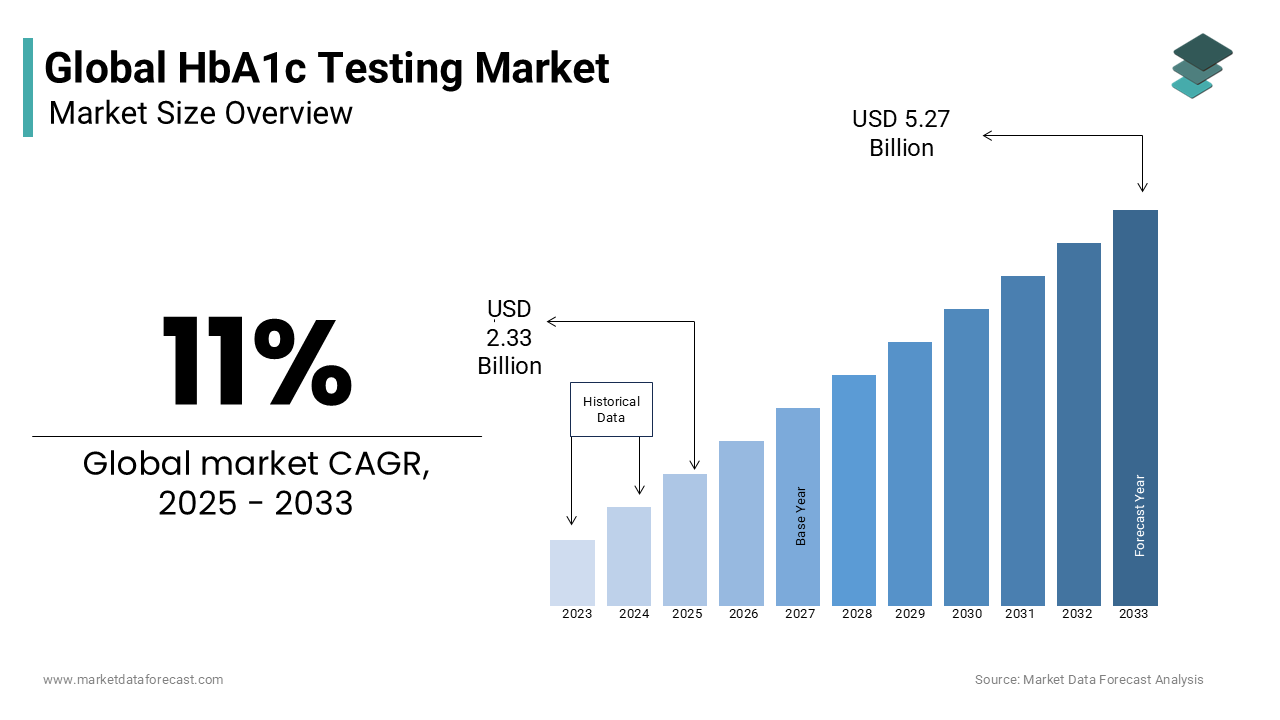
- Market Valuation: Valued at USD 2.33 billion (2025), estimated at USD 2.59 billion (2026), and projected to reach USD 5.97 billion by 2034, expanding at a robust CAGR of 11% (2026–2034).
- Primary Growth Drivers: Surging global prevalence of diabetes mellitus (including over 37 million Americans affected according to the CDC) and widespread adoption of point-of-care testing technologies for real-time clinical decisions. Key trends include digital health ecosystem integration, home-based self-testing kit expansion, and stringent regulatory standardization by bodies like the NGSP.
Key Market Segment Metrics (2026–2034)
| Category | Leading Segment (2025 Position) | Fastest-Growing Segment |
|---|---|---|
| By Device Type & Platform | Bench top devices segment (dominated due to high throughput and precision for high-volume diagnostic laboratories) | Hand-held devices segment (expected to grow at a promising CAGR of 9.4% driven by decentralized care models) |
| By Technology & Assay | Affinity binding chromatography technology (held the largest market share in 2025) | Enzymatic assay segment (projected to grow at the fastest CAGR of 8.08% due to clinical chemistry analyzer integration) |
| By End-User & Care Setting | Diagnostic laboratories end-user segment (captured the largest overall market share in 2025) | Home care segment (anticipated to exhibit a strong CAGR of 10.5% through decentralized self-testing) |
| By Region / Country | North America (led the market with a 38.4% share in 2025, followed by Europe) | Asia-Pacific region (identified as the most dynamic and fastest-growing regional market) |
Major Market Players & Market Structure
Market Structure: Highly competitive global diagnostics industry driven by assay efficiency innovations (such as Siemens Healthineers’ Atellica CH Enzymatic HbA1c Assay), regulatory clearances (Bio-Rad’s D-10 HbA1c program), and digital platform connectivity with electronic health records.
Key Companies: F. Hoffmann-La Roche Ltd., Abbott Laboratories, Siemens Healthineers AG, Bio-Rad Laboratories, Inc., Danaher Corporation, Trinity Biotech plc, Arkray, Inc., Alere, Inc., and Transasia Biomedicals Ltd.
Global HbA1c Testing Market Size
The global HbA1c testing market size was valued at USD 2.33 billion in 2025 and is expected to reach USD 5.97 billion by 2034 from USD 2.59 billion in 2026, growing at a CAGR of 11% during the forecast period.
HbA1c testing is designed to measure glycated hemoglobin levels in blood, serving as a critical indicator for long term glucose control in individuals with diabetes. Unlike fasting plasma glucose tests that provide a snapshot of current blood sugar levels, HbA1c reflects average glucose concentrations over the preceding two to three months, offering clinicians a robust tool for diagnosis and management. The global healthcare landscape is currently grappling with an unprecedented rise in metabolic disorders, necessitating reliable and accessible diagnostic solutions. According to the International Diabetes Federation, approximately 537 million adults were living with diabetes in 2021, a figure projected to rise to 643 million by 2030. This escalating prevalence underscores the urgent need for regular monitoring to prevent severe complications such as neuropathy, retinopathy, and cardiovascular disease. The World Health Organization emphasizes that early detection and consistent monitoring can significantly reduce the burden of diabetes related morbidity and mortality. Technological advancements have transitioned HbA1c testing from centralized laboratories to point of care settings, enabling rapid results and immediate clinical decision making. Regulatory bodies such as the Food and Drug Administration and the European Medicines Agency continue to refine standards for accuracy and standardization, ensuring that test results are comparable across different platforms and geographic regions. The integration of digital health records with diagnostic devices further enhances data tracking and patient engagement. These contextual factors establish a foundation for sustained demand, driven by demographic shifts, increasing health awareness, and the imperative for effective chronic disease management strategies globally.
MARKET DRIVERS
Surging Global Prevalence of Diabetes Mellitus
The exponential rise in diabetes cases worldwide is fuelling the expansion of the global HbA1c testing market, which is creating an indispensable demand for regular monitoring tools. Lifestyle changes characterized by sedentary behavior, poor dietary habits, and rising obesity rates have accelerated the onset of type 2 diabetes across all age groups. According to the Centers for Disease Control and Prevention, approximately 12% of the United States population has diabetes. This vast patient population requires quarterly or biannual HbA1c assessments to evaluate treatment efficacy and adjust therapeutic interventions. In emerging economies, the situation is equally critical, with the International Diabetes Federation reporting that the Western Pacific region has the highest number of adults with diabetes. The chronic nature of the disease necessitates lifelong monitoring, ensuring a recurring revenue stream for diagnostic manufacturers. Furthermore, prediabetes affects millions more individuals who are at high risk of developing full blown diabetes, prompting preventive screening programs that utilize HbA1c thresholds for identification. Public health initiatives increasingly mandate regular testing for at risk populations, including those with hypertension or a family history of metabolic disorders. As healthcare systems prioritize preventive care to reduce long term costs, the volume of HbA1c tests performed continues to climb. This demographic and epidemiological shift ensures that HbA1c testing remains a cornerstone of diabetes management infrastructure, which is driving consistent market growth and technological innovation.
Adoption of Point of Care Testing Technologies
The widespread adoption of point-of-care testing devices is further contributing to the global HbA1c testing market expansion. Traditional laboratory based testing often involves delays due to sample transport and processing, whereas point of care instruments provide results within minutes during patient visits. For instance, the convenience of immediate results allows healthcare providers to make real time decisions regarding medication adjustments and lifestyle counselling and improving patient compliance and outcomes. The proliferation of compact, user friendly devices in primary care clinics, pharmacies, and community health centers has democratized access to quality diagnostics. These devices utilize advanced methods such as boronate affinity or immunoassay techniques that offer high accuracy comparable to central laboratory analyzers. The American Diabetes Association recommends regular HbA1c testing for all patients with diabetes and point of care solutions facilitate adherence to these guidelines by removing logistical barriers. Additionally, the integration of connectivity features allows seamless data transfer to electronic health records, which is supporting comprehensive disease management and remote monitoring. Reimbursements policies in many countries now cover point of care HbA1c tests, encouraging their uptake among private practitioners and public health facilities. The ability to perform tests with minimal training and small blood samples makes these devices ideal for resource limited settings. This technological shift transforms HbA1c testing from a periodic laboratory event into a routine clinical interaction, substantially expanding the total addressable market.
MARKET RESTRAINTS
Biological Variabilities Affecting Test Accuracy
A significant restraint on the HbA1c testing market arises from biological variabilities that can compromise test accuracy and lead to misdiagnosis or inappropriate treatment adjustments. Conditions such as anemia, hemoglobin variants, kidney disease, and liver cirrhosis can alter the lifespan of red blood cells or the structure of hemoglobin, resulting in falsely elevated or depressed HbA1c values. According to the National Institute of Diabetes and Digestive and Kidney Diseases, individuals with certain hemoglobinopathies, such as sickle cell trait or thalassemia, may yield unreliable HbA1c results using standard assay methods. This limitation necessitates alternative monitoring strategies, such as continuous glucose monitoring or fructosamine testing, for affected populations, thereby restricting the universal applicability of HbA1c assays. Healthcare providers must exercise caution and possess specialized knowledge to interpret results in the context of patient comorbidities, which can be challenging in primary care settings with limited resources. The lack of uniformity in how different assay methods handle hemoglobin variants further complicates standardization efforts. Regulatory agencies require manufacturers to demonstrate performance across diverse populations, but residual inaccuracies persist. Clinicians may hesitate to rely solely on HbA1c for diagnosis in complex cases, opting for multiple testing modalities instead. This diagnostic uncertainty limits the confidence in HbA1c as a standalone marker, potentially slowing adoption in specific demographic segments. Addressing these biological interferences requires continuous research and development of more robust assay technologies, which entails significant investment and time.
High Costs and Limited Reimbursement in Developing Regions
Economic constraints and inadequate reimbursement frameworks pose substantial restraints to the HbA1c testing market, particularly in low and middle income countries where the burden of diabetes is rising most rapidly. The cost of HbA1c testing equipment, reagents, and maintenance can be prohibitive for underfunded healthcare systems and out of pocket paying patients. According to the World Bank, health expenditure per capita in many low income nations remains significantly constrained, limiting the capacity to invest in advanced diagnostic infrastructure. In these regions, basic glucose monitoring strips are often prioritized over HbA1c tests due to lower immediate costs, despite the latter’s superior clinical utility for long term management. Lack of insurance coverage or limited government subsidies for diagnostic tests forces patients to forego regular monitoring, leading to poor disease control and higher long term healthcare costs. Even in developed nations, varying reimbursement policies across insurers can create administrative burdens and financial barriers for providers. High deductibles and copayments may discourage patients from undergoing recommended quarterly tests. The economic disparity in access to diagnostics exacerbates health inequities, as marginalized populations suffer disproportionately from diabetes complications. Manufacturers face challenges in pricing products competitively for emerging markets while maintaining profitability. Without robust financial support mechanisms and policy reforms to include HbA1c testing in essential health packages, market penetration in these high growth potential regions remains constrained.
MARKET OPPORTUNITIES
Integration with Digital Health and Remote Monitoring Platforms
The convergence of HbA1c testing with digital health ecosystems is a promising opportunity for the global HbA1c testing market. Modern point of care devices equipped with Bluetooth and cloud connectivity enable seamless transmission of test results to mobile applications and electronic health records. According to recent healthcare technology trends, remote patient monitoring solutions are gaining traction as they allow clinicians to track trends and intervene proactively before complications arise. Integrating HbA1c data with continuous glucose monitoring readings provides a holistic view of glycemic control, empowering patients to make informed lifestyle choices. Digital platforms can offer personalized insights, educational content, and alerts for abnormal values, fostering adherence to testing schedules. Telemedicine consultations increasingly rely on shared diagnostic data, making connected HbA1c devices essential tools for virtual care models. The ability to aggregate large datasets supports population health management and predictive analytics, helping healthcare systems identify high risk groups and allocate resources efficiently. Partnerships between diagnostic manufacturers and software developers are creating integrated solutions that streamline workflows for providers and improve user experience for patients. Regulatory frameworks are evolving to support digital therapeutics and data privacy, facilitating broader adoption. As healthcare shifts towards value based care models, the demand for data driven diagnostic tools will intensify. This digital integration not only enhances clinical outcomes but also opens new revenue streams through subscription based services and data analytics offerings.
Expansion into Home Based Self-Testing Segments
The emergence of home based HbA1c self-testing kits offers a significant opportunity to the expansion of the global HbA1c testing market. Traditionally confined to clinical settings, HbA1c testing is increasingly becoming accessible for home use through simplified finger stick or saliva based collection methods. According to consumer health trends, there is growing preference for convenience and privacy, driving demand for over the counter diagnostic solutions. Home testing eliminates the need for frequent clinic visits, reducing travel time and exposure to healthcare associated risks. These kits often include mail in services or connected devices that transmit results directly to healthcare providers for review. The simplicity of sample collection encourages more frequent monitoring, allowing for timely adjustments in therapy. Pharmaceutical companies and diagnostic firms are collaborating to bundle HbA1c tests with medication delivery services, creating comprehensive home care packages. Regulatory approvals for home use HbA1c devices are expanding, validating their accuracy and safety for lay users. Education campaigns focused on proper technique and interpretation of results are crucial to ensure reliability. The aging population and increasing prevalence of mobility issues further boost the appeal of home based solutions. By tapping into the direct to consumer market, manufacturers can reach undiagnosed or poorly controlled patients who may not regularly visit healthcare facilities. This segment represents a frontier for growth, aligning with broader trends in personalized and preventive healthcare.
MARKET CHALLENGES
Standardization and Harmonization Issues Across Assays
A persistent challenge in the HbA1c testing market is the lack of complete standardization and harmonization across different assay methods and manufacturers. Although initiatives such as the National Glycohemoglobin Standardization Program and the International Federation of Clinical Chemistry have made strides in aligning results, discrepancies still exist between various platforms. According to clinical laboratory studies, variations in methodology, such as ion exchange chromatography versus immunoassay, can lead to clinically significant differences in reported values. These inconsistencies complicate the comparison of longitudinal data for patients who switch testing facilities or devices, potentially leading to erroneous clinical decisions. Healthcare providers must remain vigilant about the specific method used by their laboratory to interpret results accurately. The complexity of maintaining traceability to reference methods imposes rigorous quality control requirements on manufacturers, increasing operational costs. Regulatory bodies continuously update guidelines to address these variations, requiring companies to adapt quickly to remain compliant. Laboratories face challenges in validating new instruments and ensuring staff proficiency in handling diverse systems. The lack of universal interchangeability hinders the seamless integration of data across healthcare networks. Efforts to achieve global harmonization are ongoing but face technical and logistical hurdles. Until perfect standardization is achieved, the risk of diagnostic error remains a concern, affecting trust in HbA1c as a universal metric. Manufacturers must invest heavily in research to minimize method specific biases and enhance interoperability.
Regulatory Complexity and Compliance Burdens
Navigating the complex regulatory landscape for in vitro diagnostic devices poses a significant challenge for participants in the HbA1c testing market. Different regions impose distinct requirements for approval, labeling, and post market surveillance, creating a fragmented compliance environment. According to regulatory analyses, the implementation of the European Union In Vitro Diagnostic Regulation has increased the burden of evidence generation and clinical evaluation for manufacturers seeking market access. Obtaining clearance from the Food and Drug Administration in the United States involves rigorous premarket submissions and quality system inspections. Emerging markets often have evolving regulatory frameworks that lack clarity, causing delays in product launches. Companies must maintain extensive documentation and engage in continuous monitoring to address adverse events and field corrections. The cost of compliance is substantial, particularly for smaller enterprises with limited regulatory affairs resources. Changes in international standards, such as ISO requirements for laboratory quality, necessitate ongoing updates to manufacturing processes and quality controls. Intellectual property disputes and patent litigations further complicate market entry for generic or me too products. The dynamic nature of regulatory expectations requires agile strategic planning and significant investment in legal and regulatory expertise. Failure to comply can result in product recalls, fines, and reputational damage. These regulatory hurdles slow down innovation cycles and increase the time to market for new technologies, challenging companies to balance speed with compliance.
REPORT COVERAGE
| REPORT METRIC | DETAILS |
| Market Size Available | 2025 to 2034 |
| Base Year | 2025 |
| Forecast Period | 2026 to 2034 |
| Segments Covered | By Type, Technology, End-User, and Region |
| Various Analyses Covered | Global, Regional & Country Level Analysis, Segment-Level Analysis; DROC, PESTLE Analysis, Porter's Five Forces Analysis, Competitive Landscape, Analyst Overview of Investment Opportunities |
| Regions Covered | North America, Europe, APAC, Latin America, Middle East & Africa |
| Market Leader Profiled | Transasia Biomedicals Ltd., Abbott Laboratories, Alere, Inc., Arkray, Inc., Bio-Rad Laboratories, Inc., Danaher Corporation, F. Hoffmann-La Roche Ltd., Siemens Healthcare, and Trinity Biotech plc. |
SEGMENTAL ANALYSIS
By Type Insights
The bench top devices segment led the market by capturing the highest share of the global market in 2025. The dominance of bench top devices segment in the global can be credited to their superior throughput and precision required by high volume diagnostic laboratories and hospital settings. These systems are engineered to process hundreds of samples per hour, making them indispensable for centralized facilities that handle large patient loads. According to the Clinical Laboratory Improvement Amendments program data, certified high complexity laboratories in the United States perform the majority of standardized HbA1c tests using automated bench top analyzers to ensure regulatory compliance and result consistency. The National Glycohemoglobin Standardization Program certifies these instruments as reference methods, establishing them as the gold standard for accuracy against which point of care devices are validated. Large healthcare networks prefer bench top systems because they offer lower cost per test through economies of scale compared to handheld alternatives. The integration of these devices with laboratory information management systems streamlines workflow and reduces manual data entry errors. Furthermore, bench top analyzers utilize advanced separation technologies that minimize interference from hemoglobin variants, providing reliable results for diverse patient populations. This operational efficiency and analytical robustness solidify the position of bench top devices as the revenue leader in the global HbA1c testing landscape.
On the other end, the hand held devices segment is estimated to record a promising CAGR of 9.4% over the forecast period owing to the shift toward decentralized care models. The increasing emphasis on primary care and community health initiatives necessitates portable diagnostic solutions that deliver immediate results during patient consultations. As per World Health Organization initiatives, expanding access to essential diagnostics in low resource settings is a global priority, and hand held HbA1c meters are critical tools for achieving this goal in remote clinics and rural health posts. These devices eliminate the need for venous blood draws and cold chain transport, significantly reducing logistical barriers to testing. The American Diabetes Association guidelines increasingly support the use of validated point of care HbA1c tests for diagnosis and monitoring when performed by trained operators. Technological advancements have improved the accuracy of hand held devices to levels approaching laboratory standards, boosting clinician confidence. The convenience of finger stick sampling improves patient comfort and compliance with regular monitoring schedules. As healthcare systems strive to reduce hospital readmissions and improve chronic disease management outcomes, the demand for rapid, accessible testing solutions continues to accelerate, which is fuelling the rapid growth of this segment.
By Technology Insights
The ion-exchange high performance liquid chromatography segment held the dominant share of the global market in 2025. The leading position of this segment in the global market is driven by its status as the reference method for standardization and clinical accuracy. This technology separates hemoglobin fractions based on charge differences, providing precise quantification of glycated hemoglobin without significant interference from common variants. According to the International Federation of Clinical Chemistry and Laboratory Medicine, ion exchange high performance liquid chromatography is designated as a candidate reference measurement procedure, serving as the benchmark for calibrating all other commercial assays. Major certification programs including the National Glycohemoglobin Standardization Program require manufacturers to demonstrate traceability to this method for market approval. Central laboratories worldwide rely on ion exchange high performance liquid chromatography platforms because they offer the highest level of analytical specificity needed for diagnosing diabetes and monitoring long term control. The extensive historical dataset generated by this technology provides clinicians with confidence in interpreting results against established clinical thresholds. Despite higher operational costs and longer run times compared to newer methods, the uncompromised accuracy justifies its continued dominance in high stakes diagnostic environments. The continuous refinement of column chemistry and automation has maintained its relevance against emerging technologies. This foundational role in global standardization ensures that ion exchange high performance liquid chromatography remains the technological leader in the HbA1c testing market.
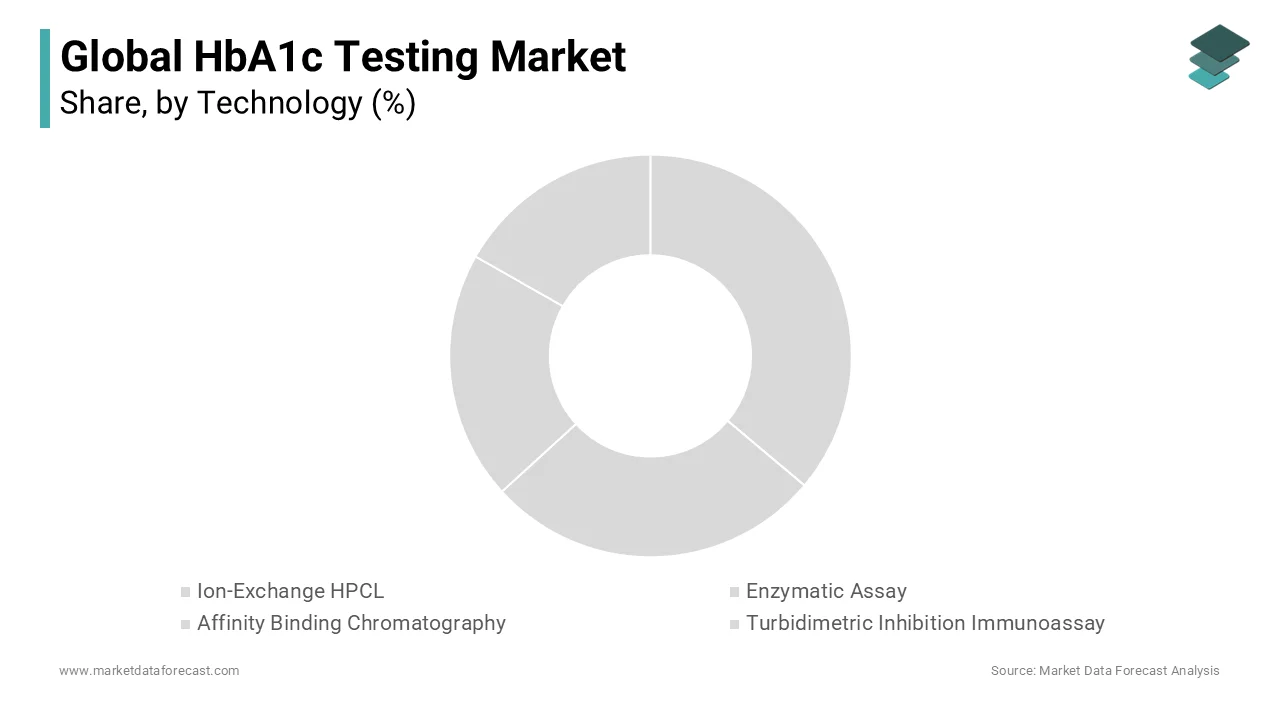
However, the enzymatic assay technology segment is the fastest growing segment in the HbA1c testing market and is predicted to register a CAGR of 8.08% over the forecast period in the global market owing to its seamless integration with existing clinical chemistry analyzers. Unlike dedicated HbA1c instruments, enzymatic assays can be run on general purpose biochemistry platforms already present in most hospital laboratories. For instance, laboratories are increasingly consolidating testing menus onto single platforms to improve efficiency and reduce footprint, driving adoption of enzymatic HbA1c reagents. This compatibility eliminates the need for separate capital investment and specialized maintenance contracts, which is lowering barriers to entry for smaller facilities. The open channel nature of many clinical chemistry systems allows laboratories to source reagents competitively, reducing cost per test. Enzymatic methods are generally unaffected by hemoglobin variants that plague some immunoassays, offering broader applicability across diverse ethnic populations. The simplicity of the assay protocol facilitates automation and high throughput processing alongside routine metabolic panels. As hospitals face budget pressures and staffing shortages, the operational efficiencies offered by enzymatic assays become increasingly attractive. This trend toward platform consolidation and workflow optimization fuels the rapid expansion of enzymatic HbA1c testing in both developed and emerging markets.
By End User Insights
The diagnostic laboratories segment captured the largest share of the global market in 2025. The growth of the diagnostic laboratories segment in the global market is attributed to the centralization of testing volumes and economies of scale inherent in reference lab operations. Independent and hospital affiliated laboratories process the vast majority of HbA1c tests globally, which is leveraging high throughput automation to deliver cost effective results. According to the Centers for Medicare and Medicaid Services, clinical laboratories account for the largest share of Medicare Part B spending on diagnostic tests, reflecting their central role in healthcare delivery. The consolidation of laboratory services into regional and national networks has increased average test volumes per facility, justifying investments in advanced bench top analyzers. Payer contracts and reimbursement policies typically favor centralized testing sites that can demonstrate compliance with rigorous quality standards and proficiency testing. Diagnostic laboratories serve as hubs for specimen collection from physician offices, clinics, and wellness centers, aggregating demand across wide geographic areas. The expertise of specialized staff ensures accurate interpretation of complex results and troubleshooting of analytical issues. Regulatory accreditation requirements such as Clinical Laboratory Improvement Amendments and ISO 15189 mandate strict quality controls that are more easily implemented in dedicated laboratory environments. This structural advantage in volume processing and quality assurance maintains the dominance of diagnostic laboratories as the primary consumers of HbA1c testing products and services.
On the other hand, the home care segment is expected to exhibit a CAGR of 10.5% over the forecast period owing to the patient empowerment and chronic disease self-management trends. The shift toward patient centered care models encourages individuals to take active roles in monitoring their health status between clinical visits. According to surveys by the Pew Research Center, nearly 70% of adults with chronic conditions use digital tools to track health metrics, indicating strong receptivity to home diagnostic solutions. Over the counter HbA1c test kits and connected devices enable patients to obtain objective data without scheduling appointments, reducing friction in the monitoring process. Telehealth platforms increasingly integrate home generated HbA1c data into virtual consultations, validating the clinical utility of self-testing. Educational initiatives by diabetes associations promote regular self-monitoring as a key component of effective disease management. The psychological impact of seeing tangible progress motivates lifestyle adherence and medication compliance. Manufacturers are responding with user friendly designs and clear instructional materials tailored for lay users. As healthcare systems seek to reduce avoidable hospitalizations through better outpatient management, supporting home based monitoring becomes a strategic priority. This alignment of consumer demand, technological enablement, and systemic incentives drives the explosive growth of the home care segment.
REGIONAL ANALYSIS
North America HbA1c Testing Market Analysis
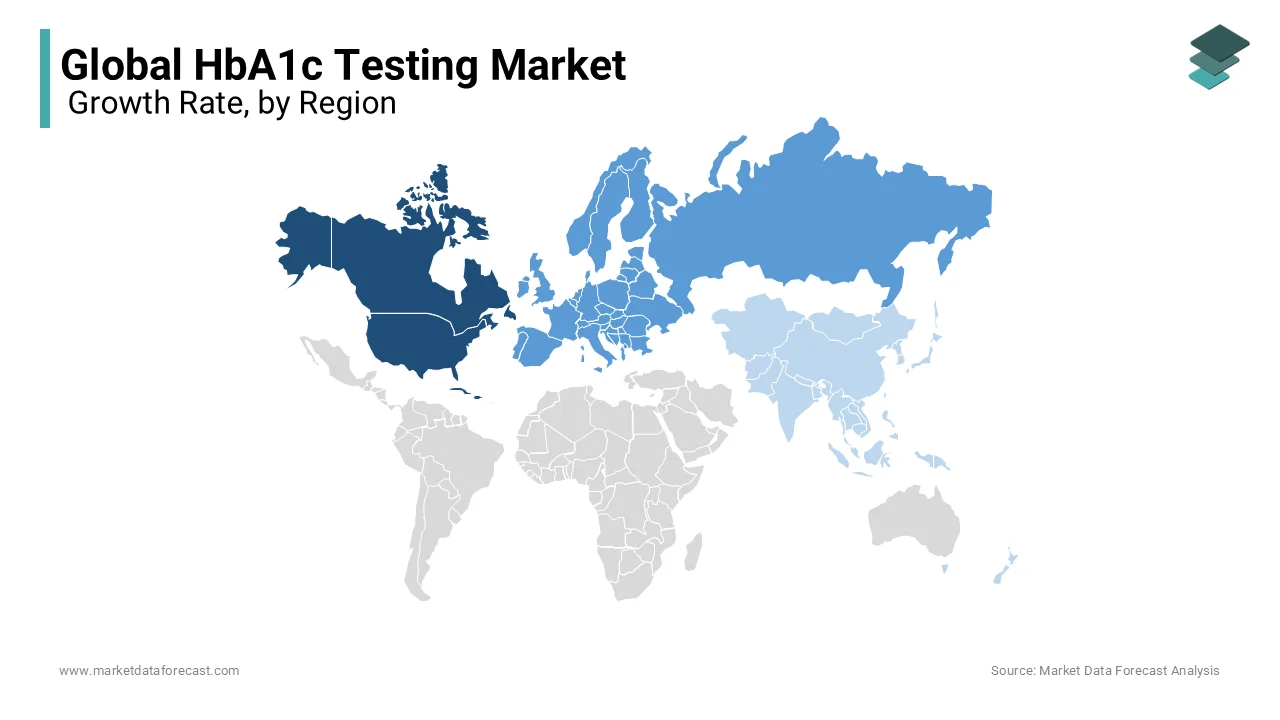
North America held 38.4% of the global market share in 2025 and is expected to maintain its leadership position, with stable demand driven by the aging population, ongoing investments in diagnostic innovation, high healthcare expenditure and advanced diagnostic infrastructure. The United States dominates the regional landscape due to its high prevalence of diabetes and robust reimbursement mechanisms for diagnostic testing. According to the Centers for Disease Control and Prevention, over 37 million Americans have diabetes, creating substantial demand for regular HbA1c monitoring. The presence of major diagnostic manufacturers and early adoption of innovative technologies such as point of care and home testing devices sustain market leadership. Regulatory frameworks like the Clinical Laboratory Improvement Amendments ensure high quality standards, fostering trust in test results. Private insurance coverage and Medicare reimbursement for HbA1c tests facilitate widespread access across diverse patient populations. The region’s strong focus on preventive care and chronic disease management programs drives testing volumes in both clinical and home settings. Research institutions and academic medical centers contribute to technological advancement and clinical validation of new assays. Despite high costs, the willingness to pay for premium diagnostic solutions supports market growth. North America’s mature healthcare ecosystem and high disease burden ensure its continued dominance in the global HbA1c testing market.
Europe HbA1c Testing Market Analysis
Europe is likely to see steady growth as public health initiatives and standardized screening programs continue to prioritize early diabetes detection for the next few years. Europe occupies the second largest position in the global HbA1c testing market, characterized by universal healthcare coverage and stringent regulatory standards. Countries such as Germany, the United Kingdom, and France lead regional demand due to aging populations and high diabetes prevalence. According to the International Diabetes Federation, approximately 61 million adults in Europe live with diabetes, necessitating extensive monitoring infrastructure. The European Union In Vitro Diagnostic Regulation imposes rigorous performance and safety requirements, ensuring high quality but also creating compliance challenges for manufacturers. Public healthcare systems prioritize cost effective testing solutions, driving adoption of standardized and automated platforms. National screening programs for diabetes and prediabetes generate significant testing volumes in primary care and laboratory settings. The region is a hub for clinical research and guideline development, influencing global best practices for HbA1c utilization. Cross border harmonization efforts facilitate trade and standardization across member states. Growing interest in decentralized testing and digital health integration is reshaping market dynamics. Despite budget constraints in some nations, the commitment to universal access ensures stable demand. Europe’s balance of regulatory rigor, public health focus, and technological sophistication maintains its significant global market share.
Asia Pacific HbA1c Testing Market Analysis
Asia Pacific is anticipated to be the most dynamic market, with rapid expansion driven by increasing urbanisation and government-led diagnostic programs for the next few years. Asia Pacific represents the fastest growing region in the global HbA1c testing market, driven by rising diabetes prevalence and expanding healthcare access. China and India are major contributors due to their large populations and rapidly increasing burden of metabolic diseases. According to the International Diabetes Federation, the Western Pacific region has the highest number of adults with diabetes globally, with over 215 million cases. Economic growth and urbanization are leading to lifestyle changes that accelerate diabetes onset, creating urgent demand for diagnostic services. Government initiatives to expand health insurance coverage and strengthen primary care infrastructure are improving access to HbA1c testing in previously underserved areas. Local manufacturers are emerging to offer affordable testing solutions tailored to regional needs. The adoption of point of care devices is particularly high in rural and remote settings where laboratory infrastructure is limited. Rising health awareness and middle class incomes are boosting demand for private diagnostic services. International companies are investing heavily in the region to capture growth opportunities. Despite disparities in healthcare quality, the sheer scale of unmet need drives rapid market expansion. Asia Pacific’s demographic and epidemiological trends position it as the future engine of global HbA1c testing growth.
Latin America HbA1c Testing Market Analysis
Latin America is expected to experience consistent growth as health systems modernize and access to diagnostic services reaches more rural populations over the next few years. Latin America holds a moderate share of the global HbA1c testing market, with growth driven by increasing diabetes prevalence and healthcare system modernization. Brazil and Mexico are the largest markets in the region, facing significant public health challenges from metabolic diseases. According to the Pan American Health Organization, diabetes is a leading cause of death and disability in Latin America, prompting government action to improve diagnosis and treatment. Expanding social health insurance programs are gradually increasing access to diagnostic testing for lower income populations. Private healthcare sectors in urban centers offer advanced diagnostic services comparable to developed markets. Economic volatility and currency fluctuations pose challenges for importing diagnostic equipment and reagents, encouraging local production and generic alternatives. Awareness campaigns and screening initiatives are raising detection rates and driving testing volumes. Point of care testing is gaining traction in primary care settings to overcome infrastructure limitations. Regulatory harmonization efforts within regional blocs are facilitating market access for international manufacturers. Despite resource constraints, the high disease burden and improving healthcare access create substantial growth potential. Latin America’s market is evolving from basic glucose testing toward more sophisticated HbA1c monitoring as systems mature.
Middle East and Africa HbA1c Testing Market Analysis
The Middle East and Africa are projected to see a rise in adoption of advanced diagnostic technologies as regional healthcare hubs invest in specialized diabetes care for the next few years. The Middle East and Africa region holds the smallest share of the global HbA1c testing market but exhibits significant variation and growth potential. Gulf Cooperation Council countries such as Saudi Arabia and the United Arab Emirates have high diabetes prevalence and advanced healthcare infrastructure, driving demand for premium diagnostic solutions. According to the International Diabetes Federation, several Middle Eastern nations rank among those with the highest comparative prevalence of diabetes globally.
COMPETITIVE LANDSCAPE
The global HbA1c testing market features intense competition characterized by the presence of established multinational corporations and emerging regional players. Leading companies compete on the basis of analytical accuracy, throughput capacity, and ease of use to secure contracts with large hospital networks and reference laboratories. Innovation in point of care testing and home based monitoring devices has intensified rivalry as manufacturers seek to capture the decentralized testing segment. Price competition remains significant in commoditized reagent markets, prompting firms to differentiate through superior service support and integrated digital solutions. Regulatory barriers and certification requirements create high entry thresholds, favoring incumbents with robust quality management systems. Strategic alliances with pharmaceutical companies and insurance payers help lock in long term demand and streamline reimbursement pathways. The shift toward value based care encourages providers to select vendors that offer comprehensive disease management ecosystems rather than standalone tests. Continuous investment in automation and artificial intelligence driven analytics distinguishes top performers. Overall, the market demands agility, clinical evidence, and strong customer relationships to succeed amidst evolving healthcare dynamics and technological advancements.
KEY MARKET PARTICIPANTS
The promising companies leading the Global HbA1c Testing Market profiled in this report are
- Transasia Biomedicals Ltd.
- Abbott Laboratories
- Alere, Inc.
- Arkray, Inc.
- Bio-Rad Laboratories, Inc.
- Danaher Corporation
- F. Hoffmann-La Roche Ltd.
- Siemens Healthcare,
- Trinity Biotech plc.
Top Players in the Global HbA1c Testing Market
F Hoffmann La Roche Ltd
Roche Diagnostics maintains a prominent position in the global HbA1c testing market through its comprehensive portfolio of laboratory and point of care solutions. The company leverages its Cobas instrumentation platform to deliver high throughput and accurate glycated hemoglobin results for clinical laboratories worldwide. Recent actions include enhancing digital connectivity features that integrate HbA1c data with electronic health records, facilitating seamless remote monitoring and chronic disease management. Roche invests heavily in research to improve assay specificity and reduce interference from hemoglobin variants, ensuring reliable diagnostics for diverse populations. Strategic partnerships with healthcare providers and payers help expand access to standardized testing protocols. By focusing on automation and data driven insights, Roche strengthens its reputation for quality and innovation. The company’s commitment to sustainability and regulatory compliance further solidifies its leadership in providing essential diagnostic tools for diabetes care globally.
Abbott Laboratories
Abbott Laboratories contributes significantly to the global HbA1c testing market by offering advanced point of care and central laboratory diagnostic systems. The company’s Alinity and Architect platforms provide robust solutions for high volume testing environments while maintaining precision and speed. Abbott recently expanded its portfolio with next generation immunoassay technologies that offer improved sensitivity and reduced turnaround times for critical diabetes monitoring. The integration of these tests with continuous glucose monitoring data creates a holistic view of patient health, supporting personalized treatment plans. Abbott actively engages in educational initiatives to promote early detection and regular screening among at risk populations. Its global distribution network ensures widespread availability of reagents and instruments in both developed and emerging markets. By prioritizing user friendly designs and interoperable software solutions, Abbott enhances clinical workflow efficiency and strengthens its competitive stance in the diagnostic sector.
Siemens Healthineers AG
Siemens Healthineers plays a vital role in the global HbA1c testing market through its innovative Atellica and Advia diagnostic systems. The company focuses on delivering high performance assays that meet stringent international standardization requirements for glycated hemoglobin measurement. Recent developments include the launch of enhanced reagent formulations that minimize biological interferences and improve result accuracy across varied patient demographics. Siemens Healthineers emphasizes laboratory automation and digitalization, enabling seamless data flow and operational efficiency for healthcare providers. Collaborations with academic institutions drive continuous improvement in testing methodologies and clinical utility assessments. The company’s strong presence in hospital networks and reference laboratories supports consistent demand for its premium diagnostic offerings. By aligning product innovation with evolving clinical guidelines and regulatory standards, Siemens Healthineers reinforces its position as a trusted partner in diabetes management and diagnostic excellence worldwide.
Major Strategies Used by Key Market Participants
Key players in the HbA1c testing market primarily focus on technological innovation and product differentiation to maintain competitive advantage. Companies invest heavily in research and development to enhance assay accuracy, reduce interference from hemoglobin variants, and shorten turnaround times. Strategic partnerships with healthcare providers and technology firms facilitate the integration of diagnostic devices with digital health platforms and electronic health records. Expansion into emerging markets through localized manufacturing and distribution networks helps capture growing demand in regions with rising diabetes prevalence. Mergers and acquisitions are utilized to broaden product portfolios and acquire complementary technologies such as continuous glucose monitoring capabilities. Regulatory compliance and adherence to international standardization programs remain critical strategies to ensure global market access. Marketing efforts emphasize clinical validation and cost effectiveness to appeal to value based healthcare systems. These multifaceted approaches enable manufacturers to address diverse customer needs and sustain growth in a dynamic diagnostic landscape.
RECENT MARKET HAPPENINGS
- Bio-Rad Laboratories Inc. conducted a D-10 HbA1c program for identifying and diagnosing diabetic patients. The FDA approved this program in July 2017. With this approval, the adoption rate of D-10 HbA1c testing systems has been escalated due to their ability to diagnose diabetic patients.
- Siemens Healthiness developed Atellica CH Enzymatic HbA1c Assay for monitoring and diagnosing diabetes. The FDA approved it, and the product was launched in May 2019. These instruments are implemented in laboratories to acquire higher efficiency and productivity by conducting tests on more significant volumes.
MARKET SEGMENTATION
This research report on the global HbA1c testing market has been segmented and sub-segmented based on the technology, type, end-user, and region.
By Type
- Bench Top Devices
- Hand-Held Devices
By Technology
- Ion-Exchange HPLC
- Enzymatic Assay
- Affinity Binding Chromatography
- Turbidimetric Inhibition Immunoassay
- Other
By End User
- Hospital
- Home Care
- Diagnostic laboratory
- Research Institution
By Region
- North America
- Europe
- Asia Pacific
- Latin America
- The Middle East and Africa