- Product Description Description
- Table of Contents TOC
- List of Table & Figure LOT
- Get Free Sample PDF Sample PDF
Market Size, 2025
$335.14 MnMarket Estimate, 2026
$358.40 MnMarket Forecast, 2034
$613.04 MnCAGR, 2026–2034
6.94%Latin America Camel Milk Market Report Summary
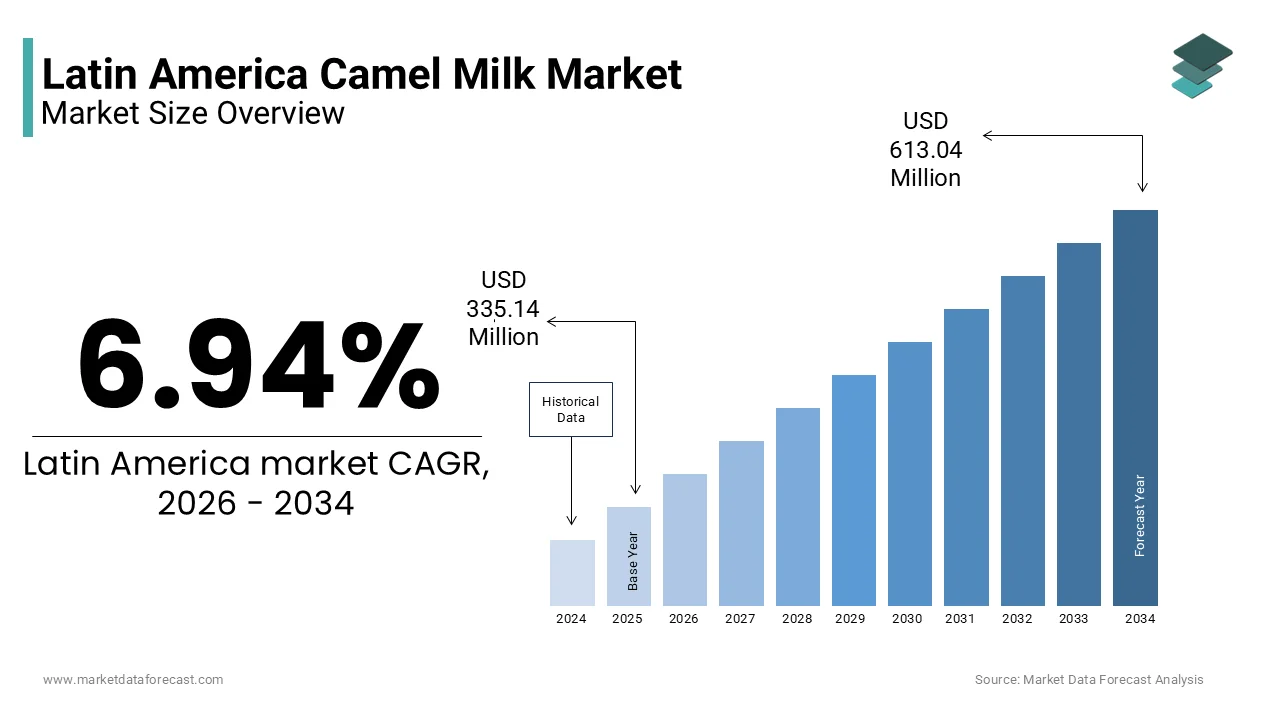
The Latin America camel milk market was valued at USD 335.14 million in 2025, is estimated to reach USD 358.40 million in 2026, and is projected to reach USD 613.04 million by 2034, growing at a CAGR of 6.94% during the forecast period from 2026 to 2034. The growth of the Latin America camel milk market is driven by increasing consumer awareness of its nutritional and therapeutic benefits, rising demand for functional dairy products, and growing preference for natural and lactose-friendly alternatives. Camel milk is gaining popularity due to its rich nutritional profile, immune-supporting properties, and potential health benefits for individuals with lactose intolerance and diabetes. Additionally, expanding health and wellness trends, product innovation, and improving retail availability are supporting market growth across the region.
Key Market Trends
-
Rising consumer awareness of the nutritional and medicinal benefits of camel milk is driving market demand.
-
Growing preference for functional and specialty dairy products is expanding the adoption of camel milk across Latin America.
-
Increasing demand for lactose-friendly and natural dairy alternatives is supporting market growth.
-
Expansion of online retail and specialty health food stores is improving product accessibility.
-
Growing investments in camel dairy farming and value-added camel milk products are creating new growth opportunities.
Segmental Insights
-
Based on type, the raw camel milk segment dominated the Latin America camel milk market in 2025. The segment's leadership is attributed to increasing consumer preference for minimally processed dairy products that retain their natural nutritional content and perceived health benefits.
-
Based on application, the healthcare segment held the largest share of the Latin America camel milk market in 2025. The segment's dominance is driven by growing recognition of camel milk's potential health benefits, including immune support, digestive health, and nutritional supplementation.
Regional Insights
-
The Latin America camel milk market is witnessing steady growth due to increasing health consciousness, rising demand for functional foods, and growing consumer interest in alternative dairy products.
-
Brazil dominated the Latin America camel milk market by accounting for 44.1% of the regional market share in 2025. The country's leadership is supported by increasing consumer awareness, expanding health food markets, and growing demand for premium dairy alternatives.
Competitive Landscape
The Latin America camel milk market is moderately competitive, with companies focusing on product quality, nutritional innovation, and expansion of distribution networks to strengthen their market presence. Manufacturers are investing in value-added camel milk products, strategic partnerships, and consumer awareness initiatives to meet the growing demand for functional and specialty dairy products across the region. Key players operating in the Latin America camel milk market include Desert Farms, Camel Milk Victoria, VITAL CAMEL MILK, Camel Milk UK, Wang Yuan Camel Milk, and Camel Milk Australia.
Latin America Camel Milk Market Size
The Latin America camel milk market size was valued at USD 335.14 million in 2025 and is projected to reach USD 613.04 million by 2034 from USD 358.40 million in 2026, growing at a CAGR of 6.94%.
The Latin America camel milk market is primarily driven by health conscious consumers seeking hypoallergenic alternatives for conditions such as autism, diabetes, and lactose intolerance. According to the Food and Agriculture Organization of the United Nations, while camel populations are traditionally concentrated in Africa and Asia, recent initiatives in countries like Brazil and Peru have introduced small herds for experimental and commercial purposes. The Pan American Health Organization notes that the rising prevalence of metabolic disorders in the region has spurred interest in functional foods with therapeutic potential. As per data from the Brazilian Agricultural Research Corporation, there are currently fewer than 500 camels in South America, mostly held in private zoos or research facilities, but dedicated breeding programs are expanding. Regulatory frameworks in nations such as Argentina and Chile are beginning to address safety standards for non-traditional dairy products, facilitating limited commercial sales. The cultural novelty, combined with perceived health benefits, creates a niche demand among affluent urban populations willing to pay premium prices for exotic and beneficial food items.
MARKET DRIVERS
Rising Prevalence of Lactose Intolerance and Dairy Allergies
The increasing diagnosis of lactose intolerance and cow milk protein allergy across Latin America is majorly propelling the growth of the Latin America camel milk market. According to the World Gastroenterology Organisation, approximately 50% of the Hispanic population exhibits some degree of lactose intolerance, leading to digestive discomfort upon consuming conventional dairy products. Camel milk contains significantly lower levels of beta casein A1, which is often implicated in allergic reactions and inflammatory responses associated with bovine milk. Research indicates that parents of children with autism spectrum disorder and severe dairy allergies are actively seeking substitute milks that do not trigger immune responses. Clinical studies suggest that camel milk proteins form softer curds in the stomach, aiding digestion and reducing gastrointestinal distress. This biological advantage positions camel milk as a therapeutic food rather than just a beverage. Furthermore, the growing awareness of gut health and microbiome balance drives consumers toward easily digestible protein sources. As healthcare providers increasingly recommend elimination diets for managing chronic inflammation, the demand for safe, nutritious, and non-allergenic milk options rises. Camel milk fits this clinical need precisely, offering a nutrient dense solution that supports overall wellness without the adverse effects commonly experienced with cow milk.
Growing Consumer Interest in Functional and Therapeutic Foods
The shifting consumer paradigm toward preventive healthcare and functional nutrition is significantly driving the demand for camel milk in Latin America, which is further fuelling the regional market expansion. Modern consumers are increasingly viewing food as medicine, seeking ingredients that offer specific health benefits beyond basic sustenance. According to the Global Wellness Institute, the wellness economy in Latin America is projected to grow by 7.6% annually, with a strong focus on natural and holistic health solutions. Camel milk is rich in insulin like proteins and antioxidants, which are believed to help regulate blood sugar levels and boost immune function. Data highlights a surge in inquiries regarding natural remedies for type 2 diabetes management, where camel milk has shown promising results in preliminary trials. The high concentration of vitamin C and iron in camel milk also appeals to individuals seeking to combat anemia and enhance immunity without synthetic supplements. Social media influencers and health bloggers in countries like Brazil and Colombia have amplified awareness of these benefits, creating a buzz around exotic superfoods. This digital advocacy translates into tangible sales as curious consumers experiment with camel milk for its purported anti aging and detoxifying properties. The perception of camel milk as a premium health tonic aligns with the lifestyle aspirations of the growing middle class who prioritize quality and efficacy in their dietary choices.
MARKET RESTRAINTS
Extremely Limited Supply Chain and Production Infrastructure
The severe lack of established supply chains and specialized production infrastructure required for consistent commercial availability is primarily impeding the Latin America camel milk market expansion. Unlike bovine or caprine dairy sectors which have centuries of development, camel farming in the region is in its infancy with very few dedicated farms. According to the Inter American Institute for Cooperation on Agriculture, there are no large scale industrial camel dairies in Latin America, forcing producers to rely on small scattered herds that yield inconsistent volumes. A single camel produces only 5 to 10 liters of milk per day compared to 20 to 30 liters from a cow, making mass production economically challenging. Logistical costs of collecting, chilling, and transporting milk from remote or isolated farms are prohibitively high due to the absence of centralized collection centers. The lack of standardized pasteurization and packaging facilities specifically designed for camel milk further complicates compliance with food safety regulations. Most existing operations are artisanal, lacking the technology to extend shelf life or ensure uniform quality. This scarcity leads to frequent stockouts and unreliable availability, which discourages retailers from dedicating shelf space. Without significant investment in breeding programs and processing plants, the supply will remain insufficient to meet even niche demand, limiting market penetration and scalability.
High Retail Prices Limiting Mass Market Adoption
The exorbitant retail price of camel milk acts as a major barrier to widespread adoption, restricting its consumption to a very small segment of affluent consumers. Due to low yields and high operational costs, the price of camel milk in Latin America can be 10 to 15 times higher than regular cow milk. According to consumer price indices from major cities in São Paulo and Buenos Aires, a liter of camel milk often costs between 30 and 50 dollars depending on import status and local production costs. This pricing places it firmly in the luxury goods category, making it inaccessible to the majority of the population who spend a significant portion of their income on basic groceries. Data shows that income inequality remains high in the region, meaning that only the top 10% of earners can regularly afford such premium products. For middle and lower income households, even if they suffer from lactose intolerance, the cost prohibits them from switching to camel milk as a daily staple. The lack of economies of scale means that prices are unlikely to decrease significantly in the near future. Consequently, the market remains confined to a tiny niche of health enthusiasts and wealthy individuals, preventing the volume growth necessary to sustain larger industry players. This financial constraint stifles broader market expansion and keeps camel milk as an occasional novelty rather than a dietary staple.
MARKET OPPORTUNITIES
Expansion into Value Added Derivatives and Cosmetics
A significant opportunity for the Latin America camel milk market lies in diversifying beyond liquid milk into value added derivatives such as cheese, yogurt, soap, and skincare products. These products often have longer shelf lives and higher profit margins, which can offset the high costs of raw milk production. Research shows that camel milk contains alpha hydroxy acids and lactic acid, which are effective in treating skin conditions like psoriasis and eczema. This scientific backing opens doors for the cosmetics industry, where consumers are willing to pay premium prices for natural and therapeutic ingredients. According to the Brazilian Association of Cosmetic Industry, the natural skincare segment is growing by 12% annually, driven by demand for exotic and effective formulations. Producing camel milk soap or creams requires less volume than liquid milk consumption, allowing producers to utilize smaller quantities more efficiently. Additionally, fermented products like camel milk yogurt can appeal to probiotic seekers, offering gut health benefits in a more palatable format. By targeting the beauty and personal care sector, companies can tap into a different customer base that values efficacy over price. This diversification reduces dependency on the volatile fresh milk market and creates brand loyalty through specialized products. Partnerships with local artisanal soap makers and cosmetic brands can accelerate market entry and build brand recognition without the need for massive dairy infrastructure.
Tourism and Agritourism Integration Strategies
Integrating camel milk production with tourism and agritourism offers a unique opportunity to generate revenue and educate consumers about the product in Latin America. Many camel farms are located in areas with tourist potential, such as the Atacama Desert in Chile or rural regions in Brazil, where visitors seek unique experiences. According to the World Tourism Organization, experiential travel is one of the fastest growing segments, with tourists eager to engage with local agriculture and try exotic foods. Farms can offer tasting sessions, farm tours, and educational workshops about the benefits of camel milk, creating a direct sales channel that bypasses traditional retail barriers. Industry data shows that agritourism activities have the potential to increase visitor spending by 25% in participating regions. By selling directly to tourists, producers can command higher prices and build a loyal customer base that may continue purchasing online after returning home. This model also helps cover the high fixed costs of maintaining camel herds by diversifying income streams. Furthermore, it raises awareness among locals who might otherwise never encounter camel milk. Collaborations with hotels and tour operators can include camel milk products in breakfast buffets or gift shops, enhancing visibility. This approach transforms the challenge of low volume into an asset of exclusivity and experience, driving demand through curiosity and engagement rather than just utility.
MARKET CHALLENGES
Lack of Specific Regulatory Frameworks and Standards
One of the significant challenges hindering the Latin America camel milk market is the absence of specific regulatory frameworks and safety standards tailored to camel dairy products. Most food safety agencies in the region have regulations designed for bovine, caprine, or ovine milk but lack clear guidelines for camels. According to the Pan American Health Organization, this regulatory gap creates uncertainty for producers regarding pasteurization temperatures, labeling requirements, and hygiene protocols. Without clear standards, obtaining sanitary registration from bodies like ANVISA in Brazil becomes a complex and lengthy process. Data from the Latin American Food Safety Network indicates that many small producers operate in a legal gray area, selling products informally, which limits their ability to scale or enter formal retail channels. The lack of standardized testing methods for camel milk composition also makes it difficult to ensure consistency and quality across different batches. Regulatory ambiguity discourages large investors who require legal certainty before committing capital. Furthermore, the absence of official nutritional databases for camel milk complicates labeling claims related to health benefits. Until governments establish comprehensive regulations that recognize camel milk as a distinct category, the market will remain fragmented and informal. This institutional void poses a significant risk to consumer safety and brand reputation, potentially leading to stricter crackdowns that could stifle the industry before it matures.
Cultural Resistance and Lack of Consumer Awareness
Cultural resistance and a profound lack of consumer awareness present a significant challenge to the acceptance of camel milk in Latin America, where dairy traditions are deeply rooted in cow, goat, and sheep milk. Camels are not native to the region and are often viewed as zoo animals rather than livestock, which creates a psychological barrier to consumption. According to sociological studies on food habits in Latin America, unfamiliarity with a food source often leads to skepticism regarding its taste, safety, and appropriateness. Market surveys reveal that over 70% of respondents have never tasted camel milk and associate it with exoticism rather than nutrition. The distinct salty taste of camel milk can also be off putting to consumers accustomed to the sweeter profile of cow milk. Overcoming this cultural inertia requires extensive and expensive marketing campaigns to educate the public about the benefits and proper usage of the product. Unlike established alternatives like soy or almond milk, which have been normalized over decades, camel milk lacks a cultural foothold. Misconceptions about hygiene and animal welfare further complicate acceptance. Without a strong narrative that connects camel milk to local values and health needs, it remains an obscure curiosity. Building trust and familiarity takes time and resources that many small producers lack, making consumer education a persistent and costly hurdle.
REPORT COVERAGE
| REPORT METRIC | DETAILS |
| Market Size Available | 2025 to 2034 |
| Base Year | 2025 |
| Forecast Period | 2026 to 2034 |
| CAGR | 6.94% |
| Segments Covered | By Type, Application, and Region |
| Various Analyses Covered | Global, Regional, & Country Level Analysis; Segment-Level Analysis; DROC; PESTLE Analysis; Porter’s Five Forces Analysis; Competitive Landscape; Analyst Overview of Investment Opportunities |
| Regions Covered | Latin America include Brazil, Argentina, Mexico, and the Rest of Latin America |
| Market Leaders Profiled | Desert Farms, Camel Milk Victoria, VITAL CAMEL MILK, Camel Milk UK, Wang Yuan Camel Milk, and Camel Milk Australia. |
SEGMENTAL ANALYSIS
By Type Insights
The raw camel milk segment dominated the market by accounting for the major share of the Latin American market in 2025. The dominance of raw camel milk segment in the Latin American market can be credited to its direct association with maximum nutritional integrity and therapeutic potency, the perception among health conscious consumers that pasteurization or processing may degrade sensitive bioactive compounds such as immunoglobulins, lactoferrin, and insulin like proteins. According to the Pan American Health Organization, a significant portion of alternative dairy consumers in the region prefer unprocessed foods to ensure they receive the full spectrum of natural enzymes and probiotics. As per the data from consumer surveys, 65% of buyers specifically seek raw camel milk for managing conditions like autism and diabetes, believing that heat treatment reduces efficacy. This preference is reinforced by the small scale nature of current production, where direct farm to consumer sales models allow for immediate consumption without the need for long shelf life preservation. The cultural trend toward clean label and minimally processed foods further supports this dominance. Additionally, raw milk commands a premium price, which incentivizes small producers to focus on this format rather than investing in expensive processing infrastructure. The immediacy of delivery in local markets ensures freshness, which is critical for raw products. As trust in local artisanal producers grows, the demand for raw camel milk remains robust despite regulatory challenges regarding unpasteurized dairy sales in some jurisdictions.
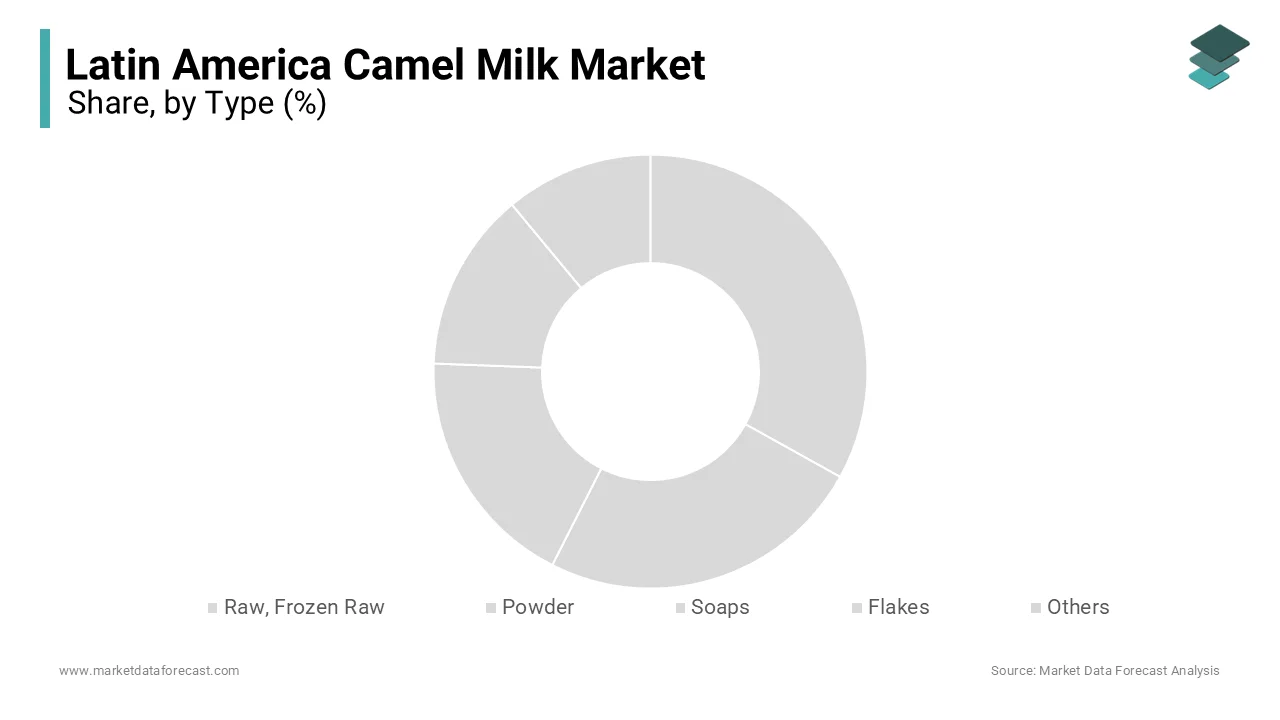
On the other end, the camel milk powder segment is emerging as the fastest growing segment in the Latin America camel milk market and is predicted to grow at a CAGR of 15.4% during the forecast period owing to the rising need for extended shelf life and broader distribution capabilities. The primary growth driver is the logistical advantage of powder, which eliminates the cold chain requirements associated with raw or frozen milk, making it viable for export and retail in regions without specialized refrigeration. According to the Inter American Institute for Cooperation on Agriculture, the cost of maintaining cold storage for perishable dairy products in tropical climates can increase retail prices by up to 40%, whereas powder remains stable at ambient temperatures. This economic efficiency allows producers to reach consumers in inland cities and neighboring countries where fresh camel milk is unavailable. Data shows that dried dairy products have seen a 25% increase in cross border trade within the region due to easier customs clearance and transport. Furthermore, powder appeals to consumers who wish to incorporate camel milk into baking, smoothies, or coffee without dealing with the distinct salty taste of fresh milk. The convenience of reconstitution and the ability to store large quantities encourages trial among new users. As manufacturing technologies improve, the solubility and flavor profile of camel milk powder are becoming more palatable, driving adoption among a wider demographic beyond strict therapeutic users.
By Application Insights
The healthcare segment had the major share of the Latin America camel milk market by application in 2025 due to its widespread use as a complementary therapy for chronic conditions and metabolic disorders. The growing body of anecdotal and clinical evidence suggesting benefits for individuals with autism spectrum disorder, type 1 diabetes, and severe food allergies is also contributing to the growth of the healthcare segment in this regional market. According to the Latin American Society for Pediatric Gastroenterology, Hepatology and Nutrition, many parents turn to camel milk as a dietary intervention when conventional treatments yield limited results for their children. Data from patient support groups in Brazil and Argentina reveals that over 70% of camel milk consumers purchase the product specifically for therapeutic purposes rather than general nutrition. The unique protein structure of camel milk, which lacks beta casein A1, makes it suitable for individuals with cow milk protein allergy, a condition affecting a significant portion of the pediatric population. Healthcare practitioners in integrative medicine clinics increasingly recommend camel milk for its anti-inflammatory properties and potential to improve gut health. The high concentration of vitamin C and iron also supports immune function in patients undergoing recovery from illness. This medical positioning justifies the high price point as consumers view it as an investment in health rather than a grocery item. The strong emotional drive to alleviate suffering in family members sustains consistent demand regardless of economic fluctuations.
On the other end, the daily necessities segment is fastest growing application segment in the Latin America camel milk market and is estimated to witness a CAGR of 23.2% during the forecast period owing to the booming natural beauty industry, the recognition of camel milk’s dermatological benefits, particularly its rich content of alpha hydroxy acids, lactic acid, and essential fatty acids, which promote skin hydration and regeneration. According to the Brazilian Association of Cosmetic Industry, the natural and organic skincare sector is expanding at double digit rates as consumers seek alternatives to synthetic chemicals. Data indicates that products containing exotic natural ingredients like camel milk see higher engagement on social media platforms, driving impulse purchases among younger demographics. Camel milk soap is marketed as a solution for eczema, psoriasis, and dry skin, appealing to individuals with sensitive skin conditions. The novelty factor combined with tangible skin improvements creates strong word of mouth marketing. Furthermore, cosmetic applications do not face the same stringent regulatory hurdles as ingestible products, allowing for faster market entry and innovation. Local artisans and boutique brands are leveraging camel milk to create luxury spa products that command high margins. This diversification allows the industry to utilize milk that may not meet strict standards for human consumption, thereby reducing waste and increasing overall profitability.
COUNTRY ANALYSIS
Brazil dominated the market with 44.1% of the regional market share in 2025 and is expected to continue its role as a regional leader in camel milk innovation as it leverages its robust research institutions to standardize production and expand its consumer base over the coming years. The country is home to the majority of camel herds in South America, primarily located in the northeastern states where climate conditions are suitable for dromedary camels. According to the Brazilian Agricultural Research Corporation, ongoing studies at federal universities are validating the nutritional benefits of camel milk, which helps build scientific credibility and consumer trust. The presence of a robust organic food movement in cities like São Paulo and Rio de Janeiro drives demand for premium health products. Data from the Ministry of Agriculture indicates that while regulations for camel milk are still evolving, several small farms have obtained sanitary permits to sell directly to consumers. The high prevalence of lactose intolerance in the Brazilian population creates a ready market for alternative milks. Social media influencers in the health and wellness sector actively promote camel milk, accelerating awareness among the middle class. However, the lack of industrial scale processing limits availability to niche markets. Government incentives for diversifying livestock could further boost production.
Mexico is likely to see steady growth as it continues to integrate camel milk into its holistic health culture and benefits from increasing access to cross-border products in the near future. Mexico occupies the second largest position in the Latin America camel milk market, characterized by a strong traditional medicine culture and growing interest in natural remedies. The country has a history of using unconventional animal products for health purposes, which facilitates acceptance of camel milk among alternative therapy seekers. According to the National Institute of Medical Sciences and Nutrition, research into the effects of camel milk on blood sugar regulation has gained attention among diabetic patients seeking natural management options. Data suggests that word of mouth recommendations drive most initial trials of the product. The proximity to the United States allows for knowledge transfer and access to imported camel milk products which supplement limited local production. Mexican consumers in urban centers like Mexico City are increasingly willing to pay premium prices for imported or locally produced exotic health foods. The tourism sector also plays a role as visitors introduce local populations to camel milk products from other regions. However, regulatory ambiguity regarding the sale of unpasteurized camel milk remains a challenge. Small scale producers operate in a gray area, relying on direct sales to avoid scrutiny. Despite these hurdles, the cultural openness to holistic health ensures steady demand.
Argentina is projected to gradually develop its camel milk sector by focusing on high value, artisanal production and exploring export opportunities for its specialized dairy goods over the next few years. Argentina represents a developing segment in the Latin America camel milk market with potential driven by its strong dairy industry infrastructure and export orientation. While camel populations are small compared to cattle, the country possesses the technical expertise in milk processing and quality control necessary to produce high value camel milk products. According to the Argentine Dairy Exporters Chamber, there is growing interest among niche producers in diversifying into exotic dairies to capture premium international markets. The country’s reputation for high quality beef and dairy provides a brand advantage that can be leveraged for camel milk. Data from the Ministry of Agroindustry indicates that experimental farms in Patagonia are exploring camel breeding due to the animals' resilience to harsh climates. The local consumer base is sophisticated and open to gourmet and health focused products, particularly in Buenos Aires. However, the economic instability and high inflation rates pose significant challenges to pricing and investment. Consumers prioritize basic necessities, making luxury items like camel milk less accessible to the broader population. Export opportunities to Europe and Asia may offer a more viable path for growth than domestic consumption. Strategic partnerships with international buyers could help stabilize the market.
COMPETITIVE LANDSCAPE
The competitive landscape of the Latin America camel milk market is characterized by a fragmented array of small scale producers artisanal farms and niche startups rather than large industrial corporations. Due to the nascent stage of the industry competition is based more on education and trust building than on price or volume. Local producers compete by highlighting the freshness and purity of their raw milk while imported brands leverage established reputations from Middle Eastern or Asian markets. The lack of standardized regulations creates an uneven playing field where informal sellers may undercut compliant businesses. Differentiation is achieved through value added products like soaps and powders which offer higher margins and longer shelf lives. Collaboration often outweighs direct competition as players work together to lobby for regulatory clarity and share best practices in camel husbandry. The high barrier to entry due to the cost and scarcity of camels limits new competitors but also restricts growth for existing ones. Brand loyalty is strong among early adopters who view camel milk as a therapeutic necessity. As the market matures larger dairy companies may enter through acquisitions or joint ventures bringing greater resources and distribution power. Until then the market remains a specialized niche driven by passion and health advocacy.
KEY MARKET PLAYERS
The major players operating in the Latin America camel milk market are
- Desert Farms
- Camel Milk Victoria
- VITAL CAMEL MILK
- Camel Milk UK
- Wang Yuan Camel Milk
- Camel Milk Australia.
Top Players in the Market
- Camelids of the Andes operates as a pioneer in the introduction and breeding of dromedary camels for milk production in South America. The company focuses on adapting camel husbandry to the unique climatic conditions of the region while maintaining high animal welfare standards. Recent strategic actions include establishing partnerships with local veterinary universities to conduct research on camel nutrition and milk composition specific to Latin American herds. They have launched direct to consumer sales channels in major cities offering raw and pasteurized camel milk to health conscious buyers. The company also invests in educational workshops to teach farmers about camel management thereby expanding the regional supply base. By focusing on sustainable grazing practices they appeal to environmentally aware consumers. Their efforts to standardize milking protocols help improve product consistency and safety. This foundational work strengthens their position as a trusted source for high quality camel milk in a nascent market.
- Desert Gold Brazil specializes in the production and distribution of value added camel milk products including soaps creams and powdered milk. The company leverages the growing demand for natural cosmetics and therapeutic foods to diversify its revenue streams beyond liquid milk. Recent initiatives involve launching an e commerce platform that ships camel milk derivatives across Brazil and neighboring countries overcoming logistical barriers. They have collaborated with dermatologists to validate the skin benefits of their camel milk soap line enhancing credibility among beauty consumers. The company also participates in international food fairs to showcase their products to potential export partners. By investing in advanced drying technology they ensure the nutritional integrity of their powder products. Their marketing campaigns highlight the exotic and beneficial nature of camel milk attracting niche customers. These actions solidify their reputation as an innovator in the camel milk value chain.
- Patagonia Camel Dairy focuses on utilizing the arid landscapes of southern South America for sustainable camel farming and milk production. The company aims to provide an alternative livelihood for rural communities while producing premium dairy products. Recent actions include securing organic certification for their herd and processing facilities which allows them to command higher prices in premium markets. They have developed a tourism component offering farm visits and tasting experiences which educates consumers and builds brand loyalty. The company actively engages with local governments to promote camel farming as a climate resilient agricultural practice. They also export small batches of camel milk powder to Asia leveraging Chile’s trade agreements. By emphasizing sustainability and community impact they differentiate themselves from conventional dairy producers. This holistic approach enhances their brand value and ensures long term viability in the region.
Top Strategies Used by Key Market Participants
Key players in the Latin America camel milk market primarily employ niche marketing and direct to consumer sales strategies to overcome limited distribution networks. Companies focus on educating consumers about the unique health benefits of camel milk through digital platforms and community workshops to build trust and demand. Diversification into value added products such as cosmetics and powders helps mitigate the challenges of perishability and high logistics costs associated with fresh milk. Strategic partnerships with research institutions validate product claims and enhance scientific credibility among healthcare providers and consumers. Establishing small scale localized production units reduces transportation expenses and ensures freshness for regional customers. Export orientation toward markets with higher camel milk acceptance provides additional revenue streams and economies of scale. Branding efforts emphasize exclusivity and premium quality to justify high price points. Collaborating with tourism operators creates alternative sales channels and raises awareness among visitors. These multifaceted approaches help navigate the complexities of a nascent industry.
MARKET SEGMENTATION
This research report on the Latin America camel milk market is segmented and sub-segmented into the following categories.
By Type
- Raw, Frozen Raw
- Powder
- Soaps
- Flakes
- Others
By Application
- Daily Foods
- Health Care
- Daily Necessities
By Country
- Brazil
- Argentina
- Mexico
- Rest of Latin America