- Product Description Description
- Table of Contents TOC
- List of Table & Figure LOT
- Get Free Sample PDF Sample PDF
Market Size, 2025
$11.53 MnMarket Estimate, 2026
$12.15 MnMarket Forecast, 2034
$18.44 MnCAGR, 2026–2034
5.35%Latin America Lycopene Market Size, Growth, Trends & Forecast (2026–2034)
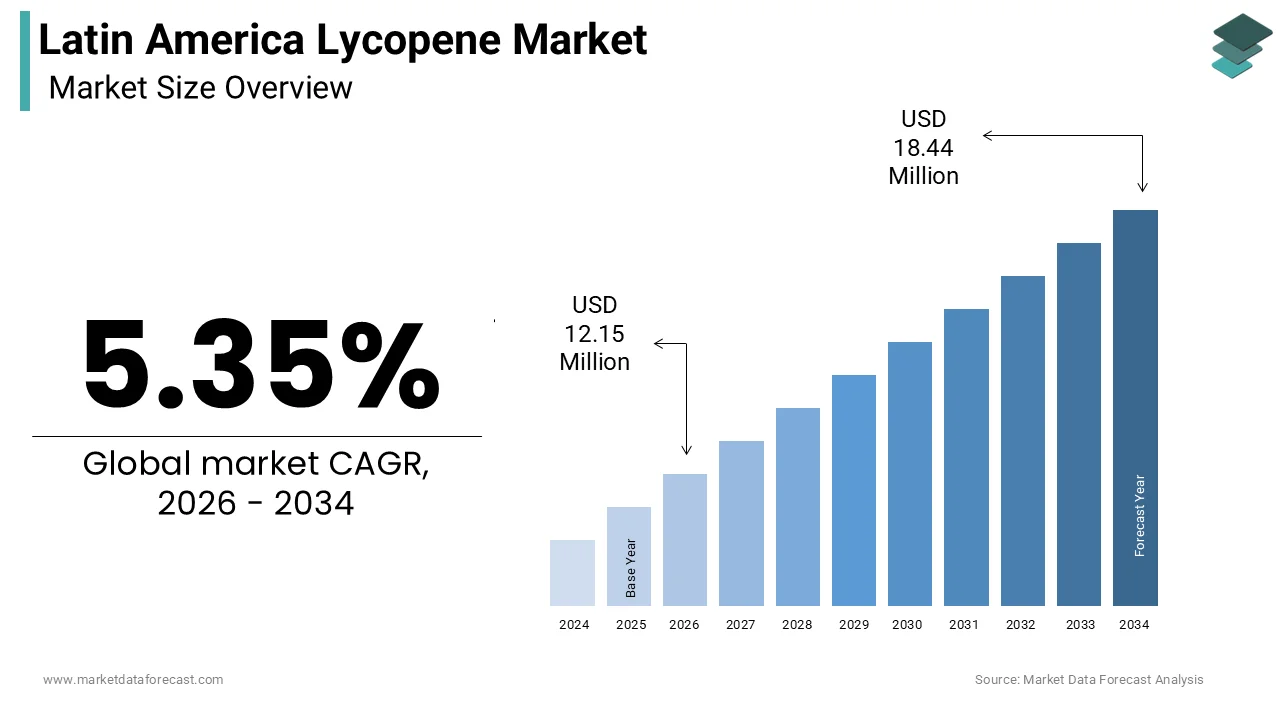
The Latin American lycopene market size was calculated to be USD 11.53 million in 2025, stands at USD 12.15 million in 2026, and is projected to expand up to USD 18.44 million by 2034, registering a compound annual growth rate (CAGR) of 5.35% during the forecast period from 2026 to 2034. Market expansion is primarily propelled by a surging consumer preference for preventive healthcare, the integration of botanical extracts into premium anti-aging cosmetics, and widespread agricultural output across the region.
Key Executive Metrics (At-a-Glance)
- 2025 Base Valuation: USD 11.53 Million
- 2026 Current Valuation: USD 12.15 Million
- 2034 Forecast Valuation: USD 18.44 Million
- Compound Annual Growth Rate (CAGR): 5.35% (2026–2034)
- Dominant Source Segment: Natural lycopene holds the majority market share, driven by strong clean-label trends and consumer preference for plant-derived antioxidants.
- Fastest Growing Source Segment: Organic lycopene is projected to surge at a CAGR of 9.2%, supported by expanding certified organic agricultural land.
- Dominant Form Segment: Powdered lycopene captures the largest share due to its extended shelf life and stability in dry matrices.
- Fastest Growing Form Segment: Beadlets are expected to grow at the fastest CAGR of 8.5%, driven by advanced encapsulation technologies that improve liquid and semi-solid dispersibility.
- Dominant Application Segment: Dietary supplements lead regional consumption, fueled by public health focus on non-communicable disease prevention.
- Fastest Growing Application Segment: Food and beverages are predicted to rise at a CAGR of 9.8%, driven by clean-label reformulations and functional drink expansion.
- Regional Market Leadership: Brazil dominates the regional landscape with a 42.8% market share in 2025, closely followed by Mexico (28.2%).
Core Market Drivers
- Preventive Healthcare & Natural Immunity: Rising awareness of chronic illnesses—with non-communicable diseases accounting for 81% of all deaths in the Americas—driving demand for plant-derived antioxidants to support prostate and cardiovascular health.
- Botanical Extracts in Cosmetics: The explosive growth of Brazil's personal care sector and the high demand for clean-label, UV-protective, and anti-aging skincare formulations.
Primary Market Restraints & Challenges
- Agricultural Vulnerability: Extreme weather anomalies and climate shifts (such as El Niño and La Niña) causing harvest fluctuations, pest infestations, and crop yield drops of up to 30%.
- Regulatory Complexity: Fragmented and lengthy compliance procedures enforced by bodies like ANVISA in Brazil and COFEPRIS in Mexico, which delay product approvals.
- Price Sensitivity & Competition: The wide availability of inexpensive synthetic alternatives (like Red 40) and alternative natural pigments creating fierce price competition.
Latin America Lycopene Market Segmentation Breakdown
| Segment Category | Key Offerings / Categories | Largest / Leading Sub-Segment | Fastest Growing Sub-Segment |
|---|---|---|---|
| By Source | Natural, Synthetic, Organic | Natural Lycopene | Organic Lycopene (9.2% CAGR) |
| By Form | Powder, Beadlets, Liquids/Oils | Powder Form | Beadlets (8.5% CAGR) |
| By Application | Dietary Supplements, Food & Beverages, Cosmetics, Pharmaceuticals | Dietary Supplements | Food & Beverages (9.8% CAGR) |
| By Region | Brazil, Mexico, Argentina, Chile, Rest of Latin America | Brazil (42.8% share in 2025) | Brazil & Mexico Hubs |
Major Industry Players Profiled
Key market participants operating across the Latin American lycopene market include BASF, DSM, Kagome, LycoRed, Tomatia, Xi'an Lyphar Biotech Corp, Wellgreen Technology, Chr. Hansen, Hoffmann-La Roche Ltd, Koninklijke DSM N.V., Shaanxi Huike Botanical Development Co. Ltd, Licofarma S.r.l., San-Ei Gen, Dangshan Sinojuice Food, NBTY, and Bayer AG.
 Download Free Sample Report
Latin America Lycopene Market Size
The Latin American lycopene market size was calculated to be USD 11.53 million in 2025 and is anticipated to be worth USD 18.44 million by 2034, from USD 12.15 million in 2026, growing at a CAGR of 5.35% during the forecast period.
Lycopene is a naturally occurring, bright red pigment and a powerful antioxidant found in many red and pink fruits and vegetables, most notably tomatoes. It belongs to a family of compounds called carotenoids and is best known for its potential health benefits, which include supporting heart and prostate health. This region is globally recognized for its favorable climatic conditions and extensive agricultural output, making it a primary hub for lycopene production. Latin America produces over 20 million metric tons of tomatoes annually, with countries like Mexico and Brazil leading the agricultural sector, according to data from the Food and Agriculture Organization of the United Nations. Lycopene is extensively utilized across diverse industries, including dietary supplements, functional foods, cosmetics, and pharmaceuticals, due to its exceptional free radical scavenging properties. The World Health Organization emphasizes that the rising global prevalence of non-communicable diseases requires a strong public health focus on dietary interventions rich in fruits and vegetables to support cardiovascular and cellular health. The extraction processes in the region are transitioning from traditional solvent-based methods to advanced supercritical fluid extraction, which ensures higher purity and environmental sustainability. Furthermore the growing inclination towards clean label products among consumers in countries like Argentina and Chile is propelling the integration of lycopene into everyday consumables. The regional market is also characterized by increasing export volumes to North America and Europe, where the demand for natural colorants and nutraceutical ingredients is surging. This dynamic landscape positions Latin America as a critical player in the global supply chain of natural bioactive compounds.
MARKET DRIVERS
Surging Consumer Preference for Preventive Healthcare and Natural Immunity Boosters
The escalating awareness regarding preventive healthcare and the shift towards natural immunity boosters drive the growth of the Latin America Lycopene Market. Consumers are increasingly substituting synthetic vitamins with plant-derived antioxidants to mitigate the risk of chronic illnesses. Non-communicable diseases account for 81% of all deaths in the Region of the Americas, according to data from the Pan American Health Organization, creating a profound urgency for dietary interventions. Lycopene is highly sought after for its proven efficacy in reducing oxidative stress and supporting prostate and cardiovascular health. The dietary supplement industry in the region is expanding rapidly, with Brazil and Mexico representing the largest consumption centers. The Brazilian Association of Food Industries indicates steady growth in consolidated food sector revenues, driven in part by shifting consumer interest toward functional products. Furthermore, the aging demographic in countries like Uruguay and Argentina is driving the demand for anti-aging and cellular protection supplements, where lycopene is a key active ingredient. This demographic transition, coupled with aggressive marketing campaigns by nutraceutical companies highlighting the clinical benefits of carotenoids, ensures a sustained and growing demand for high-purity lycopene extracts across the Latin American landscape.
Integration of Botanical Extracts in Premium Skincare and Anti-Aging Formulations
The integration of botanical extracts in premium skincare and anti-aging formulations significantly propels the consumption of lycopene across the region’s cosmetics sector, which fuels the expansion of the Latin American market. Lycopene is highly valued in dermatological applications for its ability to neutralize free radicals, protect against ultraviolet radiation, and enhance skin elasticity. The personal care landscape in Brazil represents one of the largest beauty sectors globally, driving substantial demand for innovative botanical skincare formulations, according to the Brazilian Association of the Cosmetic, Toiletry, and Fragrance Industry. Manufacturers are increasingly replacing synthetic colorants and preservatives with natural alternatives to meet the stringent consumer demand for clean and organic beauty products. Furthermore, the rising incidence of skin cancer in tropical regions of Latin America has amplified the need for topical antioxidants that provide photoprotection. Cosmetic formulators are leveraging lycopene to develop advanced serum creams and sunscreens that offer superior cellular protection. This expanding application scope within the lucrative beauty and personal care industry guarantees robust market growth and continuous product innovation throughout the region.
MARKET RESTRAINTS
Susceptibility of Tomato Cultivation to Extreme Weather and Climate Anomalies
The susceptibility of tomato cultivation to extreme weather and climate anomalies severely restricts the stability and profitability of the Latin American Lycopene Market. Lycopene extraction is heavily dependent on the consistent availability and quality of raw agricultural materials, primarily tomatoes and pink guavas. According to the Economic Commission for Latin America and the Caribbean, climate change-induced phenomena such as El Niño and La Niña cause severe droughts and floods that can reduce crop yields by up to 30 percent in a single growing season. This volatility directly translates into fluctuating raw material prices, making it extremely difficult for extraction facilities to maintain consistent profit margins. As per the Food and Agriculture Organization of the United Nations, the average price of tomatoes in major producing regions like Mexico and Brazil can swing by more than 25 percent year over year due to unpredictable weather patterns and pest infestations. Furthermore, the lack of widespread adoption of advanced greenhouse farming techniques among smallholder farmers exacerbates the supply chain vulnerabilities. When raw material costs spike unexpectedly, manufacturers are forced to either absorb the financial losses or pass them on to price-sensitive consumers, which can dampen overall demand. This inherent agricultural instability acts as a major bottleneck preventing the seamless expansion of lycopene production capacities across the region.
Complex Approval Processes and Varying Regional Standards for Natural Extracts
The complex approval processes and varying regional standards for natural extracts are formidable barriers to the growth of the Latin American lycopene market. This hampers the seamless commercialization of lycopene-based products in the region. Each country maintains distinct regulatory pathways for dietary supplements and food additives requiring extensive safety and efficacy documentation. According to the Brazilian Health Regulatory Agency (ANVISA), evaluating and authorizing a novel ingredient for use in dietary supplements can take between 12 and 18 months due to safety and scientific proof requirements. As per the Mexican Federal Commission for the Protection against Sanitary Risks, the constant updates to the official normative standards for food labeling and ingredient approvals create a fragmented compliance landscape for manufacturers operating across multiple jurisdictions. These stringent regulatory hurdles disproportionately affect smaller extraction companies and startups that lack the financial resources to navigate intricate submission protocols. Furthermore, the requirement for local clinical trials or extensive literature reviews to prove the safety of specific lycopene concentrations adds significant time and cost to the product development cycle. This regulatory heterogeneity not only delays the time to market for innovatively copene-enriched products but also discourages foreign investment in regional manufacturing facilities. Consequently, the heavy administrative burden restricts the rapid introduction of new formulations and limits the overall growth trajectory of the market.
MARKET OPPORTUNITIES
Growing Consumer Shift Towards Fortified Dairy Products and Health Drinks
The growing consumer shift towards fortified dairy products and health drinks provides a massive avenue for the integration of lycopene into the everyday diets of the regional population, which creates a pathway for the expansion of the Latin American lycopene market. Food and beverage manufacturers are actively reformulating their products to include natural antioxidants that cater to the health-conscious demographic. The Pan-American Dairy Federation indicates that the diversification of regional dairy portfolios into enriched and functional products is driven by growing consumer demand for nutritional health benefits. Lycopene is increasingly being microencapsulated to ensure stability during pasteurization and shelf storage, allowing it to be seamlessly added to juices, smoothies, and sports drinks. Furthermore, the rising prevalence of obesity and metabolic syndromes in countries like Chile and Argentina is prompting consumers to seek out functional foods that offer metabolic benefits without added sugars. Lycopene suppliers can secure large-volume contracts by collaborating with local beverage giants and dairy cooperatives. This strategy allows them to establish a dominant presence in the rapidly expanding functional food and beverage sector across the continent.
Adoption of Supercritical Fluid Extraction and Green Chemistry Innovations
The adoption of supercritical fluid extraction and green chemistry innovations offers a transformative opportunity for the Latin America Lycopene Market. This helps to enhance product quality and environmental sustainability. Traditional extraction methods utilizing hazardous organic solvents are gradually being replaced by advanced technologies that ensure higher purity and eliminate toxic residues. Supercritical carbon dioxide extraction allows for the precise isolation of lycopene without degrading its molecular structure, resulting in a premium-grade product that commands higher prices in international markets. As per the Brazilian Agricultural Research Corporation, the optimization of these advanced extraction parameters can improve the overall yield of lycopene from tomato pomace by up to 35 percent, significantly reducing waste and maximizing the value of agricultural byproducts. Furthermore, the implementation of these eco-friendly technologies aligns with the stringent sustainability requirements of European and North American importers, facilitating smoother export channels. By pioneering these advanced extraction methodologies, Latin American manufacturers can differentiate their offerings. This approach enables them to capture premium market segments and establish themselves as global leaders in high-purity natural antioxidants.
MARKET CHALLENGES
Price Sensitivity and Market Penetration of Artificial Colorants
The intense price sensitivity of the regional food and beverage sector, coupled with the widespread availability of artificial colorants, creates a formidable challenge for the Latin American Lycopene Market. Synthetic alternatives such as Red 40 and other petroleum-derived dyes are significantly cheaper to produce and offer highly consistent color stability compared to natural extracts. Research indicates that food manufacturers targeting cost-conscious markets frequently face a choice between the immediate affordability of synthetic ingredients and the higher cost of clean-label alternatives. Moreover, lycopene is highly susceptible to degradation from heat, light, and oxygen, which complicates its application in certain processed foods requiring expensive stabilization technologies. Other natural pigments, such as anthocyanins and beta carotene, also compete fiercely for market share, offering similar health benefits at varying price points. This intense competition from both synthetic and alternative natural colorants forces lycopene producers to continuously justify their premium pricing through rigorous clinical validation and superior marketing strategies, thereby slowing down widespread market penetration.
Educational Deficits and Misconceptions About Carotenoid Efficacy
The pervasive lack of consumer awareness regarding the specific health benefits of lycopene and widespread misconceptions about carotenoid efficacy significantly hinder the organic growth of the Latin American lycopene market. While general awareness of antioxidants is rising, many consumers remain unaware of the distinct clinical advantages of lycopene compared to more popular vitamins like C and E. Apart from this, the proliferation of unverified health claims on social media platforms creates confusion and skepticism among buyers regarding the true efficacy of natural extracts. Without targeted and scientifically backed educational campaigns led by healthcare professionals and industry stakeholders the full commercial potential of lycopene remains unrealized. Overcoming this deep-rooted knowledge gap requires substantial investment in public health initiatives and consumer education programs, which many regional companies are currently ill-equipped to fund adequately.
REPORT COVERAGE
| REPORT METRIC | DETAILS |
| Market Size Available | 2025 to 2034 |
| Base Year | 2025 |
| Forecast Period | 2026 to 2034 |
| CAGR | 5.35% |
| Segments Covered | By Source, Form, Application, Property, and Region |
| Various Analyses Covered | Global, Regional & Country Level Analysis; Segment-Level Analysis; DROC, PESTLE Analysis; Porter’s Five Forces Analysis; Competitive Landscape; Analyst Overview of Investment Opportunities |
| Regions Covered | Brazil, Mexico, Argentina, Chile, and the rest of Latin America |
| Market Leaders Profiled | BASF, DSM, Kagome, LycoRed, Tomatia, Xi'an Lyphar Biotech Corp, Wellgreen Technology, Chr Hansen, Hoffmann-La Roche Ltd, Koninklijke DSM N.V, Shaanxi Huike Botanical Development Co. Ltd, Licofarma S.r.l, San-Ei Gen, Dangshan Sinojuice Food, NBTY, and Bayer AG |
SEGMENTAL ANALYSIS
By Source Insights
In 2025, the natural lycopene segment held the majority share of the Latin America lycopene market. The overwhelming consumer preference for clean-label ingredients serves as the primary catalyst for the dominance of natural lycopene in the regional market. Modern buyers are actively scrutinizing product labels and rejecting synthetic additives in favor of plant-derived alternatives. Regional consumer studies indicate that a clear majority of shoppers in major urban centers prefer food products labeled as natural or free from artificial additives. This behavioral shift forces food and supplement manufacturers to reformulate their portfolios using naturally sourced carotenoids to maintain brand loyalty and market relevance. Natural lycopene extracted from tomatoes and pink guavas provides a recognizable and trusted ingredient profile that aligns perfectly with modern dietary expectations. The ability to market products with transparent and simple ingredient lists significantly enhances consumer trust and willingness to pay a premium. This deep-rooted demand for authenticity and natural origin guarantees that naturally derived lycopene will maintain its commanding leadership position across all major application sectors in the region.
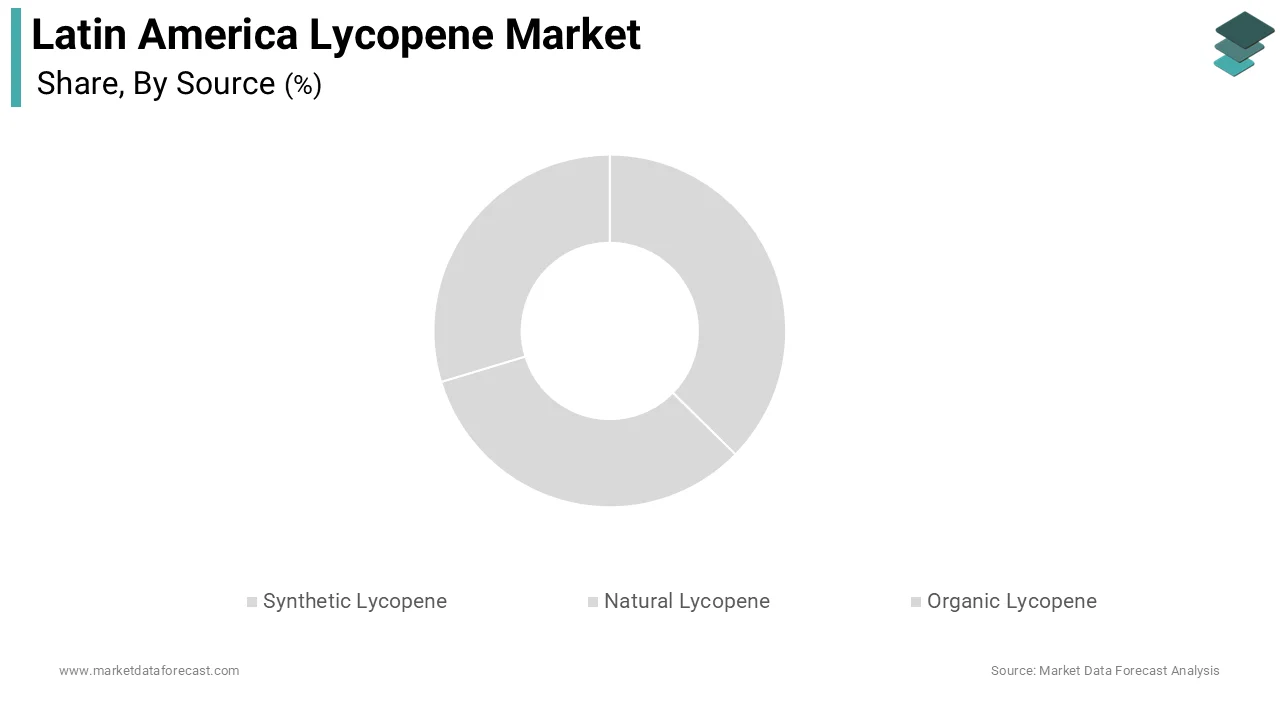
The superior bioavailability and comprehensive health benefits associated with plant extracts firmly establish natural lycopene as the leading source segment. Scientific research consistently demonstrates that natural carotenoids often exhibit better absorption and utilization within the human body compared to their synthetic counterparts due to the presence of synergistic phytochemicals. According to the Brazilian Society of Food Science and Technology, natural lycopene complexes contain minor isomers and associated lipids that enhance cellular uptake and antioxidant efficacy. As per the National Autonomous University of Mexico, clinical studies indicate that natural tomato-derived lycopene provides superior protection against oxidative stress and cardiovascular inflammation compared to isolated synthetic versions. This scientific validation empowers healthcare professionals and nutritionists to confidently recommend natural supplements to their patients. Furthermore, the holistic nutritional profile of natural extracts appeals to the growing demographic of health-conscious individuals seeking comprehensive wellness solutions rather than isolated chemical compounds. The proven clinical efficacy and physiological compatibility of natural sources ensure sustained demand from the pharmaceutical and premium nutraceutical sectors. This undeniable therapeutic advantage cements the dominance of natural lycopene and drives continuous investment in advanced botanical extraction facilities throughout the region.
The organic lycopene segment is anticipated to witness the fastest CAGR of 9.2% between 2026 and 2034 due to the implementation of stringent agricultural regulations and comprehensive certification programs. Governments and agricultural bodies across the region are heavily promoting sustainable farming practices to protect soil health and biodiversity. According to the Inter American Institute for Cooperation on Agriculture, the certified organic agricultural land in Latin America has expanded by over 20 percent in the last five years, reflecting a massive structural shift in farming methodologies. The uncompromising quality assurance attracts premium international buyers and domestic health-conscious consumers who demand absolute purity. The establishment of robust organic supply chains from farm to extraction facility guarantees a consistent supply of high-grade raw materials. The strong institutional support for organic farming directly translates into increased production volumes of certified organic lycopene. This regulatory and agricultural transformation ensures that the organic segment will continue to outpace conventional natural extracts in terms of growth velocity.
The ability to command premium pricing and achieve high profit margins in niche markets significantly accelerates the expansion of the organic lycopene segment. Organic certification allows manufacturers to position their products at the highest tier of the market, appealing to affluent consumers willing to pay significantly more for verified sustainable goods. The substantial price differential provides extraction companies with the financial resources to reinvest in advanced processing technologies and sustainable packaging solutions. Furthermore, the niche nature of the organic market reduces direct price competition with mass market synthetic alternatives, allowing producers to focus on quality and brand storytelling. The high profitability of this segment attracts venture capital and specialized agricultural investments, driving rapid capacity expansion. The lucrative financial dynamics of organic certification guarantee that this segment will experience the most aggressive growth trajectory in the coming decade.
By Form Insights
The powder segment was the largest in the Latin American lycopene market and occupied a significant share in 2025. This supremacy of the segment was attributed to the extended shelf life and superior stability of lycopene powder in dry matrices. Lycopene is highly susceptible to degradation when exposed to light, oxygen, and heat, which can severely diminish its nutritional value and color intensity. Powder formulations effectively mitigate these risks by utilizing advanced drying techniques such as spray drying to create a stable solid matrix that protects the active compound. Patent filings for food technologies outline the development of specialized antioxidant-rich wall materials and coating agents that shield powdered lycopene from oxidation and environmental degradation. This exceptional stability is crucial for manufacturers who require long shelf lives to distribute products across vast geographic regions with varying climate conditions. The ability to guarantee consistent potency throughout the product lifecycle reduces waste and ensures consumer satisfaction. This inherent physical stability makes powder the default choice for a wide array of dry applications,s ensuring its continued market leadership.
The unparalleled versatility of lycopene powder in dry blending and solid dosage manufacturing cements its position as the dominant form segment. Powdered extracts can be seamlessly integrated into a vast range of dry food products, including baked goods, cereals, snacks, and seasoning blends, without altering the texture or moisture content of the final product. As per the Pan American Health Organization, the fortification of staple dry foods with powdered micronutrients is a highly effective strategy to combat hidden hunger and improve public health outcomes. Furthermore, the pharmaceutical and nutraceutical industries rely heavily on powdered lycopene for the compression of tablets and the filling of hard gelatin capsules. The uniform particle size and excellent flowability of modern powdered extracts ensure consistent mixing and accurate dosage in high-speed manufacturing environments. This broad applicability across both food and pharmaceutical solid dosage forms guarantees massive and sustained consumption volumes for the powder segment.
The beadlets segment is likely to experience the fastest CAGR of 8.5% over the forecast period because of the rapid advancement in encapsulation technologies. Beadlets consist of lycopene molecules encased in a protective starch or gelatin matrix, which shields the highly sensitive carotenoid from destructive environmental and processing factors. The protective shell also prevents the interaction of lycopene with other sensitive ingredients in complex formulations, thereby preserving the overall quality of the product. This technological breakthrough solves one of the most significant historical challenges associated with natural colorants. The ability to deliver robust and reliable performance in harsh manufacturing environments makes beadlets highly attractive to food scientists and formulators. This continuous innovation in encapsulation science ensures that the beadlets segment will experience accelerated adoption across demanding industrial applications.
The seamless integration of beadlets into liquid and semi-solid food matrices significantly accelerates their market growth and adoption. Unlike traditional powders, which often clump or float on the surface of liquids, beadlets are engineered to disperse uniformly and remain suspended in beverages, sauces, and dairy products. The excellent dispersibility ensures consistent color and nutritional distribution throughout the entire batch, enhancing the visual appeal and health claims of the final product. Furthermore, beadlets can be easily incorporated into semi-solid applications like margarine spreads and confectionery fillings without affecting the rheological properties of the matrix. This superior handling and formulation flexibility make beadlets the preferred choice for liquid and semi-solid product developers. The expanding portfolio of liquid functional foods guarantees robust and rapid growth for the beadlets segment.
By Application Insights
The dietary supplements segment led the Latin American lycopene market and captured a substantial share in 2025. Factors such as the rising prevalence of chronic diseases and the corresponding shift towards preventive healthcare trends have contributed to the leading position of this segment. Consumers are increasingly proactive about managing their long-term health and utilizing targeted nutraceuticals to mitigate the risk of cardiovascular diseases and certain cancers. According to the Pan American Health Organization, noncommunicable diseases are responsible for nearly 80 percent of all deaths in the region, creating a massive public health imperative for preventive interventions. The growing aging population in countries like Uruguay and Chile is particularly focused on prostate health and cellular protection, further fueling the demand for specialized lycopene capsules and softgels. The strong clinical evidence supporting the efficacy of lycopene in reducing oxidative stress empowers healthcare providers to recommend these supplements confidently. This profound demographic and epidemiological shift ensures that dietary supplements will remain the primary consumption channel for lycopene across the region.
The aggressive marketing strategies and the proliferation of direct-to-consumer sales channels firmly establish dietary supplements as the leading application segment. Nutraceutical companies are investing heavily in digital marketing and electronic commerce platforms to educate consumers about the specific health benefits of lycopene and to facilitate easy purchasing. Social media campaigns highlighting the anti-aging and immune-boosting properties of lycopene resonate strongly with younger demographics who are increasingly investing in preventive wellness routines. The ability to bypass traditional retail barriers and reach niche health-conscious audiences directly allows supplement manufacturers to command premium pricing and achieve higher profit margins. This dynamic and highly effective commercial ecosystem guarantees the continued dominance of the dietary supplements segment in the lycopene market.
The food and beverages segment is on the rise and is expected to be the fastest-growing segment in the market by witnessing a CAGR of 9.8% during the forecast period. In addition, the massive reformulation of mass market food products with natural colorants is propelling the rapid growth of this segment. Major multinational and regional food manufacturers are aggressively phasing out synthetic dyes to align with consumer demand for clean labels and to comply with evolving regulatory warnings. Lycopene provides a vibrant and stable red hue that is highly sought after for sauces, snacks, confectionery, and meat analogues. The ability to replace controversial synthetic ingredients without compromising the visual appeal of the product is a critical competitive advantage for food brands. This industry-wide mandate for clean label reformulation guarantees massive and rapid volume growth for lycopene in the food sector.
The rapid expansion of functional drinks and fortified dairy products significantly accelerates the adoption of lycopene in the food and beverages segment. Beverage manufacturers are increasingly incorporating natural antioxidants into sports drinks, energy waters, and fruit juices to cater to the health-conscious consumer seeking functional benefits beyond basic hydration. The development of specialized water-dispersible lycopene forms has made it technically feasible to fortify clear and semi-clear beverages without causing cloudiness or sedimentation. Furthermore, the rising incidence of metabolic syndromes is driving the formulation of low-sugar functional drinks that rely on natural botanical extracts for health claims. This continuous innovation in the functional beverage and dairy sectors ensures that the food and beverage application will experience the fastest growth in the lycopene market.
REGIONAL ANALYSIS
Brazil Lycopene Market Analysis
Brazil was the top performer in the Latin American lycopene market and accounted for a 42.8% share in 2025. This dominance of the Brazilian market was driven by its massive agricultural output and robust domestic nutraceutical industry. Widespread tomato cultivation characterizes the market status in this country. Furthermore, advanced extraction facilities operate within the region, supplying goods to both local and international markets. According to the Brazilian Institute of Geography and Statistics, Brazil produces approximately 4 million metric tons of tomatoes annually, providing an abundant raw material base for lycopene extraction. As per the Brazilian Association of the Cosmetic Toiletry and Fragrance Industry, the enormous personal care sector heavily utilizes natural botanical extracts for premium skincare formulations, driving significant domestic consumption. The government initiatives promoting the bioeconomy and sustainable agriculture further support the expansion of organic and natural extraction technologies. Furthermore, the high prevalence of cardiovascular diseases among the population fuels the strong demand for preventive dietary supplements. The combination of agricultural superiority, industrial capacity, and strong domestic demand ensures that Brazil remains the undisputed leader in the regional lycopene market.
Mexico Lycopene Market Analysis
Mexico was the next prominent country in the regional market and occupied a 28.2% share in 2025. Its strategic export orientation and strong food processing sector fuel the growth of this market. The market status in this country is heavily influenced by its proximity to the United States and the extensive trade agreements that facilitate the export of high-quality natural ingredients. According to the Mexican Ministry of Agriculture and Rural Development, the country is a top global exporter of fresh tomatoes and processed tomato products, creating a massive supply chain for lycopene recovery from processing byproducts. A study outlines that regional processors are increasing their use of natural colorants to align with consumer preferences for cleaner label ingredients across the regional market. The growing domestic middle class is also increasingly investing in premium health supplements and functional foods. Furthermore, the favorable climate conditions in regions like Sinaloa allow for year-round agricultural production, ensuring a consistent supply of raw materials. This strategic geographic position and strong export infrastructure guarantee that Mexico will remain a critical and rapidly growing hub for lycopene production and trade.
Argentina Lycopene Market Analysis
Argentina occupies a strong position in the regional market due to its advanced pharmaceutical sector and growing organic agriculture movement. The country’s market is showing a highly developed regulatory framework for dietary supplements and a strong emphasis on scientific research and clinical validation. A study outlines that Argentina's domestic demand for functional health products has expanded as consumer awareness of the preventative cellular benefits of carotenoids grows. The National Service of Agri-Food Health and Quality reports that certified organic agricultural land has expanded significantly across Argentina, highlighting the country's growing infrastructure for sustainable crop production. The country is also a major producer of pink guavas and tomatoes in specific northern provinces, offering diverse botanical sources for extraction. Furthermore, the strong academic research institutions continuously publish data on the health benefits of natural antioxidants, supporting the scientific marketing of lycopene products. The combination of a sophisticated pharmaceutical industry and a growing commitment to organic farming ensures that Argentina remains a vital and innovative player in the regional market.
Chile Lycopene Market Analysis
Chile is moving ahead steadfastly in the Latin American lycopene market owing to its strict food labeling laws and advanced agricultural technology. The market status in this country is heavily shaped by the implementation of the front-of-package warning label law, which has profoundly impacted consumer choices and forced manufacturers to reformulate products with natural ingredients. According to the Chilean Ministry of Health, the strict regulations on synthetic additives and high sugar content have accelerated the development of clean-label functional foods and natural colorants. In addition, the Chilean Commission for Nuclear Energy utilizes isotopic and nuclear applications to optimize soil management and ensure rigorous food safety controls across the agricultural sector. The country is also a major exporter of fresh produce to global markets, requiring compliance with the highest international standards for natural ingredients. Furthermore, the growing wellness culture among the urban population drives the consumption of premium dietary supplements and natural cosmetics. The proactive regulatory environment and focus on high-quality exports ensure that Chile remains a dynamic and influential market for lycopene applications.
COMPETITION OVERVIEW
The competition in the Latin American Lycopene Market is characterized by a mix of global chemical giants, specialized botanical extractors, and emerging local producers. Established multinational companies leverage their extensive distribution networks and brand recognition to dominate the supply of both synthetic and natural lycopene. Local players compete by offering cost-effective solutions and leveraging proximity to raw material sources such as tomato and guava farms. Price competition is intense, particularly in the food and beverage sector, where manufacturers seek affordable alternatives to synthetic colorants. Differentiation is achieved through product quality, stability, and certification status, with organic and non-GMO labels commanding premium prices. Strategic alliances with local distributors and formulators are crucial for navigating regulatory complexities and gaining market access. Intellectual property protection around extraction technologies and formulation patents provides a competitive edge for innovators. The market sees continuous efforts to improve supply chain efficiency and reduce production costs to remain competitive against imported alternatives. Customer loyalty is driven by consistent product quality, reliable supply, and technical support services. Collaborative research with academic institutions helps companies stay ahead in developing novel applications and improving bioavailability.
KEY MARKET PLAYERS
Major key Players in the Latin America Lycopene Market include
- BASF
- DSM
- Kagome
- LycoRed
- Tomatia
- Xi'an Lyphar Biotech Corp
- Wellgreen Technology
- Chr Hansen
- Hoffmann-La Roche Ltd
- Koninklijke DSM N.V
- Shaanxi Huike Botanical Development Co., Ltd
- Licofarma S.r.l
- San-Ei Gen
- Dangshan Sinojuice Food
- NBTY
- Bayer AG
Top Strategies Used by Key Market Participants
Key players in the Latin America Lycopene Market primarily focus on strategic partnerships with local agricultural producers to secure a stable and cost-effective supply of high-quality raw materials. Companies invest heavily in advanced extraction technologies such as supercritical fluid extraction to improve product purity and yield while minimizing environmental impact. Market participants prioritize regulatory compliance by navigating complex approval processes in different countries to ensure seamless market entry and product availability. Educational initiatives targeting healthcare professionals and consumers are employed to raise awareness about the health benefits of lycopene and drive demand for natural supplements. Expansion of distribution networks through collaborations with regional distributors enhances market reach and ensures timely delivery to remote areas. Product innovation focuses on developing stable and bioavailable forms like beadlets and emulsions to meet the specific needs of local food and beverage manufacturers. Sustainability certifications are pursued to appeal to environmentally conscious buyers and gain a competitive advantage in premium market segments.
Leading Players in the Latin America Market
- BASF SE operates as a significant global supplier of carotenoids, including lycopene, with a strong distribution network across Latin America. The company provides high-quality synthetic and natural lycopene formulations for use in food, beverages, and animal feed sectors. Recent actions include expanding its technical service centers in Brazil and Mexico to support local manufacturers with formulation expertise and regulatory compliance guidance. BASF actively collaborates with regional agricultural partners to secure sustainable raw material sources for its natural product lines. The company invests heavily in research to develop stable lycopene beadlets that withstand harsh processing conditions common in the region. By offering comprehensive quality assurance and consistent supply reliability, BASF strengthens its reputation as a trusted partner for major food and pharmaceutical companies throughout Latin America.
- LycoRed Ltd is a specialized producer of natural lycopene and other tomato-based phytonutrients with a growing footprint in the Latin American market. The company utilizes proprietary extraction technologies to produce high-purity lycopene from tomatoes grown in optimal climatic conditions. Recent actions involve establishing strategic partnerships with local distributors in Argentina and Chile to enhance market access for its premium natural ingredients. LycoRed focuses on educating regional formulators about the health benefits and stability advantages of its natural lycopene products through technical workshops and seminars. The company also invests in sustainable farming initiatives to ensure a consistent supply of high quality raw materials. By emphasizing scientific validation and clean label attributes, LycoRed positions itself as a leader in the natural nutraceutical and functional food segments across the region.
- Kemin Industries serves as a key provider of specialty ingredients, including natural lycopene, for the food, beverage, and animal nutrition industries in Latin America. The company leverages its extensive global supply chain to deliver consistent and high quality carotenoid products to regional clients. Recent actions include upgrading its application laboratories in São Paulo to better support customers in developing innovative fortified products and functional foods. Kemin actively engages with local regulatory bodies to ensure its products meet all safety and labeling requirements in various Latin American countries. The company also focuses on sustainability by implementing eco friendly extraction processes and supporting responsible agricultural practices. Through its commitment to innovation and customer support, Kemin strengthens its position as a reliable source of natural antioxidants for diverse industrial applications in the region.
MARKET SEGMENTATION
This research report on the Latin American lycopene market has been segmented and sub-segmented based on source, form, application, property, and region.
By Source
- Synthetic Lycopene
- Natural Lycopene
- Organic Lycopene
By Form
- Powder
- Oil Suspension
- Beadlets
- Emulsion
By Application
- Dietary Supplements
- Food & Beverages
- Pharmaceuticals
- Personal Care Products
By Property
- Health Ingredient
- Coloring Agent
By Region
- Brazil
- Argentina
- Mexico
- Rest of Latin America