- Product Description Description
- Table of Contents TOC
- List of Table & Figure LOT
- Get Free Sample PDF Sample PDF
Market Size, 2025
$0.22 BnMarket Estimate, 2026
$0.24 BnMarket Forecast, 2034
$0.56 BnCAGR, 2026–2034
11.25%Executive Summary: Latin America Pen Needles Market
- Market Scope: Analysis of sterile, single-use pen needles for insulin and medication delivery injectors, covering safety variants, delivery modes, and end-user distribution across the region.
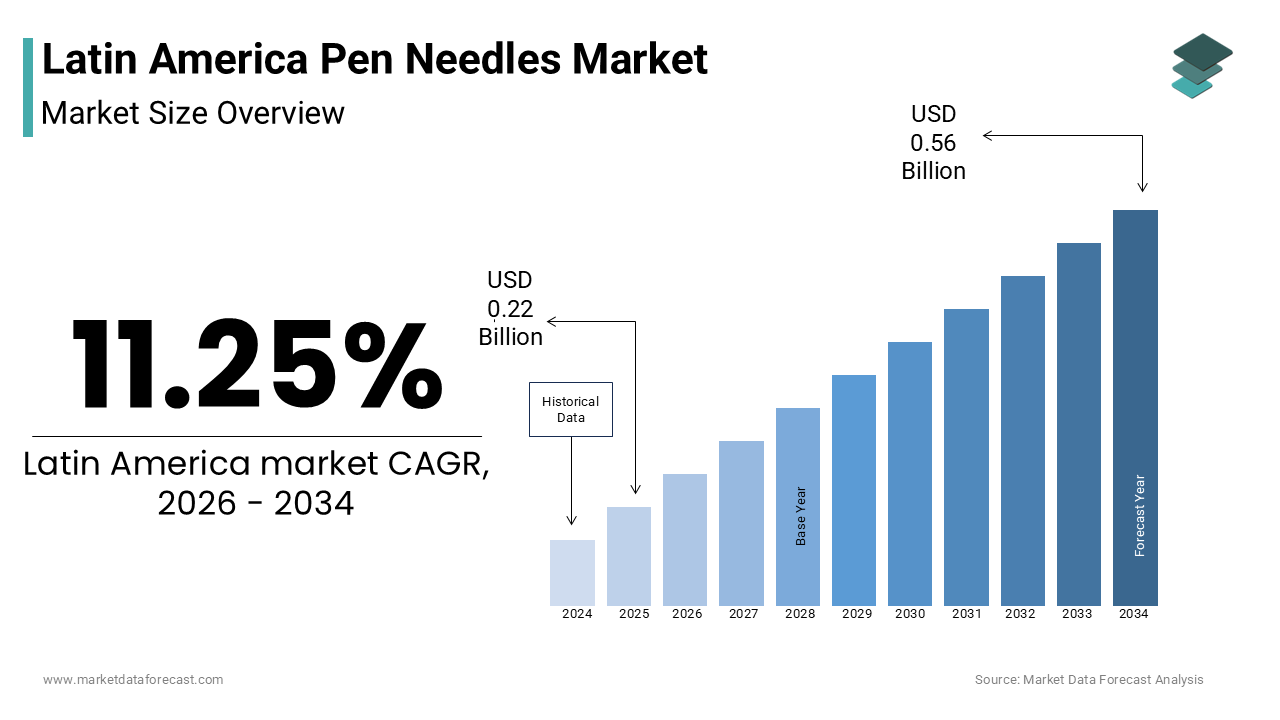
- Market Valuation: Valued at USD 0.22 billion in 2025, reaching USD 0.24 billion in 2026, and projected to hit USD 0.56 billion by 2034, growing at a CAGR of 11.25% (2026–2034).
- Primary Growth Drivers: Rising prevalence of diabetes/chronic diseases, improvements in regional healthcare infrastructure/insurance coverage, and the push for professional safety standards in clinical settings.
Key Market Segment Metrics (2026–2034)
| Category | Leading Segment (2025) | Fastest-Growing Segment |
|---|---|---|
| By Product Type | Safety Needles (Regulatory/Safety demand) | Passive Safety Needles (CAGR 7.2%) |
| By Delivery Mode | Hypodermic (Standard protocol) | Intramuscular (CAGR 6.8%) |
| By End User | Hospitals & Clinics (Primary care centers) | Home Healthcare (CAGR 7.5%) |
Regional Dynamics & Strategic Outlook
Market Challenges: High out-of-pocket costs for patients, regulatory heterogeneity across different countries, and supply chain inefficiencies in remote or landlocked areas.
Strategic Opportunities: Integration of smart insulin pens with digital health apps for adherence tracking, and a shift toward local manufacturing to bypass import tariffs and strengthen supply chain resilience. Key Players: Becton Dickinson, Novo Nordisk, Ypsomed, UltiMed, Allison Medical, Owen Mumford, B. Braun, Artsana, HTL-STREFA, and Terumo Corporation.
Latin America Pen Needles Market Size
The Latin America pen needles market size was valued at USD 0.22 billion in 2025 and is anticipated to reach USD 0.24 billion in 2026 from USD 0.56 billion by 2034, growing at a CAGR of 11.25% during the forecast period from 2026 to 2034.
Pen needles are tiny, single-use, sterile needles that screw onto insulin pens or other medication injectors. This market is characterized by a shift away from traditional syringes toward more convenient and less painful delivery methods driven by the rising prevalence of chronic metabolic disorders. The region faces a unique healthcare landscape where public health systems struggle to meet the growing demand for diabetes management tools while private sectors offer advanced solutions to affluent populations. According to the International Diabetes Federation, approximately 32 million adults in the South and Central America region were living with diabetes in 2021, a figure projected to rise significantly by 2045 due to urbanization and lifestyle changes. In Brazil alone the Ministry of Health reports that diabetes affects over 16 million individuals, creating a substantial base for pen needle consumption. The adoption of pen needles is further influenced by patient education levels and reimbursement policies, which vary widely across countries such as Mexico, Argentina, and Colombia. Regulatory bodies in these nations are increasingly emphasizing patient safety and proper disposal of sharps, which impacts product design and distribution channels. As healthcare infrastructure improves and awareness campaigns gain traction, the transition to pen-based therapy accelerates, requiring a steady supply of high-quality sterile needles. This dynamic environment necessitates a strategic approach to market entry and expansion considering the diverse economic and regulatory frameworks present in Latin America.
MARKET DRIVERS
Rising Prevalence of Diabetes and Chronic Diseases
The escalating burden of diabetes and associated chronic conditions fuels the expansion of the Latin America pen needles market. Lifestyle changes including sedentary behavior and dietary shifts toward processed foods have contributed to a surge in type 2 diabetes cases across the region. As per the World Health Organization, noncommunicable diseases account for nearly 75 percent of all deaths in Latin America, with diabetes being a leading contributor to morbidity and mortality. In Mexico the National Institute of Public Health indicates that diabetes is the second leading cause of death, highlighting the urgent need for effective management tools. Insulin therapy remains a cornerstone of treatment for many patients, particularly those with type 1 diabetes or advanced type 2 diabetes. The convenience and ease of use associated with insulin pens compared to vials and syringes encourage higher adherence to treatment protocols. Consequently, the demand for compatible pen needles rises in tandem with the prescription rates of insulin pens. Governments in countries like Chile and Uruguay are implementing national diabetes programs that include access to insulin delivery devices, further driving volume. The aging population in Southern Cone countries also contributes to this trend, as older adults are more prone to developing insulin-dependent conditions. This demographic and epidemiological shift ensures a sustained and growing requirement for pen needles, making it a vital segment within the broader medical device market.
Expansion of Healthcare Infrastructure and Insurance Coverage
The gradual improvement in healthcare infrastructure and the expansion of insurance coverage in key countries in the region greatly facilitate the adoption of these needles, which further boosts the growth of the Latin America pen needles market. Governments and private insurers are increasingly recognizing the long-term cost benefits of effective diabetes management, which reduces complications such as amputations and kidney failure. As per the Pan American Health Organization, several nations, including Costa Rica and Panama, have strengthened their primary care networks to provide better access to chronic disease medications and supplies. In Brazil the Unified Health System provides free insulin and often includes pen needles in its distribution network, ensuring accessibility for low-income patients. Private health insurance penetration is also rising in urban centers of Colombia and Peru, allowing middle-class patients to afford premium pen needle variants that offer enhanced comfort and safety features. The inclusion of pen needles in reimbursement lists reduces out of pocket expenses for patients thereby encouraging regular usage and replacement. Furthermore, partnerships between international medical device manufacturers and local distributors have improved supply chain efficiency, ensuring consistent availability in pharmacies and hospitals. These structural improvements create a favorable environment for market growth by removing financial and logistical barriers that previously hindered widespread adoption of modern diabetes care technologies.
MARKET RESTRAINTS
High Out-of-Pocket Expenses for Patients
The significant financial burden placed on patients due to high out-of-pocket expenses is a major constraint on the Latin America pen needles market. Despite improvements in public health systems many countries still lack comprehensive coverage for diabetes supplies forcing patients to purchase pen needles independently. As per the World Bank household out of pocket expenditure on health remains high in several Latin American nations often exceeding 30 percent of total health spending. In countries like Argentina and Venezuela economic instability and currency devaluation have drastically reduced the purchasing power of consumers making even basic medical supplies unaffordable for large segments of the population. Pen needles are considered recurring consumables requiring frequent replacement which accumulates substantial costs over time. Many patients resort to reusing needles multiple times to save money which poses serious health risks including infection and lipodystrophy but reflects the severity of the financial constraint. Public procurement processes are often slow and subject to budget cuts leading to intermittent shortages in public clinics. This inconsistency forces patients to seek alternatives in the private market where prices are significantly higher. The lack of standardized pricing regulations for medical devices further exacerbates the issue allowing for wide price disparities across regions. More robust social security nets must first be established. Until then, the high direct cost to patients will continue to limit market penetration and optimal usage rates.
Limited Awareness and Education on Proper Usage
The limited awareness and inadequate education regarding the proper usage and importance of single-use pen needles restrict the growth of the Latin American market. A significant portion of the diabetic population, particularly in rural and underserved areas, lacks access to comprehensive diabetes education programs. As per studies, many patients are unaware of the risks associated with needle reuse, such as increased pain, tissue damage, and potential transmission of bloodborne pathogens. Cultural beliefs and misconceptions about insulin therapy also contribute to poor adherence and improper handling of injection devices. In remote areas of Bolivia and Paraguay, healthcare providers may not have sufficient time or resources to educate every patient on the benefits of using a new needle for each injection. This knowledge gap leads to suboptimal clinical outcomes and reduces the perceived value of purchasing high-quality pen needles. Manufacturers face challenges in promoting premium products when the basic concept of single use is not fully entrenched in patient behavior. Additionally, the lack of structured patient support groups and digital health initiatives limits the dissemination of best practices. Without targeted educational campaigns and stronger engagement from healthcare professionals, the demand for pen needles remains suppressed. Consequently, habitual behaviors continue to prioritize cost-saving over safety and efficacy.
MARKET OPPORTUNITIES
Integration of Digital Health and Smart Pen Technologies
The integration of digital health solutions and smart pen technologies offers a significant opportunity for the Latin America pen needles market. Healthcare systems in the region are modernizing. Smart insulin pens equipped with connectivity features can track dosage timing and injection site rotation providing valuable data for both patients and physicians. As per a study, the adoption of digital health tools is accelerating in urban centers of Brazil and Mexico where smartphone penetration is high. These devices often require specific compatible pen needles creating a bundled demand for high precision accessories. Telemedicine platforms are increasingly being used to manage chronic diseases, allowing doctors to monitor patient adherence remotely and prescribe appropriate supplies. This digital ecosystem encourages the use of standardized and reliable pen needles to ensure accurate data recording and device functionality. Government initiatives in countries like Chile are promoting digital health records, which can streamline the prescription and reimbursement process for diabetes supplies. By aligning pen-needle offerings with smart pen ecosystems, manufacturers can differentiate their products and capture value in the premium segment. Furthermore, digital apps can provide reminders for needle replacement, reinforcing proper usage habits. This technological convergence offers a pathway to enhance patient engagement and improve clinical outcomes while driving sustained demand for specialized pen needles.
Growth in Local Manufacturing and Regional Partnerships
The growth in local manufacturing capabilities and strategic regional partnerships provides a promising avenue for expanding the Latin America pen needles market. Several countries are implementing policies to encourage local production of medical devices to reduce dependence on imports and lower costs. As per the Brazilian Association of Medical Device Industries, there is a growing trend toward domestic manufacturing of disposable medical supplies, including syringes and needles. Local production allows companies to bypass import tariffs and navigate regulatory hurdles more efficiently, resulting in competitive pricing. Partnerships between global leaders and local distributors or manufacturers facilitate technology transfer and capacity building, enhancing the quality of locally produced pen needles. In Mexico, nearshoring trends are attracting investment in medical device manufacturing hubs, which can serve both domestic and export markets. These collaborations enable faster response to market demands and customization of products to suit local preferences. Additionally, regional trade agreements within Mercosur and the Pacific Alliance facilitate the movement of goods, reducing logistical barriers. By establishing a strong local presence companies can build brand loyalty and ensure consistent supply chains. This strategic shift toward localization not only reduces costs but also strengthens the resilience of the healthcare supply chain against global disruptions.
MARKET CHALLENGES
Regulatory Heterogeneity Across Countries
The heterogeneity of regulatory frameworks across countries in the region is a significant challenge to the uniform expansion of the Latin America pen needles market. Each nation has its own regulatory body with distinct requirements for product registration, quality standards, and post-market surveillance. For instance, the National Agency of Drugs, Foods, and Medical Technology in Argentina has different approval timelines and documentation needs compared to the National Health Surveillance Agency in Brazil. As per the Pan American Health Organization, this lack of harmonization increases compliance costs and delays market entry for new products. Manufacturers must navigate complex bureaucratic processes in each country, which requires dedicated regulatory affairs teams and local expertise. Changes in political leadership can also lead to sudden shifts in health policies affecting import licenses and pricing controls. The absence of a unified regional regulatory authority means that companies cannot leverage a single approval for the entire market. This fragmentation complicates supply chain management and strategic planning, forcing firms to adopt country-specific strategies. Furthermore, varying standards for sterility and material safety can create confusion for healthcare providers and patients. Addressing these regulatory disparities requires significant investment in legal and compliance infrastructure, which can be prohibitive for smaller players.
Supply Chain Vulnerabilities and Distribution Inefficiencies
Supply chain vulnerabilities and distribution inefficiencies remain persistent obstacles for the Latin America pen needles market. This is due to geographical and infrastructural constraints. The region’s diverse terrain, ranging from dense urban centers to remote rural areas, complicates the last mile delivery of medical supplies. As per the World Bank, many Latin American countries score lower than global averages in infrastructure quality and customs efficiency. Importing dependencies for raw materials and finished goods exposes the market to global shipping disruptions and currency fluctuations. In countries with limited cold chain infrastructure, maintaining the integrity of sensitive medical devices during transport can be challenging, although pen needles are generally stable. Customs delays at borders, particularly in landlocked countries like Bolivia and Paraguay, can lead to stockouts in pharmacies and hospitals. Additionally, the presence of informal markets and counterfeit products undermines the legitimate supply chain and poses safety risks to patients. Distributors often face difficulties in reaching remote clinics, resulting in uneven access to quality pen needles. Strengthening logistics networks and investing in local warehousing are essential but capital-intensive steps. Healthcare providers and patients alike currently face unreliable supplies. This issue will persist until structural inefficiencies are resolved.
REPORT COVERAGE
| REPORT METRIC | DETAILS |
| Market Size Available | 2025 to 2034 |
| Base Year | 2025 |
| Forecast Period | 2026 to 2034 |
| CAGR | 11.25 % |
| Segments Covered | By Product Type, Delivery Mode, End User, and Region. |
| Various Analyses Covered | Global, Regional & Country Level Analysis, Segment-Level Analysis, DROC, PESTLE Analysis, Porter’s Five Forces Analysis, Competitive Landscape, Analyst Overview of Investment Opportunities |
| Regions Covered | Brazil, Mexico, Argentina, Chile, and the Rest of Latin America. |
| Market Leaders Profiled | Becton Dickinson and Company (U.S.), Novo Nordisk A/S (Denmark), Ypsomed Holding AG (Switzerland), UltiMed, Inc. (U.S.), Allison Medical, Inc. (U.S.), Owen Mumford, Ltd. (U.K.), B. Braun Melsungen (Germany), Artsana S.p.A. (Italy), HTL-STREFA S.A. (Poland), and Terumo Corporation (Japan). |
SEGMENTAL ANALYSIS
By Product Type Insights
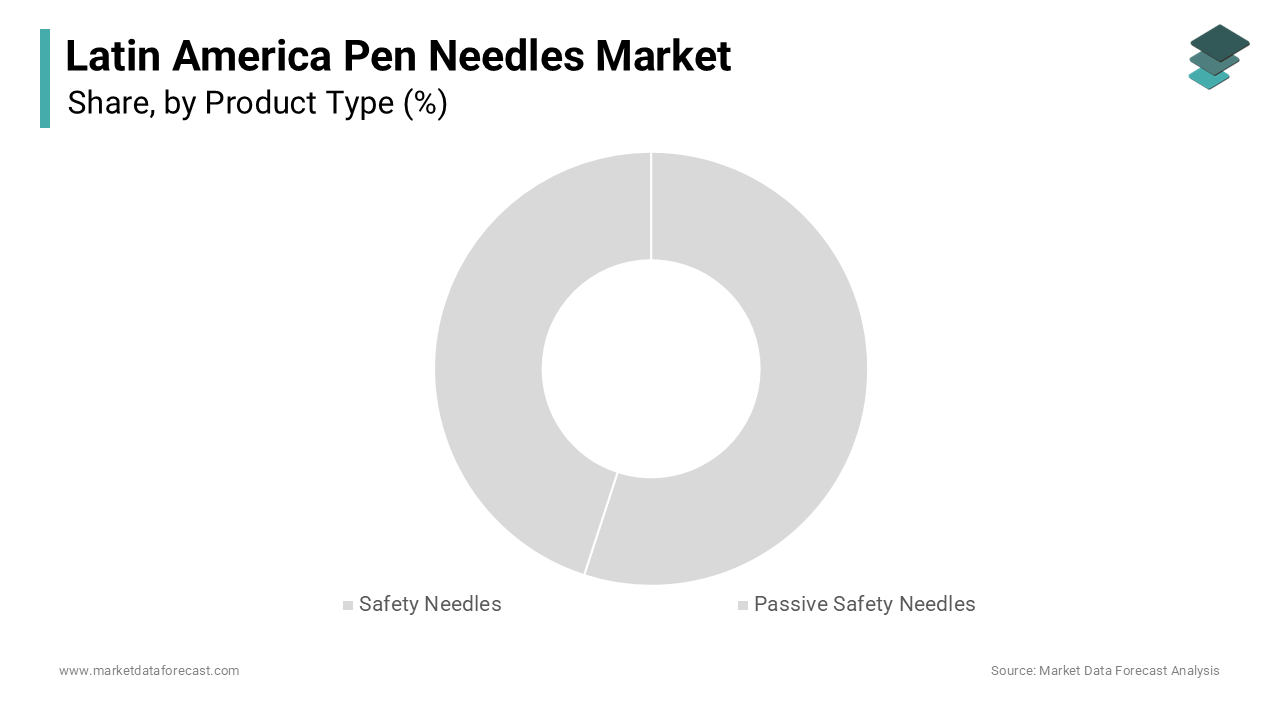
The safety needles segment dominated the Latin America pen needles market and accounted for a substantial share in 2025. This dominance of the segment was driven by its critical role in preventing needlestick injuries and ensuring compliance with occupational health regulations. These devices feature built-in mechanisms that shield the needle after use, significantly reducing the risk of exposure to bloodborne pathogens for healthcare workers and patients.
The implementation of stringent occupational health and safety regulations across Latin American countries is a primary driver for the dominance of safety needles. Governments are increasingly enforcing laws that mandate the use of safety engineered devices in healthcare settings to protect medical personnel from accidental injuries. As per the Pan American Health Organization, needlestick injuries remain a significant occupational hazard in the region, with thousands of cases reported annually, leading to potential transmission of HIV, hepatitis B, and hepatitis C. Hospitals and clinics are compelled to replace conventional needles with safety variants to avoid legal liabilities and ensure worker compensation claims are minimized. This regulatory pressure creates a non-discretionary demand for safety needles as healthcare providers prioritize compliance over cost considerations. The widespread adoption of these regulations in major economies ensures that safety needles remain the preferred choice in institutional settings, thereby driving their market leadership.
The heightened awareness regarding the transmission of bloodborne pathogens among healthcare professionals and patients significantly contributes to the supremacy of safety needles. Educational campaigns and training programs have emphasized the severe consequences of needlestick injuries, leading to a cultural shift toward safer injection practices. As per data from the International Labour Organization, healthcare workers in Latin America face a higher risk of occupational exposure compared to other sectors, prompting unions and professional associations to advocate for safer equipment. In Argentina the Ministry of Health has launched initiatives to improve biosafety standards in public hospitals, which include the procurement of safety pen needles. Patients are also becoming more informed about their rights to safe care and often request the use of safety devices during insulin administration. This demand from both supply and demand sides reinforces the market position of safety needles. Manufacturers respond by offering a wide range of safety features such as automatic retraction and manual shielding, which cater to diverse user preferences. The psychological comfort provided by safety mechanisms encourages consistent usage and reduces anxiety associated with injections. Consequently, the combination of regulatory mandates and heightened safety consciousness solidifies the leading status of safety needles in the regional market.
The passive safety needles segment is estimated to register the fastest CAGR of 7.2% from 2026 to 2034 due to its ease of use and superior protection capabilities, which do not require user activation. The superior ease of use associated with passive safety needles is a key factor driving their rapid adoption in the Latin America market. Unlike active safety devices that require the user to manually engage a shield or clip, passive needles automatically cover the needle upon withdrawal from the skin. This feature eliminates the need for additional steps during the injection process, reducing the cognitive load on patients and healthcare workers. As per the World Health Organization, passive safety devices significantly reduce the incidence of accidental needlesticks because they do not rely on user memory or dexterity to activate the safety mechanism. In home healthcare settings where patients may have limited mobility or visual impairments, passive needles offer a safer and more convenient option. The simplicity of operation encourages higher adherence to single-use protocols as users are less likely to bypass safety features due to complexity. Manufacturers are increasingly focusing on developing passive safety pen needles that are compatible with popular insulin pens in the region. This technological advantage appeals to both institutional buyers seeking to minimize liability and individual users prioritizing convenience. As awareness of these benefits spreads through medical training and patient education, the demand for passive safety needles accelerates, outpacing other product types.
The growing preference for home healthcare solutions among diabetic patients in Latin America significantly fuels the growth of passive safety needles. As the burden of chronic diseases increases, more patients are managing their conditions at home rather than relying solely on hospital visits. As per the International Diabetes Federation, self-management of diabetes is crucial for maintaining quality of life and preventing complications. Passive safety needles align perfectly with this trend, as they provide maximum protection without requiring technical skill to operate. In countries like Chile and Colombia, telemedicine services are expanding, enabling doctors to monitor patients remotely and recommend safe injection practices. The availability of user-friendly passive safety devices empowers patients to administer insulin confidently and safely in domestic environments. Insurance providers are also beginning to cover the cost of these advanced devices, recognizing their role in reducing long-term healthcare costs associated with infections and injuries. The shift toward patient-centric care models further supports the adoption of passive safety needles as they enhance the overall experience of self-injection. This convergence of lifestyle changes and technological innovation positions passive safety needles as the fastest-growing segment in the market.
By Delivery Mode Insights
The hypodermic needles segment led the Latin America pen needles market in 2025 and captured a significant share. This is because they are the standard method for subcutaneous insulin administration. These needles are designed to penetrate the skin and deliver medication into the fatty tissue beneath, which is the recommended route for most insulin therapies.
The establishment of hypodermic needles as the standard protocol for insulin administration fuels their command in the market. Clinical guidelines issued by major health organizations, including the American Diabetes Association, and adopted by Latin American medical societies recommend subcutaneous injection via hypodermic needles for optimal absorption and efficacy of insulin. As per the Ministry of Health in Brazil, national treatment protocols for diabetes explicitly specify the use of short hypodermic needles for pen devices to ensure consistent drug delivery. This standardization ensures that healthcare providers are trained extensively in the use of hypodermic needles, making them the default choice in both public and private sectors. The familiarity of medical staff with this delivery mode reduces the likelihood of errors and enhances patient confidence. Furthermore, the compatibility of hypodermic needles with a wide variety of insulin pens available in the market ensures broad accessibility. Manufacturers focus on optimizing the length and gauge of hypodermic needles to minimize pain and tissue damage, further reinforcing their preference. The entrenched clinical practice and extensive training infrastructure surrounding hypodermic injections create a high barrier to entry for alternative delivery modes thereby sustaining the leading position of this segment.
The wide availability and cost effectiveness of hypodermic needles greatly contribute to their market leadership in Latin America. These needles are mass-produced using established manufacturing processes, which keeps production costs low and ensures steady supply chains across the region. As per sources, hypodermic pen needles are readily available in pharmacies, supermarkets, and online platforms, making them accessible to a large population, including those in rural areas. The affordability of hypodermic needles is crucial in markets where out-of-pocket expenditure is high and insurance coverage is limited. Public health systems in countries like Peru and Ecuador prioritize the procurement of cost-effective supplies to maximize reach within budget constraints. Hypodermic needles offer a balance between performance and price that is difficult for specialized alternatives to match. The economies of scale achieved by major manufacturers allow for competitive pricing, which appeals to both institutional buyers and individual consumers. This economic advantage ensures that hypodermic needles remain the most widely used delivery mode despite the emergence of newer technologies. The consistent supply and affordable pricing structure solidify their dominance in the Latin America pen nibs market.
The intramuscular needles segment is anticipated to witness the fastest CAGR of 6.8% during the forecast period owing to the increasing use of pen devices for administering vaccines and other medications that require deeper tissue penetration.
The expansion of vaccination programs across Latin America is a primary driver for the rapid growth of intramuscular pen needles. Governments and international health organizations are intensifying efforts to improve immunization coverage for diseases such as influenza, hepatitis, and human papillomavirus. According to Pan American Health Organization vaccination standards, mass immunization campaigns utilize auto-disable hypodermic syringes and safety needles to maintain sterilization margins rather than specialized pen-injection devices. Intramuscular needles are essential for delivering these vaccines into the muscle tissue where they elicit a strong immune response. The recent focus on pandemic preparedness has further accelerated the adoption of efficient delivery systems, including pen-based injectors for certain vaccines. In countries like Mexico and Argentina, public health initiatives are incorporating advanced delivery methods to improve uptake rates and reduce administration time. The versatility of pen devices equipped with intramuscular needles allows for rapid deployment in various settings, including schools, workplaces, and community centers. This strategic shift toward more efficient vaccination logistics drives the demand for specialized intramuscular pen needles. As vaccination schedules expand to include new formulations, the requirement for reliable intramuscular delivery tools continues to rise, fueling segment growth.
The emerging applications of pen devices in hormone therapy are significantly contributing to the growth of the intramuscular needle segment. Treatments for conditions such as growth hormone deficiency and testosterone replacement increasingly utilize pen injectors for patient convenience and precise dosing. As per endocrinology guidelines in Chile and Colombia, intramuscular administration is preferred for certain hormonal medications to ensure optimal bioavailability. The development of long-acting hormone formulations compatible with pen devices has created a new demand for longer intramuscular needles. Patients benefit from the ability to self-administer these treatments at home, reducing the frequency of clinic visits. Pharmaceutical companies are launching new hormone therapies packaged with dedicated pen devices that require specific intramuscular needles. This product innovation expands the utility of pen needles beyond diabetes care into other therapeutic areas. The growing awareness of hormone health and the availability of advanced treatment options drive the adoption of these specialized needles. As the market for hormone therapies expands, the corresponding demand for intramuscular pen needles grows rapidly, positioning it as the fastest-growing segment in the delivery mode category.
By End User Insights
In 2025, the hospitals and clinics segment held the majority share of the Latin America pen needles market because of its role as primary centers for diabetes management and acute care. These institutions handle a high volume of patients requiring insulin therapy and other injectable medications.
The high volume of patients treated in hospitals and clinics drives their dominance in the pen-needle market. These facilities serve as the main point of contact for individuals diagnosed with diabetes, particularly in the initial stages of treatment where education and stabilization occur. As per the World Health Organization, a significant proportion of diabetes consultations in Latin America take place in public hospitals and private clinics, creating substantial demand for disposable injection supplies. Institutional procurement processes allow for bulk purchasing of pen needles, ensuring consistent supply and lower unit costs. Hospitals in major cities like Sao Paulo and Buenos Aires operate large endocrinology departments that consume vast quantities of pen needles daily. The centralized nature of hospital supply chains facilitates the adoption of standardized products, including safety needles mandated by internal policies. Additionally, clinics often provide injection services for patients who are unable to self-administer, further increasing usage. The reliance of these institutions on reliable and compliant suppliers ensures steady revenue streams for manufacturers. The scale of operations in hospitals and clinics makes them the most significant contributors to market volume, establishing their leading position in the end-user segment.
Strict adherence to regulatory compliance and safety standards within hospitals and clinics significantly reinforces their leadership in the market. Healthcare facilities are subject to rigorous inspections and accreditation requirements that mandate the use of safe and sterile medical devices. As per research, hospitals must maintain detailed records of medical waste and sharps disposal, which favors the use of safety pen needles. The institutional setting provides a controlled environment where proper injection techniques and disposal protocols are enforced, reducing the risk of accidents. Training programs for nursing staff emphasize the importance of using approved pen needles to prevent complications and ensure patient safety. Hospitals often partner with reputable manufacturers to secure high-quality products that meet international standards. This commitment to quality and compliance drives the preference for branded pen needles over generic alternatives. The institutional focus on risk management and legal liability further cements the role of hospitals and clinics as the primary users of advanced pen-needle technologies. Their adherence to best practices sets the standard for the broader market, influencing adoption trends in other segments.
The home healthcare segment is likely to experience the fastest CAGR of 7.5% between 2026 and 2034. This rapid growth of the segment is fueled by the shift toward patient-centered care and the increasing prevalence of chronic diseases managed outside hospital settings.
The rising trend of self-management among diabetic patients is the main factor for the rapid growth of the home healthcare segment. Patients are increasingly empowered to manage their own insulin therapy at home, reducing the burden on healthcare facilities and improving quality of life. As per the International Diabetes Federation, self-monitoring and self-injection are critical components of effective diabetes care, leading to better glycemic control. The availability of user-friendly pen devices and simple pen needles enables patients to administer doses accurately and safely in domestic environments. Educational initiatives by healthcare providers and patient support groups reinforce the skills needed for home injection. In countries like Brazil and Mexico, the expansion of home care services includes the provision of supplies such as pen needles directly to patients. This convenience reduces travel time and costs associated with frequent clinic visits. The psychological benefit of managing one’s own health also encourages adherence to treatment protocols. As more patients transition to home-based care, the demand for pen needles purchased through retail and online channels increases significantly. This shift in care delivery models drives the robust growth of the home healthcare segment.
The expansion of retail and e-commerce channels significantly facilitates the growth of the home healthcare segment by improving access to pen needles. Patients can now easily purchase pen needles from pharmacies, supermarkets, and online platforms without the need for a hospital visit. As per a study, e-commerce sales of medical supplies in Latin America have surged in recent years, driven by increased internet penetration and digital literacy. Online retailers offer a wide variety of pen needle brands and types, allowing patients to choose products that best suit their needs and budget. Subscription services for regular delivery of supplies further enhance convenience and ensure uninterrupted treatment. In urban areas of Chile and Argentina, quick commerce apps enable rapid delivery of pen needles within hours, meeting immediate needs. The availability of detailed product information and customer reviews online helps patients make informed decisions. This accessibility removes barriers to acquisition and encourages consistent usage. The seamless integration of digital retail with home healthcare needs positions this segment for sustained rapid growth in the coming years.
COUNTRY ANALYSIS
Brazil Pen Needles Market Analysis
Brazil was the top performer in the Latin America pen needles market and accounted for a substantial share in 2025. This prominence of the segment was driven by its large population and high prevalence of diabetes. The country has a robust public health system known as the Unified Health System, which provides free insulin and related supplies to millions of patients. According to the International Diabetes Federation, Brazil's adult diabetic population is approximately 16.6 million, driving substantial volume requirements for injection accessories. The government’s commitment to universal access ensures that even low-income populations have access to basic injection supplies. However, there is a growing trend toward premium safety needles in the private sector, where patients seek greater comfort and convenience. Local manufacturing capabilities are strengthening with companies producing disposable medical devices domestically to reduce costs. The regulatory environment is strict, with the National Health Surveillance Agency enforcing high standards for product quality and safety. Urban centers like São Paulo and Rio de Janeiro are hubs for medical device distribution, facilitating wide availability. The combination of public provision and private consumption drives the market, making Brazil the dominant player in the region. Continued investment in healthcare infrastructure and diabetes awareness programs supports sustained growth.
Mexico Pen Needles Market Analysis
Mexico is a rapidly growing player in the Latin America pen needles market because of a mixed healthcare system and rising diabetes rates. The country faces a severe diabetes epidemic, with the National Institute of Public Health reporting it as a leading cause of death. As per sources, millions of Mexicans rely on insulin therapy, driving consistent demand for pen needles. The private healthcare sector is well developed, catering to middle and upper-class patients who prefer advanced safety and comfort features. Public institutions such as the Mexican Social Security Institute also procure large volumes of pen needles for their beneficiaries. Nearshoring trends are attracting medical device manufacturers to establish production facilities in Mexico, improving supply chain efficiency. Regulatory approval processes are streamlined compared to some neighbors', facilitating faster market entry for new products. The proximity to the United States allows for easy access to innovative technologies and best practices. Consumer awareness is increasing through public health campaigns encouraging proper injection techniques. These factors position Mexico as a key growth engine in the regional market with strong potential for expansion in both public and private segments.
Argentina Pen Needles Market Analysis
Argentina holds a notable position in the Latin America Pen Needles Market, supported by a highly educated population and advanced healthcare infrastructure. The country has a strong tradition of medical excellence with many specialists advocating for modern diabetes management techniques. As per the Argentine Diabetes Society, the prevalence of diabetes is high, prompting widespread use of insulin pens and associated needles. The private insurance sector plays a crucial role in covering the cost of premium pen needles, including safety variants. Economic challenges such as inflation and currency fluctuation impact purchasing power, but the demand for essential medical supplies remains resilient. Local distributors maintain strong relationships with international manufacturers, ensuring a steady supply despite macroeconomic volatility. The regulatory framework under the National Administration of Drugs, Foods, and Medical Technology is rigorous, ensuring high-quality standards. Patients in urban areas like Buenos Aires are increasingly adopting home healthcare models, driving retail sales. The focus on quality of life and patient autonomy supports the adoption of advanced pen needle technologies. Argentina’s sophisticated healthcare market continues to drive demand for innovative and safe injection solutions.
Chile Pen Needles Market Analysis
Chile is a mature player in the regional market due to high healthcare spending and strong public health programs. The country has one of the highest per capita health expenditures in the region, enabling better access to advanced medical devices. As per the Ministry of Health, Chile has implemented comprehensive diabetes care guidelines that promote the use of insulin pens and safety needles. The public system covers a significant portion of the population, while private insurers offer additional benefits for premium products. The regulatory environment is stable and transparent, facilitating smooth market operations for international companies. Chilean patients are highly health conscious and willing to invest in products that offer greater comfort and safety. The adoption of digital health tools is growing, supporting remote monitoring and supply management. Distribution networks are efficient, ensuring wide availability even in remote regions. The emphasis on preventive care and chronic disease management sustains steady demand for pen needles. Chile’s stable economic and political environment makes it an attractive market for long-term investment and growth in the medical device sector.
COMPETITIVE LANDSCAPE
The competitive landscape of the Latin America Pen Needles Market is characterized by the presence of global medical device leaders alongside regional distributors who collectively drive innovation and accessibility. Multinational corporations leverage their extensive product portfolios and technological expertise to dominate the premium segment particularly in countries with advanced healthcare infrastructure like Brazil and Chile. These global players compete intensely on the basis of product safety needle gauge and patient comfort features. Meanwhile local distributors play a crucial role in penetrating remote and underserved areas by offering cost effective solutions and navigating complex import regulations. The market witnesses frequent strategic collaborations between manufacturers and public health institutions to facilitate large scale procurement and improve diabetes management outcomes. Competition is further intensified by the entry of new participants offering specialized safety needles and eco friendly options. Price sensitivity remains a significant factor in lower income economies prompting companies to develop tiered product offerings. The absence of a single dominant player across all sub regions creates a fragmented yet dynamic environment where continuous innovation and strategic localization are essential for sustaining competitive advantage and meeting the diverse needs of the diabetic population.
KEY MARKET PLAYERS
Some of the notable companies dominating the Latin America Pen Needles include
- Becton Dickinson and Company (U.S.)
- Novo Nordisk A/S (Denmark)
- Ypsomed Holding AG (Switzerland)
- UltiMed, Inc. (U.S.)
- Allison Medical, Inc. (U.S.)
- Owen Mumford, Ltd. (U.K.)
- B. Braun Melsungen (Germany)
- Artsana S.p.A. (Italy)
- HTL-STREFA S.A. (Poland)
- Terumo Corporation (Japan)
Top Players in the Latin America Pen Needles Market
Becton Dickinson and Company
Becton Dickinson and Company maintains a strong presence in the Latin America pen needles market through its extensive portfolio of safety engineered devices. The company focuses on providing high quality ultra fine needles that minimize pain and improve patient adherence to insulin therapy. Recently Becton Dickinson expanded its distribution network in Brazil and Mexico to enhance accessibility for public health systems and private clinics. The company actively engages in educational programs for healthcare professionals to promote proper injection techniques and safety standards. By introducing advanced passive safety mechanisms BD addresses regulatory requirements and reduces needlestick injuries. Their commitment to innovation and local partnerships strengthens their reputation as a trusted provider of diabetes care solutions across the region.
Novo Nordisk A/S
Novo Nordisk A/S contributes significantly to the Latin America pen needles market by integrating needle supply with its leading insulin pen devices. The company ensures compatibility and ease of use for patients managing diabetes through bundled offerings and comprehensive support services. Novo Nordisk recently launched initiatives in Argentina and Chile to improve access to affordable pen needles for low income populations. The company collaborates with local governments to include pen needles in national reimbursement lists thereby reducing out of pocket costs. By focusing on patient centric design and sustainable manufacturing practices Novo Nordisk enhances brand loyalty. Their strategic emphasis on education and digital health tools further solidifies their position as a key player in the regional diabetes care ecosystem.
Ypsomed AG
Ypsomed AG serves the Latin America pen needles market with a focus on premium quality and innovative safety features. The company offers a wide range of pen needles designed for comfort and precision catering to both home users and clinical settings. Ypsomed recently strengthened its market position by partnering with local distributors in Colombia and Peru to expand product availability. The company invests in research and development to create thinner and shorter needles that reduce tissue trauma and improve insulin absorption. Ypsomed also prioritizes environmental sustainability by developing eco friendly packaging solutions. Through targeted marketing and strong relationships with endocrinologists Ypsomed builds trust among healthcare providers and patients ensuring steady growth in the competitive Latin American landscape.
Top Strategies Used by Key Market Participants
Key players in the Latin America Pen Needles Market primarily employ strategic partnerships and localized distribution networks to strengthen their market presence. Companies frequently collaborate with regional governments and healthcare providers to align their offerings with national health priorities and reimbursement policies. Product innovation remains a central strategy with firms introducing ultra thin and safety engineered needles to enhance patient comfort and compliance. Manufacturers also focus on expanding their educational initiatives by training healthcare professionals and patients on proper injection techniques and device usage. Additionally companies are adopting competitive pricing models and bulk procurement agreements to penetrate public health systems and increase accessibility. These multifaceted strategies enable market participants to navigate regulatory complexities and economic challenges while capturing growth opportunities in this emerging region.
MARKET SEGMENTATION
This research report on Latin America Pen Needles Market has been segmented and sub-segmented into the following categories.
By Product Type
- Safety Needles
- Passive Safety Needles
By Delivery Mode
- Hypodermic Needles
- Intramuscular Needles
By End User
- Hospitals and Clinics
- Home Healthcare
By Country
- Brazil
- Argentina
- Chile
- Rest of Latin America