- Product Description Description
- Table of Contents TOC
- List of Table & Figure LOT
- Get Free Sample PDF Sample PDF
Market Size, 2025
$1706.94 MnMarket Estimate, 2026
$4331.15 MnMarket Forecast, 2034
$1893.00 MnCAGR, 2026–2034
10.9%Latin America Stem Cell Market Report Summary
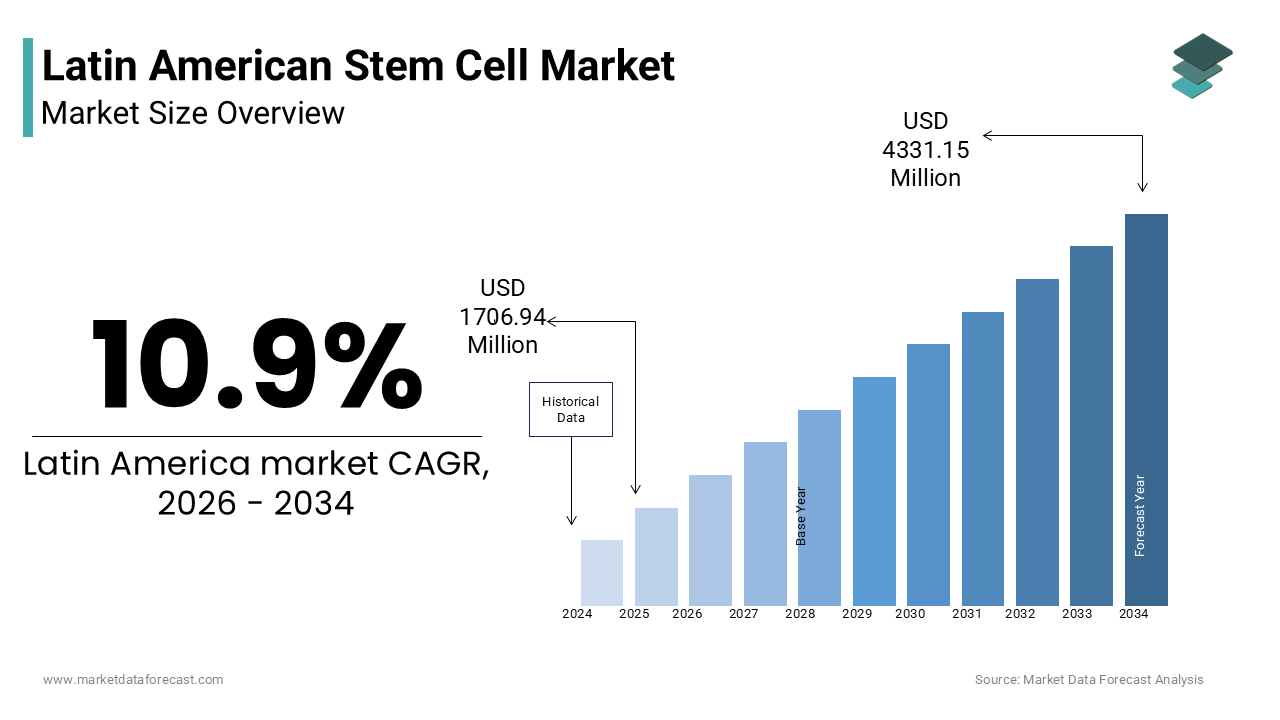
The Latin America stem cell market was valued at USD 1,706.94 million in 2025 and is anticipated to reach USD 1,893.00 million in 2026 from USD 4,331.15 million by 2034, growing at a CAGR of 10.9% during the forecast period from 2026 to 2034. The growth of the Latin America stem cell market is driven by the rising prevalence of chronic and degenerative diseases, increasing investments in regenerative medicine research, and expanding clinical applications of stem cell therapies. Growing government support for biotechnology research, increasing adoption of hematopoietic stem cell transplantation, and expanding stem cell banking services are further accelerating market growth. Moreover, advancements in cell processing technologies, rising medical tourism for regenerative therapies, and increasing collaborations between academic institutions and biotechnology companies are supporting the expansion of the Latin America stem cell market.
Key Market Trends
-
Rising adoption of regenerative medicine for the treatment of chronic and degenerative diseases.
-
Increasing expansion of private and public stem cell banking services across Latin America.
-
Growing investments in biotechnology research and Good Manufacturing Practice (GMP)-compliant stem cell production facilities.
-
Rising medical tourism for affordable regenerative therapies in countries such as Mexico and Brazil.
-
Increasing collaborations between academic institutions, biotechnology companies, and healthcare providers to accelerate stem cell research and commercialization.
Segmental Insights
- Based on treatment mode, the autologous stem cell therapy segment dominated the Latin America stem cell market in 2025. The dominance of the segment is attributed to its lower risk of immune rejection, established clinical acceptance, widespread use in hematopoietic stem cell transplantation, favorable regulatory support, and increasing preference for patient-derived stem cell therapies in oncology and regenerative medicine.
- Based on application, the musculoskeletal disorders segment dominated the Latin America stem cell market in 2025. The growth of the segment is driven by the high prevalence of osteoarthritis, sports injuries, and chronic joint disorders, increasing demand for minimally invasive regenerative therapies, expanding use of mesenchymal stem cells for cartilage repair, and growing patient preference for alternatives to joint replacement surgery.
- Based on cell source, the bone marrow-derived mesenchymal stem cells segment dominated the Latin America stem cell market in 2025. The dominance of the segment is attributed to its long-standing clinical use, proven efficacy in hematopoietic transplantation, widespread physician expertise, established regulatory frameworks, and broad therapeutic applications in hematology and regenerative medicine.
- Based on end user, the hospitals segment dominated the Latin America stem cell market in 2025. The dominance of the segment is attributed to advanced healthcare infrastructure, specialized transplantation facilities, multidisciplinary clinical teams, government funding for regenerative medicine programs, and the ability to perform complex stem cell transplantation procedures under highly controlled clinical environments.
Regional Insights
- Brazil dominated the Latin America stem cell market and accounted for 45.3% of the regional market share in 2025. The country's leadership is driven by advanced healthcare infrastructure, strong regenerative medicine research ecosystem, expanding hematopoietic stem cell transplantation programs, increasing government investments in biotechnology, and well-established regulatory frameworks supporting stem cell therapies.
- Mexico held the second-largest share of the Latin America stem cell market in 2025 owing to its thriving medical tourism industry, expanding biotechnology sector, growing adoption of regenerative therapies, increasing private healthcare investments, and strengthening regulatory oversight for stem cell treatments.
- Argentina continues to maintain a significant position in the regional market due to its highly skilled medical workforce, advanced biomedical research capabilities, strong transplantation infrastructure, expanding clinical research programs, and increasing adoption of innovative stem cell therapies for hematological and neurological disorders.
- Chile is witnessing steady growth supported by its stable healthcare system, strong regulatory oversight, increasing investments in advanced regenerative medicine, expanding stem cell transplantation programs, and growing collaborations with international research organizations.
- The Rest of Latin America is expected to experience notable growth during the forecast period owing to improving healthcare infrastructure, increasing awareness of regenerative medicine, expanding stem cell banking services, growing investments in biotechnology research, and rising demand for advanced therapies for chronic diseases across emerging healthcare markets.
Competitive Landscape
The Latin America stem cell market is highly competitive and characterized by the presence of biotechnology companies, public stem cell banks, private healthcare providers, and specialized regenerative medicine clinics competing through technological innovation, advanced cell processing capabilities, strategic collaborations, and expanding clinical research. Leading companies are focusing on strengthening stem cell banking services, expanding regenerative therapy portfolios, investing in advanced cryopreservation technologies, enhancing physician education programs, and establishing partnerships with hospitals and research institutions. Continuous investments in research and development, regulatory compliance, and quality assurance continue to strengthen competitive positioning across the Latin America stem cell market.The prominent players operating in the Latin America stem cell market include Athersys, StemCells Inc., Cryo-Cell International, Geron Corporation, Mesoblast Ltd., Aastrom Biosciences Inc., Celgene Corporation, Invitrogen, and Cytori Therapeutics Inc.
Latin American Stem Cell Market Size
The Latin American stem cell market size was valued at USD 1706.94 million in 2025. The Latin American Stem Cell Market size is estimated to be growing at a CAGR of 10.9% during the forecast period. The market size is predicted to be worth USD 4331.15 million by 2034 from USD 1893.00 million in 2026.
Stem cells are the body's master cells. They are unspecialized cells capable of dividing indefinitely and transforming into specific, functional cell types like brain, heart, or muscle tissue. Functioning as a built-in repair system, they play a critical role in tissue regeneration and combating disease. This market includes hematopoietic stem cell transplantation mesenchymal stem cell therapies and emerging induced pluripotent stem cell technologies aimed at treating degenerative diseases and injuries. The region is witnessing a gradual shift from experimental protocols to standardized clinical practices driven by increasing prevalence of chronic conditions. According to data published by the Pan American Health Organization (PAHO), chronic non-communicable diseases account for 65% of all deaths in the Americas. The World Health Organization states that cardiovascular diseases and diabetes are leading causes of morbidity in countries like Brazil and Mexico which drives interest in regenerative solutions. Moreover, the Brazilian Society of Bone Marrow Transplantation and Cellular Therapy (SBTMO) shows that annual registered hematopoietic cell transplants in Brazil have grown to nearly 2,000 procedures. Regulatory bodies such as the National Health Surveillance Agency in Brazil and the Federal Commission for the Protection against Sanitary Risk in Mexico have developed frameworks to oversee cell based therapies ensuring safety and efficacy. The growing investment in biotechnology parks and academic collaborations further supports market expansion. Despite these advancements the market remains fragmented with varying levels of regulatory maturity across different nations. The integration of stem cell banking services also contributes to market growth as individuals seek to preserve biological resources for future medical needs.
MARKET DRIVERS
Rising Prevalence of Chronic Degenerative Diseases
The escalating burden of chronic degenerative diseases drives the growth of the Latin America stem cell market. The International Diabetes Federation (IDF) highlights that roughly 32 million adults live with diabetes across Latin America, generating an escalating clinical demand for innovative regenerative interventions. Stem cell therapy offers potential regeneration of pancreatic beta cells providing hope for patients who do not respond to conventional treatments. The high regional burden of chronic heart failure has catalyzed widespread academic interest and private clinical trials exploring mesenchymal stem cells (MSCs) for myocardial repair. Clinical trials conducted in Argentina and Chile have demonstrated improved left ventricular function in patients receiving stem cell injections after myocardial infarction. The high incidence of osteoarthritis among the elderly population further drives demand for orthopedic applications where stem cells aid in cartilage regeneration. Public health systems are increasingly recognizing the cost effectiveness of curative regenerative therapies compared to lifelong palliative care. This shift in healthcare strategy encourages government funding for clinical research and infrastructure development. Patient advocacy groups actively promote awareness of regenerative options accelerating enrollment in clinical trials. The demographic transition toward an older population ensures sustained demand for therapies that address age related tissue deterioration. Consequently the urgent need for effective treatments for these pervasive conditions propels the stem cell market forward.
Advancements in Regenerative Medicine Research and Infrastructure
Significant progress in regenerative medicine research and the establishment of specialized infrastructure are key factors fueling the expansion of the Latin America stem cell market. Regional science ministries and public funding agencies have invested heavily in medical biotechnology hubs to bridge academic regenerative research with clinical manufacturing sectors. Brazil hosts the largest number of stem cell research centers in the region with institutions like the Butantan Institute leading innovative studies on cell therapy for neurological disorders. Mexico's National Council (CONAHCYT) showcase an upward trajectory in regenerative medicine research, reflecting an expanding domestic scientific infrastructure. These advancements attract international partnerships and funding enhancing local capabilities. The development of Good Manufacturing Practice compliant facilities ensures that cell products meet quality standards required for clinical use. Training programs for specialists in cell processing and transplantation have expanded the skilled workforce necessary for safe administration. Regulatory harmonization efforts through organizations like the Pan American Health Organization help standardize protocols across borders facilitating multi center trials. The availability of advanced imaging and monitoring technologies allows for precise tracking of cell engraftment and efficacy. These technological and infrastructural improvements build confidence among clinicians and patients alike. As research translates into commercial therapies the market benefits from a steady pipeline of validated treatments. This ecosystem of innovation sustains long term growth and competitiveness in the global regenerative medicine landscape.
MARKET RESTRAINTS
Stringent Regulatory Hurdles and Approval Delays
Complex and varying regulatory frameworks across the countries in the region are significant restraints on the Latin America stem cell market. These frameworks delay product approvals and commercialization. According to the Pan American Health Organization each nation has distinct requirements for clinical trial authorization and cell therapy licensing creating a fragmented landscape for developers. In Brazil the National Health Surveillance Agency requires rigorous Phase III trials which can take several years to complete due to bureaucratic processes. The strict evaluation protocols enforced by Argentina's National Administration of Drugs, Food, and Medical Technology (ANMAT) necessitate comprehensive clinical documentation, which frequently extends the commercial timeline for advanced therapies. This uncertainty discourages foreign investment and limits the entry of novel therapies into the region. Small biotech firms often lack the resources to navigate these complex regulatory pathways leading to project abandonment. The lack of harmonized standards means that data generated in one country may not be accepted in another necessitating redundant studies. Ethical concerns regarding embryonic stem cell use also lead to restrictive policies in certain jurisdictions limiting the scope of research. Physicians face legal ambiguities when offering off label stem cell treatments risking sanctions. These regulatory barriers increase development costs and time to market reducing the attractiveness of the region for global players. Until streamlined and unified regulations are implemented the market will struggle to reach its full potential.
High Treatment Costs and Limited Reimbursement Coverage
The prohibitive cost of stem cell therapies and the lack of comprehensive reimbursement coverage are limiting patient access in the region, which hampers the expansion of the Latin America stem cell market. According to the Economic Commission for Latin America and the Caribbean out of pocket expenditure accounts for a significant portion of healthcare spending in many countries making expensive regenerative treatments inaccessible to the majority. A single hematopoietic stem cell transplant can cost between 30000 and 50000 dollars which is beyond the reach of most households without insurance support. Data from the Brazilian Unified Health System shows that while some procedures are covered waitlists are long and capacity is limited excluding many patients. Private insurers often exclude experimental or investigational stem cell therapies from their policies citing insufficient evidence of long term efficacy. This financial barrier restricts the market to affluent segments or those participating in sponsored clinical trials. Public health budgets are strained by competing priorities such as infectious disease control leaving little room for high cost regenerative medicine. The absence of standardized pricing mechanisms leads to wide variations in treatment costs across providers. Patients may resort to unregulated clinics offering cheaper but potentially unsafe alternatives. Without sustainable financing models and broader insurance coverage the adoption of legitimate stem cell therapies will remain low. This economic constraint stifles market growth and perpetuates health inequities.
MARKET OPPORTUNITIES
Expansion of Stem Cell Banking Services
The growing interest in preserving biological materials for future medical use offers a significant opportunity for the expansion of stem cell banking services in the region, which is likely to boost the development of the Latin America market. Companies offering private banking services are expanding their presence in urban centers across Brazil Mexico and Colombia catering to middle and upper income families. Sources reveal that cumulative public and private storage sites across Latin American countries house tens of thousands of viable umbilical cord blood units for transplant applications. Public banking initiatives supported by governments also create opportunities for collaboration with private entities to enhance inventory diversity. Advances in cryopreservation technology improve cell viability and storage duration making banking more reliable. Marketing campaigns educating expectant mothers about the benefits of stem cell preservation drive consumer engagement. Partnerships with hospitals and obstetricians facilitate seamless collection processes. The potential for using banked cells in emerging therapies such as regenerative cardiology and neurology adds value to these services. As awareness grows and costs decrease stem cell banking is poised to become a standard component of prenatal care. This segment offers recurring revenue streams and builds a foundation for future therapeutic applications.
Growth in Medical Tourism for Regenerative Therapies
The region is emerging as a medical tourism destination focused on regenerative medicine, which is creating a lucrative growth area in the Latin America stem cell market. According to the International Medical Travel Journal patients from North America and Europe seek affordable and accessible stem cell treatments in countries like Mexico Panama and Costa Rica. These destinations offer procedures at a fraction of the cost incurred in developed nations while maintaining high standards of care in accredited facilities. Studies indicate that alternative orthopedic and autoimmune cellular therapies constitute an expanding segment of inbound international medical travel to Mexico. Clinics specialize in mesenchymal stem cell therapies for joint pain and anti aging attracting wellness tourists. The favorable climate and hospitality infrastructure enhance the patient experience encouraging longer stays and additional spending. Regulatory environments in some countries are more flexible allowing for faster access to innovative therapies not yet approved elsewhere. Marketing efforts targeting international patients highlight success stories and expert physicians. Collaborations with travel agencies and insurance brokers streamline the logistics for foreign visitors. This influx of international patients generates revenue that supports local research and infrastructure development. Global demand for regenerative solutions is rising. As a result, Latin America is well positioned to capture a significant share of this growing market segment.
MARKET CHALLENGES
Ethical Concerns and Public Misconceptions
Ethical controversies surrounding the source of these cells and widespread public misconceptions are significant challenges to the Latin America stem cell market. According to the Pontifical Academy for Life religious and cultural beliefs in predominantly Catholic regions influence public opinion and policy regarding embryonic stem cell research. Studies show that public moral and religious objections regarding human blastocyst processing restrict political support for state-funded embryonic research. This sentiment creates a hostile environment for scientists working in this field leading to funding cuts and restrictive legislation. Furthermore the proliferation of unproven stem cell clinics exploits patient desperation promoting ineffective or dangerous treatments. The Pan American Health Organization highlight cases of adverse events resulting from unregulated injections causing public distrust in legitimate therapies. Media sensationalism often blurs the line between scientific breakthroughs and fraudulent claims confusing consumers. Lack of scientific literacy among the general population makes it difficult to communicate the true potential and limitations of stem cell medicine. Healthcare providers face ethical dilemmas when recommending therapies with uncertain outcomes. Addressing these challenges requires robust public education campaigns and transparent communication from the scientific community. The market will face continued resistance and skepticism without resolving ethical debates. To overcome this, the market must actively combat misinformation.
Shortage of Skilled Professionals and Technical Expertise
A critical shortage of trained professionals and technical expertise hinders the growth and quality of the Latin America stem cell market. Academic reviews confirm that a talent deficit in clinical cell biology and advanced laboratory manufacturing technologies limits the regional capacity to scale complex advanced cell therapies. CAPES highlight that while cell biology research is active, formal specialized graduate pathways dedicated strictly to advanced cell therapy engineering remain limited, impacting workforce growth. This scarcity leads to reliance on foreign experts which increases operational costs and limits scalability. Laboratory staff often lack training in Good Manufacturing Practice standards resulting in variability in product quality and safety. The rapid evolution of stem cell technologies requires continuous professional development which is often unavailable due to resource constraints. Hospitals struggle to recruit personnel with experience in cell processing and transplantation delaying service implementation. The brain drain of talented researchers to North America and Europe further exacerbates the shortage. Without a robust pipeline of skilled professionals the region cannot fully capitalize on its research potential. Investment in education and training programs is essential to build local capacity. The market must address this human capital gap. Otherwise, it will face operational barriers and quality control issues.
REPORT COVERAGE
| REPORT METRIC | DETAILS |
| Market Size Available | 2025 to 2034 |
| Base Year | 2025 |
| Forecast Period | 2026 to 2034 |
| CAGR | 10.9% |
| Segments Covered | By Mode Of Treatment, Applications, Technology, Type and Region |
| Various Analyses Covered | Global, Regional, & Country Level Analysis; Segment-Level Analysis, Drivers, Restraints, Opportunities, Challenges, PESTLE Analysis, Porter’s Five Forces Analysis, Competitive Landscape, Analyst Overview of Investment Opportunities |
| Regions Covered | Mexico, Brazil, Argentina, Chile, and the Rest of Latin America. |
| Key Market Players | Athersys, StemCells Inc, Cryo-Cell International, Geron Corporation, Mesoblast Ltd, Aastrom Biosciences Inc, Celgene Corporation, Invitrogen and Cytori Therapeutics Inc. |
SEGMENTAL ANALYSIS
By Type Insights
The autologous stem cell therapy segment dominated the Latin America stem cell market and accounted for a substantial share in 2025. Its superior safety profile and lower risk of immune rejection compared to allogeneic alternatives drive the dominance of this segment. The primary driver is the regulatory preference and clinical acceptance of using a patient’s own cells which eliminates the need for immunosuppressive drugs and reduces the likelihood of graft versus host disease. Also, the Brazilian Society of Bone Marrow Transplantation and Cellular Therapy (SBTMO) documents that autologous transplants represent the majority of hematopoietic cell procedures across national centers, predominantly serving multiple myeloma and lymphoma treatments. This high volume is supported by well established collection and cryopreservation protocols in major medical centers across the region. Data from the Mexican National Institute of Medical Sciences and Nutrition indicates that autologous procedures are more cost effective as they do not require expensive donor matching or long term anti rejection medication. The simplicity of logistics also favors autologous therapies since cells can be processed and returned to the same patient without complex supply chain requirements. Furthermore public health systems in countries like Argentina and Chile prioritize autologous treatments due to budget constraints and the availability of domestic processing facilities. Patient awareness campaigns have also highlighted the safety benefits encouraging individuals to bank their own stem cells for future use. The established infrastructure for bone marrow harvesting and peripheral blood stem cell mobilization ensures consistent service delivery. These factors collectively sustain the dominance of autologous therapy in the regional market.
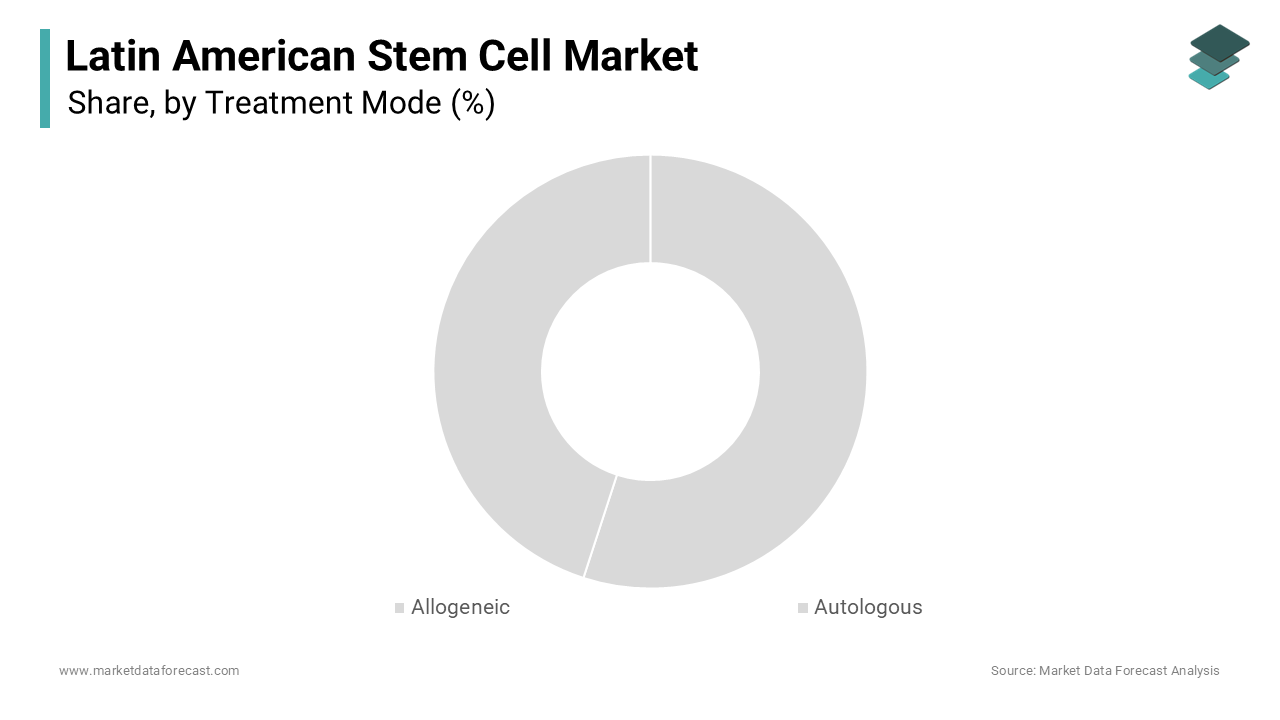
On the other hand, the allogeneic stem cell therapy segment is predicted to witness the highest CAGR of 16.5% from 2026 to 2034 due to advancements in donor matching technologies and the rising incidence of blood disorders. A key growth enabler is the increasing availability of unrelated donor registries and cord blood banks which facilitate access to matched stem cells for patients lacking suitable family donors. The development of haploidentical transplant techniques allows for successful outcomes using half matched family donors expanding the pool of eligible recipients. Pharmaceutical companies are also investing in off the shelf allogeneic cell products for regenerative applications such as cartilage repair and cardiac therapy. Regulatory approvals for standardized allogeneic cell lines reduce production costs and treatment time making them more accessible. Clinical trials demonstrating the efficacy of mesenchymal stem cells from healthy donors for inflammatory conditions further boost demand. As infrastructure for cell processing and storage improves the scalability of allogeneic therapies accelerates market expansion.
By Application Insights
The musculoskeletal disorders segment led the Latin America stem cell market and captured a significant share in 2025. This leading position of segment was attributed to the high prevalence of osteoarthritis sports injuries and chronic joint pain among the aging and active populations. The main reason behind this position is the limited effectiveness of conventional treatments such as painkillers and surgery which often fail to regenerate damaged tissue. According to the Pan American Health Organization musculoskeletal conditions affect over 150 million people in the Americas creating a substantial demand for regenerative solutions. These cells promote cartilage repair and reduce inflammation offering a minimally invasive alternative to joint replacement. The popularity of sports in countries like Brazil and Argentina drives athletes to seek faster recovery methods through stem cell injections. Private clinics heavily market these therapies for anti aging and performance enhancement attracting affluent patients willing to pay out of pocket. The relatively straightforward procedure and quick recovery time appeal to working professionals. Regulatory frameworks in several countries allow for the use of autologous cells in orthopedic applications under specific guidelines facilitating wider adoption. Continuous research into optimizing cell delivery methods enhances clinical outcomes reinforcing physician confidence. This combination of high disease burden and therapeutic potential sustains the leadership of this segment.
However, the cardiovascular diseases segment is estimated to register the fastest CAGR of 18.2% during the forecast period owing to the rising burden of heart failure and ischemic heart disease. The urgent demand for cardiac regeneration following a myocardial infarction drives this need. Unlike current treatments that strictly manage symptoms, future therapies must actually restore heart function. According to the Inter American Heart Foundation cardiovascular diseases are the leading cause of death in the region accounting for over 30 percent of all mortality. Data from clinical trials conducted in Chile and Mexico shows that intracoronary infusion of bone marrow derived stem cells significantly improves left ventricular ejection fraction in post heart attack patients. These promising results have encouraged hospitals to expand their regenerative cardiology programs. Government health initiatives focusing on reducing cardiovascular mortality support funding for research and pilot projects. The aging population increases the incidence of chronic heart failure creating a larger patient pool eligible for cell based interventions. Advances in cell retention and engraftment technologies improve therapeutic efficacy making treatments more reliable. Partnerships between academic institutions and pharmaceutical companies accelerate the translation of research into clinical practice. As evidence accumulates regarding the long term benefits of stem cell therapy for heart repair adoption rates continue to climb rapidly.
By Cell Source Insights
In 2025, the bone marrow-derived mesenchymal stem cells segment held the majority share of the Latin America stem cell market because of its extensive history of clinical use and proven efficacy in hematopoietic and regenerative applications. The well-established protocol for bone marrow aspiration is the primary driver. For decades, this procedure has been a routine practice in Healthcare facilities across the region. In addition, the Latin American Bone Marrow Transplantation Group (LABMT) confirm that bone marrow represents a foundational source for hematopoietic transplants, alongside a growing reliance on peripheral blood stem cells. Data from the Argentine Society of Hematology indicates that bone marrow derived cells are preferred for treating leukemia and lymphoma due to their high potency and reliability. The abundance of skilled physicians trained in bone marrow extraction ensures consistent quality and safety. Regulatory agencies have clear guidelines for bone marrow processing facilitating approval and reimbursement. The versatility of these cells in treating both blood disorders and orthopedic conditions broadens their application scope. Public health systems prioritize bone marrow transplants due to their life saving potential making them a cornerstone of hematology departments. Research continues to optimize isolation and expansion techniques enhancing yield and viability. The deep institutional knowledge and infrastructure support maintain the dominance of this cell source despite the emergence of alternatives.
But the adipose tissue derived mesenchymal stem cells segment is anticipated to witness the fastest CAGR of 19.5% between 2026 and 2034. This swift growth of the segment is propelled by the ease of harvest and high cell yield. The widespread adoption of liposuction is the key factor for market expansion, as this minimally invasive procedure facilitates the retrieval of substantial stem cell quantities while minimizing patient morbidity and accelerating recuperation. These cells are rich in growth factors and exhibit strong anti inflammatory effects making them ideal for aesthetic and orthopedic applications. The abundance of adipose tissue in the population provides an accessible source for autologous therapy. Regulatory flexibility in some countries allows for point of care processing enabling same day treatment. Marketing campaigns highlighting natural and safe rejuvenation methods attract a wide demographic. Advances in enzymatic digestion and purification technologies improve cell quality and consistency. As consumer demand for non surgical aesthetic solutions rises the adoption of adipose derived stem cells accelerates.
By End User Insights
The hospitals segment was the largest in the Latin America stem cell market and occupied a commanding share in 2025. This supremacy of the segment was supported by its comprehensive infrastructure specialized staff and capacity to handle complex procedures. The primary driver is the requirement for sterile environments and advanced monitoring equipment necessary for stem cell transplantation and severe disease management. According to the Pan American Health Organization major tertiary hospitals in Brazil Mexico and Argentina perform the majority of hematopoietic stem cell transplants ensuring high standards of care. Data from the Brazilian Ministry of Health indicates that public and private hospitals receive the bulk of government funding for regenerative medicine programs supporting their dominant role. These institutions have dedicated hematology and oncology units equipped with clean rooms for cell processing. The presence of multidisciplinary teams including hematologists immunologists and nurses ensures safe administration and post procedure care. Accreditation by international bodies enhances patient trust and attracts medical tourism. Hospitals also serve as hubs for clinical trials providing access to novel therapies. Their ability to manage complications and provide intensive care makes them the preferred choice for high risk procedures. Established relationships with insurance providers facilitate reimbursement for approved treatments. This structural advantage sustains the leadership of hospitals in the stem cell ecosystem.
On the contrary, the specialized clinics segment is likely to experience the fastest CAGR of 17.8% over the forecast period. This rapid expansion of the segment is fuelled by the demand for outpatient regenerative therapies and aesthetic treatments. Private clinics are the main growth driver due to their convenience and personalized care. They primarily cater to patients seeking non-invasive orthopedic and cosmetic procedures. Data from market surveys indicates that patients prefer clinics for shorter wait times and flexible scheduling compared to large hospitals. These facilities focus on autologous adipose derived stem cell therapies which do not require hospitalization. The rise of medical tourism boosts clinic revenues as international patients seek affordable and high quality treatments. Marketing efforts emphasize luxury and exclusivity attracting affluent demographics. Regulatory allowances for point of care processing enable clinics to offer same day treatments. Investment in state of the art equipment and trained personnel enhances service quality. As awareness of regenerative aesthetics grows clinics expand their service portfolios. This agility and customer centric approach drive rapid growth in this segment.
COUNTRY ANALYSIS
Brazil Stem Cell Market Analysis
Brazil was the top performer in the Latin America stem cell market and accounted for a 45.3% share in 2025. This dominance of the Brazilian market was driven by its robust healthcare infrastructure and extensive research capabilities. The country is home to leading institutions such as the Butantan Institute and numerous university hospitals that conduct cutting edge stem cell research. In addition, the Brazilian Society of Bone Marrow Transplantation and Cellular Therapy (SBTMO) confirms that Brazil registers the highest absolute number of hematopoietic stem cell transplants and specialized center teams in Latin America. Data from the National Health Surveillance Agency indicates that regulatory frameworks for cell therapy are among the most advanced in Latin America facilitating clinical trials and product approvals. Public health programs provide coverage for hematopoietic transplants ensuring access for low income patients. The large population base creates significant demand for regenerative treatments for chronic diseases. Private investment in biotechnology parks fosters innovation and commercialization. However economic fluctuations can impact funding for public research. Despite challenges Brazil remains the central hub for stem cell science and application in Latin America driving regional growth and setting standards for quality and safety.
Mexico Stem Cell Market Analysis
Mexico was positioned second in the Latin America stem cell market and held a noteworthy share in 2025. Factors such as a thriving medical tourism industry and growing domestic demand for regenerative therapies have contributed to the growth of this regional market. The country benefits from proximity to the United States which facilitates technology transfer and investment in biotechnology. Studies outline that private clinics in Mexico draw thousands of international patients annually for alternative orthopedic and autoimmune stem cell protocols due to lower relative costs. The Federal Commission for Protection against Sanitary Risk (COFEPRIS) enforces the General Health Law to oversee health interventions and regulate clinical establishments offering biotechnology and cell therapies. Local research centers collaborate with international partners to advance clinical trials for diabetes and cardiovascular diseases. The rising prevalence of chronic diseases drives domestic consumption of stem cell services. Private hospitals in major cities like Mexico City and Guadalajara offer state of the art facilities catering to affluent patients. However disparities in access between urban and rural areas remain a challenge. Government initiatives to strengthen biomedical research support market expansion. Mexico’s strategic location and regulatory evolution position it as a key player in the regional stem cell landscape.
Argentina Stem Cell Market Analysis
Argentina remains a significant player in the Latin America stem cell market due to its strong tradition in biomedical research and highly skilled medical workforce. The country has a dense network of public and private hospitals capable of performing complex stem cell procedures. Registries managed by the National Institute for the Regulation of Organ Donation and Transplantation (INCUCAI) document high relative per capita transplant indices, positioning Argentina as a regional leader in transplant infrastructure. Data from the National Administration of Drugs Food and Medical Technology indicates steady approval of new cell therapy protocols supporting innovation. Economic challenges pose hurdles for equipment imports but local scientific excellence compensates through efficient resource utilization. Patient advocacy groups actively promote access to regenerative treatments influencing policy decisions. The country serves as a reference center for neighboring nations attracting patients seeking specialized care. Research into mesenchymal stem cells for neurological disorders gains momentum with promising preliminary results. Despite inflation affecting healthcare spending the commitment to scientific advancement sustains market activity. Argentina’s reputation for quality care ensures its continued relevance in the regional stem cell sector.
Chile Stem Cell Market Analysis
Chile holds a specialized position in the Latin America stem cell market owing to its political stability and high quality healthcare standards. The country has a smaller but sophisticated market driven by strong regulatory oversight and investment in health technology. Medical center outcomes align with high global standards due to rigorous adherence to clinical protocols recognized by international cellular therapy consortiums. Under Technical Guideline No. 257, the Institute of Public Health of Chile (ISP) provides a definitive regulatory structure for somatic cell therapies and tissue engineering products. The government supports public health initiatives that include access to hematopoietic transplants for eligible patients. Private clinics offer advanced regenerative services attracting medical tourists from neighboring countries. The focus on quality over quantity ensures high patient satisfaction and safety. Research collaborations with European institutions enhance technical capabilities. While the market size is limited by population the value per procedure is high. Chile’s stability and efficiency make it an attractive destination for investors seeking reliable operations in the stem cell sector.
COMPETITIVE LANDSCAPE
The competitive landscape of the Latin America stem cell market is characterized by a mix of established public institutions private biotechnology firms and specialized clinics. Public banks dominate the hematopoietic stem cell sector due to government support and integration into national health systems. Private companies compete fiercely in the cord blood banking and regenerative therapy segments leveraging marketing and customer service to attract affluent clients. Differentiation is achieved through technological advancements in cell processing storage stability and clinical efficacy. Regulatory compliance serves as a key barrier to entry ensuring that only qualified players operate in the market. Price competition is significant in the banking sector where packages and financing options influence consumer choices. In the therapeutic segment competition focuses on clinical outcomes and physician relationships. International players enter the market through partnerships or direct investment bringing advanced technologies and global standards. Local firms leverage cultural understanding and regional networks to maintain loyalty. The market remains fragmented with no single entity dominating all segments. Collaboration often outweighs direct competition as stakeholders work together to advance the field. Innovation and quality assurance remain the primary drivers of competitive advantage
KEY MARKET PLAYERS
A few of the promising companies in the Latin American stem cell market include
- Athersys
- StemCells Inc.
- Cryo-Cell International
- Geron Corporation
- Mesoblast Ltd.
- Aastrom Biosciences Inc.
- Celgene Corporation
- Invitrogen
- Cytori Therapeutics Inc.
Top Players in the Latin America Market
CryoSave
CryoSave operates as a leading provider of stem cell banking services in Latin America with a strong presence in Brazil and surrounding regions. The company specializes in the collection processing and long term cryopreservation of umbilical cord blood and tissue stem cells for future therapeutic use. Recent strategic actions include expanding its laboratory facilities to meet international accreditation standards ensuring high quality storage conditions. CryoSave has launched educational campaigns targeting expectant parents to raise awareness about the benefits of biological resource preservation. Partnerships with private hospitals and obstetricians facilitate seamless collection processes during childbirth. The company also invests in advanced tracking systems to guarantee sample integrity and security. By offering flexible payment plans and comprehensive insurance coverage CryoSave makes stem cell banking accessible to middle income families. These efforts strengthen its reputation as a trusted partner in regenerative medicine preparation.
Celltex
Celltex is a prominent biotechnology company in Latin America focused on the development and commercialization of cellular therapies particularly for orthopedic and aesthetic applications. The company leverages adipose derived stem cells to create innovative treatments for joint repair and skin rejuvenation. Recent initiatives involve collaborating with specialized clinics to distribute its proprietary cell processing kits enabling point of care therapies. Celltex has obtained necessary regulatory approvals in key markets such as Mexico and Colombia to expand its operational reach. The company conducts continuous research to optimize cell viability and efficacy enhancing clinical outcomes. Training programs for physicians ensure proper handling and administration of cell products. By focusing on minimally invasive procedures Celltex addresses the growing demand for non surgical regenerative solutions. These actions solidify its position as a pioneer in practical stem cell applications.
Red Cord
Red Cord serves as a major public umbilical cord blood bank in Brazil playing a critical role in the national hematopoietic stem cell transplantation network. The organization focuses on collecting storing and distributing cord blood units for allogeneic transplants to patients with blood disorders. Recent actions include upgrading its information technology infrastructure to improve donor recipient matching efficiency. Red Cord has expanded its collection sites across multiple states increasing the diversity and volume of stored units. Partnerships with the Ministry of Health ensure sustainable funding and integration into the public health system. The organization actively participates in international registries facilitating cross border exchanges for rare matches. Public awareness campaigns encourage voluntary donations enhancing the available inventory. By maintaining high quality standards and accessibility Red Cord supports life saving treatments for thousands of patients annually.
Top Strategies Used by Key Market Participants
Key players in the Latin America stem cell market primarily focus on strategic partnerships and regulatory compliance to expand their reach and ensure product safety. Companies collaborate with hospitals and clinics to integrate stem cell banking and therapy services into standard care pathways. Investing in state of the art processing and storage facilities helps maintain high quality standards and build patient trust. Educational initiatives targeting both healthcare professionals and consumers raise awareness about the benefits and applications of stem cell therapies. Diversifying service offerings to include both autologous and allogeneic options caters to a broader patient base. Expanding into medical tourism markets attracts international patients seeking affordable and high quality treatments. Continuous research and development efforts drive innovation in cell processing techniques and therapeutic applications. Adopting digital solutions for patient management and sample tracking enhances operational efficiency. These strategies collectively drive growth and competitiveness in the evolving regional landscape.
MARKET SEGMENTATION
This research report on the Latin American stem cell market has been segmented and sub-segmented into the following categories:
By Treatment mode
- Allogeneic
- Autologous
By Cells Type
- Adult stem cells
- Induced pluripotent stem cells
- Human embryonic stem cells
- Others
By Technology
- Cell acquisition
- Cell production
- Cryopreservation
- Other sub-segments
By Country
- Mexico
- Brazil
- Argentina
- Chile
- Rest of Latin America