- Product Description Description
- Table of Contents TOC
- List of Table & Figure LOT
- Get Free Sample PDF Sample PDF
MEA Disposable Medical Devices Sensors Market Size
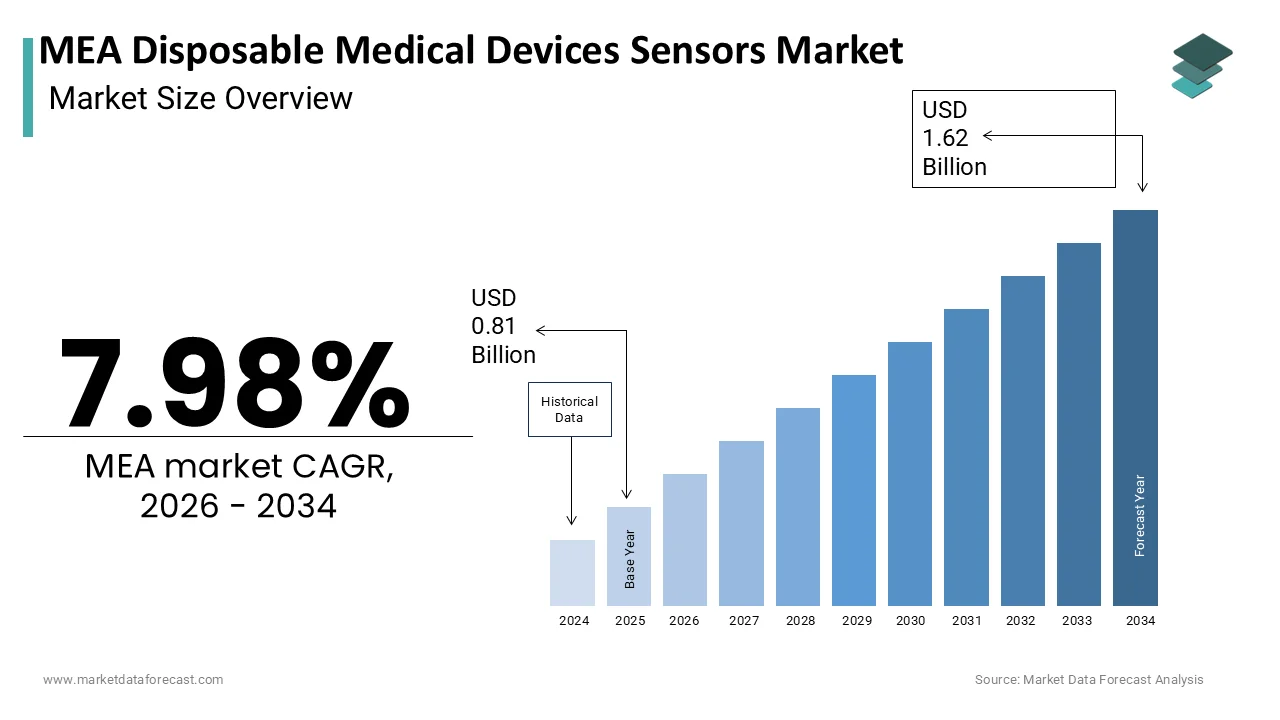
The Middle East & Africa Disposable Medical Devices Sensors Market is projected to grow from USD 0.81 billion in 2025 to USD 0.87 billion in 2026 and reach USD 1.62 billion by 2034, registering a CAGR of 7.98% from 2026 to 2034.
Disposable medical device sensors are single-use electronic components designed to measure physiological or biochemical data from a patient. These devices include temperature probes glucose test strips pulse oximetry sensors and electrocardiogram electrodes designed for one time patient contact to prevent cross contamination while ensuring accurate physiological data capture. The region faces unique epidemiological pressures that shape adoption patterns with noncommunicable diseases accounting for a substantial burden on healthcare systems. According to regional data from the World Health Organization (WHO), noncommunicable diseases are the leading cause of mortality in the Eastern Mediterranean, accounting for up to 74% or more of total deaths in several urbanized Middle Eastern nations. In Sub Saharan Africa the disease profile is shifting as urbanization accelerates lifestyle related conditions rise alongside persistent infectious disease challenges. The African Union states that health expenditure per capita remains below 100 United States Dollars in many member states creating pressure for cost effective diagnostic solutions. Disposable sensors offer a pathway to reduce sterilization costs and minimize hospital acquired infections which remain a critical concern. Also, the World Health Organization (WHO) reveals that healthcare-associated infections impact hundreds of millions of patients globally each year, with resource-constrained developing regions experiencing the highest relative burdens. The integration of disposable sensing elements into routine care supports infection control protocols while enabling scalable monitoring capabilities essential for managing chronic conditions prevalent across the Middle East and Africa.
MARKET DRIVERS
Rising Prevalence of Chronic Diseases Drives Demand For Continuous Monitoring Solutions
The escalating burden of chronic illnesses across the region drives the growth of the Middle East and Africa disposable medical devices sensors market. These sensors facilitate regular patient monitoring without requiring extensive infrastructure investments. According to the International Diabetes Federation (IDF) Diabetes Atlas, over 73 million adults in the Middle East and North Africa region currently live with diabetes, a figure projected to cross 135 million by 2045. Disposable glucose monitoring sensors enable frequent testing at reduced costs compared to reusable alternatives requiring complex maintenance and calibration. The World Health Organization (WHO) indicates that cardiovascular conditions have climbed to account for roughly 13% to 15% of total mortality across sub-Saharan Africa. Disposable electrocardiogram patches and blood pressure cuffs allow for decentralized screening programs reaching rural populations where specialized cardiology services are scarce. Hypertension affects an estimated 46 percent of adults in some African nations according to data from the Lancet Global Health journal necessitating widespread access to affordable monitoring tools. Disposable sensors eliminate cross contamination risks during mass screening initiatives while providing reliable data for treatment adjustments. The shift toward outpatient care models further amplifies demand as patients require home based monitoring devices that are hygienic and easy to dispose of after single use. Healthcare providers increasingly prioritize these solutions to manage patient volumes efficiently while maintaining diagnostic accuracy across diverse clinical settings throughout the region.
Expansion Of Healthcare Infrastructure and Government Initiatives Boosts Market Penetration
Governments across the region are implementing comprehensive healthcare transformation agendas, which further contributes to the expansion of the Middle East and Africa disposable medical devices sensors market. These changes directly stimulate demand for these sensors through facility upgrades and digital health integration. Saudi Arabia Vision 2030 allocates billions of dollars toward modernizing healthcare infrastructure with plans to establish new specialty hospitals and primary care centers equipped with advanced diagnostic technologies. The United Arab Emirates has launched similar initiatives under its National Health Strategy aiming to enhance preventive care capabilities through technology enabled monitoring systems. In Africa the African Union Agenda 2063 emphasizes universal health coverage requiring member states to expand access to essential medical devices including disposable sensors for vital sign monitoring. South Africa has committed to strengthening its district hospital network with the Department of Health reporting investments exceeding 50 billion Rand in infrastructure development over recent fiscal periods. Egypt introduced a universal health insurance system covering millions of citizens which mandates standardized diagnostic protocols utilizing disposable components to ensure consistency and safety. These policy frameworks create procurement opportunities for manufacturers supplying single use sensors that align with infection prevention guidelines. The establishment of medical cities in Oman and Qatar further demonstrates regional commitment to world class healthcare delivery requiring bulk acquisitions of disposable monitoring equipment. Public private partnerships are emerging as viable models for distributing these technologies to underserved areas ensuring that sensor availability matches expanding service capacity. Regulatory harmonization efforts through bodies like the Gulf Cooperation Council standardize approval processes accelerating market entry for compliant disposable sensor products across multiple jurisdictions simultaneously.
MARKET RESTRAINTS
Limited Local Manufacturing Capabilities Restrict Supply Chain Resilience
The region suffers from minimal domestic production of these sensors, which creates dependency on imports that expose healthcare systems to supply chain vulnerabilities and currency fluctuation risks. This ultimately hinders the growth of the Middle East and Africa disposable medical devices sensors market. Most nations lack specialized facilities capable of manufacturing precision sensing components requiring clean room environments and advanced microfabrication techniques. According to the United Nations Industrial Development Organization less than 5 percent of medical devices consumed in Africa are produced locally with the majority imported from Europe Asia and North America. This reliance results in extended lead times particularly during global disruptions such as pandemics or geopolitical tensions affecting shipping routes. Currency devaluation in countries like Nigeria and Egypt significantly increases procurement costs as local currencies lose value against the United States Dollar and Euro used for international transactions. The Egyptian pound lost approximately 50 percent of its value against the dollar in recent years complicating budget planning for hospital administrations purchasing imported sensors. Tariff structures vary widely across the region with some nations imposing duties exceeding 20 percent on medical imports further inflating end user prices. Storage and distribution infrastructure gaps compound these issues as temperature sensitive sensors require cold chain logistics that remain underdeveloped in rural areas. The World Bank indicates that logistics performance indices for several African nations rank below global averages indicating inefficiencies in customs clearance and inland transportation. These structural limitations hinder consistent availability of disposable sensors forcing healthcare providers to ration usage or revert to less optimal reusable alternatives compromising patient safety and diagnostic reliability across the region.
Regulatory Fragmentation And Approval Delays Impede Market Entry
Divergent regulatory frameworks across the nations in the region create significant barriers for the Middle East and Africa disposable medical devices sensors market. This complicates efforts for manufacturers seeking to introduce these sensors into multiple markets simultaneously. Each country maintains distinct registration requirements documentation standards and clinical evaluation protocols leading to prolonged approval timelines and increased compliance costs. The Gulf Cooperation Council has made progress toward harmonization but individual member states still retain authority over final product approvals causing inconsistencies in market access timelines. In Africa the African Medicines Agency aims to streamline regulations but full implementation remains years away leaving manufacturers to navigate separate processes in each of the 54 member states. According to auditing factsheets from the World Health Organization (WHO), limited regulatory capacity across African nations creates immense inconsistencies in domestic medical device oversight frameworks. This fragmentation forces companies to submit duplicate applications engaging local consultants and paying multiple fees that can exceed 100000 United States Dollars per product per country. Clinical data requirements differ substantially with some nations demanding local trials despite existing international certifications adding months or years to launch schedules. Language barriers complicate dossier preparation as submissions must often be translated into Arabic French Portuguese and English depending on the target market. The lack of mutual recognition agreements means that approval in one jurisdiction provides no advantage in neighboring countries. These administrative burdens disproportionately affect small and medium enterprises limiting competition and innovation in the disposable sensor segment. Healthcare providers consequently face delayed access to newer technologies while manufacturers absorb substantial overhead costs that ultimately translate into higher product prices reducing affordability for cash constrained healthcare systems throughout the region.
MARKET OPPORTUNITIES
Digital Health Integration Creates New Avenues For Sensor Adoption
The rapid expansion of telemedicine and remote patient monitoring platforms across the region offers substantial opportunities for the Middle East and Africa disposable medical devices sensors market. This helps these sensors to become integral components of connected healthcare ecosystems. Governments and private investors are prioritizing digital health infrastructure. Studies note that unique mobile subscriber penetration across Sub-Saharan Africa reached 46%, providing a expanding digital foundation for smartphone-linked mobile health tools. Disposable sensors that interface seamlessly with mobile applications allow patients to transmit vital signs directly to healthcare providers facilitating timely interventions without physical clinic visits. Saudi Arabia launched the Seha virtual hospital platform serving thousands of patients remotely requiring compatible disposable monitoring devices for home based care programs. In Kenya the mHealth initiative leverages mobile technology to extend healthcare reach to rural communities where disposable glucose and blood pressure sensors paired with basic feature phones enable community health workers to collect and share patient data efficiently. A joint sector blueprint from the African Development Bank (AfDB) outlines that implementing virtual care technologies and electronic medical workflows can generate up to 15% system-wide efficiency gains across healthcare facilities. Disposable sensors align perfectly with these models as they eliminate cleaning requirements between patients and reduce technical support needs associated with reusable devices. Insurance providers are increasingly reimbursing remote monitoring services creating financial incentives for patients to adopt disposable sensor kits. Technology companies are developing low cost sensor modules specifically designed for emerging markets featuring simplified interfaces and extended battery life. These innovations lower entry barriers for first time users while generating recurring revenue streams for manufacturers through subscription based monitoring services that bundle disposable sensors with data analytics platforms enhancing long term market sustainability.
Growing Medical Tourism Sector Demands Premium Disposable Sensor Solutions
The flourishing medical tourism industry in select Middle Eastern nations generates sustained demand for high-quality disposable medical device sensors, which is likely to promote the expansion of the overall Middle East and Africa market. These products meet international accreditation standards and cater to affluent international patients. Countries like the United Arab Emirates Jordan and Turkey have positioned themselves as premier destinations for elective surgeries and specialized treatments attracting hundreds of thousands of medical tourists annually. The Dubai Health Authority reported that medical tourism revenues exceeded 1 billion United States Dollars in recent years with patients traveling from Europe Asia and other African nations seeking advanced procedures. These facilities maintain Joint Commission International accreditation requiring strict adherence to infection control protocols that favor single use disposable sensors over reusable alternatives. Patients expect premium experiences including personalized monitoring packages featuring branded disposable sensors that provide comfort and reliability during their stay. Hospitals invest in state of the art disposable sensing technologies to differentiate their offerings and justify premium pricing structures. The standard 7-to-14-day clinical recovery timeframe required for international surgical patients creates steady, predictable demand for disposable vital-signs monitoring supplies. Post operative care packages often include take home disposable sensor kits allowing patients to continue monitoring after returning to their home countries creating export opportunities for regional suppliers. Quality expectations drive preference for sensors manufactured under stringent regulatory oversight with traceability features ensuring authenticity. This segment values convenience and hygiene above cost considerations making it less price sensitive than domestic healthcare markets. Manufacturers can leverage this demand to establish brand presence and demonstrate product excellence before expanding into broader public health sectors. Partnerships with luxury hotels and concierge medical services further integrate disposable sensors into comprehensive wellness experiences enhancing perceived value and customer loyalty within this lucrative niche market.
MARKET CHALLENGES
Workforce Shortages Limit Effective Utilization Of Advanced Sensor Technologies
The region faces acute shortages of trained healthcare professionals capable of properly deploying interpreting and maintaining these sensors, which creates operational barriers that constrain the growth potential of the Middle East and Africa disposable medical devices sensors market. The World Health Organization estimates that Africa bears 24 percent of the global disease burden yet possesses only 3 percent of the world's health workers resulting in severe staffing gaps across clinical settings. Many rural clinics operate with minimal personnel who lack specialized training in sensor application and data interpretation leading to inconsistent usage patterns and potential diagnostic errors. Disposable sensors often require specific placement techniques and calibration checks that untrained staff may perform incorrectly compromising data accuracy and patient safety. In the Middle East while wealthier nations attract international medical talent smaller economies struggle with brain drain as qualified nurses and technicians emigrate seeking better compensation abroad. The Gulf Cooperation Council countries rely heavily on expatriate healthcare workers comprising over 80 percent of the medical workforce in some nations according to national labor statistics. This dependency creates vulnerability to visa policy changes and global recruitment competition affecting staffing stability. Training programs for disposable sensor utilization remain underdeveloped with limited continuing education resources available in local languages. Simulation based learning facilities are scarce outside major urban centers restricting skill development opportunities for frontline workers. High turnover rates in understaffed facilities mean that institutional knowledge regarding proper sensor handling dissipates rapidly requiring constant retraining investments that strained budgets cannot always accommodate. These human resource constraints force healthcare administrators to prioritize simplicity over sophistication when selecting disposable sensors potentially excluding advanced options that could deliver superior clinical outcomes if properly utilized by adequately trained personnel.
Inadequate Waste Management Infrastructure Poses Environmental And Compliance Risks
The proliferation of these sensors across the region generates significant biomedical waste volumes that overwhelm existing disposal infrastructure and thereby slows down the expansion of the Middle East and Africa disposable medical devices sensors market. Consequently, this creates environmental hazards and regulatory compliance challenges for healthcare facilities. The World Health Organization indicates that healthcare activities generate approximately 0.5 kilograms of hazardous waste per bed per day in developing countries with disposable sensors contributing substantially to this stream due to their single use nature. Many African nations lack dedicated medical waste incineration facilities forcing hospitals to resort to open burning or landfilling practices that release toxic compounds and contaminate soil and water sources. In Nigeria less than 30 percent of healthcare facilities have access to proper biomedical waste treatment systems according to studies published in environmental health journals. Middle Eastern countries fare better but rapid expansion of healthcare services outpaces waste management capacity development particularly in secondary cities and rural areas. Disposable sensors contain electronic components batteries and chemical reagents that require specialized handling to prevent heavy metal leaching and chemical exposure. Regulatory enforcement remains weak in many jurisdictions with penalties for improper disposal rarely applied allowing unsafe practices to persist. Healthcare administrators face difficult choices between adhering to infection control mandates requiring disposable sensors and managing the resulting waste burden within limited budgets. International donors increasingly tie funding to environmental compliance criteria pressuring facilities to invest in waste treatment infrastructure that competes with clinical equipment purchases for scarce resources. Community resistance to locating waste processing facilities near residential areas further complicates solution implementation. These systemic gaps threaten the sustainability of disposable sensor adoption models unless integrated waste management strategies receive parallel investment and policy attention from regional governments and international development agencies working to strengthen healthcare systems across the Middle East and Africa.
REPORT COVERAGE
| REPORT METRIC | DETAILS |
| Market Size Available | 2025 to 2034 |
| Base Year | 2025 |
| Forecast Period | 2026 to 2034 |
| Segments Covered | By Type, Placement of Sensors, Application, Therapeutics, Patient Monitoring, Imaging Devices, End User, and Region |
| Various Analyses Covered | Global, Regional and Country-Level Analysis, Segment-Level Analysis, Drivers, Restraints, Opportunities, Challenges; PESTLE Analysis; Porter’s Five Forces Analysis, Competitive Landscape, Analyst Overview of Investment Opportunities |
| Countries Covered | Saudi Arabia, United Arab Emirates, South Africa, Egypt, Israel, Rest of the Middle East and Africa |
| Market Leaders Profiled | Medtronic plc, Koninklijke Philips N.V., GE HealthCare Technologies Inc., Smiths Medical, TE Connectivity Ltd., Honeywell International Inc., NXP Semiconductors N.V., Analog Devices, Inc., Omron Corporation, Sensirion AG, Abbott Laboratories, Becton, Dickinson and Company (BD). |
SEGMENTAL ANALYSIS
By Type Insights
The biosensors segment dominated the Middle East and Africa Disposable Medical Devices Sensors Market and accounted for a 35.7% share in 2025. This dominance of the segment was driven by its critical role in managing the region's escalating chronic disease burden. The prevalence of diabetes serves as a major market driver, with the International Diabetes Federation (IDF) estimating that over 73 million adults in the MENA region require regular glucose monitoring. Biosensors enable precise detection of biological markers through disposable test strips and continuous monitoring patches which are essential for daily disease management. The high incidence of infectious diseases further drives demand as biosensors facilitate rapid diagnostic testing for conditions like malaria and HIV which remain endemic in parts of Sub Saharan Africa. According to the World Health Organization infectious diseases account for a significant proportion of mortality in low income African nations requiring scalable diagnostic solutions. Biosensors offer cost effective single use alternatives that minimize cross contamination risks in resource constrained settings where sterilization infrastructure may be inadequate. Government initiatives promoting point of care testing have accelerated adoption with national health programs distributing millions of biosensor based diagnostic kits annually. The integration of biosensors with mobile health platforms allows remote data transmission enhancing clinical decision making in rural areas. Manufacturers prioritize this segment due to recurring revenue models associated with consumable test strips ensuring sustained market presence. Regulatory approvals for biosensor based diagnostics have streamlined in key markets like Saudi Arabia and South Africa facilitating faster market entry. The technological maturity of electrochemical biosensing methods ensures reliability and accuracy meeting international quality standards required by major healthcare institutions across the region.
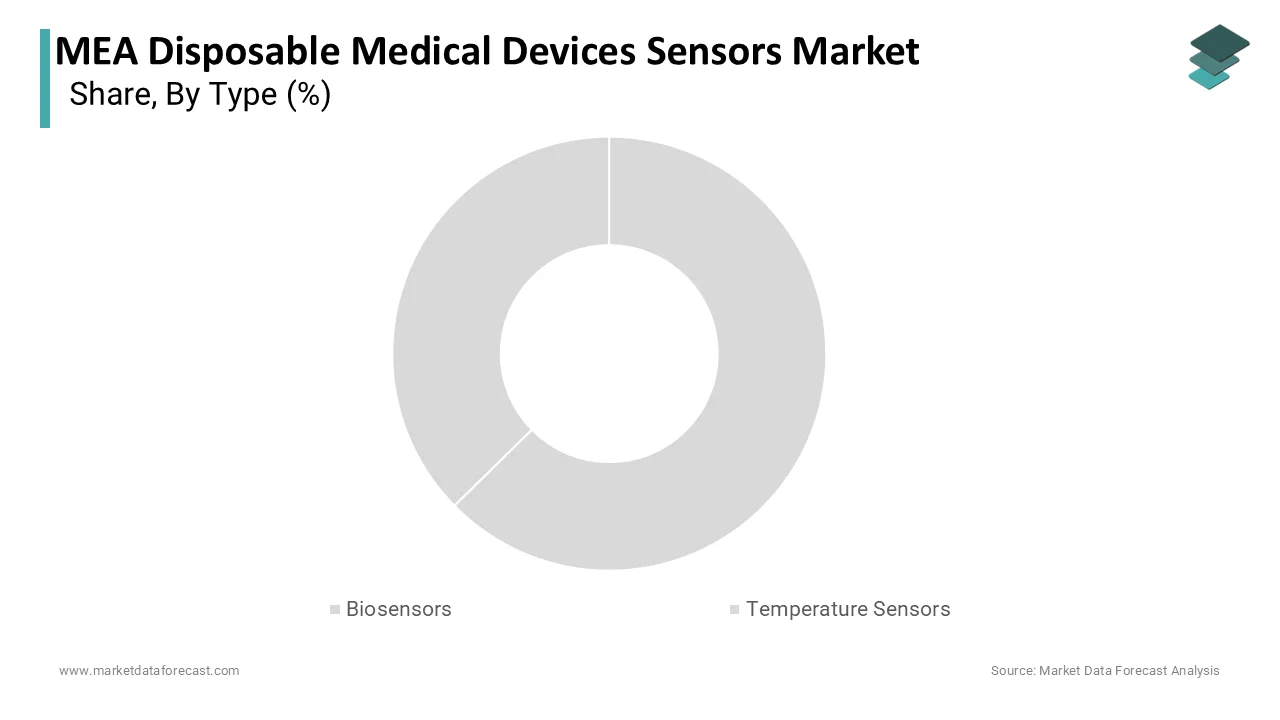
On the other hand, the temperature sensors segment is estimated to register the fastest CAGR of 8.5% from 2026 to 2034 due to heightened infection control protocols and the expansion of outpatient care facilities. The global pandemic experience reinforced the necessity of rapid non contact temperature screening leading to widespread deployment of disposable thermal sensors in airports malls and healthcare entrances. As per data from the Gulf Cooperation Council Standardization Organization member states implemented mandatory fever screening measures that relied heavily on disposable infrared sensor patches and single use thermometers. The rise in neonatal care units across the Middle East further accelerates demand as premature infants require continuous temperature monitoring to prevent hypothermia. The World Bank indicates that neonatal mortality rates in some African countries exceed 30 deaths per 1000 live births prompting investments in advanced monitoring technologies including disposable skin attached temperature sensors. These devices provide accurate readings without the risk of cross infection associated with reusable probes. Home healthcare trends contribute significantly as patients recovering from surgeries or managing chronic conditions prefer convenient disposable options that eliminate cleaning requirements. Technological advancements have reduced production costs making disposable temperature sensors affordable for mass distribution in public health campaigns. The integration of these sensors with wireless body area networks enables real time alert systems for healthcare providers improving patient safety outcomes. Supply chain improvements have ensured consistent availability even in remote regions supporting the rapid adoption curve. Regulatory bodies increasingly recognize disposable temperature sensors as essential medical devices streamlining approval processes and encouraging local assembly operations to meet surging demand.
By Placement of Sensors Insights
The wearable sensors segment led the regional market and captured a 40.7% share in 2025. This leading position of the segment was attributed to the convergence of consumer electronics and medical diagnostics alongside government mandates for preventive healthcare. The proliferation of smartwatches and fitness trackers equipped with medical grade sensors has normalized continuous health monitoring among the population. Sources reveal that unique mobile connection adoption continues to scale across Sub-Saharan Africa, laying a foundational communication network for emerging wearable healthtech integrations. In the Middle East high disposable incomes facilitate the purchase of premium wearable devices that monitor heart rate oxygen saturation and activity levels. The Saudi Ministry of Health promotes wearable technology as part of its Vision 2030 health transformation agenda aiming to reduce hospital visits through remote monitoring. Wearable sensors offer non invasive convenience appealing to patients who require long term monitoring for conditions like hypertension and arrhythmia. The ability to track physiological trends over time empowers individuals to make informed lifestyle changes reducing the incidence of acute medical events. Insurance companies in the United Arab Emirates have begun offering incentives for policyholders who use approved wearable sensors demonstrating measurable health improvements. This financial motivation accelerates adoption rates among the insured population. Manufacturers collaborate with telecom operators to bundle wearable sensors with data plans ensuring seamless connectivity and data transmission. The modular design of modern wearable sensors allows for easy replacement and upgrades fostering a recurring consumption model. Clinical validation studies published in regional medical journals confirm the accuracy of consumer grade wearables increasing physician confidence in prescribing these devices for home based monitoring programs.
However, the ingestible sensors segment is anticipated to witness the fastest CAGR of 12.2% during the forecast period owing to innovations in gastrointestinal diagnostics and medication adherence monitoring. These microscopic sensors are embedded in pills or capsules and transmit data upon ingestion providing unprecedented insights into internal physiological processes. The rising prevalence of gastrointestinal disorders in the Middle East attributed to dietary habits and lifestyle factors creates a substantial patient pool requiring advanced diagnostic tools. As per the World Gastroenterology Organisation digestive diseases affect millions globally with developing regions seeing increased incidence due to urbanization. Ingestible sensors eliminate the need for invasive endoscopic procedures reducing patient discomfort and healthcare costs. They are particularly valuable for monitoring drug absorption and compliance in patients undergoing complex treatment regimens for chronic conditions. Pharmaceutical companies in South Africa and Egypt are partnering with technology firms to integrate ingestible sensors into clinical trials enhancing data collection accuracy. The miniaturization of electronic components has made these sensors safe for single use and biodegradable minimizing environmental impact. Regulatory agencies are developing specific frameworks for ingestible devices recognizing their unique safety profile and clinical benefits. The ability to monitor pH levels temperature and pressure within the digestive tract provides clinicians with real time data for personalized treatment adjustments. Patient acceptance is high due to the non invasive nature of the technology compared to traditional diagnostic methods. Investment in research and development by multinational corporations focuses on expanding the application scope of ingestible sensors beyond gastroenterology to include metabolic monitoring and targeted drug delivery systems.
By Application Insights
In 2025, the blood glucose test strips segment held a 45.6% majority share of the Middle East and Africa disposable medical devices sensors market because of the massive diabetic population and the necessity for daily monitoring. The International Diabetes Federation states that the Middle East and North Africa region has one of the highest comparative prevalence rates of diabetes globally with countries like Kuwait and Saudi Arabia exceeding 20 percent adult prevalence. This epidemiological reality dictates a consistent and high volume demand for disposable test strips which are essential for self management of blood sugar levels. Public health initiatives in nations like Egypt distribute free or subsidized test strips to registered diabetic patients ensuring broad access and driving market volume. The chronic nature of diabetes means that each patient consumes multiple strips daily creating a stable recurring revenue stream for manufacturers. Technological advancements have improved strip accuracy and reduced sample size requirements enhancing user experience and compliance. Healthcare providers emphasize regular monitoring to prevent complications such as neuropathy and retinopathy which are costly to treat. Insurance coverage for diabetes management supplies has expanded in Gulf Cooperation Council countries removing financial barriers for patients. The integration of test strips with Bluetooth enabled meters allows for automatic data logging facilitating better doctor patient communication. Local manufacturing efforts in countries like Morocco aim to reduce dependency on imports and lower costs further stimulating usage. The simplicity of use makes these strips suitable for elderly patients and those with limited technical literacy ensuring widespread adoption across diverse demographic groups in the region.
But the HIV test strip sensors segment is likely to experience the fastest CAGR of 9.8% between 2026 and 2034. This rapid expansion of the segment is propelled by aggressive public health campaigns and international funding for disease eradication. The World Health Organization reports that Eastern and Southern Africa remain the most affected regions globally with millions living with HIV necessitating widespread testing and counseling services. Governments and non governmental organizations prioritize early detection to initiate antiretroviral therapy promptly reducing transmission rates and improving life expectancy. Disposable rapid diagnostic test strips offer a cost effective solution for mass screening programs in rural and underserved communities where laboratory infrastructure is lacking. These tests provide results within minutes enabling immediate counseling and linkage to care. International donors such as the Global Fund to Fight AIDS Tuberculosis and Malaria provide substantial financial support for procuring HIV test kits in African nations. The decentralization of testing services to community health workers and pharmacies increases accessibility and reduces stigma associated with clinic based testing. Technological improvements have enhanced the sensitivity and specificity of rapid test strips minimizing false positives and negatives. Regulatory harmonization efforts facilitate the approval of new generation test strips that can detect multiple strains of the virus. Awareness campaigns educate populations on the importance of regular testing especially among high risk groups. The shift toward self testing kits empowers individuals to monitor their status privately increasing uptake among reluctant demographics. Continuous innovation in multiplex testing allows simultaneous detection of HIV and other sexually transmitted infections optimizing resource utilization in comprehensive sexual health programs.
By Therapeutics Insights
The insulin pump sensors segment was the largest in the regional market and occupied a 30.8% share in 2025. This supremacy of the segment was supported by the transition from manual injections to automated insulin delivery systems. The complexity of managing type 1 diabetes and advanced type 2 diabetes requires precise dosing which insulin pumps facilitated by disposable sensors can provide. According to clinical studies published in the Lancet Diabetes and Endocrinology journal automated insulin delivery systems significantly improve glycemic control and reduce hypoglycemic events compared to conventional therapy. Wealthier nations in the Gulf Cooperation Council have higher reimbursement rates for advanced diabetes technologies enabling broader patient access to insulin pumps and associated disposable sensors. The growing pediatric diabetic population benefits from these systems as they offer greater flexibility and safety for children attending school. Manufacturers focus on developing smaller more discreet sensors that adhere comfortably to the skin for extended periods. Integration with smartphone applications allows caregivers to monitor glucose levels remotely providing peace of mind and timely intervention capabilities. Training programs for healthcare professionals ensure proper initiation and maintenance of pump therapy maximizing clinical outcomes. The reliability of disposable sensors is critical as any failure can lead to dangerous glucose fluctuations prompting rigorous quality control standards. Patient advocacy groups promote the adoption of pump therapy highlighting quality of life improvements. Insurance providers increasingly recognize the long term cost savings associated with preventing diabetes complications through superior glycemic control. Research into closed loop systems continues to enhance automation reducing the cognitive burden on patients and improving adherence to treatment protocols.
On the contrary, the cardiac catheter sensors segment is on the rise and is expected to be the fastest growing segment in the market by witnessing a CAGR of 10.5% over the forecast period. This quick surge of the segment is fuelled by the rising incidence of cardiovascular diseases and the expansion of interventional cardiology services. The World Heart Federation indicates that cardiovascular diseases are the leading cause of death in many Middle Eastern and African nations necessitating advanced diagnostic and therapeutic interventions. Disposable sensors integrated into cardiac catheters provide real time pressure and flow measurements during procedures such as angioplasty and stent placement. These sensors enhance procedural accuracy and safety allowing physicians to make immediate decisions based on precise hemodynamic data. The establishment of specialized heart centers in countries like Saudi Arabia and South Africa increases the volume of cardiac interventions performed annually. Single use catheter sensors eliminate the risk of cross contamination and reduce sterilization costs aligning with hospital infection control policies. Technological advancements have improved sensor sensitivity and durability ensuring reliable performance during complex procedures. Training initiatives for interventional cardiologists focus on utilizing sensor data to optimize treatment outcomes. Reimbursement policies for cardiac procedures in private healthcare sectors support the adoption of advanced sensor equipped catheters. Collaborations between device manufacturers and hospitals facilitate clinical trials validating the efficacy of new sensor technologies. The aging population in the region contributes to the increasing demand for cardiac interventions. Emergency cardiac care protocols increasingly incorporate sensor guided diagnostics to accelerate treatment times for acute coronary syndromes.
By Patient Monitoring Insights
The pulse oximeters segment spearheaded the Middle East and Africa disposable medical devices sensors market and accounted for a 35.5% share in 2025. Its critical role in respiratory and cardiovascular assessment have contributed to the dominance of this segment. The global health crisis highlighted the importance of oxygen saturation monitoring leading to widespread adoption in hospitals clinics and homes. According to the World Health Organization pneumonia and other respiratory infections are major causes of morbidity in children under five in Africa making pulse oximetry an essential tool in pediatric care. Disposable probe covers and single use finger clip sensors ensure hygiene and prevent cross infection in high traffic healthcare settings. The affordability and ease of use make pulse oximeters accessible to primary care facilities in rural areas with limited resources. Government health ministries include pulse oximeters in essential medical equipment lists for district hospitals ensuring basic diagnostic capacity. The integration of pulse oximetry data with electronic health records enhances patient monitoring continuity. Chronic obstructive pulmonary disease prevalence is rising in the Middle East due to smoking and environmental factors driving demand for home monitoring devices. Telemedicine platforms utilize pulse oximeter readings to triage patients remotely reducing unnecessary hospital visits. Manufacturing scale has reduced costs making disposable sensors economically viable for mass distribution. Clinical guidelines recommend routine oxygen saturation checks for patients with respiratory symptoms standardizing usage across healthcare providers. The portability of modern pulse oximeters allows for use in emergency response situations and community health screenings.
The Continuous Glucose Monitoring devices segment is expected to exhibit a noteworthy CAGR of 14.3% from 2025 to 2034 due to technological advancements and the desire for improved diabetes management outcomes. These devices use disposable sensors inserted under the skin to provide real time glucose readings without the need for frequent finger pricks. The International Diabetes Federation highlights that improved glycemic control reduces the risk of long term complications making continuous monitoring highly valuable for patients. In the Middle East high awareness levels and disposable income support the adoption of premium monitoring technologies. Insurance coverage for continuous glucose monitoring is expanding in countries like the United Arab Emirates making it accessible to a broader patient base. The data generated by these devices helps patients and doctors identify patterns and adjust treatment plans more effectively. Connectivity features allow data sharing with healthcare providers enabling remote consultations and timely interventions. The comfort and convenience of wearing a small sensor for up to 14 days appeal to active individuals and children. Clinical evidence supports the superiority of continuous monitoring over intermittent testing in maintaining stable glucose levels. Manufacturers invest in marketing and education to overcome initial resistance and demonstrate long term benefits. The reduction in hypoglycemic events improves patient safety and quality of life. Integration with insulin pumps creates closed loop systems that automate insulin delivery further enhancing convenience and control.
By Imaging Devices Segmental Analysis Insights
The Disposable Endoscope Sensors segment commanded the regional market and captured a 60.1% share in 2025. One of the main forces behind this segment’s growth is the critical need for infection prevention in gastrointestinal and respiratory procedures. Traditional reusable endoscopes pose significant challenges in sterilization and carry a risk of transmitting pathogens between patients. Safety communications from the U.S. Food and Drug Administration (FDA) note that reprocessing failures in reusable endoscopes cause persistent cross-infection risks, driving a market shift toward single-use disposable alternatives. Disposable endoscopes equipped with integrated sensors eliminate this risk entirely as they are discarded after each procedure. This is particularly important in regions with high burdens of infectious diseases like hepatitis and tuberculosis. Hospitals in the Middle East and Africa are increasingly adopting disposable endoscopes to comply with stringent infection control standards and avoid liability issues. The cost effectiveness of disposable devices becomes apparent when considering the expenses associated with reprocessing maintenance and repair of reusable scopes. Procedural efficiency improves as there is no waiting time for sterilization allowing for higher patient throughput. Technological advancements have improved image quality and maneuverability of disposable endoscopes making them comparable to reusable counterparts. Regulatory bodies encourage the use of single use devices in high risk procedures to enhance patient safety. Training for medical staff is simplified as disposable devices require less handling and maintenance knowledge. The environmental impact is managed through improved waste disposal protocols and recycling initiatives for certain components. Patient confidence increases knowing that a new sterile device is used for every examination.
On the other hand, the Capsule Endoscope Sensors segment is predicted to witness the highest CAGR of 11.7% during the forecast period owing to the demand for non invasive diagnostic solutions for small bowel disorders. Traditional endoscopy cannot easily reach the entire small intestine making capsule endoscopy a valuable alternative. The World Gastroenterology Organisation notes that small bowel diseases are often difficult to diagnose requiring advanced imaging techniques. Disposable capsule endoscopes contain miniature cameras and sensors that capture images as they pass through the digestive tract. Patients swallow the capsule eliminating the need for sedation and invasive procedures. This convenience appeals to patients who are anxious about traditional endoscopy or have contraindications for sedation. The high resolution images provided by capsule sensors allow for detailed examination of the mucosal lining. In the Middle East where gastrointestinal issues are prevalent due to dietary factors capsule endoscopy offers a comfortable diagnostic option. Reimbursement policies are evolving to cover capsule endoscopy for specific indications expanding patient access. Technological improvements have extended battery life and enhanced image transmission capabilities. Data analysis software assists physicians in reviewing thousands of images efficiently identifying abnormalities. The single use nature of the capsule ensures no cross contamination risk. Manufacturers are developing targeted capsules that can deliver drugs or take biopsies expanding the therapeutic potential of this technology.
By End User Segmental Analysis Insights
The hospitals segment was the top performer in the Middle East and Africa disposable medical devices sensors market and held a 50.2% share in 2025. Their role as primary centers for acute care and complex procedures drives this position of the segment. Hospitals handle high patient volumes requiring large quantities of disposable sensors for monitoring diagnostics and surgical interventions. According to the World Bank health expenditure per capita is increasing in many Middle Eastern countries enabling hospitals to invest in advanced medical technologies. The concentration of specialized services in tertiary care hospitals drives demand for sophisticated disposable sensors used in intensive care units and operating theaters. Infection control protocols in hospitals mandate the use of single use sensors to prevent nosocomial infections which are a significant concern in crowded healthcare facilities. Government hospitals in Africa receive funding and donations specifically for procuring essential medical supplies including disposable sensors. Private hospitals in the Gulf region compete on quality and safety attracting medical tourists who expect high standards of care. Bulk purchasing agreements allow hospitals to negotiate favorable prices ensuring steady supply of disposable sensors. Training programs for hospital staff ensure proper usage and disposal of sensors minimizing waste and maximizing efficiency. The integration of hospital information systems with sensor data facilitates comprehensive patient records and clinical decision support. Emergency departments rely heavily on disposable sensors for rapid triage and initial assessment of critically ill patients.
However, the home based care segment is the fastest growing end user, with a CAGR of 13.5% between 2026 and 2034. This swift expansion of the segment is supported by the shift toward decentralized healthcare and chronic disease management. Patients prefer the comfort and convenience of monitoring their health at home reducing the burden on healthcare facilities. The Global System for Mobile Communications Association reports increasing mobile internet penetration enabling remote monitoring and teleconsultations. Disposable sensors designed for home use are user friendly and require minimal training making them suitable for elderly patients and caregivers. The rising prevalence of chronic conditions like diabetes and hypertension necessitates regular monitoring which is more feasible in a home setting. Insurance companies incentivize home monitoring by offering rebates or reduced premiums for patients who demonstrate compliance. E commerce platforms facilitate the direct purchase of disposable sensors bypassing traditional retail channels. Manufacturers develop subscription models for home users ensuring regular delivery of sensors and accessories. Educational campaigns empower patients to take charge of their health using home monitoring tools. The COVID 19 pandemic accelerated the adoption of home based care as patients avoided hospital visits due to infection fears. Technological advancements have improved the accuracy of home based sensors making them reliable for clinical decision making. Family members can monitor relatives remotely providing support and ensuring timely medical attention if needed.
COUNTRY LEVEL ANALYSIS
Saudi Arabia Disposable Medical Devices Sensors Market Analysis
Saudi Arabia dominated the Middle East and Africa Disposable Medical Devices Sensors Market and accounted for a 22.7% share in 2025. This dominance of the country’s market was driven by robust healthcare infrastructure and government investment. The Kingdoms Vision 2030 initiative prioritizes healthcare transformation with billions of dollars allocated to building new hospitals and upgrading existing facilities. The Ministry of Health reports a significant increase in the number of primary care centers equipped with modern diagnostic tools including disposable sensors. The high prevalence of diabetes and cardiovascular diseases creates sustained demand for monitoring sensors. Saudi Arabia serves as a regional hub for medical tourism attracting patients from neighboring countries who require advanced care. Regulatory reforms by the Saudi Food and Drug Authority have streamlined approval processes for medical devices encouraging international manufacturers to enter the market. Local manufacturing initiatives aim to increase domestic production of medical supplies reducing reliance on imports. The government promotes digital health solutions integrating disposable sensors with electronic health records for better patient management. Public awareness campaigns encourage regular health screenings increasing the utilization of diagnostic sensors. The private healthcare sector is expanding rapidly offering premium services that utilize the latest sensor technologies. Investment in research and development fosters innovation in medical device manufacturing within the Kingdom.
United Arab Emirates Disposable Medical Devices Sensors Market Analysis
The United Arab Emirates was the next prominent country in the regional market and secured an 18.4% share in 2025 because of high healthcare spending and advanced medical facilities. The country boasts world class hospitals in Dubai and Abu Dhabi that cater to both residents and medical tourists. The Dubai Health Authority and Department of Health Abu Dhabi enforce strict quality standards ensuring the use of high quality disposable sensors. The UAE has a high prevalence of lifestyle related diseases driving demand for continuous monitoring devices. Government initiatives promote preventive care and early detection increasing the usage of diagnostic sensors. The country serves as a logistics hub for the region facilitating the distribution of medical devices to neighboring markets. Free zones offer incentives for medical device companies to establish regional headquarters and distribution centers. The UAE leads in adopting digital health technologies integrating disposable sensors with telemedicine platforms. High disposable income enables patients to afford premium healthcare products including advanced monitoring sensors. The government invests heavily in healthcare infrastructure expansion to meet the needs of a growing population. Regulatory harmonization with international standards ensures quick access to innovative medical devices.
South Africa Disposable Medical Devices Sensors Market Analysis
South Africa is another major player in the regional market by serving as the healthcare leader in Sub Saharan Africa. The country has a mixed healthcare system with a strong private sector that drives demand for advanced medical devices. The National Department of Health implements public health programs that utilize disposable sensors for disease surveillance and management. South Africa faces a high burden of infectious diseases including HIV and tuberculosis requiring extensive diagnostic testing. The private healthcare sector caters to the affluent population and medical tourists offering state of the art facilities. Regulatory oversight by the South African Health Products Regulatory Authority ensures the safety and efficacy of medical devices. Local manufacturing capabilities are developing though imports still dominate the market. The country serves as a gateway for medical device companies entering the broader African market. Investment in healthcare infrastructure aims to reduce disparities between public and private sectors. Research institutions collaborate with industry partners to develop solutions tailored to local health challenges. The growing middle class increases demand for quality healthcare services and monitoring devices.
Egypt Disposable Medical Devices Sensors Market Analysis
Egypt grew steadily in the Middle East and Africa disposable medical devices sensors market owing to its large population and ongoing healthcare reforms. The Universal Health Insurance System aims to provide coverage to all citizens increasing access to medical services and devices. The Egyptian Authority for Unified Procurement (UPA) manages the distribution of clinical supplies to public hospitals, while the insurance system covers free disposable diabetes sensors for eligible young patients. Egypt faces a high burden of chronic diseases such as diabetes and hepatitis C driving demand for diagnostic and monitoring sensors. The government encourages local manufacturing to reduce import dependency and create jobs. Several international medical device companies have established production facilities in Egypt. The country serves as a regional hub for North Africa and the Middle East. Regulatory improvements by the Egyptian Drug Authority streamline the registration process for medical devices. Public private partnerships enhance healthcare delivery and infrastructure development. Awareness campaigns promote early detection and management of chronic conditions. The growing private healthcare sector offers advanced services utilizing modern sensor technologies. Economic challenges impact purchasing power but government subsidies help maintain access to essential medical devices.
Israel Disposable Medical Devices Sensors Market Analysis
Israel is predicted to expand notably in the regional market during the forecast period due to its advanced technological innovation and high healthcare standards. The country is a global leader in medical device development producing cutting edge disposable sensors. Israel's foundational National Health Insurance Law of 1995 provides universal healthcare to all residents, funding access to a comprehensive state basket of advanced medical services and technologies. Israel has a high prevalence of chronic diseases driving demand for monitoring and diagnostic sensors. The strong research and development ecosystem fosters collaboration between academia industry and healthcare providers. Israeli companies export innovative medical devices globally contributing to the countrys economic growth. The healthcare system emphasizes preventive care and early intervention increasing the utilization of diagnostic sensors. Regulatory approval processes are efficient facilitating rapid market entry for new technologies. The country serves as a test bed for new medical device innovations before global launch. High healthcare expenditure per capita supports the adoption of premium medical devices. Government initiatives promote digital health and personalized medicine integrating advanced sensors into care pathways.
COMPETITIVE LANDSCAPE
The competitive landscape of the Middle East and Africa Disposable Medical Devices Sensors Market is characterized by the presence of global multinational corporations and emerging local manufacturers. Global players leverage their technological expertise brand recognition and extensive distribution networks to maintain dominance. They invest heavily in research and development to introduce innovative sensor technologies that offer superior accuracy and convenience. Local manufacturers are gaining traction by offering cost effective solutions tailored to specific regional needs and regulatory requirements. Competition is intensifying as companies strive to differentiate their products through features such as connectivity ease of use and affordability. Strategic alliances and partnerships are common as companies seek to expand their market reach and enhance their product portfolios. Price competition is significant in public sector tenders where cost is a primary deciding factor. However quality and reliability remain critical factors for private healthcare providers and medical tourists. Regulatory compliance and certification are key barriers to entry ensuring that only reputable players operate in the market. The market is witnessing increased consolidation as larger companies acquire smaller innovators to expand their capabilities. Customer service and after sales support are becoming important differentiators as healthcare providers seek reliable partners. The dynamic nature of the market requires companies to be agile and responsive to changing healthcare needs and regulatory environments.
KEY MARKET PLAYERS
Some of the companies that are playing a dominating role in the Middle East & Africa Disposable Medical Devices Sensors Market include
- Medtronic plc
- Koninklijke Philips N.V.
- GE HealthCare Technologies Inc.
- Smiths Medical
- TE Connectivity Ltd.
- Honeywell International Inc.
- NXP Semiconductors N.V.
- Analog Devices, Inc.
- Omron Corporation
- Sensirion AG
- Abbott Laboratories
- Becton, Dickinson and Company (BD)
TOP LEADING PLAYERS IN THE MARKET
- Abbott Laboratories is a global healthcare leader with significant presence in the Middle East and Africa Disposable Medical Devices Sensors Market. The company specializes in diabetes care diagnostics and heart devices offering a wide range of disposable sensors including FreeStyle Libre continuous glucose monitoring systems. Abbott invests heavily in research and development to innovate sensor technologies that improve patient outcomes. Recent actions include expanding manufacturing capabilities and launching new product variants tailored to regional needs. The company collaborates with local governments and healthcare providers to enhance access to affordable diagnostic solutions. Abbotts strong distribution network ensures widespread availability of its products across the region. The company focuses on education and training programs for healthcare professionals to optimize the use of its sensor technologies. Strategic partnerships with digital health companies enable integration of sensor data with mobile applications for better disease management. Abbotts commitment to quality and innovation strengthens its position as a key player in the market.
- Medtronic plc is a prominent player in the medical technology sector with a strong footprint in the Middle East and Africa. The company offers a comprehensive portfolio of disposable sensors for cardiac diabetes and respiratory care. Medtronic focuses on developing minimally invasive solutions that improve patient safety and comfort. Recent initiatives include launching advanced insulin pump sensors and cardiac monitoring devices in key markets. The company engages in strategic collaborations with local distributors and healthcare institutions to expand its reach. Medtronic invests in clinical trials and real world evidence generation to demonstrate the value of its sensor technologies. The company supports healthcare professional training programs to ensure proper usage of its devices. Medtronics emphasis on innovation and patient centric solutions drives its growth in the region. The company actively participates in public health initiatives to address chronic disease management challenges. Its robust supply chain and regulatory expertise facilitate efficient market operations.
- Siemens Healthineers is a leading provider of medical imaging and diagnostic solutions with a growing presence in the Middle East and Africa. The company offers a range of disposable sensors for laboratory diagnostics and point of care testing. Siemens Healthineers focuses on digitalization and automation to enhance diagnostic accuracy and efficiency. Recent actions include introducing new rapid diagnostic tests and integrating sensor data with laboratory information systems. The company collaborates with governments and healthcare providers to strengthen diagnostic infrastructure. Siemens Healthineers invests in local talent development and technical support services to ensure customer satisfaction. The company emphasizes sustainability and responsible waste management in its operations. Strategic acquisitions and partnerships expand its product portfolio and market reach. Siemens Healthineers commitment to innovation and quality drives its competitiveness in the disposable sensor market. The company supports public health programs aimed at improving disease detection and management.
TOP STRATEGIES USED BY KEY MARKET PARTICIPANTS
Key players in the Middle East and Africa Disposable Medical Devices Sensors Market employ several strategic approaches to strengthen their position. Companies focus on localized manufacturing and assembly to reduce costs and comply with local content requirements. Strategic partnerships with local distributors and healthcare providers enhance market access and distribution efficiency. Investment in regulatory affairs ensures timely approvals and compliance with diverse regional regulations. Product innovation tailored to local disease profiles and healthcare needs drives differentiation. Digital health integration connects disposable sensors with mobile platforms for remote monitoring and data analytics. Education and training programs for healthcare professionals improve product utilization and customer loyalty. Competitive pricing strategies and flexible payment terms accommodate varying economic conditions. Corporate social responsibility initiatives build brand reputation and trust within communities. Supply chain resilience measures mitigate risks associated with logistical challenges and currency fluctuations. Collaborative research with local institutions fosters innovation and addresses specific regional health challenges.
MARKET SEGMENTATION
This research report on the middle east and africa disposable medical devices sensors market is segmented and sub-segmented into the following categories.
By Type
- Biosensors
- Temperature Sensors
By Placement of Sensors
- Wearable Sensors
- Ingestible Sensors
By Application
- Blood Glucose Test Strips
- HIV Test Strip Sensors
By Therapeutics
- Insulin Pump Sensors
- Cardiac Catheter Sensors
By Patient Monitoring
- Pulse Oximeters
- Continuous Glucose Monitoring Devices
By Imaging Devices
- Disposable Endoscope Sensors
- Capsule Endoscope Sensors
By End User
- Hospitals
- Home-Based Care
By Country
- Saudi Arabia
- United Arab Emirates
- South Africa
- Egypt
- Israel
- Rest of Middle East and Africa