- Product Description Description
- Table of Contents TOC
- List of Table & Figure LOT
- Get Free Sample PDF Sample PDF
Market Size, 2025
$192.92 MnMarket Estimate, 2026
$206.44 MnMarket Forecast, 2034
$354.97 MnCAGR, 2026–2034
7.01%Middle East and Africa ECG Cables and ECG Lead Wires Market Size, Growth, Trends & Forecast (2026–2034)
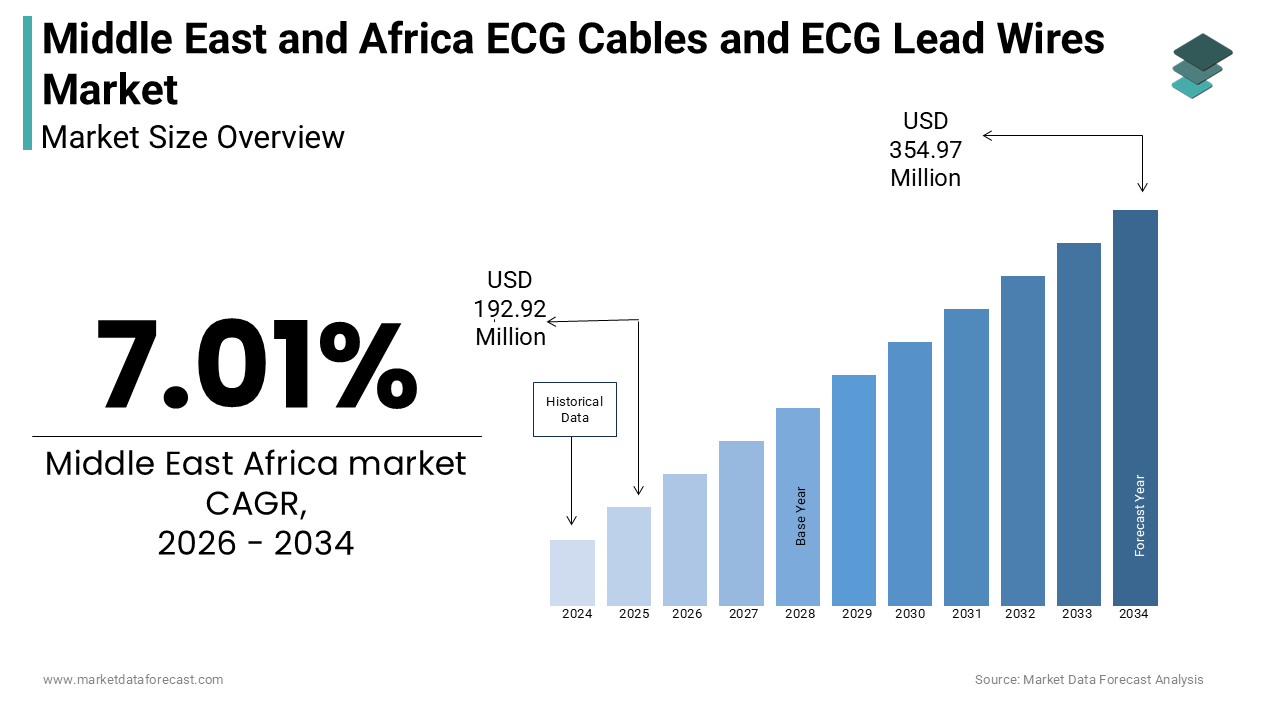
The Middle East and Africa ECG cables and ECG lead wires market size was valued at USD 192.92 million in 2025, reached USD 206.44 million in 2026, and is projected to scale up to USD 354.97 million by 2034, registering a compound annual growth rate (CAGR) of 7.01% during the forecast period from 2026 to 2034. Driven by the escalating burden of cardiovascular diseases, expanding healthcare infrastructure, and modernization of hospital facilities across the MEA region, the market is experiencing steady expansion.
Key Executive Metrics (At-a-Glance)
- 2025 Base Valuation: USD 192.92 Million
- 2026 Current Valuation: USD 206.44 Million
- 2034 Forecast Valuation: USD 354.97 Million
- Compound Annual Growth Rate (CAGR): 7.01% (2026–2034)
- Dominant Usability Segment: Reusable ECG Cables and Lead Wires (preferred for cost-efficiency)
- Fastest-Growing Usability Segment: Disposable ECG Cables and Lead Wires (7.5% CAGR)
- Dominant Material Segment: TPE Thermoplastic Elastomer (45.9% share in 2025)
- Fastest-Growing Material Segment: TPU Thermoplastic Polyurethane (8.2% CAGR)
- Dominant Type Segment: 12-Lead ECG Leadwire Segment
- Fastest-Growing Type Segment: 5-Lead ECG Leadwire Segment (6.8% CAGR)
- Dominant Country Market: Saudi Arabia (25.6% share in 2025)
Core Market Drivers
- Cardiovascular Disease Prevalence: High regional incidence of cardiac conditions, obesity, and diabetes requiring continuous monitoring and frequent diagnostic screenings.
- Healthcare Infrastructure Investment: Massive government and private sector outlays for hospital modernization, specialized cardiac centers, and universal health coverage initiatives.
Primary Market Restraints & Challenges
- Budget Constraints & High Costs: High expenses associated with premium disposable leads and severe public health budget limitations in low-income or resource-constrained settings.
- Standardization & Supply Chain Issues: Fragmentation in equipment interfaces, compatibility barriers, and logistical hurdles exacerbated by import reliance.
Middle East and Africa ECG Cables & Lead Wires Market Segmentation Highlights
| Segment Category | Largest Market Segment | Fastest-Growing Market Segment |
|---|---|---|
| By Usability | Reusable ECG Cables and Lead Wires | Disposable ECG Cables and Lead Wires (7.5% CAGR) |
| By Materials | TPE Thermoplastic Elastomer (45.9% share) | TPU Thermoplastic Polyurethane (8.2% CAGR) |
| By Type | 12-Lead ECG Leadwire Segment | 5-Lead ECG Leadwire Segment (6.8% CAGR) |
Major Industry Players Profiled
Key manufacturers and market leaders driving the Middle East and Africa sector include GE Healthcare, Koninklijke Philips N.V., SCHILLER AG, 3M Company, Becton, Dickinson, and Company, Welch Allyn, Inc., CONMED Corporation, OSI Systems, Inc., Medtronic plc, Mindray Medical International Limited, and Curbell Medical Products, Inc..
 Download Free Sample Report
Middle East and Africa ECG Cables and ECG Lead Wires Market Size
The Middle East and Africa ECG Cables and ECG Lead wires Market size was valued at USD 192.92 million in 2025 and is anticipated to reach USD 206.44 million in 2026 from USD 354.97 million by 2034, growing at a CAGR of 7.01% during the forecast period from 2026 to 2034.
An ECG (Electrocardiogram) cable and ECG lead wires work together as the physical connection between a patient’s body and an ECG machine to monitor heart activity. These components include patient cables snap leads and trunk cables which are essential for accurate data acquisition in clinical settings ranging from intensive care units to outpatient clinics. The reliability of these accessories is paramount as signal noise or failure can lead to misdiagnosis of life threatening cardiac conditions. According to the World Health Organization, cardiovascular diseases remain the leading cause of death globally, accounting for an estimated 19.8 million deaths annually, with over 75% of this burden falling on low- and middle-income countries. Internal and Emergency Medicine notes that rapid urbanization in sub-Saharan Africa is driving an upsurge in hypertension and ischemic heart disease, exposing a critical gap in regional primary diagnostic and treatment capabilities. The region is characterized by a dual healthcare structure where advanced private hospitals in Gulf Cooperation Council countries utilize high end digital monitoring systems while public facilities in other areas rely on basic analog equipment. This evolving landscape drives the demand for durable cost effective and compatible ECG cables and lead wires ensuring consistent cardiac monitoring for diverse patient populations.
MARKET DRIVERS
Rising Prevalence Of Cardiovascular Diseases And Aging Population
The escalating prevalence of cardiovascular diseases coupled with a demographic shift towards an aging population drives the growth of the Middle East and Africa ECG cables and ECG lead wires market. Cardiac conditions such as coronary artery disease arrhythmias and heart failure require continuous monitoring and frequent diagnostic testing which directly increases the consumption of disposable and reusable ECG accessories. According to the World Health Organization the Eastern Mediterranean Region has one of the highest rates of diabetes and obesity globally which are major risk factors for cardiovascular complications driving the need for regular cardiac screening. Joint guidelines from the National Heart Center and Saudi Heart Association indicate that cardiovascular diseases account for roughly 45% of all deaths in Saudi Arabia, accelerating national programs to expand specialized cardiac centers. Furthermore the aging population in countries like Egypt and South Africa is growing with individuals over 60 years old requiring more frequent medical interventions. The South African Medical Research Council underscores alarming levels of adult hypertension, highlighting a critical structural need for the National Department of Health to scale up ECG machines in primary care facilities. This clinical demand ensures a steady requirement for replacement cables and leads which degrade over time due to frequent use and sterilization processes. The expansion of national health insurance schemes in several Gulf states also facilitates access to diagnostic services further boosting the volume of ECG procedures and consequently the consumption of associated consumables.
Expansion Of Healthcare Infrastructure And Hospital Modernization
Significant investments in healthcare infrastructure and the modernization of existing hospital facilities are significantly boosting the expansion of the Middle East and Africa ECG cables and ECG lead wires market. Governments and private investors are prioritizing the upgrade of medical equipment to meet international standards and improve patient outcomes. According to the Ministry of Health in the United Arab Emirates the country has allocated billions of dollars to develop world class healthcare facilities including specialized cardiac centers equipped with state of the art monitoring systems. Similarly in Kenya the government’s Universal Health Coverage pilot programs have led to the procurement of new diagnostic equipment for county hospitals enhancing access to cardiac care. As modern ECG machines are installed they require compatible high quality cables and leads to function effectively creating a direct correlation between equipment upgrades and accessory sales. Furthermore the establishment of new private hospital chains in Nigeria and Ghana has introduced advanced diagnostic protocols that mandate the use of premium disposable leads to prevent cross contamination. This infrastructural growth not only expands the installed base of ECG machines but also creates a recurring revenue stream for cable and lead manufacturers through regular replacement and maintenance contracts.
MARKET RESTRAINTS
High Cost Of Premium Disposable Leads And Budget Constraints
The high cost of premium disposable ECG leads and cables is a major barrier to the growth of the Middle East and Africa market. This is particularly visible in public healthcare facilities and low income regions. While disposable leads offer superior hygiene and convenience their recurring expense places a significant strain on limited healthcare budgets. According to the World Bank many countries in sub Saharan Africa spend less than 50 USD per capita on health annually limiting their ability to procure high quality consumables regularly. Severe budgetary limitations in resource-constrained public hospitals within East Africa frequently force clinical facilities to extend the use of consumables or rely on lower-grade alternatives that risk degrading ECG signal clarity. This practice increases the risk of infection and inaccurate readings potentially leading to misdiagnosis. Furthermore the volatility of local currencies against the US dollar exacerbates the cost of imported medical supplies making it difficult for hospitals to plan long term procurement strategies. As per reports from medical supply distributors price fluctuations can increase the cost of ECG accessories by up to 20 percent within a single year. Consequently many healthcare providers revert to using reusable cables despite the higher labor costs associated with cleaning and sterilization. This financial pressure restricts the market penetration of premium disposable products and limits the overall growth potential of the segment in resource constrained settings.
Lack Of Standardization And Compatibility Issues
The lack of standardization in ECG machine interfaces and compatibility issues with third party cables and leads are significant restraints to the Middle East and Africa ECG Cables and ECG Lead Wires market. Hospitals often operate a mix of legacy and modern ECG devices from various manufacturers each requiring specific connector types and pin configurations. According to the International Electrotechnical Commission while there are global standards for ECG safety and performance variations in proprietary designs persist causing fragmentation in the accessory market. Sources indicate that highly fragmented equipment fleets heavily limit the use of universal cables, creating an ongoing operational dependence on expensive Original Equipment Manufacturer (OEM) accessories. This dependency limits competition and keeps prices high while complicating inventory management for suppliers. Furthermore the absence of a unified regulatory framework for medical device accessories across African nations means that quality and compatibility standards vary significantly between countries. As per studies, the influx of counterfeit or poorly manufactured cables from unregulated sources further exacerbates the problem leading to frequent equipment failures and patient safety risks. Healthcare providers often struggle to identify reliable suppliers who can provide compatible products for their diverse fleet of devices. This technical fragmentation hinders the efficient distribution of ECG cables and leads and discourages the adoption of standardized solutions across the region.
MARKET OPPORTUNITIES
Growth Of Telemedicine And Remote Patient Monitoring
The rapid growth of telemedicine and remote patient monitoring offers a transformative opportunity for the Middle East and Africa ECG cables and ECG lead wires market. This extends cardiac care beyond traditional hospital settings. With the increasing penetration of mobile internet and digital health platforms patients in remote areas can now undergo ECG tests at local clinics or even at home with data transmitted to specialists in urban centers. According to the International Telecommunication Union, broad mobile broadband infrastructure coverage across Africa now reaches the vast majority of the population, providing the baseline connectivity required to support mobile and digital health solutions. Portable and wearable ECG devices require durable and user friendly lead wires that can withstand frequent handling and movement. The Saudi Ministry of Health outlines a significant expansion in telemedicine consultations and virtual care platforms, facilitating the early detection and management of chronic cardiac conditions. Furthermore the development of wireless ECG patches and smart leads offers new avenues for manufacturers to innovate and capture emerging market segments. As per research, partnerships between technology companies and healthcare providers are driving the adoption of connected cardiac monitoring solutions. This shift towards decentralized care creates demand for specialized cables and leads designed for portability and ease of use opening new revenue streams for manufacturers who can adapt their products to the digital health ecosystem.
Increasing Focus On Preventive Healthcare And Screening Programs
Government initiatives and non governmental organizations are increasingly focusing on preventive healthcare and large scale screening programs for cardiovascular diseases creating substantial opportunities for the Middle East and Africa ECG cables and ECG lead wires market. Early detection of cardiac abnormalities through routine ECG screening is critical for reducing mortality rates and healthcare costs in the long term. According to the World Health Organization several countries in the Middle East and Africa have included cardiovascular screening in their national health strategies aiming to identify at risk populations before symptoms manifest. Data from the Egyptian Ministry of Health indicates that nationwide campaigns for hypertension and diabetes screening have reached millions of citizens requiring thousands of ECG tests to be performed in primary care centers. These mass screening efforts drive bulk procurement of disposable ECG leads to ensure hygiene and efficiency in high volume settings. Furthermore international aid organizations such as the Bill and Melinda Gates Foundation support projects that strengthen diagnostic capacities in rural areas providing funding for essential medical supplies including ECG accessories. As per public health reports the integration of ECG screening into maternal and child health programs is also expanding increasing the demand for pediatric specific leads. This policy driven push for preventive care ensures a sustained and growing demand for ECG cables and leads across both public and private sectors.
MARKET CHALLENGES
Supply Chain Disruptions And Logistics Constraints
Supply chain disruptions and logistical constraints present considerable challenges to the consistent availability of these cables and wires in the region, which constrains the growth of the Middle East and Africa ECG cables and ECG lead wires market. The region relies heavily on imports for medical devices and consumables making it vulnerable to global supply chain bottlenecks and local infrastructure deficits. According to the United Nations Conference on Trade and Development freight costs and delivery times to landlocked African countries can be significantly higher and slower than to coastal regions. Data from the World Customs Organization highlights that customs clearance delays at major ports in countries like Nigeria and Kenya can extend by several weeks affecting inventory levels for hospitals. Furthermore the lack of reliable cold chain or temperature controlled storage for sensitive electronic components in some areas can lead product degradation. As per reports from medical distributors stockouts of essential ECG accessories are common in public health facilities due to inefficient distribution networks and bureaucratic hurdles. Geopolitical instability in certain parts of the Middle East further complicates logistics disrupting trade routes and increasing insurance costs. The reliance on a few key suppliers also creates dependency risks where any disruption in production can have immediate impacts on availability. Until supply chain resilience is improved through infrastructure investment and localized distribution hubs the market will continue to face challenges in ensuring reliable access to essential diagnostic consumables.
Regulatory Heterogeneity And Counterfeit Products
Navigating the fragmented regulatory landscape and combating the proliferation of counterfeit products are significant hurdles for the Middle East and Africa ECG cables and ECG lead wires market. Each country maintains distinct regulatory authorities with varying requirements for medical device registration and quality control creating a complex environment for manufacturers. According to the African Medicines Agency efforts toward harmonization are ongoing but full implementation remains distant leaving gaps in enforcement. Data from industry surveys indicates that the presence of counterfeit or substandard ECG cables in informal markets is a serious concern particularly in West Africa where regulatory oversight is weaker. These fake products often fail to meet safety standards posing risks of electric shock or inaccurate diagnostics. As per the World Health Organization approximately 10 percent of medical products in low and middle income countries are substandard or falsified undermining trust in legitimate brands. Manufacturers must invest heavily in anti counterfeit technologies and brand protection measures which increases operational costs. Furthermore the lack of stringent post market surveillance allows inferior products to remain in circulation affecting patient safety and damaging the reputation of genuine suppliers. This regulatory ambiguity and security threat hinder market growth and discourage investment from reputable global players who seek stable and transparent operating environments.
REPORT COVERAGE
| REPORT METRIC | DETAILS |
| Market Size Available | 2025 to 2034 |
| Base Year | 2025 |
| Forecast Period | 2026 to 2034 |
| CAGR | 7.01% |
| Segments Covered | By Usability, Materials, Type, Patient Care Setting & Region |
| Various Analyses Covered | Global, Regional & Country Level Analysis, Segment-Level Analysis, Drivers, Restraints, Opportunities, Challenges, PESTLE Analysis, Porter’s Five Forces Analysis, Competitive Landscape, Analyst Overview on Investment Opportunities |
| Regions Covered | Saudi Arabia (KSA), the United Arab Emirates (UAE), Israel, the Rest of GCC Countries, South Africa, Ethiopia, Kenya, Egypt, Sudan, and the Rest of the Middle East & Africa (MEA). |
| Market leaders Profiled | 3M Company (U.S.), Becton, Dickinson, and Company (U.S.), Welch Allyn, Inc. (U.S.), CONMED Corporation (U.S.), OSI Systems, Inc. (U.S.), SCHILLER AG (Switzerland), Medtronic plc (Ireland), Koninklijke Philips N.V. (The Netherlands), Mindray Medical International Limited (China), Curbell Medical Products, Inc. (U.S.). |
SEGMENTAL ANALYSIS
By Usability Insights
The reusable ECG cables and lead wires segment dominated the Middle East and Africa market and accounted for a substantial share in 2025. This dominance of the segment was driven by its cost effectiveness and durability which align with the budget constraints of many public healthcare facilities. Hospitals and clinics in the region prefer reusable options because they offer a lower total cost of ownership over time compared to the recurring expense of disposable leads. In high-volume screening environments across emerging African markets, clinical facilities heavily rely on durable, reusable ECG cables to optimize long-term procurement budgets and lower per-patient diagnostic costs. The dominance of this segment is further driven by the established infrastructure for sterilization and cleaning in major tertiary care centers where infection control protocols are strictly followed. Sources indicate that a clear majority of public healthcare facilities in sub-Saharan Africa depend on reusable ECG hardware as a necessary strategy to manage strict operational budgets. Furthermore the availability of robust cables made from durable materials like TPU ensures they can withstand repeated autoclaving and chemical disinfection without significant degradation. As per research, the preference for reusable leads is also influenced by supply chain reliability as hospitals do not need to maintain large inventories of disposable items that may expire or run out during logistical disruptions. This economic and logistical advantage solidifies the position of reusable cables as the primary choice for a significant portion of the healthcare sector in the region.
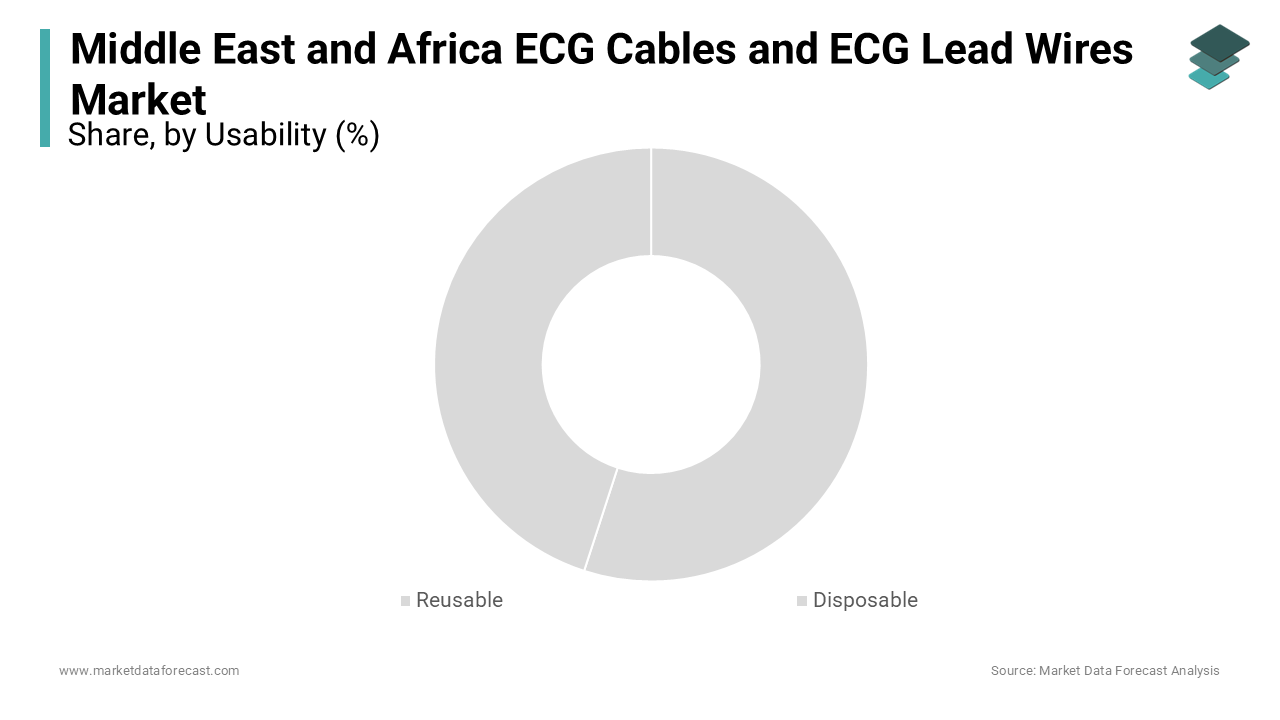
On the other hand, the disposable ECG cables and lead wires segment is likely to experience the fastest CAGR of 7.5% during the forecast period. This rapid expansion of the segment is fueled by increasing awareness of hospital acquired infections and the need for stringent hygiene standards particularly in private hospitals and specialized cardiac centers. According to the World Health Organization healthcare associated infections affect millions of patients globally prompting healthcare facilities in the Middle East and Africa to adopt single use accessories to minimize cross contamination risks. Data from the Saudi Ministry of Health shows a significant shift towards disposable leads in new hospital constructions and upgraded intensive care units to meet international accreditation standards such as those from the Joint Commission International. Furthermore the rising prevalence of infectious diseases including HIV and hepatitis in certain regions makes disposable leads a safer option for both patients and healthcare workers. As per sources, the convenience of disposable leads which eliminate the need for time consuming cleaning and sterilization processes appeals to busy clinical environments aiming to improve patient throughput. The growing medical tourism sector in countries like the United Arab Emirates and South Africa also drives demand for premium disposable products that ensure the highest levels of safety and comfort for international patients. These factors collectively accelerate the adoption of disposable ECG cables and lead wires across the region.
By Materials Insights
The TPE thermoplastic elastomer segment was the largest in the Middle East and Africa ECG cables and ECG lead wires market and occupied a 45.9% share in 2025. This supremacy of the segment was supported by its optimal balance of flexibility durability and cost efficiency. TPE materials provide excellent tactile properties and resistance to kinking making them ideal for the rigorous handling conditions found in busy hospital settings. According to material science data from major cable manufacturers TPE offers superior performance in terms of tensile strength and elongation compared to traditional PVC ensuring longer product life cycles. The dominance of this segment is driven by the widespread adoption of TPE in both reusable and disposable leads as it meets the mechanical requirements for reliable signal transmission while being easier to process than silicone. Furthermore TPE cables are compatible with standard sterilization methods allowing them to be used repeatedly in clinical settings without losing their structural integrity. As per sources the cost effectiveness of TPE compared to silicone makes it the preferred choice for mass production enabling manufacturers to offer competitive pricing to price sensitive markets in Africa and the Middle East. This combination of performance and affordability ensures TPE remains the leading material in the regional market.
But the TPU thermoplastic polyurethane segment is on the rise and is expected to be the fastest growing segment in the market by witnessing a CAGR of 8.2% from 2026 to 2034 owing to its superior abrasion resistance and chemical stability. TPU is increasingly favored for high end reusable cables and premium disposable leads due to its ability to withstand harsh disinfectants and frequent sterilization cycles without cracking or degrading. According to technical specifications from leading polymer suppliers TPU exhibits significantly higher tear strength and resistance to oils and greases compared to TPE making it ideal for demanding clinical environments. Data from hospital biomedical departments in Gulf Cooperation Council countries shows a rising preference for TPU coated cables in intensive care units where equipment is subjected to rigorous cleaning protocols. Furthermore the biocompatibility of TPU reduces the risk of skin irritation for patients during prolonged monitoring periods enhancing patient comfort and safety. As per a study, the growing demand for durable medical devices that offer long term reliability is driving the adoption of TPU in new ECG machine installations. Manufacturers are also investing in TPU based innovations such as ultra thin and lightweight cables that improve maneuverability for healthcare providers. These advanced performance characteristics position TPU as the material of choice for next generation ECG accessories fueling its rapid growth in the region.
By Type Insights
In 2025, the 12 lead ECG leadwire segment held the majority share of the Middle East and Africa market because of its status as the gold standard for comprehensive cardiac diagnosis and its widespread use in hospitals and diagnostic centers. A 12 lead ECG provides a detailed view of the heart’s electrical activity from multiple angles enabling accurate detection of arrhythmias ischemia and myocardial infarction. The dominance of this segment is further supported by the increasing installation of advanced digital ECG machines in modern hospitals across the Gulf and South Africa which are designed specifically for 12 lead acquisitions. Furthermore medical training programs for physicians and technicians emphasize the importance of 12 lead interpretation creating a consistent demand for compatible lead wires. This clinical necessity ensures that 12 lead leadwires remain the most consumed type in the regional market.
However, the 5 lead ECG leadwire segment is expected to exhibit a noteworthy CAGR of 6.8% over the forecast period due to the expansion of continuous patient monitoring in intensive care units and operating theaters. Unlike diagnostic 12 lead ECGs 5 lead systems are primarily used for real time rhythm monitoring allowing healthcare providers to track heart rate and detect immediate abnormalities during surgery or critical care. Furthermore the rise in surgical volumes due to medical tourism and improved access to healthcare services boosts the demand for intraoperative monitoring leads. As per sources, 5 lead wires are also gaining traction in step down units and emergency observation areas where continuous monitoring is required but full 12 lead diagnostics are not immediately necessary. The convenience and efficiency of 5 lead systems for ongoing surveillance make them an indispensable tool in modern critical care driving their rapid adoption across the region.
COUNTRY ANALYSIS
Saudi Arabia ECG Cables and ECG Lead Wires Market Analysis
Saudi Arabia outperformed other countries in the Middle East and Africa ECG cables and ECG lead wires market and captured a 25.6% share in 2025. This leading position is attributed to its extensive healthcare modernization initiatives and high prevalence of cardiovascular diseases. The market status in the Kingdom is characterized by substantial government investment in building world class medical cities and specialized heart centers under Vision 2030. Guided by the Ministry of Health, Saudi Arabia has prioritized massive budgetary allocations for the Health Sector Transformation Program under Vision 2030, moving toward value-based care and expanded local diagnostic infrastructure. Data tracked by the World Heart Federation indicates that cardiovascular diseases are a primary cause of death in Saudi Arabia, which naturally drives high clinical demand for diagnostic equipment like ECG machines across public and private hospitals. As per sources the presence of major international medical device distributors in Riyadh and Jeddah facilitates the availability of high quality ECG accessories. The focus on digital health and telemedicine also encourages the adoption of advanced monitoring systems requiring compatible cables and leads. This combination of financial resources regulatory support and clinical demand solidifies Saudi Arabia’s position as the primary market leader in the region.
United Arab Emirates ECG Cables and ECG Lead Wires Market Analysis
The United Arab Emirates was positioned second in the regional market because of its advanced healthcare infrastructure and status as a global medical tourism hub. The market status in the UAE is defined by strict regulatory standards and a high concentration of private hospitals that prioritize patient safety and comfort. To maintain facility accreditation, the Dubai Health Authority enforces strict infection control guidelines that favor single-use, disposable medical components to mitigate cross-contamination risks. Data from local healthcare providers shows a strong preference for premium TPU and disposable ECG leads to meet international best practices. Furthermore the growing elderly population and high incidence of lifestyle related diseases such as diabetes and hypertension drive consistent demand for cardiac diagnostics. As per research the UAE serves as a re export hub for medical supplies to neighboring countries enhancing its strategic importance in the supply chain. The adoption of smart hospital technologies and remote monitoring solutions also creates opportunities for innovative ECG cable designs. This focus on excellence and innovation maintains the UAE’s strong competitive position in the regional market.
Israel ECG Cables and ECG Lead Wires Market Analysis
Israel holds a significant position in the market due to a robust medical device industry and high healthcare spending. The market status in Israel is marked by early adoption of cutting edge diagnostic technologies and a strong focus on research and development. According to the Israeli Ministry of Health and OECD indicators, despite facing systemic physician shortage pressures, Israel maintains high utilization rates for primary diagnostic tools, including ECGs. Data from local hospitals indicates a high utilization rate of digital ECG systems integrated with electronic health records requiring reliable and high performance cables. Furthermore Israel is home to several innovative medtech companies that develop proprietary monitoring solutions contributing to local demand for specialized lead wires. As per research the universal health coverage system ensures that all citizens have access to comprehensive cardiac care driving steady consumption of ECG accessories. The emphasis on precision medicine and data accuracy reinforces the preference for high quality materials such as TPU and TPE. This culture of innovation and high standards maintains Israel’s relevance as a key market for advanced ECG components.
COMPETITIVE LANDSCAPE
The competition in the Middle East and Africa ECG Cables and ECG Lead Wires Market is characterized by the presence of established global medical device manufacturers alongside emerging regional distributors who adapt international technologies to local needs. Major multinational corporations leverage their extensive product portfolios brand reputation and technical expertise to secure contracts in well funded healthcare systems within the Gulf Cooperation Council countries. In contrast smaller players and local agents focus on affordability and accessibility to penetrate price sensitive markets in Sub Saharan Africa where budget constraints are significant. The competitive landscape is further shaped by the need for regulatory compliance across fragmented jurisdictions prompting companies to invest in registration and certification processes. Differentiation increasingly relies on integrated solutions combining cables instruments software and training rather than standalone products. As governments prioritize health security and diagnostic capacity building vendors must demonstrate value through improved reliability and supply chain stability. This dynamic environment fosters innovation in service delivery models and encourages collaboration between global manufacturers and local stakeholders to overcome systemic challenges and expand cardiac diagnostic access across the diverse and evolving healthcare ecosystems of the region.
KEY MARKET PLAYERS
Companies playing a notable role in the MEA ECG Cables and ECG Lead wires Market include
- 3M Company (U.S.)
- Becton, Dickinson, and Company (U.S.)
- Welch Allyn, Inc. (U.S.)
- CONMED Corporation (U.S.)
- OSI Systems, Inc. (U.S.)
- SCHILLER AG (Switzerland)
- Medtronic plc (Ireland)
- Koninklijke Philips N.V. (The Netherlands)
- Mindray Medical International Limited (China)
- Curbell Medical Products, Inc. (U.S.)
Top Players In The MEA Market
GE Healthcare
GE Healthcare maintains a robust presence in the Middle East and Africa ECG cables and lead wires market through its comprehensive portfolio of cardiovascular monitoring solutions. The company provides high quality reusable and disposable leads that are compatible with its advanced ECG machines widely used in regional hospitals. Recent initiatives include the expansion of service centers in Saudi Arabia and South Africa to ensure timely maintenance and supply of accessories. GE Healthcare has also launched training programs for biomedical engineers to improve the lifespan and proper usage of ECG cables. These efforts demonstrate a strong commitment to enhancing diagnostic reliability and customer support while strengthening its position as a trusted partner for healthcare institutions across the diverse markets of the region.
Philips
Philips contributes significantly to the Middle East and Africa ECG cables and lead wires market by offering integrated patient monitoring systems that require specialized high performance leads. The company focuses on delivering durable and hygienic disposable leads that align with international infection control standards. Recently Philips has strengthened its market position by partnering with local distributors in Egypt and Kenya to improve product availability and reduce supply chain delays. They have also introduced eco friendly cable options made from sustainable materials to appeal to environmentally conscious healthcare providers. These strategic actions enhance operational efficiency and patient safety ensuring that Philips remains a preferred choice for modern healthcare facilities seeking reliable and innovative cardiac monitoring accessories.
Schiller AG
Schiller AG plays a pivotal role in the Middle East and Africa ECG cables and lead wires market by providing cost effective and robust diagnostic accessories tailored for diverse clinical settings. The company is known for its durable reusable cables that withstand rigorous sterilization processes common in public hospitals. Recent actions include the establishment of regional warehouses in the United Arab Emirates to accelerate delivery times and ensure consistent stock levels. Schiller has also collaborated with government health ministries to supply bulk quantities of ECG leads for national screening programs. These initiatives address critical infrastructure challenges and improve access to essential diagnostic tools reinforcing Schiller’s reputation as a reliable supplier of high quality ECG components in the region.
Major Strategies Used By Key Players
Key players in the Middle East and Africa ECG Cables and ECG Lead Wires Market primarily focus on strategic partnerships and localized distribution networks to navigate regulatory complexities and infrastructure limitations. Companies invest heavily in technical training and capacity building programs to address the shortage of skilled biomedical personnel ensuring proper utilization and maintenance of their products. Manufacturers also prioritize supply chain resilience by establishing regional warehousing hubs to mitigate import delays and currency fluctuations. Furthermore firms align their product portfolios with public health priorities such as cardiovascular disease screening to secure government contracts. Developing robust and cost effective cable formulations tailored for challenging environmental conditions enables companies to expand their reach into remote areas while maintaining product integrity and customer trust.
MARKET SEGMENTATION
This research report on the MEA ECG Cables and ECG Lead wires Market has been segmented and sub-segmented into the below categories:
By Usability
- Reusable
- Disposable
By Materials
- TPE (Thermoplastic Elastomer)
- TPU (Thermoplastic Polyurethane)
- Others
- Silicone
- PVC
By Type
- Single-Lead ECG Lead wire
- 3-Lead ECG Lead wire
- 5-Lead ECG Lead wire
- 6- Lead ECG Lead wire
- 12- Lead ECG Lead wire
- Other ECG Lead wires
By Patient Care Setting
- Hospitals
- Long Term Care Facilities
- Clinics
- Ambulatory
- Homecare
By Country
- KSA
- UAE
- Israel
- rest of GCC countries
- South Africa
- Ethiopia
- Kenya
- Egypt
- Sudan
- rest of MEA