- Product Description Description
- Table of Contents TOC
- List of Table & Figure LOT
- Get Free Sample PDF Sample PDF
Market Size, 2025
$296 MnMarket Estimate, 2026
$324 MnMarket Forecast, 2034
$662 MnCAGR, 2026–2034
9.35%North America Caviar Market Report Summary
The North America caviar market was valued at USD 296.31 million in 2025, is estimated to reach USD 324.01 million in 2026, and is projected to reach USD 662.38 million by 2034, growing at a CAGR of 9.35% during the forecast period. Market growth is driven by increasing demand for premium and luxury food products, rising consumer spending on gourmet dining, and expanding availability of sustainably farmed caviar. The growing popularity of fine dining experiences, along with increasing awareness of high quality seafood products, is further supporting market expansion. In addition, advancements in aquaculture and sustainable sturgeon farming are contributing to steady growth across North America.
Key Market Trends
- Rising demand for luxury and premium food products is driving market growth.
- Increasing popularity of fine dining and gourmet cuisine is boosting caviar consumption.
- Growing adoption of sustainable aquaculture practices is supporting market expansion.
- Expansion of high end restaurants and hospitality sector is enhancing demand.
- Rising consumer awareness of quality and origin is influencing purchasing decisions.
Segmental Insights
- Based on product type, the acipenser transmontanus segment was the largest and held 44.7% of the North America caviar market share in 2025. This dominance is attributed to its high quality, availability from sustainable aquaculture, and strong consumer preference.
- Based on application, the restaurants segment accounted for 58.8% of the North America caviar market share in 2025. The segment’s growth is driven by increasing demand from fine dining establishments and premium hospitality services.
Regional Insights
- The North America caviar market is experiencing strong growth across the region, supported by rising demand for premium seafood products.
- The United States was the largest contributor, accounting for 82.6% of the North America caviar market share in 2025, driven by strong luxury food demand, high consumer spending, and a well developed restaurant industry.
Competitive Landscape
The North America caviar market is moderately competitive, with key players focusing on sustainable production, product quality, and brand positioning to strengthen their market presence. Companies are investing in aquaculture technologies, premium packaging, and global distribution networks. Prominent players in the North America caviar market include Kaluga Queen, California Caviar Company, Sterling Caviar, Agroittica Lombarda, Coastal Bay Seafoods, Avori Caviar, American Pearl Caviar, and Russian Caviar House.
North America Caviar Market Size
The North America caviar market was valued at USD 296.31 million in 2025, and the market size is expected to reach USD 324.01 million in 2026 and USD 662.38 million by 2034. The market's promising CAGR for the predicted period is 9.35%.
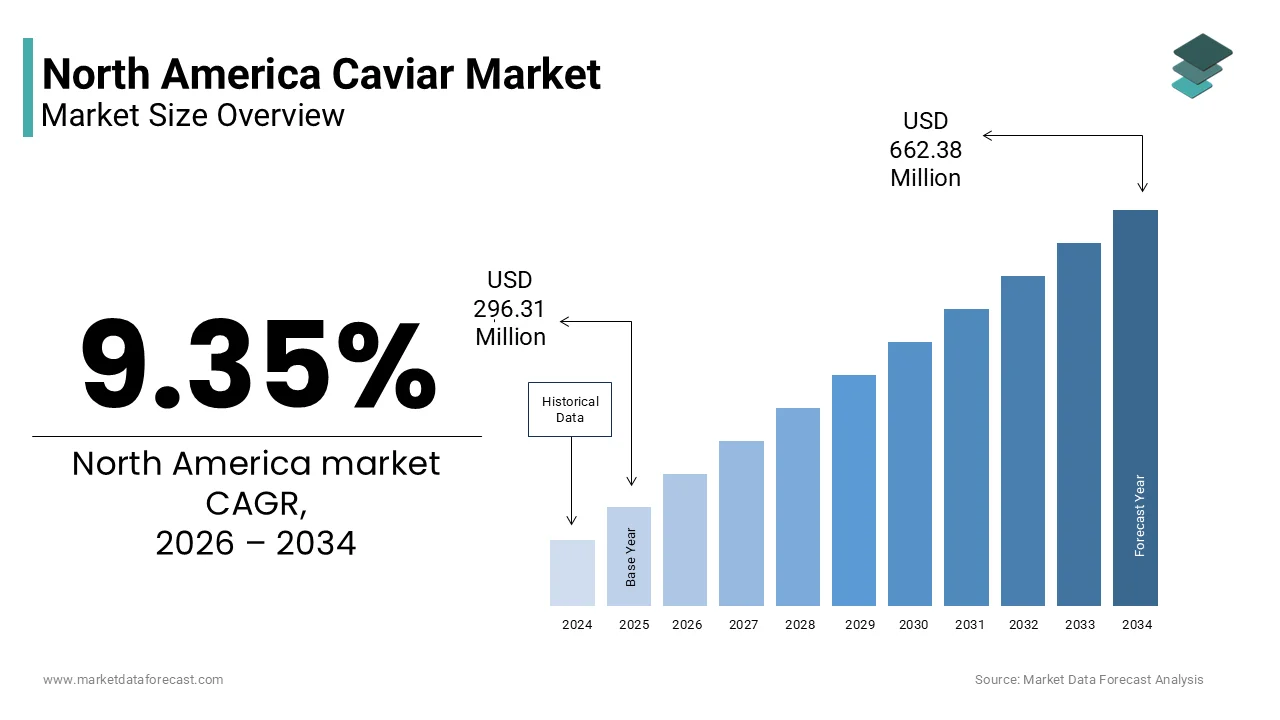
Historically dominated by wild-caught varieties, the North American caviar market has undergone a profound transformation toward aquaculture-driven production due to stringent conservation measures. This shift ensures sustainability while meeting the escalating demand for premium gastronomic experiences in the United States and Canada. The region is home to some of the world’s most advanced sturgeon farming operations, particularly in California and Florida, which produce high-quality roe that rivals traditional European imports. According to the National Oceanic and Atmospheric Administration, the import of wild sturgeon caviar into the United States has been effectively prohibited since 2005 under the Endangered Species Act, forcing a complete reliance on farmed sources and alternative species. This regulatory framework has fostered a robust domestic aquaculture sector. As per the United States Department of Agriculture, the value of aquaculture production in the US reached approximately 2 billion USD in recent years, with specialty products like caviar contributing significantly to high-value outputs. The culinary landscape in North America has evolved, with caviar becoming increasingly accessible in upscale retail channels and hospitality venues beyond traditional fine dining. Consumer education regarding sustainable sourcing and species differentiation has further propelled market maturity. The integration of caviar into modern fusion cuisines and casual luxury settings reflects a broadening consumer base. This dynamic environment positions North America as a critical hub for innovation and sustainable luxury seafood production globally.
MARKET DRIVERS
Expansion of High Net Worth Individual Population and Luxury Dining Culture
The growing population of high-net-worth individuals in North America is primarily driving the growth of the North American caviar market. Wealth accumulation in the region has led to increased expenditure on luxury goods and experiential dining, where caviar remains a quintessential symbol of opulence. As per the Knight Frank Wealth Report, the number of ultra-high-net-worth individuals in North America grew by 7.2% in 2023, creating a larger customer base for premium culinary products. This demographic prioritizes exclusivity and quality, driving demand for rare and sustainably sourced caviar varieties such as Beluga Hybrid and Osetra. The proliferation of Michelin-starred restaurants and high-end hospitality establishments across major metropolitan areas like New York, Los Angeles, and Toronto further amplifies consumption. These venues frequently feature caviar as a centerpiece in tasting menus, influencing consumer preferences and normalizing its presence in luxury dining. Additionally, the rise of private dining clubs and exclusive events provides platforms for caviar sampling and purchase. The cultural association of caviar with celebration and status ensures consistent demand regardless of broader economic fluctuations. Retailers are capitalizing on this trend by offering curated caviar experiences and personalized services to affluent clients. The integration of caviar into corporate gifting and high-profile social gatherings also contributes to market growth. This sustained interest from wealthy consumers supports premium pricing strategies and encourages investment in high-quality production facilities.
Rising Consumer Awareness Regarding Sustainable Aquaculture Practices
Increasing consumer awareness regarding environmental sustainability and ethical sourcing significantly drives the preference for farmed caviar in North America, which is further boosting the expansion of the North American caviar market. Modern consumers are more informed about the ecological impact of their food choices and actively seek products that align with conservation goals. Farmed caviar offers a viable alternative to wild-caught roe, alleviating pressure on endangered sturgeon populations. As per the Marine Stewardship Council, consumer interest in sustainable seafood remains at an all-time high, with a significant majority of shoppers in North America preferring products with eco-labels. Producers in the United States and Canada adhere to strict environmental standards, utilizing recirculating aquaculture systems that minimize water usage and waste. This transparency appeals to environmentally conscious buyers who value traceability and ethical production methods. Educational campaigns by industry associations and retailers highlight the benefits of aquaculture, dispelling misconceptions about farmed seafood quality. The availability of detailed information regarding farm locations and harvesting practices builds consumer trust and loyalty. Furthermore, celebrity chefs and food influencers advocate for sustainable caviar, influencing public perception and demand. The alignment with broader sustainability trends in the food industry enhances the market appeal of farmed caviar. Retailers often highlight sustainability credentials on packaging and marketing materials to attract eco-friendly consumers. This shift in consumer behavior not only supports market growth but also encourages continuous improvement in aquaculture technologies and practices.
MARKET RESTRAINTS
Stringent Regulatory Frameworks and Compliance Costs
The North American caviar market operates under a complex web of regulatory requirements that impose significant compliance burdens on producers and distributors, which is hampering the rapid expansion of the regional market. The Convention on International Trade in Endangered Species of Wild Fauna and Flora mandates rigorous labeling and documentation for all caviar transactions to prevent illegal trade. As per the United States Fish and Wildlife Service, every container of caviar must bear a standardized label indicating the species, source country, and year of harvest, requiring meticulous record-keeping. Non-compliance can result in severe penalties and seizure of products, deterring smaller players from entering the market. The high cost of obtaining necessary permits and maintaining compliance infrastructure increases operational expenses for farmers. Additionally, state-level regulations vary significantly, creating logistical challenges for interstate commerce. For instance, water discharge standards for aquaculture facilities differ between states, necessitating customized filtration systems. These regulatory hurdles limit scalability and increase time to market for new products. The administrative burden diverts resources from innovation and expansion efforts. Furthermore, changes in international trade policies can disrupt supply chains for equipment and feed ingredients. Producers must constantly adapt to evolving legal landscapes, which requires specialized legal and regulatory expertise. This environment favors large established companies with substantial resources, potentially stifling competition and innovation from smaller enterprises. The complexity of navigating these regulations remains a persistent restraint on market dynamism and growth potential.
High Production Costs and Capital Intensity of Sturgeon Farming
The capital-intensive nature of sturgeon farming is further hindering the growth of the North American caviar market. Sturgeon require several years to reach sexual maturity before they can produce roe, with some species taking up to 10 years. This long production cycle ties up capital for extended periods without generating revenue from caviar sales. As per the Food and Agriculture Organization of the United Nations, the initial investment for establishing a commercial sturgeon farm is substantial, often requiring millions of dollars for land, tanks, and specialized equipment. Operational expenses such as high-quality feed, water treatment, and labor further strain financial resources. The risk of disease outbreaks or environmental failures can lead to total loss of stock, discouraging potential investors. Insurance premiums for aquaculture operations are consequently high, adding to the financial burden. The limited number of producers restricts supply elasticity, making the market vulnerable to shocks. Small-scale farmers often struggle to achieve economies of scale, resulting in higher unit costs compared to larger competitors. This financial barrier to entry limits market diversity and innovation. Additionally, the need for continuous investment in technology to improve survival rates and yield quality requires sustained funding. The long payback period deters short-term investors, constraining the flow of capital into the sector. These economic realities constrain market expansion and keep prices elevated, limiting accessibility to broader consumer segments.
MARKET OPPORTUNITIES
Integration of Caviar into Casual Dining and Retail Channels
The democratization of caviar through its integration into casual dining and mainstream retail channels is a significant opportunity for market expansion. Traditionally confined to fine dining establishments, caviar is increasingly appearing on menus at bistros, brunch spots, and even fast-casual restaurants. This shift broadens the consumer base beyond ultra-wealthy individuals to include middle-income enthusiasts seeking occasional luxury experiences. As per the National Restaurant Association, nearly 60% of consumers are willing to pay more for menu items featuring premium ingredients, indicating a readiness to embrace affordable luxury. Retailers are responding by offering smaller packaging sizes and entry-level varieties at accessible price points. Supermarkets and specialty food stores are expanding their seafood sections to include fresh and pasteurized caviar options. Online direct-to-consumer platforms facilitate easy access to a wide range of products, accompanied by educational content to guide purchasing decisions. Collaborations between producers and popular food brands enable the creation of caviar-infused snacks and condiments, introducing the flavor profile to new audiences. Marketing campaigns emphasize versatility and ease of preparation, encouraging home consumption. The trend toward experiential eating drives interest in trying new and exotic foods, benefiting caviar suppliers. By lowering barriers to entry in terms of price and perception, the market can achieve volume growth. This strategic positioning transforms caviar from a rare delicacy into an attainable indulgence, unlocking substantial revenue potential.
Development of Value Added Caviar Products and Innovations
Innovation in product formulation and packaging is another lucrative opportunity for the regional market. Producers are developing value-added products such as caviar blends, flavored roe, and ready-to-serve appetizers to appeal to diverse consumer preferences. These innovations reduce the intimidation factor associated with traditional caviar service and provide convenient options for modern lifestyles. As per the Specialty Food Association, retail sales of specialty foods reached over 190 billion USD in the US in 2023, driven by consumer demand for unique and high-quality items. Flavored caviars infused with herbs, spices, or citrus notes cater to adventurous palates and culinary experimentation. Packaging advancements such as resealable tins and single-serve portions enhance convenience and reduce waste, addressing practical consumer concerns. The development of plant-based caviar alternatives using molecular gastronomy techniques also opens new market segments among vegan and vegetarian consumers. These alternatives mimic the texture and appearance of traditional caviar, appealing to ethical eaters. Collaborations with chefs to create signature products enhance brand prestige and visibility. Digital marketing strategies leverage social media to showcase creative serving suggestions and recipes, engaging younger demographics. The focus on convenience and novelty drives repeat purchases and brand loyalty. By expanding the product portfolio beyond traditional loose roe, companies can capture additional market share and increase average transaction values. This innovation-led approach ensures relevance in a changing culinary landscape.
MARKET CHALLENGES
Vulnerability to Disease Outbreaks in Aquaculture Facilities
The susceptibility of sturgeon farms to disease outbreaks poses a significant challenge to the North America caviar market. High-density farming conditions can facilitate the rapid spread of pathogens such as bacteria, viruses, and parasites, leading to high mortality rates. As per the World Organisation for Animal Health, aquatic animal diseases cause billions of dollars in economic losses globally, with sturgeon being particularly vulnerable to specific infections like iridovirus. An outbreak can devastate entire stocks, resulting in significant financial losses and supply disruptions. The long growth cycle of sturgeon means that replacing lost stock takes years, affecting long-term supply stability. Biosecurity measures are essential but costly to implement and maintain consistently. Small and medium-sized farms may lack the resources for advanced health monitoring and prevention systems. Regulatory requirements for disease reporting and containment can further complicate operations during an incident. Consumer confidence may be shaken by news of disease outbreaks, impacting demand temporarily. The industry relies on continuous research to develop vaccines and treatment protocols, but progress is slow. Climate change exacerbates the risk by altering water temperatures and quality, creating favorable conditions for pathogens. Managing health risks requires vigilant oversight and investment in veterinary services. This inherent biological vulnerability remains a critical operational challenge that threatens profitability and market stability.
Supply Chain Disruptions and Logistics Complexities
The perishable nature of caviar necessitates a highly efficient and reliable cold chain logistics network, which presents ongoing challenges for the North America market. Any break in temperature control during transportation can compromise product quality and safety, leading to spoilage and financial loss. As per the World Bank, logistics inefficiencies can increase costs significantly, with temperature-sensitive goods requiring specialized handling and infrastructure. Caviar requires strict temperature maintenance, typically between 28 and 32 degrees Fahrenheit, demanding specialized packaging and expedited shipping methods. Rising fuel costs and labor shortages in the logistics sector increase transportation expenses and delivery times. Geographic distance between production facilities in rural areas and major urban consumption centers adds complexity to distribution. International imports face additional hurdles such as customs delays and regulatory inspections, which can extend transit times. Domestic producers also face challenges in reaching remote markets efficiently. The lack of standardized cold-chain infrastructure in some regions limits market penetration. Companies must invest in advanced tracking technologies and redundant logistics partners to mitigate risks. These logistical complexities increase operational costs and reduce profit margins. Ensuring consistent product quality upon arrival requires rigorous coordination and monitoring. The vulnerability of the supply chain to external disruptions such as weather events or strikes remains a persistent challenge for market participants.
REPORT COVERAGE
| REPORT METRIC | DETAILS |
| Market Size Available | 2025 to 2034 |
| Base Year | 2025 |
| Forecast Period | 2026 to 2034 |
| CAGR | 9.35% |
| Segments Covered | By Product Type, Application, and Region |
| Various Analyses Covered | Global, Regional, & Country Level Analysis; Segment-Level Analysis; DROC, PESTLE Analysis; Porter’s Five Forces Analysis; Competitive Landscape; Analyst Overview of Investment Opportunities |
| Regions Covered | United States, Canada and Rest of North America |
| Market Leaders Profiled | Kaluga Queen, California Caviar Company, Sterling Caviar, Agroittica Lombarda, Coastal Bay Seafoods, Avori Caviar, American Pearl Caviar, and Russian Caviar House |
SEGMENTAL ANALYSIS
By Product Type Insights
The acipenser transmontanus segment dominated the market by holding 44.7% of the regional market share in 2025. The dominance of this segment in the regional market is primarily attributed to the extensive aquaculture infrastructure established in the United States, particularly in California, which has been farming White Sturgeon for decades. The species is native to the Pacific Northwest, allowing farmers to utilize local genetic stock that is well-adapted to regional conditions. As per the California Department of Fish and Wildlife, White Sturgeon aquaculture represents the majority of sturgeon farming activity in the state, with the vast majority of commercial farms focusing on this species due to its reliable growth rates and high roe yield. The consistent quality and large bead size of Transmontanus caviar have made it a staple in high-end restaurants across the continent. Chefs prefer this variety for its buttery texture and nuanced flavor profile, which appeals to both traditionalists and new consumers. The established supply chain ensures steady availability, reducing the risk of shortages that plague other varieties. Furthermore, the brand recognition of American White Sturgeon caviar has grown significantly, with consumers associating it with sustainable and premium quality. The ability of producers to scale operations efficiently has kept prices competitive relative to imported alternatives. This combination of logistical advantage, culinary preference, and brand equity solidifies the leading position of Acipenser Transmontanus in the North American market.
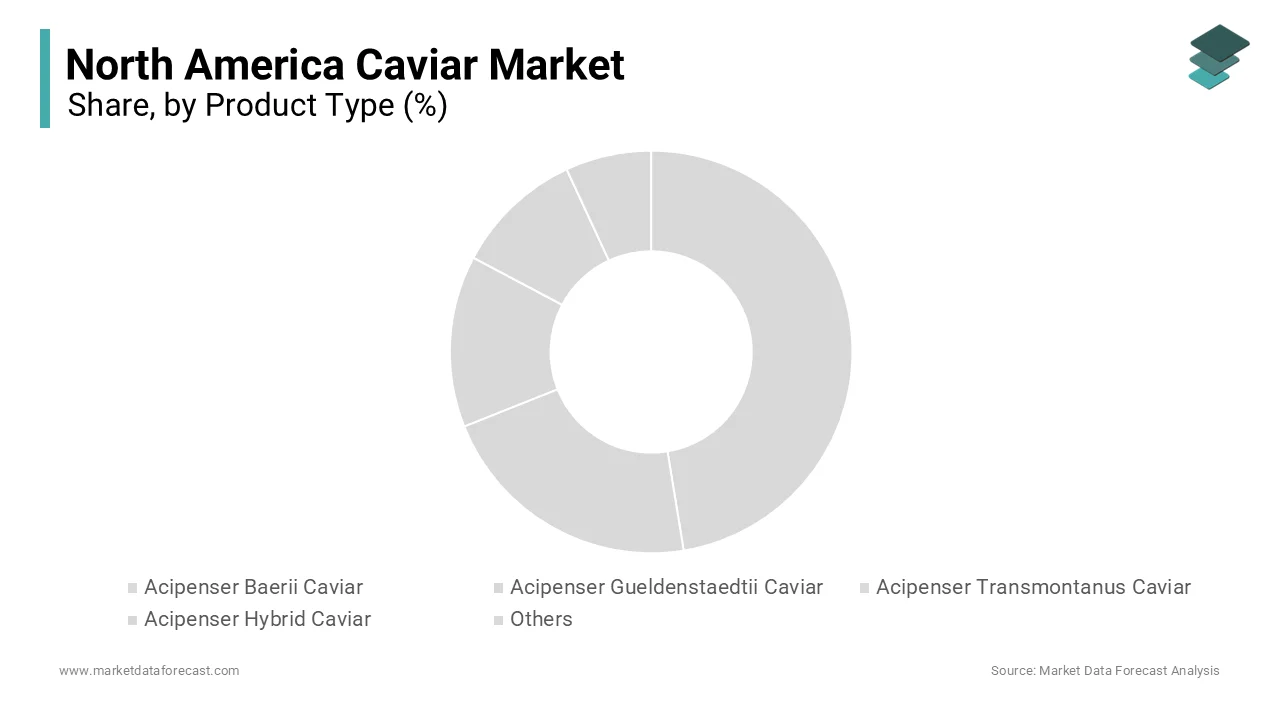
However, the acipenser hybrid segment is anticipated to record a CAGR of 9.2% over the forecast period in this regional market owing to the strategic crossbreeding of different sturgeon species to combine desirable traits such as faster maturity, higher disease resistance, and superior roe quality. Hybrids such as the Beluga Hybrid (Huso huso x Acipenser ruthenus) offer the luxurious appeal of Beluga caviar without the legal restrictions and long maturation periods associated with purebred Beluga sturgeon. As per the Food and Agriculture Organization of the United Nations, hybrid sturgeon can reach harvestable maturity significantly faster than many pure species, improving cash flow for farmers. This economic advantage encourages more producers to adopt hybrid farming practices. The resulting caviar often features larger beads and a richer flavor profile that closely mimics rare wild varieties, attracting discerning consumers seeking luxury experiences at accessible price points. Marketing efforts highlight the exclusivity and unique characteristics of hybrid caviar, differentiating it from standard offerings. The versatility of hybrids allows them to thrive in various aquaculture systems, enhancing production stability. Additionally, consumer curiosity about novel food products drives trial and adoption. The alignment of economic efficiency for producers with premium quality for consumers positions Acipenser Hybrid caviar as the fastest-growing segment, reflecting a dynamic shift in production strategies and consumer preferences within the North American market.
By Application Insights
The restaurants segment dominated the market by accounting for the highest share of 58.8% of the regional market in 2025. The growth of the restaurants segment in the North American market is attributed to the entrenched role of caviar in fine dining and luxury hospitality experiences. High-end establishments use caviar as a signature item to elevate their menus and attract affluent clientele. As per the National Restaurant Association, total restaurant industry sales have reached record levels, with fine dining establishments seeing robust demand for premium appetizers and specialty items. Chefs leverage caviar to create visually striking and flavorful dishes that enhance the overall dining experience. The expertise required to properly serve and pair caviar makes restaurants the preferred channel for many consumers who seek guidance and authenticity. Hotel chains and upscale resorts also contribute significantly to this segment, offering caviar bars and room service options. The social aspect of dining out allows consumers to share the experience, reinforcing the status symbol associated with caviar consumption. Partnerships between producers and renowned chefs help promote specific brands and varieties, driving brand loyalty within the professional culinary community. The consistency of supply and quality assurance provided by specialized distributors further supports the restaurant sector. Despite the rise of retail sales, the restaurant channel remains the primary gateway for introducing new consumers to caviar, ensuring its continued dominance in the market landscape.
However, the household segment is experiencing the fastest growth in the North America caviar market and is estimated to witness a CAGR of 10.5% over the forecast period due to the increasing availability of caviar through e-commerce platforms and specialty retail stores. Consumers are increasingly purchasing caviar for home consumption, motivated by the desire for convenience and private luxury experiences. As per the Specialty Food Association, online sales of specialty foods continue to outpace total food sales growth, with seafood and gourmet items showing significant traction. Direct-to-consumer websites allow producers to offer fresh, high-quality caviar directly to customers, bypassing traditional intermediaries. Retailers are expanding their refrigerated sections to include a wider variety of caviar options, including smaller packaging sizes that are more affordable for individual households. Marketing campaigns emphasize easy serving suggestions and pairing ideas, reducing the intimidation factor for first-time buyers. The trend toward hosting intimate dinner parties and special occasions at home has further boosted demand. Subscription services and gift sets provide convenient options for regular consumption and gifting. Social media influencers and food bloggers play a crucial role in educating consumers and inspiring home usage. This shift in purchasing behavior reflects a broader democratization of luxury goods, making caviar an accessible indulgence for everyday celebrations. The combination of digital accessibility and changing lifestyle preferences positions the household segment as a key growth engine.
REGIONAL ANALYSIS
United States Caviar Market Analysis
The United States was the dominant market for caviar in North America and accounted for 82.6% of the regional market share in 2025. The country’s large population of high-net-worth individuals and vibrant culinary scene drive this leadership position. The US is home to the majority of sturgeon farms in the region, particularly in California, Florida, and Idaho, ensuring a robust domestic supply chain. As per the United States Department of Agriculture, the value of aquaculture production in the US continues to rise, with sturgeon farming contributing significantly to high-value outputs. The presence of numerous Michelin-starred restaurants and luxury hotels in major cities like New York, Los Angeles, and Miami creates sustained demand for premium caviar. Consumer awareness regarding sustainable seafood is high, favoring domestically farmed products over imports. Regulatory frameworks such as the Endangered Species Act have shaped the market by prohibiting wild sturgeon fishing, thereby promoting aquaculture innovation. The US market is characterized by a diverse range of products, from entry-level varieties to exclusive limited editions. Strong distribution networks facilitate efficient delivery to both commercial and retail customers. The cultural acceptance of caviar as a symbol of celebration and status ensures consistent demand. Additionally, the growth of e-commerce platforms has expanded access to consumers in remote areas. This combination of production capacity, consumer wealth, and culinary sophistication ensures that the United States remains the central pillar of the North American caviar market.
Canada Caviar Market Analysis
Canada is predicted to hold a prominent share of the North American caviar market during the forecast period owing to a growing appreciation for gourmet foods and a strong emphasis on sustainability. Provinces such as British Columbia and New Brunswick are emerging hubs for sturgeon aquaculture, benefiting from favorable water conditions and regulatory support. As per Statistics Canada, the aquaculture industry in Canada has seen steady growth, with increased investment in sustainable farming practices. Canadian consumers are increasingly seeking locally sourced and environmentally responsible products, boosting demand for domestic caviar. The hospitality sector in major cities like Toronto, Vancouver, and Montreal features caviar prominently in fine dining establishments. The influence of European culinary traditions in Canada also contributes to the popularity of caviar. Retailers are expanding their gourmet seafood offerings, making caviar more accessible to household consumers. Government initiatives promoting seafood consumption and export opportunities further support market development. The Canadian market is characterized by a focus on quality and traceability, with consumers willing to pay premium prices for certified sustainable products. Collaborations between producers and chefs help promote Canadian caviar both domestically and internationally. While smaller than the US market, Canada’s commitment to sustainability and quality positions it as a significant and growing player in the regional landscape.
COMPETITIVE LANDSCAPE
The competition in the North America Caviar Market is characterized by a concentrated landscape featuring a few dominant producers and several niche artisans. Large established companies leverage their scale and distribution networks to maintain market leadership while smaller players compete on uniqueness and specialized qualities. The barrier to entry remains high due to significant capital requirements and long production cycles associated with sturgeon farming. This limits the number of new competitors and fosters stability among existing players. Competition is primarily driven by product quality, sustainability credentials, and brand reputation rather than price alone. Companies invest heavily in marketing and culinary partnerships to differentiate their offerings and build brand loyalty. The rise of e commerce has intensified competition by enabling direct consumer engagement and comparison shopping. Innovations in packaging and preservation technologies provide competitive edges by extending shelf life and enhancing convenience. Regulatory compliance serves as another differentiator as consumers increasingly prefer certified sustainable products. The market sees occasional collaborations between producers and retailers to create exclusive offerings. Overall the competitive environment encourages continuous improvement in quality and sustainability practices ensuring that only the most adaptable and customer focused companies thrive in this specialized luxury food sector.
KEY MARKET PLAYERS
Key market players in the North America caviar market are
- Kaluga Queen
- California Caviar Company
- Sterling Caviar
- Agroittica Lombarda
- Coastal Bay Seafoods
- Avori Caviar
- American Pearl Caviar
- Russian Caviar House
Top 3 Players in the North America Caviar Market
- Sterling Caviar LLC stands as a premier producer of sustainable white sturgeon caviar in California. The company leverages decades of aquaculture expertise to deliver high quality roe that meets rigorous international standards. Sterling Caviar has recently expanded its processing facilities to enhance capacity and ensure consistent product availability for global clients. Their commitment to environmental stewardship is evident in their use of recirculating aquaculture systems that minimize water usage. The company actively collaborates with top chefs and culinary institutions to promote American caviar as a luxury staple. By investing in advanced harvesting technologies, they maintain superior bead integrity and flavor profiles. Sterling Caviar’s strategic partnerships with distributors enable efficient reach into both domestic and international markets. Their focus on traceability and transparency builds trust among conscientious consumers. This dedication to quality and sustainability reinforces their reputation as a leader in the North American caviar industry, setting benchmarks for ethical production and premium taste.
- Tsar Nicoulai Caviar Company is renowned for its artisanal approach to caviar production and packaging. Based in California, the company specializes in hand harvested white sturgeon caviar that appeals to discerning gourmet consumers. They have recently introduced innovative packaging solutions that extend shelf life while preserving freshness and aesthetic appeal. Tsar Nicoulai emphasizes direct to consumer sales through an robust online platform, allowing them to control brand experience and customer engagement. The company participates in exclusive food festivals and luxury events to showcase their products to high net worth individuals. Their meticulous attention to detail in sorting and salting processes ensures a consistent premium product. Tsar Nicoulai also engages in educational initiatives to inform consumers about proper caviar service and storage. By combining traditional craftsmanship with modern marketing strategies, they strengthen their market position. Their ability to cater to both retail and hospitality sectors demonstrates versatility and resilience in a competitive landscape.
- California Caviar Company operates as a key supplier of farm raised sturgeon caviar in the United States. The company focuses on producing affordable yet high quality caviar for a broad consumer base. They have recently diversified their product line to include various sturgeon hybrids and value added items such as caviar blends. California Caviar Company invests in sustainable farming practices that align with environmental regulations and consumer expectations. Their distribution network spans across major retail chains and specialty food stores, enhancing product accessibility. The company utilizes digital marketing campaigns to reach younger demographics and educate them about the benefits of farmed caviar. Collaborations with local restaurants help promote their brand within the culinary community. By offering competitive pricing without compromising quality, they attract price sensitive customers who seek luxury experiences. Their agile business model allows for rapid adaptation to market trends and consumer preferences. This strategic focus on accessibility and innovation solidifies their role as a significant player in the North American caviar market.
Top Strategies Used by the Key Market Participants
Key players in the North America Caviar Market primarily employ strategies centered on vertical integration and sustainable branding to secure competitive advantages. Companies are increasingly controlling the entire supply chain from egg to plate to ensure quality consistency and traceability. This approach helps build consumer trust and justifies premium pricing. Another major strategy involves diversifying distribution channels by expanding into e commerce and direct to consumer platforms. These digital avenues allow firms to reach broader audiences and reduce reliance on traditional retail intermediaries. Strategic partnerships with high end restaurants and hotels serve as effective marketing tools that enhance brand prestige. Product innovation through the development of hybrid varieties and value added items caters to evolving consumer tastes. Educational campaigns highlighting the sustainability of farmed caviar help differentiate products from wild caught alternatives. By combining these strategic initiatives, market participants aim to enhance operational efficiency and foster long term customer loyalty in a niche but growing sector.
MARKET SEGMENTATION
This Research Report on the North America caviar market is segmented and sub-segmented into the following categories
By Product Type
- Acipenser Baerii Caviar
- Acipenser Gueldenstaedtii Caviar
- Acipenser Transmontanus Caviar
- Acipenser Hybrid Caviar
- Others
By Application
- Restaurants
- Household
- Others
By Country
- US
- Canada
- Mexico
- Rest of North America