North America Breast Cancer Therapeutics Market Size, Share, Trends & Growth Forecast Report - Segmented By Type (Targeted Therapy, Hormonal Therapy, Chemotherapy, Immunotherapy), Cancer Type and Country (The United States, Canada and Rest of North America), Industry Analysis From 2026 to 2034
Market Size, 2025
$8.44 BnMarket Estimate, 2026
$9.55 BnMarket Forecast, 2034
$25.23 BnCAGR, 2026–2034
12.91%North America Breast Cancer Therapeutics Market Size
The North America breast cancer therapeutics market size was valued at USD 8.44 billion in 2025 and is anticipated to reach USD 9.55 billion in 2026 from USD 25.23 billion by 2034, growing at a CAGR of 12.91% during the forecast period from 2026 to 2034.
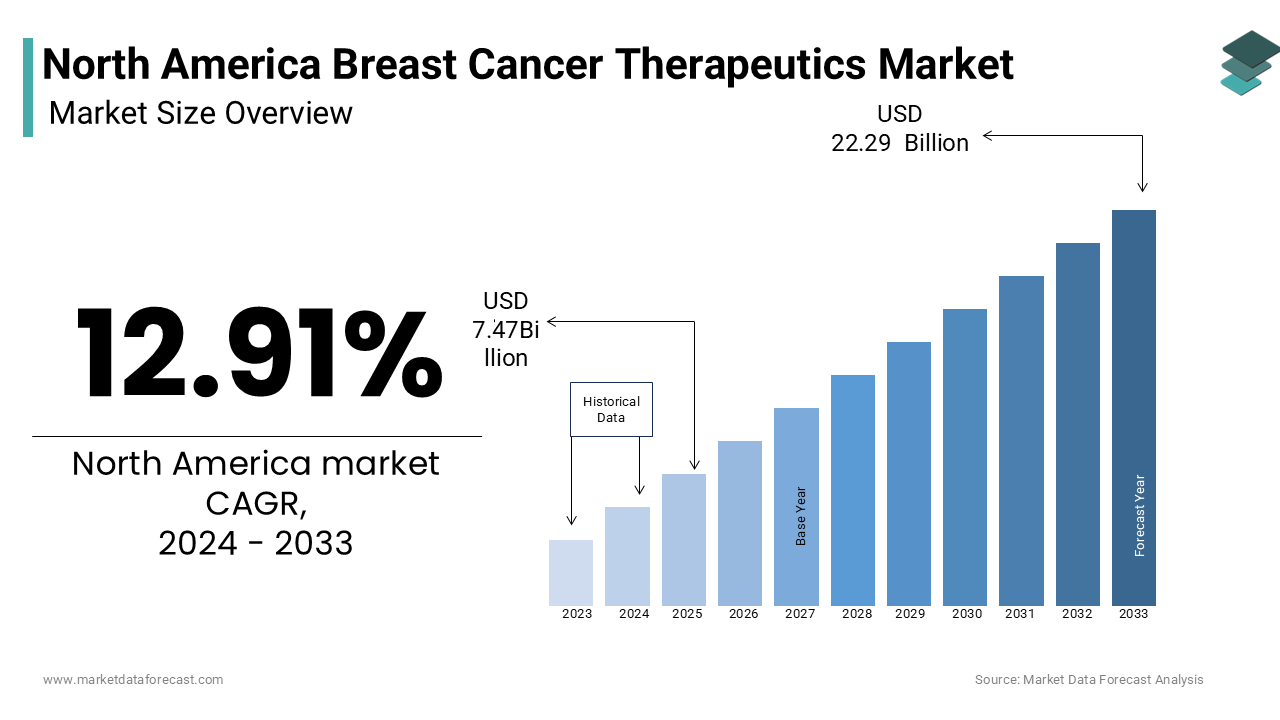
The breast cancer therapeutics is an ecosystem of pharmaceutical interventions, biotechnology solutions, and precision medicine approaches designed to prevent, treat, and manage breast cancer across diverse patient populations and disease subtypes. Modern breast cancer therapeutics integrate advanced drug delivery systems, combination therapy protocols, and supportive care interventions that address not only tumor eradication but also treatment-related side effects, quality of life considerations, and long-term survivorship needs. According to the American Cancer Society, North America accounts for approximately 250,000 new breast cancer cases annually, with varying incidence rates across different demographic groups and geographic regions that necessitate diverse therapeutic approaches and treatment strategies.
MARKET DRIVERS
Increasing Breast Cancer Incidence and Early Detection Rates
The rising incidence of breast cancer diagnoses throughout North American populations creates substantial demand for advanced therapeutic interventions, comprehensive treatment protocols, and innovative drug development that address diverse disease subtypes and patient populations. The American Cancer Society reports that breast cancer incidence rates have increased by 0.5% annually over the past decade with approximately 250,000 new cases diagnosed each year in the United States alone, creating sustained demand for therapeutic solutions that address hormone receptor-positive, HER2-positive, and triple-negative breast cancer subtypes with varying treatment requirements and response profiles. This increasing incidence is pronounced among older demographic segments and specific ethnic populations that require specialized therapeutic approaches and personalized treatment strategies. Improved screening technologies and early detection programs have significantly increased the proportion of breast cancer cases diagnosed at earlier stages, creating opportunities for more effective therapeutic interventions and improved patient outcomes that drive demand for less aggressive but more targeted treatment approaches. The National Cancer Institute indicates that early-stage breast cancer diagnoses have increased by 15% over the past five years due to enhanced mammography screening, digital imaging technologies, and public awareness campaigns that enable earlier intervention and more favorable treatment outcomes. These early detection improvements particularly benefit patients with localized disease who can benefit from targeted therapies and minimally invasive treatment approaches that preserve quality of life while achieving optimal therapeutic outcomes.
Precision Medicine and Personalized Treatment Advancements
The advancement of precision medicine approaches and personalized treatment strategies creates substantial demand for targeted therapeutic interventions, genomic testing services, and biomarker-driven treatment selection that optimize therapeutic outcomes while minimizing treatment-related toxicities and side effects. The Precision Medicine Initiative reports that over 60% of breast cancer patients now receive treatment based on tumor biomarker analysis, including hormone receptor status, HER2 amplification, and genomic profiling that guide therapeutic selection and dosing decisions that improve treatment efficacy and reduce unnecessary treatment exposure. Companion diagnostic development and co-development strategies create opportunities for pharmaceutical companies to develop targeted therapeutics alongside diagnostic tests that identify patients most likely to benefit from specific treatments, creating more efficient clinical development programs and improved market access for innovative therapies.
Additionally, genomic profiling and molecular characterization technologies enable comprehensive patient stratification and treatment personalization that support clinical trial design, regulatory approval strategies, and market access initiatives that enhance therapeutic value and commercial success. The National Human Genome Research Institute reports that whole genome sequencing costs have decreased by 99.9% over the past decade, which is making comprehensive genomic profiling economically feasible for routine clinical use and creating opportunities for precision medicine approaches that were previously cost-prohibitive. These technological advances create sustained demand for innovative therapeutics that can leverage genomic insights to address specific patient needs and disease characteristics.
MARKET RESTRAINTS
High Treatment Costs and Healthcare System Burden
The substantial costs associated with advanced breast cancer therapeutics and comprehensive treatment protocols create significant financial barriers and healthcare system burden that is restraining the growth of the North American breast cancer therapeutics market. The Institute for Clinical and Economic Review reports that average annual treatment costs for advanced breast cancer exceed $150,000, with newer targeted therapies and immunotherapies commanding premium pricing that creates affordability challenges for patients, insurers, and healthcare systems that must balance treatment access with financial sustainability. Healthcare system resource allocation challenges and budget impact considerations create additional constraints on breast cancer therapeutic adoption, particularly for premium-priced innovative treatments that require substantial investment justification and value demonstration to gain formulary inclusion and reimbursement approval. As per American Hospital Association, oncology drug spending represents 20% of total hospital pharmaceutical budgets with breast cancer therapeutics comprising a significant portion of oncology expenditures that create pressure on healthcare systems to prioritize cost-effective treatments and implement utilization management strategies that may limit access to innovative but expensive therapeutic options. Furthermore, patient out-of-pocket costs and insurance coverage limitations create access barriers that prevent patients from receiving optimal treatment regimens and may compromise treatment adherence and outcomes. The Kaiser Family Foundation reports that 25% of breast cancer patients experience financial hardship due to treatment costs, with high-deductible insurance plans and coverage gaps creating substantial out-of-pocket expenses that may force patients to delay or forego recommended treatments. These financial barriers are particularly pronounced for newer targeted therapies and combination treatments that may not be covered by insurance or require prior authorization and step therapy protocols that delay treatment initiation.
Regulatory Complexity and Development Challenges
Complex regulatory requirements and development challenges create significant barriers to breast cancer therapeutic innovation, clinical development efficiency, and market access that constrain pharmaceutical company investment and delay patient access to potentially beneficial treatments. The Food and Drug Administration maintains stringent efficacy and safety standards for oncology therapeutics, requiring extensive clinical trial programs, biomarker validation, and risk management protocols that increase development costs and timeline requirements for pharmaceutical companies seeking regulatory approval. Clinical trial design complexity and patient recruitment challenges create additional development barriers that increase costs, extend timelines, and reduce development success rates for breast cancer therapeutics seeking regulatory approval and market access. Additionally, regulatory harmonization challenges and international approval requirements create market access barriers that increase development complexity and reduce commercial viability for pharmaceutical companies seeking to maximize global market opportunities. Health Canada and other North American regulatory bodies maintain separate approval processes and evidence requirements that may differ from U.S. regulatory standards, creating additional development costs and timeline requirements that limit market access and commercial success for innovative breast cancer therapeutics.
MARKET CHALLENGES
Immunotherapy and Combination Treatment Innovations
Immunotherapy development and combination treatment approaches create substantial opportunities for breast cancer therapeutic innovation, market expansion, and improved patient outcomes that address previously untreatable or resistant disease subtypes and support enhanced treatment efficacy. The Society for Immunotherapy of Cancer reports that immunotherapy response rates in breast cancer have improved by 40% through combination approaches that include checkpoint inhibitors, targeted therapies, and novel adjuvant treatments that enhance immune system activation and tumor recognition while overcoming resistance mechanisms that previously limited immunotherapy effectiveness. These advances particularly benefit patients with triple-negative breast cancer and other aggressive subtypes that historically had limited treatment options and poor prognosis outcomes.
Biomarker-driven combination therapy development creates opportunities for pharmaceutical companies to identify synergistic drug combinations, optimize dosing regimens, and develop companion diagnostics that support personalized treatment approaches and improved therapeutic outcomes. The American Association for Cancer Research indicates that over 200 combination therapy trials are currently active in breast cancer, with immunotherapy combinations representing the fastest-growing segment and creating opportunities for pharmaceutical companies to develop innovative treatment regimens that address specific patient subpopulations and disease characteristics. These combination approaches particularly benefit patients with advanced or metastatic disease who require multiple therapeutic mechanisms to achieve disease control and improved survival outcomes.
Liquid Biopsy and Early Detection Technologies
Liquid biopsy and early detection technology development create substantial opportunities for breast cancer therapeutic market expansion through improved screening capabilities, treatment monitoring, and personalized medicine approaches that enhance patient outcomes and reduce healthcare system burden. The American Society of Clinical Oncology reports that liquid biopsy technologies can detect circulating tumor DNA in 85% of breast cancer patients with advanced disease, creating opportunities for real-time treatment monitoring, resistance detection, and personalized therapeutic adjustments that improve treatment efficacy and reduce unnecessary treatment exposure. These technologies are particularly valuable for monitoring treatment response and detecting early signs of disease recurrence or progression.
Circulating tumor cell analysis and biomarker detection capabilities enable comprehensive disease monitoring, treatment optimization, and prognostic assessment that support clinical decision-making and personalized treatment approaches for breast cancer patients throughout their treatment journeys. The International Society for Liquid Biopsy indicates that circulating tumor cell enumeration can predict treatment response with 80% accuracy and provide early indication of disease progression or treatment resistance that enables timely therapeutic adjustments and improved patient outcomes. These monitoring capabilities are particularly valuable for patients receiving targeted therapies or immunotherapies that require close monitoring and dose adjustments based on treatment response and toxicity profiles.
Additionally, multi-cancer early detection platforms and population screening applications create opportunities for breast cancer therapeutics market expansion through improved early detection rates, reduced screening costs, and enhanced population health outcomes that support preventive care approaches and early intervention strategies. The Multi-Cancer Early Detection Research Consortium reports that multi-cancer screening platforms can detect breast cancer 12-18 months earlier than traditional mammography approaches by creating opportunities for earlier intervention, less aggressive treatment approaches, and improved long-term survival outcomes that reduce healthcare system burden and improve patient quality of life through early detection and intervention.
MARKET CHALLENGES
Drug Resistance and Treatment Failure Complications
Drug resistance development and treatment failure complications create significant challenges for breast cancer therapeutic effectiveness, patient outcomes, and healthcare system efficiency that require innovative approaches to overcome resistance mechanisms and restore treatment sensitivity. According to the American Association for Cancer Research, approximately 35% of breast cancer patients develop resistance to initial targeted therapy treatments within 18 months, creating substantial challenges for treatment continuation and necessitating expensive second-line therapies that may have limited efficacy and increased toxicity profiles. These resistance mechanisms are particularly problematic for HER2-positive and hormone receptor-positive breast cancers where targeted therapies initially show high response rates but often lose effectiveness over time. Furthermore, acquired resistance mechanisms and compensatory pathway activation create ongoing treatment challenges that require continuous therapeutic innovation and combination approaches to overcome adaptive responses and maintain treatment effectiveness throughout extended treatment periods. The Cancer Research Institute reports that acquired resistance develops in 60% of patients receiving long-term targeted therapy , with multiple resistance pathways including alternative signaling activation, drug efflux mechanisms, and epigenetic modifications that require sophisticated combination approaches and adaptive treatment strategies to overcome and maintain therapeutic control.
Access Disparities and Healthcare Inequity Issues
The significant access disparities and healthcare inequity issues are hindering the growth of the North American breast cancer therapeutics market. As per the American Cancer Society, racial and ethnic minority patients experience 25% higher breast cancer mortality rates despite similar incidence rates, with disparities attributed to delayed diagnosis, limited treatment access, and reduced quality care that create substantial challenges for healthcare equity and patient outcomes across diverse population segments. These disparities are particularly pronounced in rural and underserved communities where healthcare access and specialist availability may be limited.
Geographic access limitations and healthcare infrastructure gaps create additional challenges for equitable breast cancer therapeutic access, particularly in rural and remote areas where specialist care, advanced treatment options, and clinical trial participation may be limited or unavailable. Additionally, insurance coverage disparities and financial barriers create access challenges that prevent patients from receiving optimal treatment regimens and may compromise treatment adherence and outcomes. The Commonwealth Fund reports that uninsured and underinsured breast cancer patients are 40% less likely to receive guideline-concordant care and experience significantly worse outcomes compared to patients with comprehensive insurance coverage, creating substantial challenges for healthcare equity and treatment effectiveness that require policy interventions and healthcare system reforms to address effectively.
SEGMENTAL ANALYSIS
By Product Type Insights
The hormone therapy segment held 40,2% of the North American breast cancer therapeutics market share in 2025 with the high prevalence of hormone receptor-positive breast cancer among North American patient populations, creating substantial demand for estrogen receptor modulators, aromatase inhibitors, and progesterone receptor-targeted therapies that address the most common breast cancer subtypes. The American Cancer Society reports that approximately 75% of all breast cancer cases are hormone receptor-positive, requiring hormonal therapeutic interventions that can be administered for 5-10 years or longer to prevent disease recurrence and improve long-term survival outcomes. The established treatment protocols and clinical guidelines that recommend hormone therapy as standard of care for hormone receptor-positive breast cancer across all disease stages, from early-stage adjuvant treatment to advanced metastatic disease management. Additionally, generic competition and cost-effectiveness advantages make hormone therapy accessible to broader patient populations while maintaining treatment affordability and healthcare system sustainability.
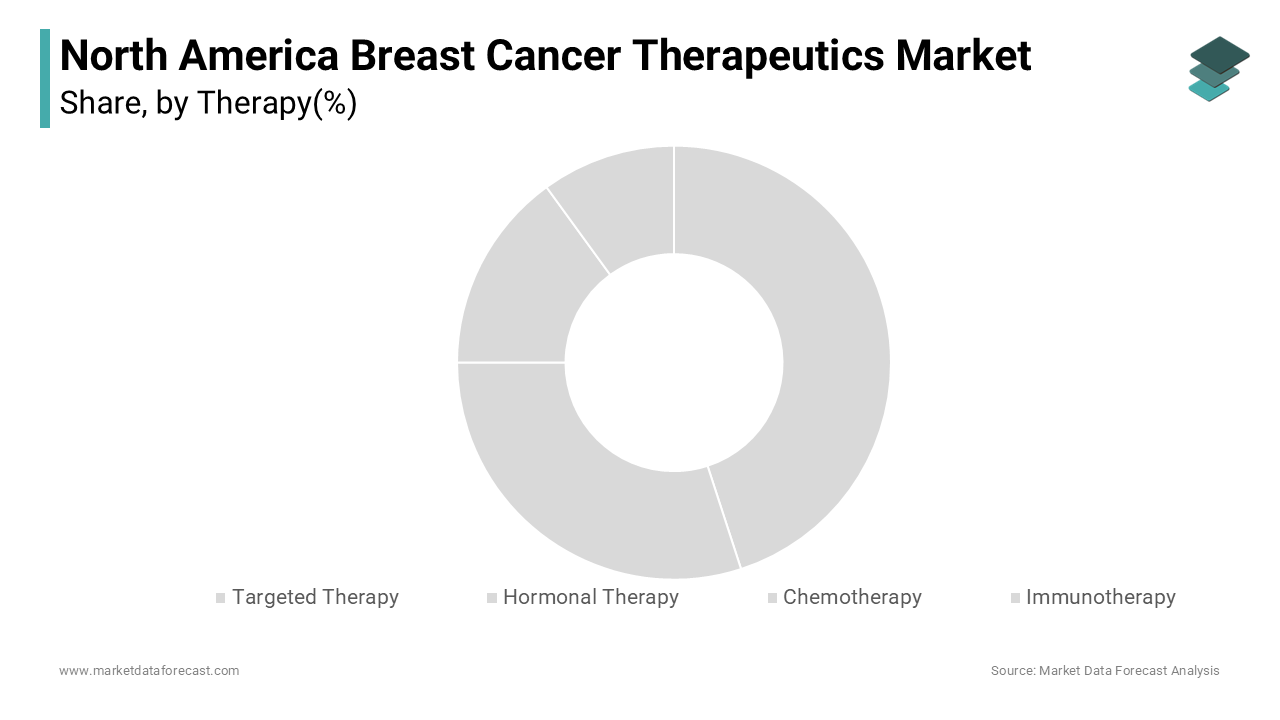
The targeted therapy segment is likely to grow with an expected CAGR of 12.4% from 2026 to 2034 owing to the increasing recognition of molecular subtypes, biomarker-driven treatment selection, and innovative therapeutic approaches that address previously untreatable or resistant disease presentations with improved efficacy and reduced toxicity profiles. Another significant driver is the successful clinical development and regulatory approval of innovative targeted therapeutic agents that demonstrate superior efficacy compared to traditional chemotherapy approaches while offering improved safety profiles and treatment tolerability. Furthermore, combination therapy approaches and synergistic treatment strategies create opportunities for pharmaceutical companies to develop innovative treatment regimens that combine targeted agents with immunotherapies, hormone therapies, or chemotherapy agents to enhance treatment efficacy and overcome resistance mechanisms.
By Material Type Insights
The small molecule therapeutics segment held 55.4% of the North America breast cancer therapeutics market share in 2025 with the established development platforms and manufacturing infrastructure that support small molecule therapeutic production, including well-characterized synthesis processes, scalable manufacturing capabilities, and established regulatory pathways that enable efficient development and commercialization of new therapeutic agents. According to the Pharmaceutical Research and Manufacturers of America, over 70% of oncology drug development programs utilize small molecule approaches with established expertise in medicinal chemistry, formulation development, and clinical trial design that create operational efficiencies and reduce development risks compared to biologic therapeutic approaches. Additionally, cost-effectiveness and healthcare system affordability make small molecule therapeutics particularly attractive for healthcare payers and patients, with lower production costs, generic competition opportunities, and reduced administration requirements that support treatment accessibility and healthcare system sustainability.
The monoclonal antibodies segment is expected to grow with a CAGR of 14.8% from 2026 to 2034 with the superior target specificity and reduced off-target effects that monoclonal antibodies provide compared to traditional chemotherapy approaches, creating opportunities for more precise therapeutic interventions with improved safety profiles and treatment tolerability that support patient quality of life and treatment compliance. The Biotechnology Innovation Organization indicates that over 40 antibody-drug conjugates are in clinical development for breast cancer indications, with multiple products demonstrating superior efficacy compared to unconjugated antibody approaches and creating opportunities for enhanced treatment outcomes and market differentiation. Furthermore, regulatory support and expedited approval pathways favor monoclonal antibody development through breakthrough therapy designations, priority review processes, and accelerated approval mechanisms that reduce development timelines and support faster patient access to innovative therapeutic approaches.
By Design Insights
The adjuvant therapy segment held 45.3% of the North America breast cancer therapeutics market share in 20245 with the established clinical guidelines and treatment protocols that recommend adjuvant therapeutic interventions for the majority of early-stage breast cancer patients to reduce disease recurrence risk and improve long-term survival outcomes. The National Comprehensive Cancer Network indicates that adjuvant therapy is recommended for 85% of early-stage breast cancer patients, with treatment guidelines supporting diverse therapeutic approaches including chemotherapy, hormone therapy, and targeted agents that create sustained demand for multiple therapeutic categories and support comprehensive market growth across different product types. These established protocols create predictable demand patterns. Additionally, long-term treatment duration and sustained revenue generation characterize adjuvant therapy applications, with many patients requiring extended treatment periods that create sustained revenue streams and market stability for pharmaceutical companies developing and manufacturing adjuvant therapeutic agents.
The neoadjuvant therapy segment is projected to expand at a CAGR of 13.2% from 2026 to 20334 due to the treatment response assessment and therapeutic optimization capabilities that neoadjuvant therapy approaches provide through early treatment evaluation, resistance detection, and regimen modification opportunities that enable personalized treatment approaches and improved therapeutic outcomes. The improved surgical outcomes and breast conservation opportunities that neoadjuvant therapeutic approaches provide through tumor downsizing, margin optimization, and enhanced surgical planning capabilities that support improved cosmetic outcomes and reduced surgical morbidity for breast cancer patients. Furthermore, biomarker evaluation and resistance mechanism identification create opportunities for neoadjuvant therapy approaches to provide real-time treatment monitoring, resistance detection, and personalized therapeutic adjustments that improve treatment efficacy and reduce unnecessary treatment exposure.
By End Use Insights
The hospital pharmacies segment was the largest by capturing a dominant share of the North America breast cancer therapeutics market in 2025 due to the concentration of specialized oncology care and advanced treatment capabilities that hospital pharmacies provide through comprehensive drug formularies, specialized storage and handling capabilities, and integrated care coordination that support complex therapeutic regimens and specialized treatment protocols. The comprehensive insurance coverage and reimbursement support that hospital-based therapeutic administration provides through integrated billing systems, insurance coordination, and financial assistance programs that ensure patient access to expensive therapeutic agents and specialized treatment protocols. Additionally, specialized handling and administration requirements for many breast cancer therapeutics create opportunities for hospital pharmacies to provide essential services including cold chain management, sterile preparation, infusion services, and clinical monitoring that support safe and effective therapeutic administration for complex treatment regimens.
The specialty pharmacies segment is prompting with an expected CAGR of 11.6% from 2026 to 2034 with the patient convenience and accessibility advantages that specialty pharmacies provide through home delivery services, flexible scheduling, comprehensive patient support programs, and reduced travel requirements that enhance treatment compliance and patient satisfaction for long-term therapeutic regimens. According to the Oncology Nursing Society, specialty pharmacies provide comprehensive patient support services including medication education, side effect management, insurance navigation, and treatment coordination that create opportunities for improved patient outcomes and enhanced therapeutic value that support continued market growth and adoption. Furthermore, cost-effectiveness and healthcare system efficiency advantages make specialty pharmacy distribution particularly attractive for healthcare payers and patients, with reduced administrative costs, improved inventory management, and enhanced patient monitoring capabilities that support treatment accessibility and healthcare system sustainability.
REGIONAL ANALYSIS
United States Breast Cancer Therapeutics Market Insights
The United States was the largest contributor by holding 85.4% of the North America breast cancer therapeutics market share in 2025 with the extensive healthcare infrastructure and specialized oncology care delivery systems that characterize the U.S. healthcare market, including over 1,500 cancer centers, 20,000+ oncologists, and comprehensive treatment facilities that create substantial demand for advanced breast cancer therapeutics and specialized treatment protocols. According to the American Society of Clinical Oncology, U.S. treats over 250,000 breast cancer patients annually, representing the largest patient population in North America and creating sustained demand for diverse therapeutic approaches, combination treatments, and innovative drug development that support comprehensive market growth and pharmaceutical investment. The Kaiser Family Foundation reports that 92% of Americans have health insurance coverage, with comprehensive oncology benefits and prescription drug coverage that support therapeutic access and treatment compliance throughout diverse patient populations and socioeconomic segments.
Canada Breast Cancer Therapeutics Market Insights
Canada breast cancer therapeutics market was positioned next with 12.3% of the share in 2025 with the comprehensive public healthcare system and universal coverage that characterizes the Canadian healthcare market, with universal health insurance coverage, standardized treatment protocols, and centralized drug approval processes that ensure equitable access to breast cancer therapeutics and specialized treatment approaches. Health Canada reports that 100% of Canadian breast cancer patients have access to essential therapeutic agents through provincial formularies and centralized drug approval processes by creating opportunities for sustained therapeutic demand and market stability that support continued pharmaceutical investment and therapeutic development.
The strong cancer care delivery system and specialized treatment centers that characterize Canadian healthcare delivery, with comprehensive cancer centers, specialized oncology teams, and integrated care approaches that create demand for advanced therapeutic solutions and comprehensive treatment protocols. Furthermore, regulatory harmonization and international collaboration opportunities create favorable conditions for therapeutic market development through streamlined approval processes, international regulatory cooperation, and collaborative research initiatives that support rapid therapeutic access and continued innovation throughout Canadian markets.
COMPETITIVE LANDSCAPE
The North American breast cancer therapeutics market presents a highly competitive landscape dominated by several large pharmaceutical companies alongside numerous specialized biotechnology firms and emerging therapeutic developers. Major players compete primarily on therapeutic innovation, clinical efficacy, safety profiles, and market access strategies rather than price alone, as healthcare systems and patients prioritize treatment effectiveness and patient outcomes over cost considerations.
Competition intensifies across different therapeutic segments, with large pharmaceutical companies dominating established treatment categories while specialized biotechnology firms focus on innovative targeted therapies and personalized medicine approaches. The industry also witnesses ongoing consolidation as larger players acquire smaller competitors to expand therapeutic portfolios and geographic reach. Market participants continuously adapt their business models to address changing regulatory environments, emerging scientific discoveries, and shifting treatment paradigms while maintaining competitive positioning in an evolving marketplace that increasingly values innovation, precision medicine, and patient-centric treatment approaches.
KEY MARKET PLAYERS
Some of the key market players in the North America breast cancer therapeutics market include
- Genentech, Inc.
- Merck & Co., Inc.
- Novartis AG
- Amgen Inc.
- Pfizer Inc.
- Eli Lilly and Company
- AstraZeneca PLC
- Teva Pharmaceutical Industries Ltd.
- Eisai Co., Ltd.
- Gilead Sciences, Inc.
- Bristol Myers Squibb
- Sanofi
- F. Hoffmann-La Roche Ltd.
- AbbVie Inc.
Top Strategies Used by Key Players in North America Breast Cancer Therapeutics Market
Precision Medicine and Biomarker Development
Leading companies in the North American breast cancer therapeutics market are investing heavily in precision medicine approaches and biomarker development to create targeted therapeutic solutions that address specific patient subpopulations and disease characteristics. This strategy involves extensive genomic profiling, companion diagnostic development, and personalized treatment protocols that optimize therapeutic outcomes while minimizing treatment-related toxicities. Companies are also developing sophisticated patient stratification approaches and treatment algorithms that leverage molecular diagnostics and artificial intelligence to predict treatment response and guide therapeutic selection for individual patients.
Combination Therapy and Synergistic Treatment Approaches
Market participants are pursuing combination therapy strategies and synergistic treatment approaches that enhance therapeutic efficacy, overcome resistance mechanisms, and improve patient outcomes through innovative drug combinations and treatment protocols. This approach involves developing complementary therapeutic agents, optimizing dosing regimens, and creating fixed-dose combinations that simplify treatment administration while maximizing therapeutic benefit. Companies are also exploring novel combination approaches including immunotherapy combinations, targeted therapy synergies, and adjuvant treatment strategies that address multiple disease pathways and resistance mechanisms simultaneously.
Strategic Partnerships and Collaborative Development
Major players are forming strategic partnerships with biotechnology companies, academic institutions, and research organizations to accelerate therapeutic development, expand market reach, and leverage complementary capabilities and resources. These collaboration efforts enable companies to access new technologies, share development costs, accelerate clinical trial enrollment, and gain insights into emerging therapeutic approaches and market opportunities. Companies are also partnering with diagnostic companies, healthcare systems, and patient advocacy organizations to develop comprehensive treatment solutions and support programs that enhance patient outcomes and market access.
RECENT MARKET DEVELOPMENTS
- In January 2024, Pfizer acquired Seagen Inc. for $60 billion to expand their oncology portfolio and strengthen their position in antibody-drug conjugate therapeutics for breast cancer treatment.
- In April 2024, Roche announced positive Phase III trial results for their HER2-targeted therapy Enhertu, expanding its indication for earlier-stage breast cancer patients and strengthening market position.
- In June 2024, Novartis partnered with Tempus Labs to integrate artificial intelligence-driven genomic analysis into their breast cancer therapeutic development pipeline for personalized treatment approaches.
- In September 2024, AstraZeneca received FDA approval for their CDK4/6 inhibitor Caprelsa in combination with hormone therapy for advanced breast cancer by expanding treatment options.
- In November 2024, Merck & Co. acquired Acceleron Pharma to enhance their TGF-beta pathway targeting capabilities and expand their breast cancer immunotherapy development pipeline.
MARKET SEGMENTATION
This research report on the North America Breast Cancer Therapeutics Market is segmented and sub-segmented based on categories.
By Therapy
-
Targeted Therapy
-
Abemaciclib
-
Ado–Trastuzumab Emtansine
-
Everolimus
-
Trastuzumab
-
Ribociclib
-
Palbociclib
-
Pertuzumab
-
Olaparib
-
Others
-
-
Hormonal Therapy
-
Selective Estrogen Receptor Modulators (SERMs)
-
Aromatase Inhibitors
-
Estrogen Receptor Downregulators (ERDs)
-
-
Chemotherapy
-
Immunotherapy
By Cancer Type
-
Hormone Receptor
-
HER2+
By Country
- U.S.
- Canada
- Rest of North America
Frequently Asked Questions
What is driving the growth of the North America breast cancer therapeutics market?
The market is driven by rising breast cancer incidence, increasing awareness and early diagnosis, advancements in targeted therapies and immunotherapies, and favorable government healthcare initiatives.
What are the major trends shaping the breast cancer therapeutics market in North America?
Key trends include the development of novel targeted drugs, integration of companion diagnostics, expansion of biosimilars, and the adoption of combination therapy regimens for improved patient outcomes.
What challenges does the North America breast cancer therapeutics market face?
Challenges include high treatment costs, drug resistance in advanced stages, and accessibility issues in rural or underserved areas.
What is the future outlook for the breast cancer therapeutics market in North America?
The market is expected to grow steadily, supported by ongoing R&D investments, FDA approvals of innovative drugs, and the increasing shift toward individualized, biomarker-driven therapies.
Related Reports
Access the study in MULTIPLE FORMATS
Purchase options starting from
$ 2000
Didn’t find what you’re looking for?
TALK TO OUR ANALYST TEAM
Need something within your budget?
NO WORRIES! WE GOT YOU COVERED!
Call us on: +1 888 702 9696 (U.S Toll Free)
Write to us: sales@marketdataforecast.com