- Product Description Description
- Table of Contents TOC
- List of Table & Figure LOT
- Get Free Sample PDF Sample PDF
North America Frozen Processed Food Market Report Summary
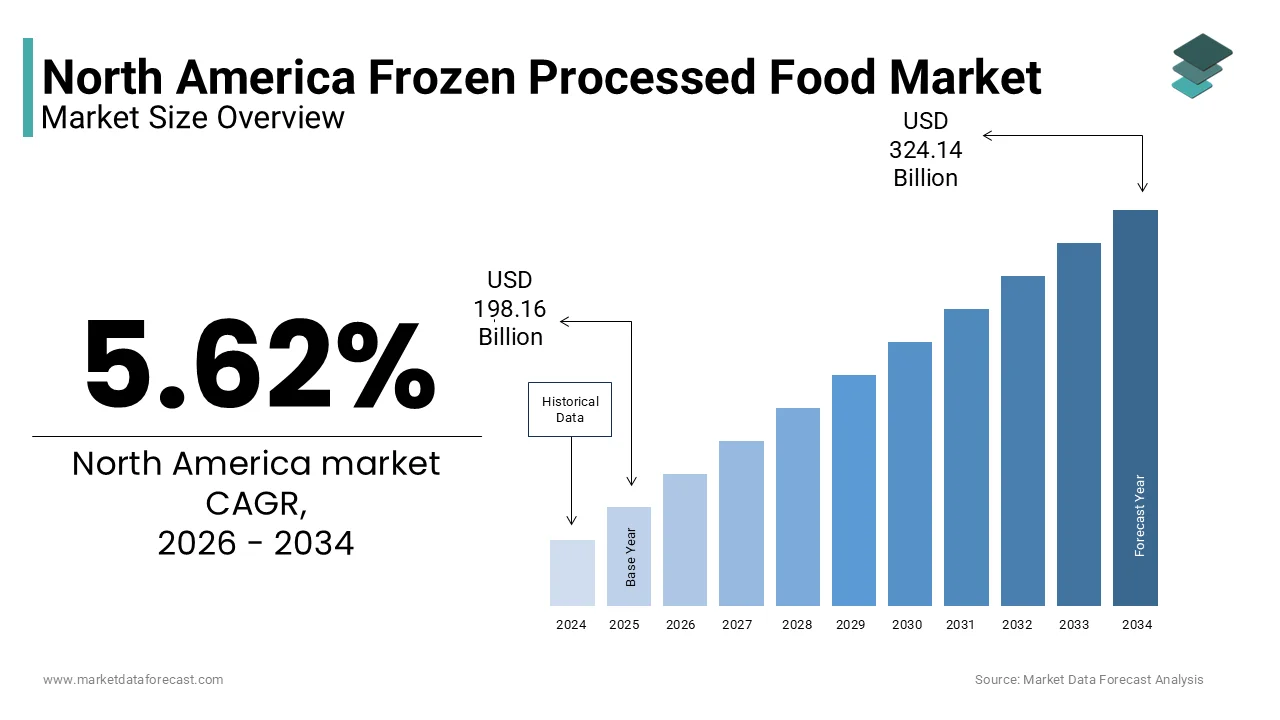
The North America frozen processed food market was valued at USD 198.16 billion in 2025, is estimated to reach USD 209.30 billion in 2026, and is projected to reach USD 324.14 billion by 2034, growing at a CAGR of 5.62% during the forecast period from 2026 to 2034. The growth of the North America frozen processed food market is driven by increasing consumer demand for convenient meal solutions, rising urbanization, and busy lifestyles that favor ready-to-cook and ready-to-eat products. Technological advancements in freezing and packaging methods, coupled with the growing popularity of premium and health-oriented frozen foods, are further supporting market growth. Additionally, the expansion of organized retail and e-commerce channels is improving product accessibility across the region.
Key Market Trends
-
Rising demand for convenient, time-saving meal options is driving the consumption of frozen processed foods across North America.
-
Increasing preference for ready-to-eat and ready-to-cook products is expanding market opportunities.
-
Growing consumer interest in healthier frozen food options, including organic and high-protein products, is encouraging product innovation.
-
Advancements in freezing and packaging technologies are improving product quality, shelf life, and nutritional value.
-
Expansion of online grocery platforms and modern retail stores is enhancing product availability and consumer reach.
Segmental Insights
-
Based on product, the meat and seafood segment dominated the North America frozen processed food market in 2025. The segment's leadership is attributed to strong consumer demand for protein-rich convenience foods, extended shelf life, and the growing popularity of frozen meat and seafood products.
-
Based on type, the ready-to-eat products segment held the largest share of the North America frozen processed food market in 2025. The segment's dominance is driven by changing lifestyles, increasing demand for convenient meal solutions, and rising consumption of frozen prepared meals.
-
Based on distribution type, the supermarkets and hypermarkets segment accounted for the largest share of the North America frozen processed food market in 2025. The segment's growth is supported by extensive retail networks, broad product assortments, attractive promotional offers, and convenient one-stop shopping experiences.
Regional Insights
-
The North America frozen processed food market is witnessing steady growth due to increasing convenience food consumption, expanding cold chain infrastructure, and continuous innovation in frozen food products.
-
The United States dominated the North America frozen processed food market by accounting for 83.4% of the regional market share in 2025. The country's leadership is supported by high consumer demand for frozen convenience foods, a well-developed retail infrastructure, advanced cold storage facilities, and strong presence of leading food manufacturers.
Competitive Landscape
The North America frozen processed food market is highly competitive, with manufacturers focusing on product innovation, healthier formulations, sustainable packaging, and expansion of distribution networks to strengthen their market positions. Companies are investing in research and development, premium frozen food offerings, and strategic acquisitions to meet evolving consumer preferences and growing demand for convenient meal solutions. Key players operating in the North America frozen processed food market include ConAgra Foods, Inc., Nestlé S.A., Tyson Foods Inc., Unilever plc, BRF S.A., General Mills Inc., Ajinomoto Co. Inc., Allen's, Inc., and Heinz.
North America Frozen Processed Food Market Size
The North America frozen processed food market size was valued at USD 198.16 billion in 2025, and is expected to be worth USD 324.14 billion by 2034 from USD 209.30 billion by 2026. The market is growing at a CAGR of 5.62% during the forecast period.
Frozen processed food refers to any food that has been altered from its natural state and preserved using freezing temperatures. This market includes ready to eat meals, frozen vegetables, fruits, seafood, meat products, and bakery items that cater to the evolving lifestyle needs of consumers in the United States, Canada, and Mexico. The industry operates at the intersection of convenience, food safety, and technological innovation, responding to the demands of busy households and changing dietary preferences. According to the United States Department of Agriculture, food waste in the United States is estimated at 30 percent to 40 percent of the food supply, prompting increased reliance on frozen goods which have significantly longer shelf lives compared to fresh produce. Research from the American Frozen Food Institute shows that frozen foods support these sustainability targets by minimizing spoilage and optimizing crop utilization during storage and transportation. As per the USDA Economic Research Service, U.S. households allocate an average of 12.9% of their spending budgets to food purchases, with processed and convenient options accounting for a prominent share of modern consumption. The prevalence of dual income families has risen. According to the U.S. Bureau of Labor Statistics, both spouses are employed in approximately 49.1% of married-couple families in the United States, driving a prominent reliance on time-saving frozen processed foods. This demographic shift necessitates quick meal solutions without compromising on quality or nutrition. Furthermore, advancements in flash freezing technology ensure that micronutrients are retained effectively, addressing historical concerns about the nutritional inferiority of frozen items. These socioeconomic and environmental factors create a robust foundation for the continued expansion and evolution of the frozen processed food landscape across North America.
MARKET DRIVERS
Increasing Demand for Convenience Amidst Busy Lifestyles
The relentless pace of modern life in the region has fundamentally altered consumer eating habits, which drives substantial demand for convenient food solutions and ultimately boosts the growth of the North America frozen processed food market. With work hours extending and commute times increasing, individuals and families seek meal options that minimize preparation time while maintaining acceptable quality standards. According to the U.S. Bureau of Labor Statistics, employed Americans spend an average of nearly 8 hours per workday on labor activities, leaving limited time for elaborate cooking processes. This time scarcity incentivizes the purchase of ready to heat or ready to cook frozen meals that can be prepared in minutes. The rise of single person households also contributes to this trend, as smaller portions are often more practical and less wasteful when sourced from frozen inventory. Moreover, the U.S. Census Bureau indicates that single-person households now constitute nearly 30% of all households in the United States, creating a distinct market segment that prioritizes convenience and portion control. Frozen foods offer the flexibility of using only what is needed, reducing the pressure to consume perishable items before they spoil. Additionally, the U.S. Energy Information Administration indicates the proliferation of microwave ovens spans 96% of American homes, facilitating the rapid consumption of frozen meals. Manufacturers respond by innovating packaging that supports direct heating, further streamlining the user experience. This convergence of time poverty and technological enablement ensures that convenience remains a primary driver for frozen food adoption across diverse demographic groups in the region.
Advancements in Freezing Technology and Nutritional Preservation
Technological innovations in freezing processes have significantly enhanced the quality and nutritional profile of frozen processed foods, which in turn accelerates the expansion of the North American market. As a result, this evolution has dispelled longstanding myths about the inferiority of frozen foods to fresh alternatives. Individual Quick Freezing technology allows food items to be frozen rapidly at extremely low temperatures, preserving cellular structure and preventing the formation of large ice crystals that damage texture. This method ensures that vitamins and minerals remain intact, making frozen fruits and vegetables comparable to fresh ones in terms of nutritional value. According to the University of Georgia, frozen produce can retain higher levels of certain nutrients like vitamin C and folate compared to fresh produce that has been stored for several days. This scientific validation boosts consumer confidence and encourages health conscious individuals to incorporate frozen items into their diets. Furthermore, improvements in cold chain logistics ensure that products maintain their integrity from processing plants to retail shelves. The integration of smart sensors in transportation vehicles allows for real time monitoring of temperature fluctuations, reducing spoilage rates and ensuring consistent quality. As per the Food and Drug Administration, strict regulations govern the handling and storage of frozen foods, reinforcing safety standards. These technological and regulatory advancements transform frozen food from a compromise option into a preferred choice for many consumers seeking both convenience and nutrition. The ability to enjoy seasonal produce year round through freezing also adds value, appealing to consumers who prioritize dietary diversity and sustainability.
MARKET RESTRAINTS
Perceived Health Risks Associated with Processed Ingredients
The persistent consumer perception that these products are unhealthy due to high levels of sodium, preservatives, and additives is a major restraint on the North America frozen processed food market. This trend persists despite technological improvements. Many shoppers associate frozen meals with excessive salt content and artificial ingredients, which contradicts growing health and wellness trends. According to the Centers for Disease Control and Prevention, more than 90 percent of Americans consume too much sodium, largely from processed and restaurant foods, leading to heightened scrutiny of packaged food labels. This health consciousness drives some consumers to avoid frozen options in favor of fresh, whole foods that they perceive as cleaner and safer. The Clean Label movement emphasizes minimal processing and transparent ingredient lists, challenging manufacturers to reformulate products without compromising taste or shelf life. However, removing preservatives often reduces product stability, creating a technical dilemma for producers. Additionally, the presence of trans fats or high sugar content in certain frozen desserts and snacks further deters health aware buyers. Nutritionists frequently advise limiting intake of ultra processed foods, influencing public opinion and purchasing behavior. While some brands have successfully launched low sodium or organic lines, the broader category still struggles with stigma. Educating consumers about the nutritional benefits of modern frozen foods requires substantial marketing investment, and skepticism remains a barrier to wider acceptance among premium and health focused demographics.
High Energy Costs and Environmental Concerns
High energy costs associated with continuous refrigeration and freezing throughout the supply chain impede the expansion of the North America frozen processed food market. Maintaining cold storage facilities and transporting goods in refrigerated trucks requires substantial electricity and fuel consumption, making the sector vulnerable to energy price volatility. According to the Energy Information Administration, commercial electricity prices in the United States have fluctuated significantly in recent years, impacting operational expenses for manufacturers and retailers. These costs are often passed on to consumers, potentially reducing the price advantage of frozen foods compared to ambient or fresh alternatives. Furthermore, environmental concerns regarding the carbon footprint of cold chain logistics are gaining traction among eco conscious consumers. The continuous use of hydrofluorocarbons in refrigeration systems contributes to greenhouse gas emissions, prompting regulatory scrutiny and consumer backlash. The Environmental Protection Agency has implemented stricter regulations on refrigerant usage, forcing companies to invest in expensive alternative technologies. Additionally, plastic packaging used for frozen foods raises waste management issues, as many materials are not easily recyclable. Consumers increasingly prefer sustainable packaging solutions, pressuring manufacturers to innovate despite higher costs. The combination of rising energy bills and environmental liabilities creates financial and reputational challenges for industry players. Balancing affordability with sustainability remains a complex task, limiting the aggressive expansion of certain product lines and affecting overall market profitability.
MARKET OPPORTUNITIES
Expansion of Plant Based and Vegan Frozen Options
The rising popularity of plant-based diets offers a substantial opportunity for the North American frozen processed food market. This growth creates a pathway for the market to diversify its offerings and attract new consumer segments. Increasing awareness of the environmental and health benefits of reducing meat consumption has led to a surge in demand for vegan and vegetarian frozen meals. According to sources, approximately 4% of adults in the United States identify as vegetarian and 1% as vegan, while a much larger segment of consumer demographics is actively reducing meat consumption to integrate plant-based options. This demographic shift encourages manufacturers to develop innovative plant based proteins, such as pea, soy, and mushroom based alternatives, in frozen formats. Frozen plant based burgers, nuggets, and ready meals offer convenience to consumers who may lack the time or skills to prepare these ingredients from scratch. Major food companies are investing heavily in research and development to improve the taste and texture of plant based products, making them more appealing to mainstream audiences. Retailers are expanding shelf space dedicated to plant based options, reflecting growing consumer interest. Additionally, the flexibility of freezing allows for the preservation of seasonal vegetables and legumes, ensuring year round availability of diverse ingredients. By catering to this emerging dietary preference, manufacturers can tap into a loyal and growing customer base. The alignment of plant based foods with sustainability goals further enhances their appeal, positioning frozen plant based products as a key growth driver in the coming years.
Growth in Premium and Gourmet Frozen Meals
The trend towards premiumization unlocks potential for the North America frozen processed food market. This helps to elevate its image and capture higher margin sales. Consumers are increasingly willing to pay more for high quality, gourmet frozen meals that feature authentic flavors, ethnic cuisines, and restaurant quality ingredients. This shift is driven by a desire for culinary exploration at home, especially among millennials and Generation Z who value experience and variety. According to research, the premium frozen food segment is outpacing standard offerings, with products featuring organic ingredients, grass fed meats, and artisanal sauces gaining traction. Brands are collaborating with celebrity chefs and renowned restaurants to create exclusive frozen lines, lending credibility and appeal to their products. These gourmet options often come in sophisticated packaging that highlights provenance and culinary craftsmanship, distinguishing them from traditional mass market items. The rise of food delivery apps has also accustomed consumers to diverse global cuisines, creating demand for similar experiences in frozen form. Thai curries, Indian tikka masalas, and Italian risottos are now commonly available in high quality frozen versions. By focusing on quality and authenticity, manufacturers can overcome negative perceptions and position frozen food as a legitimate dining option. This strategy not only increases revenue per unit but also strengthens brand loyalty among discerning consumers who prioritize taste and quality over mere convenience.
MARKET CHALLENGES
Supply Chain Disruptions and Raw Material Volatility
Supply chain disruptions and volatility in raw material prices impact production consistency and profitability in the North America frozen processed food market. Agricultural outputs are subject to weather conditions, pest infestations, and labor shortages, leading to unpredictable availability of key ingredients such as vegetables, fruits, and meats. According to the Department of Agriculture, extreme weather events have increasingly affected crop yields in major producing regions, causing price spikes and supply gaps. These fluctuations force manufacturers to adjust formulations or absorb higher costs, affecting margins. Additionally, logistical bottlenecks in transportation and port operations delay the movement of goods, risking temperature breaches and product spoilage. The reliance on global sourcing for certain ingredients exposes companies to geopolitical tensions and trade policy changes, further complicating supply planning. Labor shortages in processing plants and distribution centers exacerbate these issues, leading to production delays and increased wage pressures. Managing inventory levels becomes difficult amidst such uncertainty, requiring sophisticated forecasting tools and flexible supplier relationships. Small and medium sized enterprises are particularly vulnerable, lacking the resources to buffer against shocks. These supply chain complexities threaten the reliability of product availability and price stability, challenging manufacturers to maintain competitive positioning while navigating an unstable operational environment. Resilience building through diversification and local sourcing becomes essential but costly.
Intense Competition from Fresh and Ready to Eat Alternatives
Intense competition from the fresh food sector and the rapidly expanding ready to eat meal delivery services holds back the expansion of the North America frozen processed food market. Consumers increasingly prioritize freshness and perceived health benefits, driving demand for fresh produce and minimally processed items available in supermarkets. According to sources, fresh food sections have expanded significantly, offering pre cut vegetables and marinated meats that provide convenience without the stigma of freezing. Simultaneously, the rise of meal kit services and food delivery platforms offers freshly prepared meals delivered to doorsteps, appealing to consumers seeking restaurant quality without cooking. These alternatives compete directly with frozen meals on convenience and variety, often leveraging marketing narratives around freshness and chef curation. The convenience store sector has also upgraded its offerings, providing high quality hot and cold fresh foods that serve immediate consumption needs. This multifaceted competition forces frozen food manufacturers to innovate continuously to justify their place in the consumer pantry. Price sensitivity also plays a role, as fresh promotions and delivery discounts can undercut frozen product value propositions. Maintaining shelf space in crowded retail environments becomes challenging as retailers prioritize high turnover fresh items. To survive, frozen food brands must clearly differentiate through unique value propositions such as long term storage capability, cost efficiency, and specific nutritional benefits that fresh alternatives cannot match.
REPORT COVERAGE
| REPORT METRIC | DETAILS |
| Market Size Available | 2025 to 2034 |
| Base Year | 2025 |
| Forecast Period | 2026 to 2034 |
| CAGR | 5.62% |
| Segments Covered | By Product, Type, Distribution Type, and Region. |
| Various Analyses Covered | Global, Regional & Country Level Analysis, Segment-Level Analysis, DROC, PESTLE Analysis, Porter’s Five Forces Analysis, Competitive Landscape, Analyst Overview of Investment Opportunities |
| Regions Covered | U.S., Canada, Mexico, and Rest of North America |
| Market Leaders Profiled | ConAgra Foods, Inc., Nestlé S.A., Tyson Foods Inc., Unilever plc, BRF S.A., General Mills Inc., Ajinomoto Co. Inc., Unilever Plc, Allen's, Inc., and Heinz |
SEGMENTAL ANALYSIS
By Product Insights
The meat and seafood segment dominated the North America frozen processed food market and accounted for a substantial share in 2025. This dominance of the segment was driven by the critical need for preservation in protein rich categories where spoilage rates are high. Consumers prioritize protein intake for health and fitness goals, driving consistent demand for frozen chicken, beef, pork, and fish products. According to the United States Department of Agriculture, per capita consumption of meat and poultry in the United States exceeds 200 pounds annually, creating a massive base for frozen preservation methods. Freezing allows retailers and consumers to store large quantities without immediate degradation, addressing the logistical challenges of cold chain management for perishable proteins. The ability to source seafood from distant oceans and preserve it via flash freezing ensures year round availability of species like salmon, shrimp, and cod, which are otherwise seasonal or geographically limited. Also, the U.S. Food and Drug Administration indicates that roughly 70% to 90% of all edible seafood consumed in the United States is imported, with the vast majority arriving in frozen form to preserve product quality during long-distance transit. This reliance on global supply chains necessitates robust freezing technologies to prevent bacterial growth and texture loss. Furthermore, value added frozen meat products such as breaded cutlets, marinated steaks, and seasoned fillets offer convenience that aligns with busy lifestyles. The premiumization of frozen seafood, with offerings like wild caught and sustainably sourced labels, attracts affluent consumers willing to pay for quality. These factors collectively sustain the dominance of the meat and seafood segment, making it the revenue backbone of the frozen food industry in North America.
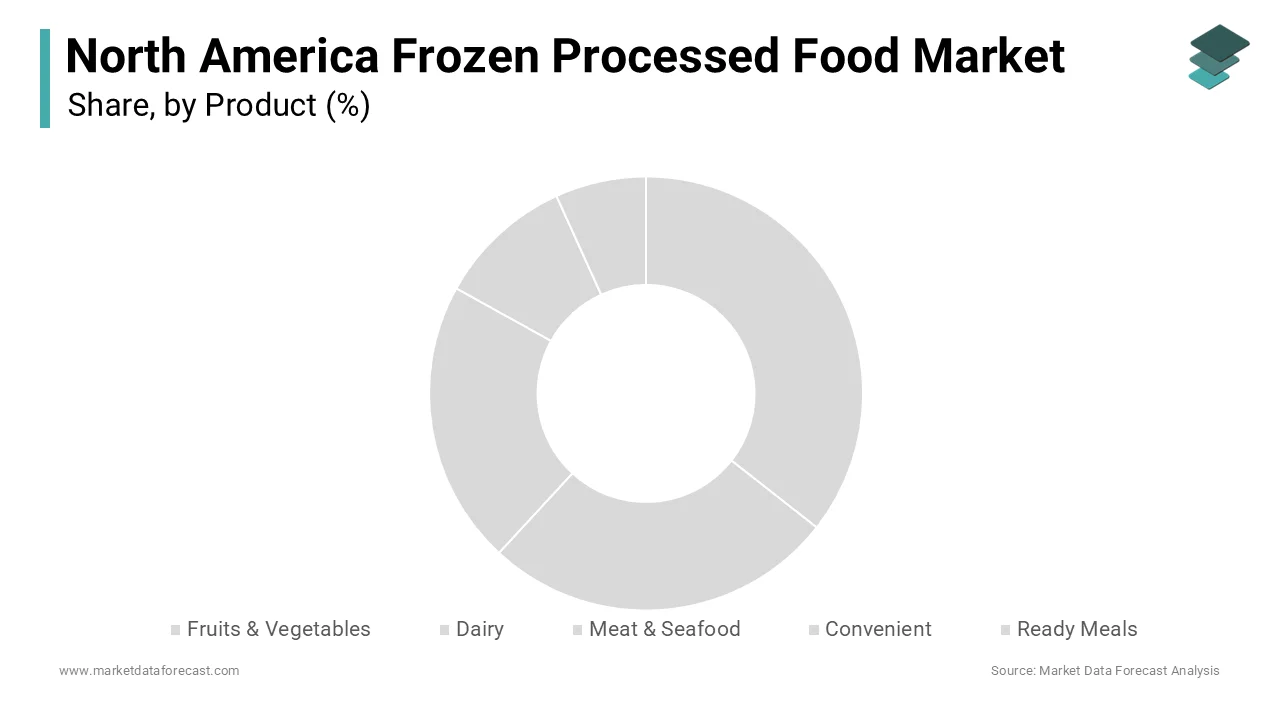
However, the ready meals segment is on the rise and is expected to be the fastest growing segment in the market by witnessing a CAGR of 6.8% from 2026 to 2034 due to the urgent need for quick meal solutions among working professionals and single person households. The modern consumer seeks restaurant quality dining experiences at home without the time commitment of cooking, driving adoption of fully prepared frozen entrees. According to the U.S. Bureau of Labor Statistics, the average American spends roughly 37 to 40 minutes per day on food preparation and cleanup combined, creating a significant time deficit that pre-packaged ready meals effectively address. Manufacturers are responding by introducing diverse global cuisines, including Asian stir fries, Mexican bowls, and Italian pastas, which appeal to adventurous palates seeking variety. The rise of dual income families, where both partners work full time, further accelerates this trend as household cooking time diminishes. Additionally, improvements in packaging technology allow for microwaveable containers that preserve texture and flavor, enhancing the user experience. Health conscious variants featuring whole grains, lean proteins, and organic vegetables are attracting demographics that previously avoided frozen dinners due to nutritional concerns. This convergence of convenience, variety, and improved quality positions ready meals as the primary growth engine in the product segmentation.
By Type Insights
The Ready to eat products segment led North America frozen processed food market and captured a significant share in 2025. This leading position of the segment was attributed to the unparalleled convenience it offers to consumers seeking immediate sustenance with minimal effort. This category includes items such as frozen pizzas, breakfast sandwiches, and heat and serve entrees that require only reheating before consumption. The fast paced lifestyle of North Americans prioritizes speed, making ready to eat options the default choice for lunch breaks and quick dinners. According to research, frozen pizza alone accounts for a significant portion of household frozen food purchases, with millions of units sold weekly across major retail chains. The portability of these items also supports on the go consumption, appealing to students and commuters who lack access to kitchen facilities. Technological advancements in crust formulations and topping preservation have elevated the quality of ready to eat frozen foods, reducing the gap between fresh and frozen taste profiles. Marketing campaigns emphasizing ease of use and family friendly portions reinforce their popularity among parents managing tight schedules. Furthermore, the integration of smart appliances such as convection microwaves enhances the heating efficiency of these products, ensuring consistent results. The broad demographic appeal, ranging from children to elderly individuals who may have limited cooking abilities, ensures steady demand. Retailers allocate prominent freezer space to ready to eat items due to their high turnover rates, solidifying their status as the dominant type in the market structure.
On the contrary, the half-cooked products segment is expected to exhibit a noteworthy CAGR of 7.2% during the forecast period. This is because consumers are seeking a middle ground between raw ingredients and fully prepared meals. This segment includes par baked breads, pre fried appetizers, and partially cooked meats that allow users to complete the final cooking stage at home. The appeal lies in the perception of freshness and involvement, as consumers can customize the final texture and flavor while saving significant preparation time. According to research, the desire for homemade aesthetics without the labor intensity drives adoption of half cooked items, particularly in the bakery and appetizer sectors. Par baked artisanal breads and croissants enable households to serve warm, fresh smelling baked goods with minimal effort, enhancing the dining experience. In the meat sector, partially cooked bacon and sausages reduce cooking time and mess, appealing to health conscious individuals who wish to control fat rendering. The rise of social media food culture encourages users to share images of freshly baked or grilled items, boosting the visibility of half cooked products. Manufacturers invest in advanced par cooking technologies that lock in moisture and flavor, ensuring high quality outcomes upon final heating. This segment benefits from the versatility it offers, allowing for creative culinary expression while maintaining convenience, thus attracting a broad range of consumers seeking balanced solutions.
By Distribution Type Insights
In 2025, the supermarkets and hypermarkets segment held the majority share of the North America frozen processed food market by leveraging their extensive physical footprint and comprehensive product assortments to capture the majority of sales. These retail formats offer dedicated freezer aisles with wide varieties of brands and products, enabling consumers to compare options and make bulk purchases efficiently. According to a study, supermarkets account for over 60 percent of grocery sales in the United States, reflecting their central role in household provisioning. The ability to purchase frozen foods alongside fresh produce, dairy, and dry goods in a single trip enhances shopping efficiency, appealing to busy families. Major chains invest heavily in energy efficient freezer cases and inventory management systems to ensure product availability and quality. Private label offerings in supermarkets provide cost effective alternatives to national brands, driving volume sales among price sensitive consumers. Promotional activities such as weekly discounts and loyalty programs further incentivize purchases within these channels. The trust established by long standing relationships between retailers and local communities fosters brand loyalty and repeat visits. Additionally, the presence of in store bakeries and delis complements frozen food sections, creating a holistic shopping experience. Despite the rise of e commerce, the tactile nature of selecting frozen items and the immediacy of possession continue to favor brick and mortar supermarkets as the primary distribution conduit for frozen processed foods in North America.
But the retail segment is predicted to witness the highest CAGR of 9.5% between 2026 and 2034. The shift towards digital shopping has been accelerated by pandemic induced behavioral changes, with consumers increasingly comfortable purchasing perishable and frozen items online. According to research, online grocery sales have doubled in recent years, with improved last mile delivery infrastructure ensuring that frozen goods arrive in optimal condition. Insulated packaging and expedited shipping methods mitigate temperature risks, building consumer confidence in online frozen food purchases. Specialty stores focusing on organic, gluten free, or ethnic frozen foods cater to niche demographics that mainstream supermarkets may underserve. These retailers offer curated selections that appeal to health conscious and culturally diverse consumers seeking specific dietary attributes. The convenience of home delivery eliminates the physical burden of transporting heavy frozen items, appealing to elderly individuals and urban dwellers without vehicles. Subscription models for frozen meal kits further drive recurring revenue and customer retention in this channel. Digital marketing allows targeted promotions based on purchasing history, enhancing personalization and engagement. As technology improves and logistics networks expand, the online retail channel continues to gain share, offering a flexible and accessible alternative to traditional brick and mortar shopping experiences.
COUNTRY LEVEL ANALYSIS
The United States outperformed other countries in the North America frozen processed food market and accounted for an 83.4% share in 2025. This supremacy of the country’s market was supported by its large population, high disposable income, and entrenched convenience culture. The country’s vast agricultural base provides abundant raw materials for processing, while advanced manufacturing technologies ensure high production efficiency. According to the Department of Agriculture, the United States is a leading producer of corn, soybeans, and livestock, which serve as key inputs for frozen food manufacturing. Consumer preferences are shifting towards healthier and premium options, prompting manufacturers to innovate with organic and plant based offerings. The prevalence of large retail chains such as Walmart and Kroger facilitates widespread distribution and competitive pricing. Urbanization and the rise of single person households further boost demand for single serve frozen meals. Regulatory frameworks enforced by the Food and Drug Administration ensure strict safety standards, maintaining consumer trust. The market is characterized by intense competition among global giants and emerging craft brands, fostering continuous product development. Economic fluctuations influence spending patterns, but the essential nature of food ensures resilient demand. The United States serves as a trendsetter for the region, with innovations in packaging and formulation often originating here before spreading to neighboring markets. Its robust infrastructure and consumer sophistication sustain its leadership in the North American landscape.
Canada maintains a significant position in the North America frozen processed food market because of a strong emphasis on quality, sustainability, and local sourcing. The country’s harsh climate makes frozen foods a practical necessity for preserving seasonal produce and ensuring year round availability of fruits and vegetables. As per the Government of Canada, geographic and infrastructural constraints frequently limit fresh produce distribution in rural and northern territories, leading to a structural reliance on nutrient-stable frozen foods. Canadian consumers are increasingly health conscious, driving demand for organic and non GMO frozen products. The government supports agricultural innovation through funding and research initiatives, enhancing the competitiveness of domestic producers. Retail consolidation has led to the dominance of major chains such as Loblaws and Sobeys, which prioritize private label frozen lines to offer value. Trade agreements with the United States facilitate cross border flow of goods, ensuring diverse product availability. Environmental concerns are prominent, with consumers favoring brands that adopt eco friendly packaging and sustainable fishing practices. The market is mature but continues to evolve through premiumization and ethnic cuisine integration. Canada’s focus on transparency and quality distinguishes its market dynamics, offering opportunities for niche players who align with local values. The steady growth reflects a balanced approach between convenience and conscientious consumption.
COMPETITIVE LANDSCAPE
The North America frozen processed food market exhibits intense competition characterized by the dominance of large multinational corporations and the rapid rise of agile niche brands. Established players leverage economies of scale, extensive distribution networks, and strong brand recognition to maintain market leadership. They compete aggressively on price, innovation, and marketing spend to retain shelf space in major retail chains. Private label offerings from supermarkets pose a significant threat by providing cost effective alternatives that appeal to budget conscious consumers. Meanwhile, emerging craft brands differentiate themselves through unique flavors, organic ingredients, and transparent sourcing practices, attracting health aware and affluent demographics. The battle for consumer attention has shifted towards digital engagement and sustainability credentials, with companies highlighting eco friendly packaging and ethical sourcing. Technological advancements in freezing and preservation create opportunities for product differentiation based on quality and texture. Consolidation through mergers and acquisitions continues to reshape the landscape, allowing larger entities to diversify portfolios and eliminate competitors. Overall, the market demands continuous innovation and strategic agility to navigate shifting consumer preferences and economic pressures.
KEY MARKET PLAYERS
Some of the key players in the North America frozen processed food market are
- ConAgra Foods, Inc.
- Nestle S.A.
- Tyson Foods Inc.
- Unilever plc
- BRF S.A.
- General Mills Inc.
- Ajinomoto Co. Inc.
- Unilever Plc
- Allen’s, Inc.
- Heinz
Top players in the Market
- Conagra Brands Inc maintains a formidable presence in the North America frozen processed food market through its diverse portfolio of iconic brands including Birds Eye, Healthy Choice, and Banquet. The company focuses on innovation by introducing plant based options and reducing sodium content to align with evolving health trends. Recent initiatives include upgrading manufacturing facilities to enhance efficiency and sustainability while launching new premium lines under the Angie’s Boomchickapop brand. Conagra leverages robust distribution networks to ensure widespread availability across retail and foodservice channels. Strategic marketing campaigns emphasize convenience and nutrition, targeting busy families and health conscious consumers. The company actively engages in digital transformation to optimize supply chain operations and improve customer engagement. By balancing legacy brands with modern product developments, Conagra sustains its competitive edge and drives consistent growth in the dynamic frozen food sector.
- Tyson Foods Inc is a major contributor to the North America frozen processed food market, particularly in the meat and protein segments with brands like Jimmy Dean and Wright Brand. The company emphasizes sustainable sourcing and animal welfare practices to build consumer trust and brand loyalty. Recent actions include expanding its plant based protein offerings through the Raised & Rooted line to cater to flexitarian demographics. Tyson invests heavily in automation and technology to improve production efficiency and product consistency. The company strengthens its market position by partnering with retailers for exclusive product launches and promotional events. Focus on ready to cook and heat and serve meals addresses the growing demand for convenient protein solutions. Tyson’s commitment to quality and innovation ensures it remains a preferred choice for consumers seeking reliable and versatile frozen meat products across the continent.
- Nestle S.A. plays a significant role in the North America frozen processed food market through its DiGiorno and Stouffer’s brands, known for high quality pizzas and prepared meals. The company prioritizes culinary innovation by introducing artisanal crusts and globally inspired flavors to appeal to discerning palates. Recent strategies include reformulating products to remove artificial preservatives and enhancing nutritional profiles with whole grain ingredients. Nestle leverages its global expertise to implement advanced freezing technologies that preserve texture and taste. The company engages consumers through interactive digital platforms and social media campaigns that highlight recipe versatility. Strategic partnerships with delivery services expand access to frozen meals for home dining occasions. Nestle’s focus on premiumization and sustainability reinforces its brand equity and drives long term value creation in the competitive North American frozen food landscape.
Major Strategies Used by Key Market Participants
Key players in the North America frozen processed food market primarily employ product innovation and health focused reformulation to maintain competitiveness. Companies are extensively developing plant based alternatives and reducing sodium, sugar, and artificial additives to meet rising consumer demand for cleaner labels. Strategic acquisitions allow firms to expand their portfolios into niche categories such as organic or ethnic cuisines. Investment in sustainable packaging solutions addresses environmental concerns and regulatory pressures while enhancing brand image. Digital marketing and direct to consumer channels are utilized to engage younger demographics and gather real time feedback. Supply chain optimization through automation and cold chain improvements ensures product quality and reduces operational costs. Collaborations with retailers for private label production provide additional revenue streams and market penetration. These multifaceted strategies enable companies to adapt to changing preferences and sustain growth in a mature market.
MARKET SEGMENTATION
This research report on the North America frozen processed food market is segmented and sub-segmented into the following categories.
By Product
- Fruits & Vegetables
- Dairy
- Meat & Seafood
- Convenient
- Ready Meals
By Type
- Half-Cooked
- Raw Material
- Ready-to-eat
By Distribution Type
- Retail
- Supermarket/Hypermarket
- Department Store
By Country
- U.S
- Canada
- Mexico
- Rest of North America