North America Imaging Agents Market Size, Share, Trends & Growth Forecast Report - Segmented By Product Type (Iodinated Contrast Media, Gadolinium-based Contrast Media, Microbubble Contrast Media, Barium-based Contrast Media), Application and Country (The United States, Canada and Rest of North America), Industry Analysis From 2026 to 2034
Market Size, 2025
$3.46 MnMarket Estimate, 2026
$3.63 BnMarket Forecast, 2034
$5.37 BnCAGR, 2026–2034
5.02%North America Imaging Agents Market Report Summary
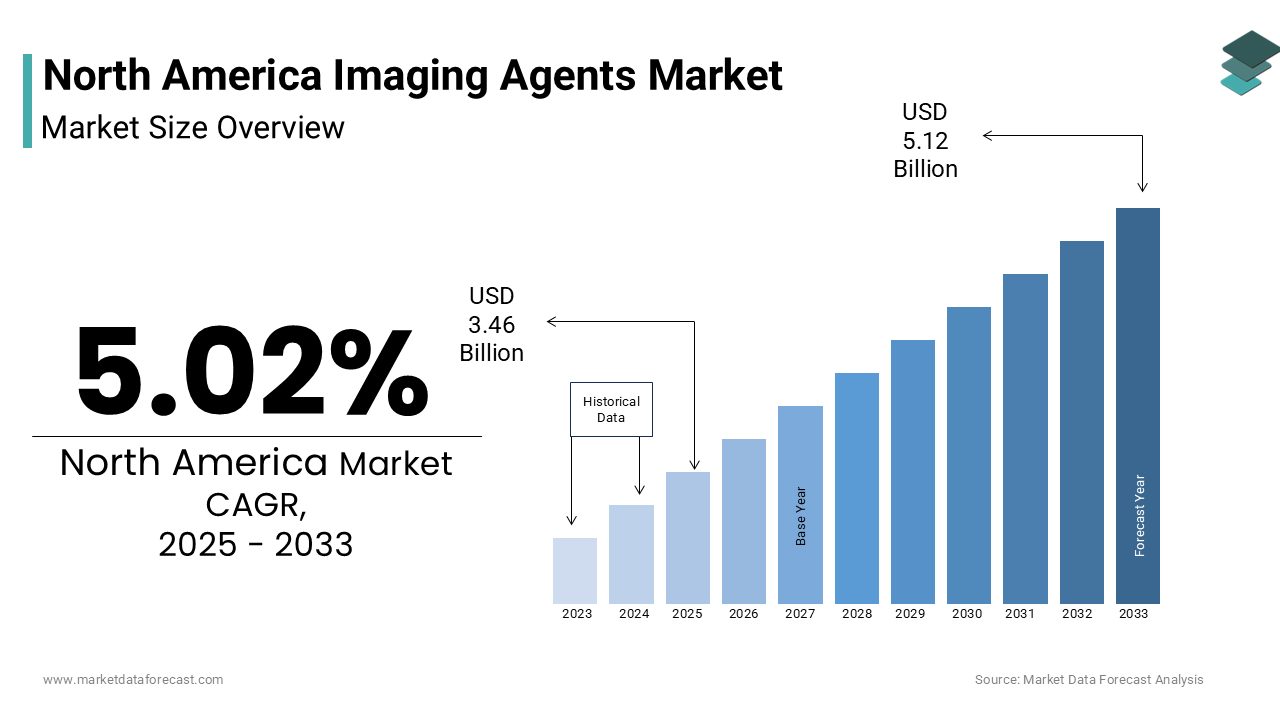
The North America imaging agents market was valued at USD 3.46 billion in 2025, is estimated to reach USD 3.63 billion in 2026, and is projected to reach USD 5.37 billion by 2034, growing at a CAGR of 5.02% during the forecast period from 2026 to 2034. The growth of the North America imaging agents market is driven by the rising prevalence of chronic diseases, an aging population requiring frequent diagnostic imaging, and increasing adoption of advanced imaging modalities such as CT, MRI, PET, and ultrasound. Growing emphasis on early disease detection, treatment monitoring, and precision diagnostics is further fueling market growth. Moreover, continuous advancements in molecular imaging, integration of artificial intelligence in imaging workflows, and the development of targeted and theranostic agents are expanding the clinical utility of imaging agents across oncology, cardiology, and neurology applications.
Key Market Trends
- Increasing utilization of advanced diagnostic imaging procedures, particularly CT and MRI, across hospitals and diagnostic centers.
- Growing adoption of targeted molecular and theranostic imaging agents aligned with personalized medicine approaches.
- Rising use of artificial intelligence and digital imaging platforms to enhance contrast optimization and diagnostic accuracy.
- Expanding demand for microbubble contrast agents in contrast-enhanced ultrasound due to favorable safety profiles.
- Continuous development of renal-safe and low-toxicity contrast formulations in response to patient safety concerns.
Segmental Insights
- Based on product type, the iodinated contrast media segment was the largest and held a significant share of the North America imaging agents market in 2024, accounting for 45.2% share. The segment’s dominance is attributed to the high volume of CT procedures, widespread use in cardiovascular and emergency imaging, and its critical role in oncologic diagnostics and interventional procedures.
- Based on product type (growth segment), the microbubble contrast media segment is expected to witness the fastest growth during the forecast period, driven by increasing adoption of contrast-enhanced ultrasound in cardiology, liver imaging, and oncology, along with its strong safety profile compared to iodinated and gadolinium-based agents.
- Based on application, the oncology segment dominated the North America imaging agents market in 2024 with a 38.1% share. The segment’s leadership is supported by high cancer incidence rates, growing demand for accurate tumor detection and staging, and increasing use of imaging agents for treatment response monitoring and long-term surveillance.
Regional Insights
The North America imaging agents market is witnessing steady growth, supported by advanced healthcare infrastructure, high diagnostic imaging utilization, and strong pharmaceutical manufacturing capabilities.
- The United States was the largest contributor, accounting for 93.2% of the North America imaging agents market share in 2025, driven by extensive healthcare spending, widespread access to advanced imaging technologies, and the presence of leading imaging agent manufacturers.
- Canada held the second-largest share at 7.5% in 2024, supported by a universal healthcare system, increasing investments in diagnostic imaging infrastructure, and growing adoption of advanced imaging standards across provinces.
Competitive Landscape
The North America imaging agents market is characterized by the presence of well-established multinational pharmaceutical and diagnostic imaging companies with strong product portfolios, extensive distribution networks, and continuous investment in research and development. Leading players are focusing on innovation in molecular imaging, development of safer and more targeted contrast agents, and integration of digital and AI-enabled imaging solutions to strengthen their market positions. Strategic collaborations with healthcare providers, radiology equipment manufacturers, and research institutions are enhancing clinical adoption and technological advancement. Prominent players in the North America imaging agents market include GE HealthCare, Bayer AG, Bracco Imaging S.p.A., Guerbet, Lantheus Holdings, Inc., Curium Pharma, Siemens Healthineers, Cardinal Health, Jubilant Radiopharma, Mallinckrodt Pharmaceuticals, Eli Lilly and Company, and Telix Pharmaceuticals.
North America Imaging Agents Market Size
The North America imaging agents market size was valued at USD 3.46 billion in 2025 and is anticipated to reach USD 3.63 billion in 2026 from USD 5.37 billion by 2034, growing at a CAGR of 5.02% during the forecast period from 2026 to 2034.
Imaging agents are substances (like contrast dyes or radiopharmaceuticals) administered before medical scans (MRI, CT, PET, etc.) to enhance the visibility of internal body structures, organs, or biological processes, improving diagnostic accuracy for conditions like cancer, heart disease, or fractures. This specialized healthcare segment serves critical functions including improved disease detection, treatment monitoring, and diagnostic accuracy across magnetic resonance imaging, computed tomography, positron emission tomography, and ultrasound applications. According to multiple sources, the volume of medical imaging procedures performed in the United States is substantial and has shown a steady increase over time, particularly for advanced modalities like CT and MRI, creating ongoing demand for diverse imaging agent formulations and delivery systems. The market's complexity stems from its multifaceted nature, incorporating advanced pharmaceutical chemistry, targeted molecular delivery mechanisms, and sophisticated regulatory compliance frameworks that ensure patient safety and diagnostic efficacy. Clinical applications span cardiovascular diagnostics, oncology screening, neurological assessments, and musculoskeletal evaluations, creating diverse demand patterns across different medical specialties. The market encompasses both iodinated contrast media for CT imaging, gadolinium-based agents for MRI applications, and radioactive tracers for nuclear medicine procedures. Regulatory frameworks established by the Food and Drug Administration govern agent approval, safety monitoring, and clinical usage guidelines that ensure market safety and therapeutic effectiveness. The integration of personalized medicine approaches and precision diagnostics has transformed imaging agent development toward targeted molecular probes and theranostic applications. Healthcare system integration requirements encompass hospital pharmacy services, radiology department protocols, and specialized storage and handling procedures that distinguish this market from conventional pharmaceutical sectors.
MARKET DRIVERS
Aging Population and Chronic Disease Prevalence
Expanding aging population demographics and increasing chronic disease prevalence necessitate frequent diagnostic imaging procedures and specialized contrast enhancement solutions is one of the key drivers of the North America imaging agents market. The U.S. population is aging rapidly, with Americans aged 65 and older comprising an estimated 18% of the total population, according to recent U.S. Census Bureau data. This demographic has substantially higher medical service and imaging needs compared to younger cohorts. According to the American Heart Association's (AHA) 2025 data, cardiovascular disease (CVD) does remain the leading cause of death in the U.S.. The data points to approximately 128 million American adults having some form of cardiovascular disease. As per a study, the total number of new cancer cases is rising, and incidence is increasing for several specific common cancer types and among younger and middle-aged adults, particularly women. The American Cancer Society provides current estimates indicating a substantial burden of new cancer diagnoses in the United States annually. The prevalence of neurological disorders is also increasing. The Alzheimer's Association reports that an estimated 7.2 million Americans aged 65 and older are living with Alzheimer's dementia in 2025. This creates demand for specialized brain imaging agents that enable early detection and progression monitoring of neurodegenerative diseases. According to the Centers for Disease Control and Prevention (CDC), approximately 38.4 million Americans have diabetes, necessitating imaging procedures to assess associated vascular complications and organ damage. The integration of preventive healthcare screening programs and early disease detection initiatives further amplifies imaging agent demand across diverse patient populations. Besides, healthcare insurance coverage expansion and reimbursement policy improvements have increased accessibility to advanced diagnostic imaging services for broader patient demographics. These healthcare-driven factors create sustained demand momentum that supports market growth across diverse clinical applications.
Technological Advancement and Precision Medicine Integration
Technological advancement and precision medicine integration are key accelerators propelling the North America imaging agents market forward. These factors drive the development of sophisticated molecular imaging solutions and targeted diagnostic capabilities. The National Institutes of Health provides substantial investment for the development and innovation of advanced medical imaging research and related technologies. Integration of artificial intelligence across healthcare systems is a key trend in medical imaging, influencing the demand for enhanced imaging agents that provide superior contrast resolution and diagnostic accuracy. The development of theranostic agents that combine diagnostic and therapeutic functions represents a revolutionary approach to personalized medicine that transforms traditional imaging agent applications. Molecular imaging technologies enable real-time monitoring of cellular processes and drug distribution, creating opportunities for targeted therapy optimization and treatment response assessment. The integration of multi-modal imaging capabilities, including PET-MRI and SPECT-CT fusion technologies, requires specialized imaging agents that provide optimal visualization across multiple imaging platforms. Nanotechnology applications in imaging agent development enable targeted delivery to specific cellular receptors and enhanced tissue penetration that improves diagnostic sensitivity and specificity. The convergence of genomics and imaging technologies creates opportunities for genetically targeted imaging agents that can identify specific molecular markers and disease subtypes. These technology-driven modernization initiatives create substantial long-term demand prospects that support sustained market expansion.
MARKET RESTRAINTS
Safety Concerns and Adverse Reaction Incidents
Significant safety concerns and adverse reaction incidents present substantial restraints limiting the growth of the North America imaging agents market. The system for reporting adverse events related to medical imaging agents includes documentation of various serious reactions each year. Gadolinium-based contrast agent safety concerns. Certain contrast agents containing gadolinium are required to have prominent warnings regarding a specific tissue condition risk in individuals who have severe kidney impairment. Reactions attributed to allergic responses to iodinated contrast media can affect a range of patients. Radiation exposure concerns associated with radioactive imaging agents create patient reluctance and regulatory restrictions that limit procedure frequency and market penetration. The development of contrast-induced nephropathy, affecting a portion of patients with pre-existing kidney conditions, necessitates extensive patient screening and risk assessment procedures. Healthcare provider liability concerns and malpractice insurance considerations create additional barriers to imaging agent utilization, particularly for high-risk patient populations. Patient awareness campaigns and negative publicity regarding imaging agent safety have increased patient reluctance and informed consent requirements that impact market adoption rates. These safety-related sensitivities create conservative prescribing patterns that constrain market growth despite underlying clinical demand fundamentals.
Regulatory Complexity and Approval Challenges
Regulatory complexity and significant approval issues create substantial implementation constraints that restrain expansion of the North America imaging agents market. The Food and Drug Administration's rigorous clinical trial requirements for imaging agent approval necessitate extensive safety and efficacy studies that extend development timelines and increase research costs. Developing new imaging agents involves a lengthy research and development cycle. The process typically requires several years to progress from initial discovery through to regulatory approval. Besides, conducting the necessary clinical trials for these candidates represents a significant financial investment. Regulatory harmonization challenges between FDA requirements and international standards create additional compliance burdens for manufacturers seeking global market access. The complexity of demonstrating imaging agent efficacy through objective clinical endpoints requires sophisticated trial design and statistical analysis that increases development complexity and resource requirements. Generic imaging agent competition and abbreviated approval pathways create pricing pressures that reduce market margins and investment returns for innovative agent development. The concentration of regulatory expertise in major metropolitan areas creates regional disparities in regulatory support services and compliance consulting capabilities. These regulatory constraints limit market innovation and create barriers to entry that constrain overall industry growth potential.
MARKET OPPORTUNITIES
Personalized Medicine and Targeted Molecular Imaging
The emergence of personalized medicine concepts and targeted molecular imaging development exhibits notable growth opportunities for the North America imaging agents market. This is because of next-generation diagnostic solutions and precision therapeutic monitoring capabilities. A government health research organization has identified numerous potential biological indicators that could be targeted for cancer imaging. This creates substantial opportunities for the development of new imaging agents designed to home in on these specific targets. Theranostic agent development, combining diagnostic and therapeutic functions in single molecular platforms, represents a revolutionary approach that transforms traditional imaging agent applications and creates premium pricing opportunities. According to sources, most large healthcare organizations are now incorporating approaches that tailor medical treatment to individual patients. This shift increases the need for specialized imaging agents that help physicians select the most effective treatment for each person. The integration of artificial intelligence and machine learning in molecular imaging enables automated lesion detection and quantitative analysis that enhances diagnostic accuracy and reduces interpretation variability. Genomic medicine applications create opportunities for genetically targeted imaging agents that can identify specific molecular markers and predict treatment response in individual patients. The development of multi-modal imaging agents that provide optimal visualization across different imaging platforms creates opportunities for comprehensive diagnostic assessments and treatment monitoring. These personalized medicine opportunities create substantial long-term demand prospects that support sustained market expansion through premium value propositions.
Artificial Intelligence Integration and Digital Health Platforms
Advanced artificial intelligence integration and digital health platform development create potential expansion possibilities for the North America imaging agents market. This is driven by enhanced diagnostic capabilities and value-added services that differentiate modern imaging solutions. The integration of machine learning algorithms with imaging agent administration protocols enables personalized dosing recommendations and optimized contrast enhancement that improve diagnostic quality and reduce adverse events. Digital health platforms that integrate imaging agent tracking, patient monitoring, and outcome analysis create opportunities for comprehensive diagnostic services that extend beyond traditional agent supply. The development of cloud-based imaging analytics and remote consultation capabilities enables real-time expert interpretation and quality assurance that enhance diagnostic reliability and reduce interpretation errors. Predictive analytics applications that utilize imaging agent biodistribution data and patient characteristics create opportunities for risk stratification and treatment optimization. The convergence of operational technology and information technology in healthcare creates opportunities for imaging agent manufacturers to develop integrated solutions that bridge traditional pharmaceutical delivery with modern data management platforms. These digital transformation opportunities enable premium pricing and expanded service offerings that enhance market profitability.
MARKET CHALLENGES
Supply Chain Disruptions and Raw Material Availability
Supply chain disruptions and raw material availability constraints are challenging the growth of the North America imaging agents market. These challenges impact production schedules and cost management. Global sourcing dependencies for critical raw materials, including rare earth elements for gadolinium-based agents and specialized radioisotopes for nuclear medicine applications, create exposure to international supply chain disruptions and geopolitical tensions. Raw material price volatility, particularly for iodine compounds and gadolinium materials, creates cost uncertainty that impacts project budgeting and pricing strategies. The concentration of manufacturing capacity in specific geographic regions creates single points of failure that amplify supply chain risks during disruption events. Transportation bottlenecks, including port congestion and specialized shipping requirements for radioactive materials, extend delivery times and increase logistics costs. Component substitution challenges arise when preferred materials become unavailable, requiring formulation modifications and regulatory re-approval processes that delay product availability. These supply chain challenges create project execution risks that impact customer satisfaction and market competitiveness.
Healthcare Reimbursement Pressures and Cost Containment
Healthcare reimbursement pressures and cost containment initiatives are major obstacles for the expansion of the North America imaging agents market. This negatively impacts the pricing strategies and market accessibility. Private insurance company consolidation has created powerful payer entities that demand substantial discounts and value-based contracting arrangements that compress market margins. The implementation of bundled payment models for diagnostic procedures creates incentives for healthcare systems to reduce imaging agent costs and standardize procurement processes. Generic imaging agent competition has intensified significantly. Hospital system consolidation and group purchasing organization influence has concentrated purchasing power and created demand for volume discounts and long-term supply agreements. The integration of value-based care models emphasizes cost-effectiveness and outcome-based reimbursement that requires imaging agents to demonstrate superior clinical value and economic benefits. These reimbursement-driven challenges require continuous adaptation and pricing strategies that can constrain market flexibility and profitability margins.
REPORT COVERAGE
| REPORT METRIC | DETAILS |
| Market Size Available | 2025 to 2034 |
| Base Year | 2025 |
| Forecast Period | 2026 to 2034 |
| CAGR | 13.61% |
| Segments Covered | By Product Type, Application and Region. |
| Various Analyses Covered | Global, Regional & Country Level Analysis, Segment-Level Analysis, DROC, PESTLE Analysis, Porter’s Five Forces Analysis, Competitive Landscape, Analyst Overview of Investment Opportunities |
| Regions Covered | North America, Europe, APAC, Latin America, Middle East & Africa |
| Market Leaders Profiled | GE HealthCare, Bayer AG, Bracco Imaging S.p.A., Guerbet, Lantheus Holdings, Inc., Curium Pharma, Siemens Healthineers, Cardinal Health, Jubilant Radiopharma, Mallinckrodt Pharmaceuticals, Eli Lilly and Company, and Telix Pharmaceuticals. |
SEGMENTAL ANALYSIS
By Product Type Insights
The iodinated contrast media segment was the largest segment in the North America imaging agents market by capturing a 45.2% share in 2025. The prominence of the iodinated contrast media segment is attributed to iodinated contrast agents' fundamental role as primary enhancement solutions for computed tomography procedures and their essential function in ensuring diagnostic image quality across diverse clinical applications. Moreover, the growth of iodinated contrast media in the imaging agents market is also driven by extensive computed tomography procedure volumes and clinical necessity for enhanced diagnostic imaging across diverse medical specialties. The use of computed tomography (CT) procedures in the United States is extensive and continues to show an increasing trend, with a substantial proportion of these studies requiring iodinated contrast media to ensure diagnostic quality. Cardiovascular imaging applications for CT, such as coronary CT angiography (CCTA), are growing in number and acceptance as first-line diagnostic tools in many cases, creating a significant demand for effective iodinated contrast agents. Emergency department utilization of CT imaging is a major driver of demand for contrast solutions that support time-sensitive and rapid diagnostic requirements for acute conditions. Oncologic applications, including tumor staging and treatment response monitoring, require iodinated contrast enhancement to differentiate between normal and pathological tissues according to the American Society of Clinical Oncology. The integration of CT-guided interventions and minimally invasive procedures creates additional demand for high-quality contrast agents that enable real-time visualization and procedural guidance. In addition, the development of dual-energy CT technologies requires specialized iodinated contrast formulations that optimize material differentiation and enhance diagnostic capabilities. These clinical-driven requirements create universal demand for iodinated contrast media that transcends specific application categories and supports sustained market dominance. Technological advancement and formulation innovation significantly contribute to iodinated contrast media market dominance through the development of enhanced safety profiles, improved patient tolerance, and advanced delivery systems that address evolving clinical requirements. The development of heat-stable formulations and premixed delivery systems reduces preparation time and eliminates compounding errors that enhance procedural efficiency and patient safety. Pediatric imaging requirements drive demand for specialized iodinated contrast formulations with reduced viscosity and improved injection characteristics that accommodate smaller patient populations and delicate vascular access. The integration of automated injection systems and power injector technologies requires compatible iodinated contrast solutions that maintain stability under high-pressure delivery conditions. Advanced formulation research enables development of contrast agents with extended vascular retention times and optimized tissue enhancement characteristics that improve diagnostic confidence. Besides, the development of renal-safe formulations addresses concerns regarding contrast-induced nephropathy and expands utilization among high-risk patient populations. These technology-driven factors create sustained demand for advanced iodinated contrast solutions that support market leadership.
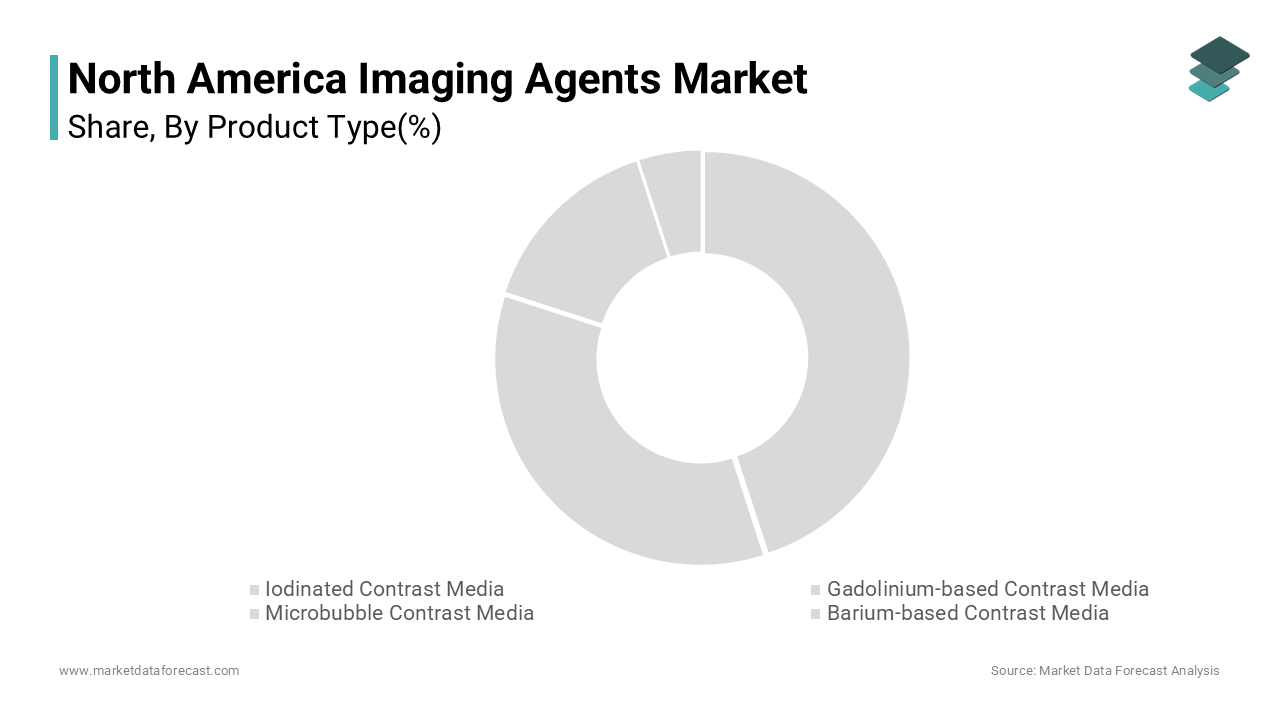
The microbubble contrast media segment is on the rise and is expected to be the fastest growing segment in the market by witnessing a CAGR of 9.4% from 2026 to 2034. The rapid growth of the microbubble contrast media segment is driven by evolving ultrasound imaging requirements and technological advancement that favor advanced microbubble solutions for enhanced diagnostic capabilities. The exceptional growth trajectory of microbubble contrast media is also fueled by extensive ultrasound technology advancement and expanding cardiac imaging applications that require sophisticated contrast enhancement for optimal diagnostic performance. According to research, the utilization of contrast echocardiography has increased substantially over recent years, driven by technological advances and expanded clinical guidelines for its use. Microbubble contrast agents are now routinely used to enable visualization of myocardial perfusion and to improve the assessment of left ventricular function. According to the 2024 and 2025 American Heart Association (AHA) statistics updates, approximately 127.9 million U.S. adults had some form of cardiovascular disease between 2017 and 2020, creates substantial demand for cardiac imaging procedures that require microbubble enhancement for accurate diagnosis and treatment monitoring. The development of harmonic imaging technologies and contrast-specific imaging modes has revolutionized microbubble contrast agent utilization by enabling selective visualization of microbubble signals while suppressing tissue background. Emergency department applications increasingly utilize contrast-enhanced ultrasound for rapid cardiac assessment and hemodynamic evaluation, particularly in patients with contraindications to iodinated or gadolinium-based contrast agents. The integration of point-of-care ultrasound systems in critical care settings creates demand for rapid-acting microbubble contrast solutions that support immediate diagnostic decision-making. Additionally, the development of targeted microbubble agents for molecular imaging applications creates opportunities for specific disease marker detection and therapeutic monitoring. These cardiology-driven factors create substantial long-term growth prospects that support the segment's exceptional expansion. Liver imaging and oncologic applications drive the rapid expansion of microbubble contrast media through demand for advanced hepatic perfusion assessment and tumor characterization capabilities that enhance diagnostic accuracy and treatment planning. The development of liver-specific contrast agents and perfusion imaging protocols creates opportunities for non-invasive liver function assessment and fibrosis staging that complement traditional imaging modalities. Oncologic applications, including metastatic lesion detection and therapy response monitoring, benefit from microbubble contrast enhancement that provides real-time perfusion information and vascular architecture assessment. The integration of artificial intelligence algorithms with contrast-enhanced ultrasound enables automated lesion detection and quantitative perfusion analysis that enhances diagnostic accuracy and reduces interpretation variability. The development of targeted microbubble agents conjugated with specific ligands creates opportunities for molecular imaging and personalized medicine applications. Additionally, the safety profile of microbubble contrast agents. These oncology-driven factors create sustained demand growth that supports the segment's accelerated expansion trajectory.
By Application Insights
The oncology segment dominated the North America imaging agents market by capturing a share of 38.1% in 2025. The dominance of the oncology segment is credited to the important role that imaging agents play in cancer detection, staging, treatment monitoring, and recurrence surveillance across diverse malignancy types. In addition, the expansion of the oncology application segment is also propelled by extensive cancer incidence rates and early detection requirements that necessitate sophisticated imaging agents for accurate diagnosis and treatment planning. The high frequency of new cancer diagnoses across the United States generates a consistent need for imaging agents that facilitate tumor detection, characterization, and staging. Widespread breast cancer screening programs increase the utilization of contrast-enhanced mammography and MRI procedures, which rely on specialized imaging agents to improve diagnostic sensitivity and specificity. Lung cancer screening initiatives contribute to the demand for iodinated contrast agents, as these substances are used to assist in the characterization of nodules and the assessment of disease stages. The diagnosis and clinical management of prostate cancer necessitate the use of advanced MRI contrast agents to support precise tumor localization and the development of treatment plans. The integration of precision oncology approaches and personalized treatment strategies creates demand for imaging agents that can monitor therapeutic response and detect early signs of treatment resistance. Additionally, cancer survivorship programs necessitate long-term surveillance imaging that requires repeated contrast agent administration and enhanced safety profiles. These oncology-driven requirements create sustained demand momentum that reinforces the application segment's market leadership position. Therapeutic monitoring and treatment response assessment significantly contribute to oncology imaging agent market dominance through demand for sophisticated contrast solutions that enable real-time evaluation of treatment efficacy and disease progression. Clinical guidelines suggest frequent imaging for monitoring the progression of many cancers, leading to a consistent need for contrast agents to improve diagnostic clarity. Assessing how well a patient is responding to chemotherapy often requires sophisticated imaging agents to distinguish between changes caused by treatment and the actual growth of the disease. These practices drive the need for improved diagnostic capabilities in cancer care. Immunotherapy monitoring creates demand for specialized imaging agents that can detect immune-related response patterns and pseudoprogression phenomena that differ from conventional treatment responses. Radiation therapy planning and follow-up require high-quality contrast enhancement to accurately define tumor volumes and assess treatment-related tissue changes. The integration of targeted therapies and precision medicine approaches necessitates imaging agents that can monitor specific molecular targets and treatment pathway activation. In addition, the development of theranostic agents that combine diagnostic and therapeutic functions creates opportunities for personalized treatment optimization and outcome prediction. These treatment monitoring requirements create sustained demand that supports continued market leadership.
The neurology application segment is expected to exhibit a noteworthy CAGR of 8.7% during the forecast period due to expanding neurological disorder prevalence and advanced brain imaging requirements that create substantial demand for specialized contrast enhancement solutions. The exceptional growth of the neurology application segment is further propelled by extensive neurodegenerative disease prevalence and early detection initiatives that require sophisticated imaging agents for accurate diagnosis and disease progression monitoring. Alzheimer's disease millions of Americans, according to research, with early detection efforts driving demand for specialized brain imaging agents that enable amyloid plaque visualization and tau protein assessment. The development of amyloid PET imaging agents has revolutionized Alzheimer's disease diagnosis. Parkinson's disease prevalence, affecting substantial number of Americans, according to sources, creates demand for dopamine transporter imaging agents that enable accurate diagnosis and treatment monitoring. Multiple sclerosis diagnosis and management, with significant number of cases globally, require advanced MRI contrast agents for lesion detection and disease activity assessment. The integration of precision neurology approaches and biomarker-based diagnosis creates demand for targeted imaging agents that can detect specific neurological pathology and predict treatment response. Additionally, the development of neuroprotective therapies necessitates imaging agents that can monitor treatment efficacy and disease modification. These neurodegenerative disease factors create substantial long-term growth prospects that support the segment's accelerated expansion. Stroke management and cerebrovascular imaging drive the rapid expansion of neurology imaging agent demand through extensive requirements for acute stroke assessment and vascular pathology evaluation. The development of CT perfusion imaging and MRI diffusion-weighted sequences creates demand for specialized contrast agents that enable real-time assessment of cerebral blood flow and tissue viability. Thrombolytic therapy eligibility assessment requires sophisticated imaging agents that can differentiate between salvageable and infarcted brain tissue according to stroke treatment guidelines. The integration of endovascular stroke treatment procedures necessitates advanced angiographic contrast agents that enable real-time vessel visualization and procedural guidance. Brain tumor diagnosis and management, with thousands of primary brain tumor cases annually, require specialized MRI contrast agents for accurate tumor characterization and treatment planning. Additionally, the development of neurointerventional procedures creates demand for high-viscosity contrast agents that maintain vessel opacification during complex therapeutic interventions. These stroke management factors create sustained demand growth that supports the segment's exceptional expansion rate.
REGIONAL ANALYSIS
United States Imaging Agents Market Analysis
The United States led the North America imaging agents market and accounted for a 93.2% share in 2025. The leading position of the US market is driven by the country's extensive healthcare infrastructure, sophisticated diagnostic imaging capabilities, and comprehensive pharmaceutical manufacturing base that create sustained demand for advanced imaging agents. The fundamental strength of the U.S. imaging agents market stems from its massive healthcare system and extensive diagnostic imaging utilization that drives sustained demand for sophisticated contrast media and radiopharmaceutical solutions. Medical imaging procedures are performed frequently within the United States healthcare system, contributing to a consistent requirement for various imaging agent formulations and delivery technologies. A significant portion of the adult population undergoes diagnostic imaging, which demonstrates the integration of these services into routine medical care and preventive health practices. Regional market dynamics vary significantly, with states generating disproportionate market activity due to large healthcare systems and academic medical centers. Economic factors, including historically favorable healthcare reimbursement and robust research funding, support continued investment in premium imaging agent solutions. The presence of sophisticated distribution networks, including major pharmaceutical companies, ensures comprehensive market coverage and product availability. Additionally, the United States hosts the majority of North American imaging agent manufacturing facilities, creating integrated supply chains that support both domestic and export markets. This combination of market scale, healthcare sophistication, and manufacturing capability establishes the United States as the uncontested leader in North American imaging agents activities.
Canada Imaging Agents Market Analysis
Canada was the second-largest player in the North America imaging agents market by holding a 7.5% share in 2025. The growth of the Canadian market is propelled by its developed healthcare system, progressive diagnostic imaging standards, and growing pharmaceutical sector that drive demand for reliable imaging agent solutions. Canadian market dynamics are significantly influenced by the country's universal healthcare system and comprehensive diagnostic imaging networks that create consistent demand for imaging agents across diverse clinical applications. Canadian healthcare systems conduct a high volume of diagnostic imaging procedures each year, many of which use contrast enhancement to improve diagnostic accuracy. Significant investments have been made to modernize the country's imaging infrastructure and improve the efficiency of agent utilization. Provincial variations create distinct market opportunities, with Ontario and Quebec generating a portion of total Canadian imaging agent demand due to their large populations and extensive healthcare networks. Canadian regulatory frameworks, including Health Canada's pharmaceutical regulations, ensure imaging agent safety and efficacy while facilitating rapid market access for innovative products. Economic factors, including government healthcare funding programs and pharmaceutical reimbursement policies, support continued market growth and technology adoption. The presence of major North American manufacturers and specialized Canadian distributors ensures product availability and competitive pricing. Additionally, Canada's climate considerations and geographic factors necessitate specific imaging agent solutions that address cold chain storage and remote location delivery requirements. These factors combine to establish Canada as a significant but distinct component of the broader North American imaging agents landscape.
COMPETITIVE LANDSCAPE
The North America imaging agents market exhibits intense competitive dynamics characterized by the presence of established multinational corporations, regional specialists, and emerging technology-focused companies. Market leaders leverage brand recognition, extensive distribution networks, and comprehensive product portfolios to maintain dominant positions, while smaller players differentiate through niche specialization and localized service excellence. The competitive landscape is increasingly influenced by technological innovation, with smart imaging solutions and targeted molecular agents becoming key differentiators. Price competition remains significant across value segments, though premium brands successfully command higher margins through formulation excellence and advanced functionality. Distribution channel evolution, including digital platforms and specialty pharmacy models, has altered traditional competitive dynamics and created new market access opportunities. Regional variations in competitive intensity reflect local market conditions, regulatory requirements, and healthcare system preferences. Hospital system relationships and group purchasing organization influence play crucial roles in determining market share, particularly in large-scale procurement contracts. The market's fragmented nature allows specialized players to compete effectively against larger corporations through superior customer service and clinical expertise. Innovation cycles accelerate competitive pressure, requiring continuous investment in research and development to maintain relevance. Brand loyalty remains strong among established customers, though evolving clinical requirements and changing healthcare delivery models create opportunities for market disruption and new entrant success.
KEY MARKET PLAYERS
Some of the companies that are playing a dominating role in the North America Imaging Agents Market include
- GE HealthCare
- Bayer AG
- Bracco Imaging S.p.A.
- Guerbet
- Lantheus Holdings, Inc.
- Curium Pharma
- Siemens Healthineers
- Cardinal Health
- Jubilant Radiopharma
- Mallinckrodt Pharmaceuticals
- Eli Lilly and Company
- Telix Pharmaceuticals
Top Players in the North America Imaging Agents Market
Bayer AG
Bayer AG stands as a preeminent force in the North American imaging agents market, leveraging decades of pharmaceutical excellence and comprehensive product innovation. The company's extensive portfolio encompasses iodinated contrast media, gadolinium-based agents, and specialized radiopharmaceuticals that serve diverse diagnostic imaging applications. Bayer's commitment to technological advancement is evident through their development of enhanced safety formulations, improved patient tolerance solutions, and advanced delivery systems that address evolving clinical requirements. Their global manufacturing footprint ensures consistent product availability and quality standards across North American markets. Bayer's customer-centric approach includes comprehensive technical support, training programs, and lifecycle services that enhance customer satisfaction and retention. The company's strategic acquisitions and partnerships have expanded their technological capabilities and market reach within the imaging agents segment. Bayer's emphasis on safety and environmental responsibility aligns with evolving regulatory requirements and customer expectations, positioning them favorably in the transitioning healthcare landscape.
GE Healthcare
GE Healthcare maintains a formidable presence in the North America imaging agents market through its comprehensive product portfolio and innovative diagnostic solutions. The company's imaging agent offerings include advanced contrast media, molecular imaging agents, and specialized radiopharmaceuticals that cater to diverse clinical requirements. GE Healthcare's focus on digital transformation has yielded intelligent imaging solutions that provide real-time monitoring, predictive analytics, and remote management capabilities. Their commitment to cybersecurity ensures that imaging agent solutions meet stringent healthcare data protection requirements. The company's extensive distribution network and authorized partner ecosystem facilitate widespread market penetration and customer support. GE Healthcare's research and development investments drive continuous innovation in imaging agent technology, including targeted molecular probes and theranostic applications. Their holistic approach to diagnostic imaging encompasses technical consulting, installation support, and comprehensive maintenance services that create customer loyalty and market differentiation.
Bracco Imaging
Bracco Imaging commands significant influence in the North America imaging agents market through its diversified product portfolio and technological leadership in diagnostic imaging solutions. The company's imaging agent offerings include innovative contrast media, specialized MRI agents, and advanced ultrasound contrast solutions that incorporate cutting-edge pharmaceutical technologies. Bracco Imaging's commitment to precision medicine principles is reflected in their development of targeted imaging agents that enable personalized diagnostic approaches and treatment optimization. Their global research and development capabilities facilitate rapid adaptation of international innovations to North American market requirements and clinical standards. Bracco Imaging's comprehensive service ecosystem includes technical consulting, clinical support, and lifecycle management programs that ensure customer satisfaction and long-term relationships. The company's strategic focus on sustainability drives development of environmentally responsible imaging agent technologies and waste reduction initiatives. Their integration capabilities with broader diagnostic imaging systems create value-added solutions that differentiate them from competitors and reinforce market positioning.
Top Strategies Used by Key Market Participants
Strategic Partnerships and Technology Collaborations
Leading players in the North America imaging agents market actively pursue strategic partnerships with technology companies, pharmaceutical suppliers, and research institutions to enhance their innovation capabilities and expand market reach. These collaborations enable manufacturers to integrate cutting-edge technologies such as artificial intelligence, advanced materials science, and molecular imaging techniques into their imaging agent solutions. Partnerships with major healthcare systems and academic medical centers facilitate early adoption of new technologies and provide valuable clinical feedback for product development. Technology collaborations with radiology equipment manufacturers and electronic health record providers ensure seamless integration of imaging agents with broader diagnostic workflows and data management systems. These strategic alliances also encompass joint marketing initiatives and co-development projects that accelerate time-to-market for innovative solutions. Additionally, partnerships with educational institutions and professional societies help develop clinical expertise and market awareness that support industry growth and technical advancement.
Product Innovation and Digital Transformation
Market leaders consistently invest in research and development to introduce innovative imaging agent solutions that address evolving clinical requirements and regulatory standards. This strategy encompasses the development of smart imaging agents, targeted molecular probes, and advanced delivery systems that enhance diagnostic accuracy and patient safety. Companies focus on integrating digital monitoring capabilities, predictive analytics, and personalized dosing algorithms that align with precision medicine requirements and value-based care initiatives. Innovation efforts also target enhanced safety profiles, reduced adverse reaction rates, and improved patient tolerance that address traditional imaging agent limitations. The development of theranostic agents that combine diagnostic and therapeutic functions creates opportunities for personalized treatment optimization and outcome prediction. Advanced formulation research facilitates development of more stable, effective, and environmentally responsible imaging agent solutions. These innovation strategies not only command premium pricing but also establish technological leadership positions that create competitive advantages.
Market Expansion and Geographic Penetration
Key players actively pursue market expansion strategies that include geographic penetration, channel diversification, and segment targeting to maximize revenue opportunities and market share. Companies establish regional manufacturing facilities and localized service centers to improve customer accessibility and response times. Geographic expansion efforts focus on emerging markets with growing healthcare infrastructure and diagnostic imaging requirements. Channel diversification includes direct sales models, specialty pharmacy partnerships, and digital platform development that complement traditional distribution networks. Market leaders also pursue segment expansion by developing specialized imaging agent solutions that address previously underserved clinical applications, including pediatric imaging and point-of-care diagnostics. International expansion strategies leverage existing brand recognition and regulatory expertise to enter adjacent markets and global opportunities. Strategic acquisitions of regional players provide immediate market presence and established customer relationships. These expansion initiatives enable companies to achieve economies of scale while reducing market concentration risks.
MARKET SEGMENTATION
This research report on the North America Imaging Agents Market is segmented and sub-segmented based on categories.
By Product Type
- Iodinated Contrast Media
- Gadolinium-based Contrast Media
- Microbubble Contrast Media
- Barium-based Contrast Media
By Application
- Oncology
- Cardiology
- Gastrointestinal
- Neurology
- Others
By Country
- U.S.
- Canada
- Rest of North America
Frequently Asked Questions
What is the North America imaging agents market?
The market includes contrast and molecular imaging agents used to enhance the visibility of organs, tissues, and blood vessels in medical imaging procedures.
Which imaging modalities use imaging agents?
Imaging agents are commonly used in MRI, CT, X-ray, ultrasound, PET, and SPECT imaging procedures.
What types of imaging agents are used in North America?
Major types include iodinated contrast agents, gadolinium-based agents, microbubble contrast agents, and nuclear imaging agents.
What factors are driving market growth in North America?
Growth is driven by the rising prevalence of chronic diseases, increasing diagnostic imaging procedures, and technological advancements in imaging systems.
Which country dominates the North America imaging agents market?
The United States dominates due to advanced healthcare infrastructure and high adoption of diagnostic imaging technologies.
How does the aging population impact the imaging agents market?
An aging population increases the incidence of cancer, cardiovascular, and neurological disorders, boosting demand for imaging agents.
What challenges does the imaging agents market face?
Safety concerns, adverse reactions, regulatory scrutiny, and high development costs are major challenges.
What trends are shaping the North America imaging agents market?
Key trends include personalized imaging, targeted molecular imaging agents, and AI-assisted diagnostic workflows.
Which end users drive demand for imaging agents?
Hospitals, diagnostic imaging centers, and specialty clinics are the primary end users.
What is the future outlook for the North America imaging agents market?
The market is expected to grow steadily due to advancements in diagnostic imaging, increasing disease burden, and innovation in contrast agent development.
Access the study in MULTIPLE FORMATS
Purchase options starting from
$ 2000
Didn’t find what you’re looking for?
TALK TO OUR ANALYST TEAM
Need something within your budget?
NO WORRIES! WE GOT YOU COVERED!
Call us on: +1 888 702 9696 (U.S Toll Free)
Write to us: sales@marketdataforecast.com