- Product Description Description
- Table of Contents TOC
- List of Table & Figure LOT
- Get Free Sample PDF Sample PDF
Market Size, 2025
$2.86 BnMarket Estimate, 2026
$3.32 BnMarket Forecast, 2034
$11.06 BnCAGR, 2026–2034
16.23%North America Sickle Cell Disease Market Report Summary
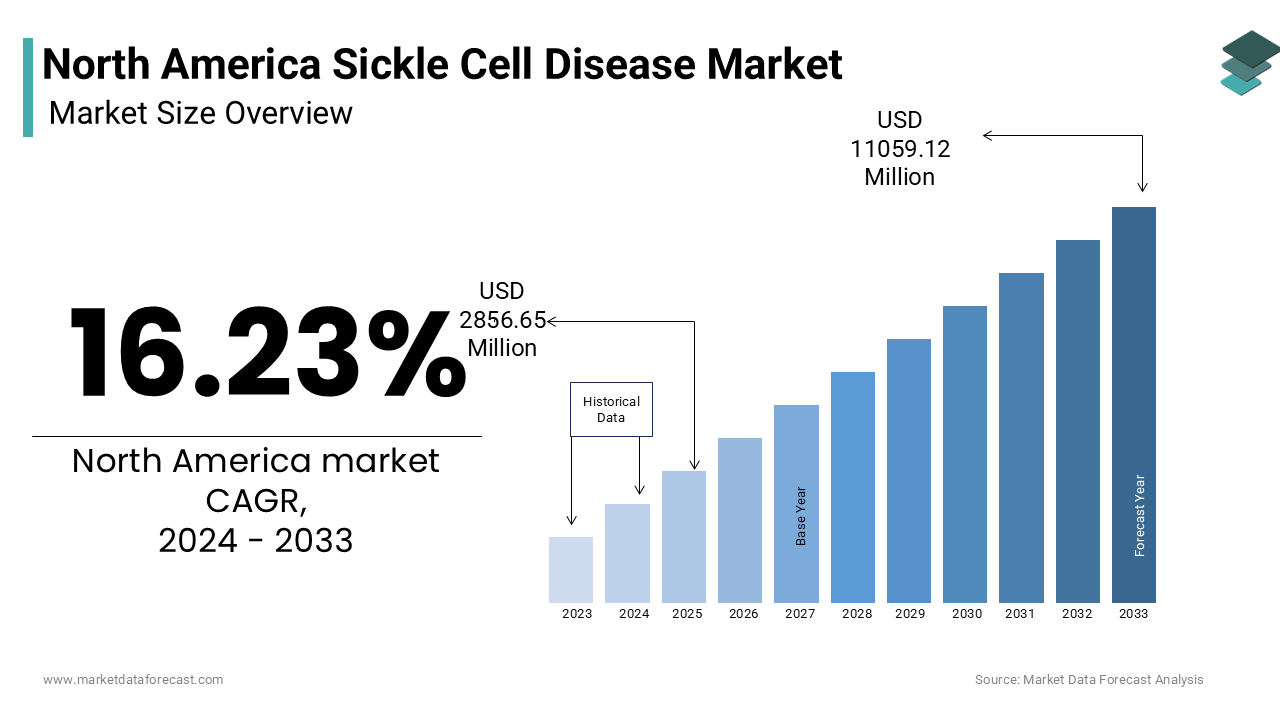
The North America Sickle Cell Disease Market was valued at USD 2.86 Bn in 2025, is estimated to reach USD 3.32 Bn in 2026, and is projected to reach USD 11.06 Bn by 2034, growing at a CAGR of 16.23% during the forecast period from 2026 to 2034. The growth of the North America sickle cell disease market is driven by expanding newborn screening programs, increasing adoption of disease-modifying therapies, and rapid advancements in gene-editing technologies. Growing awareness of early diagnosis, rising investments in specialized treatment centers, and increasing regulatory approvals for innovative therapies are further fueling market growth. Moreover, government initiatives focused on health equity and continued clinical research into curative treatments are accelerating the expansion of the North America sickle cell disease market.
Key Market Trends
-
Rising adoption of gene-editing and gene-addition therapies with curative potential.
-
Expansion of universal newborn screening and genetic counseling programs.
-
Increasing investment in specialized sickle cell treatment centers and multidisciplinary care.
-
Growing focus on health equity initiatives to improve access to advanced therapies.
-
Rising clinical research activity for next-generation disease-modifying treatments.
Segmental Insights
- Based on treatment, the blood transfusion segment accounted for the largest share of the North America sickle cell disease market in 2024. The segment’s dominance is attributed to its widespread use in managing acute complications, preventing stroke in pediatric patients, treating acute chest syndrome, and improving long-term clinical outcomes.
- The bone marrow transplant (BMT) segment is projected to witness the fastest growth during the forecast period, registering a CAGR of 14.7%. The rapid growth of this segment is driven by increasing adoption of curative transplant procedures, expanding use of haploidentical donors, improved conditioning regimens, and higher long-term survival rates.
- Based on end use, the hospitals segment held the largest share of the North America sickle cell disease market due to the high demand for inpatient management of vaso-occlusive crises, blood transfusions, stem cell transplantation, and multidisciplinary care. Meanwhile, the specialty clinics segment is expected to witness the fastest growth, registering a CAGR of 12.3%, owing to the increasing emphasis on comprehensive outpatient care, reduced hospitalizations, and growing investments in dedicated sickle cell treatment centers.
Regional Insights
- The North America sickle cell disease market is witnessing strong growth across the region, supported by expanding access to innovative therapies, increasing healthcare investments, and growing awareness of early diagnosis.
- The United States dominated the North America sickle cell disease market by accounting for 92.3% of the regional market share in 2024. The country's leadership is driven by the largest patient population, universal newborn screening programs, strong clinical research infrastructure, rapid regulatory approvals for advanced therapies, and extensive investments in gene-editing technologies.
- Canada accounted for 8.2% of the regional market share in 2024 and continues to witness steady growth due to increasing disease prevalence, expanding specialized hematology clinics, improved treatment accessibility, and growing adoption of advanced therapeutic protocols aligned with international standards.
Competitive Landscape
The North America sickle cell disease market is highly competitive, with leading pharmaceutical companies and biotechnology firms focusing on gene-editing technologies, disease-modifying therapies, and long-term curative treatment strategies. Companies are investing heavily in clinical research, strategic collaborations, patient support programs, and healthcare provider education to expand treatment access and improve patient outcomes. Continuous innovation in precision medicine, advanced cell and gene therapies, and comprehensive care models is intensifying competition across the North America sickle cell disease market. Prominent players in the North America sickle cell disease market include Novartis AG, Bluebird Bio Inc., Pfizer Inc., Bristol Myers Squibb, CRISPR Therapeutics, Vertex Pharmaceuticals, Global Blood Therapeutics (now part of Pfizer Inc.), Emmaus Life Sciences, GlycoMimetics, Sangamo Therapeutics, Editas Medicine, Agios Pharmaceuticals, and AstraZeneca.
North America Sickle Cell Disease Market Size
The North America sickle cell disease market size was valued at USD 2856.65 million in 2025 and is anticipated to reach USD 3320.28 million in 2026 from USD 11,059.12 million by 2034, growing at a CAGR of 16.23% during the forecast period from 2026 to 2034.
Sickle cell disease (SCD) is a hereditary hemoglobinopathy characterized by the presence of abnormal hemoglobin S, which leads to chronic hemolysis, vaso-occlusive crises, and progressive multi-organ damage. According to the Centers for Disease Control and Prevention, approximately 100,000 Americans are living with SCD, with around 1 in every 365 Black or African American children born with the disease. The genetic mutation responsible for SCD persists due to the heterozygous advantage against severe malaria, although this selective pressure is absent in North America, where the disease burden is maintained through generational inheritance. Newborn screening programs, now mandatory in all 50 U.S. states, have significantly improved early diagnosis and intervention timelines. As per data from the National Institutes of Health, over 90% of children with SCD in the United States now survive into adulthood due to advances in penicillin prophylaxis, pneumococcal vaccination, and hydroxyurea therapy.
MARKET DRIVERS
Expansion of Genetic Screening and Newborn Diagnostic Programs
The widespread implementation and continuous refinement of newborn screening programs are escalating the growth of the North American sickle cell disease market. As of 2023, all 50 states in the U.S. include SCD in their standard newborn screening panels under the Recommended Uniform Screening Panel maintained by the Health Resources and Services Administration. This universal screening has enabled early detection in over 99% of affected infants, facilitating timely enrollment in comprehensive care programs. According to the Centers for Disease Control and Prevention, early diagnosis through newborn screening reduces infant mortality by up to 89% when coupled with prophylactic penicillin and parental education. In addition, preconception and prenatal genetic counseling initiatives have gained traction, particularly within high-risk communities. The American Society of Hematology reports that carrier screening programs in high-prevalence regions such as the southeastern U.S. have increased awareness, with over 70% of African American respondents in a 2022 survey indicating familiarity with SCD inheritance patterns. Furthermore, advancements in point-of-care testing and digital health integration have enhanced the reach of screening in rural and underserved areas.
Accelerated Approvals and Clinical Advancement of Disease-Modifying Therapies
The regulatory and clinical momentum behind disease-modifying therapies has significantly catalyzed the North American sickle cell disease market. The U.S. Food and Drug Administration’s approval of novel agents such as crizanlizumab (Adakveo) in 2019 and voxelotor (Oxbryta) in 2019 marked a transformative shift from symptomatic management to targeted pathophysiological intervention. As per the FDA’s Office of Hematology and Oncology Products, these therapies reduce vaso-occlusive crises by up to 45% and improve hemoglobin levels by 1.0–1.4 g/dL, respectively, based on pivotal Phase III trials. Moreover, the 2023 approvals of exa-cel (Casgevy) and lovo-cel (Lyfgenia), the first gene-editing and gene-addition therapies for SCD, represent a landmark in curative potential. Data from the New England Journal of Medicine indicates that in the CLIMB-121 trial, 94% of patients treated with exa-cel remained free of severe vaso-occlusive episodes for at least one year post-infusion. These therapies, though currently limited by cost and infrastructure, are supported by increasing payer engagement and institutional readiness. Academic medical centers such as the Mayo Clinic and Children’s Hospital of Philadelphia have established specialized SCD treatment units capable of delivering advanced cellular therapies. Additionally, the National Heart, Lung, and Blood Institute reports that over 1,200 patients are enrolled in active SCD clinical trials across the U.S., reflecting robust R&D investment.
MARKET RESTRAINTS
High Treatment Costs and Limited Reimbursement Coverage
The prohibitively high cost of treatment combined with inconsistent reimbursement policies, is hampering the growth of the North American sickle cell disease market. Gene therapies such as Casgevy and Lyfgenia carry price tags exceeding $2.2 million per patient, as disclosed by Vertex Pharmaceuticals and Bluebird Bio in their 2023 commercial launch announcements. These costs place immense strain on public and private payers, particularly given the relatively small but growing eligible patient pool. According to the American Society of Hematology, only 38% of Medicaid programs in the U.S. had established clear coverage pathways for gene therapies by mid-2023, creating substantial delays in treatment initiation. Commercial insurers often require extensive prior authorization processes, with an average approval timeline of 67 days, as reported by the Sickle Cell Disease Association of America. Furthermore, while Medicare covers FDA-approved therapies, regional variation in utilization persists due to administrative burden and lack of provider familiarity. In Canada, the Common Drug Review process has yet to finalize reimbursement recommendations for gene therapies, leaving patients without public funding access. The Institute for Clinical and Economic Review estimated that without negotiated pricing or outcome-based agreements, widespread adoption of these therapies could increase national SCD-related spending by over 300% within five years.
Fragmented Care Infrastructure and Provider Shortages
The fragmented nature of clinical care and a persistent shortage of specialized hematologists are additionally expected to hamper the growth of the North America sickle cell disease market. This fragmentation leads to inconsistent treatment, higher hospitalization rates, and increased mortality. The American Society of Hematology estimates a deficit of over 500 adult hematologists trained in SCD care, particularly in rural regions and inner-city areas with high disease prevalence. In Canada, the situation is similarly strained; the Canadian Hematology Society reports that fewer than 60 hematologists across the country have dedicated SCD expertise, primarily concentrated in major urban centers like Toronto and Montreal. Additionally, interdisciplinary care teams, including pain specialists, social workers, and genetic counselors, remain underfunded and understaffed.
MARKET OPPORTUNITIES
Increasing Focus on Health Equity and Targeted Public Health Initiatives
The growing institutional and governmental emphasis on health equity and targeted public health programming is expected to create new opportunities for the growth of the North American sickle cell disease market in the coming years. In 2023, the U.S. Department of Health and Human Services launched the Sickle Cell Disease Comprehensive Care Program, allocating $150 million over five years to expand access to specialized care in underserved regions. This initiative, as detailed by the Health Resources and Services Administration, aims to establish 50 new SCD treatment centers, particularly in the southeastern U.S., where over 60% of affected individuals reside. Additionally, the CDC’s Sickle Cell Data Collection program has enhanced surveillance in states like California and Georgia, identifying over 30,000 individuals with SCD and enabling data-driven policy interventions. Community-based organizations, such as the Sickle Cell Disease Association of America, have partnered with academic institutions to deliver mobile clinics and telehealth services, reaching over 12,000 patients annually.
Advancements in Gene Editing and Curative Therapeutic Pipelines
The rapid evolution of gene-editing technologies is curative therapies at the forefront of hematology innovation, which will additionally enhance the growth of the North American sickle cell disease market. CRISPR-based treatments like exa-cel (Casgevy) have demonstrated sustained hemoglobin F induction and elimination of vaso-occlusive crises in clinical trials, with long-term follow-up data from Vertex and CRISPR Therapeutics showing durable responses beyond 36 months. As per the New England Journal of Medicine, 29 of 31 patients in the CLIMB-121 trial achieved freedom from severe pain crises for at least one year post-treatment. Beyond CRISPR, lentiviral vector gene therapies such as lovo-cel are advancing through late-stage development, with Bluebird Bio reporting transfusion independence in 88% of participants in its Phase III study. The National Institutes of Health’s Cure Sickle Cell Initiative supports over 50 active research projects aimed at refining gene-editing precision, reducing off-target effects, and lowering manufacturing complexity. Academic hubs like the University of California, Los Angeles, and the University of Toronto are pioneering in vivo gene-editing approaches that could eliminate the need for myeloablative conditioning, thereby broadening patient eligibility. Industry investment is also surging; in 2023, over $1.2 billion was committed to SCD gene therapy startups, as tracked by GlobalData. With multiple candidates in Phase II and III trials, the pipeline suggests a shift from chronic management to functional cures.
MARKET CHALLENGES
Long-Term Safety and Efficacy Uncertainties of Emerging Therapies
The uncertainty surrounding the long-term safety and durability of emerging gene-based therapies is ascribed to poses a challenge for the growth of the North American sickle cell disease market. While treatments like Casgevy and Lyfgenia have demonstrated remarkable short-term efficacy, the absence of extended follow-up data raises concerns among clinicians and regulators. According to the U.S. Food and Drug Administration, both therapies carry black box warnings for hematologic malignancies due to theoretical risks associated with gene editing and viral vector integration. In the exa-cel trials, one patient developed myelodysplastic syndrome 18 months post-infusion, prompting ongoing monitoring through the FDA’s post-marketing requirements. The National Heart, Lung, and Blood Institute emphasizes that long-term surveillance of at least 15 years is necessary to fully assess genotoxicity and clonal dominance risks. As per a 2023 review in Blood, only 45% of trial participants have been followed beyond three years, limiting conclusions about sustained engraftment and hemoglobin stability. In Canada, Health Canada has mandated a national registry to track outcomes, acknowledging data gaps in real-world effectiveness.
Inequitable Access to Advanced Therapies Across Socioeconomic and Racial Lines
The persistent inequity in access to cutting-edge treatments across racial, socioeconomic, and geographic lines is hampering the growth of the North American sickle cell disease market. SCD predominantly affects Black and African American populations, who historically face systemic barriers in healthcare engagement and resource allocation. According to a 2023 study published in Health Affairs, Black patients with SCD are 37% less likely to be referred to specialty centers and 52% more likely to experience delays in pain management compared to non-Black patients, even within the same insurance category. According to the Sickle Cell Disease Association of America, over 70% of eligible patients live more than 100 miles from a certified treatment facility. In rural regions of states like Mississippi and Alabama, where SCD prevalence is highest, there are no available programs for hematopoietic stem cell transplantation. These access gaps are compounded by mistrust in medical institutions stemming from historical exploitation and ongoing bias. Without deliberate policy interventions and infrastructure investment, the benefits of innovation will remain concentrated among privileged subgroups, undermining the ethical and commercial sustainability of the SCD market.
SEGMENTAL ANALYSIS
By Treatment Insights
The blood transfusion segment was the largest and held a prominent share of the North America sickle cell disease market in 2024, with its widespread clinical applicability and role as a first-line intervention for both acute and chronic complications of SCD. One of the principal drivers is its use in stroke prevention, particularly in pediatric patients. According to the Stroke With Transfusions Changing to Hydroxyurea (SWiTCH) trial findings published by the National Heart, Lung, and Blood Institute, regular chronic transfusion therapy reduces the risk of stroke recurrence in children with abnormal transcranial Doppler velocities by up to 92%. Furthermore, the Society for Hematology and Oncology reports that over 50,000 red blood cell units are transfused annually to SCD patients in the U.S. alone, with nearly 40% of children and 30% of adults receiving at least one transfusion per year. Another pivotal factor is the management of acute chest syndrome, which is a leading cause of SCD-related mortality, where exchange transfusion reduces mortality rates from 15% to below 5%, as documented in a multi-center study by the Pediatric Acute Lung Injury and Sepsis Investigators Network.
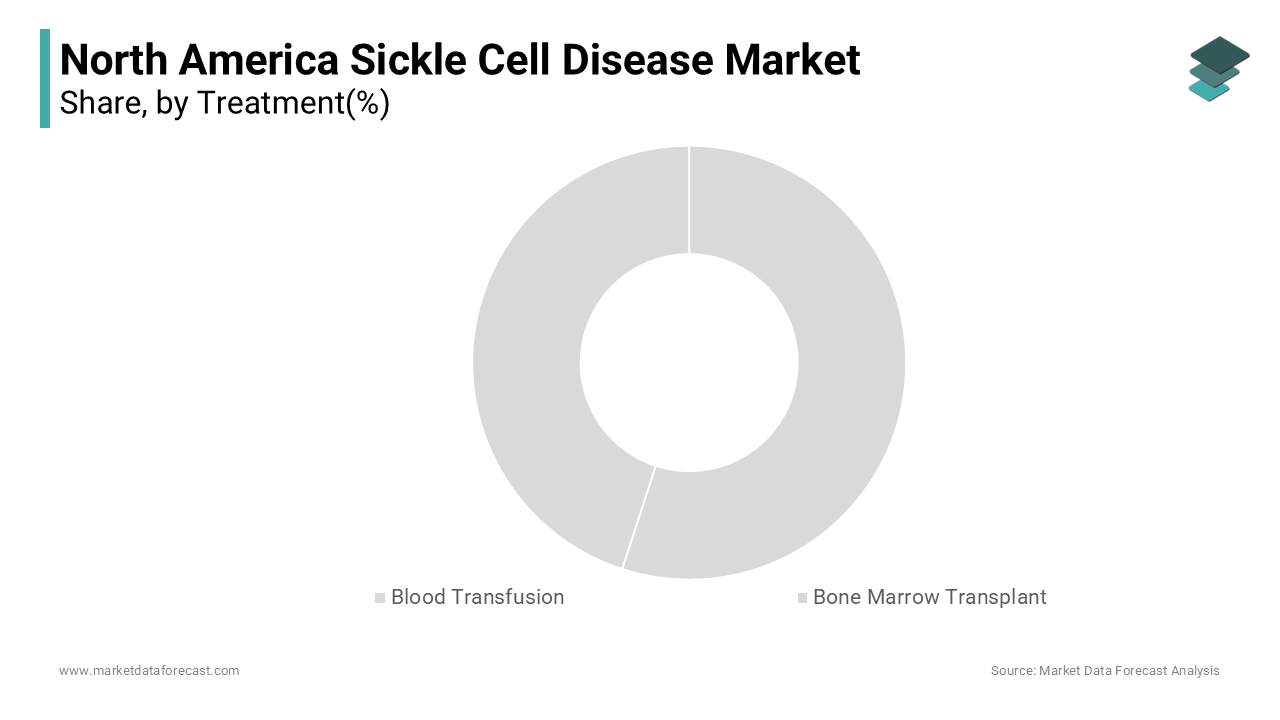
The bone marrow transplant (BMT) segment is likely to grow with an expected CAGR of 14.7% from 2026 to 2034, with the increasing curative intent and expanding eligibility criteria beyond pediatric patients. Historically limited to children with matched sibling donors, recent advances in reduced-intensity conditioning regimens have enabled safer transplantation in adults. As per the Blood and Marrow Transplant Clinical Trials Network’s 2022 study, over 90% of pediatric recipients of matched sibling transplants were free of vaso-occlusive crises five years post-procedure, with overall survival exceeding 95%. A second major driver is the rising adoption of haploidentical transplants, which utilize partially matched family donors. Data from the Center for International Blood and Marrow Transplant Research indicates that haploidentical procedures now account for over 40% of non-cord blood transplants in SCD patients, a threefold increase since 2018. Institutions such as the Johns Hopkins Medical Center and the University of Illinois Hospital have pioneered protocols that minimize graft-versus-host disease, expanding access to patients without matched siblings.
By End-Use Insights
The hospitals segment was the largest by capturing a prominent share of the North America sickle cell disease market with the acute and episodic nature of SCD complications, which necessitate inpatient management and emergency care infrastructure. These admissions, often lasting 5–7 days, are predominantly managed in general hospitals due to their 24/7 availability of pain control, imaging, and transfusion services. The integration of multidisciplinary teams within academic medical centers, where hematologists, pain specialists, and social workers collaborate under one roof, is also expected to enhance the growth of the segment. Additionally, hospitals remain the primary site for complex interventions such as exchange transfusions, acute chest syndrome management, and stem cell transplantation procedures that require intensive monitoring and specialized equipment.
The specialty clinics segment is likely to emerge with an expected CAGR of 12.3% in the next coming years with the paradigm shift toward proactive, longitudinal care models that reduce hospital dependency and improve patient outcomes. According to a 2022 study published in Hematology, patients enrolled in specialty clinics experience 38% fewer emergency department visits and 45% shorter hospital stays annually compared to those receiving fragmented care. Another pivotal factor is federal and state-level investment in clinic infrastructure. The Health Resources and Services Administration’s Sickle Cell Disease Treatment Demonstration Program has funded 27 specialty clinics across 14 states since 2020, serving over 15,000 patients. In Canada, provinces like Ontario have established SCD-specific clinics within academic health networks, improving care continuity for a growing immigrant population.
REGIONAL ANALYSIS
United States Sickle Cell Disease Market Insights
The United States was the top performer in the North American sickle cell disease market by accounting for 92.3% of the market share in 2024. As the global epicenter of SCD research and therapeutic innovation, the U.S. manages the largest documented patient population, with over 100,000 individuals living with the condition. The disease disproportionately affects the African American community, where 1 in 365 Black children is born with SCD, according to the National Institutes of Health. This has accelerated the development of gene therapies, with the FDA approving the world’s first CRISPR-based treatment for SCD in 2023. Additionally, universal newborn screening in all 50 states ensures early diagnosis and enrollment in care programs, which is contributing to a 90% survival rate into adulthood.
Canada Sickle Cell Disease Market Insights
Canada sickle cell disease market accounted in holding 8.2% of the market share in 2024. While the absolute patient population is lower, approximately 5,000 individuals are diagnosed with SCD. The country is witnessing rapid growth due to demographic shifts and enhanced healthcare responsiveness. Immigration from high-prevalence regions such as sub-Saharan Africa and the Caribbean has led to a 40% increase in SCD diagnoses between 2010 and 2022, as reported by Statistics Canada. Additionally, specialized clinics in Toronto, Montreal, and Vancouver are adopting U.S.-aligned treatment protocols, including hydroxyurea and transfusion programs.
KEY MARKET PLAYERS
The key players in the North America Sickle Cell Disease Market include
- Novartis AG
- Bluebird Bio Inc.
- Pfizer Inc.
- Bristol Myers Squibb
- CRISPR Therapeutics
- Vertex Pharmaceuticals
- Global Blood Therapeutics (now part of Pfizer Inc.)
- Emmaus Life Sciences
- GlycoMimetics
- Sangamo Therapeutics
- Editas Medicine
- Agios Pharmaceuticals
-
AstraZeneca
COMPETITIVE LANDSCAPE
The competitive landscape of the North America sickle cell disease market is characterized by a dynamic interplay between innovation, access, and equity. While the patient population has long been underserved, recent years have witnessed a surge in pharmaceutical interest, transforming the market into a high-stakes arena for scientific and commercial dominance. Companies are no longer competing solely on efficacy but on the breadth of their therapeutic vision—ranging from daily oral treatments to one-time curative interventions. The emergence of gene-editing therapies has intensified rivalry, with firms striving to balance cutting-edge science with ethical delivery models. Differentiation is increasingly defined by post-treatment support, provider engagement, and inclusivity in clinical trials. Smaller biotech firms often lead in innovation, while large pharmaceutical companies leverage scale, regulatory experience, and global distribution networks to dominate commercialization. However, competition extends beyond product development; it encompasses patient advocacy, policy influence, and public perception. The market is also shaped by external pressures, including payer scrutiny, health equity demands, and regulatory expectations for long-term safety data.
Top Players in the North America Sickle Cell Disease Market
Vertex Pharmaceuticals
Vertex Pharmaceuticals has emerged as a transformative force in the sickle cell disease landscape through its pioneering work in gene-editing therapies. The company’s development of exa-cel, the first CRISPR-Cas9-based treatment for SCD, marks a paradigm shift from chronic symptom management to potential cures. By leveraging its expertise in genetic medicine and forming strategic collaborations with academic institutions and patient advocacy groups, Vertex has positioned itself at the forefront of hemoglobinopathy innovation. Its commitment to long-term patient outcomes and investment in post-approval monitoring frameworks has set new standards in therapy delivery. The company’s focus on integrating advanced science with ethical considerations in access and equity further strengthens its global reputation as a leader in rare disease therapeutics.
Bluebird Bio
Bluebird Bio has played a pivotal role in advancing gene therapy for sickle cell disease through the development of lovo-cel, a lentiviral vector-based investigational treatment designed to restore functional hemoglobin production. The company’s work promotes a long-standing dedication to curative solutions for monogenic blood disorders, building on its prior success in beta-thalassemia. Its engagement with regulatory bodies and healthcare providers has helped shape the emerging framework for advanced therapy delivery.
Pfizer Inc.
Pfizer has established a significant presence in the sickle cell disease market through strategic acquisitions and the development of targeted therapies aimed at reducing vaso-occlusive crises. The company’s acquisition of Global Blood Therapeutics brought Oxbryta (voxelotor) into its portfolio, a hemoglobin modifier that addresses the root cause of red blood cell sickling. Pfizer has expanded access to disease-modifying treatments across diverse healthcare systems by integrating this therapy into its global hematology pipeline. The company’s strength lies in its extensive commercial infrastructure, regulatory expertise, and commitment to health equity initiatives in underserved communities.
Top Strategies Used by Key Market Participants
One major strategy employed by leading companies is the pursuit of transformative therapies that shift the treatment paradigm from symptom management to disease modification or cure. Firms are prioritizing gene-editing and gene-addition technologies to develop long-term solutions, aligning with patient demand for durable outcomes and reducing lifelong healthcare burden. This scientific leap not only differentiates them in a competitive landscape but also positions them as pioneers in precision medicine.
Another key approach is the formation of strategic collaborations with academic medical centers, patient advocacy groups, and regulatory agencies. These partnerships facilitate faster clinical development, improve trial diversity, and enhance post-market support systems. By embedding patient voices and clinical expertise early in the development process, companies ensure therapies are both scientifically robust and socially responsible.
A third strategy is the establishment of comprehensive support ecosystems, including patient assistance programs, provider education initiatives, and care coordination platforms. These efforts address barriers to access, improve treatment adherence, and build trust within historically marginalized communities.
RECENT MARKET DEVELOPMENTS
- In January 2023, Vertex Pharmaceuticals announced the approval of exa-cel by the U.S. Food and Drug Administration by marking the first CRISPR-based gene-editing therapy for sickle cell disease and establishing a new standard in curative treatment development.
- In December 2022, Bluebird Bio completed the submission of a Biologics License Application for lovo-cel, which is reinforcing its commitment to bringing a gene-addition therapy to market and expanding options for patients without matched stem cell donors.
- In October 2023, Pfizer launched a nationwide patient support program for Oxbryta, aimed at improving access, adherence, and education for individuals with sickle cell disease across diverse socioeconomic backgrounds.
- In May 2023, CRISPR Therapeutics and Vertex initiated a long-term follow-up registry to monitor the safety and durability of exa-cel, demonstrating a proactive approach to post-marketing surveillance and regulatory compliance.
- In February 2024, Global Blood Therapeutics, now under Pfizer, partnered with historically Black medical institutions to expand clinical trial participation and ensure greater diversity in sickle cell research.
MARKET SEGMENTATION
This research report on the North America Sickle Cell Disease Market is segmented and sub-segmented based on categories.
By Treatment
- Blood Transfusion
- Bone Marrow Transplant
By End-Use
- Hospitals
- Specialty Clinics
By Country
- U.S.
- Canada
- Rest of North America