- Product Description Description
- Table of Contents TOC
- List of Table & Figure LOT
- Get Free Sample PDF Sample PDF
Global Seafood Extracts Market Report Summary
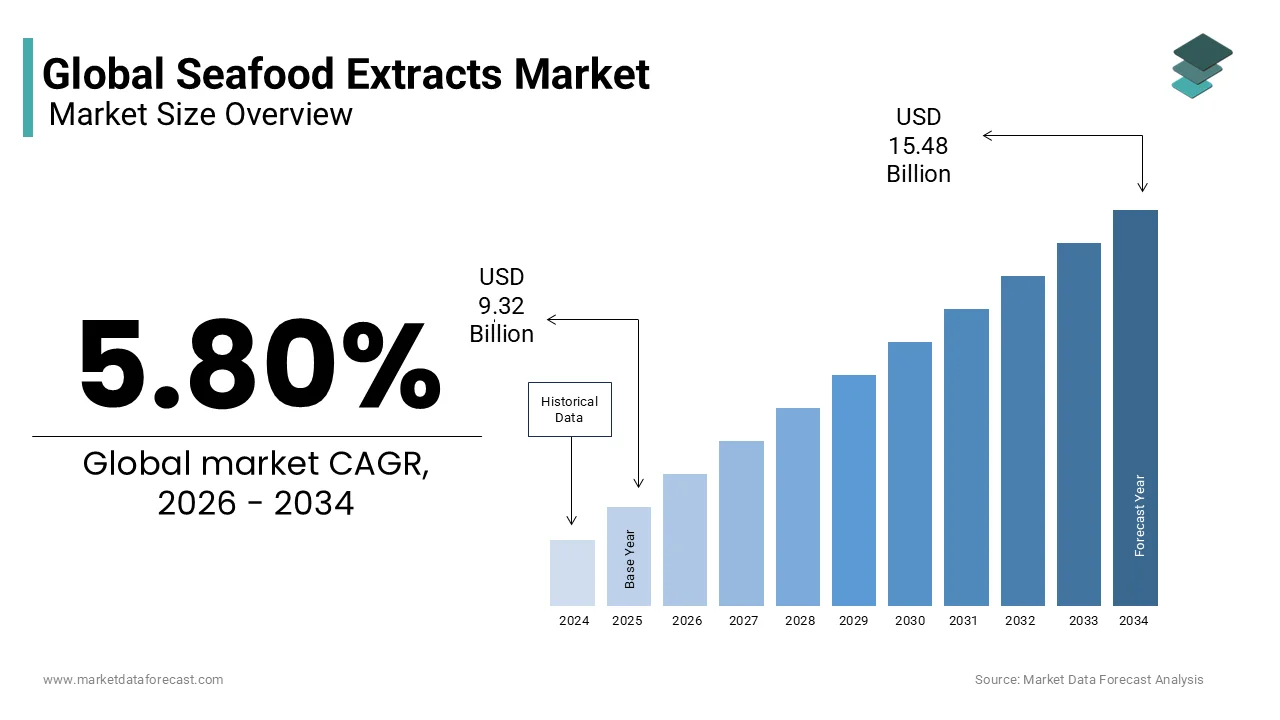
The global seafood extracts market was valued at USD 9.32 billion in 2025, is estimated to reach USD 9.86 billion in 2026, and is projected to reach USD 15.48 billion by 2034, growing at a CAGR of 5.80% during the forecast period. The growth of the global seafood extracts market is driven by increasing demand for natural flavour enhancers, rising consumption of protein-rich and functional food products, and expanding applications of seafood extracts across the food, pharmaceutical, and nutraceutical industries. Growing consumer preference for clean-label ingredients, advancements in seafood processing technologies, and the increasing utilization of marine-derived bioactive compounds are further supporting market growth. Additionally, the expansion of aquaculture production and sustainable seafood processing practices is creating new opportunities for market participants.
Key Market Trends
-
Rising demand for natural seafood-based flavour enhancers in processed foods, soups, sauces, and seasonings.
-
Increasing use of marine-derived proteins, peptides, and bioactive compounds in functional foods and nutraceuticals.
-
Growing emphasis on sustainable seafood processing and value-added utilization of seafood by-products.
-
Expansion of aquaculture production to ensure a stable supply of raw materials for seafood extract manufacturing.
-
Continuous product innovation focused on clean-label, high-protein, and nutrient-rich seafood ingredients.
Segmental Insights
- Based on product type, the shrimp extract segment dominated the global seafood extracts market in 2025. The segment's leadership is attributed to its rich umami flavour, widespread use in food processing, and increasing demand for natural seafood-based flavouring ingredients across various culinary applications.
- Based on application, the food segment held the largest share of the global seafood extracts market in 2025. The segment's dominance is driven by the extensive integration of marine-derived proteins, peptides, and flavouring ingredients into processed foods, soups, sauces, snacks, seasonings, and ready-to-eat products to enhance taste and nutritional value.
Regional Insights
The Asia Pacific seafood extracts market accounted for 37.9% of the global market share in 2025 and is expected to maintain its leading position throughout the forecast period. The region's dominance is supported by its extensive aquaculture industry, high seafood consumption, abundant marine resources, well-established seafood processing sector, and growing demand for value-added seafood ingredients across food and nutraceutical applications.
Competitive Landscape
The global seafood extracts market is moderately competitive, with leading companies focusing on expanding production capacity, developing innovative marine-based ingredients, strengthening sustainable sourcing practices, and enhancing product quality to meet evolving consumer demand. Strategic investments in research and development, aquaculture partnerships, and value-added seafood processing technologies are enabling manufacturers to strengthen their market presence. Prominent players in the global seafood extracts market include Nikken Foods, Acadian Seaplants Ltd., Kemin Industries Inc., MC Food Specialties Inc., Manidharma Biotech Private Limited, Agri Bio Care India, Kakusan Foods Co., Ltd., BioMarine Ingredients Ireland Ltd., Suboneyo Chemicals Pharmaceuticals (P) Limited, Sar Agrochemicals & Fertilizers Pvt. Ltd., Sushil Corporation, Cargill Incorporated, and Canada Oceanic.
Global Seafood Extracts Market Size
The global seafood extracts market size was valued at USD 9.32 billion in 2025 and is expected to reach USD 15.48 billion by 2034 from USD 9.86 billion in 2026, growing at a CAGR of 5.80%.
Seafood extracts comprises bioactive compounds derived from marine organisms including fish, crustaceans, mollusks and algae through processes such as enzymatic hydrolysis, solvent extraction, and supercritical fluid extraction. These extracts are rich in proteins, peptides, omega 3 fatty acids, chitin, chitosan, and minerals, serving critical roles in nutraceuticals, pharmaceuticals, cosmetics, and functional food applications. The global reliance on marine resources is intensifying as land based agricultural systems face constraints due to climate change and soil degradation. According to the Food and Agriculture Organization of the United Nations, global fisheries and aquaculture production reached a record 223.2 million tonnes in 2022 and is providing a substantial raw material base for extract manufacturing. The utilization of by products from seafood processing represents a significant shift towards circular economy principles, as discards can constitute up to 50% of the total catch depending on the species and processing method. This inefficiency drives the economic imperative to valorize shells, heads, bones and viscera into high value extracts. Consumer awareness regarding the health benefits of marine derived nutrients has surged, supported by scientific studies linking omega 3 fatty acids to cardiovascular health and chitosan to weight management. Regulatory bodies such as the European Food Safety Authority continue to evaluate and approve novel marine ingredients, facilitating their integration into mainstream consumer products. The convergence of sustainability mandates, technological advancements in extraction efficiency, and growing demand for natural bioactive ingredients establishes a robust foundation for the expansion of the seafood extracts industry globally.
MARKET DRIVERS
Rising Prevalence of Chronic Diseases Driving Nutraceutical Demand
The growing global burden of chronic diseases such as cardiovascular disorders, diabetes, and obesity is majorly propelling the growth of the global seafood extracts market, particularly for omega 3 fatty acids and bioactive peptides. Consumers increasingly seek preventive healthcare solutions through dietary supplements, driving demand for marine derived ingredients known for their anti-inflammatory and cardioprotective properties. According to the World Health Organization and supporting peer reviewed literature, noncommunicable diseases account for 74% of all deaths globally, with cardiovascular diseases being the leading cause. This health crisis prompts individuals to incorporate omega 3 supplements into their daily routines, with clinical evidence supporting their role in reducing triglyceride levels and blood pressure. Fish oil extracts remain the most widely consumed source of eicosapentaenoic acid and docosahexaenoic acid, essential fatty acids that the human body cannot synthesize efficiently. The aging population in developed regions further amplifies this demand, as older adults are more susceptible to joint inflammation and cognitive decline, conditions alleviated by marine collagen and phospholipids. Pharmaceutical companies are also exploring seafood extracts for drug delivery systems and therapeutic agents, expanding the application scope beyond general wellness. The trend towards personalized nutrition encourages the development of targeted supplements based on individual health profiles, leveraging the diverse bioactivity of marine compounds. As healthcare costs rise, preventive measures through nutrition gain prominence, ensuring sustained growth for seafood extract manufacturers who can provide high purity and clinically validated ingredients.
Expansion of the Cosmetics Industry towards Natural Marine Ingredients
The beauty and personal care industry’s shift towards natural, sustainable, and effective ingredients is further boosting the expansion of the global seafood extracts market. Marine derived substances such as chitosan, alginate, and collagen are prized for their moisturizing, anti-aging, and skin repairing properties, which is aligning with consumer preferences for clean beauty products. The global natural cosmetics market is expanding rapidly, with consumers actively avoiding synthetic chemicals in favor of botanical and marine alternatives. Chitosan, derived from crustacean shells, exhibits antimicrobial and film forming capabilities, making it ideal for skincare and haircare applications. Marine collagen peptides enhance skin elasticity and hydration, addressing signs of aging that concern a large demographic of cosmetic users. The biocompatibility and biodegradability of these extracts appeal to environmentally conscious brands seeking to reduce their ecological footprint. Major cosmetic manufacturers are investing in research to isolate specific bioactive fractions from seaweed and fish by products, creating proprietary ingredients that differentiate their product lines. Regulatory support for natural ingredients in regions like Europe and North America facilitates market entry, while marketing campaigns emphasize the purity and potency of ocean sourced actives. The versatility of seafood extracts allows for innovation in various product formats including creams, serums, and masks, driving widespread adoption across luxury and mass market segments. This alignment with sustainability and efficacy trends ensures long term demand from the cosmetics sector.
MARKET RESTRAINTS
Allergenic Potential and Regulatory Compliance Complexities
A significant restraint on the seafood extracts market is the allergenic nature of many marine derived ingredients, which poses safety risks and complicates regulatory compliance. Shellfish and fish are among the top eight food allergens identified by the Food and Drug Administration, affecting millions of individuals worldwide. The presence of trace amounts of allergenic proteins in extracts can trigger severe immune reactions, necessitating rigorous purification processes and clear labeling mandates. Manufacturers must invest in advanced filtration and testing technologies to ensure hypoallergenic standards, increasing production costs and limiting market accessibility for sensitive consumers. Regulatory frameworks vary significantly across regions, with the European Union enforcing strict labeling requirements under the Food Information for Consumers Regulation, while other markets may have less stringent guidelines. This fragmentation creates challenges for global suppliers who must navigate diverse legal landscapes to maintain compliance. Additionally, the risk of cross contamination during processing requires dedicated facilities or extensive cleaning protocols, further elevating operational expenses. Consumer hesitation due to allergy concerns restricts the potential user base, particularly for oral supplements and topical applications where absorption occurs. Legal liabilities associated with allergic reactions also deter some manufacturers from entering the market or expanding their product lines. These safety and regulatory hurdles slowly down innovation and limit the broader adoption of seafood extracts in mainstream consumer goods, requiring continuous investment in safety assurance and consumer education.
Environmental Contamination and Heavy Metal Accumulation
Environmental pollution in marine ecosystems is further hampering the expansion of the seafood extracts market by compromising the quality and safety of raw materials. Industrial discharge, agricultural runoff, and plastic waste introduce heavy metals such as mercury, lead, and cadmium, as well as persistent organic pollutants into ocean waters. According to the United Nations Environment Programme, at least 8 million tonnes of plastic waste enter the oceans annually, and these pollutants significantly affect marine ecosystems. Seafood extracts derived from contaminated sources may retain these toxic substances, rendering them unsafe for consumption or topical application. Rigorous testing and purification processes are required to remove contaminants, adding substantial costs and complexity to production. High profile cases of mercury contamination in fish oils have eroded consumer trust, prompting stricter scrutiny from regulatory bodies and health organizations. Sourcing raw materials from pristine waters often involves higher logistics costs and limited supply availability, constraining scalability. Furthermore, climate change exacerbates pollution issues by altering ocean chemistry and increasing the concentration of toxins in certain regions. Manufacturers face pressure to implement transparent supply chain tracking and third party certifications to assure product safety, which can be resource intensive. The fear of contamination discourages some consumers from purchasing marine based products, limiting market growth. Addressing these environmental challenges requires collaborative efforts between industry stakeholders, governments, and environmental agencies to ensure sustainable and safe sourcing practices.
MARKET OPPORTUNITIES
Valorization of Seafood Processing By Products
The vast amount of waste generated by the seafood processing industry presents a substantial opportunity for the extracts market through the valorization of by products such as shells, heads, bones, and viscera. Discards can constitute a significant portion of the total weight of processed seafood, representing a significant loss of valuable bioactive resources. Transforming this waste into high value extracts like chitosan, gelatin, and protein hydrolysates supports circular economy principles and reduces environmental impact. Chitosan, derived from crab and shrimp shells, has diverse applications in water treatment, agriculture, and biomedical fields, offering lucrative revenue streams beyond traditional food uses. Protein hydrolysates from fish frames exhibit antioxidant and antihypertensive properties, making them attractive for functional food and pharmaceutical applications. Governments and industry bodies are promoting waste reduction initiatives, providing incentives for companies that adopt sustainable processing technologies. Innovations in enzymatic hydrolysis allow for efficient extraction of bioactive compounds with minimal energy consumption, enhancing profitability. By converting waste into wealth, manufacturers can lower raw material costs while addressing sustainability goals, appealing to eco conscious consumers and investors. This approach not only mitigates disposal costs but also creates new product categories, driving market expansion. The integration of biorefinery concepts in seafood processing plants enables the simultaneous production of multiple high value extracts, maximizing resource utilization and economic returns.
Advancements in Extraction Technologies and Bioavailability Enhancement
Technological advancements in extraction methods and formulation techniques offer significant opportunities for improving the quality, yield, and bioavailability of seafood extracts. Traditional extraction methods often involve harsh chemicals and high temperatures that degrade sensitive bioactive compounds, but emerging technologies such as supercritical fluid extraction, ultrasound assisted extraction, and microwave assisted extraction provide cleaner and more efficient alternatives. These novel techniques preserve the structural integrity and biological activity of peptides and lipids, resulting in higher potency extracts. Enhancing bioavailability is crucial for nutraceutical applications, as many marine compounds have poor absorption rates in the human body. Encapsulation technologies using liposomes and nanoemulsions protect active ingredients from gastric degradation and facilitate targeted delivery to specific tissues. These innovations enable the development of premium products with superior efficacy, commanding higher price points and fostering brand loyalty. Collaboration between academic institutions and industry players accelerates the commercialization of these technologies, bridging the gap between laboratory findings and market applications. Patents on proprietary extraction processes provide competitive advantages, allowing companies to differentiate their offerings. As consumer demand for high performance supplements grows, manufacturers who invest in advanced processing capabilities will capture greater market share. The ability to produce standardized, high purity extracts with proven bioactivity positions the seafood extracts market for sustained growth and innovation.
MARKET CHALLENGES
Supply Chain Volatility and Raw Material Availability
The seafood extracts market faces significant challenges due to supply chain volatility and fluctuating availability of raw materials, which are heavily dependent on seasonal catches and environmental conditions. Overfishing, climate change, and regulatory quotas restrict the supply of key species such as cod, salmon, and krill, leading to price instability and production disruptions. Several commercially important fish stocks are under pressure, necessitating strict management measures that limit harvest volumes. Aquaculture provides a more stable source, but it is susceptible to disease outbreaks and feed cost fluctuations, impacting the consistency of by product supply. Geopolitical tensions and trade barriers further complicate global sourcing, affecting the flow of raw materials between major fishing nations and processing hubs. Manufacturers must maintain flexible supply chains and diverse sourcing strategies to mitigate these risks, which increases operational complexity and costs. Dependence on specific species for certain extracts, such as krill for phospholipids, creates vulnerability to single source failures. Inventory management becomes challenging amidst unpredictable supply conditions, risking stockouts or excess perishable waste. Building resilient supply networks requires significant investment in supplier relationships and logistical infrastructure. These uncertainties hinder long term planning and capacity expansion, forcing companies to operate with caution. Ensuring a steady and sustainable flow of raw materials remains a critical challenge for maintaining consistent product quality and meeting growing market demand.
High Production Costs and Technical Complexity
High production costs and technical complexity associated with extracting and purifying bioactive compounds from seafood pose significant challenges to market participants, particularly small and medium sized enterprises. The extraction process requires specialized equipment, skilled personnel, and strict quality control measures to ensure product safety and efficacy. Enzymatic hydrolysis, for instance, involves precise control of temperature, pH, and enzyme concentration, demanding sophisticated monitoring systems and expertise. The capital expenditure for setting up advanced extraction facilities is substantial, creating barriers to entry for new players. Purification steps to remove allergens, heavy metals, and odors add further layers of cost and complexity, reducing profit margins. Energy consumption for freezing, drying, and processing contributes to operational expenses, especially in regions with high electricity prices. Scaling up laboratory successful processes to industrial levels often encounters technical hurdles such as yield variability and consistency issues, requiring continuous optimization. Research and development costs for new applications and formulations are also significant, straining financial resources. Competition from cheaper synthetic alternatives in certain applications pressures manufacturers to keep prices competitive, squeezing margins further. Achieving economies of scale is difficult due to the fragmented nature of raw material supply and diverse product specifications. These financial and technical barriers limit market participation and innovation, requiring strategic investments and partnerships to overcome. Balancing cost efficiency with high quality standards remains a persistent challenge for industry growth.
REPORT COVERAGE
| REPORT METRIC | DETAILS |
| Market Size Available | 2025 to 2034 |
| Base Year | 2025 |
| Forecast Period | 2026 to 2034 |
| CAGR | 5.80% |
| Segments Covered | By Product Type, Application, And Region |
| Various Analyses Covered | Global, Regional and Country Level Analysis; Segment-Level Analysis; DROC; PESTLE Analysis; Porter’s Five Forces Analysis; Competitive Landscape; Analyst Overview of Investment Opportunities |
| Regions Covered | North America, Europe, APAC, Latin America, Middle East & Africa |
| Market Leaders Profiled | Nikken Foods, Acadian Seaplants Ltd, Kemin Industries Inc, MC Food Specialties Inc, Manidharma Biotech Private Limited, Agri Bio Care India, Kakusan Foods Co., Ltd, BioMarine Ingredients Ireland Ltd, Suboneyo Chemicals Pharmaceuticals (P) Limited, Sar Agrochemicals & Fertilizers Pvt. Ltd, Sushil Corporation, Cargill Incorporated, and Canada Oceanic |
SEGMENTAL ANALYSIS
By Product Type Insights
The shrimp extract segment captured the largest share of the global market in 2025. The growth of shrimp extract segment in the global market is attributed to the massive volume of shrimp processing waste generated globally, which serves as a rich source of chitin and chitosan. The global aquaculture industry has expanded significantly to meet rising protein demand, with shrimp farming accounting for a substantial portion of crustacean production. Chitosan derived from shrimp shells exhibits versatile properties including antimicrobial, antioxidant, and film forming capabilities, making it indispensable across pharmaceutical, cosmetic, and agricultural applications. The established infrastructure for shrimp processing in major producing countries such as China, India, and Vietnam ensures a consistent and cost effective supply of raw materials. This availability lowers production costs compared to other marine extracts, enhancing competitiveness. Furthermore, the well documented health benefits of chitosan, particularly in weight management and cholesterol reduction, drive sustained demand in the nutraceutical sector. Regulatory approvals for chitosan as a food additive and dietary supplement in key markets like the United States and European Union facilitate its widespread adoption. The versatility of shrimp extract allows manufacturers to cater to diverse industries, from water treatment to biomedical engineering, ensuring robust market dominance. The continuous innovation in extraction technologies further improves yield and purity, reinforcing the segment’s leadership position.
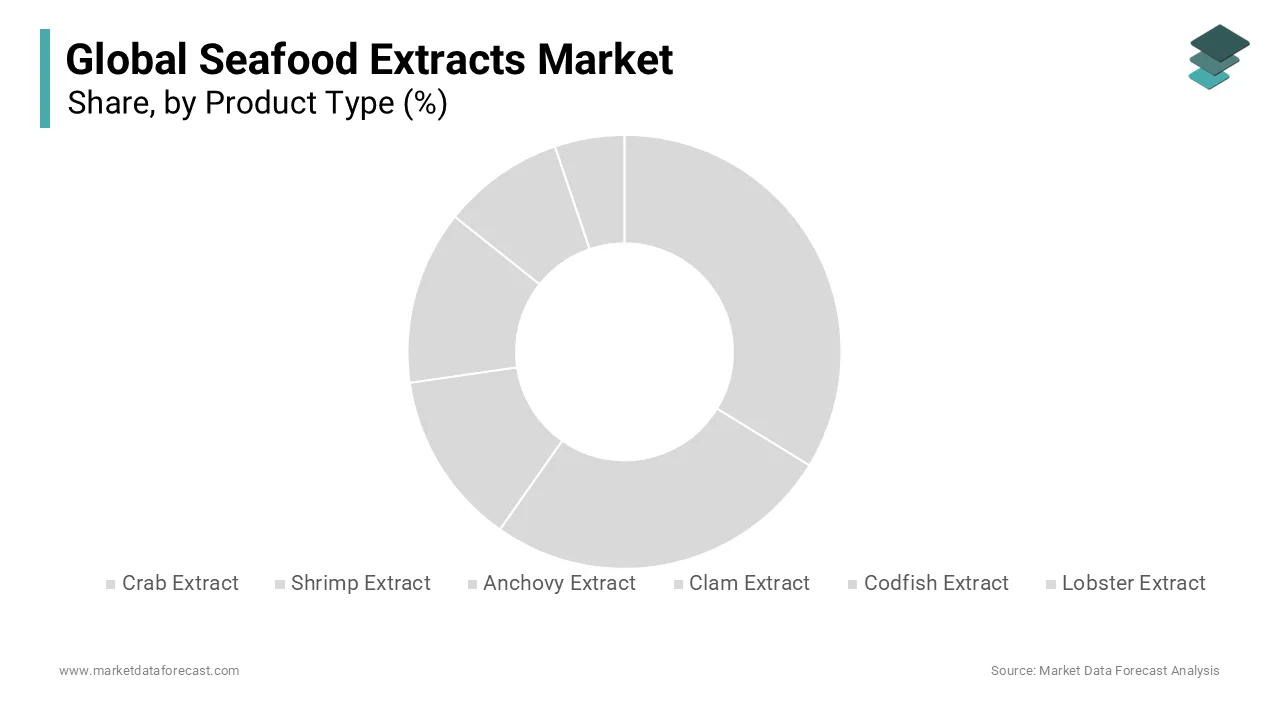
On the other end, the codfish extract segment is emerging as the fastest growing segment in the seafood extracts market and is estimated to grow at a CAGR of 8.12% over the forecast period owing to the escalating demand for omega 3 fatty acids for cardiovascular and cognitive health. Cod liver oil and protein hydrolysates are rich sources of eicosapentaenoic acid and docosahexaenoic acid, essential nutrients that the human body cannot synthesize efficiently. Cardiovascular diseases remain the leading cause of death globally, prompting consumers to seek preventive dietary interventions. Clinical evidence supporting the role of omega 3s in reducing inflammation, lowering blood pressure, and improving lipid profiles has strengthened consumer confidence in codfish supplements. The aging population in developed regions such as North America and Europe is particularly susceptible to heart disease and cognitive decline, creating a large target demographic for codfish extracts. Pharmaceutical companies are increasingly incorporating cod derived peptides into therapeutic formulations for hypertension and arthritis, expanding the application scope beyond general wellness. The perception of codfish oil as a premium and pure source of omega 3s, compared to mixed fish oils, enhances its appeal among health conscious consumers. Marketing campaigns emphasizing sustainability and purity further drive adoption. As awareness of mental health benefits linked to omega 3 intake grows, demand for codfish extracts in nootropic supplements is rising. This multifaceted health benefit profile positions codfish extract for rapid expansion in the global market.
By Application Insights
The food segment held the largest share of the global market in 2025. The dominance of food segment in the global market is driven by the integration of marine derived proteins, peptides, and flavorings into a wide array of consumer products. Seafood extracts are utilized as natural flavor enhancers, preservatives, and nutritional fortifiers in processed foods, snacks, and beverages. According to market trends, the demand for clean label ingredients is rising, with manufacturers replacing synthetic additives with natural alternatives such as fish protein hydrolysates and shellfish extracts. These extracts provide umami flavors and improve texture in products like soups, sauces, and ready meals. The nutritional benefits of seafood peptides, including antioxidant and antihypertensive properties, allow food companies to market products with added health claims, appealing to health conscious consumers. Functional foods fortified with marine ingredients are experiencing significant growth rates in major markets. The use of chitosan as a natural preservative extends the shelf life of fresh produce and baked goods, reducing food waste and enhancing sustainability. Regulatory approvals for seafood extracts as generally recognized as safe ingredients in the United States and Europe facilitate their widespread adoption. The versatility of these extracts allows for innovation in product development, from protein bars to fortified dairy products. As consumers seek nutritious and convenient food options, the food industry’s reliance on seafood extracts continues to strengthen, maintaining its dominant position in the market.
However, the cosmetics segment is the fastest growing application segment for seafood extracts and is anticipated to grow at a CAGR of 7.8% over the forecast period owing to the surge in demand for marine collagen and anti-aging solutions. Marine collagen, derived from fish skin and scales, has superior bioavailability compared to bovine or porcine sources, making it highly effective for skin hydration and elasticity enhancement. Dermatological studies have shown that marine collagen peptides stimulate fibroblast activity, promoting the synthesis of new collagen and reducing wrinkles. The global beauty industry is shifting towards natural and bioactive ingredients, with marine extracts offering potent antioxidant and moisturizing properties. Chitosan and alginate from crustaceans and algae are used in skincare formulations for their film forming and soothing effects, appealing to consumers with sensitive skin. The rise of social media and influencer marketing has amplified awareness of marine based beauty products, driving trial and adoption among younger demographics. Premium brands are launching luxury skincare lines featuring exclusive marine ingredients, commanding higher price points and margins. The versatility of seafood extracts allows for innovation in various product formats, including serums, creams, masks, and hair care treatments. As the global population ages, the demand for effective anti-aging solutions continues to rise, fueling the rapid expansion of this segment. The combination of scientific validation and marketing appeal positions the cosmetics industry as a key growth engine for seafood extracts.
REGIONAL ANALYSIS
Asia Pacific Seafood Extracts Market Analysis
Asia Pacific captured 37.9% of the global market share in 2025 and is poised to continue its market dominance in the seafood extracts sector due to its extensive aquaculture infrastructure and high seafood consumption rates over the next few years. Countries such as China, Japan, India, and Thailand possess extensive coastlines and robust aquaculture industries, providing abundant raw materials for extract manufacturing. Asia accounts for over 80% of global aquaculture production, ensuring a steady supply of fish, shrimp, and crab by products. The region’s strong cultural tradition of consuming marine based health supplements, such as fish oil and shark cartilage, supports domestic demand. Rapid urbanization and rising disposable incomes in emerging economies like India and Vietnam are boosting consumption of premium nutraceuticals and cosmetics containing seafood extracts. Government initiatives promoting value addition in fisheries encourage the establishment of processing facilities for high value extracts. The presence of low cost labor and advanced manufacturing capabilities makes Asia Pacific a hub for export oriented production. Japan leads in technological innovation for marine collagen and chitosan applications, while China dominates in volume production. The growing middle class is increasingly aware of health and beauty benefits, driving market expansion. Regulatory frameworks are evolving to ensure quality and safety, facilitating international trade. Asia Pacific’s combination of resource abundance, manufacturing prowess, and growing domestic consumption sustains its leadership in the global market.
North America Seafood Extracts Market Analysis
North America is expected to maintain a mature and high-value market position by focusing on premium, technology-driven applications for seafood extracts over the next few years. North America occupies a significant position in the global seafood extracts market, characterized by high consumer awareness, stringent regulatory standards, and advanced technological capabilities. The United States and Canada are major consumers of omega 3 supplements and marine based cosmetics, driven by a health conscious population and high healthcare expenditure. The North American nutraceutical market is one of the largest globally, with fish oil remaining a top selling dietary supplement. The region boasts sophisticated extraction technologies and rigorous quality control measures, ensuring high purity and safety of seafood extracts. Regulatory bodies such as the Food and Drug Administration enforce strict labeling and safety requirements, fostering consumer trust. The presence of key market players and research institutions drives innovation in product development and application areas. The trend towards clean label and sustainable products is particularly strong in North America, influencing purchasing decisions. Retail channels are well developed, with widespread availability of seafood extract products in pharmacies, supermarkets, and online platforms. The aging population and prevalence of chronic diseases further boost demand for preventive health solutions. Collaboration between academia and industry facilitates the commercialization of new marine ingredients. North America’s focus on quality, innovation, and consumer education maintains its status as a mature and high value market.
Europe Seafood Extracts Market Analysis
Europe is likely to see steady growth driven by circular economy mandates and a strong focus on sustainable, high-quality marine ingredients over the next few years. Europe holds a substantial share of the global seafood extracts market, distinguished by its strong emphasis on sustainability, regulatory compliance, and premium product offerings. Countries such as Norway, Iceland, Spain, and France are leading producers of high quality fish oil and marine collagen, leveraging their abundant marine resources and advanced processing technologies. The region has implemented strict regulations on sustainable fishing and waste management, promoting the valorization of seafood by products. The European consumer is highly informed and prefers certified organic and eco friendly products, driving demand for sustainably sourced seafood extracts. The cosmetics industry in Europe is a major driver, with a strong tradition of using natural ingredients in skincare formulations. Regulatory frameworks such as the Registration, Evaluation, Authorization and Restriction of Chemicals regulation ensure high safety standards for marine ingredients. The region is a hub for research and development, with numerous universities and institutes focusing on marine biotechnology. Trade agreements facilitate the export of European seafood extracts to global markets. The focus on circular economy principles encourages innovation in extracting value from fish waste. Europe’s commitment to sustainability and quality positions it as a leader in premium seafood extract segments.
Latin America Seafood Extracts Market Analysis
Latin America is projected to transition from a bulk commodity supplier to a significant player in the value-added seafood extracts market over the next few years. Latin America represents an emerging market in the global seafood extracts sector, with significant growth potential driven by expanding aquaculture industries and increasing health awareness. Countries such as Chile, Peru, and Brazil are major exporters of fish meal and oil, with growing investments in value added extract production. The middle class in Latin America is expanding, leading to higher spending on health and beauty products. The region’s rich marine biodiversity offers diverse raw materials for extract manufacturing, including unique species with novel bioactive properties. Government support for fisheries development and export promotion initiatives is enhancing infrastructure and processing capabilities. Local manufacturers are adopting international quality standards to compete in global markets. The demand for natural cosmetics and nutraceuticals is rising, particularly in urban centers. Challenges include logistical constraints and varying regulatory environments across countries. However, partnerships with international companies are facilitating technology transfer and market access. The focus on sustainable practices aligns with global trends, attracting foreign investment. Latin America’s abundant resources and growing domestic demand create favorable conditions for market expansion. As infrastructure improves and consumer awareness increases, the region is poised to become a key player in the global seafood extracts landscape.
Middle East and Africa Seafood Extracts Market Analysis
The Middle East and Africa region is expected to grow its seafood extracts market by developing local aquaculture and focusing on halal-compliant products over the next few years. The Middle East and Africa hold a smaller but growing share of the global seafood extracts market, driven by increasing healthcare expenditure and urbanization. Countries with extensive coastlines such as Morocco, South Africa, and Oman are developing their fisheries sectors to exploit marine resources. Investment in aquaculture is increasing in the region to enhance food security and economic diversification. The demand for halal certified seafood extracts is rising, particularly in the Middle East, creating niche market opportunities. Health awareness is growing, leading to increased consumption of dietary supplements including fish oil. The cosmetics industry is expanding in Gulf countries, driving demand for marine based ingredients. Challenges include limited processing infrastructure and technical expertise. However, international collaborations and government initiatives are addressing these gaps. The region’s strategic location facilitates trade with Europe and Asia. As economic conditions improve and healthcare systems develop, the market for seafood extracts is expected to grow. Focus on local production and value addition will enhance self-sufficiency and export potential. The Middle East and Africa offer untapped potential for investors seeking long term growth in emerging markets.
COMPETITIVE LANDSCAPE
The global seafood extracts market features intense competition characterized by the presence of large multinational corporations and specialized regional players. Established companies leverage economies of scale, extensive distribution networks, and strong brand recognition to maintain dominance. They compete on product quality, purity, and sustainability credentials, which are increasingly important to discerning consumers. Specialized firms differentiate themselves through niche offerings such as specific marine collagen types or rare algae extracts, catering to targeted applications in cosmetics and pharmaceuticals. Innovation in extraction technologies serves as a key competitive advantage, allowing producers to offer higher potency and better bioavailability. Price competition remains significant in commodity segments like fish meal and standard fish oil, pressuring margins. Private label products from retailers also challenge branded offerings by providing cost effective alternatives. Regulatory compliance and certification act as barriers to entry, favoring established players with resources for rigorous testing. Mergers and acquisitions are common as companies seek to expand portfolios and geographic reach. Overall, the market demands continuous innovation, strategic agility, and strong sustainability practices to succeed in a dynamic and regulated environment.
KEY PLAYERS IN THE MARKET
Some of the key players in the seafood extracts market are
- Nikken Foods
- Acadian Seaplants Ltd
- Kemin Industries Inc
- MC Food Specialties Inc
- Manidharma Biotech Private Limited
- Agri Bio Care India
- Kakusan Foods Co., Ltd
- BioMarine Ingredients Ireland Ltd
- Suboneyo Chemicals Pharmaceuticals (P) Limited
- Sar Agrochemicals & Fertilizers Pvt. Ltd
- Sushil Corporation
- Cargill Incorporated
- Canada Oceanic
Top Players in the Market
- Kemin Industries Inc is a global leader in the seafood extracts market, specializing in natural antioxidants and marine derived ingredients for food, feed, and pet nutrition. The company leverages its proprietary extraction technologies to produce high purity fish oil and protein hydrolysates that enhance product stability and nutritional value. Recent actions include expanding its manufacturing capabilities in Europe to meet rising demand for sustainable marine ingredients. Kemin focuses on research and development to innovate new formulations that address oxidative stress in animal health and human nutrition. The company strengthens its market position through strategic partnerships with aquaculture producers and food manufacturers. By emphasizing sustainability and traceability, Kemin aligns with global regulatory standards and consumer preferences for clean label products. Its commitment to scientific validation and quality assurance ensures trust among industry partners and end consumers worldwide.
- BioMarine Ingredients Ireland Ltd is a prominent player in the global seafood extracts market, known for its advanced processing of marine by products into high value bioactive compounds. The company produces collagen peptides, chitosan, and omega 3 rich oils used in nutraceuticals, cosmetics, and pharmaceutical applications. Recent initiatives involve investing in state of the art enzymatic hydrolysis facilities to improve yield and purity of marine proteins. BioMarine Ingredients collaborates with research institutions to validate the health benefits of its extracts, supporting clinical claims for skin health and joint mobility. The company emphasizes circular economy principles by utilizing waste from local fisheries, reducing environmental impact. Strategic expansions into Asian markets have broadened its customer base. By focusing on innovation and sustainability, BioMarine Ingredients maintains a competitive edge and contributes significantly to the growth of the global marine biotechnology sector.
- Cargill Incorporated plays a significant role in the global seafood extracts market through its extensive supply chain and diverse portfolio of marine ingredients. The company provides high quality fish oil and marine proteins for animal nutrition, aquaculture feed, and human health supplements. Recent actions include acquiring specialized marine ingredient producers to enhance its technological capabilities and product range. Cargill invests heavily in sustainability programs to ensure responsible sourcing of raw materials from certified fisheries. The company integrates digital tools to optimize supply chain efficiency and traceability, meeting stringent regulatory requirements. Collaborations with global brands help develop customized solutions for specific nutritional needs. Cargill’s focus on innovation and operational excellence strengthens its position as a trusted supplier. By prioritizing environmental stewardship and product quality, Cargill drives value creation and supports the sustainable growth of the seafood extracts industry worldwide.
Major Strategies Used by Key Market Participants
Key players in the seafood extracts market primarily employ vertical integration and sustainable sourcing strategies to secure raw material supply and reduce costs. Companies invest in advanced extraction technologies such as enzymatic hydrolysis and supercritical fluid extraction to improve product purity and yield. Product diversification into high value segments like cosmetics and pharmaceuticals helps mitigate risks associated with fluctuating food industry demand. Strategic partnerships and collaborations with research institutions facilitate innovation and clinical validation of health benefits. Geographic expansion into emerging markets offers new growth opportunities driven by rising health awareness. Marketing efforts focus on transparency and traceability to build consumer trust in natural marine ingredients. Regulatory compliance and certification acquisition are critical for accessing premium markets. These multifaceted strategies enable companies to maintain competitiveness and adapt to evolving consumer preferences and environmental standards in the global marketplace.
MARKET SEGMENTATION
This research report on the global seafood extracts market has been segmented and sub-segmented based on product type, application, & region.
By Product Type
- Crab Extract
- Shrimp Extract
- Anchovy Extract
- Clam Extract
- Codfish Extract
- Lobster Extract
By Application
- Food Industry
- Pharmaceutical Industry
- Agriculture Industry
- Cosmetics Industry
By Region
- North America
- Europe
- Asia-Pacific
- Latin America
- The Middle East and Africa