- Product Description Description
- Table of Contents TOC
- List of Table & Figure LOT
- Get Free Sample PDF Sample PDF
Market Size, 2025
$7.31 BnMarket Estimate, 2026
$7.62 BnMarket Forecast, 2034
$10.64 BnCAGR, 2026–2034
4.26%Global Sheep Milk Market Report Summary
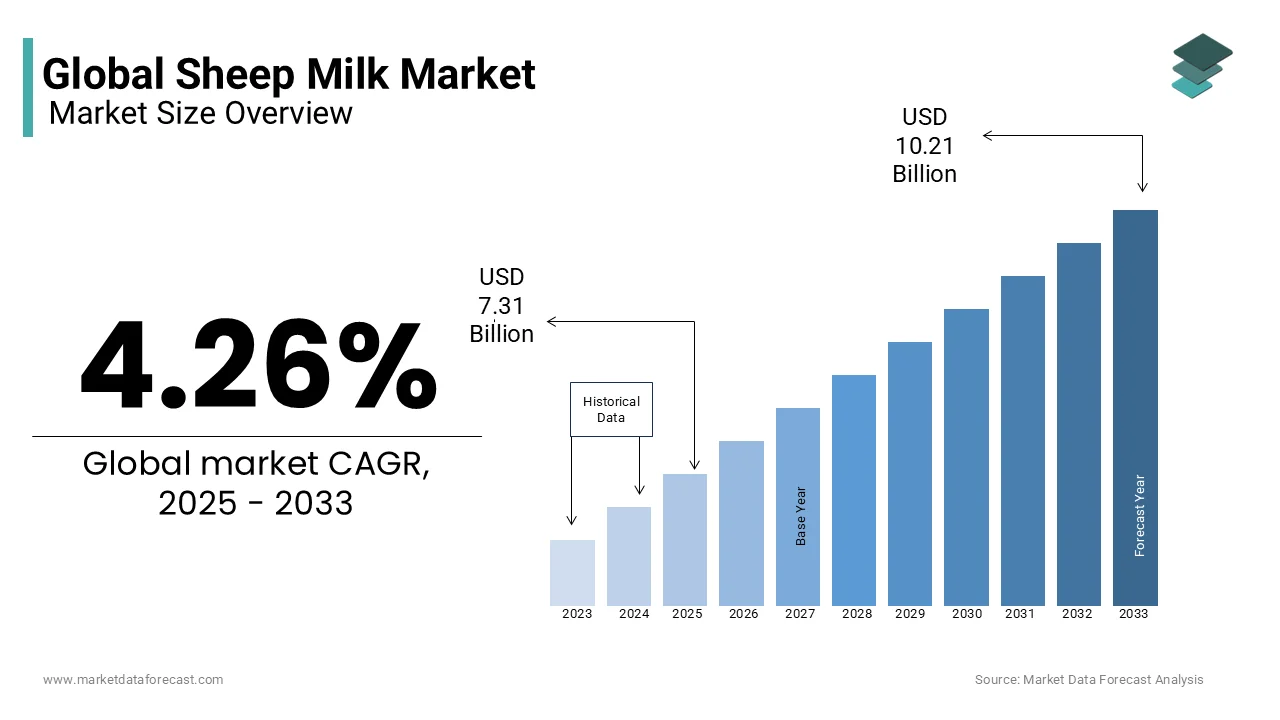
The global sheep milk market was valued at USD 7.31 billion in 2025, is estimated to reach USD 7.62 billion in 2026, and is projected to reach USD 10.64 billion by 2034, growing at a CAGR of 4.26% during the forecast period. Market growth is driven by increasing demand for specialty dairy products, rising awareness of nutritional benefits, and growing consumption of premium and artisanal dairy items. Sheep milk is widely valued for its high protein, calcium, and digestibility compared to conventional dairy. The expansion of gourmet food culture and functional dairy products is further supporting steady global market growth.
Key Market Trends
- Rising demand for premium and specialty dairy products is driving market growth.
- Increasing awareness of nutritional benefits of sheep milk is boosting demand.
- Growing consumption of artisanal and traditional dairy products is supporting market expansion.
- Expansion of functional and high protein dairy products is enhancing market development.
- Rising interest in alternative dairy sources is influencing consumption patterns.
Segmental Insights
- Based on product type, the cheese segment was the largest and led the global sheep milk market in 2025. This dominance is attributed to its strong presence in traditional European cuisine and high value addition.
- Based on application, the adult segment dominated the global sheep milk market in 2025, driven by increasing demand for nutrient rich and premium dairy products among adult consumers.
Regional Insights
- The global sheep milk market is experiencing steady growth across regions, supported by rising consumption and traditional demand.
- Europe was the largest contributor in 2025, driven by strong dairy heritage, high consumption of sheep milk products, and well established production systems.
Competitive Landscape
The global sheep milk market is moderately competitive, with key players focusing on product innovation, premium offerings, and expansion of distribution networks to strengthen their market position. Companies are investing in artisanal products, organic dairy offerings, and branding strategies. Prominent players in the global sheep milk market include Sheep Milk Company Ltd, Haverton Hill Creamery, Spring Sheep, Velvet Cloud, Alimenta, Origin Earth, Maui Milk Ltd, New Zealand Sheep Milk Company, and Roquefort Vernières.
Global Sheep Milk Market Size
The global sheep milk market size was valued at USD 7.31 billion in 2025, and the global market size is expected to reach USD 10.64 billion by 2034 from USD 7.62 billion in 2026. The market's promising CAGR for the predicted period is 4.26%.
Sheep milk (also known as ewe's milk) is the milk produced by domestic sheep. This liquid is notably richer in total solids protein and fat compared to cow or goat milk which makes it exceptionally suitable for producing premium cheeses such as Roquefort Pecorino and Feta. The composition of sheep milk includes approximately 5 percent to 6 percent protein and 6 percent to 9 percent fat, which significantly exceeds the levels found in bovine milk. These attributes drive its preference among artisanal producers and health-conscious consumers seeking superior digestibility and nutrient intake. As per the Food and Agriculture Organization of the United Nations, the global sheep population stood at roughly 1.2 billion head in recent years with significant concentrations in Asia and Africa, although Asian and Mediterranean nations lead in total volume of commercial milk production. Countries like Greece France and Italy maintain centuries old traditions of ovine dairy farming which supports a robust supply chain for value added products. The European Union accounts for a substantial portion of worldwide sheep milk output due to favorable climatic conditions and established pastoral practices. Consumer awareness regarding the benefits of A2 beta casein protein present in sheep milk has further stimulated interest in this niche sector. The market thrives on the perception of purity and traditional craftsmanship appealing to gourmet segments that prioritize quality over volume. This foundational demand ensures steady growth despite higher production costs associated with smaller herd sizes and lower individual animal yield compared to cattle.
MARKET DRIVERS
Rising Prevalence of Lactose Intolerance and Digestive Sensitivities Drives Demand for Alternative Dairy Sources
The increasing global incidence of lactose intolerance serves as a primary factor for the adoption of sheep milk as a viable dietary alternative, which contributes to the growth of the sheep milk market. Medical studies indicate that approximately 65 percent of the human population has a reduced ability to digest lactose after infancy according to data published by the National Institutes of Health. Sheep milk contains a different structure of casein proteins and smaller fat globules which facilitate easier digestion and reduce gastrointestinal distress for sensitive individuals. Unlike cow milk which often triggers bloating and discomfort sheep milk is perceived as gentler on the digestive system due to its unique biochemical composition. This physiological advantage has prompted health conscious consumers to seek out ovine dairy products as part of their daily nutrition. In Europe where dairy consumption is traditionally high the shift toward tolerable alternatives has accelerated market penetration. The prevalence of self diagnosed milk sensitivity has risen in developed nations over the past decade as per multiple studies. Consumers are increasingly willing to pay a premium for products that offer both nutritional benefits and digestive comfort. This trend is particularly evident in urban centers where health awareness is elevated and access to specialized dairy products is widespread. The positioning of sheep milk as a functional food that supports gut health aligns with broader wellness trends driving sustained demand across diverse demographic groups.
Growing Consumer Preference for High Protein and Nutrient Dense Functional Foods Boosts Market Expansion
The escalating consumer focus on high protein diets and nutrient dense foods significantly propels the sheep milk market forward. Modern dietary patterns emphasize the intake of essential amino acids vitamins and minerals to support muscle repair immune function and overall vitality. Sheep milk offers a superior nutritional profile containing nearly double the protein content of cow milk along with higher concentrations of calcium zinc and vitamin B12. According to the USDA FoodData Central, sheep milk provides approximately 6.0 grams of protein per 100 grams, which is substantially higher than the 3.2 to 3.3 grams found in whole cow milk. This dense nutritional matrix appeals to athletes fitness enthusiasts and individuals managing chronic conditions who require efficient nutrient sources. The global functional food market which includes high protein dairy products is expanding rapidly driven by aging populations and increased health consciousness. According to the International Food Information Council (IFIC) Food and Health Survey, approximately 50 to 60 percent of consumers (varying by year) report seeking out specific health benefits from foods, though the number who prioritize "healthfulness" generally in their purchasing decisions is higher. Sheep milk fits seamlessly into this paradigm by offering natural enrichment without artificial additives. Its application in yogurt and cheese production enhances the protein content of these staple items making them attractive options for health focused shoppers. Retailers are responding by expanding their shelves with premium ovine dairy items reflecting the strong underlying demand. This alignment with contemporary nutritional science ensures that sheep milk remains a preferred choice for those prioritizing dietary quality and functional benefits.
MARKET RESTRAINTS
Limited Milk Yield Per Animal and Higher Production Costs Restrict Market Scalability
The inherently low milk yield per animal compared to other dairy species is slowing down the growth of the sheep milk market. This discrepancy results in elevated production costs. An average dairy sheep produces between 400 liters and 600 liters of milk per lactation cycle whereas a dairy cow can yield upwards of 10000 liters annually as per statistics from the Food and Agriculture Organization of the United Nations. This stark disparity necessitates larger herd sizes to achieve comparable volumes leading to increased expenses related to feed labor and land management. Farmers must invest heavily in specialized infrastructure and care protocols to maintain flock health and productivity which further inflates operational expenditures. The high cost of production translates directly to retail prices making sheep milk products significantly more expensive than their cow or goat counterparts. This price premium limits accessibility for mass market consumers who are price sensitive and accustomed to lower dairy costs. In economic downturns or periods of inflation consumers may revert to cheaper alternatives thereby suppressing demand for premium ovine dairy items. Additionally the seasonal nature of sheep breeding and milking cycles creates supply inconsistencies that challenge continuous product availability. Processors face difficulties in maintaining steady output throughout the year which can hinder long term contracts with large retail chains. These structural inefficiencies constrain the ability of the market to scale rapidly and compete on volume with mainstream dairy sectors.
Stringent Regulatory Standards and Complex Supply Chain Logistics Impede Market Growth
Stringent regulatory requirements and complex supply chain logistics are hindering the growth of the sheep milk market. These hurdles increase operational friction. Dairy production is subject to rigorous hygiene and safety standards enforced by bodies such as the European Food Safety Authority which mandate strict controls on animal health milk handling and processing facilities. Compliance with these regulations requires significant investment in testing equipment training and documentation which can be burdensome for small scale producers who dominate the sector. Furthermore the perishable nature of sheep milk demands efficient cold chain logistics to preserve quality from farm to factory. In many regions inadequate infrastructure leads to spoilage and waste reducing overall supply efficiency. According to the World Bank and FAO, total food loss and waste account for approximately one-third (30 percent) of all food produced globally, with logistical inefficiencies in developing supply chains being a primary driver of these losses. The fragmented nature of sheep farming with numerous smallholders complicates collection and transportation efforts requiring coordinated networks that are often lacking. Seasonal variations in milk production further exacerbate logistical challenges as processors must manage fluctuating inputs while maintaining consistent output. These operational complexities deter new entrants and limit the expansion capabilities of existing players. The need for specialized handling and rapid processing adds layers of cost and risk that restrict market fluidity. Consequently the industry struggles to achieve the economies of scale necessary to lower prices and broaden consumer access effectively.
MARKET OPPORTUNITIES
Expansion of Artisanal and Gourmet Cheese Segments Creates Lucrative Growth Avenues
The burgeoning demand for artisanal and gourmet cheese provides a formidable opportunity for the sheep milk market expansion. Consumers are increasingly seeking unique flavor profiles and traditional production methods that distinguish artisanal products from mass manufactured alternatives. Sheep milk is the foundational ingredient for renowned cheeses such as Manchego from Spain and Pecorino Romano from Italy which command premium prices in global markets. According to the Specialty Food Association, specialty cheese sales are growing at approximately 5% to 6% annually, with sheep milk cheese specifically projected to grow at a compound annual rate of 6.23% through 2033. This trend is driven by culinary exploration and the desire for authentic gastronomic experiences among middle and upper income demographics. Producers can leverage this interest by emphasizing heritage breeds traditional aging techniques and terroir specific characteristics to enhance product value. Collaborations with high end restaurants and specialty retailers further amplify visibility and credibility within the gourmet sector. The rise of food tourism also contributes to this opportunity as travelers seek local delicacies that reflect regional agricultural practices. By positioning sheep milk cheese as a luxury item with cultural significance brands can cultivate loyal customer bases willing to pay for quality and authenticity. This strategic focus on differentiation allows producers to bypass direct competition with commodity dairy and capture higher margins. The continued evolution of foodie culture ensures sustained demand for distinctive ovine dairy products.
Integration of Sustainable and Ethical Farming Practices Enhances Brand Appeal and Market Penetration
The growing consumer emphasis on sustainability and ethical farming offers a potential prospect for the sheep milk market. This integration allows for strengthening brand appeal. Modern shoppers are increasingly concerned about the environmental impact of their food choices and prefer products sourced from farms that prioritize animal welfare and ecological balance. Sheep farming is often perceived as more sustainable than intensive cattle dairy operations due to lower greenhouse gas emissions per unit of land and the ability of sheep to graze on marginal lands unsuitable for crops. As per the United Nations Environment Programme and FAO, methane from ruminants must be reduced by 11–30% by 2030 to meet the 1.5°C target, though high-income countries have already demonstrated that productivity gains can reduce emission intensity by over 20%. Brands that certify their products as organic grass fed or cruelty free can tap into this conscientious consumer segment which is willing to pay premiums for ethically produced goods. Transparency in supply chains and certification by recognized bodies such as Soil Association or USDA Organic enhance credibility and trust. Marketing campaigns that highlight the pastoral lifestyle and environmental stewardship of sheep farmers resonate deeply with eco aware audiences. This alignment with values driven consumption fosters brand loyalty and differentiates sheep milk products in a crowded marketplace. Furthermore partnerships with environmental NGOs and participation in sustainability initiatives can further bolster reputation. By capitalizing on the ethical narrative the sheep milk industry can attract a dedicated following that supports long term growth and resilience against market fluctuations.
MARKET CHALLENGES
Vulnerability to Climate Change and Environmental Variability Poses Significant Operational Challenges
Climate change and environmental variability directly impact feed availability and animal health, which limits the growth of the sheep milk market. Rising temperatures and unpredictable precipitation patterns alter pasture quality and quantity leading to fluctuations in milk production consistency. According to the Intergovernmental Panel on Climate Change extreme weather events such as droughts and heatwaves have increased in frequency and intensity affecting agricultural productivity globally. Sheep are particularly sensitive to heat stress which can reduce feed intake and milk yield significantly during summer months. Farmers must invest in adaptive measures such as irrigation systems shade structures and alternative feed sources to mitigate these effects which increases operational costs. Water scarcity also poses a threat to sustainable farming practices as adequate hydration is critical for lactating ewes. In regions like Southern Europe where sheep dairy is prominent prolonged dry spells have already resulted in reduced fodder crops forcing producers to purchase expensive imported feed. This volatility undermines profit margins and creates uncertainty in supply planning. Additionally changing climate conditions may shift the geographical suitability for sheep farming requiring relocation or breed adaptation strategies. The lack of resilient infrastructure in many rural areas exacerbates these vulnerabilities making it difficult for farmers to cope with environmental shocks. Addressing these climate related risks requires substantial investment in research and technology which may be beyond the reach of small scale operators threatening the stability of the supply chain.
Labor Shortages and Aging Farmer Demographics Threaten Long Term Supply Stability
The persistent labor shortage and the aging demographic of farmers are critical challenges confronting the sheep milk market. This threatens the long term supply stability. The physical demands of sheep farming combined with relatively low financial returns compared to other agricultural sectors have discouraged younger generations from entering the profession. As per the European Commission, the average age of farmers in the European Union is 57 years, with 12% of farmers currently under the age of 40. This demographic imbalance leads to a shrinking workforce capable of managing the intensive labor required for milking herd health and pasture maintenance. Rural depopulation further exacerbates this issue as young people migrate to urban areas in search of better employment opportunities leaving behind an aging rural population. The lack of skilled labor results in inefficiencies and potential declines in productivity as older farmers may struggle to adopt new technologies or expand operations. Succession planning is often inadequate with many farms lacking clear transitions to the next generation leading to closures or consolidations. This contraction in the number of active producers reduces overall market capacity and increases vulnerability to supply disruptions. Efforts to mechanize milking processes are ongoing but require significant capital investment which many smallholders cannot afford. The absence of strategic initiatives to recruit young professionals and ensure farm profitability threatens to leave the industry in a vulnerable state, marked by a shrinking workforce and stalled development.
REPORT COVERAGE
| REPORT METRIC | DETAILS |
| Market Size Available | 2025 to 2034 |
| Base Year | 2025 |
| Forecast Period | 2026 to 2034 |
| CAGR | 4.26% |
| Segments Covered | By Product Type, Application & region. |
| Various Analyses Covered | Global, Regional and Country Level Analysis; Segment-Level Analysis; DROC; PESTLE Analysis; Porter’s Five Forces Analysis; Competitive Landscape; Analyst Overview of Investment Opportunities |
| Regions Covered | North America, Europe, APAC, Latin America, Middle East & Africa |
| Market Leaders Profiled | Sheep Milk Company Ltd, Haverton Hill Creamery, Spring Sheep, Velvet Cloud, Alimenta, Origin Earth, Maui Milk Ltd, New Zealand Sheep Milk Company, Roquefort Vernières. |
SEGMENTAL ANALYSIS
By Product Type Insights
The cheese segment led the global sheep milk market in 2025. Its indispensable role in traditional European culinary heritage and high value addition is attributed to the segment’s leading position. Sheep milk is uniquely suited for cheese making due to its high casein content and superior fat to protein ratio which yields a higher curd output compared to cow or goat milk. According to the International Dairy Federation approximately 70 percent of all sheep milk produced globally is directed toward cheese manufacturing highlighting its structural dominance. This preference is rooted in the ability of sheep milk to produce firm textured cheeses with distinct flavors such as Pecorino Romano Feta and Roquefort which enjoy protected designation of origin status in the European Union. The economic viability of converting perishable milk into aged cheese allows producers to mitigate seasonal supply fluctuations and capture premium prices. Data from Eurostat indicates that countries like Greece and Italy process over 80 percent of their domestic sheep milk into cheese products reflecting deep entrenched consumer habits. The global appreciation for artisanal and gourmet foods has further solidified this segment's leadership as consumers seek authentic taste experiences. The longer shelf life of cheese compared to liquid milk also facilitates international trade expanding market reach beyond local production zones. This combination of cultural significance economic efficiency and product stability ensures that cheese remains the cornerstone of the sheep milk industry sustaining its leading position against other derivative products.
The yogurt segment is expected to exhibit a noteworthy CAGR of 6.5% during the forecast period. This accelerated expansion of the segment is mainly fueled by rising consumer awareness of gut health and the superior probiotic potential of sheep milk based fermented products. Sheep milk contains higher levels of oligosaccharides which act as prebiotics supporting the proliferation of beneficial bacteria in the digestive tract. According to Global Wellness Institute data, the healthy eating and nutrition sector grew at nearly 1.7 times the rate of the global economy pre-pandemic, with functional foods like probiotic dairy expanding faster than conventional categories due to preventive health trends.The digestibility of sheep milk yogurt makes it an attractive option for individuals with mild lactose sensitivity who can tolerate fermented forms better than fresh milk. Major dairy manufacturers in Europe and North America are increasingly launching sheep milk yogurt lines to cater to this niche but affluent demographic. Research shows that sales of alternative dairy yogurts have increased by as much as 55 percent year on year in certain retail segments, significantly outpacing traditional dairy growth. The versatility of sheep milk yogurt in both sweet and savory applications further enhances its appeal among culinary enthusiasts. Additionally the perception of sheep milk as a natural and less processed alternative aligns with the clean label movement. These factors collectively drive rapid adoption and innovation in the yogurt segment positioning it for sustained high growth trajectories.
By Application Insights
The adult segment was the largest segment in the sheep milk market in 2025. This prominence of the segment is supported by high disposable income and sophisticated palates among middle aged consumers. Adults between the ages of 30 and 55 are the primary purchasers of premium dairy items seeking nutritional benefits and gourmet experiences. According to the United Nations Department of Economic and Social Affairs, the global population of adults aged 60 and over is currently approximately 1.2 billion, and is projected to reach 2.1 billion by 2050. This demographic is increasingly health conscious and willing to invest in high quality foods that offer superior nutrient profiles such as higher protein and calcium content found in sheep milk. The prevalence of lifestyle diseases such as diabetes and hypertension among adults has prompted a shift toward healthier dietary choices including low glycemic index dairy options. Sheep milk products are often marketed as functional foods that support bone health and muscle maintenance which are key concerns for aging adults. Data from the World Health Organization indicates that non-communicable diseases account for 74 percent of all deaths globally, prompting preventive dietary adjustments. The adult segment also drives demand for artisanal cheeses and specialty yogurts which are frequently consumed in social and dining contexts. Marketing strategies targeting this group emphasize quality authenticity and health benefits resonating with their values. The established purchasing power of adults ensures consistent demand stabilizing the market and supporting premium pricing structures across various sheep milk derivatives.
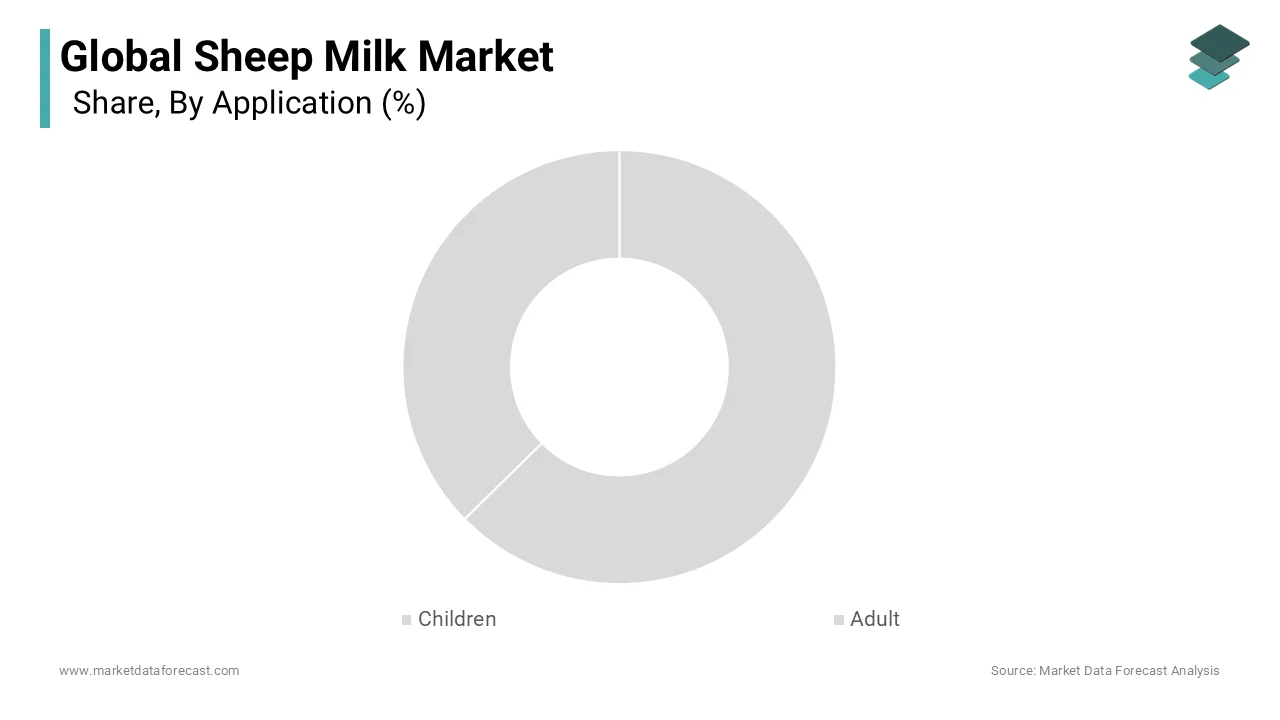
The aged segment is witnessing the fastest growth in sheep milk market due to the increasing global elderly population and their specific nutritional requirements. Individuals over the age of 65 require higher intake of calcium and protein to prevent osteoporosis and sarcopenia conditions prevalent in older age. Sheep milk offers a dense source of these essential nutrients making it an ideal dietary component for seniors. As per the World Health Organization the number of people aged 60 years and older is expected to double by 2050 reaching 2.1 billion globally creating a vast market opportunity. The easy digestibility of sheep milk reduces the risk of gastrointestinal issues which are common among the elderly who often suffer from reduced enzyme production. Healthcare providers and nutritionists are increasingly recommending sheep milk products as part of geriatric diets to enhance bone density and immune function. Studies emphasize that sheep milk has a higher concentration of minerals and better protein digestibility than cow milk, which may benefit older adults, though mineral bioavailability can vary based on the food matrix. The rise in healthcare spending and government initiatives promoting healthy aging further support this trend. Retailers are responding by packaging sheep milk products in smaller convenient sizes suitable for single serve elderly households. This demographic shift combined with targeted health benefits positions the aged segment for robust expansion in the coming years.
REGIONAL ANALYSIS
Europe Sheep Milk Market Analysis
Europe dominated the global sheep milk market and accounted for substantial share in 2025. The region boasts a centuries old tradition of ovine dairy farming particularly in Mediterranean countries such as Greece Italy France and Spain where sheep milk is integral to cultural identity. According to the Food and Agriculture Organization (FAO), Europe produces approximately 3 million tons of sheep milk annually, characterized by high-yielding specialized breeds and intensive production systems in Mediterranean countries like Greece and Spain. The European Union supports this sector through substantial agricultural subsidies and protected designation of origin labels which safeguard traditional products like Roquefort and Manchego. High consumer awareness regarding the nutritional benefits of sheep milk coupled with a strong gourmet culture sustains robust domestic demand. The presence of well established processing infrastructure enables efficient conversion of raw milk into high value cheeses and yogurts for both local and export markets. Regulatory frameworks ensuring high hygiene and quality standards further enhance the reputation of European sheep milk products globally. The region benefits from a dense network of small scale artisanal producers who contribute to product diversity and innovation. Tourism also plays a significant role as visitors seek authentic local delicacies boosting sales in rural areas. This combination of historical precedence regulatory support and consumer preference ensures Europe retains its dominant position in the global sheep milk landscape.
Asia Pacific Sheep Milk Market Analysis
The Asia Pacific region is an emerging player in the sheep milk market because of rising incomes and increasing adoption of western dietary habits. While traditionally not a major consumer of sheep milk countries like China India and Australia are witnessing gradual shifts in consumer preferences. According to the Asian Development Bank the growing middle class in Asia is expanding its expenditure on premium food products including specialized dairy items. Australia and New Zealand possess large sheep populations primarily for wool and meat but are increasingly exploring dairy opportunities due to high global demand. China represents a vast untapped market where health conscious urban consumers are seeking alternative dairy sources due to high rates of lactose intolerance. The import of European sheep milk cheeses is rising in major Asian cities reflecting changing tastes and increased exposure to international cuisines. Local producers are beginning to invest in dairy sheep breeds and processing facilities to meet this nascent demand. Government initiatives promoting livestock diversification in countries like Mongolia and Inner China support sector development. The region benefits from a large population base which even small penetration rates can translate into significant volume growth. However challenges related to lack of traditional consumption patterns and limited local supply chains persist. Despite these hurdles the potential for expansion remains high as awareness and availability improve across the Asia Pacific landscape.
North America Sheep Milk Market Analysis
North America exhibits steady expansion in the sheep milk market due to a niche but loyal consumer base primarily in the United States and Canada. The region does not have a traditional history of sheep dairy farming but has seen increased interest due to health trends and culinary exploration. According to the United States Department of Agriculture the number of dairy sheep operations has grown modestly reflecting rising entrepreneur interest in specialty dairy sectors. Consumers in North America are increasingly seeking out sheep milk products for their perceived health benefits including easier digestion and higher nutrient content. The presence of a large immigrant population from Mediterranean and Middle Eastern countries also contributes to demand for traditional sheep milk cheeses and yogurts. Specialty food stores and online retailers play a crucial role in distributing these products to discerning shoppers who are willing to pay premium prices. The craft cheese movement in the United States has encouraged local farmers to experiment with sheep milk leading to a diverse array of artisanal products. Regulatory support for small scale dairy processors under the Food Safety Modernization Act facilitates market entry for new players. However high production costs and limited economies of scale remain barriers to widespread adoption. Despite these challenges the market continues to grow steadily driven by health consciousness and gourmet food trends in urban centers across North America.
Latin America Sheep Milk Market Analysis
Latin America experienced a consistent growth in the sheep milk market, with Brazil, Argentina, and Uruguay showing promising developments. The region has a significant sheep population primarily for meat and wool but dairy utilization is gaining traction among progressive farmers. According to the Inter American Institute for Cooperation on Agriculture there is increasing technical assistance and investment in improving sheep dairy productivity in South America. Consumer awareness is slowly rising in urban areas where health focused individuals are exploring alternative dairy options. The influence of European immigrants particularly in Argentina and Uruguay has preserved some traditional cheese making practices which serve as a foundation for market development. Local governments are encouraging diversification in the livestock sector to reduce dependence on beef exports thereby supporting sheep dairy initiatives. The availability of vast grazing lands provides a cost advantage for feed production although infrastructure limitations hinder efficient milk collection and processing. Import of premium European sheep milk cheeses caters to the upper income segment in major cities like Sao Paulo and Buenos Aires. Domestic production is still small scale but offers opportunities for growth through cooperative models and technology transfer. Challenges include lack of standardized breeding programs and limited consumer education about sheep milk benefits. Nevertheless, the region holds promise for future expansion as supply chains mature and consumer preferences evolve toward diverse dairy sources.
Middle East and Africa Sheep Milk Market Analysis
The Middle East and Africa region is predicted to expand significantly in the sheep milk market. It is considered an essential food source across much of North Africa and the Middle East. Countries such as Morocco Algeria and Turkey have long histories of producing sheep milk cheeses and fermented products like labneh. According to the Food and Agriculture Organization of the United Nations Africa accounts for a substantial portion of the global sheep population although much of the milk is consumed locally or informally. Modernization efforts are underway to formalize the sector and improve hygiene standards enabling broader market access. Rising urbanization and income levels in Gulf Cooperation Council countries are driving demand for premium packaged sheep milk products. Imports from Europe and local production upgrades are meeting this growing demand among health conscious consumers. The region benefits from cultural acceptance of sheep milk which reduces the need for extensive consumer education campaigns. However challenges such as water scarcity and climate variability impact feed availability and production consistency. Government initiatives in countries like Saudi Arabia and United Arab Emirates aim to enhance food security through local dairy production including sheep milk. Investment in processing technologies is improving product quality and shelf life facilitating retail distribution. Despite logistical and environmental hurdles the region remains a vital market with deep cultural roots and emerging modern opportunities for growth and development.
COMPETITIVE LANDSCAPE
The Europe Snack Product Market features intense competition characterized by a mix of multinational corporations and local artisanal brands. Large entities leverage economies of scale and extensive distribution networks to dominate shelf space in major retail chains. They invest heavily in research and development to launch innovative products that cater to evolving consumer preferences for health and convenience. Smaller players differentiate themselves through unique flavors organic certifications and sustainable practices appealing to niche audiences. The market sees frequent mergers and acquisitions as companies seek to broaden their product ranges and geographic reach. Price competition remains significant but brand loyalty often hinges on perceived quality and ethical sourcing. Regulatory pressures regarding labeling and nutritional content force all participants to adapt quickly. Digital engagement plays a crucial role as brands compete for visibility on social media platforms. The rise of private label offerings from retailers adds further pressure on branded manufacturers to justify premium pricing. Overall the competitive landscape demands continuous innovation strategic agility and strong brand storytelling to sustain growth and market relevance in this dynamic sector.
Key Market Players
Some of the key players in sheep milk market are
- Sheep Milk Company Ltd
- Haverton Hill Creamery
- Spring Sheep
- Velvet Cloud
- Alimenta
- Origin Earth
- Maui Milk Ltd
- New Zealand Sheep Milk Company
- Roquefort Vernières
Top Players in the Market
- Lactalis Group stands as a pivotal force in the global sheep milk sector leveraging its extensive dairy expertise to produce premium cheeses. The French multinational integrates sheep milk into its diverse portfolio focusing on traditional varieties such as Roquefort and feta. Recent strategic initiatives include partnerships with local farmers in Southern Europe to secure high quality raw milk supplies. Lactalis has invested in advanced processing technologies to enhance product consistency and shelf life. These efforts strengthen its position by ensuring reliable availability of artisanal products for international markets. The company also emphasizes sustainable farming practices aligning with consumer demand for ethical sourcing. By maintaining strong relationships with protected designation of origin producers Lactalis preserves cultural heritage while expanding global distribution networks. This dual focus on tradition and innovation allows the group to meet evolving consumer preferences for authentic and high quality sheep milk derivatives across various continents.
- Bel Group operates with a distinct focus on branded cheese products incorporating sheep milk into its specialized offerings. The company leverages its strong marketing capabilities to promote sheep milk cheeses as gourmet and healthy alternatives. Recent actions include the expansion of its production facilities in France and Italy to increase capacity for premium sheep milk items. Bel Group actively collaborates with local cooperatives to ensure a steady supply of raw materials meeting strict quality standards. The firm has launched new packaging solutions designed to preserve freshness and appeal to modern retail environments. These innovations help the company reach broader audiences including health conscious consumers seeking digestible dairy options. By emphasizing brand recognition and product quality Bel Group strengthens its competitive edge. The company continues to explore new markets in Asia and North America where demand for specialty cheeses is rising demonstrating its commitment to global growth and diversification in the sheep milk segment.
- Savencia Fromage & Dairy specializes in premium sheep milk cheeses drawing on deep regional expertise in France and Spain. The company manages several renowned brands that rely exclusively on sheep milk for their distinctive flavors and textures. Recent strategic moves include acquiring smaller artisanal producers to consolidate its supply chain and protect traditional recipes. Savencia invests heavily in research and development to create innovative sheep milk products that cater to contemporary tastes. The firm promotes sustainability by supporting farmers who adopt eco friendly practices. This approach resonates with environmentally conscious consumers and enhances brand loyalty. Savencia also expands its export activities targeting luxury food segments in emerging markets. By combining traditional craftsmanship with modern business strategies the company maintains a strong presence in the global sheep milk market. Its dedication to quality and authenticity ensures that its products remain preferred choices for discerning customers worldwide reinforcing its status as a key industry participant.
Top Strategies Used by Key Market Participants
Key players in the Europe Snack Product Market primarily employ product innovation and health focused reformulation to maintain competitiveness. Companies actively reduce sugar salt and fat content while introducing natural ingredients to align with wellness trends. Strategic acquisitions enable firms to expand their portfolios and enter niche segments such as organic or plant based snacks. Partnerships with local suppliers ensure sustainable sourcing and enhance brand credibility among eco conscious consumers. Digital marketing and e commerce integration allow brands to reach younger demographics directly through personalized campaigns. Manufacturers also invest in sustainable packaging solutions to meet regulatory requirements and consumer expectations for environmental responsibility. Expansion into emerging European markets provides growth opportunities as disposable incomes rise. Collaborations with fitness influencers and health professionals help promote functional snacks offering added nutritional benefits. These strategies collectively drive market presence and consumer loyalty in a highly competitive landscape.
MARKET SEGMENTATION
This research report on the global sheep milk market has been segmented and sub-segmented based on product type, application & region.
By Product Type
- Cheese
- Yogurt
- Ice Cream
- Liquid Milk
- Milk Powder
- Butter
By Application
- Children
- Adult
By Region
- North America
- Europe
- The Asia Pacific
- Latin America
- Middle East and Africa