- Product Description Description
- Table of Contents TOC
- List of Table & Figure LOT
- Get Free Sample PDF Sample PDF
Global Status Epilepticus Market Report Summary
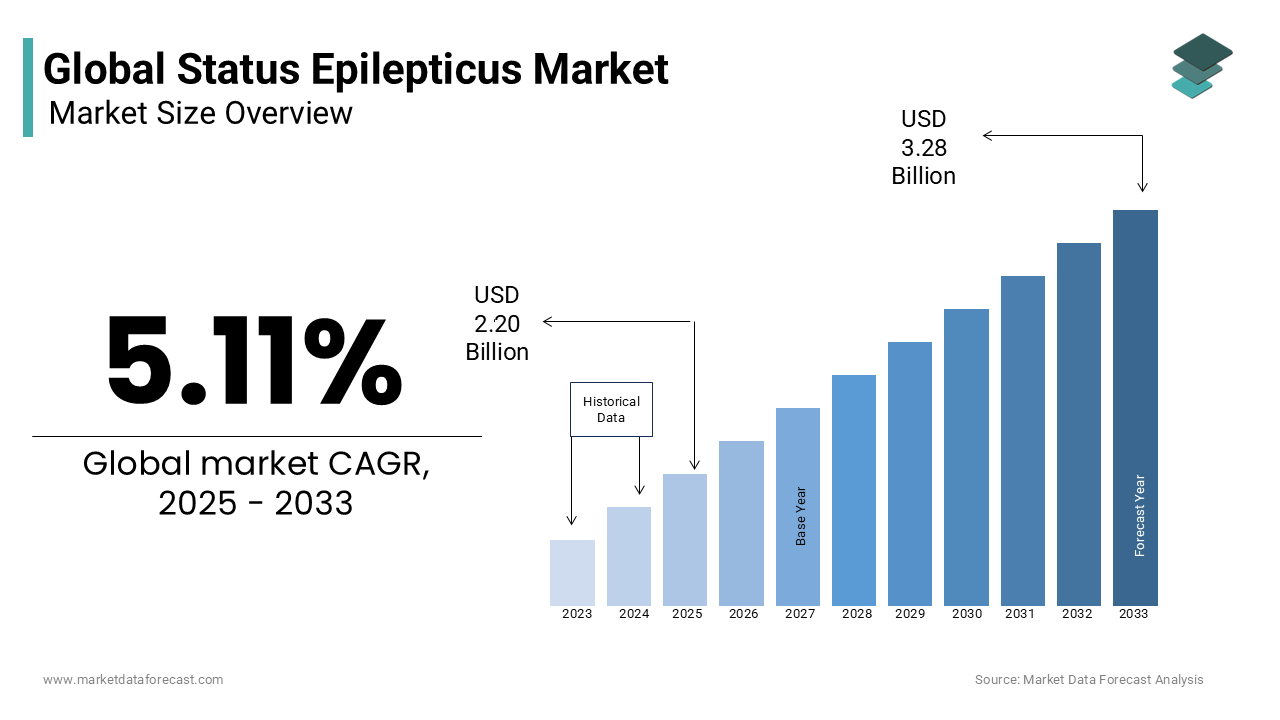
The global status epilepticus market was valued at USD 2.10 billion in 2024, is estimated to reach USD 2.20 billion in 2025, and is projected to reach USD 3.28 billion by 2033, growing at a CAGR of 5.11% during the forecast period from 2025 to 2033. The growth of the global status epilepticus market is driven by the rising incidence of refractory and super-refractory SE cases, increasing emphasis on rapid seizure termination in both hospital and prehospital settings, and expanding availability of intranasal and buccal rescue formulations. Growing awareness of neurological emergencies, the adoption of continuous EEG monitoring, and the increasing burden of stroke, traumatic brain injury, and neurodegenerative disorders are further accelerating market expansion. Moreover, the integration of digital seizure-detection wearables, the expansion of EMS-based intervention protocols, and regulatory incentives for neurological emergency treatments are broadening therapeutic adoption across both high-income and emerging healthcare systems.
Key Market Trends
- Rising prevalence of refractory and super-refractory status epilepticus requiring novel GABAergic and NMDA-modulating therapies.
- Growing use of intranasal and buccal benzodiazepines aligned with prehospital emergency medical protocols.
- Increased deployment of continuous EEG monitoring improves the detection of non-convulsive SE in critical care units.
- Advancements in neurosteroid-based treatments and targeted therapies for genetic and metabolic seizure disorders.
- Integration of AI-based seizure-detection wearables supporting early intervention and improving outcomes.
Segmental Insights
- Based on type, the convulsive status epilepticus segment was the largest and held a significant share of the global market in 2024. Its dominance is attributed to its high incidence across pediatric and elderly populations, visible clinical presentation, and urgent requirement for immediate benzodiazepine-based intervention in emergency and prehospital environments.
- Based on drug type, the diazepam segment was the largest in 2024, supported by its long-standing clinical validation, multiple administration routes (IV, rectal, intranasal), and widespread availability across global emergency systems.
- Based on distribution channel, Hospital pharmacies remained the dominant segment in 2024, owing to the acute nature of SE and the essential role of hospitals in administering IV anticonvulsants, anesthetic agents, and continuous monitoring treatments.
Regional Insights
The global status epilepticus market is witnessing strong growth across major regions, supported by expanding neurological services, emergency care modernization, and increased availability of rescue medications.
- North America was the largest contributor, accounting for 38.7% of the global market share in 2024, driven by advanced neurocritical care infrastructure, EMS-based benzodiazepine protocols, and early adoption of novel rescue therapies.
- Europe held the second-largest share, supported by harmonized treatment guidelines, strong reimbursement structures, and widespread deployment of continuous EEG monitoring in critical care units.
- Asia Pacific continues to expand rapidly, fueled by rising epilepsy prevalence, healthcare infrastructure modernization, and government-supported emergency care initiatives.
- Latin America shows growing adoption of intranasal and hospital-based rescue therapies despite regional disparities in medication access.The
- Middle East & Africa show emerging potential driven by expanding tertiary care centers and national programs improving emergency seizure management.
Competitive Landscape
The global status epilepticus market is characterized by the presence of established pharmaceutical companies and emerging biotech firms focused on developing rapid-acting anticonvulsants and neurosteroid-based therapies. Companies are prioritizing innovations targeting refractory and super-refractory SE cases, expanding intranasal rescue medication portfolios, and leveraging accelerated regulatory pathways for neurological emergency treatments. Increasing partnerships with EMS providers, epilepsy centers, and digital health platforms are strengthening market penetration. Prominent players in the global status epilepticus market include SAGE Therapeutics, Marinus Pharmaceuticals, H. Lundbeck, CURx Pharmaceuticals, Sunovion Pharmaceuticals, Valeant Pharmaceuticals, Sanofi S.A., GlaxoSmithKline plc, and Johnson & Johnson.
Global Status Epilepticus Market Size
The global status epilepticus market was worth USD 2.10 billion in 2024. The global market is expected to reach USD 3.28 billion by 2033 from USD 2.20 billion in 2025, rising at a CAGR of 5.11% from 2025 to 2033.
Status epilepticus (SE) is a life-threatening neurological emergency defined as a condition resulting from the failure of the mechanisms responsible for seizure termination, leading to abnormally prolonged seizures. Defined clinically as continuous seizure activity lasting more than five minutes or two or more seizures without full neurological recovery in between status epilepticus represents a life-threatening neurological emergency requiring immediate intervention. Approximately 50 million people live with epilepsy globally, according to the World Health Organization. A significant proportion of these individuals will experience at least one episode of status epilepticus (SE) in their lifetime, highlighting a substantial, consistent market for acute intervention therapies. Status epilepticus accounts for over 150000 emergency department visits annually in the United States alone with a mortality rate ranging from 10 to 30 percent depending on etiology and timeliness of treatment, as per sources. Research indicates SE accounts for approximately 10% of epilepsy-related deaths. The condition disproportionately affects children under five and adults over 60 with stroke traumatic brain injury and neurodegenerative diseases serving as major precipitants in older populations. This urgent clinical profile drives continuous innovation in rapid onset anticonvulsants rescue therapies and prehospital treatment protocols.
MARKET DRIVERS
High Incidence of Refractory and Super Refractory Status Epilepticus Fuels Demand for Advanced Therapeutics
The fact that a significant proportion of status epilepticus cases progress to refractory or super refractory forms that fail to respond to first- and second-line antiepileptic drugs drives the growth of the status epilepticus market. These cases necessitate intensive care and novel pharmacological approaches. According to research, up to 30 percent of status epilepticus cases become refractory requiring anesthetic level sedation and mechanical ventilation. Of these approximately 15 percent evolve into super refractory status epilepticus where seizures persist or recur 24 hours or more after the onset of anesthetic therapy. Super-refractory status epilepticus involves a high risk of death and requires lengthy hospitalizations. This clinical complexity drives demand for next generation agents such as allopregnanolone brexanolone and ketamine based protocols which modulate GABAergic and NMDA pathways beyond conventional benzodiazepines. The demand for effective third-line and rescue therapies is growing as healthcare systems work to alleviate ICU stress and improve neurological outcomes, driving increased therapeutic development and market activity.
Expanding Prehospital Treatment Protocols Increase Adoption of Rapid Administration Formulations
The importance of early seizure termination has caused the integration of status epilepticus management into emergency medical services protocols worldwide, which leads to heightened demand for non-intravenous rescue medications, and thereby fuels the expansion of the status epilepticus market. The American Epilepsy Society (AES) and other guidelines emphasize the critical importance of administering benzodiazepines within 5 to 10 minutes of seizure onset to prevent progression to status epilepticus and reduce morbidity and mortality. Recognizing this the U.S. Food and Drug Administration has approved multiple non IV formulations including intranasal midazolam and buccal midazolam specifically for out of hospital use. The high percentage of U.S. states authorizing EMTs to administer intranasal benzodiazepines under standing orders indicates a widespread and increasing acceptance and implementation of this practice in emergency medical services. Similarly, the approach to prehospital seizure treatment has evolved with the updated guidance from resuscitation councils. Intranasal administration of specific medications is now suggested as a primary option for initial therapy outside of a hospital setting. The use of nasal spray anticonvulsants has become more widespread in emergency medical services across different regions. This deployment has been linked to improved outcomes in managing seizures before a patient reaches the hospital. This shift from hospital centric to community-based intervention expands the addressable patient population and accelerates product adoption beyond traditional clinical settings.
MARKET RESTRAINTS
Limited Efficacy and Safety Profile of Current First Line Anticonvulsants Constrains Treatment Success
Suboptimal efficacy and significant adverse effects associated with first line agents particularly benzodiazepines, despite established guidelines, constrains the growth of the status epilepticus market. According to sources, some standard medications may not always stop seizures effectively within a short timeframe. These treatments can sometimes lead to serious side effects affecting breathing, which may require further medical intervention, as per research. The risk is especially pronounced in elderly patients and those with comorbid pulmonary conditions where sedation can precipitate life threatening hypoventilation. Furthermore, benzodiazepines exhibit tachyphylaxis with repeated dosing diminishing their anticonvulsant effect over time. Healthcare providers have observed instances where treatment success diminishes when seizures last for a long time. These limitations not only compromise patient outcomes but also increase ICU admission rates and healthcare costs. Safety concerns and variable response rates will continue to limit the clinical utility of existing therapies until safer, more effective, rapid-onset alternatives are widely available.
Diagnostic Ambiguity and Delayed Recognition Impede Timely Therapeutic Intervention
The frequent misdiagnosis or late recognition of status epilepticus, particularly in non-convulsive forms which lack overt motor symptoms yet cause significant neuronal injury, is also a major restraint to the status epilepticus market. According to A notable percentage of cases among critically ill patients may not be identified without specific, continuous monitoring methods. The availability of immediate testing services varies across different emergency departments, which can contribute to diagnostic delays. In low resource settings the situation is more acute with Many hospitals in certain global regions may not have access to basic diagnostic tools. This diagnostic gap results in inappropriate treatment such as administration of antipsychotics instead of anticonvulsants or unnecessary imaging delaying lifesaving therapy. Even when suspected clinicians often hesitate to initiate aggressive treatment without confirmation due to sedation risks. These systemic barriers reduce the window for effective intervention and contribute to preventable morbidity and mortality.
MARKET OPPORTUNITIES
Accelerated Regulatory Pathways for Neurological Emergency Therapies Create Market Entry Opportunities
Regulatory agencies globally have established expedited review mechanisms for treatments addressing unmet needs in acute neurological conditions, which provides new opportunities for the growth of the status epilepticus market. This creates favorable conditions for novel status epilepticus therapies. Expedited review pathways are increasingly being used for new drug candidates for certain conditions. Approval processes have been streamlined, which helps reduce the time it takes for specific therapies to reach the market. International guidance on clinical trials has evolved to allow for alternative study endpoints to facilitate accelerated drug development. Approvals for certain treatments can be obtained with early-phase data, leading to faster market entry for novel therapies. These adaptive regulatory frameworks lower development risk and shorten time to market encouraging investment in high need neurological emergency segments. As a result, biopharmaceutical companies are increasingly prioritizing status epilepticus in their neurology pipelines recognizing the convergence of clinical urgency and regulatory support.
Growing Integration of Digital Seizure Detection Devices Expands Adjunctive Monitoring Ecosystem
Wearable and implantable seizure detection technologies introduce potential growth possibilities for the expansion of the status epilepticus market. These are emerging as critical enablers of early status epilepticus identification creating synergistic opportunities for therapeutic developers. As per studies, many individuals are now using wearable devices that can detect signs of seizures through motion and skin activity. Certain detection devices have shown high effectiveness in identifying specific types of seizures, quickly sending alerts to caregivers. Using these wearables for early seizure detection outside of a hospital setting may help speed up the administration of necessary medication. Several national health systems and committees have recently started to approve insurance coverage for seizure detection wearables. These digital tools not only improve early recognition but also generate rich physiological datasets that inform treatment personalization. As reimbursement policies evolve, the market for integrated monitoring and intervention systems is poised for significant expansion
MARKET CHALLENGES
Persistent Gaps in Global Access to Emergency Anticonvulsants Undermine Treatment Equity
Access remains highly inequitable across low and middle income countries where supply chain and regulatory barriers limit availability, which challenges the growth of the status epilepticus market. Despite the existence of effective rescue medications. As per various sources, many primary healthcare facilities in various regions experience difficulty in consistently stocking essential medications needed for managing acute epileptic seizures. Access to common and easily administered seizure rescue medications, such as rectal diazepam, can be limited in some areas due to logistical and regulatory challenges. According to research, the cost of newer, convenient seizure treatments, like intranasal midazolam, can present a significant financial barrier for families in numerous countries. A substantial number of children who have epilepsy, particularly in under-resourced settings, do not receive appropriate anticonvulsant treatment. These systemic gaps result in preventable progression to status epilepticus and higher mortality rates. Therapeutic advances will only benefit a fraction of the global patient population if global health initiatives fail to address challenges in procurement, financing, and distribution.
Heterogeneity in Clinical Presentation Complicates Standardized Trial Design and Endpoint Selection
The diverse etiologies and manifestations of status epilepticus, from febrile seizures in children to post stroke non convulsive episodes in the elderly, pose significant challenges to developing universally effective therapies. This ultimately impedes the expansion of the status epilepticus market. According to a study, status epilepticus can stem from a wide range of underlying causes, from autoimmune conditions to metabolic issues. This heterogeneity complicates patient stratification in clinical trials as responses to identical drugs vary widely based on etiology. As per research, most clinical trials in the past several years have not specifically targeted the enrollment criteria based on the precise cause of the condition. Furthermore, consensus on primary endpoints remains elusive with some trials measuring seizure cessation at 10 minutes while others assess 60 minute outcomes or functional recovery at 30 days. Inconsistent selection of study goals may have played a role in the lack of successful outcomes for potential new treatments recently. Therapeutic innovation will struggle with high failure rates and unpredictable regulation unless harmonized clinical trial frameworks are established to address diverse patient biology and clinical presentations.
REPORT COVERAGE
| REPORT METRIC | DETAILS |
| Market Size Available | 2024 to 2033 |
| Base Year | 2024 |
| Forecast Period | 2025 to 2033 |
| Segment covered | Based on type, drug type, distribution channel and geography. |
| Various analyses covered | Global, regional, country level analysis, segment level analysis, drivers, restraints, Opportunities, challenges, PESTEL analysis, Competitive landscape. |
| Regions covered | North America, Europe, Asia-pacific, Latin America, Middle East and Africa |
| Key Market Players | SAGE Therapeutics, Marinus Pharmaceuticals, H. Lundbeck, CURx Pharmaceuticals, Sunovion Pharmaceuticals Inc., Valeant Pharmaceuticals International Inc., Sanofi S.A., GlaxoSmithKline plc, and Johnson & Johnson. |
SEGMENTAL ANALYSIS
By Type Insights
The convulsive status epilepticus segment was the largest segment in the status epilepticus market and accounted for a substantial share in 2024. The dominance of the convulsive status epilepticus segment is driven by its overt clinical presentation high incidence across age groups and urgent requirement for immediate pharmacological intervention. Convulsive status epilepticus is the most frequently encountered form in both children and older adults creating sustained demand for acute rescue therapies. According to research, thousands of children in the United States experience convulsive status epilepticus annually with febrile seizures being the leading cause under age five. In the elderly population the incidence rises sharply with adults over 65 account for a portion of all convulsive episodes primarily triggered by stroke infections or metabolic disturbances, as per different studies. This bimodal age distribution ensures consistent patient volume across emergency departments and intensive care units. Furthermore, as per sources, convulsive status constitutes a notable share of all prehospital seizure emergencies due to its visible motor manifestations prompting rapid caregiver and bystander response. The clinical urgency associated with prolonged tonic clonic activity, which can cause neuronal injury within minutes, drives immediate administration of benzodiazepines and other anticonvulsants reinforcing this segment’s market dominance. Guidelines from major neurological societies universally prioritize immediate pharmacological termination of convulsive seizures which directly translates into high utilization of approved rescue medications. The standardized approach ensures consistent drug consumption across healthcare systems. Hospitals maintain standing orders for these agents in emergency carts and ambulances. This institutional embedding guarantees continuous procurement and usage.
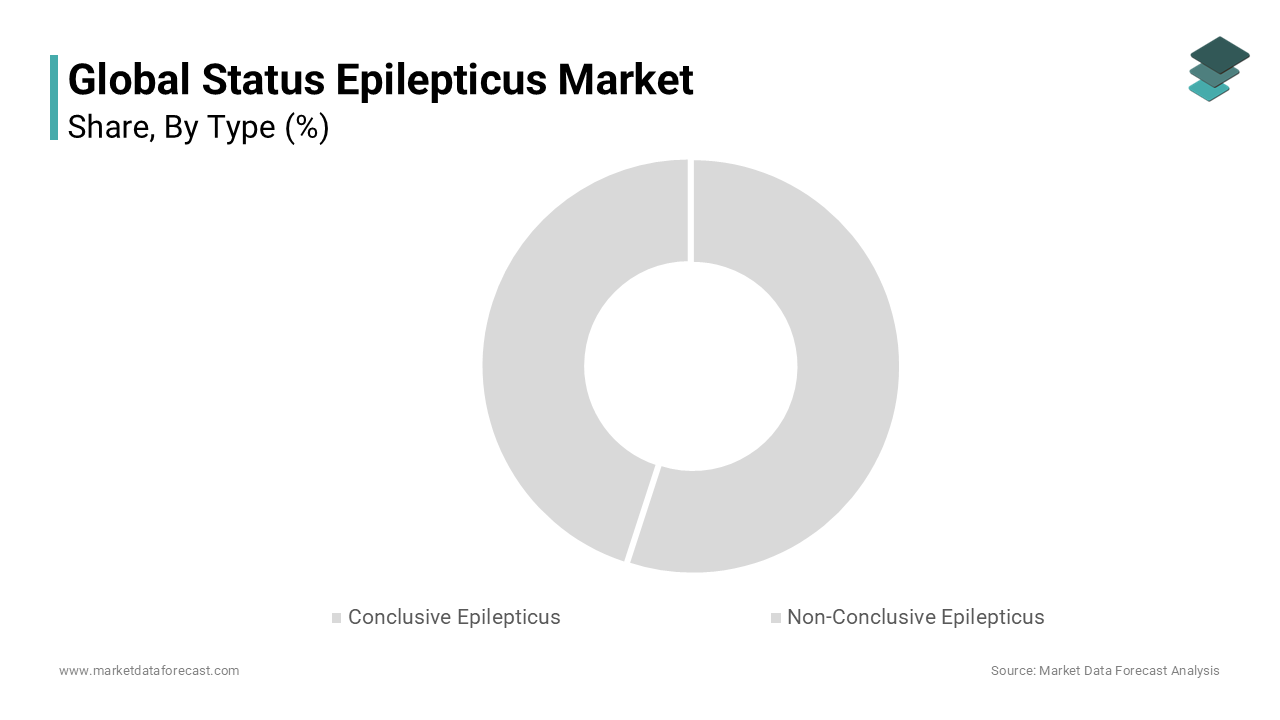
The non convulsive status epilepticus segment is predicted to witness the highest CAGR of 9.8 percent from 2025 to 2033. The rapid expansion of the non convulsive status epilepticus segment is propelled by improved diagnostic capabilities and recognition of its insidious clinical impact. The rising adoption of continuous EEG in critical care settings has dramatically increased detection rates of non convulsive status epilepticus which lacks overt motor signs but causes significant cognitive and neurological damage. According to sources, a notable share of U.S. academic medical centers now deploy continuous EEG in intensive care units compared to that in 2015. This expansion has revealed that non convulsive status accounts for a portion of all status epilepticus cases in critically ill patients. These technologies enable real time identification of electrographic seizures prompting timely anticonvulsant administration. Evolving reimbursement policies have enabled diagnostic access to expand beyond tertiary centers and into community hospitals, stimulating segment growth. Growing awareness of the cognitive and functional deficits associated with untreated non convulsive status epilepticus is prompting earlier and more aggressive intervention. According to a study, patients with undiagnosed non convulsive status exhibit a higher risk of long term memory impairment and executive dysfunction compared to those receiving prompt treatment. The evidence has reshaped clinical practice with neurologists now initiating empirical anticonvulsant therapy in high risk populations, such as post cardiac arrest or traumatic brain injury patients, even before EEG confirmation. These protocol changes increase drug utilization for a condition once considered rare or benign thereby accelerating market growth for both diagnostic and therapeutic solutions.
By Drug Type Insights
In 2024, the diazepam segment held the largest share of 32.5% of the status epilepticus market. Decades of clinical validation multiple administration routes and widespread regulatory approval have mainly contributed to the leading position of the diazepam segment. Diazepam’s availability in intravenous rectal and more recently intranasal forms ensures applicability across diverse care settings from hospitals to homes. In low resource regions the rectal gel remains indispensable with the World Health Organization listing it as an essential medicine for seizure emergencies in children. The drug’s rapid onset, achieving peak brain concentrations within few minutes after IV administration, makes it ideal for time sensitive intervention. Hospitals maintain diazepam in emergency carts ensuring consistent institutional procurement and usage across acute care environments. Diazepam is enshrined in nearly all major international protocols as a first- or second-line agent reinforcing its entrenched position. This universal endorsement ensures procurement by public health systems even in regions with limited access to newer agents. Furthermore, its low cost makes it economically viable for large scale stockpiling by governments and humanitarian organizations during outbreaks of febrile illness or neuroinfectious diseases.
The ganaxolone segment is estimated to register the fastest CAGR of 24.6% during the forecast period owing to its novel mechanism of action and targeted development for refractory cases. Ganaxolone acts as a positive allosteric modulator of synaptic and extrasynaptic GABA A receptors offering efficacy even when conventional benzodiazepines fail due to receptor internalization during prolonged seizures. Ganaxolone has shown an effect in reducing seizure activity in patients with a specific type of severe status epilepticus who did not respond to established therapies. A particular class of neurosteroids is recognized as an important area for treating drug-resistant seizure disorders, leading to targeted investment in research. Ganaxolone may maintain its effectiveness with repeated administration, potentially avoiding a common issue seen with a different class of seizure medications.. This pharmacological advantage makes it particularly valuable in intensive care settings where prolonged anesthetic infusions are common. A regulatory body has given ganaxolone a specific designation for a severe form of status epilepticus, which supports faster development and accessibility. Ganaxolone’s development is closely aligned with genetic and metabolic forms of status epilepticus where conventional therapies often prove inadequate. The drug received orphan drug designation for CDKL5 deficiency disorder and PCDH19 related epilepsy, conditions with high rates of refractory status. This niche but high value positioning combined with premium pricing and strong payer engagement in rare disease markets is driving exponential growth despite a limited overall patient pool.
By Distribution Channel Insights
The hospital pharmacies segment led the status epilepticus market and captured a significant share in 2024. The prominence of the hospital pharmacies segment is fuelled by the acute care nature of the condition which necessitates immediate access to parenteral and rescue formulations within controlled clinical environments. Hospitals are required by accreditation bodies to maintain immediate access to status epilepticus medications as part of neurological emergency preparedness. Most healthcare facilities in the United States have established protocols for immediate access to certain essential intravenous seizure medications. There is a general practice across many U.S. hospitals to ensure these specific medications are consistently stocked and readily available. Hospitals in Europe typically maintain systems that provide around-the-clock availability of critical seizure treatment drugs in emergency settings. A common standard within European healthcare systems involves ensuring constant access to key anticonvulsant medications in all acute care facilities. This regulatory compulsion guarantees consistent procurement cycles independent of outpatient demand fluctuations. Furthermore, the complexity of managing refractory cases, often requiring anesthetic infusions and multi drug regimens, concentrates high value drug consumption within hospital settings where specialized personnel and monitoring infrastructure exist. Hospital pharmacy and therapeutics committees exert centralized control over anticonvulsant selection driving bulk purchasing and formulary standardization. In the United States group purchasing organizations negotiate contracts covering large number of hospitals ensuring high volume distribution through hospital pharmacy channels. The average academic medical center dispenses several doses of status epilepticus medications annually. This institutional scale combined with the inability to self administer IV or rectal formulations outside clinical settings ensures that hospital pharmacies remain the primary conduit for life saving anticonvulsants.
The online pharmacies segment is anticipated to witness the fastest CAGR of 18.3% from 2025 to 2033. The swift growth of the online pharmacies segment is attributed to the increasing availability of take home rescue medications and digital health integration.
Rise of Take Home Benzodiazepine Prescriptions for At Risk Patients Neurologists are increasingly prescribing rescue benzodiazepines such as diazepam nasal spray and buccal midazolam for patients with a history of prolonged seizures to be administered by caregivers at home. According to sources, significant number of individuals in the United States received such prescriptions with many filled through online pharmacies due to convenience and home delivery. Online platforms offer discreet packaging temperature-controlled shipping and automatic refill reminders enhancing adherence. This shift from reactive hospital treatment to proactive home management is redirecting a growing share of the market to digital channels. Online pharmacies are embedding status epilepticus rescue medications into broader digital epilepsy care ecosystems that include virtual consultations medication tracking and emergency alerts. According to research, a portion of telehealth platforms now offer integrated pharmacy services for neurological conditions with automatic prescription routing following virtual visits. Companies partner with epilepsy clinics to provide same day delivery of diazepam nasal spray with instructional videos and caregiver training. This convergence of telehealth e pharmacy and patient support services creates a seamless care continuum that drives adoption of online channels particularly among younger tech savvy patient populations.
REGIONAL ANALYSIS
North America Status Epilepticus Market Analysis
North America dominated the global status epilepticus market and occupied a 38.7% share in 2024. Advanced neurological care infrastructure, robust emergency response systems, and early adoption of novel rescue therapies have mainly contributed to the growth of North American market. The United States operates several Level 4 epilepsy centers certified by the National Association of Epilepsy Centers each equipped with continuous EEG and standardized status protocols. Medicare and Medicaid cover intranasal benzodiazepines for high risk patients with significant number of prescriptions reimbursed. Canada’s national epilepsy strategy allocated funds to expand prehospital seizure management training for paramedics. High awareness among caregivers ensures consistent demand for both acute and preventive therapies across hospital and home settings.
Europe Status Epilepticus Market Analysis
Europe was the second largest region in the global status epilepticus market and captured a 29.1% share in 2024. This position of the market in Europe is credited to harmonized treatment guidelines universal healthcare access and strong regulatory support for neurological emergencies. Prehospital administration of certain medications is becoming standardized. Protocols for emergency personnel training in medication administration are in place. Reimbursement policies have evolved to cover continuous monitoring in critical care settings. Increased detection of specific neurological conditions is an outcome of the change in monitoring policy. Funding initiatives support broader availability of rescue medications in community environments. Access to new treatment options for difficult-to-manage conditions is improving through collaborative efforts across borders. High-quality acute management, driven by the presence of dedicated neurocritical care units in most Western European hospitals, is sustaining therapeutic utilization in the region.
Asia Pacific Status Epilepticus Market Analysis
Asia Pacific secured a noteworthy share of the status epilepticus market. The growth of the APAC market is propelled by rising epilepsy prevalence expanding neurological services and government initiatives to improve emergency care. A national registry in India has documented a significant population of people living with epilepsy. A considerable percentage of hospitalizations related to epilepsy are associated with status epilepticus. In China, a national health program focused on neurological emergencies was launched, which included equipping many hospitals with standardized seizure treatment resources. Japan has seen a notable increase in the prescription of intranasal midazolam for use in a home setting, following its approval for that use. Australia's national health system provides coverage for essential diagnostic tools and rescue medications, with many claims processed each year related to acute seizure episodes. Despite disparities in rural access urban centers in India, China, and Southeast Asia are rapidly adopting Western treatment protocols creating a dynamic market for both generic and branded anticonvulsants.
Latin America Status Epilepticus Market Analysis
Latin America is another key region in the global status epilepticus market. The region exhibits significant variation with Brazil and Argentina leading in neurological care while Central America faces resource constraints. Brazil included intranasal midazolam in its national essential medicines list enabling distribution through public pharmacies. Argentina's program trained emergency physicians in status management protocols. Mexico implemented a national seizure response protocol covering numerous hospitals. However, only a fraction of rural hospitals in the region have consistent access to necessary parenteral medications. Despite these gaps rising awareness and expanding health insurance coverage are gradually improving access to acute seizure therapies particularly in urban centers where private hospital networks drive adoption of newer formulations.
Middle East and Africa Status Epilepticus Market Analysis
The Middle East and Africa region is likely to expand in the status epilepticus market during the forecast period. The region faces substantial challenges including limited neurological infrastructure and medication shortages yet shows emerging potential through targeted initiatives. Saudi Arabia has seen the establishment of a number of specialized care centers for epilepsy, which are equipped for diagnostic procedures and emergency protocols. In South Africa, a specific rescue medication has been incorporated into the national essential medicines list and distributed widely to numerous primary healthcare facilities. Access to certain emergency seizure medications remains limited in a significant number of hospitals across Sub-Saharan Africa. As part of healthcare improvements, Egypt has implemented a training program for several thousand paramedics focused on providing first aid for seizures. Despite low current penetration the high burden of neuroinfectious diseases, cerebral malaria and neurocysticercosis account for a portion of status cases in endemic zones, creates a compelling public health imperative for expanding access to life saving anticonvulsants through both public and humanitarian channels.
COMPETITVE LANDSCAPE
The status epilepticus market features a competitive landscape defined by a blend of established pharmaceutical companies and specialized neuroscience biotechs. Competition centers on clinical efficacy speed of seizure termination safety in vulnerable populations and integration into emergency care workflows rather than price alone. Legacy anticonvulsins such as benzodiazepines and phenytoin derivatives dominate volume due to entrenched use and low cost while novel agents like ganaxolone target high value refractory segments. Regulatory designations including Fast Track and Breakthrough Therapy provide critical advantages in development timelines and market access. The absence of universal treatment standards allows multiple therapeutic approaches to coexist but also intensifies the need for robust clinical differentiation. Strategic partnerships with hospitals emergency services and advocacy groups are essential for adoption. As awareness of non convulsive status grows and prehospital protocols evolve the market is shifting toward integrated solutions combining diagnostics therapeutics and caregiver support creating opportunities for agile innovators.
KEY MARKET PLAYERS
Some of the companies that are playing a dominating role in the global status epilepticus market include
- SAGE Therapeutics
- Marinus Pharmaceuticals
- H.Lundbeck
- CURx Pharmaceuticals
- Sunovion Pharmaceuticals, Inc.
- Valeant Pharmaceuticals International, Inc.
- Sanofi S.A.
- GlaxoSmithKline Plc
- Johnson & Johnson
Top Players in the Market
UCB is a global biopharmaceutical leader with a strong focus on neurological disorders including epilepsy and status epilepticus. The company markets brivaracetam and other antiepileptic drugs used in acute seizure management and has invested significantly in clinical research to expand indications into emergency settings. In 2023 UCB initiated a phase III trial evaluating a novel intravenous formulation designed for rapid seizure termination in refractory status epilepticus. The company also partnered with leading epilepsy centers to develop standardized treatment protocols incorporating its therapies. Through these initiatives UCB reinforces its scientific leadership and ensures its products remain integral to both hospital and prehospital seizure emergency algorithms worldwide.
Neurocrine Biosciences has emerged as a key innovator in the status epilepticus space through its development of ganaxolone a neurosteroid anticonvulsant targeting super refractory cases. The company received Breakthrough Therapy designation from the U.S. Food and Drug Administration for ganaxolone in 2022 and has since expanded access through early use programs in North America and Europe. In 2023 Neurocrine launched a global registry to collect real world data on ganaxolone’s effectiveness in genetic epilepsy syndromes prone to status episodes. By aligning its pipeline with unmet needs in drug resistant populations and engaging with rare disease communities Neurocrine has positioned itself as a critical player in next generation status epilepticus therapeutics.
Pfizer maintains a significant presence in the status epilepticus market through its legacy anticonvulsant portfolio including parenteral phenytoin and fosphenytoin which remain widely used in hospital settings globally. The company ensures consistent supply of these essential medicines through robust manufacturing and distribution networks serving both public and private healthcare systems. In 2023 Pfizer collaborated with the World Health Organization to support training programs for emergency seizure management in low resource countries. Additionally the company enhanced its hospital formulary engagement by providing clinical decision support tools to intensive care units. These efforts sustain Pfizer’s relevance in acute neurological care while reinforcing access to foundational therapies in diverse healthcare environments.
Top Strategies Used by the Key Market Participants
Key players in the status epilepticus market employ several strategic approaches to enhance their competitive positioning. Companies prioritize clinical development of novel formulations with faster onset and improved safety profiles to address refractory cases. Strategic collaborations with academic medical centers and regulatory agencies accelerate trial recruitment and pathway alignment. Expansion of take home rescue medication access through caregiver education and digital health integration broadens patient reach. Investment in real world evidence generation supports label expansions and payer reimbursement. Geographic diversification into emerging markets with high epilepsy burdens ensures long term growth. Additionally firms actively engage in guideline development and professional society partnerships to embed their therapies into standard care protocols globally.
MARKET SEGMENTATION
This research report on the global status epilepticus market has been segmented and sub-segmented based on the type, drug type, distribution channel and region.
By Type
- Conclusive Epilepticus
- Non-Conclusive Epilepticus
By Drug Type
- Ganaxolone
- Diazepam
- Fosphenytoin
- Valproate
- Phenobarbital
- Phenytoin
- Others
By Distribution Channel
- Hospital Pharmacies
- Retail Pharmacies
- Online Pharmacies
By Region
- North America
- Europe
- Asia-Pacific
- Latin America
- Middle East and Africa