- Product Description Description
- Table of Contents TOC
- List of Table & Figure LOT
- Get Free Sample PDF Sample PDF
Market Size, 2025
$4.90 BnMarket Estimate, 2026
$5.13 BnMarket Forecast, 2034
$7.19 BnCAGR, 2026–2034
4.61%UK Chewing Gum Market Size
The UK chewing gum market size was valued at USD 4.90 billion in 2025 and is anticipated to reach USD 5.13 billion in 2026 to reach USD 7.19 billion by 2034, growing at a CAGR of 4.61% over the forecast period from 2026 to 2034.
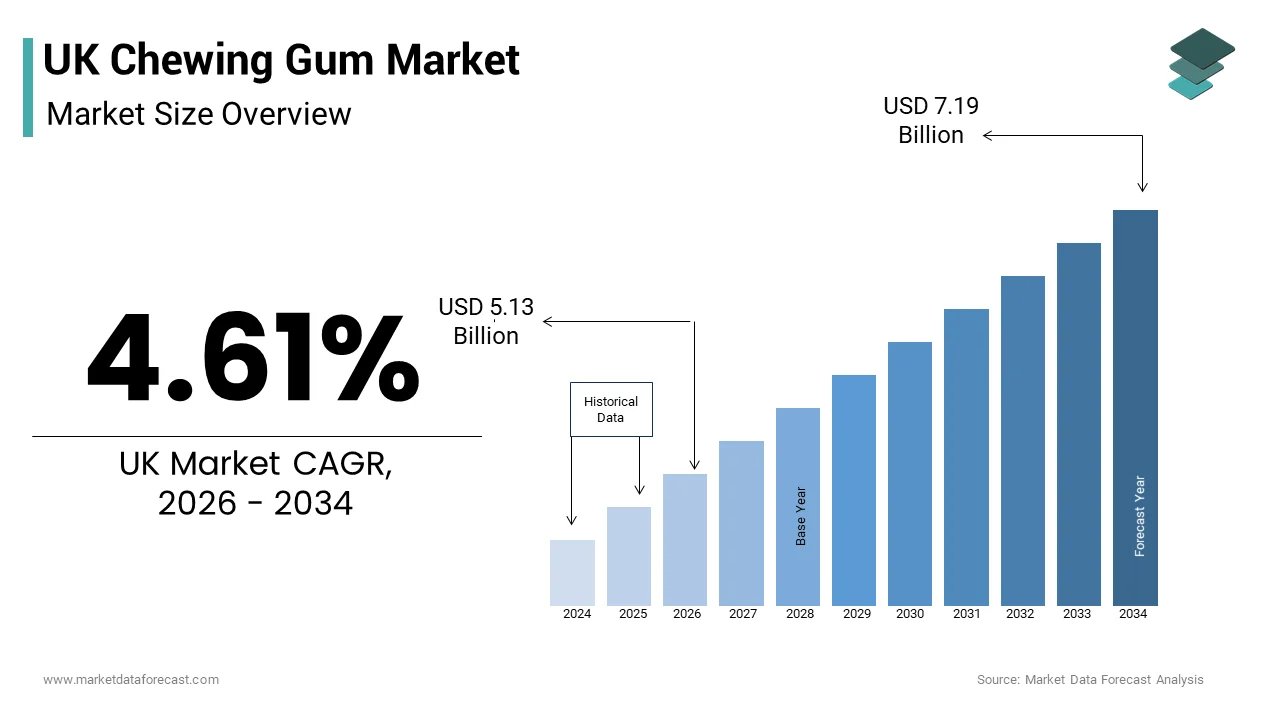
The UK chewing gum market has witnessed significant transformation in recent years, as manufacturers respond to growing environmental concerns regarding traditional synthetic gum bases. According to the Office for National Statistics, the UK population stands at approximately 67 million people, providing a substantial consumer base for everyday confectionery items. As per data from the Department for Environment, Food and Rural Affairs, waste management remains a critical consideration, with local authorities spending over 1 billion pounds annually on street cleaning efforts, which includes gum removal. The cultural habit of chewing gum persists despite regulatory pressures and changing social attitudes toward littering. Industry participants are increasingly focusing on biodegradable formulations and plastic-free alternatives to align with national sustainability goals. The market dynamics reflect a balance between traditional consumption patterns and modern ethical considerations, driving innovation in product development and packaging solutions. Consumer awareness regarding ingredient transparency and environmental impact continues to shape purchasing decisions across all demographic segments in the UK.
MARKET DRIVERS
Rising Health Consciousness and Demand for Functional Benefits Drive Market Growth
Health consciousness among UK consumers has emerged as a pivotal driver influencing chewing gum purchases, with individuals seeking products that offer tangible wellness benefits beyond mere flavor enjoyment, which is a key market driver. Modern consumers increasingly view chewing gum as a functional food item capable of supporting oral hygiene, mental alertness, and digestive health. According to the British Dental Association, sugar-free chewing gum stimulates saliva production, which helps neutralize acids and reduces the risk of tooth decay by up to 40% when chewed after meals. This scientific endorsement has encouraged manufacturers to develop specialized formulations enriched with xylitol, calcium phosphate, and other beneficial ingredients. The National Health Service promotes sugar-free gum as part of comprehensive oral care routines, contributing to sustained demand in this category. Furthermore, as per research published by the University of Northumbria, chewing gum can improve alertness by 10% and reduce anxiety during stressful tasks, appealing to students and professionals alike. The functional gum segment has experienced consistent growth, as consumers prioritize products that align with their health goals. Manufacturers have responded by launching variants targeting specific needs, such as teeth whitening, breath freshening with natural extracts, and energy enhancement through caffeine infusion. According to Mintel consumer insights, this trend reflects a broader shift in the UK, where 62% of adults actively seek out functional foods and beverages. The convergence of convenience and health benefits positions functional chewing gum as an attractive option for health-oriented consumers, driving steady market expansion.
Sustainability Initiatives and Biodegradable Product Innovation Fuel Consumer Preference
Environmental sustainability has become a central concern for UK consumers, prompting significant shifts in purchasing behavior toward eco-friendly chewing gum options, which is further fuelling the expansion of the UK chewing gum market. Traditional chewing gum contains synthetic polymers derived from petroleum, which contribute to persistent litter problems and environmental degradation. As per findings from Keep Britain Tidy, chewing gum constitutes the second most common form of street litter after cigarette butts, with cleanup costs exceeding 50 million pounds annually for local councils. This alarming statistic has catalyzed industry innovation toward biodegradable and natural gum bases made from chicle tree sap or other plant-based materials. Major brands have launched plastic-free alternatives that decompose naturally within weeks, rather than persisting for decades in the environment. The UK government has strengthened waste reduction policies under the Resources and Waste Strategy, aiming to eliminate avoidable plastic waste by 2042. According to a survey by YouGov, consumers demonstrate a strong willingness to pay premium prices for sustainable products, with 58% of UK shoppers indicating they would choose environmentally responsible brands. Retailers have responded by dedicating shelf space to eco-certified chewing gum varieties and highlighting their compostable credentials. Social media campaigns and educational initiatives have raised public awareness about the environmental impact of conventional gum, further accelerating the adoption of green alternatives. This convergence of regulatory pressure, consumer activism, and corporate responsibility creates a powerful momentum favoring sustainable chewing gum products in the UK market.
MARKET RESTRAINTS
Stringent Littering Regulations and Cleanup Costs Restrain Market Expansion
Strict anti-littering legislation and the substantial financial burden of gum removal impose significant constraints on the UK chewing gum market, creating operational challenges for both consumers and manufacturers. Local authorities across the nation enforce rigorous penalties for the improper disposal of chewing gum, with fines reaching up to 150 pounds for individuals caught discarding gum on public property. According to data from the Local Government Association, over 200 councils in England and Wales operate dedicated street cleaning programs specifically targeting gum residue, which adheres stubbornly to pavements and public surfaces. The sticky nature of conventional gum makes removal labor-intensive and costly, requiring specialized equipment and chemical solvents that further strain municipal budgets. These enforcement measures have contributed to a decline in casual consumption, particularly among younger demographics who are more aware of the social stigma associated with littering. Public awareness campaigns, such as those run by Keep Britain Tidy, have successfully altered behavioral patterns, with surveys indicating that 73% of respondents now consider gum littering socially unacceptable. The negative publicity surrounding gum waste has prompted some retailers to reduce shelf space allocations for traditional varieties, while others have introduced in-store disposal bins to mitigate littering incidents. Manufacturers face increasing pressure to reformulate products using biodegradable materials, which often involves higher production costs and complex supply chain adjustments. The combination of regulatory scrutiny, public perception shifts, and elevated cleanup expenses creates a challenging operating environment that restrains overall market growth and forces industry participants to navigate complex compliance requirements.
Declining Impulse Purchases Due To Changing Retail Dynamics Impact Sales Volume
The transformation of retail landscapes in the UK has significantly reduced impulse buying opportunities for chewing gum, which is leading to decreased sales volumes, particularly for traditional single-serve packs and impeding the UK market expansion. Chewing gum has historically relied on point-of-sale placements near checkout counters, where spontaneous purchases account for a substantial portion of total revenue. However, the widespread adoption of self-service checkouts and contactless payment systems has minimized physical interaction with product displays, reducing visibility and accessibility. According to the British Retail Consortium, the number of self-service checkout lanes in major supermarkets increased significantly, fundamentally altering shopping behaviors and diminishing impulse trigger points. Additionally, according to the Office for National Statistics, the rise of online grocery shopping, which grew to represent around 11% of total food retail sales, has further eroded traditional in-store purchase occasions. Consumers ordering groceries digitally rarely add small-ticket items like chewing gum to their virtual carts due to delivery minimums and a lack of visual prompts. The consolidation of retail chains and the closure of independent convenience stores in rural areas have also reduced overall access points for immediate-consumption products. According to Kantar Worldpanel data, younger generations demonstrate different purchasing habits, with 45% of Millennials and Gen Z consumers preferring planned purchases over impulse buys. This structural shift in retail dynamics forces manufacturers to rethink distribution strategies and explore alternative channels, such as vending machines, workplace partnerships, and subscription models, to maintain sales momentum in an evolving marketplace.
MARKET OPPORTUNITIES
Expansion into Functional Wellness Segments Presents Significant Growth Potential
The integration of chewing gum into the broader wellness economy offers substantial opportunities for market participants willing to innovate beyond traditional flavor profiles and basic oral care benefits. UK consumers increasingly seek multifunctional products that address specific health concerns ranging from stress management to cognitive enhancement, creating fertile ground for specialized gum formulations. According to GlobalData, the global functional food and beverage market is projected to reach 275 billion dollars by 2025, with the UK representing one of the most receptive markets for innovative wellness products. Manufacturers can capitalize on this trend by developing gums infused with adaptogens, nootropics, vitamins, and minerals that cater to niche consumer needs. For instance, gums containing L-theanine and ginseng appeal to professionals seeking mental clarity, while those enriched with probiotics target digestive health enthusiasts. According to Mind, the mental health charity, around 1 in 6 people in England report experiencing a common mental health problem in any given week, which creates demand for stress-relieving products. Chewing gum offers a discreet and convenient delivery mechanism for calming ingredients, such as ashwagandha or chamomile extracts. Furthermore, the aging population presents opportunities for gums formulated to combat dry mouth, a common side effect of medications taken by older adults. The National Institute for Health and Care Excellence recognizes oral hydration as critical for elderly care, suggesting potential partnerships with healthcare providers. By positioning chewing gum as a legitimate wellness tool rather than merely a confectionery item, manufacturers can access premium pricing tiers and build brand loyalty among health-conscious consumers seeking practical solutions for daily wellbeing challenges.
Digital Marketing and Direct To Consumer Channels Enable Brand Differentiation
The proliferation of digital marketing platforms and direct-to-consumer sales channels provides chewing gum brands with unprecedented opportunities to engage audiences, build communities, and differentiate themselves in a crowded marketplace. Traditional advertising methods have diminished effectiveness among younger demographics, who spend an average of 3 hours daily on social media platforms, according to Ofcom communications market reports. Brands can leverage influencer partnerships, interactive content, and targeted advertising to create compelling narratives around sustainability, functionality, and lifestyle alignment. Direct-to-consumer e-commerce models allow manufacturers to bypass retail intermediaries, gather first-party data, and offer personalized subscription services that enhance customer retention. According to the Office for National Statistics, online sales in the UK internet retail sector saw steady development, indicating a robust online shopping infrastructure ready to support niche product categories. Subscription boxes featuring rotating flavors, limited-edition releases, or wellness-focused bundles create recurring revenue streams and foster brand advocacy. Digital platforms also enable real-time consumer feedback, allowing companies to rapidly iterate product formulations and packaging designs based on direct input. Social commerce features integrated within platforms like Instagram and TikTok facilitate seamless purchasing experiences, converting engagement into sales efficiently. Moreover, digital storytelling allows brands to highlight ethical sourcing, environmental commitments, and community initiatives, resonating with values-driven consumers. By establishing strong online presences and cultivating loyal digital communities, chewing gum manufacturers can overcome traditional retail limitations and build sustainable competitive advantages in the UK market.
MARKET CHALLENGES
Intense Competition from Alternative Oral Freshness Products Challenges Market Share
The UK chewing gum market faces intensifying competition from a diverse array of alternative oral freshness products, including mints, sprays, strips, and mouthwashes that offer comparable benefits without the perceived drawbacks of chewing gum. Consumers increasingly view these alternatives as more convenient, discreet, and socially acceptable options for maintaining breath freshness throughout the day. According to Euromonitor International, the oral care products segment in the UK grew by 4.2% in 2024, outpacing traditional chewing gum sales growth rates. Breath strips and dissolvable tablets appeal to professionals and travelers who prefer portable, mess-free solutions that do not require disposal or generate waste. Mouthwash brands have expanded into on-the-go formats, with single-use sachets and travel-sized bottles capturing market share from impulse gum buyers. The perception that chewing gum contributes to jaw tension, temporomandibular joint disorders, and dental work damage has led some consumers to abandon the habit entirely. Dental professionals sometimes advise against excessive gum chewing, particularly for individuals with existing jaw issues, further limiting the addressable market. Additionally, the rise of premium mint brands offering sophisticated flavor profiles and elegant packaging has attracted affluent consumers who previously purchased high-end chewing gum varieties. Supermarkets allocate increasing shelf space to these competing categories, reducing visibility for traditional gum products. The fragmentation of consumer preferences across multiple oral freshness solutions dilutes brand loyalty and forces chewing gum manufacturers to invest heavily in differentiation strategies to retain relevance in an increasingly crowded and competitive landscape.
Supply Chain Volatility and Raw Material Cost Fluctuations Pressure Profit Margins
Chewing gum manufacturers in the UK confront ongoing challenges related to supply chain instability and volatile raw material costs, which directly impact production expenses and profit margins and further challenging the UK market expansion. The primary ingredients, including gum base, sweeteners, flavorings, and softeners, are subject to global commodity price fluctuations influenced by geopolitical tensions, climate change, and trade policy shifts. According to the Food and Drink Federation, input costs for UK food manufacturers increased by 18% in 2023, driven primarily by energy prices and agricultural commodity volatility. Natural gum bases sourced from tropical regions face additional risks from weather disruptions and logistical bottlenecks, affecting availability and pricing consistency. The transition toward biodegradable formulations requires specialized ingredients, such as natural resins and plant-based polymers, which currently command premium prices due to limited production capacity and nascent supply chains. According to Eurostat data, energy-intensive manufacturing processes further exacerbate cost pressures, as UK industrial electricity prices remain among the highest in Europe. Currency fluctuations between the British pound and major trading currencies introduce additional uncertainty for imported raw materials, affecting budgeting and forecasting accuracy. Manufacturers must balance the need to maintain competitive retail prices with the reality of rising production costs, often absorbing margin compression rather than passing increases to price-sensitive consumers. These financial pressures limit investment capacity for research and development, marketing initiatives, and sustainability projects, creating a challenging operational environment that requires sophisticated risk management strategies and agile supply chain adaptations to ensure long-term viability.
REPORT COVERAGE
| REPORT METRIC | DETAILS |
| Market Size Available | 2025 to 2034 |
| Base Year | 2025 |
| Forecast Period | 2026 to 2034 |
| CAGR | 4.61% |
| Segments Covered | By Type, Distribution Channel, Country |
| Various Analyses Covered | Global, Regional, and Country Level Analysis, Segment-Level Analysis; DROC, PESTLE Analysis; Porter’s Five Forces Analysis; Competitive Landscape; Analyst Overview of Investment Opportunities. |
| Regions Covered | London, South East, North West, East of England, South West, Scotland, West Midlands, Yorkshire and The Humber, East Midlands, Others |
| Market Leaders Profiled | Perfetti Van Melle Group B.V., Mars, Wrigley Company, Incorporated, Lotte Corporation, Ferndale Confectionery Pty Ltd, The Kraft Heinz Company, Mondelez International Inc., Haribo GmbH & Co. KG, The Hershey Trust Company, Zed Candy B.V., Gumlink Confectionery Company A/S |
SEGMENTAL ANALYSIS
By Type Insights
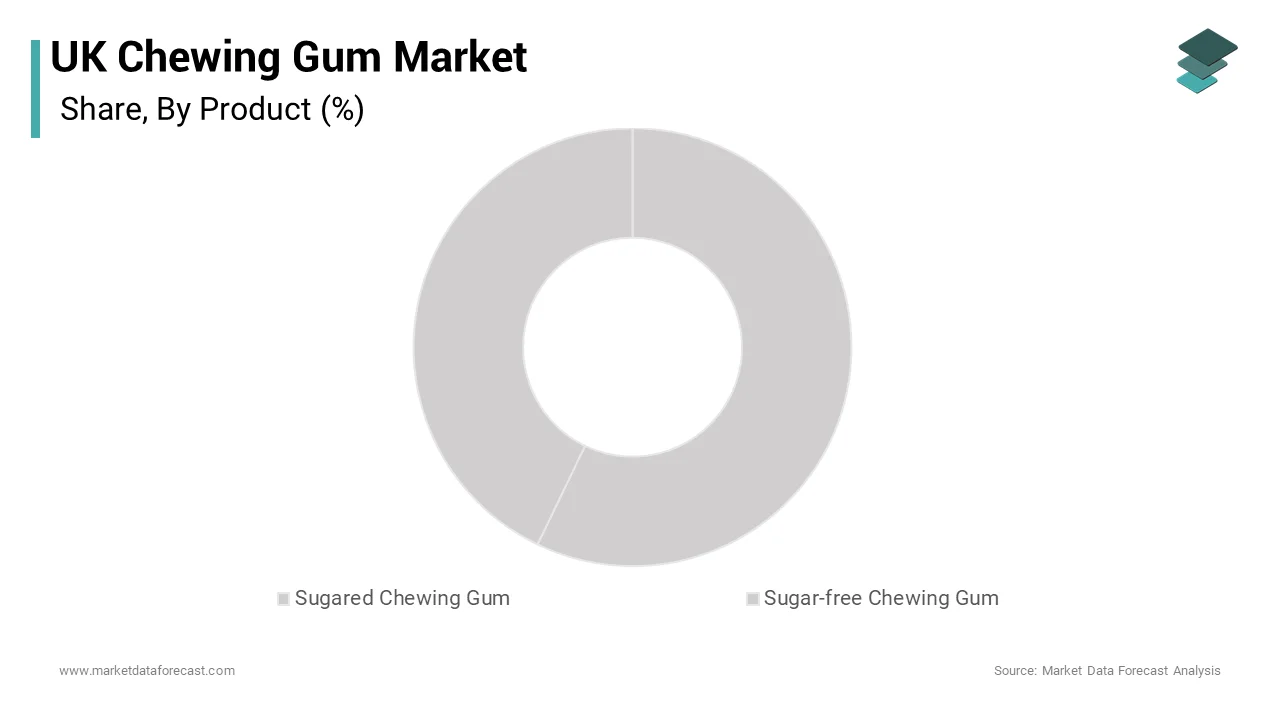
The sugar-free chewing gum segment commanded for the highest share of the UK market in 2025. The growth of the sugar free chewing gum segment in the UK market can be credited to the robust dental health advocacy and widespread consumer awareness regarding sugar consumption risks. The British Dental Association actively promotes sugar-free gum as a critical tool for oral hygiene, stating that chewing such products after meals can reduce tooth decay risk by up to 40% through enhanced saliva production, which neutralizes harmful acids. This professional endorsement has cemented sugar-free variants as the preferred choice for health-conscious individuals who prioritize preventive dental care. According to data from the Office for National Statistics, approximately 60% of adults in the UK actively monitor their sugar intake, reflecting a broader national shift toward healthier dietary habits. As per Public Health England reports, the National Health Service reinforces this trend by including sugar-free gum in public health campaigns aimed at reducing childhood obesity and dental issues, which affect a significant portion of young children. Manufacturers have responded by expanding portfolios with xylitol- and sorbitol-based formulations that offer sweetness without a caloric burden. Retailers allocate prime shelf space to these variants, recognizing their consistent sales performance and higher repeat purchase rates. The dominance is further solidified by regulatory pressures such as the Soft Drinks Industry Levy which, although not directly applicable to gum, has heightened overall scrutiny on sugary products, prompting consumers to seek safer alternatives. This confluence of medical recommendation, public policy, and personal health prioritization ensures sugar-free chewing gum remains the undisputed leader in the UK market.
On the other side, the functional and premium sugar-free chewing gum segment is expected to exhibit a promising CAGR of 6.4% during the forecast period owing to the escalating demand for multifunctional wellness benefits beyond basic breath freshening. Consumers increasingly seek products that address specific physiological needs such as stress reduction, cognitive enhancement, and digestive support, transforming gum from a casual treat into a targeted health supplement. According to Mintel research, 62% of UK consumers express interest in functional foods that provide added health benefits, creating a fertile environment for innovative gum formulations. Brands are introducing varieties infused with adaptogens like ashwagandha, nootropics such as L-theanine, and probiotics, which appeal to professionals and students seeking mental clarity and emotional balance. According to findings published by the University of Northumbria, chewing gum can improve alertness by 10% and help manage stress levels, validating the functional claims made by manufacturers. Furthermore, according to the British Geriatrics Society, the aging population presents a unique opportunity, as dry mouth affects approximately 20% of older adults, prompting demand for hydration-focused gums. As noted by Kantar Worldpanel, premium pricing strategies are viable in this segment, as consumers demonstrate a willingness to pay up to 20% more for products with verified health benefits. This rapid expansion is fueled by continuous product innovation, strategic partnerships with healthcare providers, and effective digital marketing that educates consumers on the science behind functional ingredients, positioning this segment as the primary engine of future market growth.
By Distribution Channel Insights
The supermarkets and hypermarkets segment dominated the market and held 56.5% of the UK market share in 2025 due to their unparalleled reach, extensive product assortments, and high footfall frequencies. Major retail chains such as Tesco, Sainsbury's, Asda, and Morrisons operate thousands of stores nationwide, ensuring that chewing gum remains accessible to the vast majority of households during routine grocery shopping trips. According to the British Retail Consortium, supermarkets handle over 76% of all food and grocery sales in the UK, providing manufacturers with a dominant platform for product visibility and volume movement. The strategic placement of gum near checkout counters capitalizes on impulse buying behaviors, which historically drive a significant portion of confectionery revenue despite the rise of self-service options. These retailers leverage sophisticated loyalty programs and promotional campaigns to stimulate demand, with data from NielsenIQ indicating that featured promotions in supermarket environments can increase sales volumes by up to 25% during peak periods. The ability of supermarkets to offer bulk packs, family sizes, and diverse flavor portfolios caters to varied consumer preferences and household needs, enhancing their appeal compared to smaller-format stores. Additionally, the integration of online grocery platforms operated by these same retailers allows for seamless omnichannel experiences where consumers can add gum to larger weekly orders. The economies of scale enjoyed by major supermarket chains enable competitive pricing strategies that attract price-sensitive shoppers while maintaining healthy margins for manufacturers. This combination of accessibility, promotional power, and comprehensive assortment solidifies the leading position of supermarkets and hypermarkets in the UK chewing gum distribution landscape.
On the other side, the online retail segment is estimated to record a CAGR of 8.4% during the forecast period owing to the shifting consumer shopping habits and the expansion of quick-commerce services. The convenience of home delivery and the ability to purchase niche or specialized products not available in local stores drive this accelerated growth trajectory. According to the Office for National Statistics, online sales accounted for a substantial portion of total retail trade in early 2024, reflecting a permanent structural shift in consumer behavior following the digital acceleration experienced during recent years. Quick-commerce platforms such as Deliveroo Hop and Getir have revolutionized immediate-consumption purchases by offering thirty-minute delivery windows for convenience items, including chewing gum, appealing to urban consumers seeking instant gratification without leaving home. Amazon and other e-commerce giants facilitate subscription models for regular gum buyers, ensuring consistent revenue streams and enhancing customer retention through automated replenishment services. Data from Kantar Worldpanel reveals that 40% of millennials prefer online channels for purchasing personal care and confectionery items, citing ease of comparison and access to detailed product information as key factors. Direct-to-consumer brands leverage social media integration to drive traffic to their online stores, bypassing traditional retail intermediaries and capturing higher margins. The ability to offer exclusive flavors, limited editions, and bundled wellness packages online creates differentiation opportunities that physical stores cannot easily replicate. As logistics networks improve and delivery costs decrease, online retail continues to capture market share from traditional channels, positioning it as the most dynamic growth vector in the UK chewing gum distribution ecosystem.
COUNTRY LEVEL ANALYSIS
The UK chewing gum market held the leading share of the European market in 2025 and is likely to expand steadily over the next few years, maintaining its status as a highly mature and adaptive market in Western Europe. The market benefits from a dense population of 67 million people concentrated in urban centers, where convenience and impulse purchases remain prevalent despite evolving retail dynamics. According to the Office for National Statistics, the UK confectionery sector generates over 5 billion pounds in annual revenue, with chewing gum representing a stable and resilient category within this broader framework. The nation serves as a testing ground for new product launches, particularly in the functional and eco-friendly segments, due to its environmentally conscious consumer base and stringent regulatory environment. Keep Britain Tidy reports that local councils spend approximately 50 million pounds annually on gum removal, highlighting the persistent challenge of littering which simultaneously drives demand for biodegradable alternatives. The UK government Resources and Waste Strategy aims to eliminate avoidable plastic waste by 2042, compelling manufacturers to reformulate products and adopt sustainable packaging solutions ahead of many European counterparts. According to data from the Health Survey for England, approximately 60% of adults actively manage their dietary health choices, influencing product development priorities across the industry towards sugar-free formulations. The presence of major global manufacturers alongside agile domestic brands fosters intense competition that benefits consumers through continuous innovation and competitive pricing. Retail infrastructure is highly developed, with extensive coverage of supermarkets, convenience stores, and digital platforms ensuring widespread product availability. This combination of regulatory leadership, consumer sophistication, and robust distribution networks positions the UK as a pivotal market that influences trends and standards across the broader European chewing gum industry.
COMPETITIVE LANDSCAPE
The UK chewing gum market features intense competition characterized by the presence of global giants and agile niche players vying for consumer attention in a mature yet evolving landscape. Established corporations leverage extensive distribution networks strong brand recognition and substantial marketing budgets to maintain dominance while smaller innovators disrupt the status quo with unique functional and sustainable offerings. Competitive dynamics are shaped by the urgent need to address environmental concerns prompting rapid adoption of biodegradable materials and eco friendly packaging across the industry. Health consciousness drives formulation innovations with companies racing to introduce sugar free variants enriched with vitamins adaptogens and probiotics that appeal to wellness focused shoppers. Price sensitivity remains a factor although premiumization trends allow differentiated products to command higher margins. Retail channel conflicts arise as online platforms gain share from traditional supermarkets forcing manufacturers to optimize omnichannel strategies. Brand loyalty is increasingly fragile as consumers experiment with new alternatives such as mints and strips that offer similar benefits without littering drawbacks. Regulatory pressures regarding waste management and ingredient transparency further intensify competitive pressures requiring continuous adaptation. Success depends on balancing innovation sustainability and cost efficiency while maintaining strong retailer relationships and engaging digitally savvy consumers through compelling narratives and authentic community involvement.
KEY MARKET PLAYERS
A few of the most dopminant market players that are in the UK chewing gum market are
- Perfetti Van Melle Group B.V.
- Mars
- Wrigley Company
- Incorporated
- Lotte Corporation
- Ferndale Confectionery Pty Ltd
- The Kraft Heinz Company
- Mondelez International Inc.
- Haribo GmbH & Co. KG
- The Hershey Trust Company
- Zed Candy B.V.
- Gumlink Confectionery Company A/S
Top Players In The Market
- The Wrigley Company maintains a formidable presence in the UK through its iconic brands such as Extra Orbit and Hubba Bubba which resonate deeply with local consumers. The company actively invests in sustainability initiatives by introducing biodegradable gum bases and plastic free packaging to align with national environmental goals. Recent product launches focus on functional benefits including stress relief and oral care enhancements that appeal to health conscious demographics. Wrigley leverages extensive distribution networks across supermarkets and convenience stores ensuring widespread availability. Their digital marketing campaigns engage younger audiences through social media platforms while emphasizing responsible disposal practices. The company collaborates with dental professionals to promote sugar free options reinforcing its commitment to public health. Continuous innovation in flavor profiles and texture improvements keeps the brand relevant in a competitive landscape. Wrigley also supports community cleanup programs demonstrating corporate responsibility and strengthening brand loyalty among environmentally aware shoppers in the UK.
- Perfetti Van Melle strengthens its position in the UK market through popular brands like Mentos and Chupa Chups which offer diverse chewing gum varieties. The company focuses on vibrant marketing strategies that highlight fun and freshness appealing to both children and adults. Recent efforts include expanding sugar free portfolios to meet growing demand for healthier confectionery options. Perfetti Van Melle invests in sustainable sourcing and eco friendly packaging solutions to reduce environmental impact. The company enhances retail visibility through strategic partnerships with major supermarket chains and convenience store operators. Innovation drives their approach with new flavors and formats designed to capture impulse purchases. Digital engagement initiatives connect with consumers through interactive content and influencer collaborations. Perfetti Van Melle also participates in industry wide sustainability forums sharing best practices for waste reduction. Their commitment to quality and consumer satisfaction ensures sustained relevance and growth in the dynamic UK chewing gum sector.
- Mondelez International contributes significantly to the UK chewing gum market with established brands such as Trident and Stride that emphasize oral health benefits. The company prioritizes research and development to create advanced formulations that support dental hygiene and fresh breath. Recent actions include launching premium functional gums infused with vitamins and natural extracts targeting wellness oriented consumers. Mondelez implements robust sustainability programs focusing on recyclable packaging and reduced carbon footprints across its supply chain. The company strengthens retail relationships through promotional campaigns and eye catching displays in high traffic areas. Digital transformation efforts enhance consumer engagement via personalized marketing and e commerce platforms. Mondelez collaborates with health organizations to educate the public on the benefits of sugar free gum. Their strategic investments in production efficiency ensure consistent product quality and availability. By balancing innovation with environmental responsibility Mondelez International maintains a strong competitive edge and fosters long term consumer trust in the UK market.
Top Strategies Used By Key Market Participants
Key players in the UK chewing gum market employ several strategic approaches to maintain competitiveness and drive growth. Product innovation remains central as companies develop functional gums with health benefits such as stress relief and teeth whitening to attract health conscious consumers. Sustainability initiatives are critical with manufacturers investing in biodegradable formulations and plastic free packaging to address environmental concerns and comply with regulatory standards. Digital marketing strategies leverage social media influencers and targeted advertising to engage younger demographics and build brand loyalty. Strategic partnerships with retailers ensure optimal shelf placement and visibility in both physical and online channels. Companies also focus on direct to consumer models offering subscription services and exclusive products to enhance customer retention. Pricing strategies balance affordability with premium positioning for specialized variants. Continuous investment in research and development enables rapid adaptation to changing consumer preferences and emerging trends. These combined strategies allow market participants to navigate challenges and capitalize on opportunities in the evolving UK landscape.
MARKET SEGMENTATION
This research report on the UK chewing gum market is segmented and sub-segmented into the following categories.
By Type
- Sugared Chewing Gum
- Sugar-free Chewing Gum
By Distribution Channel
- Supermarkets/Hypermarkets
- Convenience Stores
- Specialty Stores
- Online Retail