- Product Description Description
- Table of Contents TOC
- List of Table & Figure LOT
- Get Free Sample PDF Sample PDF
Market Size, 2025
$4.76 BnMarket Estimate, 2026
$4.98 BnMarket Forecast, 2034
$5.93 BnCAGR, 2026–2034
4.46%UK Compounding Pharmacies Market Size, Growth, Trends & Forecast (2026–2034)
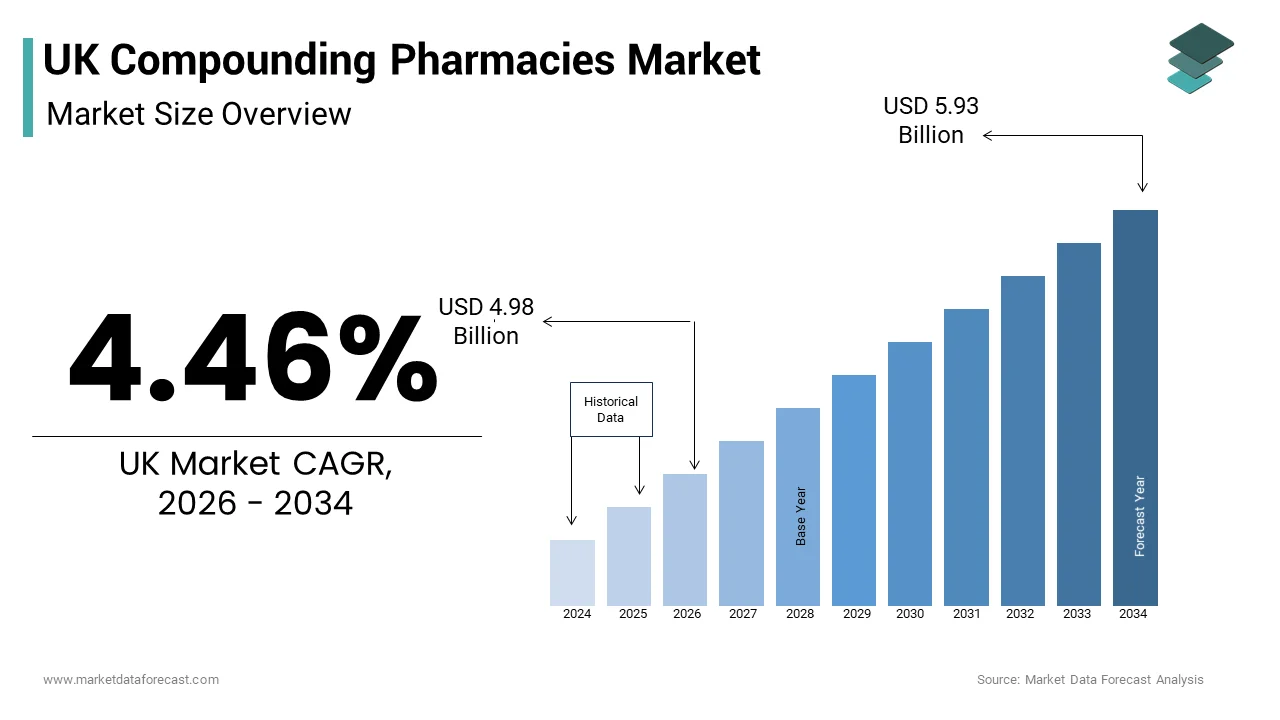
The UK compounding pharmacies market size was valued at USD 4.76 billion in 2025, reached USD 4.98 billion in 2026, and is projected to scale up to USD 5.93 billion by 2034, registering a compound annual growth rate (CAGR) of 4.46% during the forecast period from 2026 to 2034. Driven by the rising prevalence of chronic conditions, growing demand for personalized medicine, and specialized hormone replacement and veterinary treatments, the market continues to evolve across the United Kingdom.
Key Executive Metrics (At-a-Glance)
- 2025 Base Valuation: USD 4.76 Billion
- 2026 Current Valuation: USD 4.98 Billion
- 2034 Forecast Valuation: USD 5.93 Billion
- Compound Annual Growth Rate (CAGR): 4.46% (2026–2034)
- Dominant Application Segment: Hormone Replacement Therapy (HRT)
- Fastest-Growing Application Segment: Pain Management (7.2% CAGR)
- Dominant Service Segment: Pharmaceutical Dosage Alteration
- Fastest-Growing Service Segment: Filling Supply Shortages (8.2% CAGR)
- Dominant Route of Administration: Oral Administration
- Fastest-Growing Route of Administration: Topical Segment (7.2% CAGR)
- Dominant Usage Segment: Geriatrics Segment
- Fastest-Growing Usage Segment: Veterinary Usage Segment (7.1% CAGR)
Core Market Drivers
- Chronic Disease Management: Rising prevalence of multi-morbidity conditions requiring precise, customized dosages unavailable in mass-produced drugs.
- Personalized Healthcare: Surrounding consumer demand for allergen-free solutions and bio-identical hormone replacement therapies.
Primary Market Restraints & Challenges
- Regulatory & Compliance Burdens: Rigorous oversight by the MHRA and GPhC demanding extensive documentation and sterile environment protocols.
- Reimbursement Barriers: Lack of standard NHS funding for custom preparations, leading to higher out-of-pocket expenses for patients.
- Workforce & Supply Challenges: Shortages of skilled compounding pharmacists alongside raw material supply chain volatility.
UK Compounding Pharmacies Market Segmentation Highlights
| Segment Category | Leading / Dominant Sub-Segment | Fastest-Growing Sub-Segment |
|---|---|---|
| By Application | Hormone Replacement Therapy (HRT) | Pain Management (7.2% CAGR) |
| By Service | Pharmaceutical Dosage Alteration | Filling Supply Shortages (8.2% CAGR) |
| By Route of Administration | Oral Administration | Topical Segment (7.2% CAGR) |
| By Usage | Geriatrics Segment | Veterinary Usage Segment (7.1% CAGR) |
Major Industry Players Profiled
Key compounding institutions and market providers shaping the UK sector include Fresenius Kabi AG, B. Braun Medical Inc., Alliance Healthcare, Fagron, LLC, Charles Frost And Co, PharMEDium Services, WEDGEWOOD PHARMACY, Lee Silsby Compounding Pharmacy, INC., DOUGHERTY'S HOLDINGS, ACPHARM Queensland, and Village Compounding Pharmacy.
 Download Free Sample Report
UK Compounding Pharmacies Market Size
The UK compounding pharmacies market size was valued at USD 4.76 billion in 2025 and is anticipated to reach USD 4.98 billion in 2026 to reach USD 5.93 billion by 2034, growing at a CAGR of 4.46% during the forecast period from 2026 to 2034.
According to the General Pharmaceutical Council, there are approximately 14,000 registered pharmacies in the UK, providing a substantial foundation for accessible pharmaceutical services across the nation. According to the Office for National Statistics, the National Health Service faces increasing pressure to manage complex chronic conditions, with data indicating that approximately 15% of adults in England suffer from multiple long-term health conditions requiring intricate medication regimens. As per the Royal Pharmaceutical Society, compounding plays a vital role in supporting personalized medicine initiatives, which are gaining traction among clinicians seeking optimized therapeutic outcomes. The regulatory framework governed by the Medicines and Healthcare products Regulatory Agency ensures strict quality control standards while allowing flexibility for custom preparations. Patient awareness regarding tailored healthcare solutions is rising, driven by digital health platforms and advocacy groups promoting individualized treatment plans. The market operates at the intersection of clinical expertise, artisanal pharmaceutical practice, and regulatory compliance, serving as an essential component of holistic patient care in the UK.
MARKET DRIVERS
Rising Prevalence of Chronic Diseases and Need For Personalized Dosages
Health consciousness among UK consumers and the escalating burden of chronic diseases are propelling the growth of the UK compound pharmacies market, as patients require customized medication regimes that mass-produced drugs cannot adequately address. Conditions such as diabetes, hypertension, and cardiovascular disorders often necessitate precise dosage adjustments based on individual metabolic rates, age, and weight, which standard commercial tablets fail to provide. According to data from the British Heart Foundation, around 7.6 million people in the UK are living with heart and circulatory diseases, and this number continues to rise due to an aging population. According to the Office for National Statistics, reports show that the number of individuals aged 65 and older will increase significantly over the coming decades, creating a demographic cohort that frequently requires lower doses or liquid formulations due to swallowing difficulties. Compounding pharmacies excel in converting solid oral medications into transdermal gels, topical creams, or flavored liquids, enhancing adherence among pediatric and elderly patients. According to a study published in the British Journal of Clinical Pharmacology, customized formulations significantly reduce adverse drug reactions and improve medication adherence in complex patient groups compared to standard treatments. Healthcare providers increasingly recognize the value of tailored therapies in managing complex multimorbidity cases where drug interactions and side effects must be meticulously minimized. This clinical necessity drives consistent demand for compounding services, as practitioners seek flexible solutions to optimize therapeutic efficacy and patient quality of life in an era of precision medicine.
Increasing Demand for Allergen Free and Bio Identical Hormone Therapies
Growing consumer awareness regarding ingredient sensitivities and the desire for natural hormone replacement options significantly propel the UK compounding pharmacies market forward. Many patients suffer from allergies to common excipients such as lactose, gluten, dyes, or preservatives found in commercially manufactured medications, rendering them unusable without adverse reactions. As per data from Allergy UK, approximately 33% of the British population suffers from some form of allergic condition at some point in their lives, prompting a search for pure, customized alternatives free from problematic additives. Compounding pharmacists can formulate medications using hypoallergenic bases, ensuring safe administration for sensitive individuals. Additionally, the demand for bio-identical hormone replacement therapy has surged, particularly among women experiencing menopause who seek alternatives to synthetic hormones with potentially severe side effects. According to the British Menopause Society, guidelines acknowledge that while clinical preferences lean toward regulated, licensed bioidentical options, many patients seek tailored formulations from compounding pharmacies to achieve individualized symptom management. These preparations allow for precise adjustment of estrogen, progesterone, and testosterone levels based on individual hormonal profiles rather than fixed commercial doses. Social media and patient advocacy groups have amplified awareness of these options, leading to increased inquiries and prescriptions. The ability to create hormone pellets, creams, or troches tailored to specific physiological needs positions compounding pharmacies as essential partners in women’s health and wellness, driving sustained growth in this specialized segment.
MARKET RESTRAINTS
Stringent Regulatory Compliance and Quality Control Burdens
Compounding pharmacies in the UK operate under rigorous regulatory scrutiny imposed by the Medicines and Healthcare products Regulatory Agency and the General Pharmaceutical Council, which creates significant operational burdens and limits scalability. Unlike large-scale manufacturers, compounding facilities must adhere to strict human medicine regulations and quality standards tailored for bespoke preparation, requiring extensive documentation, sterile environment maintenance, and regular inspections. According to the Royal Pharmaceutical Society, compliance costs account for a substantial portion of operational expenses, forcing many independent pharmacies to limit their compounding activities or exit the market entirely. The complexity of validating each unique formulation for stability, potency, and sterility demands highly skilled personnel and advanced laboratory equipment, which smaller entities often struggle to afford. Recent updates to regulatory frameworks have introduced even tighter controls on sourcing raw materials and tracking batch records, increasing administrative overhead. According to safety statements from the General Pharmaceutical Council, pharmacies face strict oversight regarding the preparation of unlicensed medicines, with non-compliance leading to conditions placed on registration or enforcement actions. The lack of standardized processes for bespoke preparations means each recipe requires individual validation, consuming valuable time and resources. These regulatory hurdles restrict the volume of compounds that can be produced efficiently, creating bottlenecks during periods of high demand. Consequently, many healthcare providers face delays in accessing customized medications, limiting the overall reach and effectiveness of compounding services in the UK healthcare system.
Limited Reimbursement Policies and High Out Of Pocket Costs
Financial accessibility remains a critical restraint for the UK compounding pharmacies market, as most customized medications are not covered under standard National Health Service reimbursement schemes, forcing patients to bear high out-of-pocket expenses. The NHS primarily funds licensed, mass-produced medicines, leaving compounded preparations classified as unlicensed specials, which are typically prescribed only when no suitable licensed alternative exists. According to the British Medical Association, strict cost control frameworks for specials limit routine state funding, creating significant financial barriers for patients who rely on tailored medications for chronic conditions. Private insurance providers often exclude compounding services from coverage policies, citing a lack of standardized pricing and limited clinical trial data compared to commercial drugs. This financial disparity results in unequal access to personalized care, with only affluent patients able to afford consistent compounding services. According to a research brief from the King's Fund, rising financial pressures on households have broadly impacted healthcare spending and prescription choices among vulnerable populations, exacerbating health inequalities. Compounding pharmacies struggle to compete on price with generic manufacturers who benefit from economies of scale, further marginalizing their offerings. The absence of a clear reimbursement pathway discourages general practitioners from prescribing compounded medications routinely, limiting market expansion. Patients frequently face difficult choices between financial strain and optimal health outcomes, reducing the overall utilization of compounding services despite their clinical benefits.
MARKET OPPORTUNITIES
Integration of Digital Health Technologies and Telepharmacy Services
The integration of digital health technologies and telepharmacy platforms presents a promising opportunity for UK compounding pharmacies market to expand their reach and enhance patient engagement beyond traditional brick-and-mortar limitations. Remote consultation tools enable pharmacists to assess patient needs, adjust formulations, and provide ongoing monitoring without requiring physical visits, improving convenience for mobility-impaired or rural residents. According to Ofcom, over 94% of UK households have access to internet services, providing the infrastructure necessary for robust digital health interactions. Telepharmacy services allow compounding specialists to collaborate with physicians nationwide, facilitating faster prescription processing and reducing wait times for customized medications. Mobile applications can track patient adherence, send refill reminders, and collect real-time feedback on formulation efficacy, enabling data-driven adjustments to treatment plans. The Department of Health and Social Care promotes digital innovation in healthcare, aiming to integrate electronic prescription services more deeply into community pharmacy workflows. By leveraging artificial intelligence algorithms, compounding pharmacies can predict demand patterns, optimize inventory management, and personalize marketing efforts targeting specific patient demographics. Virtual reality training modules can enhance staff competency in sterile compounding techniques, ensuring consistent quality. These digital enhancements not only improve operational efficiency but also elevate the patient experience, fostering loyalty and trust. Embracing technology positions compounding pharmacies as modern, agile healthcare partners capable of delivering personalized care at scale in an increasingly digital UK landscape.
Expansion into Veterinary Compounding and Pet Wellness Sector
The burgeoning pet ownership trend in the UK, coupled with limited commercially available veterinary medications creates a lucrative opportunity for compounding pharmacies to specialize in animal healthcare solutions. According to a survey by the Pet Food Manufacturers Association, approximately 62% of households in the UK own a pet, translating to millions of dogs, cats, and exotic animals requiring customized medical care. Many pets struggle with pill ingestion due to taste aversion or size constraints, necessitating flavored liquids, transdermal gels, or chewable treats that compounding pharmacies can uniquely provide. Standard veterinary drugs often come in fixed dosages unsuitable for small breeds or exotic species, requiring precise micro-dosing that only compounding can achieve. The Royal College of Veterinary Surgeons emphasizes the importance of tailored treatments for improving animal welfare and treatment compliance among owners under the veterinary medicines cascade. Compounding pharmacies can formulate pain management solutions, anti-anxiety medications, and hormone therapies specifically designed for feline, canine, and avian physiology. The emotional bond between owners and pets drives a willingness to pay premium prices for effective, comfortable treatment options. Collaborations with veterinary clinics can establish referral networks, ensuring steady demand for specialized compounds. As pet humanization continues to rise, owners seek higher standards of care mirroring human healthcare trends. This niche segment offers high margins and less regulatory competition compared to human pharmaceuticals, positioning veterinary compounding as a strategic growth avenue for innovative pharmacies in the UK.
MARKET CHALLENGES
Shortage of Skilled Compounding Pharmacists and Technical Staff
The UK compounding pharmacies market faces a major challenge in recruiting and retaining skilled pharmacists and technical staff proficient in the intricate art of bespoke medication preparation. Compounding requires specialized knowledge of chemistry, formulation stability, and sterile techniques that go beyond standard pharmacy education, creating a narrow talent pool. According to a workforce survey by the Royal Pharmaceutical Society, recruitment difficulties remain widespread across community and independent pharmacy sectors, with high vacancy rates driven by competitive pressures from hospital and primary care networks. Training new compounding specialists is time-intensive and costly, requiring mentorship and hands-on experience that many small pharmacies cannot afford to provide. The departure of experienced compounders leads to a loss of institutional knowledge and potential inconsistencies in product quality, jeopardizing patient safety. According to workforce analysis from Health Education England, retention in specialized community pharmacy roles faces ongoing challenges due to evolving career preferences, exacerbating staffing gaps. Without adequate personnel, pharmacies must limit their service offerings or extend turnaround times, frustrating healthcare providers and patients. The physical demands of sterile compounding, combined with regulatory pressure, contribute to high stress levels, further driving attrition. Addressing this workforce crisis requires investment in comprehensive training programs, competitive compensation packages, and improved working conditions. Failure to resolve staffing shortages threatens the sustainability of compounding services and limits the capacity to meet growing demand for personalized medications across the UK healthcare system.
Supply Chain Volatility for Specialized Raw Materials
Compounding pharmacies in the UK encounter persistent challenges related to supply chain instability for specialized active pharmaceutical ingredients and excipients required for bespoke formulations. Unlike large manufacturers who secure long-term contracts, compounding facilities often purchase raw materials in smaller quantities, making them vulnerable to price fluctuations and availability disruptions. According to statements from the British Generic Manufacturers Association, the wider pharmaceutical market experiences regular medicine supply disruptions, affecting the consistency of ingredient sourcing. Geopolitical tensions and trade barriers further complicate imports from major sourcing regions in Asia and Europe, delaying deliveries and increasing costs. The lack of redundancy in supplier networks means that a single disruption can halt production of critical medications, affecting patient care. According to data from the Department of Health and Social Care, the number of active serious shortage protocols has highlighted ongoing volatility in medicine supplies across the country. Compounding pharmacies must maintain larger safety stocks, tying up capital and storage space while risking the expiration of unused materials. Quality verification of incoming raw materials adds another layer of complexity, requiring rigorous testing protocols that strain limited resources. These supply chain vulnerabilities undermine operational reliability and erode trust among prescribing physicians who depend on consistent availability. Mitigating these risks requires diversifying suppliers and strengthening local sourcing initiatives, but these strategies involve significant upfront investment and logistical coordination.
REPORT COVERAGE
| REPORT METRIC | DETAILS |
| Market Size Available | 2025 to 2034 |
| Base Year | 2025 |
| Forecast Period | 2026 to 2034 |
| CAGR | 4.43% |
| Segments Covered | By Application, Service, Route of Administration, Usage, Country |
| Various Analyses Covered | Global, Regional, and Country Level Analysis, Segment-Level Analysis; DROC, PESTLE Analysis; Porter’s Five Forces Analysis; Competitive Landscape; Analyst Overview of Investment Opportunities. |
| Regions Covered | London, South East, North West, East of England, South West, Scotland, West Midlands, Yorkshire and The Humber, East Midlands, Others |
| Market Leaders Profiled | Fresenius Kabi AG, B. Braun Medical Inc., Alliance Healthcare, Fagron, LLC, Charles Frost And Co, PharMEDium Services, WEDGEWOOD PHARMACY, Lee Silsby Compounding Pharmacy, INC., DOUGHERTY'S HOLDINGS, ACPHARM Queensland, Village Compounding Pharmacy |
SEGMENTAL ANALYSIS
By Application Insights
The HRT segment dominated the market by holding the largest share of the UK compounding pharmacies market in 2025. The dominance of HRT segment in the UK market is attributed to the widespread adoption of bio-identical hormones for managing menopausal symptoms and age-related hormonal decline. Women increasingly seek personalized alternatives to synthetic commercial hormones due to concerns over side effects and a desire for natural physiological alignment. According to the British Menopause Society, there are an estimated 13 million peri- or post-menopausal women in the UK, creating a vast patient base requiring tailored hormonal support. Compounding pharmacies offer customized combinations of estradiol, progesterone, and testosterone in precise dosages that mass-produced drugs cannot provide, allowing clinicians to fine-tune treatment based on individual blood test results. The Royal College of Obstetricians and Gynaecologists acknowledges that while licensed products remain first line, many patients experience better tolerability with compounded bio-identical formulations. This clinical flexibility drives strong referral patterns from private gynecologists and integrative medicine practitioners who prioritize patient-specific outcomes. Furthermore, the destigmatization of menopause in public discourse has empowered women to advocate for their health needs, seeking solutions that address mood swings, sleep disturbances, and bone density loss effectively. The ability to create transdermal creams, troches, and pellets ensures diverse delivery options catering to patient preference and absorption rates. This combination of demographic necessity, clinical efficacy, and patient advocacy solidifies hormone replacement therapy as the dominant application within the UK compounding sector.
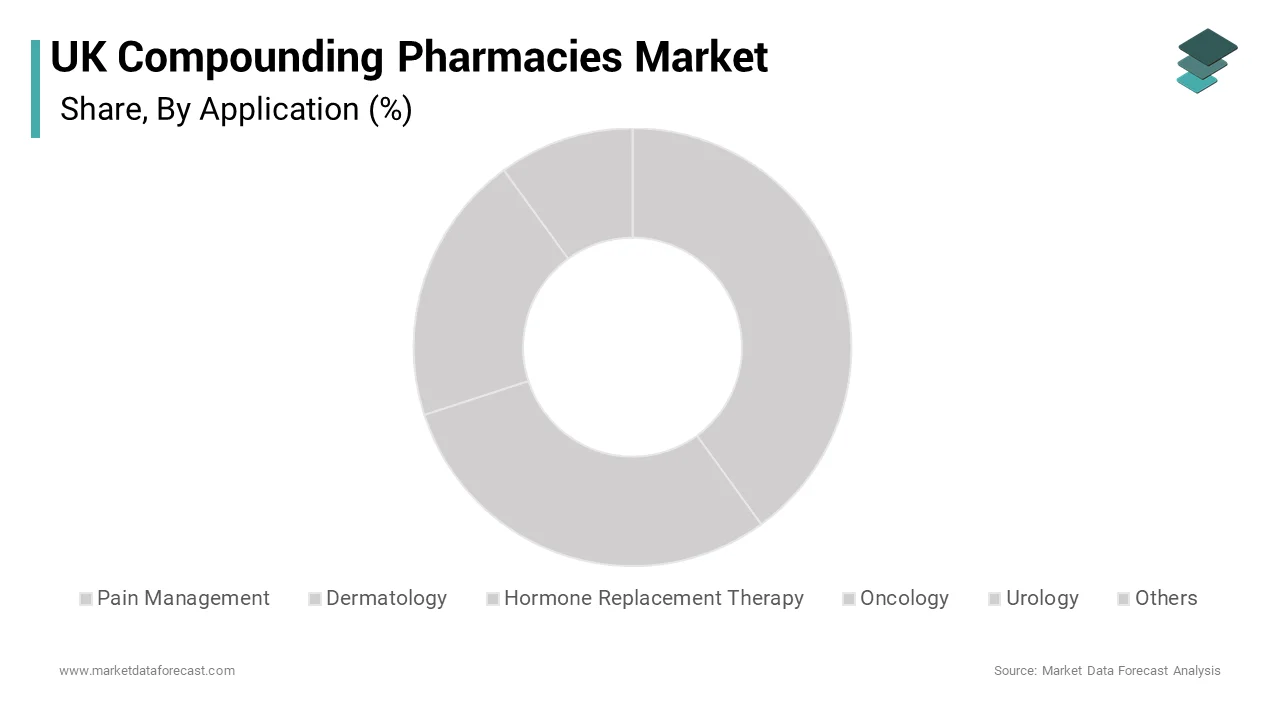
However, the pain management segment is a promising segment and is estimated to exhibit a promising CAGR of 7.2% during the forecast period owing to the urgent need for non-opioid analgesic alternatives and personalized pain relief solutions. According to a comprehensive review published in the British Medical Journal, the UK faces a significant burden of chronic pain, with data indicating that between 33% and 50% of the UK adult population lives with some form of chronic pain condition, such as arthritis, neuropathy, and fibromyalgia. Traditional oral opioids carry risks of addiction and systemic side effects, prompting healthcare providers to explore topical compounded formulations that deliver targeted relief without systemic exposure. Compounding pharmacies create custom blends of anti-inflammatory agents, muscle relaxants, and nerve pain modulators in gel or cream formats that penetrate directly to affected areas. The National Institute for Health and Care Excellence recommends multimodal pain management strategies, which often include compounded topical preparations as adjunctive therapies. Patients appreciate the ability to avoid gastrointestinal distress associated with oral medications while achieving localized efficacy. Additionally, the aging population contributes to rising demand, as older adults frequently manage multiple comorbidities requiring careful medication balancing. Compounded pain formulations allow for dose titration and the combination of ingredients that are not available in commercial products. This clinical versatility, combined with opioid crisis awareness, drives rapid adoption of compounded pain solutions, positioning this segment as the primary growth engine in the UK market.
By Service Insights
The pharmaceutical dosage alteration segment captured the major share of the UK market in 2025, as it addresses the critical need for precise medication strengths that commercial manufacturers do not produce. Many patients, particularly children and the elderly, require doses that fall between standard tablet increments, necessitating custom preparation to ensure therapeutic efficacy and safety. According to a clinical safety review published by the Royal College of Paediatrics and Child Health, dosage adjustments and liquid formulations are frequently required in pediatric medicine because standard commercial products fail to cater to child-specific weight parameters. Compounding pharmacists mitigate this risk by preparing exact micro-doses or liquid suspensions from bulk powders, allowing for accurate administration based on body weight or metabolic capacity. The General Pharmaceutical Council emphasizes the role of compounding in supporting vulnerable populations who cannot swallow whole tablets or require gradual dose tapering during withdrawal protocols. This service is indispensable for managing complex chronic conditions where slight adjustments in medication levels can significantly impact patient outcomes. Healthcare providers rely on compounding pharmacies to bridge the gap between rigid commercial offerings and flexible clinical needs. The ability to create stable and palatable liquid formulations enhances adherence among patients who struggle with solid oral dosage forms. This essential clinical utility ensures that dosage alteration remains the most frequently requested and relied upon service within the UK compounding landscape.
On the other end, the filling supply shortages segment is predicted to record a CAGR of 8.2% during the forecast period owing to the persistent disruptions in the global pharmaceutical supply chain and an increased frequency of drug stockouts. The UK has experienced recurrent shortages of essential medications, including antibiotics, antihypertensives, and hormone therapies, forcing healthcare systems to seek alternative sourcing solutions. According to a report by the Nuffield Trust, the number of serious shortage protocols issued by the government has escalated significantly, highlighting a systemic vulnerability in commercial drug availability across the National Health Service. When commercial manufacturers fail to meet demand due to raw material scarcity or production delays, compounding facilities step in to prepare small batches of critical medications as unlicensed specials, ensuring continuity of care for patients. This reactive service has gained strategic importance as hospitals and general practitioners prioritize patient safety over regulatory preferences for licensed products. The Medicines and Healthcare products Regulatory Agency has streamlined approval processes for urgent compounding needs during shortage crises, facilitating faster access to vital treatments. Pharmacies invest in robust supplier networks and inventory monitoring systems to anticipate shortages and prepare proactively. This agility makes compounding pharmacies indispensable partners in national health security, driving rapid expansion of this service category as supply chain volatility becomes a permanent feature of the pharmaceutical landscape.
By Route Of Administration Insights
The oral administration segment led the market and is anticipated to remain the dominant route in the UK compounding pharmacies market during the forecast period due to its familiarity, ease of use, and broad applicability across various patient demographics and medical conditions. Patients generally prefer swallowing capsules, tablets, or liquids over invasive methods, making oral formulations the first choice for most prescribers and caregivers. According to guidelines from the National Institute for Health and Care Excellence, oral delivery forms the foundation of regular drug administration routines in primary care, confirming deep-seated consumer preference and clinical convenience. Compounding pharmacies excel in creating flavored liquid suspensions, chewable tablets, and capsule formulations that mask unpleasant tastes and improve compliance, particularly among pediatric and geriatric populations. The ability to customize flavor profiles using natural sweeteners and fruit extracts transforms medication taking from a chore into a manageable routine. Oral compounding also allows for the combination of multiple active ingredients into a single dose, reducing pill burden for patients with polypharmacy challenges. This simplification enhances adherence and reduces the risk of missed doses, which is critical for managing chronic diseases. The established infrastructure for oral preparation in most compounding labs ensures high quality and consistency. Furthermore, oral medications are generally less expensive to produce than sterile injectables, making them accessible to a wider patient base. These factors collectively sustain the leadership of oral administration in the UK compounding sector.
On the other hand, the topical segment is estimated to record a CAGR of 7.2% during the forecast period in the UK market owing to the rising demand for localized pain relief, dermatological treatments, and hormone therapies that bypass systemic circulation. Patients and clinicians increasingly favor topical gels, creams, and ointments because they deliver high concentrations of medication directly to the site of action while minimizing systemic side effects. According to clinical reports from the British Association of Dermatologists, a substantial proportion of primary care consultations involve skin conditions, creating consistent demand for customized topical formulations free from common allergens and irritants. Compounding pharmacies can tailor the vehicle base to optimize skin penetration and hydration, addressing specific dermatological needs that commercial products overlook. In pain management, topical compounds containing diclofenac, gabapentin, or ketamine provide effective relief for neuropathic and musculoskeletal pain without the gastrointestinal risks associated with oral NSAIDs. The aging population benefits significantly from topical hormone replacements, which offer steady absorption and reduced liver metabolism compared to oral pills. Advances in transdermal technology have improved the stability and efficacy of topical compounds, encouraging broader clinical adoption. Prescribers appreciate the flexibility to adjust the strength and combination of ingredients based on patient response. This clinical versatility and patient preference for non-invasive delivery methods fuel the rapid expansion of topical administration in the UK compounding market.
By Usage Insights
The geriatrics segment accounted for the highest share of the UK market in 2025, as the aging population requires specialized medication formats to address age-related physiological changes and multimorbidity challenges. Older adults frequently experience dysphagia, or difficulty swallowing, making standard tablets and capsules unsafe or impractical for daily use. According to the Office for National Statistics, the number of people aged 65 and over in the UK is growing steadily, accounting for nearly 19% of the total population and representing a significant portion of the healthcare consumer base. Compounding pharmacies provide essential services by converting solid medications into easy-to-swallow liquids, transdermal patches, or suppositories, ensuring that elderly patients receive necessary treatments without aspiration risks. Polypharmacy is prevalent in this demographic, with many seniors taking multiple medications daily, increasing the risk of drug interactions and non-adherence. Compounding allows for the consolidation of multiple drugs into single customized doses, simplifying regimens and improving compliance. According to health policy reviews from the Royal Pharmaceutical Society, structured medication reviews and personalized formulation adjustments reduce hospital admissions related to medication errors in elderly patients. Furthermore, age-related changes in metabolism and kidney function often require lower or adjusted dosages that commercial fixed-dose products cannot provide. Compounding pharmacists work closely with geriatricians to tailor therapies that align with individual health statuses. This critical support for an expanding vulnerable population secures the dominant position of the geriatric segment in the UK compounding landscape.
However, the veterinary usage segment is estimated to grow at a CAGR of 7.1% during the forecast period owing to the humanization of pets and the lack of commercially available medications for small and exotic animals. Pet owners increasingly view their animals as family members and are willing to invest in high-quality, customized healthcare solutions that improve comfort and longevity. According to a market data release by the Pet Food Manufacturers Association, over half of UK households own an animal, creating a massive market for veterinary services, including specialized pharmaceutical care. Many commercial drugs are formulated for large dogs or cats, leaving small breeds, birds, reptiles, and rodents with limited treatment options due to dosage size constraints. Compounding pharmacies fill this gap by preparing tiny, precise doses in palatable flavors, such as chicken, fish, or tuna, which encourage acceptance by reluctant animals. According to statutory regulations, the Royal College of Veterinary Surgeons supports the use of compounded medications when no licensed alternative exists under the cascade framework, emphasizing the ethical obligation to relieve animal suffering. Conditions such as anxiety, arthritis, and thyroid disorders in pets require long-term management where customized formulations enhance quality of life. The emotional bond between owners and pets drives demand for effective and stress-free administration methods. As veterinary medicine advances and pet ownership rises, the need for specialized compounding services continues to accelerate, making this segment the most dynamic growth area in the UK market.
COUNTRY LEVEL ANALYSIS
The UK compounding pharmacies market is projected to expand steadily over the next few years, establishing its position as an increasingly vital component of personalized medical care in Western Europe. The country serves as a hub for innovation in bespoke medication preparation, driven by high clinical standards and an aging population with complex health needs. According to registration data from the General Pharmaceutical Council, thousands of community and hospital pharmacies operate across England, Scotland, Wales, and Northern Ireland, with an advanced subset specializing in the secure preparation of unlicensed specials to meet local healthcare demands. The market benefits from a highly educated workforce and advanced laboratory infrastructure that supports safe and effective preparation of bespoke treatments. The Medicines and Healthcare products Regulatory Agency provides clear guidelines for compounding practices, ensuring patient safety while allowing flexibility for customization. Public awareness regarding personalized medicine is growing, with patients increasingly seeking alternatives to mass-produced drugs that cause side effects or fail to address individual physiological differences. The prevalence of chronic diseases, such as diabetes and cardiovascular conditions, creates sustained demand for tailored dosage forms. Additionally, the UK leads in digital health integration, enabling compounding pharmacies to offer telepharmacy services and remote consultations that extend the geographic reach of individualized healthcare solutions.
KEY MARKET PLAYERS
A powerful dominating market players that are in the UK compounding pharmacies market are
- Fresenius Kabi AG
- B. Braun Medical Inc.
- Alliance Healthcare
- Fagron, LLC
- Charles Frost And Co
- PharMEDium Services
- WEDGEWOOD PHARMACY
- Lee Silsby Compounding Pharmacy, INC.
- DOUGHERTY'S HOLDINGS
- ACPHARM Queensland
- Village Compounding Pharmacy
Top Players In The Market
- Fagron Sterile Services maintains a robust presence in the UK by specializing in high quality sterile and non sterile compounding solutions for hospitals and community pharmacies. The company leverages its global expertise to provide ready to use customized medications that meet strict regulatory standards set by the Medicines and Healthcare products Regulatory Agency. Recent actions include expanding its manufacturing facility in the UK to increase capacity for oncology and pediatric formulations. Fagron invests heavily in advanced technology such as automated compounding systems to ensure precision and reduce human error. The company collaborates closely with healthcare providers to develop tailored drug delivery systems that improve patient outcomes. By focusing on sustainability and waste reduction initiatives Fagron strengthens its reputation as a responsible industry leader. Their commitment to rapid turnaround times and reliable supply chains ensures that critical medications reach patients without delay. This strategic focus on innovation and operational excellence solidifies their position as a key contributor to the UK healthcare ecosystem.
- Alliance Healthcare plays a pivotal role in the UK compounding market by distributing specialized pharmaceutical products and supporting independent pharmacies with compounding capabilities. As part of the Walgreens Boots Alliance group the company utilizes its extensive logistics network to ensure timely delivery of raw materials and finished compounded preparations across the nation. Recent efforts involve launching digital platforms that streamline ordering processes for bespoke medications enabling pharmacists to manage inventory more efficiently. Alliance Healthcare provides training programs for pharmacy staff on best practices in compounding techniques and regulatory compliance. The company actively partners with manufacturers to secure consistent supplies of active pharmaceutical ingredients essential for custom formulations. By offering value added services such as medication therapy management support Alliance Healthcare enhances the clinical capabilities of its partner pharmacies. Their focus on integrating technology with traditional distribution models helps modernize the compounding sector. This comprehensive approach ensures that healthcare professionals have access to necessary resources to deliver personalized care effectively.
- Charles Frost And Co is a well established name in the UK compounding landscape known for providing high purity raw materials and excipients to compounding pharmacies. The company supports the industry by sourcing premium grade ingredients that meet rigorous quality standards required for bespoke medication preparation. Recent actions include expanding their product portfolio to include bio identical hormone bases and allergen free additives catering to growing demand for specialized formulations. Charles Frost And Co offers technical consultation services to help pharmacists optimize their compounding processes and ensure stability of final products. The company invests in sustainable sourcing practices to minimize environmental impact while maintaining cost efficiency for its clients. By fostering strong relationships with suppliers and customers Charles Frost And Co ensures reliability in the supply chain. Their dedication to quality assurance and customer service makes them a trusted partner for compounding pharmacies seeking dependable ingredient sources. This strategic focus on quality and support strengthens the overall infrastructure of the UK compounding market.
Top Strategies Used By Key Market Participants
Key players in the UK compounding pharmacies market employ several strategic approaches to maintain competitiveness and drive growth. Product innovation remains central as companies develop specialized formulations for niche therapeutic areas such as oncology and pediatrics to address unmet clinical needs. Regulatory compliance is prioritized with significant investments in quality control systems and staff training to meet stringent standards set by health authorities. Strategic partnerships with hospitals and clinics enable direct integration into healthcare workflows ensuring steady demand for customized medications. Digital transformation initiatives include implementing telepharmacy services and online ordering platforms to enhance accessibility and convenience for patients and prescribers. Supply chain resilience is strengthened through diversification of ingredient sources and adoption of advanced inventory management technologies. Companies also focus on sustainability by adopting eco friendly packaging and reducing waste in production processes. Educational outreach programs help raise awareness among healthcare professionals about the benefits of compounding. These combined strategies allow market participants to navigate challenges and capitalize on opportunities in the evolving UK landscape.
COMPETITIVE LANDSCAPE
The UK compounding pharmacies market features a fragmented competitive landscape characterized by a mix of large specialized manufacturers and independent community pharmacies offering bespoke services. Established players leverage economies of scale advanced technology and robust distribution networks to dominate the supply of sterile and complex formulations while smaller entities focus on personalized patient care and local community engagement. Competitive dynamics are shaped by stringent regulatory requirements from the Medicines and Healthcare products Regulatory Agency which create high barriers to entry but ensure high quality standards across the sector. Innovation drives differentiation as companies invest in developing unique delivery systems and allergen free options to meet specific patient needs. Price competition is moderate since customized medications often command premium pricing due to their specialized nature and labor intensive preparation processes. Collaboration with healthcare providers is crucial for securing referrals and building long term relationships that sustain business volume. The rise of digital health platforms introduces new competitive pressures as virtual pharmacies expand their reach beyond geographical limitations. Supply chain reliability becomes a key differentiator during periods of global shortage allowing resilient operators to gain trust and market preference. Overall success depends on balancing regulatory compliance operational efficiency and clinical expertise to deliver safe effective personalized medications.
MARKET SEGMENTATION
This research report on the UK compounding pharmacies market is segmented and sub-segmented into the following categories.
By Application
- Pain Management
- Dermatology
- Hormone Replacement Therapy
- Oncology
- Urology
- Others
By Service
- Ingredient Alteration
- Application or Delivery Alteration
- Pharmaceutical Dosage Alteration
- Filling Supply Shortages
- Animal Specialized Manufacturing
By Route of Administration
- Oral
- Topical
- Parenteral
- Rectal
- Others
By Usage
- Pediatrics
- Geriatrics
- Adults
- Veterinary