- Product Description Description
- Table of Contents TOC
- List of Table & Figure LOT
- Get Free Sample PDF Sample PDF
Market Size, 2025
$2.32 BnMarket Estimate, 2026
$2.57 BnMarket Forecast, 2034
$5.83 BnCAGR, 2026–2034
10.79%UK Condom Market Report Summary
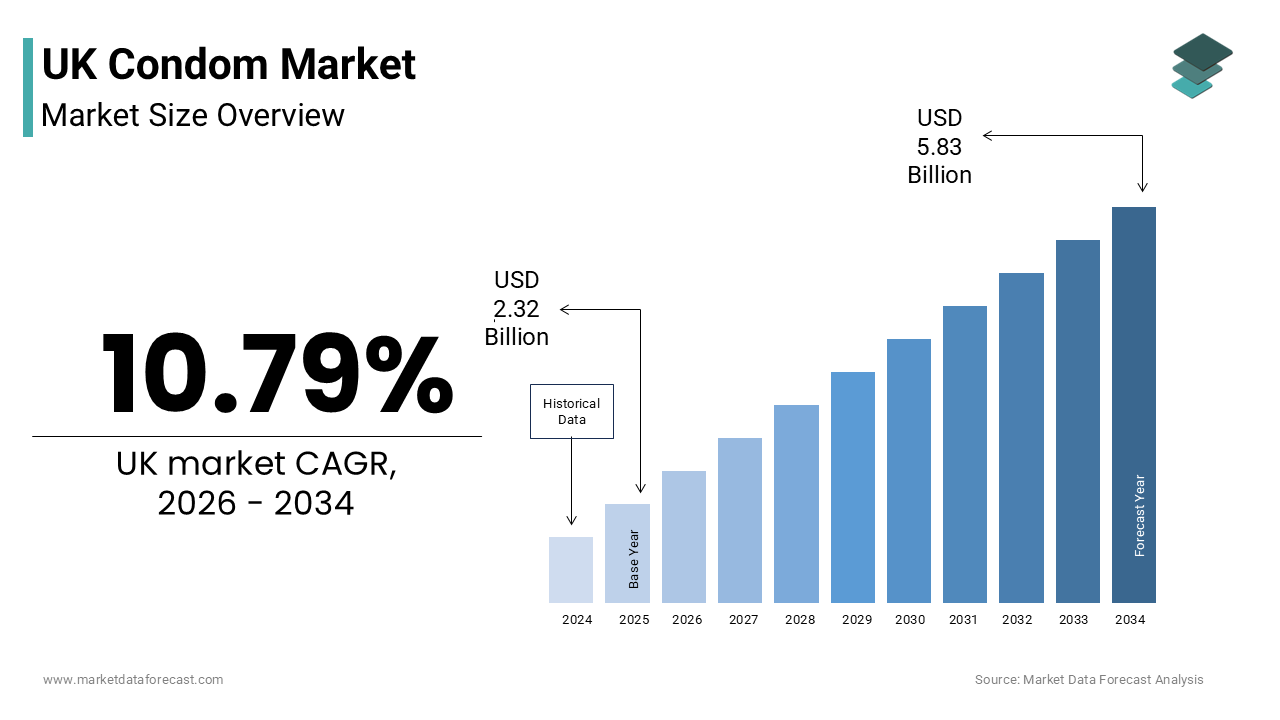
The UK condom market was valued at USD 2.32 billion in 2025 and is anticipated to reach USD 2.57 billion in 2026 from USD 5.83 billion by 2034, growing at a CAGR of 10.79% during the forecast period from 2026 to 2034. The growth of the UK condom market is driven by the rising prevalence of sexually transmitted infections, increasing awareness regarding sexual health and safe sex practices, and expanding government-supported distribution programs. Growing acceptance of sexual wellness products, increasing accessibility through retail and online channels, and continuous innovation in product design are further accelerating market growth. Moreover, the introduction of premium and sensitivity-enhanced products, expansion of digital health platforms, and increasing demand for personalized sexual wellness solutions are supporting the expansion of the UK condom market.
Key Market Trends
-
Rising awareness regarding sexually transmitted infection prevention and sexual wellness.
-
Increasing demand for premium, ultra-thin, and sensitivity-enhanced condom products.
-
Growing popularity of non-latex and allergy-friendly alternatives.
-
Expansion of online retail channels and subscription-based delivery services.
-
Increasing focus on sustainable packaging and environmentally responsible product development.
Segmental Insights
- Based on material type, the latex condoms segment dominated the UK condom market and held the largest share in 2025. The dominance of the segment is attributed to its proven effectiveness, affordability, widespread availability, and extensive distribution through National Health Service programs and retail channels. Strong consumer trust, high elasticity, and long-established clinical evidence supporting latex products continue to drive segment growth.
- The non-latex condoms segment is projected to witness the fastest CAGR during the forecast period owing to increasing awareness regarding latex allergies, growing demand for premium sexual wellness products, rising preference for enhanced comfort and sensitivity, and expanding availability of polyisoprene and polyurethane alternatives.
- Based on distribution channel, the drug stores and pharmacies segment accounted for the leading share of the UK condom market in 2025. The growth of the segment is driven by strong consumer
Regional Insights
The United Kingdom held a major share of the European condom market in 2025 and continues to maintain its position as one of the most mature and well-regulated sexual wellness markets in the region. The market benefits from strong support from the National Health Service, extensive public health awareness campaigns, widespread free distribution programs, and a large population within the sexually active age group. Rising awareness regarding sexually transmitted infections, increasing acceptance of sexual wellness products, and growing adoption of premium and eco-friendly alternatives continue to support market expansion. Furthermore, the presence of well-established distribution networks, robust regulatory standards, and increasing digitalization of sexual health services are strengthening the UK’s position within the European condom market
Competitive Landscape
The UK condom market is highly competitive and characterized by the presence of multinational sexual wellness brands, regional manufacturers, and emerging niche players competing through product innovation, premiumization strategies, sustainability initiatives, and digital marketing campaigns. Leading companies are focusing on developing ultra-thin, textured, non-latex, and eco-friendly products to meet evolving consumer preferences. Strategic partnerships with retailers, expansion of online subscription services, investments in sustainable packaging technologies, and collaborations with sexual health organizations are further strengthening market positioning across the UK condom industry. The market is also witnessing increasing competition from premium wellness-focused brands that position condoms as lifestyle products rather than purely contraceptive solutions. The key players operating in the UK condom market include Reckitt Benckiser Group PLC (Durex), LifeStyles Healthcare Pte Ltd (SKYN and LifeStyles), Karex Berhad, Church & Dwight Co., Inc. (Trojan), Roam, SexBrand, Pasante Healthcare Ltd., EXS Condoms, RFSU AB, Mates Condoms, GLYDE Health Pty Ltd., Fuji Latex Co., Ltd., Okamoto Industries, Inc., Veru Inc. (FC2 Female Condom), and Condom UK Ltd. (Hanx).
 Download Free Sample Report
UK Condom Market Size
The UK condom market size was valued at USD 2.32 billion in 2025 and is anticipated to reach USD 2.57 billion in 2026 from USD 5.83 billion by 2034, growing at a CAGR of 10.79% during the forecast period from 2026 to 2034.
According to the Office for National Statistics, the population of individuals aged 16 to 49 in the UK stands at approximately 28 million, which is providing a substantial demographic base for sexual health products. According to the UK Health Security Agency, there were 401,800 sexually transmitted infections reported in England in 2023, underscoring the persistent public health necessity for effective barrier protection. The National Health Service distributes millions of condoms annually through sexual health clinics and general practitioner surgeries, ensuring accessibility for lower-income groups. Cultural attitudes toward sexual wellness have evolved, with younger generations demonstrating greater openness to discussing contraception and safety measures. Retail availability has expanded beyond traditional pharmacies to include supermarkets, convenience stores, and digital platforms, reflecting the normalization of purchase behaviors. Regulatory standards enforced by the Medicines and Healthcare products Regulatory Agency ensure that all marketed products meet rigorous safety and efficacy benchmarks. The market operates at the intersection of public health policy, commercial retail dynamics, and evolving social norms, driving continuous innovation in product design and distribution channels across the nation.
MARKET DRIVERS
Rising Incidence of Sexually Transmitted Infections Drives Preventive Demand
The escalating prevalence of sexually transmitted infections in the UK is one of the major factors propelling the UK condom market expansion, as public health authorities intensify awareness campaigns promoting barrier protection. According to the UK Health Security Agency, there were 401,800 sexually transmitted infections reported in England in 2023, representing a significant increase from previous years. This alarming trend has prompted the National Health Service to prioritize condom distribution as a first line of defense against transmission, particularly among young adults aged 15 to 24, who account for nearly half of all new diagnoses. Sexual health clinics across the nation have expanded their outreach programs, offering free condoms and educational resources to high-risk populations. The British Association for Sexual Health and HIV emphasizes that consistent condom use reduces the risk of HIV transmission by up to 99% when used correctly, reinforcing its status as the most effective dual protection method. Social media campaigns targeting university students and young professionals have normalized conversations around sexual safety, reducing stigma associated with purchasing and using condoms. Local councils have increased funding for community-based distribution initiatives, placing dispensers in bars, clubs, and educational institutions to ensure immediate access. This public health imperative creates sustained demand, as individuals recognize the critical role of condoms in safeguarding personal and partner health amidst rising infection rates.
Government Initiatives and Free Distribution Programs Enhance Accessibility
Robust government-funded initiatives and widespread free distribution programs are further boosting the UK market expansion, by removing financial barriers and ensuring universal access to sexual health resources. The National Health Service provides millions of condoms annually through sexual health clinics, general practitioner surgeries, and community pharmacies, as part of its commitment to reducing unintended pregnancies and sexually transmitted infections. According to the Department of Health and Social Care, public spending on contraceptive services exceeds 200 million pounds per year, with a substantial portion allocated to barrier method procurement and distribution. The C-Card scheme, which allows young people under 25 to obtain free condoms from registered outlets without prescription, has been instrumental in increasing uptake among adolescents and young adults. According to Public Health England, areas with active C-Card schemes report higher rates of consistent condom use compared to regions with limited access. Local authorities collaborate with retailers and hospitality venues to install discreet dispensers in high-traffic areas, such as universities, nightlife districts, and transport hubs. These strategic placements ensure that condoms are available at the point of need, reducing impulse barriers and encouraging responsible behavior. Educational programs in schools and colleges further reinforce the importance of barrier protection, creating a culture of proactive sexual health management. This comprehensive support system ensures that cost does not prohibit access, thereby sustaining high-volume demand across diverse socioeconomic groups.
MARKET RESTRAINTS
Competition from Long Acting Reversible Contraceptives Limits Growth
The increasing adoption of long-acting reversible contraceptives such as intrauterine devices, implants, and injections is a significant restraint to the UK condom market, as these methods offer superior convenience and efficacy for pregnancy prevention. According to the UK Parliament, long-acting reversible contraceptives are highly cost-effective and their typical use failure rates are less than 1% per year, which makes them highly competitive alternatives. These methods eliminate the need for user intervention during sexual activity, which is addressing common complaints related to interruption and reduced sensation associated with condom use. According to the National Institute for Health and Care Excellence, typical use failure rates for condoms sit at around 13%, which drives general practitioners to actively counsel patients on more reliable alternatives during family planning consultations. This behavioral shift reduces the frequency of condom purchases among stable couples, who constitute a significant portion of the consumer base. The convenience factor of long-acting methods, combined with professional medical endorsement, creates a strong competitive alternative that limits the expansion of the condom market for purely contraceptive purposes.
Persistent Social Stigma and Psychological Barriers Affect Usage Rates
Deep-seated social stigma and psychological discomfort surrounding condom negotiation and usage continue to restrain market growth in the UK, despite extensive public health education efforts. Many individuals, particularly in casual dating scenarios, experience anxiety about initiating conversations regarding protection, fearing rejection or judgment from partners. According to the British Journal of Psychology, approximately 30% of young adults admit to engaging in unprotected sex due to embarrassment or inability to discuss condom use effectively. This hesitation is exacerbated by cultural narratives that associate condom use with lack of trust or intimacy, leading some individuals to prioritize emotional connection over physical safety. According to Alcohol Change UK, 40% of unplanned sexual encounters occur under the influence of alcohol, reducing the likelihood of condom utilization. The perception that condoms reduce sexual pleasure remains a persistent myth, although modern thin-film technologies have largely addressed this issue, marketing messages have not fully overcome entrenched beliefs. Peer pressure and masculine norms also play a role, with some men viewing condom refusal as a sign of dominance or confidence. These psychological and social barriers create a gap between intention and action, resulting in inconsistent usage patterns that limit overall market volume despite high awareness levels.
MARKET OPPORTUNITIES
Innovation in Premium and Sensitivity Enhanced Products
The development of premium and sensitivity-enhanced condom products presents a substantial opportunity for market participants to attract discerning consumers seeking elevated sexual experiences without compromising safety. Manufacturers are investing heavily in advanced materials, such as ultra-thin latex, polyisoprene, and polyurethane, which offer superior heat transfer and tactile sensation compared to traditional thicker variants. According to Mintel, consumer trends show that adults express willingness to pay higher prices for premium sexual wellness products that enhance comfort and intimacy. Brands are launching innovative lines featuring textured surfaces, lubrication enhancements, and ergonomic designs that cater to diverse preferences and physiological needs. The rise of the wellness economy has influenced sexual health, with consumers viewing high-quality condoms as part of a holistic approach to self-care and relationship satisfaction. E-commerce platforms facilitate discreet purchasing of premium brands, allowing consumers to explore niche products without retail embarrassment. Collaborations with sexual health experts and influencers help educate consumers on the benefits of advanced materials, dispelling myths about reduced protection. The introduction of vegan and non-latex options appeals to ethically conscious shoppers, expanding the addressable market beyond traditional demographics. By positioning condoms as luxury lifestyle accessories rather than mere medical devices, manufacturers can command higher margins and foster brand loyalty. This premiumization trend aligns with broader consumer shifts toward quality over quantity, creating fertile ground for product differentiation and value addition.
Expansion of Digital Health Platforms and Subscription Services
The proliferation of digital health platforms and subscription-based delivery models offers a promising opportunity for the UK condom market, to enhance customer retention and streamline access. Online retailers and specialized sexual wellness apps enable consumers to subscribe to regular deliveries, ensuring consistent availability and eliminating the inconvenience of repeated purchases. According to the Office for National Statistics, e-commerce sales in the UK have experienced robust expansion, with personal care categories witnessing strong growth driven by convenience and privacy concerns. Subscription services allow users to customize box contents, selecting specific sizes, types, and quantities tailored to their preferences, fostering a personalized shopping experience. Digital platforms integrate educational content, sexual health tracking tools, and telemedicine consultations, creating holistic ecosystems that engage users beyond transactional interactions. According to YouGov, 35% of millennials prefer subscribing to recurring essentials rather than buying them in stores, citing time savings and reliability as key factors. Brands leverage data analytics to predict replenishment cycles and offer targeted promotions, enhancing customer lifetime value. Discreet packaging and neutral billing descriptions address privacy concerns, encouraging trial among first-time online buyers. Partnerships with digital health providers enable seamless integration of condom distribution into broader sexual health management plans. This digital transformation expands market reach beyond geographical limitations and builds loyal communities around sexual wellness brands.
MARKET CHALLENGES
Counterfeit Products and Quality Control Issues
The presence of counterfeit and substandard condoms in the supply chain poses a severe challenge to the UK market, which is undermining consumer trust and posing significant health risks. Illicit products often fail to meet the rigorous safety standards set by the Medicines and Healthcare products Regulatory Agency, leading to higher rates of breakage, slippage, and potential disease transmission. According to Trading Standards, seizures of counterfeit sexual health products have increased by 20% in recent years, with online marketplaces serving as primary distribution channels for these dangerous imitations. Consumers may unknowingly purchase fake items due to attractive pricing and convincing packaging, lacking proper certification marks or batch numbers. The British Standards Institution emphasizes that only certified products bearing the CE mark or UKCA mark guarantee compliance with safety regulations, yet awareness remains low among casual shoppers. Counterfeit goods damage the reputation of legitimate brands and erode confidence in the entire category, prompting some individuals to abandon condom use altogether due to fear of failure. Regulatory enforcement struggles to keep pace with the rapid proliferation of online sellers operating across borders, making it difficult to trace and remove illicit products. Manufacturers invest heavily in anti-counterfeiting technologies, such as holographic seals and unique serial codes, but these measures add to production costs. Ensuring product integrity requires continuous vigilance, collaboration with law enforcement, and consumer education initiatives to verify authenticity before purchase.
Environmental Concerns Regarding Latex Waste and Disposal
Growing environmental consciousness among UK consumers presents a challenging hurdle for the condom market, as traditional latex and synthetic products contribute to non-biodegradable waste accumulation. Most condoms are single-use items that end up in landfills or sewage systems, where they persist for decades causing blockages and ecological harm. According to Water UK, blocked sewers caused by inappropriate flushing of wet wipes and condoms cost water companies over 100 million pounds annually to repair and maintain. Eco-conscious shoppers increasingly scrutinize the sustainability credentials of personal care products, seeking alternatives that align with their values. While some brands have introduced biodegradable options made from natural latex or plant-based materials, these variants often face performance trade-offs regarding strength and shelf life. The lack of widespread recycling infrastructure for sexual health products means that responsible disposal relies entirely on individual consumer behavior, which is often inconsistent. Public awareness campaigns by environmental groups highlight the ecological footprint of conventional condoms, pressuring manufacturers to innovate sustainable solutions. However, developing fully compostable condoms that maintain high safety standards remains technically challenging and costly. Regulatory pressures may eventually mandate extended producer responsibility schemes, requiring manufacturers to fund waste management initiatives. Balancing environmental stewardship with product efficacy and affordability creates a complex operational challenge for industry participants striving to meet evolving consumer expectations.
REPORT COVERAGE
| REPORT METRIC | DETAILS |
| Market Size Available | 2025 to 2034 |
| Base Year | 2025 |
| Forecast Period | 2026 to 2034 |
| CAGR | 10.79% |
| Segments Covered | By Material Type, Distribution Channel, Product and Region. |
| Various Analyses Covered | Global, Regional & Country Level Analysis, Segment-Level Analysis, DROC, PESTLE Analysis, Porter’s Five Forces Analysis, Competitive Landscape, Analyst Overview of Investment Opportunities |
| Market Leaders Profiled | Reckitt Benckiser Group PLC (Durex), LifeStyles Healthcare Pte Ltd (SKYN and LifeStyles), Karex Berhad, Church & Dwight Co., Inc. (Trojan), Roam, SexBrand, Pasante Healthcare Ltd., EXS Condoms, RFSU AB, Mates Condoms, GLYDE Health Pty Ltd., Okamoto Industries, Inc., Fuji Latex Co., Ltd., Veru Inc. (FC2 Female Condom), and Condom UK Ltd. (Hanx). |
SEGMENTAL ANALYSIS
By Material Type Insights
The latex condoms segment dominated the market by holding the dominant share of the UK market in 2025. The dominance of latex segment in the UK market is majorly driven primarily by their proven efficacy, cost-effectiveness, and widespread availability across all retail channels. Natural rubber latex remains the gold standard for barrier protection due to its superior elasticity, strength, and ability to prevent both pregnancy and sexually transmitted infections when used correctly. According to the British Standards Institution, latex condoms must meet rigorous testing standards, including a minimum volume of 18 liters during inflation tests, ensuring high reliability and consumer trust. The National Health Service predominantly distributes latex varieties through sexual health clinics and general practitioner surgeries, because they offer the best balance of performance and affordability for public health programs. According to the UK Health Security Agency, latex condoms are recommended as the first line of defense in national sexual health guidelines due to decades of clinical evidence supporting their safety profile. Manufacturing economies of scale allow producers to offer latex products at competitive price points, making them accessible to students and low-income demographics who rely on free or subsidized distribution schemes. The material’s compatibility with water-based and silicone-based lubricants further enhances user experience, reducing friction and breakage risks. Although allergy concerns exist, they affect only a small minority of the population, approximately 1% to 6% according to Allergy UK, allowing latex to maintain its mass market appeal. Established brand loyalty and familiar tactile properties ensure that latex remains the default choice for the majority of consumers seeking reliable and affordable protection.
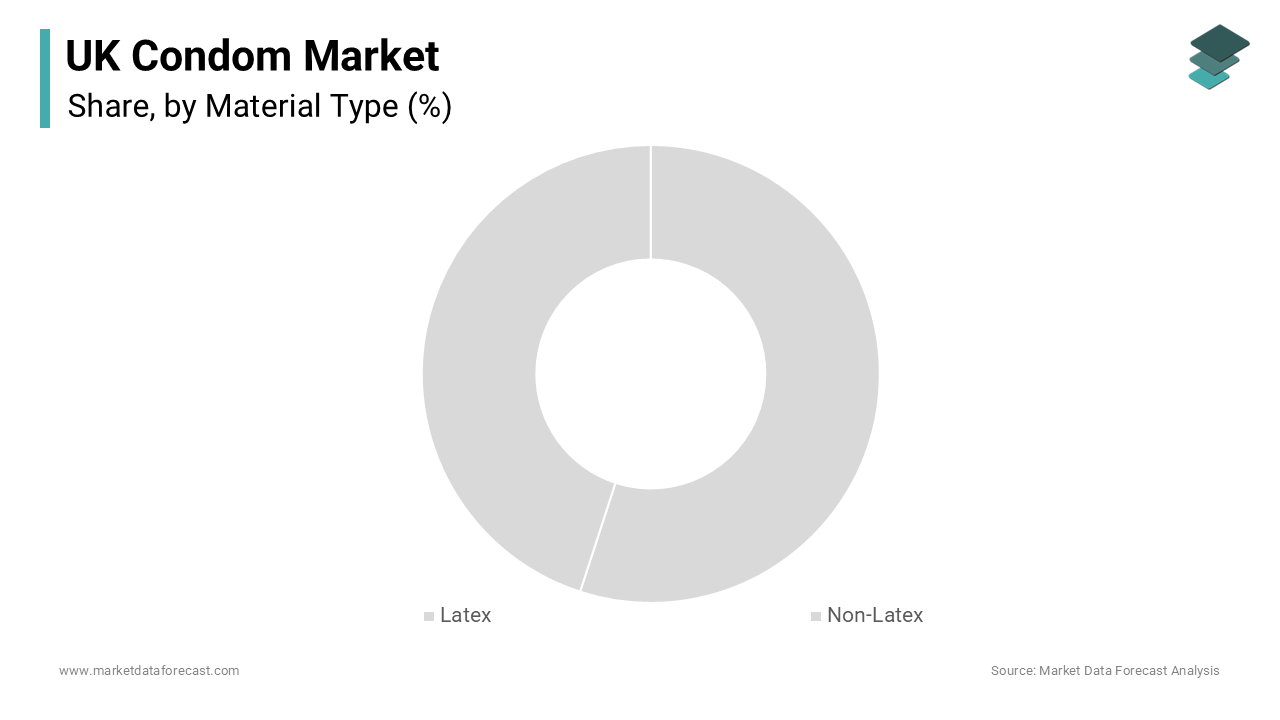
However, the non-latex condom segment exhibits the fastest growth trajectory and is expected to record a CAGR of 6.4% during the forecast period owing to the increasing awareness of latex allergies and demand for premium sensory experiences. Materials such as polyisoprene and polyurethane offer viable alternatives for individuals who experience irritation or allergic reactions to natural rubber proteins while providing comparable protection levels. According to Allergy UK, approximately 1 in 100 people in the UK suffers from a diagnosed latex allergy, prompting them to seek safe alternatives for sexual health protection. Polyisoprene condoms, in particular, have gained popularity because they mimic the softness and stretch of latex without the allergenic proteins, appealing to consumers who prioritize comfort and sensitivity. The rise of the wellness economy has encouraged manufacturers to position non-latex options as premium products, with enhanced heat transfer and thinner profiles that improve intimacy. Retailers report higher profit margins on non-latex varieties, which incentivizes prominent shelf placement and promotional support in pharmacies and online stores. Social media campaigns and influencer endorsements have helped destigmatize the use of alternative materials, framing them as modern upgrades rather than medical necessities. The growing vegan movement also contributes to this trend, as some non-latex brands emphasize cruelty-free production methods and sustainable packaging. As consumer education improves regarding material differences, the non-latex segment continues to capture market share from traditional latex offerings, particularly among affluent and health-conscious demographics.
By Distribution Channel Insights
The drug stores and pharmacies segment led the market in 2025 by holding 45.5% of the UK market share. This segment is anticipated to maintain their status as the leading distribution channel for condoms in the UK due to their association with health credibility and professional accessibility. Consumers often prefer purchasing condoms from pharmacies because these environments provide a sense of privacy and access to expert advice from qualified pharmacists regarding proper usage and sexual health. According to the Royal Pharmaceutical Society, community pharmacies serve as critical access points for sexual health services, with over 90% of the population living within a 20-minute walk of a pharmacy outlet. This extensive network ensures that condoms are readily available in both urban and rural areas, reducing geographical barriers to access. Many pharmacies participate in the C-Card scheme, allowing young people to collect free condoms discreetly, which drives footfall and builds long-term customer relationships. The presence of reputable brands alongside store own-label products offers consumers a range of price points and quality options, catering to diverse budgets. Pharmacists play a vital educational role by addressing misconceptions about condom use and recommending suitable products for specific needs, such as extra lubrication or larger sizes. According to Ipsos MORI, trust in the pharmaceutical sector remains high, with 85% of the public viewing pharmacists as trusted health professionals. This credibility translates into consistent sales volumes, as consumers associate pharmacy purchases with safety and reliability compared to informal retail outlets.
On the other end, the e-commerce segment emerges as the fastest growing distribution channel for condoms in the UK and is predicted to register a CAGR of 7.5% during the forecast period owing to the desire for discretion, convenience, and access to specialized products. Online platforms allow consumers to purchase condoms without the potential embarrassment of face-to-face transactions, appealing particularly to younger demographics and first-time buyers. According to the Office for National Statistics, online retail sales in the UK reached record levels in 2024, with health and personal care categories experiencing significant growth due to improved delivery speeds and secure packaging. Subscription services offered by major e-commerce retailers and specialized sexual wellness brands enable customers to receive regular deliveries of their preferred products, ensuring consistent availability and reducing the hassle of repeated purchases. Digital marketplaces provide extensive product information, customer reviews, and comparison tools that empower consumers to make informed decisions about materials, sizes, and features. The anonymity of online shopping encourages exploration of niche products, such as vegan, eco-friendly, or premium ultra-thin variants that may not be stocked in local physical stores. According to YouGov, 45% of millennials prefer buying personal care items online, citing privacy and convenience as primary motivators. Enhanced logistics networks now offer same-day or next-day delivery, bridging the gap between immediate need and digital procurement. As digital literacy increases and stigma decreases, online channels continue to capture market share from traditional brick-and-mortar retailers.
By Product Insights
The male condoms segment held the largest share of the UK market in 2025. The growth of the male condoms segment in the UK market is attributed to their widespread acceptance, ease of use, and extensive integration into public health initiatives. These products are the most commonly prescribed and distributed barrier method by the National Health Service, due to their effectiveness in preventing both unintended pregnancies and sexually transmitted infections. According to the Faculty of Sexual and Reproductive Healthcare, male condoms are the only contraceptive method that provides dual protection, making them indispensable for individuals with new or multiple partners. The familiarity of male condoms across generations ensures consistent demand, with cultural norms strongly associating responsibility for barrier protection with male partners in heterosexual relationships. Retail shelves are dominated by male condom varieties, offering diverse options in terms of size, texture, lubrication, and material, catering to broad consumer preferences. Public awareness campaigns, such as those run by the Terrence Higgins Trust, focus heavily on promoting male condom usage during Sexual Health Week, reinforcing their central role in national prevention strategies. The production infrastructure for male condoms is highly developed, allowing for mass production at low costs, which supports free distribution programs in schools, universities, and clinics. According to the UK Health Security Agency, male condoms account for over 95% of all barrier method distributions, highlighting their entrenched position in the market. Despite the introduction of female alternatives, male condoms remain the default choice due to established behavioral patterns and greater availability.
However, the female condoms segment is estimated to showcase a CAGR of 5.5% during the forecast period in the UK market owing to the increasing emphasis on female empowerment and shared responsibility in sexual health. These devices offer women greater control over protection without requiring partner cooperation, addressing power imbalances in relationships where negotiating male condom use may be difficult or unsafe. According to the World Health Organization, female condoms provide effective protection against sexually transmitted infections, including HIV, and are particularly valuable for sex workers and women in vulnerable situations. The UK has seen gradual, increased adoption of female condoms through targeted public health programs aimed at enhancing reproductive autonomy and reducing gender-based health disparities. Recent innovations in design have made female condoms more comfortable and less noisy, addressing previous consumer complaints that hindered widespread acceptance. Charities and sexual health organizations actively promote female condoms as part of comprehensive safer sex kits, distributing them alongside male variants to normalize their use. Data from local sexual health clinics indicates a steady rise in requests for female condoms, particularly among women who experience latex allergies or whose partners refuse to use male condoms. While still niche compared to male counterparts, the growth rate reflects a shifting cultural landscape where women are increasingly proactive about their sexual health choices. Government funding for diverse contraceptive options supports this expansion, ensuring that female condoms remain accessible through public health channels.
COUNTRY ANALYSIS
The UK held the major share of the European condom market in 2025 and is highly likely to strengthen its position as a mature and robustly managed public wellness sector for the next few years, maintaining high standards of quality assurance and expanded digital access. The country serves as a benchmark for effective sexual health policy integration, with the National Health Service playing a central role in distribution and education. According to the Office for National Statistics, the UK population includes approximately 28 million individuals of reproductive age, providing a stable and substantial consumer base for sexual health products. The market benefits from strong regulatory oversight by the Medicines and Healthcare products Regulatory Agency, which ensures that all products meet stringent safety and efficacy standards, fostering high consumer trust. Public health initiatives, such as the C-Card scheme and free clinic distributions, ensure that economic status does not bar access to protection, contributing to relatively high usage rates compared to other European nations. According to the UK Health Security Agency, despite rising sexually transmitted infection rates, condom usage remains a cornerstone of national prevention strategies with millions of units distributed annually. The presence of major global manufacturers alongside agile domestic brands fosters a competitive environment that drives innovation in materials and sustainability. Consumer trends toward premiumization and eco-friendly products are more pronounced in the UK than in many neighboring markets, influencing regional product development strategies. This combination of regulatory rigor, public support, and sophisticated consumer demand positions the UK as a leading and influential market within the European sexual health landscape.
COMPETITIVE LANDSCAPE
The UK condom market features intense competition characterized by the presence of global giants and agile niche players vying for consumer attention in a mature yet evolving landscape. Established corporations leverage extensive distribution networks strong brand recognition and substantial marketing budgets to maintain dominance while smaller innovators disrupt the status quo with unique material technologies and sustainable practices. Competitive dynamics are shaped by the urgent need to address environmental concerns prompting rapid adoption of recyclable packaging and plant based materials across the industry. Health consciousness drives formulation innovations with companies racing to introduce hypoallergenic and sensitivity enhanced options that appeal to discerning shoppers. Price sensitivity remains a factor although premiumization trends allow differentiated products to command higher margins. Retail channel conflicts arise as online platforms gain share from traditional supermarkets forcing manufacturers to optimize omnichannel strategies. Brand loyalty is increasingly fragile as consumers experiment with new alternatives such as female condoms and internal barriers that offer greater autonomy. Regulatory pressures regarding product safety and labeling further intensify competitive pressures requiring continuous adaptation. Success depends on balancing innovation sustainability and cost efficiency while maintaining strong retailer relationships and engaging digitally savvy consumers through compelling narratives and authentic community involvement.
KEY MARKET PLAYERS
Some of the promising companies that are playing a dominating role in the UK condom market include
- Reckitt Benckiser Group PLC (Durex)
- LifeStyles Healthcare Pte Ltd (SKYN, LifeStyles)
- Karex Berhad
- Church & Dwight Co., Inc. (Trojan)
- Roam
- SexBrand
- Pasante Healthcare Ltd.
- EXS Condoms
- RFSU AB
- Mates Condoms
- GLYDE Health Pty Ltd.
- Fuji Latex Co., Ltd.
- Okamoto Industries, Inc.
- Veru Inc. (FC2 Female Condom)
- Condom UK Ltd. (Hanx)
Top Players In The UK Condom Market
Durex
Durex maintains a dominant presence in the UK through its extensive brand recognition and continuous innovation in sexual wellness products. The company actively invests in research and development to create ultra thin and textured variants that enhance user experience while ensuring maximum safety. Recent actions include launching eco friendly packaging initiatives to address environmental concerns and reduce plastic waste associated with traditional condom wrappers. Durex collaborates with sexual health charities to promote safe sex education and normalize conversations around contraception among younger demographics. The brand leverages digital marketing campaigns on social media platforms to engage directly with consumers offering discreet purchasing options and educational content. By expanding its product line to include lubricants and intimacy accessories Durex positions itself as a holistic sexual wellness provider. Their commitment to quality assurance and regulatory compliance ensures sustained trust among healthcare professionals and consumers alike in the competitive UK market.
Mates
Mates serves as a key player in the UK market by offering affordable and reliable condom options that cater to a broad consumer base including students and young adults. The brand is widely distributed through supermarkets pharmacies and vending machines ensuring high accessibility across the nation. Recent efforts focus on revitalizing the brand image through modern packaging designs and inclusive marketing campaigns that resonate with diverse audiences. Mates has introduced new varieties featuring enhanced lubrication and sensitive materials to compete with premium brands while maintaining competitive pricing. The company supports public health initiatives by supplying condoms to university campuses and community centers at subsidized rates. Strategic partnerships with retail chains have expanded shelf visibility and promotional opportunities driving increased sales volume. Mates emphasizes simplicity and reliability in its product offerings appealing to consumers who prioritize functionality over luxury features. This approach strengthens its position as a trusted everyday choice for effective protection in the UK.
Skyn
Skyn has carved out a significant niche in the UK market by specializing in non latex polyisoprene condoms that appeal to individuals with latex allergies or those seeking superior sensitivity. The brand differentiates itself through advanced material technology that provides a natural feel and excellent heat transfer compared to traditional rubber products. Recent actions include expanding distribution channels to include online subscription services and premium retail outlets targeting health conscious consumers. Skyn invests heavily in educational content highlighting the benefits of non latex materials and addressing common misconceptions about allergy risks. The company collaborates with sexual health experts to endorse its products as safe and effective alternatives for diverse needs. Marketing campaigns focus on comfort and intimacy positioning Skyn as a premium lifestyle brand rather than just a medical device. By consistently innovating in material science and user experience Skyn strengthens its reputation as a leader in the growing non latex segment of the UK market.
Top Strategies Used By Key Market Participants
Key players in the UK condom market employ several strategic approaches to maintain competitiveness and drive growth. Product innovation remains central as companies develop ultra thin textured and non latex variants to enhance user experience and address specific consumer needs such as allergies. Sustainability initiatives are critical with manufacturers investing in biodegradable packaging and eco friendly materials to align with environmental concerns and regulatory expectations. Digital marketing strategies leverage social media influencers and targeted advertising to engage younger demographics and destigmatize sexual health discussions. Strategic partnerships with retailers ensure optimal shelf placement and visibility in both physical and online channels. Companies also focus on direct to consumer models offering subscription services and discreet delivery to enhance customer retention and convenience. Pricing strategies balance affordability with premium positioning for specialized variants. Continuous investment in research and development enables rapid adaptation to changing consumer preferences and emerging trends in sexual wellness. These combined strategies allow market participants to navigate challenges and capitalize on opportunities in the evolving UK landscape.
MARKET SEGMENTATION
This research report on the UK condom market has been segmented based on the following categories.
By Material Type
- Latex
- Non-Latex
By Distribution Channel
- Drug Stores/Pharmacies
- E-commerce
- Mass Merchandizers
- Other Distribution Channels
By Product
- Male Condoms
- Female Condoms
By Country
- U.K