UK Healthy Snack Market Size, Share, Trends & Growth Forecast Report Segmented By Product Type ( Nuts, Seeds, Dried Fruits, Granola Bars, Protein Snacks ), Claim, Packaging and Country – Industry Analysis From 2026 to 2034
Market Size, 2025
$3.42 BnMarket Estimate, 2026
$3.62 BnMarket Forecast, 2034
$5.71BnCAGR, 2026–2034
5.86%United Kingdom Healthy Snack Market Report Summary
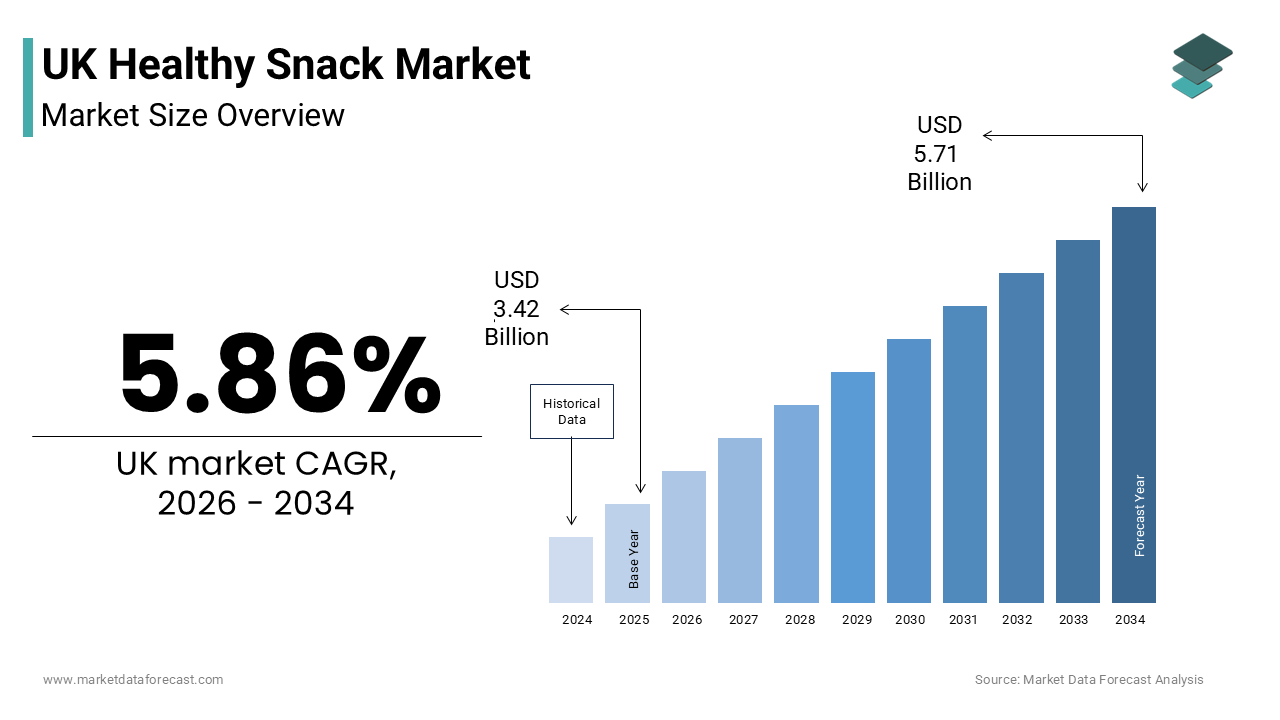
The United Kingdom healthy snack market was valued at USD 3.42 billion in 2025 and is anticipated to reach USD 3.62 billion in 2026 from USD 5.71 billion by 2034, growing at a CAGR of 5.86% during the forecast period from 2026 to 2034. The growth of the United Kingdom healthy snack market is driven by increasing awareness of lifestyle-related health conditions, growing demand for nutritious food alternatives, and rising adoption of active and fitness-oriented lifestyles. Expanding consumer preference for clean-label products, increasing demand for plant-based snacks, and growing focus on preventive healthcare are further accelerating market growth. Moreover, advancements in functional food formulations, expansion of personalized nutrition solutions, and increasing adoption of sustainable and ethically sourced ingredients are supporting the expansion of the United Kingdom healthy snack market.
Key Market Trends
-
Rising consumer preference for clean-label snacks with natural and minimally processed ingredients.
-
Increasing demand for plant-based, vegan, and high-protein snack products.
-
Growing integration of functional ingredients such as probiotics, adaptogens, and plant proteins.
-
Strong focus on sustainability, ethical sourcing, and environmentally friendly packaging solutions.
-
Expansion of direct-to-consumer channels and subscription-based healthy snack services.
Segmental Insights
- Based on product type, the savory snacks segment dominated the United Kingdom healthy snack market and held the largest share in 2025. The segment’s dominance is attributed to strong consumer preference for salty flavors, increasing demand for protein-rich snack options, growing adoption of fitness-focused diets, and the popularity of nutrient-dense ingredients such as nuts, seeds, and legumes.
- The sweet snacks segment is projected to witness the fastest CAGR during the forecast period owing to increasing demand for guilt-free indulgence, rising adoption of natural sweeteners, growing interest in low-sugar alternatives, and expanding availability of functional sweet snack products.
- Based on claim, the gluten-free segment accounted for the leading share of the United Kingdom healthy snack market in 2025. The dominance of this segment is driven by increasing awareness of celiac disease and gluten intolerance, growing consumer preference for specialized dietary products, stringent labeling standards, and strong trust in certified gluten-free offerings.
- The sugar-free segment is anticipated to register the fastest CAGR during the forecast period due to rising concerns regarding obesity and diabetes, increasing focus on dental health, growing adoption of low-carbohydrate diets, and advancements in natural sweetening technologies.
- Based on packaging type, the pouches segment held the major share of the United Kingdom healthy snack market in 2025 owing to convenience, portability, resealability, product freshness preservation, and cost-effective packaging solutions.
- The boxes segment is expected to witness rapid growth during the forecast period because of premium product positioning, increasing demand for gift-ready packaging, growing popularity of subscription snack boxes, and enhanced opportunities for brand storytelling and product presentation.
Regional Insights
England dominated the United Kingdom healthy snack market in 2025 due to its large population base, strong wellness culture, extensive retail networks, and high concentration of health-conscious consumers. Scotland continues to strengthen its market position through increasing demand for locally sourced ingredients, outdoor lifestyle trends, and growing adoption of nutritious snack alternatives. Wales is witnessing steady growth supported by expanding health awareness initiatives, increasing tourism activity, and growing interest in artisanal and regionally sourced healthy snack products. Together, these regions continue to drive the expansion of the healthy snack market across the United Kingdom.
Competitive Landscape
The United Kingdom healthy snack market is highly competitive and characterized by the presence of multinational food manufacturers, specialist healthy snack brands, private-label producers, and emerging direct-to-consumer companies competing through product innovation, nutritional value, sustainability initiatives, and brand differentiation. Leading companies are focusing on expanding plant-based product portfolios, incorporating functional ingredients, enhancing clean-label transparency, and investing in sustainable packaging solutions. Strategic partnerships, digital marketing campaigns, and subscription-based distribution models are further strengthening market positioning across the healthy snack ecosystem. Prominent players in the United Kingdom healthy snack market include Nestlé S.A., Mondelez International, Inc., Kellogg Company (Kellanova), General Mills, Inc., PepsiCo, Inc., The Kraft Heinz Company, Graze Ltd., Nature Valley, Kind LLC, Hain Celestial Group, Inc., Nakd (Natural Balance Foods Ltd.), Deliciously Ella Ltd., The Protein Ball Co., Trek (Natural Balance Foods Ltd.), Eat Natural Ltd., Whitworths Ltd., Pladis Global, Pip & Nut Ltd., Bounce Foods Ltd., and Bio&Me Ltd.
UK Healthy Snack Market Size
The UK healthy snack market size was valued at USD 3.42 billion in 2025 and is anticipated to reach USD 3.62 billion in 2026 from USD 5.71 billion by 2034, growing at a CAGR of 5.86% during the forecast period from 2026 to 2034.
Healthy snacks represent a dynamic and rapidly evolving segment within the broader food and beverage industry, characterized by products that offer nutritional benefits beyond basic sustenance. This category encompasses a diverse array of items, including protein bars, nut mixes, dried fruits, vegetable chips, and functional bites that are formulated with clean labels, minimal processing, and reduced levels of sugar, salt, and saturated fats. The cultural shift toward wellness has transformed snacking from a guilty indulgence into a strategic component of daily nutrition for millions of Britons. As per data from the Office for National Statistics, there is a growing awareness of dietary habits, with consumers increasingly scrutinizing ingredient lists and seeking transparency in sourcing. The demographic profile of this market spans across generations, but is particularly driven by Millennials and Generation Z, who prioritize health, sustainability, and ethical consumption. Regulatory frameworks regarding nutritional labeling and health claims play a crucial role in shaping product development and consumer trust. The rise of digital commerce and subscription models has further expanded access to niche and artisanal healthy snacks, allowing brands to reach targeted audiences directly. This market operates at the intersection of convenience and nutrition, requiring manufacturers to balance taste, texture, and functional benefits while adhering to strict quality standards. The integration of functional ingredients, such as adaptogens, probiotics, and plant-based proteins, continues to redefine the boundaries of what constitutes a healthy snack in the modern British diet.
MARKET DRIVERS
Rising Prevalence of Lifestyle-Related Health Conditions Spurs Demand for Nutritious Alternatives
The increasing prevalence of lifestyle-related health conditions, such as obesity, type 2 diabetes, and cardiovascular diseases, is primarily propelling the growth of the healthy snacks market in the UK. Consumers are becoming more proactive about managing their health through dietary choices, seeking snacks that support weight management and overall well-being, rather than contributing to health risks. According to data from the Health Survey for England, approximately 64% of adults in England are classified as overweight or obese, prompting a widespread cultural shift toward healthier eating habits. This public health crisis has led to greater scrutiny of traditional high-sugar and high-fat snack options, driving demand for alternatives that offer controlled calorie counts and balanced macronutrients. Healthcare professionals and government campaigns frequently emphasize the importance of mindful snacking as part of a holistic approach to disease prevention. The availability of snacks with verified health benefits, such as high fiber content or added vitamins, provides consumers with tangible tools to improve their dietary intake. This health-driven motivation is reinforced by the rising cost of healthcare, which encourages individuals to invest in preventive measures through nutrition. As awareness of the link between diet and long-term health outcomes deepens, the preference for nutritious snacks becomes entrenched in daily routines, ensuring sustained market growth.
Growing Influence of Fitness Culture and Active Lifestyles Boosts Functional Snack Consumption
The proliferation of fitness culture and the adoption of active lifestyles across the UK are further fuelling the expansion of the UK healthy snacks market. With millions of Britons engaging in regular exercise, ranging from gym workouts to running and cycling, there is a heightened need for convenient nutrition that fuels activity and aids muscle repair. As per statistics from Sport England, approximately 64.6% of adults in England participate in at least one sporting activity per week, reflecting a national commitment to physical well-being. This active population seeks snacks that provide immediate energy, sustained-release carbohydrates, and high-quality protein without the digestive discomfort associated with heavy meals. Protein bars, energy balls, and electrolyte-infused snacks have become staples in gym bags and workout routines, offering practical solutions for pre- and post-exercise nutrition. Social media influencers and fitness coaches frequently endorse specific healthy snack brands, amplifying their visibility and credibility among health-conscious consumers. The integration of snacking into fitness regimens transforms these products from optional treats into essential components of athletic preparation. This alignment with active living ensures that healthy snacks remain relevant and desirable to a demographic that values both performance and convenience in their dietary choices.
MARKET RESTRAINTS
High Price Points and Economic Pressure Limit Accessibility for Mass Market Consumers
The relatively high price points of healthy snacks, compared to conventional processed alternatives are impeding the expansion of the UK healthy snacks market, particularly during periods of economic uncertainty. Ingredients such as organic nuts, superfoods, and premium proteins command higher costs, which are passed on to consumers, resulting in retail prices that can be prohibitive for budget-conscious shoppers. According to the Office for National Statistics, inflationary pressures have increased the cost of living significantly, forcing many households to prioritize essential expenditures over premium food items. For families and individuals with limited disposable income, the choice between affordable staple foods and expensive healthy snacks often leans toward the former, despite awareness of nutritional benefits. This economic barrier restricts the market to higher-income demographics, limiting its potential for mass adoption. Retailers may also hesitate to allocate extensive shelf space to high-priced items that have slower turnover rates compared to cheaper competitors. The perception of healthy snacks as luxury items, rather than everyday essentials, further exacerbates this issue. Until production efficiencies and economies of scale can reduce costs, healthy snacks will struggle to compete with traditional options on price alone. This financial constraint remains a persistent challenge for brands seeking to broaden their customer base beyond affluent urban consumers.
Consumer Skepticism Regarding Health Claims and Ingredient Transparency Erodes Trust
Consumer skepticism regarding the validity of health claims and the transparency of ingredient sourcing is further hampering the UK healthy snacks market growth. Many shoppers are increasingly wary of greenwashing and misleading marketing tactics, where products are labeled as healthy despite containing hidden sugars, artificial additives, or excessive processing. As per findings from the Competition and Markets Authority, there have been numerous investigations into ambiguous environmental and health claims in the food sector, leading to stricter regulatory scrutiny and consumer caution. The complexity of nutritional information and the proliferation of buzzwords, such as natural, clean, and superfood, can confuse buyers, making it difficult to distinguish genuinely nutritious products from marketing hype. This lack of trust discourages trial and loyalty, as consumers fear being misled about the actual health benefits of their purchases. Social media platforms amplify negative experiences and exposés of dubious practices, further damaging brand reputations. Manufacturers face the challenge of providing clear, verifiable, and scientifically backed information to overcome this skepticism. Without robust, third-party certifications and transparent supply chains, brands risk losing credibility in an increasingly informed and critical marketplace. This erosion of trust slows down market growth and forces companies to invest heavily in education and verification efforts.
MARKET OPPORTUNITIES
Expansion into Plant-Based and Vegan Snack Categories Captures Ethical Consumer Segment
The expanding interest in plant-based and vegan diets is a significant opportunity for the UK healthy snacks market. The demand for animal-free products is driven by concerns regarding animal welfare, environmental sustainability, and personal health, leading to a surge in popularity for vegan snacks. As per data from the Vegan Society, the number of vegans in the UK has increased significantly in recent years, with many more consumers adopting flexitarian lifestyles that reduce meat and dairy consumption. Healthy snack brands can capitalize on this trend by developing innovative products using plant-based proteins, such as pea, hemp, and chickpea flour, which offer high nutritional value and allergen-friendly profiles. These products appeal not only to vegans but also to mainstream consumers seeking to diversify their protein sources and reduce their carbon footprint. Marketing these snacks as environmentally responsible and cruelty-free enhances brand appeal and aligns with broader societal values. Retailers are increasingly dedicating shelf space to plant-based options, recognizing their growth potential. By focusing on clean-label, vegan formulations, brands can differentiate themselves in a crowded market and attract a loyal customer base that prioritizes ethical consumption alongside health benefits.
Integration of Functional Ingredients and Personalized Nutrition Enhances Product Value
The integration of functional ingredients and the emergence of personalized nutrition offer substantial opportunities for healthy snack brands to enhance product value and differentiate their offerings. Consumers are increasingly seeking snacks that provide specific health benefits beyond basic nutrition, such as improved gut health, enhanced cognitive function, or stress reduction. Ingredients like probiotics, prebiotics, adaptogens, and nootropics are being incorporated into snacks to address these targeted wellness needs. According to industry analysis, the global functional food market is expanding rapidly, with UK consumers showing particular interest in products that support mental well-being and immune health. Brands can leverage scientific research to develop snacks that deliver measurable health outcomes, appealing to educated and health-conscious buyers. Personalization technologies allow companies to offer tailored snack recommendations based on individual dietary requirements, genetic profiles, or lifestyle goals, creating a deeper connection with consumers. Subscription models and digital platforms facilitate this personalized approach, enabling continuous engagement and feedback. By positioning snacks as functional tools for holistic well-being, manufacturers can command premium prices and foster brand loyalty. This innovation-driven strategy transforms healthy snacks from passive food items into active contributors to personal health optimization.
MARKET CHALLENGES
Complex Supply Chain Management and Sourcing of Premium Ingredients Impact Consistency
Healthy snack manufacturers in the UK face ongoing challenges related to complex supply chain management and the consistent sourcing of high-quality, premium ingredients. Many healthy snacks rely on specialized raw materials, such as organic nuts, exotic seeds, and rare superfoods, which are often sourced from specific geographic regions vulnerable to climate change and geopolitical instability. According to industry reports, fluctuations in weather patterns and trade policies can lead to unpredictable availability and volatile pricing for these key inputs. Ensuring a steady supply of certified organic and fair-trade ingredients requires rigorous vetting of suppliers and long-term contracts, which can be resource-intensive. Any disruption in the supply chain can result in production delays, inconsistent product quality, and potential stockouts, affecting brand reliability. Additionally, the need to maintain cold-chain integrity for certain fresh or perishable healthy snacks adds logistical complexity and cost. Smaller brands may lack the bargaining power and infrastructure to manage these challenges effectively, making them vulnerable to market shocks. The pressure to maintain transparency and ethical sourcing standards further complicates procurement processes. Navigating these supply chain intricacies is critical for maintaining product consistency and consumer trust in a competitive market.
Intense Competition and Market Saturation Dilute Brand Differentiation
The UK healthy snacks market is characterized by intense competition and increasing saturation, which dilutes brand differentiation and makes it difficult for new entrants to gain traction. The low barriers to entry have led to a proliferation of brands offering similar products, such as protein bars and nut mixes, creating a crowded marketplace where standing out is challenging. According to market observations, the sheer volume of options available in supermarkets and online platforms leads to consumer choice paralysis, reducing the likelihood of trial for lesser-known brands. Established players leverage their scale and marketing budgets to dominate shelf space and digital visibility, squeezing out smaller competitors. Price wars and frequent promotional activities erode profit margins across the sector, making sustainability difficult for independent producers. The lack of unique selling propositions among many generic healthy snack brands further exacerbates the issue. To survive, companies must invest heavily in branding, storytelling, and niche targeting, which requires significant resources. The constant influx of new products shortens product life cycles and increases the pressure to innovate continuously. This hyper-competitive environment threatens the viability of smaller producers and forces consolidation within the industry.
REPORT COVERAGE
| REPORT METRIC | DETAILS |
| Market Size Available | 2025 to 2034 |
| Base Year | 2025 |
| Forecast Period | 2026 to 2034 |
| CAGR | 5.86% |
| Segments Covered | By Product Type, Claim, Packaging and Region. |
| Various Analyses Covered | Global, Regional & Country Level Analysis, Segment-Level Analysis, DROC, PESTLE Analysis, Porter’s Five Forces Analysis, Competitive Landscape, Analyst Overview of Investment Opportunities |
| Market Leaders Profiled | Nestlé S.A., Mondelez International, Inc., Kellogg Company (Kellanova), General Mills, Inc., PepsiCo, Inc., The Kraft Heinz Company, Graze Ltd., Kind LLC, Hain Celestial Group, Inc., Nakd (Natural Balance Foods Ltd.), Deliciously Ella Ltd., The Protein Ball Co., Trek (Natural Balance Foods Ltd.), Eat Natural Ltd., Whitworths Ltd., Pladis Global, Pip & Nut Ltd., Bounce Foods Ltd., and Bio&Me Ltd. |
SEGMENTAL ANALYSIS
By Product Type Insights
The savory snacks segment led the market by accounting for the leading share of the UK market in 2025 due to a strong cultural preference for salty flavors and the growing demand for protein-rich options that support satiety and muscle maintenance. British consumers have traditionally favored savory tastes in their snacking habits, with items such as roasted nuts, seeds, and vegetable crisps offering a satisfying alternative to sweet treats. According to data from Mintel, a significant majority of UK adults prefer savory snacks over sweet ones when seeking a midday pick-me-up, citing the desire for substantial nutrition rather than a sugar rush. The rise of high-protein diets and fitness-oriented lifestyles has further amplified this trend, as consumers seek snacks that align with their macronutrient goals. Savory options often feature ingredients like chickpeas, lentils, and edamame, which are perceived as wholesome and nutrient-dense. This segment benefits from its versatility, allowing for incorporation into meals or consumption as standalone items. The availability of diverse flavor profiles, such as sea salt, vinegar, and herbs, ensures broad appeal across different demographic groups. Retailers prioritize savory healthy snacks because they have longer shelf lives and a lower risk of spoilage compared to fresh alternatives. This combination of taste preference, nutritional benefit, and practical convenience secures the dominance of savory snacks in the UK market.
However, the sweet snacks segment is growing exponentially and is estimated to register a promising CAGR in the UK market during the forecast period owing to the rising demand for guilt-free indulgence and the widespread adoption of natural sweeteners. Consumers are unwilling to completely eliminate sweetness from their diets, but are actively seeking alternatives to refined sugar that do not compromise on taste. According to market analysis, the use of sweeteners such as stevia, monk fruit, and dates has gained significant traction, allowing brands to create bars, bites, and cookies with reduced calorie counts. This shift is particularly prominent among millennials and Gen Z, who balance their desire for treats with health goals. The perception of dark chocolate and fruit-based snacks as antioxidant-rich options further enhances their appeal. As per data from the British Nutrition Foundation, on average in the UK, we are consuming between 9% and 12.5% of our calories from free sugars, prompting a switch to healthier sweet alternatives. Brands are leveraging this trend by marketing their products as functional desserts that provide energy and mood-boosting benefits. The emotional comfort associated with sweet flavors ensures high repeat purchase rates. This ability to satisfy cravings while adhering to dietary restrictions drives the rapid expansion of the sweet healthy snack category.
By Claim Insights
The gluten-free segment claimed the dominating position in the UK market in 2025 with the largest share of the UK market, primarily due to the medical necessity for individuals with celiac disease and non-celiac gluten sensitivity. This segment is not merely a lifestyle choice for many, but a critical dietary requirement to avoid severe health complications. According to Coeliac UK, approximately 1 in 100 people in the UK suffer from celiac disease, yet only around 36% are diagnosed and this means a large portion of the population requires strict gluten avoidance. Additionally, millions more report self-diagnosed gluten sensitivity, which is leading them to exclude wheat, barley, and rye from their diets. This mandatory adherence creates a loyal and consistent customer base that actively seeks out certified gluten-free products. The risk of cross-contamination in regular manufacturing facilities makes specialized gluten-free snacks a safer and more reliable option for these consumers. Regulatory standards for gluten-free labeling in the UK are stringent, ensuring that products meeting the claim are safe for consumption. This trust factor drives repeated purchases and brand loyalty. Retailers recognize the importance of this segment and dedicate specific shelf space to gluten-free items, ensuring visibility and accessibility. The essential nature of this dietary restriction ensures that gluten-free snacks remain the largest claim-based segment in the market.
However, the sugar-free segment is estimated to register a prominent CAGR in the UK market during the forecast period owing to an intensifying focus on dental health and weight management among consumers. Public health campaigns highlighting the link between sugar consumption and tooth decay, obesity, and type 2 diabetes have significantly influenced consumer behavior. According to data from the British Nutrition Foundation, population average intakes of free sugars in all age groups remain well above the 5% dietary recommendation, prompting many to actively reduce their consumption. Sugar-free snacks offer a viable solution for those seeking to enjoy treats without the associated health risks. The availability of advanced natural sweeteners that mimic the taste of sugar without the calories has made these products more palatable and acceptable to a wider audience. Parents are increasingly choosing sugar-free options for their children to establish healthy eating habits early in life. This demographic shift is supported by school policies and government guidelines that restrict sugary foods in educational settings. The growing prevalence of low-carbohydrate and ketogenic diets further fuels demand for sugar-free snacks that align with these restrictive eating plans. This multifaceted drive from health concerns, dietary trends, and regulatory pressure ensures that sugar-free snacks experience the highest growth rate in the market.
By Packaging Insights
The pouches segment dominated the market by capturing the leading share of the UK market in 2025 due to their unmatched convenience, portability, and resealability features, which align perfectly with the on-the-go lifestyles of modern consumers. The lightweight and flexible nature of pouches makes them easy to carry in bags, pockets, and gym kits, facilitating consumption during commutes, work breaks, or outdoor activities. According to packaging industry data, pouches account for the largest share of snack packaging sales, reflecting their dominance in the retail sector. The ability to reseal pouches helps maintain product freshness and prevents spillage, which is particularly important for items like nuts, dried fruits, and granola. This functionality reduces food waste and enhances user experience, encouraging repeat purchases. Manufacturers favor pouches because they require less material than rigid containers, reducing production costs and environmental footprint. The large surface area of pouches also provides ample space for branding and nutritional information, allowing companies to communicate their health claims effectively. Retailers appreciate pouches for their stackability and efficient use of shelf space. The combination of practical benefits for consumers and economic advantages for producers ensures that pouches remain the most widely used packaging format in the healthy snacks market.
However, the boxes segment is estimated to record a prominent CAGR in the UK market during the forecast period owing to their premium perception and suitability for gifting and artisanal product presentation. As healthy snacks evolve into luxury items, consumers are increasingly drawn to packaging that conveys quality and sophistication. Cardboard boxes offer a sturdy and aesthetically pleasing container that protects delicate items, such as handmade chocolates, protein bars, and gourmet nut mixes. According to retail trends, the use of box packaging has increased significantly among niche and premium brands seeking to differentiate themselves from mass-market competitors. Boxes provide a canvas for high-quality printing and intricate designs, which enhance brand storytelling and visual appeal. This format is particularly popular for subscription boxes and holiday gifts, where presentation is paramount. The tactile experience of opening a box adds to the perceived value of the product, creating a memorable unboxing moment that encourages social sharing. Consumers associate box packaging with care and attention to detail, which justifies higher price points. The versatility of boxes allows for creative structural designs that can hold multiple items or serve as reusable storage containers. This focus on premium experience and aesthetics drives the rapid growth of box packaging in the healthy snack sector.
COUNTRY ANALYSIS
England healthy snack market Analysis
England captured the major share of the UK market in 2025 and is highly likely to strengthen its predominant and central position in the healthy snacks market over the next few years due to its continuous urban expansion, dense metropolitan fitness culture, and high volume of wellness-oriented consumers. London serves as the primary hub for innovation, where new brands launch and gain traction before expanding nationally. According to data from the Office for National Statistics, England is home to over 56 million people, with a significant proportion residing in cities where fast-paced lifestyles drive demand for convenient, nutritious options. The presence of numerous gyms, yoga studios, and wellness centers in English cities fosters a culture of fitness and mindful eating. Major retail chains headquartered in England ensure widespread distribution and prominent shelf placement for healthy snacks. The diverse demographic makeup of England supports a wide variety of dietary preferences, including vegan, gluten-free, and keto, driving product innovation. High disposable income in Southeast England enables consumers to afford premium healthy snacks. The strong influence of media and celebrity culture in London further accelerates trends in healthy eating. Regulatory enforcement and public health campaigns in England promote balanced diets, reinforcing the demand for nutritious alternatives. This combination of scale, wealth, and cultural influence ensures England remains the central engine of the healthy snacks market.
Scotland healthy snack market Analysis
Scotland is projected to maintain a remarkably resilient share and foster steady growth in the regional healthy snacks market over the coming years, as its emphasis on natural provenance and active, outdoor living intensifies. The Scottish market is characterized by a preference for natural and locally sourced ingredients, which aligns well with the values of healthy snack consumers. As per statistics from VisitScotland, the tourism sector plays a crucial role, with visitors seeking authentic and wholesome food experiences in Edinburgh and the Highlands. The rugged terrain and active outdoor culture in Scotland drive demand for portable and energy-dense healthy snacks, such as nut bars and dried fruits. Local producers often utilize Scottish berries, oats, and seaweed to create unique products that resonate with regional pride. The cooler climate encourages indoor socializing, where healthy snacking is integrated into daily routines. Retailers in Scotland are increasingly stocking artisanal and craft healthy snacks to meet the demands of discerning local consumers. The supportive business environment for small enterprises encourages innovation and the entry of new brands. This focus on quality, locality, and active living ensures that Scotland maintains a vibrant and growing healthy snacks market, despite its smaller size.
Wales healthy snack market Analysis
Wales is anticipated to experience notable progress and elevate its overall contribution to the national snack ecosystem over the next few years, by leveraging localized community wellness initiatives and regional food production channels. Cardiff and Swansea are the primary urban centers where demand is concentrated among young professionals and students. According to data from the Welsh Government, there is a growing emphasis on well-being and active lifestyles, which supports the adoption of healthy snacks. The scenic beauty of Wales attracts tourists who contribute to seasonal spikes in sales, particularly in coastal areas and national parks where outdoor activities are popular. Local producers are beginning to enter the market, leveraging Welsh ingredients such as laverbread and honey to create distinctive products. The compact size of Wales facilitates efficient distribution and community-focused marketing strategies. Independent retailers and cafes in Wales are increasingly open to stocking niche and artisanal healthy snacks that offer something different from mainstream brands. The strong sense of community and support for local businesses helps new brands gain traction. While the market is smaller than in England, it shows steady growth driven by health trends and tourism.
COMPETITIVE LANDSCAPE
The competition in the UK healthy snacks market is intense and characterized by the presence of established multinational corporations alongside agile independent brands and private label offerings. Large players leverage their extensive distribution networks and marketing budgets to dominate shelf space in supermarkets and convenience stores. They continuously innovate with new flavors and functional benefits to retain consumer interest and counter emerging trends. Independent brands compete by offering unique artisanal products and localized storytelling that resonate with discerning buyers seeking authenticity. The market sees frequent product launches and limited edition releases creating a dynamic environment where novelty drives sales. Price competition exists but is often secondary to quality and brand perception in the premium segment. Regulatory compliance regarding health claims and labeling influences marketing strategies significantly. The rise of direct to consumer sales channels allows smaller brands to bypass traditional barriers and reach audiences directly. This fragmented yet robust landscape drives continuous improvement in product quality sustainability and customer engagement ensuring a thriving and evolving market.
KEY MARKET PLAYERS
Some of the promising companies that are playing a dominating role in the UK healthy snack market include
- Nestlé S.A.
- Mondelez International, Inc.
- Kellogg Company (Kellanova)
- General Mills, Inc.
- PepsiCo, Inc.
- The Kraft Heinz Company
- Graze Ltd.
- Nature Valley
- Kind LLC
- Hain Celestial Group, Inc.
- Nakd (Natural Balance Foods Ltd.)
- Deliciously Ella Ltd.
- The Protein Ball Co.
- Trek (Natural Balance Foods Ltd.)
- Eat Natural Ltd.
- Whitworths Ltd.
- Pladis Global
- Pip & Nut Ltd.
- Bounce Foods Ltd.
- Bio&Me Ltd.
Top Players in the UK Healthy Snacks Market
Nakd Bars Limited
Nakd Bars Limited has established itself as a prominent player in the UK healthy snacks market by offering fruit and nut based bars that are free from added sugars and processed ingredients. The company focuses on clean label products that appeal to health conscious consumers seeking natural energy sources. Recent actions include expanding its product range to include new flavor combinations and functional benefits such as added protein or probiotics. Nakd actively promotes sustainability through eco friendly packaging initiatives and ethical sourcing of raw materials. The brand engages with consumers via digital platforms and partnerships with fitness influencers to reinforce its wellness positioning. By maintaining strict quality standards and transparency Nakd strengthens its reputation as a trusted provider of wholesome snacks. Its commitment to simplicity and natural goodness ensures continued relevance in a competitive landscape where authenticity is highly valued by modern shoppers.
Graze Snacks Ltd
Graze Snacks Ltd contributes significantly to the market through its innovative subscription model and diverse portfolio of portion controlled healthy snacks. The company delivers curated boxes of nuts dried fruits and whole grain items directly to consumers homes promoting mindful eating habits. Recent strategies involve enhancing its digital platform with personalized recommendations based on customer preferences and dietary needs. Graze has expanded its retail presence in major supermarkets making its products more accessible to impulse buyers. The brand emphasizes sustainability by using recyclable packaging and reducing food waste through precise portioning. Graze collaborates with nutritionists to develop balanced snack options that support various lifestyle goals. By combining convenience with nutritional value Graze maintains a strong connection with busy professionals and families. Its data driven approach allows for continuous improvement in product offerings ensuring high customer satisfaction and loyalty in the evolving healthy snack sector.
Kindsnacks UK Limited
Kindsnacks UK Limited plays a vital role in the market by providing nutrient dense bars made from whole nuts fruits and spices with minimal processing. The brand is known for its transparency and commitment to using recognizable ingredients that consumers can trust. Recent actions include launching new varieties that cater to specific dietary requirements such as gluten free and low sugar options. Kindsnacks invests heavily in marketing campaigns that highlight the health benefits of its products and support community wellness initiatives. The company has strengthened its distribution network by partnering with independent health stores and online retailers. Kindsnacks focuses on corporate social responsibility by supporting local farmers and sustainable agricultural practices. Its emphasis on taste and texture ensures that healthy snacking remains an enjoyable experience. By consistently delivering high quality products and engaging with health advocates Kindsnacks solidifies its position as a leader in the premium healthy snack segment.
Top Strategies Used by Key Market Participants
Key players in the UK healthy snacks market employ several strategic approaches to maintain competitiveness and drive growth. Product innovation through the introduction of functional ingredients such as adaptogens and probiotics attracts health conscious consumers seeking added benefits. Clean label transparency builds trust by highlighting natural and recognizable ingredients while avoiding artificial additives. Sustainability initiatives including recyclable packaging and ethical sourcing enhance brand image and align with environmental values. Digital engagement via social media and subscription models fosters direct relationships with customers and enables personalized experiences. Strategic partnerships with fitness influencers and wellness experts amplify credibility and reach target demographics effectively. Expansion into diverse retail channels ensures widespread availability and visibility. Competitive pricing and promotional bundles encourage trial and repeat purchases. These combined strategies enable market leaders to adapt to changing consumer preferences and regulatory requirements while sustaining profitability and market relevance.
MARKET SEGMENTATION
This research report on the UK healthy snacks market has been segmented based on the following categories.
By Product Type
- Nuts
- Seeds
- Dried Fruits
- Granola Bars
- Protein Snacks
By Claim
- Vegan
- Gluten-Free
- Organic
- Low-Calorie
- High-Protein
By Packaging Type
- Single-Serve Packs
- Bulk Packaging
- Resealable Bags
- Boxes
- Pouches
By Distribution Channel
- Supermarkets
- Health Food Stores
- Online Retailers
- Convenience Stores
- Specialty Stores
By Country
- U.K
Access the study in MULTIPLE FORMATS
Purchase options starting from
$ 1200
Didn’t find what you’re looking for?
TALK TO OUR ANALYST TEAM
Need something within your budget?
NO WORRIES! WE GOT YOU COVERED!
Call us on: +1 888 702 9696 (U.S Toll Free)
Write to us: sales@marketdataforecast.com