- Product Description Description
- Table of Contents TOC
- List of Table & Figure LOT
- Get Free Sample PDF Sample PDF
Market Size, 2025
$118.21 BnMarket Estimate, 2026
$132.52 BnMarket Forecast, 2034
$301.31 BnCAGR, 2026–2034
12.08%UK Soft Drinks Market Report Summary
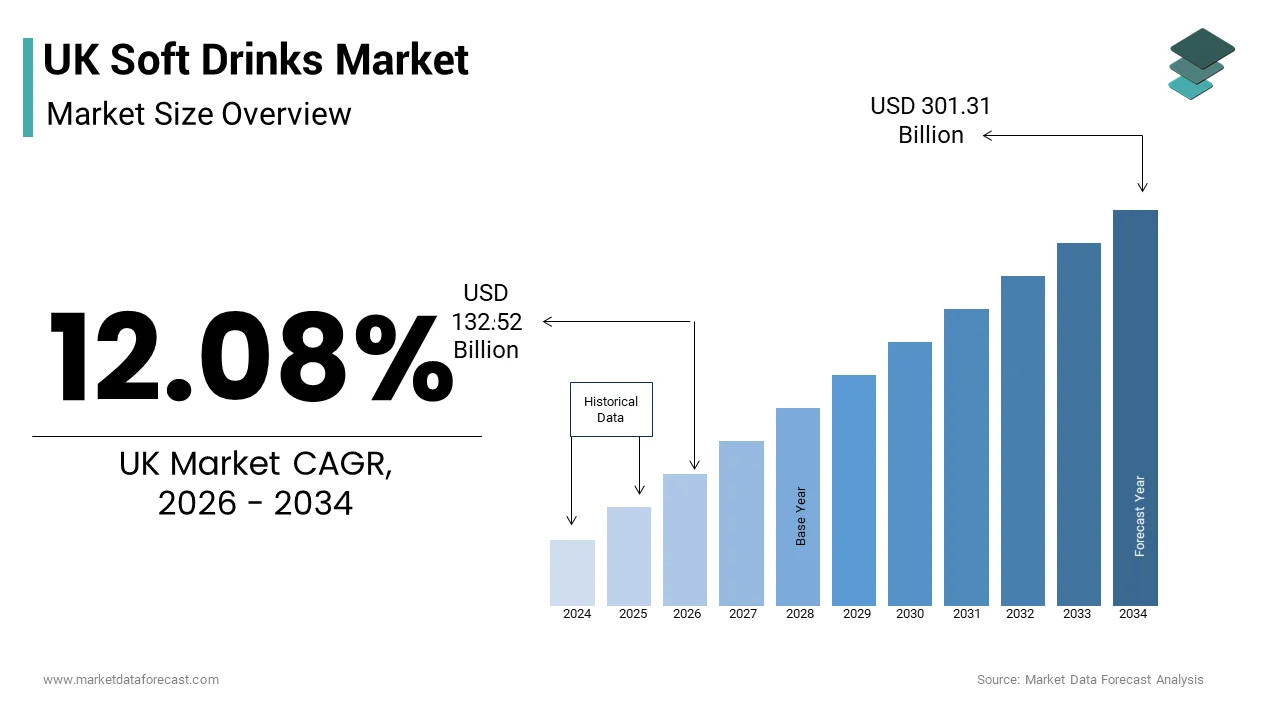
The UK soft drinks market was valued at USD 118.21 billion in 2025, is estimated to reach USD 132.52 billion in 2026, and is projected to reach USD 301.31 billion by 2034, expanding at a CAGR of 12.08% during the forecast period from 2026 to 2034. The UK soft drinks market is witnessing strong growth, driven by changing consumer lifestyles, rising demand for healthier beverage alternatives, and continuous product innovation across carbonated drinks, bottled water, juices, energy drinks, and functional beverages. Growing health consciousness is encouraging manufacturers to introduce low-sugar, sugar-free, and naturally flavored beverages that comply with evolving consumer preferences and government health initiatives. Premiumization, functional ingredients, and convenient packaging formats are further reshaping purchasing behavior across the country. In addition, expanding retail networks, increasing online grocery sales, and strategic investments in sustainable packaging and product diversification are creating significant opportunities for beverage manufacturers operating in the United Kingdom.
Key Market Trends
- Consumer demand for low-calorie, sugar-free, and functional beverages is accelerating product innovation across the soft drinks industry.
- Premium bottled water, flavored hydration products, and wellness beverages are gaining popularity among health-conscious consumers.
- Beverage companies are investing in recyclable packaging, recycled plastics, and environmentally sustainable production practices to meet sustainability goals.
- Digital retail platforms and direct-to-consumer sales channels are expanding market accessibility and strengthening brand engagement.
- Manufacturers are introducing natural ingredients, plant-based formulations, and vitamin-enriched beverages to capture evolving consumer preferences.
Segmental Insights
Based on product, the bottled water segment accounted for 34.5% of the UK soft drinks market share in 2025. The segment continues to lead due to increasing consumer preference for healthier hydration options, growing awareness of wellness, and rising demand for premium and flavored bottled water products.
Based on distribution channel, the offline retail channels segment captured 45.7% of the United Kingdom soft drinks market share in 2025. Supermarkets, hypermarkets, convenience stores, and specialty retailers remain the preferred purchasing channels owing to their extensive product availability, promotional pricing, and established consumer shopping habits.
Based on packaging, the plastic and glass bottles segment held the dominant share of the UK soft drinks market in 2025. Their leadership is supported by strong consumer preference for convenient, portable, and durable packaging formats that cater to both individual consumption and family-sized purchases.
Regional Insights
England emerged as the leading contributor to the UK soft drinks market by accounting for 85.3% of the market share in 2025. The region's dominance is supported by its large consumer population, extensive retail infrastructure, high urbanization levels, and strong demand for both traditional and health-oriented beverage products. Continuous product launches, expanding convenience retail networks, and growing consumer preference for premium and functional drinks continue to reinforce England's leadership within the national market.
Competitive Landscape
The UK soft drinks market is highly competitive, with global beverage manufacturers and regional brands competing through continuous product innovation, brand diversification, and sustainable business strategies. Leading companies are expanding portfolios with reduced-sugar beverages, functional drinks, flavored water, energy drinks, and premium hydration products to address changing consumer preferences. Investments in advanced manufacturing technologies, recyclable packaging, digital marketing, and omnichannel distribution are strengthening market presence across retail and e-commerce platforms. Strategic partnerships, acquisitions, and new product launches continue to intensify competition while enabling companies to expand their consumer reach. As sustainability, health consciousness, and premium beverage consumption continue to shape purchasing decisions, innovation and environmental responsibility remain central to long-term competitive success in the UK soft drinks market.
Prominent players in the UK soft drinks market include Asahi Group Holdings Ltd., Danone SA, AG Barr plc, Britvic plc, Coca-Cola European Partners, Del Monte Pacific Ltd., Keurig Dr Pepper Inc., Kirin Holdings Co. Ltd., Mondelez International Inc., Monster Beverage Corp., National Beverage Corp., Nestlé SA, Otsuka Holdings Co. Ltd., Parle Agro Pvt. Ltd., PepsiCo Inc., Postobón SA, Purity Soft Drinks Ltd., Red Bull GmbH, Refresco Group BV, Starbucks Corp., Suntory Beverage & Food Ltd., and Tata Consumer Products Ltd.
 Download Free Sample Report
UK Soft Drinks Market Size
The UK soft drinks market size will reach USD 118.21 billion in 2025 and is anticipated to reach to reach USD 132.52 billion in 2026 to reach USD 301.31 billion by 2034, growing at a CAGR of 12.08% during the forecast period from 2026 to 2034.
The soft drinks are non-alcoholic beverages, including carbonated drinks, juices, still waters, sports drinks, and functional beverages that serve as integral components of daily hydration and leisure consumption. This sector has undergone significant transformation in recent years driven by evolving consumer preferences towards healthier options and sustainability. The cultural landscape of beverage consumption in the UK is deeply influenced by public health initiatives aimed at reducing sugar intake and promoting wellness. The rise of home entertainment and remote work has further amplified demand for premium and diverse beverage choices, as consumers seek to replicate cafe experiences within their households. There is a shift towards functional beverages that offer benefits beyond hydration, such as immune support energy enhancement and mental clarity. Retailers have responded by expanding their chilled sections to include a wider variety of low sugar and plant-based options reflecting the growing sophistication of consumer tastes. This dynamic environment requires manufacturers to balance taste appeal with nutritional integrity, while navigating regulatory frameworks designed to protect public health.
MARKET DRIVERS
Increasing Health Consciousness And Demand For Low Sugar Alternatives
The escalating focus on health and wellness among consumers is majorly fuelling the growth of the United Kingdom soft drinks market. Public awareness regarding the adverse effects of excessive sugar consumption has led to a significant shift in purchasing behavior with shoppers actively seeking healthier alternatives. According to Public Health England the implementation of the Soft Drinks Industry Levy has prompted manufacturers to reformulate their products resulting in a 44% reduction in sugar content in soft drinks since its introduction. This regulatory pressure combined with consumer demand has accelerated the development of beverages sweetened with natural substitutes such as stevia monk fruit and erythritol. Data from the National Diet and Nutrition Survey indicates that while overall sugar intake remains high there is a growing trend among younger demographics to monitor their daily sugar consumption closely. The British Heart Foundation emphasizes the link between sugary drinks and obesity which has further motivated consumers to choose zero calorie options. Brands that successfully communicate the health benefits of their products without compromising on taste are gaining significant traction. The proliferation of fitness culture and the desire for clean label ingredients have also contributed to this trend. Consumers are increasingly scrutinizing ingredient lists for artificial additives leading to a surge in demand for naturally flavored and organic soft drinks.
Rise Of Functional Beverages And Wellness Oriented Consumption
The emergence of functional beverages, as consumers increasingly view drinks, as vehicles for health benefits beyond basic hydration, which is accelerating the growth of the United Kingdom soft drinks market. There is a growing preference for beverages that offer specific physiological advantages such as improved digestion enhanced immunity or increased mental focus. Ingredients, such as probiotics prebiotics adaptogens and vitamins are being incorporated into sparkling waters juices and teas to create value added products. The aging population in the United Kingdom also contributes to this trend as older adults seek drinks that support joint health and cognitive function. Data from the Office for National Statistics shows that the number of people aged 65 and over is projected to reach 16 million by 2040 creating a sustained demand for health supportive beverages. Furthermore, the rise of stress and anxiety in modern life has spurred demand for calming drinks containing ingredients like chamomile lavender and magnesium. Manufacturers are leveraging scientific research to validate these claims thereby building trust with discerning consumers. The integration of functional benefits into everyday beverages allows brands to differentiate themselves in a crowded market. This trend is particularly strong among millennials and Gen Z consumers, who prioritize holistic well-being and are willing to pay a premium for products that align with their lifestyle goals.
MARKET RESTRAINTS
Stringent Regulatory Frameworks And Sugar Taxation Policies
The stringent regulatory frameworks, which imposes a tax on beverages with high sugar content is limiting the growth of the United Kingdom soft drinks market. This policy aims to reduce childhood obesity and encourage manufacturers to lower sugar levels in their products. The levy has generated substantial revenue for the government while prompting widespread reformulation across the industry. However, the cost of compliance and reformulation poses a financial burden on manufacturers especially smaller players who may lack the resources for extensive research and development. The Scientific Advisory Committee on Nutrition continues to advocate for stricter guidelines on sugar consumption, which may lead to further regulatory pressures. Data from the British Soft Drinks Association indicates that while many companies have successfully reduced sugar some premium and artisanal brands struggle to maintain their flavor profiles without exceeding sugar thresholds. Additionally, the introduction of front of pack traffic light labeling systems requires clear disclosure of nutritional content which can deter consumers if products receive unfavorable ratings. The Department of Health and Social Care has been proactive in promoting healthier eating habits leading to increased scrutiny of marketing practices targeting children. These regulatory measures while beneficial for public health create operational challenges for the industry. Companies must navigate complex compliance requirements and invest in legal expertise to avoid penalties. The constant evolution of health policies means that manufacturers must remain agile and prepared for future restrictions which can impact product viability and profitability.
Volatility In Raw Material Costs And Supply Chain Disruptions
The volatility in raw material costs and supply chain disruptions, which affect production expenses and product availability is impeding the growth of the United Kingdom soft drinks market. Key ingredients, such as sugar fruit concentrates, carbon dioxide, and packaging materials are subject to global price fluctuations driven by climate change geopolitical tensions and logistical challenges. The United Kingdom imports a significant portion of its fruit and sugar needs making the industry vulnerable to international market dynamics. Recent extreme weather events in major producing regions have led to poor harvests and increased prices for key commodities. For instance, droughts in Southern Europe have affected citrus supplies, while conflicts in Eastern Europe have disrupted grain and sugar beet production. The British Retail Consortium has noted that food and beverage inflation has remained elevated forcing manufacturers to either absorb costs or pass them on to consumers. Higher retail prices can dampen demand particularly among price sensitive households who may switch to cheaper alternatives or reduce consumption. Additionally, the reliance on plastic for packaging exposes companies to fluctuating oil prices and regulatory pressures regarding single use plastics. The complexity of global supply chains means that any disruption in transportation or labor can lead to delays and shortages. Companies must invest in robust risk management strategies and diversify their sourcing to mitigate these risks. However, such measures require significant capital expenditure, which can strain financial resources especially for smaller enterprises operating on thin margins.
MARKET OPPORTUNITIES
Expansion Into Premium And Craft Beverage Segments
The growing consumer appetite for premium and craft soft drinks to differentiate their offerings is setting up new opportunities for the growth of the United Kingdom soft drinks market. Shoppers are increasingly willing to pay a premium for beverages that offer unique flavors artisanal quality and authentic storytelling. The desire for sophisticated taste profiles, such as botanical infusion, exotic fruits, and small batch productions. The rise of the sober curious movement has also fueled demand for high-quality non-alcoholic alternatives that mimic the complexity of alcoholic beverages. Data from the Office for National Statistics shows that alcohol consumption among younger demographics is declining creating a void that premium soft drinks are filling. Manufacturers can capitalize on this by launching limited edition flavors collaborating with local artisans and using high quality natural ingredients. The hospitality sector is also embracing premium mixers and craft sodas enhancing their appeal in bars and restaurants. Additionally, the direct-to-consumer model allows brands to build loyal communities through subscription services and personalized experiences.
Sustainability And Eco Friendly Packaging Innovations
The increasing consumer demand for sustainable practices to enhance their appeal through eco-friendly packaging and ethical sourcing initiatives is additionally to enhance the growth of the United Kingdom soft drinks market. Environmental consciousness is now a key purchasing criterion for many shoppers, who prefer brands that demonstrate commitment to reducing plastic waste and carbon footprints. Soft drink companies can leverage this sentiment by adopting recycled plastic bottles aluminum cans or biodegradable materials. Some innovative startups have already introduced paper-based bottles and refillable systems which resonate strongly with environmentally aware demographics. The sales of organic and sustainably sourced products in the United Kingdom have grown steadily, as consumers seek transparency. Brands that obtain certifications, such as B Corp or Carbon Neutral can further distinguish themselves and build trust with conscientious buyers. Corporate social responsibility initiatives such as partnering with environmental NGOs or contributing to ocean cleanup projects can also enhance brand image.
MARKET CHALLENGES
Intense Competition From Private Label And Alternative Beverages
The fierce competition from private label brands offered by major supermarket chains, which often undercut branded products on price is significant challenge for the growth of the United Kingdom soft drinks market. Retailers, such as Tesco, Sainsburys, and Aldi have developed their own ranges of soft drinks that mimic the quality and flavor profiles of established brands, while offering lower prices. This trend poses a significant challenge for branded manufacturers who must justify their premium pricing through superior quality or unique value propositions. Additionally, the popularity of alternative beverages such as infused waters kombucha and herbal teas has risen as consumers seek variety beyond traditional carbonated drinks. The non-carbonated healthy beverage category has seen robust growth attracting health-conscious shoppers, who prefer natural options. This diversification of the beverage landscape fragments consumer attention and spending requiring soft drink brands to innovate continuously to stay relevant. Failure to differentiate effectively can result in margin compression and loss of shelf space as retailers prioritize their own higher margin private label offerings. Branded companies must therefore invest in marketing and product development to maintain their distinct identity and appeal in an increasingly crowded and competitive marketplace where consumer loyalty is fleeting.
Changing Consumer Preferences And Decline In Traditional Carbonates
The navigating the shift in consumer preferences away from traditional carbonated soft drinks for manufacturers is additionally to impede the growth of the United Kingdom soft drinks market. While carbonates remain popular, there is a noticeable decline in their consumption among health conscious individuals who perceive them as less nutritious. The volume sales of standard carbonated soft drinks have stagnated or declined in recent years as consumers migrate towards still waters juices and functional beverages. This shift requires companies to diversify their portfolios and invest in new categories, which can be costly and risky. Additionally, the stigma associated with sugary sodas affects brand perception particularly among parents who restrict their children's access to such products. Data from the National Child Measurement Programme reveals that childhood obesity remains a concern prompting stricter dietary guidelines at home. Companies must balance their legacy products with emerging trends ensuring they do not alienate their core customer base while attracting new demographics. The need for continuous innovation in flavor and format adds pressure on research and development teams. Furthermore, the rapid pace of changing tastes means that products can quickly become obsolete requiring agile response mechanisms.
REPORT COVERAGE
| REPORT METRIC | DETAILS |
| Market Size Available | 2025 to 2034 |
| Base Year | 2025 |
| Forecast Period | 2026 to 2034 |
| CAGR | % |
| Segments Covered | By Product, Distribution Channel, Packaging, Country |
| Various Analyses Covered | Global, Regional, and Country Level Analysis, Segment-Level Analysis; DROC, PESTLE Analysis; Porter’s Five Forces Analysis; Competitive Landscape; Analyst Overview of Investment Opportunities. |
| Regions Covered | London, South East, North West, East of England, South West, Scotland, West Midlands, Yorkshire and The Humber, East Midlands, Others |
| Market Leaders Profiled | Asahi Group Holdings Ltd., Danone SA, AG Barr plc, Britvic plc, Coca Cola European Partners, Del Monte Pacific Ltd., Keurig Dr Pepper Inc., Kirin Holdings Co. Ltd., Mondelez International Inc., Monster Beverage Corp., National Beverage Corp, Nestle SA, Otsuka Holdings Co. Ltd., Parle Agro Pvt Ltd., PepsiCo Inc., Postobon SA, Purity Soft Drinks Ltd., Red Bull GmbH, Refresco Group BV, Starbucks Corp., Suntory Beverage and Food Ltd., Tata Consumer Products Ltd. |
SEGMENTAL ANALYSIS
By Product Insights
The bottled water segment was accounted in holding 34.5% of the United Kingdom soft drinks market share in 2025 with its status as a fundamental hydration source and the declining consumption of sugary beverages. The profound cultural shift towards health consciousness, where consumers prioritize pure and natural hydration over flavored alternatives. The versatility of bottled water allows it to cater to diverse demographics from athletes requiring post workout hydration to professionals seeking a healthy office beverage. Major brands have successfully positioned their products as premium lifestyle choices by emphasizing source purity mineral content and sustainable packaging. The tap water quality perceptions vary across regions leading many consumers to prefer bottled options for taste and peace of mind. Retailers support this dominance by allocating extensive shelf space to various water types, including still sparkling and flavored variants ensuring high visibility. The affordability of private label water compared to branded sodas makes it accessible to a broader consumer base including price sensitive households. Additionally, the portability of single serve bottles aligns with busy urban lifestyles where convenience is paramount. The bottled water continues to command the majority of sales volume serving as the default choice for health aware consumers who seek zero calorie hydration without compromising on convenience or taste quality.
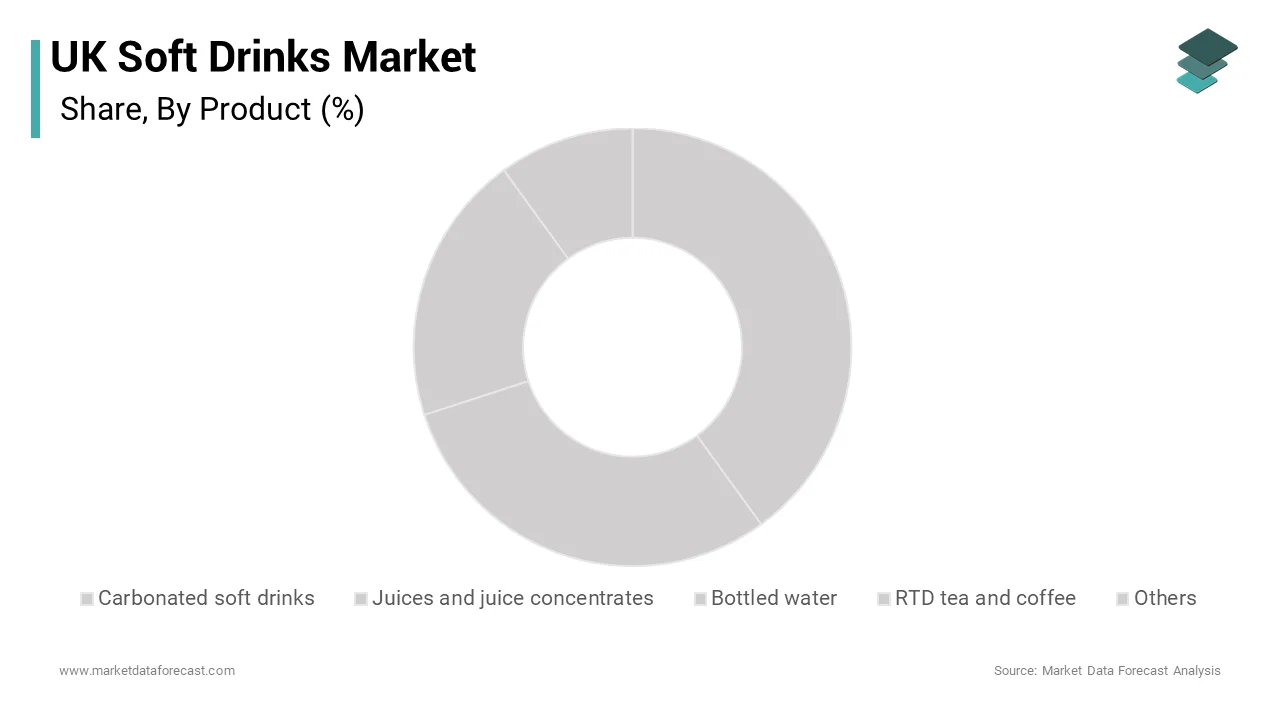
The ready to drink tea and coffee segment is projected to expand at a fastest CAGR of 6.8% during the forecast period owing to the increasing demand for convenient caffeine sources and the premiumization of traditional hot beverages into cold portable formats. The influence of cafe culture has played a pivotal role in normalizing the consumption of high quality RTD beverages among younger demographics who seek barista style experiences on the go. Manufacturers are responding by creating specialized variants to niche dietary preferences. The trend towards functional nutrition further accelerates this growth as consumers look for drinks that offer mental clarity and energy without the sugar crash associated with sodas. Additionally, advancements in preservation technology allow brands to retain the fresh taste and aromatic qualities of brewed beverages making them more appealing to discerning palates.
By Distribution Channel Insights
The offline retail channels segment was the largest by capturing 45.7% of the United Kingdom soft drinks market share in 2025 due to their unparalleled immediacy and physical accessibility. Consumers often purchase beverages on impulse or for immediate consumption making physical presence crucial for sales conversion. The strategic placement of soft drinks in high traffic areas, such as checkout counters forecourts and train station kiosks enhances visibility and encourages spontaneous buys. Major retailers like Tesco Sainsburys and Co op have invested heavily in expanding their chilled beverage sections ensuring a wide variety of options are available at competitive prices. The majority of household food and beverage purchases still occur in physical stores due to the ability to inspect products and avoid delivery wait times. Loyalty programs and in store promotions such as multi buy deals that further drive traffic and volume sales within this channel. Consumers appreciate the tactile experience of selecting cold drinks and the certainty of immediate availability, which online channels cannot always guarantee. Additionally, the trust associated with established retail partners assures customers of product freshness and safety standards.
The online retail segment is anticipated to witness a fastest CAGR of 10.5% from 2025 to 2034 with the convenience of bulk purchasing and home delivery. The shift towards e commerce has been accelerated by changing consumer habits and the availability of subscription services for regular deliveries of heavy items like water and soda cases. Soft drink brands have leveraged this trend by partnering with major platforms like Amazon and specialized grocery delivery services to reach customers directly. The ability to browse a wider variety of niche and premium brands online appeals to discerning consumers, who may not find these options in local stores. The number of online grocery shoppers in the UK has grown significantly with many preferring the convenience of home delivery for heavy cases of beverages. Subscription models offer added value through discounts and automatic replenishment fostering customer loyalty and predictable revenue streams for brands. Social media marketing and influencer collaborations drive traffic to online stores, where detailed product information and reviews aid purchasing decisions. The integration of efficient logistics has ensured that beverages arrive in optimal condition addressing previous concerns about damage or temperature control.
By Packaging Insights
The plastic and glass bottles segment held a dominant share of the United Kingdom soft drinks market in 2025 due to their versatility resealability and suitability for a wide range of beverage types. The consumer preference for convenience and portability allowing individuals to consume beverages over extended periods is escalating the growth of the segment. The ability to recap bottles makes them ideal for on the go consumption in offices schools and during travel enhancing their utility compared to single use containers. Major manufacturers have invested heavily in improving the sustainability profile of bottles by using recycled PET materials and reducing plastic weight to address environmental concerns. The advancements in recycling infrastructure have improved the recovery rates of plastic bottles encouraging continued use despite regulatory pressures. Retailers support this dominance by stocking a wide variety of bottle sizes from small single serves to large family sized containers catering to different consumption occasions. The transparency of plastic bottles also allows consumers to visually inspect the product which can influence purchasing decisions. Additionally, the manufacturing efficiency and cost effectiveness of blow molding processes make bottles an economical choice for producers.
The aluminum cans segment is esteemed to register a fastest CAGR of 5.2% during the forecast period with their superior recyclability and rapid cooling properties. Consumers are increasingly favoring cans due to their infinite recyclability and lower carbon footprint compared to plastic bottles. The tactile experience of holding a cold can and the auditory satisfaction of opening it contribute to a premium perception that appeals to younger demographics. Data from Mintel shows that sales of canned beverages have risen as brands launch premium craft sodas and energy drinks in sleek compact formats that fit easily into bags and cup holders. The rise of outdoor activities and festivals has further boosted demand for cans as they are lighter and safer than glass while being more environmentally friendly than plastic. Manufacturers are capitalizing on this trend by introducing vibrant designs and limited-edition artwork on cans to enhance shelf appeal. Additionally, the barrier properties of aluminum protect the beverage from light and oxygen preserving flavor and carbonation better than other materials.
REGIONAL MARKET ANALYSIS
England UK Soft Drinks Market Analysis
England was the top performer in the United Kingdom soft drinks market by accounting for 85.3% of share in 2025. The concentration of major cities, such as London, Manchester, and Birmingham creates dense areas with high disposable incomes and diverse consumption patterns. The vibrant food and beverage culture in London, particularly drives innovation and adoption of new trends with numerous cafes bars and restaurants setting the pace for the rest of the country. The presence of headquarters for major retailers and beverage companies in England facilitates efficient distribution and marketing campaigns. The high density of gyms and fitness centers in urban areas further stimulates demand for functional and sports drinks. Additionally, the diverse multicultural population in England contributes to a wide acceptance of various flavor profiles including exotic fruits and international tea varieties. The robust infrastructure supports both retail and online channels ensuring widespread availability.
COMPETITIVE LANDSCAPE
The competition in the United Kingdom soft drinks market is intense and characterized by a mix of established multinational corporations and agile local brands vying for consumer attention. Major players leverage their extensive distribution networks and marketing budgets to dominate shelf space in supermarkets and convenience stores while smaller niche brands focus on premium positioning and unique value propositions. Price competition is significant particularly between private label offerings from major retailers and branded products forcing companies to balance quality with affordability. Consumer loyalty is increasingly driven by brand ethics transparency and alignment with health and wellness trends rather than just taste. Digital marketing and direct to consumer channels have become critical battlegrounds where brands engage directly with shoppers to build communities and foster repeat purchases.
KEY MARKET PLAYERS
A few of the market players that are dominating the UK soft drinks market are
- Asahi Group Holdings Ltd.
- Danone SA
- AG Barr plc
- Britvic plc
- Coca Cola European Partners
- Del Monte Pacific Ltd.
- Keurig Dr Pepper Inc.
- Kirin Holdings Co. Ltd.
- Mondelez International Inc.
- Monster Beverage Corp.
- National Beverage Corp.
- Nestle SA
- Otsuka Holdings Co. Ltd.
- Parle Agro Pvt Ltd.
- PepsiCo Inc.
- Postobon SA
- Purity Soft Drinks Ltd.
- Red Bull GmbH
- Refresco Group BV
- Starbucks Corp.
- Suntory Beverage and Food Ltd.
- Tata Consumer Products Ltd.
Top Players In The Market
- Coca Cola European Partners serves as a pivotal entity in the United Kingdom soft drinks landscape managing the production and distribution of iconic brands such as Coca Cola Fanta and Schweppes. The company has significantly strengthened its market position by accelerating its transition towards sustainable packaging including the introduction of 100% recycled plastic bottles across its core range. Recent initiatives focus on expanding its portfolio of zero sugar variants to align with public health guidelines while maintaining brand loyalty. The organization actively invests in community programs and water stewardship projects to enhance its corporate social responsibility profile. By leveraging advanced data analytics for supply chain optimization and collaborating closely with major retailers on promotional strategies Coca Cola European Partners ensures consistent product availability and visibility.
- Britvic plc stands as a leading manufacturer and distributor of soft drinks in the United Kingdom owning popular brands such as Robinsons J2O and Pepsi Max under license. The company has reinforced its market presence through strategic acquisitions and partnerships that expand its reach into premium and functional beverage segments. Recent actions include the launch of innovative low calorie mixers and enhanced fruit juice blends that cater to evolving consumer tastes for healthier options. Britvic places strong emphasis on sustainability by reducing plastic usage and increasing the recyclability of its packaging materials. The firm actively engages with consumers through digital marketing campaigns that highlight brand heritage and quality ingredients. Its focus on product innovation and environmental responsibility helps maintain its status as a trusted household name in the UK beverage sector.
- AG Barr plc is a prominent independent soft drinks company in the United Kingdom best known for its flagship brand Irn Bru and Rubicon mango drinks. The company has bolstered its market position by diversifying its portfolio to include energy drinks and flavored waters appealing to younger demographics. Recent strategies involve reformulating products to reduce sugar content while preserving distinct flavors that resonate with loyal customers. AG Barr actively promotes sustainability through initiatives aimed at reducing carbon emissions and enhancing packaging circularity. The company leverages its strong regional identity in Scotland to build emotional connections with consumers while expanding its national footprint through targeted marketing efforts. Its agility in responding to trend shifts and commitment to quality ensure it remains a significant competitor against larger multinational corporations in the UK soft drinks industry.
Top Strategies Used By Key Market Participants
Key players in the United Kingdom soft drinks market employ several strategic approaches to maintain competitiveness and drive growth. Product innovation remains central as companies introduce new flavors functional ingredients and reduced sugar formulations to meet changing consumer demands. Sustainability initiatives are increasingly prioritized with brands adopting recycled packaging and ethical sourcing practices to appeal to environmentally conscious shoppers. Strategic partnerships with retailers ensure optimal shelf placement and visibility while collaborative marketing campaigns enhance brand awareness. Digital engagement through social media and e commerce platforms allows companies to reach broader audiences and gather valuable consumer insights. Continuous investment in supply chain efficiency ensures product quality and availability while cost management strategies help maintain competitive pricing structures in response to inflationary pressures and raw material volatility.
MARKET SEGMENTATION
This research report on the UK soft drinks market is segmented and sub-segmented into the following categories.
By Product
- Carbonated soft drinks
- Juices and juice concentrates
- Bottled water
- RTD tea and coffee
- Others
By Distribution channel
- Offline
- Online
By Packaging
- Bottles
- Cans
- Cartons and tetra packs
- Others