- Product Description Description
- Table of Contents TOC
- List of Table & Figure LOT
- Get Free Sample PDF Sample PDF
Market Size, 2025
$580.91 MnMarket Estimate, 2026
$626.45 MnMarket Forecast, 2034
$1,145.84 MnCAGR, 2026–2034
7.84%U.S. Condom Market Report Summary
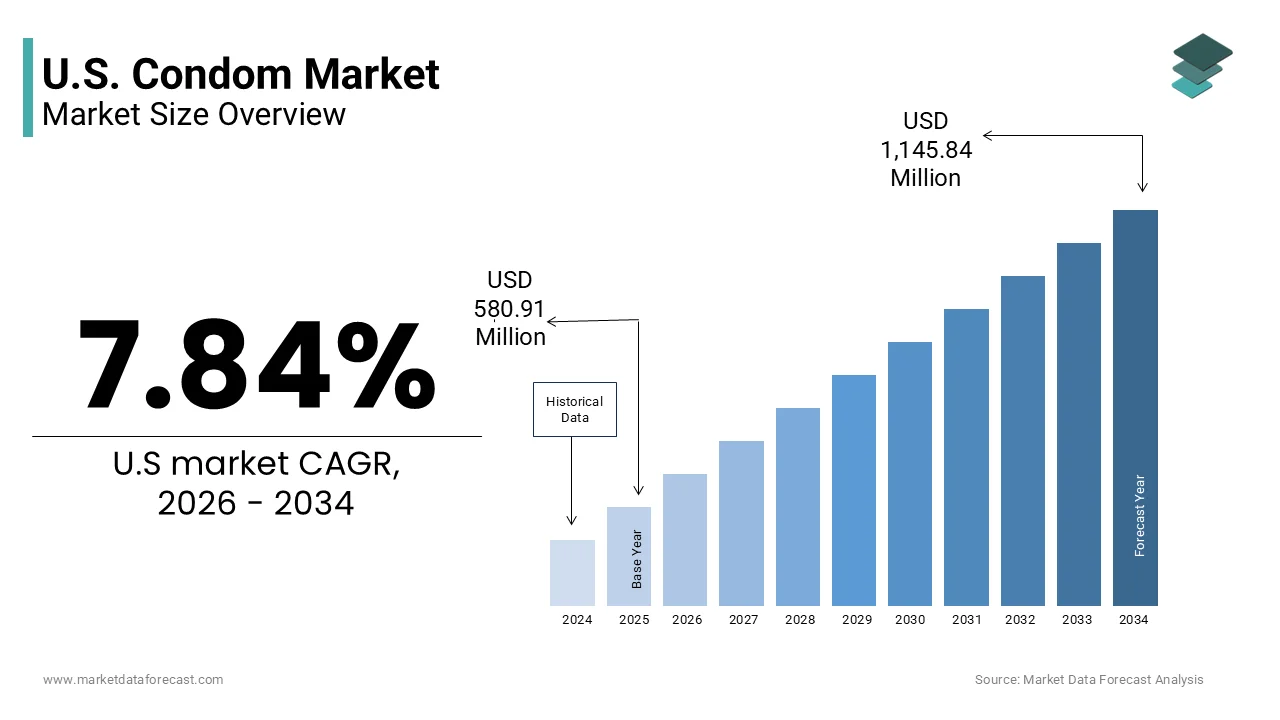
The U.S. condom market was valued at USD 580.91 million in 2025, is estimated to reach USD 626.45 million in 2026, and is projected to reach USD 1,145.84 million by 2034, growing at a CAGR of 7.84% during the forecast period. Market growth is driven by increasing awareness regarding sexual health, rising focus on family planning, and growing adoption of safe sex practices. Condoms remain one of the most widely used contraceptive products due to their accessibility, affordability, and effectiveness in preventing sexually transmitted infections. The increasing availability of premium, ultra thin, and eco friendly condom products is further supporting market expansion across the United States.
Key Market Trends
- Rising awareness regarding sexual wellness and safe sex practices is driving market growth.
- Increasing demand for premium and specialty condom products is boosting market expansion.
- Growing focus on contraception and prevention of sexually transmitted infections is supporting product demand.
- Expansion of retail pharmacies and e commerce distribution channels is enhancing product accessibility.
- Innovation in ultra thin, flavored, and sustainable condom materials is influencing market development.
Segmental Insights
- Based on product type, the male condoms segment accounted for the dominant share of the U.S. condom market in 2025. This dominance is attributed to widespread usage, strong availability, and higher consumer adoption rates.
- Based on material, the latex segment held 42.5% of the U.S. condom market share in 2025, driven by its durability, elasticity, and cost effectiveness.
- Based on end user, the men segment accounted for a significant share of the U.S. condom market in 2025, supported by the role of men as the primary purchasers and users of male condoms.
- Based on distribution channel, the drug stores segment held a significant share of the U.S. condom market in 2025, driven by convenient product access and broad retail presence.
Regional Insights
- The U.S. condom market is experiencing steady growth across the country, supported by increasing sexual health awareness campaigns, expanding product availability, and growing acceptance of sexual wellness products. The rising popularity of premium and sustainable products is further strengthening market development.
Competitive Landscape
The U.S. condom market is highly competitive, with key players focusing on product innovation, premium branding, and expansion of sexual wellness portfolios to strengthen their market position. Companies are investing in non latex materials, eco friendly products, and enhanced user comfort technologies. Prominent players in the U.S. condom market include Church & Dwight Co. Inc., Reckitt Benckiser Group Plc, Lifestyles, Okamoto Industries Inc., Caution Wear Corp, Mayer Laboratories Inc., Veru Inc., GLYDE Health Pvt. Ltd., LELO, and Karex Berhad.
U.S. Condom Market Size
The U.S. condom market size was valued at USD 580.91 million in 2025, is estimated to reach USD 626.45 million in 2026, and is projected to reach USD 1,145.84 million by 2034, growing at a CAGR of 7.84% from 2026 to 2034.
The condom is the manufacturing distribution and retail sale of barrier contraceptives designed to prevent pregnancy and sexually transmitted infections. As per the Centers for Disease Control and Prevention, approximately 20 million new sexually transmitted infection cases occur annually in the United States underscoring the critical role of barrier protection. Consumer behavior is shifting toward premium products that offer enhanced sensory experiences and reliability. According to the Guttmacher Institute, condoms remain the second most common contraceptive method among women aged 15 to 49 years accounting for 8.4% of current usage. Regulatory oversight by the Food and Drug Administration ensures strict quality standards for product efficacy and safety. Retail channels have expanded from traditional pharmacies to online platforms and subscription services reflecting changing purchasing habits. The cultural normalization of sexual health discussions further supports market accessibility. Innovation in material science aims to reduce allergic reactions and improve durability.
MARKET DRIVERS
Rising Prevalence of Sexually Transmitted Infections
The increasing incidence of sexually transmitted infections is one of the major factors propelling the growth of the United States condom market. Public health data indicates a persistent rise in STI rates prompting greater reliance on barrier methods for protection. According to the Centers for Disease Control and Prevention there were over 2.5 million reported cases of chlamydia gonorrhea and syphilis in 2023 alone. This alarming trend has intensified educational campaigns by health organizations emphasizing the effectiveness of condoms in preventing disease transmission. The National Institutes of Health states that consistent condom use reduces the risk of HIV transmission by approximately 80%. Such statistics reinforce the perception of condoms as essential health tools rather than optional accessories. Young adults aged 15 to 24 years account for half of all new STI infections driving targeted marketing efforts toward this demographic. The increased testing and diagnosis rates have raised awareness about personal protection responsibilities. Government funding for sexual health programs often includes condom distribution initiatives further boosting availability. The correlation between STI outbreaks and condom usage creates a direct demand stimulus. Consumers are increasingly prioritizing health security over convenience leading to higher adoption rates. The visibility of public health crises related to sexual health ensures that condoms remain a focal point of preventive care strategies.
Growing Emphasis on Sexual Wellness and Education
The expanding focus on sexual wellness and comprehensive education is another attribute elevating the growth of the United States condom market. Society is moving away from taboos surrounding sexual health fostering an environment where open discussion and proactive protection are normalized. More states have implemented mandates for inclusive sexual health education in schools reaching millions of students annually. These programs emphasize the importance of consent safety and contraceptive use influencing early adoption habits. The rise of digital health platforms and apps provides accessible information about sexual health encouraging regular condom usage. The societal shift reduces stigma and encourages individuals to take responsibility for their sexual health. Brands are responding by marketing condoms as part of a holistic wellness lifestyle rather than just a medical necessity. The integration of sexual health into broader wellness conversations attracts a wider audience including older demographics, who are re-entering the dating scene. Online communities and social media influencers play a crucial role in disseminating accurate information and product recommendations.
MARKET RESTRAINTS
Preference for Alternative Contraceptive Methods
The widespread availability and preference for long-acting reversible contraceptives and hormonal methods is solely hindering the growth of the condom market. Many consumers perceive alternative methods as more convenient and effective for pregnancy prevention without the need for immediate action before intercourse. These methods offer higher efficacy rates and eliminate the potential for user error associated with condom application. The convenience of not having to purchase or store physical barriers appeals to couples in committed relationships. Hormonal contraceptives are recommended for their ability to regulate menstrual cycles and reduce acne adding non contraceptive benefits. This multi-functional appeal draws users away from barrier methods which offer no additional health benefits beyond protection. The perception that condoms reduce sexual sensation also drives couples toward internal methods that do not interfere with physical intimacy. Insurance coverage for prescription contraceptives under the Affordable Care Act has reduced out of pocket costs making alternatives more financially attractive.
Social Stigma and Psychological Barriers
The persistent social stigma and psychological barriers is also declining the growth of the United States condom market. According to a study published in the Journal of Sex Research, nearly 30% of respondents reported feeling awkward or embarrassed when initiating condom use with a partner. This discomfort can lead to avoidance or inconsistent usage undermining market demand. Cultural and religious beliefs in certain communities also discourage the use of artificial contraceptives limiting market penetration in these demographics. The lack of open communication skills regarding sexual health exacerbates these issues preventing couples from negotiating safe sex practices effectively. Marketing efforts often struggle to overcome deep seated emotional resistance and negative associations. The perception that condom use interrupts spontaneity remains a significant deterrent for many consumers. Additionally, the visibility of purchasing condoms in physical stores can cause anxiety for some buyers despite the availability of discreet options. These psychological hurdles create a gap between intention and action reducing overall consumption. Addressing these barriers requires nuanced educational approaches that go beyond factual information to address emotional and relational dynamics.
MARKET OPPORTUNITIES
Expansion of E Commerce and Discreet Subscription Services
The rapid growth of e-commerce and discreet subscription services is certainly to create new opportunities for the growth of the United States condom market. Consumers increasingly prefer the privacy and convenience of online shopping for personal health products. Subscription models allow users to receive regular deliveries of condoms ensuring consistent availability and reducing the friction of repeated purchases. The subscription based retail models have improved customer retention rates by 20% in the personal care sector. Direct to consumer brands leverage digital platforms to offer personalized recommendations and bundled packages catering to specific preferences. The ability to browse a wide variety of brands sizes and materials online enhances consumer choice and satisfaction. Discreet packaging addresses privacy concerns encouraging first time buyers and those sensitive to stigma. Social media marketing and influencer partnerships drive traffic to these online stores reaching younger demographics effectively. The data collected from online interactions enables companies to tailor marketing strategies and product developments. The expansion of mobile health apps that integrate condom ordering further simplifies access.
Innovation in Sustainable and Eco-Friendly Materials
The development of sustainable and eco-friendly condom materials is additionally to boost the growth of the United States condom market. Environmental consciousness is rising among consumers who seek products with minimal ecological impact. The traditional latex condoms contribute to waste due to non-biodegradable packaging and materials. Brands introducing plant-based lubricants and recyclable or compostable packaging appeal to this environmentally aware segment. Innovations, such as polyisoprene condoms made from synthetic latex free materials cater to users with allergies, while offering a softer feel. The introduction of biodegradable latex options further aligns with sustainability goals. Partnerships with environmental organizations enhance brand credibility and attract conscious consumers. The trend toward green consumerism extends to personal care products creating demand for transparent and responsible sourcing. Marketing campaigns emphasizing environmental responsibility resonate with millennial and Gen Z demographics.
MARKET CHALLENGES
Supply Chain Volatility and Raw Material Costs
The volatility in the supply chain and fluctuating costs of raw materials is to inhibit the growth of the United States condom market. The production of latex condoms relies heavily on natural rubber harvested primarily from Southeast Asia. These cost increases squeeze profit margins for manufacturers who may hesitate to pass them on to price sensitive consumers. Geopolitical tensions and trade policies further complicate the importation of raw materials and finished goods. Supply chain bottlenecks can lead to stockouts and delayed deliveries impacting retailer relationships and consumer trust. The dependency on a few key sourcing regions creates vulnerability to regional crises such as pandemics or natural disasters. Manufacturers must invest in diversified sourcing strategies and inventory management systems to mitigate these risks. However, these measures require substantial capital investment and operational complexity. The inability to stabilize costs and supply affects the affordability and availability of condoms. This challenge is particularly acute for public health programs that rely on bulk procurement at low costs. Ensuring consistent supply amidst global uncertainties remains a critical operational hurdle.
Counterfeit Products and Quality Control Issues
The presence of counterfeit products and quality control issues is also to decline the growth of the United States condom market. Illicit condoms often fail to meet safety standards posing risks of breakage and disease transmission. Counterfeit products frequently enter the market through unregulated online platforms and informal retail channels. As per the Global Brand Counterfeiting Report, the health and personal care sector is among the top targets for counterfeiters due to high demand and low production costs. These fake products undermine consumer confidence in legitimate brands and discourage usage. The difficulty in distinguishing authentic products from counterfeits complicates purchasing decisions for consumers. Manufacturers invest heavily in anti counterfeit technologies such as holographic seals and tracking codes increasing operational costs. Regulatory enforcement against counterfeiters is challenging due to the cross border nature of online sales. The reputational damage from quality failures can have long lasting effects on brand loyalty. Public health agencies must continuously monitor market quality and issue warnings to protect consumers. The prevalence of substandard products creates a barrier to market growth by eroding trust.
REPORT COVERAGE
| REPORT METRIC | DETAILS |
| Market Size Available | 2025 to 2034 |
| Base Year | 2025 |
| Forecast Period | 2026 to 2034 |
| CAGR | 7.84% |
| Segments Covered | By Product Type, Material, End User, Distribution Channel, and Region. |
| Various Analyses Covered | Global, Regional and Country-Level Analysis, Segment-Level Analysis, Drivers, Restraints, Opportunities, Challenges; PESTLE Analysis; Porter’s Five Forces Analysis, Competitive Landscape, Analyst Overview of Investment Opportunities |
| Countries Covered | California, Washington, Oregon, New York, United States |
| Market Leaders Profiled | Church and Dwight Co. Inc., Reckitt Benckiser Group Plc, Lifestyles, Okamoto Industries Inc., Caution Wear Corp, Mayer Laboratories Inc., Veru Inc., GLYDE Health Pvt. Ltd., LELO, and Karex Berhad |
SEGMENTAL ANALYSIS
By Product Type Insights
The male condoms segment was accounted in holding a dominant share of the United States condom market in 2025 due to their widespread availability and deeply established usage norms among the population. They are the most recognized and accessible form of barrier contraception available in nearly every retail outlet pharmacy and healthcare facility. This high adoption rate is supported by decades of public health campaigns that have normalized male condom use as a standard practice for safe sex. The ease of access without a prescription allows for immediate acquisition which is critical for spontaneous sexual encounters. Male condoms are recommended as the only contraceptive method that also provides protection against sexually transmitted infections. This dual benefit reinforces their status, as an essential health product. Retailers prioritize shelf space for male condoms due to their high turnover rates and consistent demand. The familiarity with application methods and the variety of brands and types available further cement their dominance. Consumers perceive male condoms as a reliable and convenient option for both pregnancy prevention and disease control. The extensive distribution network ensures that they are readily available in urban and rural areas alike.
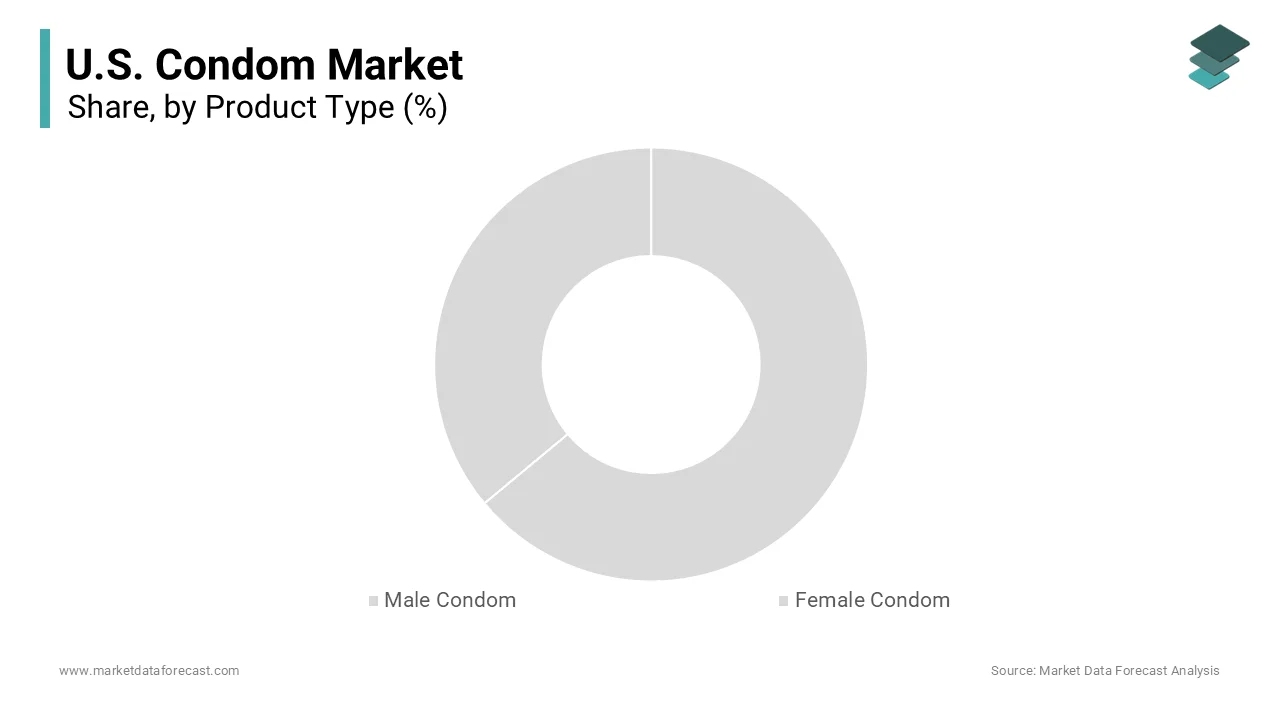
The female condom segment is likely to grow at an anticipated CAGR of 12.2% during the forecast period with an increasing focus on female agency and control over sexual health. Women are seeking contraceptive methods that they can initiate and manage independently without relying on partner cooperation. Female condoms provide a unique opportunity for women to protect themselves against sexually transmitted infections and unintended pregnancy. This autonomy is particularly valued in relationships where negotiating male condom use may be difficult or unsafe. As per the Food and Drug Administration the approval of new generations of female condoms made from softer and more flexible materials has improved user experience and acceptance. These advancements address previous complaints about noise and discomfort making them a more viable option for consumers. The rise of feminist health movements has also raised awareness about female controlled barrier methods. Educational campaigns by organizations, such as the Female Health Company emphasize the benefits of female condoms in empowering women. The growing recognition of consent and bodily autonomy in societal discourse supports the adoption of these products. Women are increasingly willing to explore alternatives that offer greater control and protection. The shift toward patient centered care in sexual health encourages healthcare providers to discuss female condoms as a valid option. This cultural and medical shift drives the accelerated growth of the female condom segment.
By Material Insights
The latex segment was the largest by holding 42.5% of the United States condom market share in 2025 due to their proven efficacy in preventing pregnancy and sexually transmitted infections along with large scale manufacturing capabilities. Natural rubber latex has been the standard material for decades offering superior strength and elasticity. According to the Food and Drug Administration, latex condoms are highly effective when used correctly with a typical use failure rate of around 13% for pregnancy prevention. This reliability is well documented and trusted by consumers and healthcare providers alike. The established supply chain for natural rubber allows for cost effective production making latex condoms widely available and affordable. As per the International Rubber Study Group the global supply of natural rubber supports the mass production of billions of condoms annually ensuring consistent availability in the US market. The familiarity with latex material reduces consumer hesitation and encourages repeat purchases. Most public health campaigns and educational materials feature latex condoms reinforcing their status as the default option. The ability to manufacture latex condoms in various textures thicknesses and shapes adds to their appeal. Retailers stock a wide variety of latex brands catering to diverse preferences. The extensive clinical data supporting the safety and effectiveness of latex builds consumer confidence.
The non latex condom segment is likely to witness a fastest CAGR of 9.1% from 2026 to 2034 with the rising prevalence of latex allergies and sensitivities among consumers. A significant portion of the population experiences allergic reactions to natural rubber latex ranging from mild skin irritation to severe anaphylaxis. According to the American College of Allergy Asthma and Immunology approximately 1 to 6% of the general population has a latex allergy prompting them to seek alternative materials. Non latex condoms made from polyisoprene polyurethane or nitrile offer safe and effective solutions for these individuals. Polyisoprene in particular mimics the feel of latex without the allergenic proteins making it a popular choice. As per the Food and Drug Administration the approval of multiple non latex brands has expanded consumer options and increased awareness. Healthcare providers frequently recommend non latex condoms to patients with known allergies driving adoption. The growing diagnosis of latex sensitivity through medical testing further identifies potential users. Consumers are becoming more informed about ingredient labels and actively seek hypoallergenic products. The comfort and softness of advanced synthetic materials also attract users without allergies who prefer a different sensory experience.
By End User Insights
The men segment held aa significant share of the United States condom market in 2025 with the primary purchasers and users of male condoms. Traditional gender roles and biological factors place the onus of barrier contraception largely on men during heterosexual intercourse. According to the Guttmacher Institute, men report purchasing condoms more frequently than women citing ease of access and immediate need as key reasons. The physical act of applying a male condom requires male participation making them direct consumers. The educational programs often target young men to promote responsible sexual behavior and consistent condom use. This focus establishes early habits of purchase and usage. Retail marketing strategies predominantly feature male oriented messaging and packaging designs that appeal to men. The availability of male condoms in venues frequented by men such as bars clubs and gas stations reinforces this dynamic. Men often view condom purchase as a routine aspect of dating and sexual activity. The social expectation for men to provide protection further drives their role as primary users. Peer influence and masculine norms around preparedness also encourage regular procurement. The sheer volume of male condom usage outweighs other segments due to the prevalence of heterosexual relationships where male condoms are the standard barrier method.
The LGBTQ+ community segment is expected to grow at an anticipated CAGR of 9.1% during the forecast period with the increasing visibility and targeted health initiatives. Public health organizations have intensified efforts to promote safe sex practices within LGBTQ+ populations particularly among men who have sex with men. According to the Centers for Disease Control Prevention, PrEP pre exposure prophylaxis usage has increased but condoms remain essential for preventing other sexually transmitted infections. Campaigns, such as Those Who Know encourage regular testing and condom use within the community. The destigmatization of LGBTQ+ identities has led to more open discussions about safe sex and protection. Specialty brands and retailers are creating inclusive marketing campaigns that resonate with LGBTQ+ consumers. The availability of condoms in LGBTQ+ friendly venues and events increases accessibility. Community based organizations distribute condoms freely fostering a culture of responsibility. The recognition of diverse sexual practices requires varied types of protection driving demand. The shift toward holistic sexual wellness in the community supports consistent usage.
By Distribution Channel Insights
The drug stores segment was the largest by holding a significant share of the United States condom market in 2025 due to the trust and professional association consumers have with pharmacies. Customers perceive drug stores, as reliable sources for health-related products ensuring product authenticity and quality. The presence of pharmacists provides an implicit endorsement of safety and efficacy. The private environment of pharmacy aisles allows for discreet selection reducing embarrassment. Drug stores often dedicate specific sections to sexual wellness offering a wide variety of brands and types. The integration of condoms with other health products creates a one stop shop experience. Loyalty programs and health savings accounts can be used for purchases adding financial incentive. The consistent foot traffic in drug stores for prescriptions and essentials ensures high visibility for condom displays. The reputation of drug stores as healthcare hubs reinforces the perception of condoms as medical necessities.
Strategic shelf placement and enhanced privacy features in drug stores further solidify their dominance. Retailers design store layouts to provide semi private areas for sexual health products allowing customers to browse without excessive exposure. According to Point of Purchase Advertising International discreet shelving and eye level placement in less trafficked aisles increase conversion rates for sensitive items. Drug stores often place condoms near family planning or personal care sections creating a logical shopping journey. As per NielsenIQ impulse purchases of condoms in drug stores are influenced by clear signage and organized displays. The availability of self checkout options in many pharmacies adds another layer of privacy appealing to shy consumers. Staff training in customer service ensures respectful interactions reducing anxiety. Promotional bundles and seasonal displays in drug stores drive volume sales. The ability to combine condom purchases with other health items simplifies shopping. The consistent inventory levels in drug stores ensure reliability for repeat buyers. The professional atmosphere distinguishes drug stores from convenience stores where purchases may feel more exposed. This combination of privacy and professionalism makes drug stores the leading distribution channel. The focus on customer comfort enhances the shopping experience and drives loyalty.
The online retail stores segment is expected to grow at an anticipated CAGR of 9.1% from 2026 to 2034. Consumers increasingly prefer to purchase sensitive health products from the privacy of their homes avoiding potential embarrassment in physical stores. Online platforms allow for anonymous browsing and purchasing protecting consumer identity. The subscription model for condoms has gained traction offering automatic deliveries that ensure consistent supply without repeated ordering. This convenience appeals to busy professionals and young adults who value time efficiency. The ability to compare prices and read reviews online empowers consumers to make informed choices. Wide product assortments including niche and premium brands are available online exceeding physical store limits. Discreet packaging standards adopted by major e commerce retailers further enhance appeal. The integration of digital health apps with online stores simplifies reordering. The removal of geographical barriers allows access to specialized products in rural areas.
COMPETITIVE LANDSCAPE
The competition in the United States condom market is characterized by intense rivalry among established global manufacturers and emerging direct to consumer brands. Market leaders compete primarily on product quality brand reputation and innovation rather than price alone. The presence of large corporations creates a consolidated environment where scale and distribution networks offer significant advantages. However niche players gain traction by focusing on organic materials sustainability and inclusive marketing strategies. Continuous investment in research and development is essential for companies to introduce novel textures and materials that enhance sensitivity. Regulatory compliance regarding safety and labeling serves as a key differentiator in this competitive landscape. Consumers increasingly prefer brands that demonstrate social responsibility and transparency in sourcing. The barrier to entry remains moderate due to manufacturing complexities but high brand loyalty poses challenges for new entrants.
KEY MARKET PLAYERS
Some of the companies that are playing a dominating role in the U.S. condom market are
- Church & Dwight Co. Inc. (U.S.)
- Reckitt Benckiser Group Plc (U.K.)
- Lifestyles (Australia)
- Okamoto Industries Inc. (Japan)
- Caution Wear Corp (U.S.)
- Mayer Laboratories Inc. (U.S.)
- Veru Inc. (U.S.)
- GLYDE Health Pvt. Ltd. (Australia)
- LELO (Sweden)
- Karex Berhad (Malaysia)
Top Players in the Market
- Church and Dwight Co Inc is a major participant in the United States condom market through its flagship Trojan brand. The company leverages strong brand recognition to maintain a dominant presence in retail and online channels. Church and Dwight recently expanded its product portfolio by introducing ultra thin and sensitive variants to meet consumer demand for enhanced comfort. The company invests heavily in digital marketing campaigns that focus on sexual wellness and education. These initiatives aim to destigmatize condom use and encourage responsible sexual behavior among younger demographics. Church and Dwight also prioritizes sustainability by exploring eco friendly packaging options to appeal to environmentally conscious consumers. Their robust distribution network ensures widespread availability in pharmacies supermarkets and convenience stores.
- LifeStyles Healthcare Pte Ltd plays a significant role in the United States condom market with its diverse range of products including SKYN and LifeStyles brands. The company is renowned for pioneering non latex condoms made from polyisoprene which cater to individuals with latex allergies. LifeStyles recently launched new SKYN Elite varieties that offer improved sensitivity and strength. The company focuses on inclusive marketing strategies that resonate with diverse communities including the LGBTQ+ population. LifeStyles also partners with sexual health organizations to promote safe sex practices and increase awareness. Their commitment to innovation extends to developing sustainable manufacturing processes and reducing environmental impact. The company’s emphasis on quality and comfort distinguishes its offerings in a competitive landscape. These strategic efforts enable LifeStyles to capture growing segments of health conscious and allergy sensitive consumers while strengthening its brand loyalty.
- Okamoto Industries Inc contributes to the United States condom market by providing high quality latex and non latex condoms under brands such as Zero Zero Three and Lambskin. The company is recognized for its advanced manufacturing technology that produces some of the thinnest condoms available globally. Okamoto recently introduced new lubricant formulations that enhance comfort and reduce friction during use. The company focuses on premium positioning by targeting consumers who prioritize sensitivity and natural feel. Okamoto also emphasizes rigorous quality control measures to ensure product safety and reliability. Their strategic partnerships with specialized retailers and online platforms expand market reach beyond traditional drugstores. Okamoto invests in educational initiatives that highlight the benefits of proper condom usage and storage.
Top Strategies Used by Key Market Participants
Key players in the United States condom market primarily employ product innovation and digital engagement to maintain competitive advantages. Companies invest in research and development to create thinner and stronger materials such as polyisoprene for enhanced user experience. Launching eco friendly packaging and sustainable production methods appeals to environmentally conscious consumers. Manufacturers also focus on expanding direct to consumer e commerce platforms to offer discreet purchasing options. Strategic partnerships with sexual health organizations facilitate educational campaigns that destigmatize condom use. Targeted marketing towards diverse demographics including the LGBTQ+ community broadens consumer base. Brands leverage social media influencers to promote sexual wellness and safe sex practices. These combined strategies enable market participants to differentiate their products improve brand loyalty and strengthen their overall market presence effectively while addressing evolving consumer preferences for quality and responsibility.
MARKET SEGMENTATION
This research report on the U.S. condom market is segmented and sub-segmented into the following categories.
By Product Type
- Male Condom
- Female Condom
By Material
- Latex
- Non Latex
By End User
- Men
- Women
- LGBTQ+ Community
By Distribution Channel
- Supermarket and Hypermarket
- Drug Stores
- Online Retail Stores
- Others
By Country
- California
- Washington
- Oregon
- New York
- Rest of the United States