- Product Description Description
- Table of Contents TOC
- List of Table & Figure LOT
- Get Free Sample PDF Sample PDF
Market Size, 2025
$9.86 BnMarket Estimate, 2026
$10.72 BnMarket Forecast, 2034
$20.85 BnCAGR, 2026–2034
8.67%U.S. Dairy Alternatives Market Report Summary
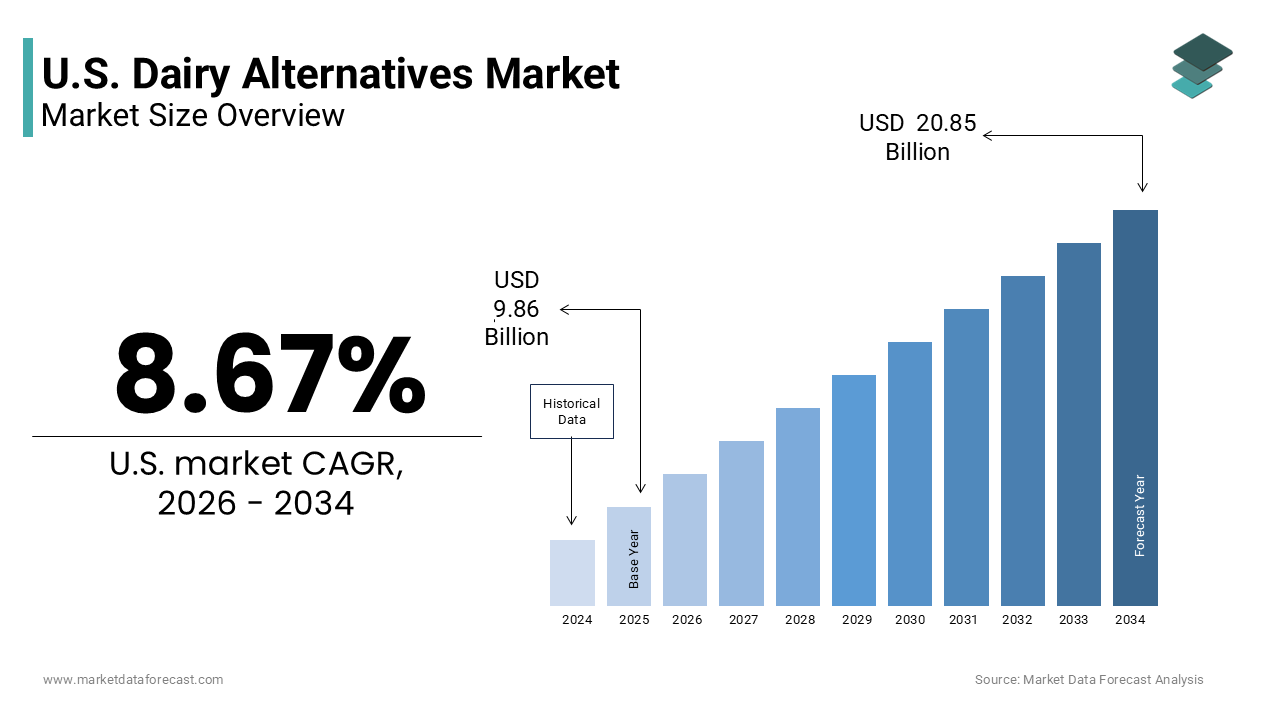
The U.S. dairy alternatives market was valued at USD 9.86 billion in 2025, is estimated to reach USD 10.72 billion in 2026, and is projected to reach USD 20.85 billion by 2034, growing at a CAGR of 8.67% during the forecast period from 2026 to 2034. The growth of the U.S. dairy alternatives market is driven by rising prevalence of lactose intolerance, increasing consumer preference for plant-based diets, and growing awareness regarding environmental sustainability and animal welfare. Expanding availability of non-dairy milk, cheese, yogurt, and dessert products across mainstream retail and foodservice channels is further accelerating market growth. Moreover, advancements in plant-based ingredient technologies, increasing demand for clean-label and functional foods, and the growing adoption of vegan and flexitarian lifestyles are supporting the expansion of the U.S. dairy alternatives market.
Key Market Trends
- Rising demand for oat-based and pea-protein dairy alternatives driven by their nutritional profile and sustainability benefits.
- Growing popularity of clean-label and organic dairy alternative products with reduced sugar and natural ingredients.
- Increasing integration of plant-based milk and cheese products into cafés, restaurants, and quick-service food chains.
- Strong focus on sustainable packaging and environmentally responsible sourcing practices among manufacturers.
- Expansion of high-protein and functional dairy alternatives enriched with probiotics, vitamins, and adaptogens.
Segmental Insights
- Based on type, the non-dairy milk segment dominated the U.S. dairy alternatives market and held a substantial share in 2025. The segment’s dominance is attributed to the widespread use of plant-based milk in beverages, cereals, cooking, and baking applications, along with its extensive retail availability and strong consumer familiarity.
- Based on flavor, the unflavored segment accounted for the largest share of the U.S. dairy alternatives market in 2025. The dominance of this segment is driven by its versatility in culinary applications, low sugar content, and growing consumer preference for neutral-tasting products suitable for both sweet and savory dishes.
- Based on packaging type, the cartons segment was the largest and occupied a prominent share of the U.S. dairy alternatives market in 2025. The segment’s growth is supported by the cost-effectiveness, shelf stability, lightweight structure, and convenience offered by carton packaging for plant-based beverages.
- The non-dairy cheese segment is projected to witness the fastest CAGR during the forecast period owing to advancements in plant-based cheese formulations, improving meltability and texture, and rising demand for vegan cheese alternatives in pizzas, burgers, sandwiches, and ready-to-eat foods.
Regional Insights
The United States dominated the North American dairy alternatives market and accounted for a significant share in 2025, supported by high consumer awareness regarding plant-based nutrition, strong retail infrastructure, and growing investment in food innovation technologies. California remains a major contributor to the U.S. dairy alternatives market due to its large vegan and health-conscious population, strong presence of plant-based food manufacturers, and increasing adoption of sustainable food consumption practices. New York, Washington, and Oregon are also witnessing robust growth driven by rising demand for clean-label and environmentally friendly food products.
Competitive Landscape
The U.S. dairy alternatives market is highly competitive and characterized by the presence of established food and beverage companies along with emerging plant-based brands competing through product innovation, sustainability initiatives, premium formulations, and extensive distribution strategies. Leading companies are focusing on introducing protein-rich formulations, expanding flavored and functional product lines, improving ingredient transparency, and strengthening partnerships with retail and foodservice providers. Marketing campaigns centered on health, sustainability, and ethical consumption are further enhancing brand positioning across diverse consumer demographics. Prominent players in the U.S. dairy alternatives market include Danone S.A., The Hain Celestial Group, Inc., Blue Diamond Growers, Califia Farms, Oatly Group AB, SunOpta Inc., Ripple Foods, Nestlé S.A., Kikkoman Corporation, and Earth’s Own Food Company.
U.S. Dairy Alternatives Market Size
The U.S. dairy alternatives market size was valued at USD 9.86 billion in 2025 and is anticipated to reach USD 10.72 billion in 2026 from USD 20.85 billion by 2034, growing at a CAGR of 8.67% during the forecast period from 2026 to 2034.
Dairy alternatives are non-dairy, usually plant-based, products designed to mimic the taste, texture, and function of traditional dairy (milk, cheese, yogurt, butter) while using no animal ingredients. This market has evolved from a niche category for individuals with lactose intolerance to a mainstream dietary choice driven by health consciousness environmental concerns and ethical considerations. The product landscape includes beverages and foods derived from almonds oats soy coconuts peas and cashews among other sources. According to market data published by The Good Food Institute, retail sales of plant-based foods in the United States have faced recent contractions, totaling $7.9 billion with a 2 percent decline in dollar volume as the market stabilizes across varying product segments. The Department of Agriculture notes that per capita consumption of fluid cow milk has declined by over 40 percent since the 1970s indicating a long term transition away from traditional dairy. This decline is paralleled by an increase in the availability of alternative options in mainstream grocery stores and food service establishments. The regulatory environment overseen by the Food and Drug Administration continues to define labeling standards which influences how these products are marketed and perceived by consumers. Also, the integration of dairy alternatives into culinary traditions and everyday meals signifies their establishment as a permanent component of the American food system rather than a transient trend.
MARKET DRIVERS
Rising Prevalence of Lactose Intolerance and Dietary Restrictions
The increasing prevalence of lactose intolerance and specific dietary restrictions is a fundamental driver for the United States dairy alternatives market. A significant portion of the adult population lacks the enzyme lactase required to digest lactose leading to gastrointestinal discomfort and prompting the search for suitable substitutes. According to the National Institutes of Health approximately 65 percent of the human population has a reduced ability to digest lactose after infancy with higher rates observed in certain ethnic groups within the United States. This biological constraint creates a consistent and non discretionary demand for lactose free options such as almond oat and soy milks. The medical community increasingly recommends plant based alternatives for individuals with milk protein allergies or those managing conditions such as irritable bowel syndrome. Data from the American College of Gastroenterology indicates that individual dietary modifications are the primary treatment for managing the symptoms of lactose malabsorption, though research shows many affected individuals can still tolerate small quantities of traditional dairy throughout the day. Furthermore the rise in diagnosed food allergies among children has led parents to seek safe and nutritious alternatives for school meals and home consumption. The clarity of labeling on plant based products allows consumers to easily identify items free from dairy components reducing the risk of accidental exposure. As awareness of digestive health grows more individuals are self diagnosing intolerances and proactively switching to alternative diets. This health driven motivation ensures a stable customer base that prioritizes functionality and safety over novelty. The widespread availability of these products in pharmacies and grocery stores further facilitates access for those with medical needs.
Growing Consumer Awareness of Environmental Sustainability
Environmental sustainability has emerged as a powerful factor influencing consumer choices in the United States dairy alternatives market. This is driven by individuals seeking to reduce their ecological footprint. The production of traditional dairy farming is associated with significant greenhouse gas emissions water usage and land degradation which has prompted environmentally conscious consumers to seek lower impact alternatives. According to the United States Environmental Protection Agency agriculture accounts for approximately 10 percent of total greenhouse gas emissions in the United States with livestock being a major contributor. Plant based dairy options generally require fewer natural resources and generate lower carbon emissions compared to cow milk. Data from the University of Michigan Center for Sustainable Systems indicates that producing almond milk generates significantly fewer greenhouse gases than dairy milk although water usage varies by crop. Consumers are increasingly educated about these differences through documentaries social media campaigns and corporate sustainability reports. The desire to align personal values with purchasing decisions drives many individuals to choose oat pea or soy based products. Younger demographics particularly are willing to pay a premium for products that claim to be eco friendly and ethically sourced. This shift in consumer mentality transforms dairy alternatives from a dietary substitute into a statement of environmental responsibility. Companies responding to this demand by highlighting sustainable sourcing and packaging further reinforce this driver.
MARKET RESTRAINTS
Higher Price Points Compared to Traditional Dairy Products
The higher cost of dairy alternatives compared to conventional cow milk remains a significant restraint limiting broader adoption among price sensitive consumers in the country, which slows down the growth of the United States dairy alternatives market. Plant based milks and cheeses often command a premium due to complex processing requirements specialized ingredients and smaller scale production volumes. According to sources, the average price per gallon of whole milk is substantially lower than that of almond or oat milk creating a financial barrier for households on tight budgets. This price disparity is exacerbated by inflationary pressures on agricultural commodities such as nuts and oats which are key inputs for these products. Data from the Economic Research Service indicates that supply chain disruptions and climate related crop failures can lead to volatile pricing for raw materials used in alternative dairy production. For many consumers especially those in lower income brackets the additional cost is prohibitive for daily consumption despite the perceived health or environmental benefits. The lack of economies of scale in certain niche categories such as cashew or macadamia nut cheeses further elevates prices. As per the Consumer Price Index food at home prices have risen making discretionary spending on premium alternatives more difficult. Retailers often place these products in specialty sections which may limit promotional opportunities compared to staple dairy items. Until production efficiencies improve and costs decrease the market penetration of dairy alternatives will remain constrained to middle and upper income demographics. This economic reality prevents these products from becoming universal staples across all socioeconomic groups.
Nutritional Concerns and Additive Content Perception
Concerns regarding the nutritional profile and additive content of dairy alternatives act as a constraint by causing hesitation among health focused consumers, which hinders the expansion of the United States dairy alternatives market. While many plant based milks are fortified with vitamins and minerals they often contain added sugars stabilizers emulsifiers and thickeners to mimic the texture and taste of cow milk. According to the Food and Drug Administration labels on some alternative beverages reveal high levels of added sugars which can negate health benefits for individuals monitoring calorie intake or managing diabetes. The presence of ingredients such as carrageenan gellan gum and lecithin has sparked debate among nutritionists and consumers about their long term health effects. Data from the International Food Information Council shows that a significant percentage of shoppers actively avoid products with unrecognizable or artificial sounding ingredients. Some alternatives lack the complete protein profile found in dairy milk requiring consumers to seek additional protein sources elsewhere in their diet. This nutritional gap can deter athletes and parents seeking optimal nutrition for growing children. As per the Academy of Nutrition and Dietetics careful label reading is essential to ensure adequate nutrient intake when substituting dairy. The perception that processed plant based foods are less natural than whole cow milk creates a psychological barrier. Manufacturers face the challenge of cleaning up labels while maintaining product stability and appeal. This scrutiny limits the willingness of some consumers to fully transition to dairy alternatives.
MARKET OPPORTUNITIES
Innovation in Protein Rich and Functional Ingredients
The development of protein rich and functionally enhanced dairy alternatives offers a substantial opportunity for manufacturers to capture health conscious consumers in the United States dairy alternatives market. Traditional plant based milks such as almond and rice are often low in protein compared to cow milk creating a gap that new formulations aim to fill. Ingredients such as pea protein fava bean and lentil offer complete amino acid profiles and superior nutritional value. According to the Plant Based Foods Association products featuring high protein claims are experiencing faster growth rates than standard varieties. Companies are investing in research to improve the solubility and mouthfeel of these proteins making them more palatable in beverages and yogurts. Incorporating probiotics prebiotics and adaptogens into dairy alternatives aligns with this trend toward holistic wellness. The success of brands focusing on pea and soy protein demonstrates the viability of this approach. As per the National Institutes of Health plant based proteins are associated with reduced risks of chronic diseases enhancing their appeal. Expanding into sports nutrition and meal replacement segments offers additional revenue streams. By addressing the nutritional deficiencies of earlier generations of alternatives manufacturers can attract a broader demographic including fitness enthusiasts and older adults. This innovation drives differentiation and justifies premium pricing in a competitive landscape.
Expansion into Food Service and Culinary Applications
The expansion of dairy alternatives into food service and culinary applications creates a pathway for growth as restaurants and cafes integrate these products into their menus, which is expected to boost the expansion of the United States dairy alternatives market. Consumers increasingly expect plant based options when dining out driving establishments to stock almond oat and coconut milks for coffee sauces and desserts. According to data from the Plant Based Foods Association, restaurants that incorporate plant-based options onto their menus see their internal plant-based sales increase by 112 percent. Coffee chains play a pivotal role in this trend by offering barista blend alternatives that foam and steam effectively for lattes and cappuccinos. Chefs are also experimenting with plant based cheeses and creams in savory dishes appealing to vegan and flexitarian diners. The availability of high quality culinary grade alternatives enables restaurants to create inclusive menus without compromising on taste or texture. Data from the Specialty Food Association indicates that brick-and-mortar retail continues to account for the primary share of product sales, with retail supermarkets, specialty grocers, and online platforms remaining the dominant channels for plant-based market expansion over institutional foodservice. Partnerships between manufacturers and food service providers facilitate training and product education ensuring proper usage. This B2B channel not only increases volume but also exposes new customers to dairy alternatives in a professional setting. Leveraging the credibility of chefs and baristas helps normalize these products in everyday dining.
MARKET CHALLENGES
Regulatory Ambiguity and Labeling Disputes
Regulatory ambiguity and ongoing labeling disputes are a major challenge to the United States dairy alternatives market. This creates uncertainty for manufacturers and confusion for consumers. The use of terms such as milk yogurt and cheese on plant based products has been contested by the traditional dairy industry leading to legislative and legal battles. According to the Food and Drug Administration current regulations allow the use of these terms if accompanied by clear qualifiers such as almond or soy but state level laws vary significantly. Data from the National Conference of State Legislatures shows that several states have introduced bills restricting the use of dairy terminology for plant based products. This fragmented regulatory landscape complicates compliance for national brands and increases legal costs. The lack of uniform federal standards hinders marketing consistency and brand recognition across different regions. As per the International Food Information Council consumer confusion regarding the nutritional equivalence of these products persists due to inconsistent labeling practices. The dairy lobby argues that such labeling misleads consumers while plant based advocates claim it accurately describes the product function. This tension delays innovation and market entry for new products. Manufacturers must navigate a complex web of local and federal guidelines which diverts resources from product development. The outcome of these regulatory debates will significantly shape the future positioning and accessibility of dairy alternatives in the retail environment.
Supply Chain Volatility and Raw Material Sourcing
Supply chain volatility and the challenges of sourcing consistent high quality raw materials hold back the expansion of the United States dairy alternatives market. Many plant based products rely on specific crops such as almonds oats and coconuts which are susceptible to weather conditions pests and geopolitical disruptions. According to the United States Department of Agriculture droughts in California have impacted almond yields leading to price fluctuations and supply constraints. Climate change exacerbates these risks by altering growing conditions and reducing predictability for farmers. Data from the Economic Research Service indicates that extreme weather events have become more frequent affecting the stability of agricultural inputs. The reliance on imported ingredients such as coconut oil and cashews introduces additional vulnerabilities related to trade policies and transportation logistics. Companies face the difficulty of securing long term contracts with suppliers to ensure steady production while managing cost pressures. The limited number of suppliers for specialized ingredients such as pea protein isolates further concentrates risk. Any disruption in the supply chain can lead to product shortages and delayed launches damaging brand reputation. Diversifying sourcing strategies and investing in sustainable agricultural practices are necessary but costly measures. This inherent instability requires robust risk management frameworks to maintain operational continuity.
REPORT COVERAGE
| REPORT METRIC | DETAILS |
| Market Size Available | 2025 to 2034 |
| Base Year | 2025 |
| Forecast Period | 2026 to 2034 |
| CAGR | 8.67% |
| Segments Covered | By Type, Flavour, Packaging Type and Region. |
| Various Analyses Covered | Global, Regional & Country Level Analysis, Segment-Level Analysis; DROC, PESTLE Analysis, Porter's Five Forces Analysis, Competitive Landscape, Analyst Overview of Investment Opportunities |
| Countries Covered | California, Washington, Oregon, New York, and the rest of the United States. |
| Market Leader Profiled | Danone S.A., The Hain Celestial Group, Inc., Blue Diamond Growers, Califia Farms, Oatly Group AB, SunOpta Inc., Ripple Foods, Nestlé S.A., Kikkoman Corporation, and Earth's Own Food Company. |
SEGMENTAL ANALYSIS
By Type Insights
The non-dairy milk segment led the United States dairy alternatives market and captured a substantial share in 2025. This leading position of the segment was attributed to its versatility as a direct substitute for cow milk in beverages cereals and cooking. Moreover, this category benefits from decades of consumer familiarity and widespread availability across all retail channels ranging from convenience stores to large hypermarkets. The ease of integration into daily routines such as morning coffee or smoothies ensures consistent repeat purchases. Also, the lower barrier to entry for consumers switching from dairy milk compared to cheese or yogurt facilitates broader adoption. Manufacturers have invested heavily in improving the texture and flavor profiles of these milks to closely mimic the mouthfeel of dairy which reduces hesitation among new users. The segment also benefits from strong marketing campaigns by major brands that emphasize health benefits and environmental sustainability. The ability to offer various fortifications such as calcium and vitamin D further aligns these products with nutritional expectations. This combination of accessibility familiarity and functional parity ensures that non-dairy milk remains the dominant force in the dairy alternatives landscape. The dominance of the non-dairy milk segment is significantly reinforced by its exceptional versatility in culinary applications and its seamless integration into daily consumption habits. Unlike other dairy alternatives such as cheese or yogurt which are often used for specific meals or snacks plant based milks serve as foundational ingredients for a wide array of dishes and beverages. This habitual use in hot beverages creates a steady demand that is less susceptible to seasonal fluctuations. Beyond beverages these milks are extensively used in baking cooking and cereal consumption making them indispensable in household kitchens. The adaptability of these products allows them to replace dairy in both sweet and savory contexts without compromising taste. This broad utility ensures that non-dairy milk remains the primary entry point for consumers exploring dairy alternatives. The leadership of the non-dairy milk segment is further sustained by its extensive distribution networks and ubiquitous presence in retail environments across the United States. Major beverage manufacturers have leveraged their established logistics infrastructure to ensure that plant based milks are available in nearly every grocery store convenience outlet and online platform. This strategic placement capitalizes on existing shopping behaviors where consumers routinely purchase fluid milk. The shelf stable variants of almond and soy milk also benefit from placement in ambient aisles which extends their reach to smaller stores with limited refrigeration capacity. The consistency of supply and wide variety of brands ensure that customers can easily find their preferred options regardless of location. Retailers prioritize this category due to its high turnover rate and strong customer loyalty. The robust supply chain capabilities of leading companies enable efficient restocking and minimal out of stock situations. This widespread accessibility removes friction for consumers and solidifies the segment's dominant market position.
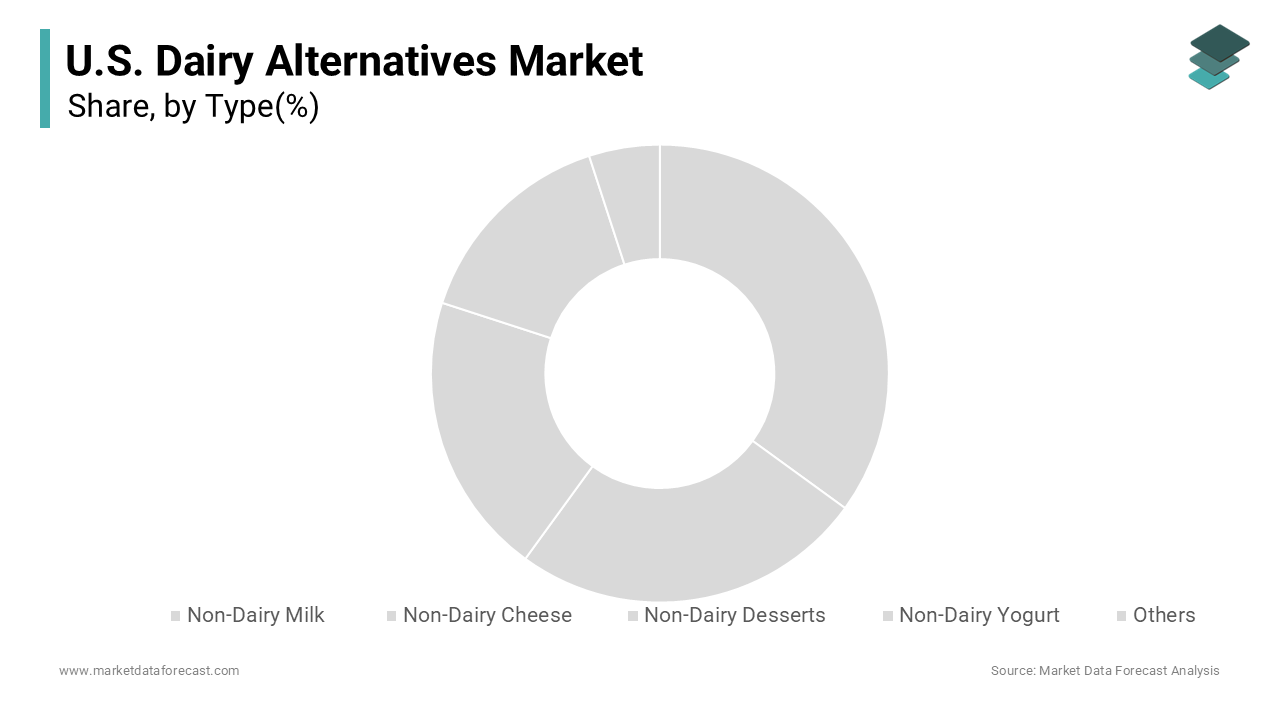
The non-dairy cheese segment is expected to exhibit a noteworthy CAGR of 12.5% over the forecast period due to technological advancements in fermentation and formulation that have significantly improved the melt stretch and flavor of plant based cheeses. Historically perceived as inferior to dairy cheese recent innovations have created products that closely replicate the sensory experience of traditional varieties. The demand is particularly strong among flexitarians who seek to reduce dairy intake without completely abandoning favorite foods such as pizza burgers and sandwiches. Moreover, the introduction of cashew almond and coconut based cheeses has diversified the flavor profile offering richer and more complex tastes than earlier soy based versions. Restaurants and fast food chains are also beginning to offer plant based cheese options which exposes wider audiences to these improvements. The growing availability of artisanal and gourmet plant based cheeses in specialty stores further elevates the category. This combination of improved quality and expanding application opportunities positions non-dairy cheese as the primary growth engine in the market. The accelerated growth of the non-dairy cheese segment is primarily fueled by significant technological advancements in texture and meltability which address the historical limitations of plant based alternatives. Early versions of vegan cheese often failed to melt properly or lacked the creamy mouthfeel of dairy cheese leading to consumer dissatisfaction. Recent innovations in ingredient science such as the use of cultured nut bases and specialized starches have resolved these issues. The ability to replicate the complex flavor development associated with aging has also improved through the use of microbial cultures. Consumers are increasingly recognizing these improvements leading to higher repeat purchase rates. The investment in research and development by major food corporations has accelerated the pace of innovation bringing high quality products to market faster. This technological progress reduces the compromise previously associated with choosing dairy free options. By delivering a comparable culinary experience manufacturers are unlocking new usage occasions and driving sustained growth in this segment. The rapid expansion of the non-dairy cheese segment is further driven by the rising demand for customization in popular food categories such as pizza and sandwiches. These dishes are staples in the American diet and the ability to include dairy free cheese allows individuals with dietary restrictions or preferences to participate fully in social dining experiences. The inclusion of these options in major chain restaurants validates the quality of plant based cheeses and exposes them to millions of consumers. This normalization reduces the stigma associated with dietary restrictions and encourages trial among non vegan customers. The convenience of having these options available in food service settings drives home consumption as consumers seek to replicate these experiences. Social media trends highlighting vegan pizza and gourmet sandwiches further amplify interest and demand. The emotional satisfaction of enjoying comfort foods without dairy constraints creates strong brand loyalty. This integration into beloved culinary traditions ensures that non-dairy cheese continues to grow at an exceptional rate.
By Flavour Insights
The unflavored segment held the majority share of the United States dairy alternatives market in 2025 because of its role as a versatile base ingredient for cooking baking and beverage preparation. Consumers prefer unflavored plant based milks and yogurts because they do not impart unwanted sweetness or artificial tastes when combined with other ingredients. The absence of added sugars appeals to health conscious individuals who monitor their calorie and carbohydrate intake. Unflavored products are essential for preparing savory dishes such as soups sauces and mashed potatoes where sweetness would be inappropriate. The flexibility to customize flavor at home allows users to add their preferred sweeteners or spices enhancing the personalization of their meals. Furthermore, the culinary industry also relies heavily on unflavored alternatives for professional recipes ensuring consistency in taste profiles. This functional advantage ensures that unflavored products remain the default choice for most households. The broad applicability across sweet and savory contexts sustains the dominance of this segment in the market. The dominance of the unflavored segment is significantly supported by its culinary flexibility and the specific requirements of savory applications in American cooking. Many traditional recipes call for neutral tasting liquids to balance flavors without overpowering the main ingredients. The ability to use these products in both breakfast and dinner preparations enhances their value proposition for consumers. Besides these, the neutrality of unflavored options allows for precise control over seasoning and sweetness which is crucial for culinary success. Home cooks appreciate the versatility of having a single product that can be used for coffee cereal and dinner recipes. This multi purpose utility reduces the need for multiple specialized products in the pantry. The alignment with healthy eating trends that emphasize whole foods and minimal processing further boosts demand. By serving as a blank canvas for culinary creativity unflavored dairy alternatives maintain their leading position in the market. The leadership of the unflavored segment is further reinforced by growing health consciousness and the widespread trend of sugar avoidance among American consumers. Many flavored dairy alternatives contain significant amounts of added sugars which contribute to excessive calorie intake and potential health issues. Unflavored plant based milks and yogurts offer a solution by providing essential nutrients without the burden of empty calories. The clean label movement encourages transparency and simplicity in ingredients which unflavored products exemplify. The availability of fortified unflavored options ensures that consumers do not miss out on vitamins and minerals such as calcium and vitamin D. This health driven preference is particularly strong among parents who seek nutritious options for their children without excessive sweetness. The perception of unflavored products as more natural and less processed enhances their appeal. By aligning with preventive health strategies unflavored dairy alternatives secure their dominant market share.
The flavored segment is predicted to witness the highest CAGR of 9.8% from 2026 to 2034 owing to the increasing demand for convenient ready to drink options that satisfy sweet cravings and provide enjoyable taste experiences. Consumers are drawn to flavored plant based milks and yogurts as indulgent treats or quick snacks that require no additional preparation. The rise of functional beverages with added benefits such as protein or probiotics in flavored formats further accelerates growth. The influence of social media and influencer marketing highlights these products as desirable lifestyle choices. The ability of flavored alternatives to mimic the taste of traditional desserts and shakes makes them appealing to those transitioning away from dairy. This combination of indulgence convenience and functional benefits positions the flavored segment as a key driver of future market expansion. The accelerated growth of the flavored segment is primarily fueled by the desire for indulgence and the convenience of on the go consumption in busy American lifestyles. Flavored plant based milks and yogurts serve as ready to eat snacks that provide satisfaction without the need for preparation or additional ingredients. Flavored alternatives offer a quick source of energy and nutrition that fits seamlessly into hectic schedules. The sensory pleasure derived from sweet flavors such as chocolate and vanilla provides a moment of enjoyment during the day. This emotional connection drives frequent purchases and brand loyalty. The packaging innovations that enhance portability and freshness further support this trend. The ability to satisfy sweet cravings with a perceived healthier option appeals to health conscious consumers who still desire treat like experiences. By combining taste convenience and functionality flavored dairy alternatives capture a significant share of the snack market. The rapid expansion of the flavored segment is further driven by continuous innovation in exotic and seasonal flavor profiles that capture consumer interest and drive trial. Manufacturers are moving beyond traditional vanilla and chocolate to introduce unique combinations such as matcha turmeric lavender and salted caramel. The introduction of global inspirations reflects the diversifying palate of American consumers who are exposed to international cuisines. Collaborations with popular brands and influencers also help launch new flavors that resonate with target audiences. The excitement surrounding new releases encourages consumers to experiment with different varieties increasing overall category engagement. Seasonal offerings such as pumpkin spice in the fall or peppermint in the winter create urgency and drive periodic sales spikes. This strategy of constant renewal keeps the product line fresh and relevant. Flavored dairy alternatives are leveraging creativity and cultural trends. Consequently, they maintain their momentum as the fastest-growing segment.
By Packaging Type Insights
The cartons segment was the largest by occupying a 60.8% share of the United States dairy alternatives market in 2025. This prominence of the segment was supported by its cost effectiveness lightweight nature and suitability for both refrigerated and shelf stable products. Cartons are the preferred packaging format for plant based milks due to their ability to preserve freshness and extend shelf life without refrigeration for aseptic varieties. The efficiency of cartons in transportation and storage reduces logistical costs and carbon footprint which aligns with the sustainability values of many consumers. The versatility of carton sizes ranging from single serve to family sized containers caters to diverse household needs. Also, the familiar shape and ease of pouring make cartons user friendly for daily consumption. Retailers favor cartons due to their stackability and efficient use of shelf space. The established infrastructure for carton production and filling supports high volume manufacturing. This combination of functional benefits economic efficiency and environmental considerations ensures that cartons remain the primary packaging choice for dairy alternatives. The dominance of the carton segment is significantly reinforced by its cost efficiency and the optimization it brings to the supply chain for dairy alternative manufacturers. Cartons are lighter and more compact than glass bottles reducing transportation costs and fuel consumption during distribution. The ability to ship shelf stable products in cartons allows manufacturers to distribute goods over longer distances without the need for expensive refrigerated transport. Moreover, the streamlined handling and stacking capabilities of cartons improve warehouse efficiency and reduce spoilage rates. Retailers benefit from easier inventory management and reduced labor costs associated with stocking shelves. The economic advantages of carton packaging allow manufacturers to keep prices competitive while maintaining profitability. This financial efficiency supports the widespread availability of dairy alternatives in various retail channels. By minimizing operational costs cartons facilitate the mass market penetration of plant based products. The leadership of the carton segment is further sustained by its superior shelf stability and product preservation capabilities which are essential for maintaining the quality of dairy alternatives. Aseptic carton packaging effectively blocks light oxygen and moisture which are primary factors in food degradation. The ability to store these products in pantries frees up refrigerator space which is a significant benefit for households with limited cooling capacity. Also, the preservation of nutrients and flavor during storage ensures that the product tastes fresh upon opening. The technology behind aseptic cartons is well established and trusted by consumers for safety and reliability. The reduction in food waste aligns with sustainability goals and appeals to environmentally conscious buyers. By ensuring product integrity and convenience carton packaging remains the preferred choice for both manufacturers and consumers in the dairy alternatives market.
The PET bottles segment is estimated to register the fastest CAGR of 8.5% during the forecast period. This rapid expansion is driven by the increasing popularity of ready to drink protein shakes and premium plant based beverages that benefit from the transparency and durability of PET packaging. Consumers associate PET bottles with convenience and portability making them ideal for on the go consumption. The recyclability of PET material is improving with advanced recycling technologies addressing environmental concerns. The ability to reseal PET bottles adds to their convenience allowing consumers to consume the product in multiple sittings. The premium appearance of PET bottles supports higher price points for specialized functional drinks. This combination of visual appeal convenience and improving sustainability credentials positions PET bottles as a rapidly growing packaging format. The accelerated growth of the PET bottles segment is primarily fueled by the premium branding and visual appeal that transparent packaging offers for marketing dairy alternatives. Clear PET bottles allow consumers to see the product inside which builds trust and highlights the natural color and texture of the beverage. Brands use this transparency to showcase ingredients such as fruit pieces or layered textures which enhances the perceived value. The ability to print high quality labels directly on the bottle surface allows for vibrant and eye catching designs. This aesthetic advantage helps differentiate products in a crowded market. The tactile experience of holding a sturdy PET bottle also contributes to positive consumer perception. By leveraging visual appeal for marketing purposes manufacturers can command premium prices and build strong brand identity. This strategic use of packaging design drives the rapid adoption of PET bottles in the dairy alternatives sector. The rapid expansion of the PET bottles segment is further driven by the durability and resealability features that cater to active lifestyles and on the go consumption. PET bottles are shatterproof and lightweight making them ideal for gym bags backpacks and outdoor activities. The convenience of closing and reopening the bottle enhances usability for commuters and students. The ergonomic design of many PET bottles fits easily into cup holders and bottle cages increasing their practicality. The ability to maintain product freshness after opening through effective sealing mechanisms adds to the value proposition. This functional benefit aligns with the busy and mobile nature of modern consumers. By addressing the needs of active individuals PET bottles capture a significant share of the functional beverage market. This alignment with lifestyle trends ensures continued growth for this packaging segment.
COUNTRY ANALYSIS
The United States dominated the North American dairy alternatives market and accounted for a 79.1% share in 2025. This dominance of the country’s market was driven by a highly developed retail infrastructure strong consumer awareness and a culture of innovation in food technology. The country boasts a vast network of grocery stores and specialty shops that ensure widespread availability of plant based products. According to the Good Food Institute the United States is home to the highest number of plant based food startups globally fostering continuous product development and variety. The high disposable income of American consumers allows for the purchase of premium dairy alternatives which often cost more than conventional dairy. According to personal consumption expenditure data from the U.S. Bureau of Economic Analysis, consumer spending on personal care, health-related products, and wellness services undergoes sharp fluctuations and significant declines during broader economic contractions. The presence of major global brands and agile niche players creates a competitive environment that drives quality and accessibility. Furthermore the diverse demographic landscape of the United States creates varied demand for different types of alternatives ranging from almond to oat and pea based products. The regulatory framework provided by the Food and Drug Administration ensures product safety and labeling clarity which builds consumer trust. This combination of economic strength cultural trends and industrial capability ensures that the United States remains the central hub for the dairy alternatives industry. The leading position of the United States in the dairy alternatives market is significantly influenced by high consumer awareness and the deep integration of these products into daily lifestyles. Americans are increasingly educated about the benefits of plant based diets and actively seek alternatives for health ethical and environmental reasons. According to the International Food Information Council, approximately 59 percent of consumers regularly read packaging labels when buying a product for the first time, with a majority using the Nutrition Facts panel and ingredient list to assess the nutritional value of their food choices. This informed decision making drives demand for transparent and high quality products. The busy lifestyle of the average American characterized by long work hours and active social schedules creates a need for convenient health solutions. Dairy alternatives fit seamlessly into this routine providing nutrition and convenience without additional effort. The influence of social media and health influencers further amplifies awareness and encourages experimentation with new products. As per the Pew Research Center a significant portion of adults use social media to discover health and wellness trends. This digital exposure accelerates the adoption of new dairy alternatives. The cultural acceptance of using plant based foods as part of a healthy lifestyle reinforces the market position. This synergy between awareness and lifestyle ensures sustained growth and leadership in the global dairy alternatives sector. The dominance of the United States in the dairy alternatives market is underpinned by a robust innovation ecosystem and a clear regulatory framework that supports product development. The country is home to leading research institutions and private laboratories that drive advancements in food science and nutrition. According to the National Science Foundation, federal investment in agricultural and future food technologies includes multi-million dollar tracks aimed at transforming food systems and agricultural resilience, fostering underlying biotechnology and processing methods. This scientific foundation allows companies to create innovative products with improved taste and texture. The Food and Drug Administration provides guidelines for labeling and health claims which although stringent offer a pathway for credible marketing. The presence of venture capital firms specializing in food tech further supports startups and emerging brands in bringing novel concepts to market. As per research, funding for food and beverage startups in the United States remains among the highest globally. This financial support enables rapid scaling and commercialization of innovative ideas. The collaborative environment between academia industry and regulators ensures that the market remains dynamic and responsive to consumer needs. This supportive ecosystem encourages continuous improvement and differentiation. The ability to innovate within a structured regulatory environment ensures that the United States maintains its competitive edge and leadership in the dairy alternatives industry.
COMPETITIVE LANDSCAPE
The competition in the United States dairy alternatives market is intense and characterized by a mix of established giants and agile newcomers vying for consumer attention. Major corporations leverage their extensive distribution networks and marketing budgets to maintain dominance while niche brands differentiate through specialized formulations and targeted messaging. The market sees frequent product launches as companies strive to meet the evolving demands for health focused and natural ingredients. Price competition is moderate with many brands opting for premium positioning based on perceived health benefits and quality. Innovation in packaging and delivery formats serves as a key differentiator in this crowded landscape. Consumer loyalty is increasingly driven by brand values such as sustainability and transparency rather than just taste. Retailers play a crucial role by deciding shelf space allocation which influences visibility and sales. The rise of private label options adds pressure on branded players to justify higher prices with superior quality or unique benefits. Digital engagement and community building have become essential tools for fostering brand advocacy. Companies must continuously adapt to regulatory changes and consumer trends to remain relevant. This dynamic environment requires constant innovation and strategic agility to sustain growth and profitability in the face of rigorous competition.
KEY MARKET PLAYERS
A few of the major companies in the U.S. dairy alternatives market include
- Danone S.A.
- The Hain Celestial Group, Inc.
- Blue Diamond Growers
- Califia Farms
- Oatly Group AB
- SunOpta Inc.
- Ripple Foods
- Nestlé S.A.
- Kikkoman Corporation
- Earth's Own Food Company
Top Players in the US Dairy Alternatives Market
Danone North America
Danone North America serves as a pivotal leader in the United States dairy alternatives landscape through its diverse portfolio including Silk and So Delicious brands. The company focuses on delivering plant based nutrition that aligns with consumer demands for sustainability and health. Recent strategic initiatives involve expanding its oat milk offerings to capitalize on the rapid growth of this segment while enhancing supply chain resilience. Danone invests heavily in regenerative agriculture practices to source ingredients responsibly and reduce environmental impact. The corporation actively engages in educational campaigns to inform consumers about the benefits of plant based diets. By prioritizing innovation in texture and flavor Danone ensures its products meet high culinary standards. Its commitment to carbon neutrality and water stewardship strengthens brand loyalty among environmentally conscious buyers. These efforts collectively reinforce its position as a trusted provider of nutritious and sustainable dairy alternatives in the competitive market.
The Hain Celestial Group
The Hain Celestial Group maintains a strong presence in the United States dairy alternatives market primarily through its Earths Best and Dream brands. The company emphasizes organic and non GMO ingredients which appeals to health conscious parents and individuals seeking clean label products. Recent actions include reformulating existing products to reduce sugar content and improve nutritional profiles without compromising taste. Hain Celestial focuses on expanding distribution channels into mainstream grocery stores and online platforms to increase accessibility. The group leverages its expertise in organic sourcing to ensure high quality raw materials for its almond and rice milk varieties. Marketing efforts highlight the purity and safety of its ingredients fostering trust among discerning consumers. By aligning with wellness trends and emphasizing transparency Hain Celestial differentiates itself from conventional competitors. Its dedication to sustainable packaging and ethical sourcing further enhances its reputation. These strategies enable the company to capture niche segments and sustain growth in the evolving plant based sector.
Blue Diamond Growers
Blue Diamond Growers dominates the almond based dairy alternatives segment in the United States through its extensive control over almond production and processing. As a cooperative of almond growers the company ensures a stable and high quality supply of raw materials for its Almond Breeze brand. Recent strategies focus on diversifying flavor profiles and introducing barista edition products tailored for coffee enthusiasts. Blue Diamond invests in advanced manufacturing technologies to improve the consistency and shelf stability of its beverages. The company actively promotes the environmental benefits of almond farming compared to other crops through targeted marketing campaigns. Partnerships with food service providers expand the reach of its products in cafes and restaurants. By leveraging its vertical integration Blue Diamond maintains cost efficiency and product quality. Its commitment to innovation and sustainability resonates with consumers seeking reliable and eco friendly options. These initiatives solidify its leadership in the almond milk category and drive continued expansion in the broader dairy alternatives market.
Top Strategies Used by Key Market Participants
Key players in the United States dairy alternatives market employ diverse strategies to maintain competitiveness and drive growth. Product innovation remains central with companies launching new flavors and formulations to meet changing consumer preferences. Brands focus on clean label ingredients and natural sweeteners to appeal to health conscious buyers. Strategic partnerships with distributors and retailers ensure widespread availability and visibility in high traffic locations. Digital marketing and social media engagement are utilized to build brand loyalty and connect with younger demographics. Sponsorships of health and wellness events enhance brand association with active lifestyles. Companies also invest in sustainability initiatives such as eco friendly packaging to address environmental concerns. Subscription models and direct to consumer sales channels are expanded to improve customer retention. Pricing strategies often include premium positioning for specialized products while offering value packs for regular consumers. Continuous research and development support the creation of scientifically backed health claims. These combined approaches enable companies to differentiate their offerings and capture market share in a saturated industry.
RECENT MARKET DEVELOPMENTS
- In March 2024, Danone North America launched a new line of organic oat milk products nationwide. This launch is anticipated to attract health conscious consumers and strengthen the Us dairy alternatives markettt presence
- In May 2024, The Hain Celestial Group reformulated its Earths Best almond milk to reduce sugar content. This reformulation is anticipated to appeal to wellness focused parents and strengthen the Us dairy alternatives markettt presence
- In January 2024, Blue Diamond Growers introduced a barista edition almond milk for coffee shops. This introduction is anticipated to capture professional users and strengthen the Us dairy alternatives markettt presence
- In February 2024, Ripple Foods expanded its pea protein milk distribution to major retail chains. This expansion is anticipated to increase product accessibility and strengthen the Us dairy alternatives markettt presence
- In April 2024, Califia Farms partnered with specialty coffee roasters for exclusive blend promotions. This partnership is anticipated to enhance brand prestige and strengthen the Us dairy alternatives markettt presence
MARKET SEGMENTATION
This research report on the U.S. dairy alternatives market has been segmented based on the following categories.
By Type
- Non-Dairy Milk
- Non-Dairy Cheese
- Non-Dairy Desserts
- Non-Dairy Yogurt
- Others
By Flavor
- Flavored
- Unflavored
By Packaging Type
- PET Bottles
- Cans
- Cartons
- Others
By Distribution Channel
- On-trade
- Off-trade
By Country
- California
- Washington
- Oregon
- New York
- Rest of the United States