- Product Description Description
- Table of Contents TOC
- List of Table & Figure LOT
- Get Free Sample PDF Sample PDF
Market Size, 2025
$3.62 BnMarket Estimate, 2026
$3.76 BnMarket Forecast, 2034
$5.10 BnCAGR, 2026–2034
3.88%U.S. Denim Market Size, Growth, Trends & Forecast (2026–2034)
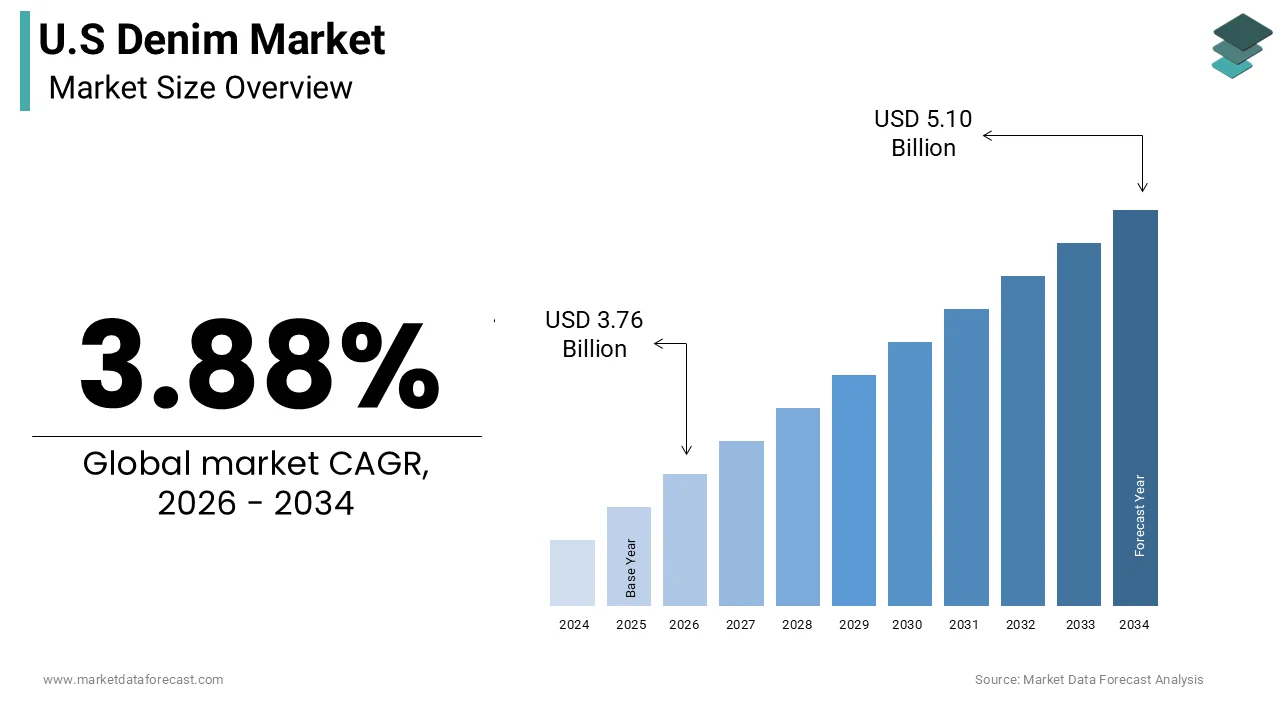
The U.S. denim market was valued at USD 3.62 billion in 2025, reached USD 3.76 billion in 2026, and is projected to reach USD 5.10 billion by 2034, growing at a compound annual growth rate (CAGR) of 3.88% from 2026 to 2034. Propelled by entrenched cultural significance, ongoing fabric technology innovations (such as stretch blends), and strong domestic raw material support, the national market maintains steady resilience and appeal.
Key Executive Metrics (At-a-Glance)
- 2025 Base Valuation: USD 3.62 Billion
- 2026 Current Valuation: USD 3.76 Billion
- 2034 Forecast Valuation: USD 5.10 Billion
- Compound Annual Growth Rate (CAGR): 3.88% (2026–2034)
- Dominant Segment by Type: Raw / Dry Denim (Driven by heritage appeal, durability, and premium pricing strategy)
- Fastest-Growing Segment by Type: Organic Denim (Driven by consumer demand for eco-friendly materials and regulatory sustainability goals)
- Dominant Application Segment: Clothing (Ubitquitous demand for casual wear and workwear apparel)
- Fastest-Growing Application Segment: Accessories (Expansion into lifestyle and fashion adjacencies like bags, hats, and custom pieces)
Core Market Drivers & Growth Triggers
- Cultural Omnipresence: Deep-rooted consumer adoption where ~90% of Americans own at least three pairs of jeans and denim accounts for ~20% of all pants sales.
- Fabric Innovation: Extensive adoption of comfort-driven stretch textiles, with over 75% of U.S. sold jeans containing elastane or spandex blends.
Primary Market Restraints & Challenges
- Environmental & Resource Pressures: High water consumption (~7,500 liters per conventional pair) and chemical utilization prompting stricter sustainability scrutiny.
- Competitive Casual Shifts & Costs: Proliferation of alternative comfort wear (joggers, athleisure) alongside cotton price volatility and counterfeit market threats.
U.S. Denim Market Segmentation Breakdown
| Segment Category | Leading / Dominant Focus | Key Segment Options / Growth Areas |
|---|---|---|
| By Type | Raw / Dry Denim (Leading position anchored by heritage craftsmanship and premium margins) | Raw/Dry Denim and Organic Denim (Fastest-growing due to ethical consumer trends and corporate sustainability goals) |
| By Application | Clothing (Dominant share driven by everyday jeans, jackets, and workwear staples) | Clothing and Accessories (Fastest-growing category covering bags, hats, belts, and personalized customization items) |
| By Region | United States (Dominates ~85% of the North American regional denim market share) | New York, Massachusetts, Pennsylvania, Illinois, Ohio, Michigan, Texas, Florida, Georgia, California, Washington, and Colorado |
Major Industry Players Profiled
Key corporations shaping the U.S. denim market include Levi Strauss & Co., Wrangler, Lee, True Religion, Guess, Diesel, Calvin Klein, Tommy Hilfiger, Gap Inc., American Eagle Outfitters, Lucky Brand, 7 For All Mankind, Hudson Jeans, Kontoor Brands, and AG Adriano Goldschmied.
 Download Free Sample Report
U.S Denim Market Size
The U.S. denim market was valued at USD 3.62 billion in 2025, is estimated to reach USD 3.76 billion in 2026, and is projected to reach USD 5.10 billion by 2034, growing at a CAGR of 3.88% from 2026 to 2034.
The denim market encompasses the design, manufacturing, distribution, and retail of trousers, jackets, and skirts crafted primarily from cotton twill fabric characterized by its diagonal ribbing. This sector represents a cornerstone of American casual wear, blending historical utility with contemporary fashion trends. Denim serves as a versatile staple across diverse demographics, ranging from workwear to high fashion. As per the United States Department of Agriculture, cotton production in the United States reached approximately 14 million bales in 20,24 providing a robust raw material base for domestic textile manufacturers. The industry is deeply rooted in cultural identity, with denim symbolizing durability and individualism. According to the Bureau of Labor Statistics, the average American household spends roughly 1800 USD annually on apparel and services, with denim constituting a significant portion of outerwear expenditures. Consumer preferences are shifting toward sustainable production methods and ethical sourcing practices. The market operates within a complex supply chain involving global sourcing of raw materials and domestic finishing processes. Retail channels have evolved from traditional brick-and-mortar stores to robust e-commerce platforms offering customized fits and styles. The integration of technology in fabric development enhances comfort and performance attributes. This dynamic landscape reflects a balance between heritage craftsmanship and modern innovation, ensuring denim remains a perennial favorite in the American wardrobe. The enduring appeal of denim transcends seasonal trends, maintaining steady relevance in the national fashion ecosystem.
MARKET DRIVERS
Enduring Cultural Significance and Versatility
The entrenched cultural significance and inherent versatility of denim serve as primary drivers for the United States market. Denim has transcended its origins as workwear to become a universal symbol of casual elegance and self-expression. According to the NPD Group, denim accounts for approximately 20 percent of all pants sales in the United States, demonstrating its ubiquitous presence in consumer wardrobes. The ability of denim to adapt to various social contexts, from professional settings to leisure activities, ensures consistent demand. As per the Cotton Incorporated Lifestyle Monitor, nearly 90 percent of American consumers own at least three pairs of jeans, indicating deep market penetration. The fabric's durability and ease of maintenance appeal to practical consumers seeking long-lasting clothing options. Fashion cycles frequently revisit denim styles such as wide leg or distressed cuts, keeping the category fresh and relevant. The psychological association of denim with authenticity and ruggedness resonates with American values. Retailers leverage this emotional connection through marketing campaigns that highlight heritage and craftsmanship. The seamless integration of denim into streetwear and high fashion collaborations further expands its appeal. This cultural omnipresence ensures that denim remains a non-negotiable item for most consumers. The continuous reinvention of classic styles prevents market saturation and encourages repeat purchases. The versatility of denim allows it to complement diverse aesthetic preferences, sustaining its dominance in the apparel sector.
Innovation in Fabric Technology and Comfort
Advancements in fabric technology and enhanced comfort features significantly drive the growth of the United States denim market. Modern consumers prioritize flexibility and ease of movement, leading to the widespread adoption of stretch denim blends. According to Cotton Incorporated, over 75 percent of jeans sold in the United States now contain some form of elastane or spandex, providing superior stretch and recovery. This technological evolution addresses previous complaints about rigidity and discomfort associated with traditional 100 percent cotton denim. Manufacturers utilize advanced weaving techniques to create lighter-weight fabrics suitable for year-round wear. As per the Textile Exchange, the development of bio-based stretch fibers offers sustainable alternatives to synthetic elastomers, appealing to eco-conscious buyers. The integration of moisture-wicking and temperature-regulating properties enhances the functional appeal of denim for active lifestyles. Brands invest heavily in research and development to improve fabric softness without compromising durability. The introduction of shape-retaining technologies ensures that jeans maintain their fit throughout the day, reducing the need for frequent washing. These innovations cater to the growing demand for athleisure-inspired clothing that bridges the gap between comfort and style. The ability to offer premium comfort experiences justifies higher price points and drives brand loyalty. Consumers are willing to pay for technical enhancements that improve daily wearability. This focus on performance and comfort transforms denim from a static garment into a dynamic lifestyle product.
MARKET RESTRAINTS
Environmental Concerns and Water Usage
Significant environmental concerns related to water consumption and chemical usage in denim production act as major restraints on the United States market. Traditional denim manufacturing is resource-intensive, requiring vast amounts of water for cotton cultivation and fabric dyeing. According to the United Nations Environment Programme, it takes approximately 7500 liters of water to produce one pair of conventional jeans, raising awareness about the ecological footprint of the industry. Consumers are increasingly scrutinizing the sustainability practices of brands, leading to hesitation in purchasing products with poor environmental records. As per the Ellen MacArthur Foundation, the fashion industry is responsible for 10 percent of global carbon emissions, with denim being a significant contributor due to energy-intensive processing. The use of hazardous chemicals in indigo dyeing and finishing processes poses risks to local ecosystems and worker health. Regulatory pressures are mounting for stricter discharge standards and waste management protocols. Brands face challenges in transitioning to cleaner production methods without significantly increasing costs. The negative perception of denim as a polluting product can deter environmentally conscious shoppers. Greenwashing accusations further erode consumer trust in sustainability claims. The industry struggles to balance affordability with eco-friendly practices. These environmental hurdles necessitate substantial investment in innovative technologies such as waterless dyeing and laser finishing. Until these solutions become mainstream and cost-effective, environmental concerns will continue to restrain market growth.
Shift Toward Alternative Casual Wear
The rising popularity of alternative casual wear categories presents a significant restraint to the United States denim market. Consumers are increasingly opting for comfortable and flexible clothing options such as joggers, leggings, and sweatpants for daily activities. According to the NPD Group, sales of athletic bottoms have grown steadily, outpacing denim in certain demographic segments, particularly among younger consumers. The trend toward remote work and hybrid lifestyles has reduced the need for structured clothing, including jeans. As per McKinsey and Company, the athleisure market continues to expand as consumers prioritize comfort and functionality over traditional fashion norms. The perception of denim as restrictive or formal compared to knit fabrics discourages frequent use. Social media influencers promote relaxed silhouettes and soft textures, shifting aesthetic preferences away from rigid denim structures. The convenience of elastic waistbands and easy care requirements makes alternatives more appealing for busy lifestyles. Denim brands struggle to compete with the immediate comfort offered by synthetic blends used in activewear. The decline in office attire requirements further diminishes the occasion for wearing jeans. This shift in consumer behavior requires denim manufacturers to innovate rapidly to remain relevant. The competition from versatile and comfortable alternatives fragments the casual wear market. Denim must evolve to match the comfort levels of competing categories to retain its share of wallet.
MARKET OPPORTUNITIES
Expansion of Sustainable and Circular Models
The expansion of sustainable and circular business models presents a substantial opportunity for the United States denim market. Consumers are increasingly seeking transparency and responsibility in fashion production, creating demand for eco-friendly denim options. According to the Global Fashion Agenda, brands that adopt circular practices such as recycling and upcycling can capture a growing segment of conscious consumers. The development of closed-loop systems, where old jeans are collected and regenerated into new fabric, reduces waste and resource consumption. As per the Textile Exchange, the market for recycled cotton is projected to grow significantly as technology improves fiber quality and scalability. Brands can differentiate themselves by offering take-back programs and repair services that extend product lifecycles. The use of organic cotton and low-impact dyes appeals to environmentally aware shoppers willing to pay premium prices. Collaborations with recycling startups enable innovative material solutions that reduce environmental footprints. Digital product passports provide transparency regarding sourcing and manufacturing processes, building consumer trust. The shift toward rental and resale platforms offers new revenue streams and reduces overall production volumes. These initiatives align with regulatory trends and consumer expectations for sustainability. By embracing circularity, denim brands can mitigate environmental risks and enhance brand loyalty. The opportunity to lead in sustainable fashion positions companies for long-term resilience and growth.
Growth of E-Commerce and Customization Services
The growth of e-commerce and personalized customization services offers significant opportunities for innovation in the United States denim market. Online platforms enable brands to reach wider audiences and offer tailored shopping experiences that physical stores cannot match. According to the US Census Bureau, e-commerce sales for clothing and accessories continue to rise, driven by convenience and variety. Advanced sizing technologies and virtual try-on tools reduce return rates and enhance customer satisfaction. As per the Boston Consulting Group, personalized products generate higher margins and foster deeper customer engagement. Brands can offer made-to-order jeans, allowing customers to select fits, lengths, and washes according to their preferences. This customization reduces inventory waste and aligns production with actual demand. Direct-to-consumer models eliminate intermediaries, enabling competitive pricing and direct feedback loops. Social media integration facilitates targeted marketing and community building around specific styles. The ability to collect data on consumer preferences informs product development and trend forecasting. Subscription services for denim care or replacement create recurring revenue streams. The digital transformation of the denim retail experience enhances accessibility and convenience. By leveraging technology, brands can create unique value propositions that differentiate them in a crowded market. The opportunity to deliver personalized and convenient shopping experiences drives loyalty and sales growth.
MARKET CHALLENGES
Volatility in Raw Material Costs
Volatility in raw material costs, particularly cotton, poses a significant challenge to the United States denim market. Cotton prices are subject to fluctuations due to weather conditions, geopolitical tensions, and supply chain disruptions. According to the United States Department of Agriculture, cotton prices experienced significant variability in 2024, impacting production budgets for denim manufacturers. Unpredictable input costs make it difficult for brands to maintain stable pricing strategies and profit margins. As per the International Cotton Advisory Committee, climate change effects, such as droughts and pests, threaten crop yields, leading to supply shortages. Manufacturers face pressure to absorb cost increases or pass them on to consumers, risking demand elasticity. The dependency on global cotton markets exposes companies to currency exchange risks and trade policy changes. Sourcing alternative fibers such as hemp or recycled cotton requires investment in new supply chains and processing technologies. The lack of vertical integration in many denim brands limits their control over raw material availability. Price instability complicates long-term planning and inventory management. Small and medium-sized enterprises are particularly vulnerable to cost shocks due to limited bargaining power. The challenge of maintaining affordability while ensuring quality amidst fluctuating costs requires strategic sourcing and hedging mechanisms. Brands must diversify their material portfolios to mitigate risks associated with single-commodity dependence. This economic uncertainty necessitates agile operational frameworks to navigate market dynamics.
Counterfeit Products and Intellectual Property Theft
The prevalence of counterfeit products and intellectual property theft presents a persistent challenge to the United States denim market. Established denim brands are frequent targets for counterfeiting due to their high brand equity and consumer demand. According to the International Trademark Association, the apparel and footwear sector suffers billions of dollars in losses annually due to fake goods. Counterfeit denim often mimics popular styles and logos, undermining brand reputation and consumer trust. As per the United States Patent and Trademark Office, online marketplaces facilitate the sale of illicit goods, making enforcement difficult. Fake products typically use inferior materials and labor practices, posing safety risks and ethical concerns. Consumers may unknowingly purchase counterfeit items, leading to dissatisfaction and negative brand associations. The difficulty in distinguishing authentic products from high-quality fakes complicates retail operations. Brands invest heavily in anti-counterfeit technologies such as holographic tags and blockchain tracking, increasing operational costs. Legal actions against infringers are time-consuming and expensive, with limited deterrent effect. The erosion of brand value due to counterfeiting impacts long-term profitability. Protecting intellectual property requires continuous monitoring and collaboration with law enforcement agencies. The challenge of safeguarding brand integrity in a digital age demands robust security measures. Failure to address counterfeiting can dilute brand exclusivity and harm market position.
REPORT COVERAGE
| REPORT METRIC | DETAILS |
| Market Size Available | 2025 to 2034 |
| Base Year | 2025 |
| Forecast Period | 2026 to 2034 |
| CAGR | 3.88% |
| Segments Covered | By Type, Application, And Region |
| Various Analyses Covered | Global, Regional & Country Level Analysis; Segment-Level Analysis; DROC, PESTLE Analysis; Porter’s Five Forces Analysis; Competitive Landscape; Analyst Overview of Investment Opportunities |
| Regions Covered | New York, Massachusetts, Pennsylvania, Illinois, Ohio, Michigan, Texas, Florida, Georgia, California, Washington, Colorado. |
| Market Leaders Profiled | Levi Strauss & Co., Wrangler, Lee, True Religion, Guess, Diesel, Calvin Klein, Tommy Hilfiger, Gap Inc., American Eagle Outfitters, Lucky Brand, 7 For All Mankind, Hudson Jeans, Kontoor Brands, AG Adriano Goldschmied |
SEGMENTAL ANALYSIS
By Type Insights
Dominance Driven by Heritage Appeal and Durability Perception. Raw or dry denim holds the leading position in the United States denim market due to its strong association with heritage craftsmanship and perceived superior durability. This segment appeals to consumers who value authenticity and the unique aging process that creates personalized fades over time. According to the American Apparel & Footwear Association, raw denim sales have maintained a steady growth trajectory as consumers shift away from fast fashion toward investment pieces. The narrative of longevity resonates with buyers seeking sustainable wardrobe staples. As per Cotton Incorporated, nearly 60 percent of male denim buyers prefer rigid or minimal stretch fabrics, which aligns with the characteristics of raw denim. The cultural influence of workwear and vintage aesthetics has revitalized interest in untreated fabrics. Retailers emphasize the educational aspect of raw denim care, fostering a community of enthusiasts who share breaking-in techniques. This engagement builds brand loyalty and justifies premium pricing. The absence of industrial washing processes reduces water usage during production, appealing to eco-conscious shoppers. Major brands leverage this segment to highlight their manufacturing expertise and quality control. The tactile experience of raw denim offers a distinct sensory appeal that pre-washed varieties cannot replicate. This combination of cultural significance and functional benefits ensures raw denim remains the dominant choice for discerning consumers. The segment’s stability is reinforced by its core demographic of loyalists who prioritize quality over trends.
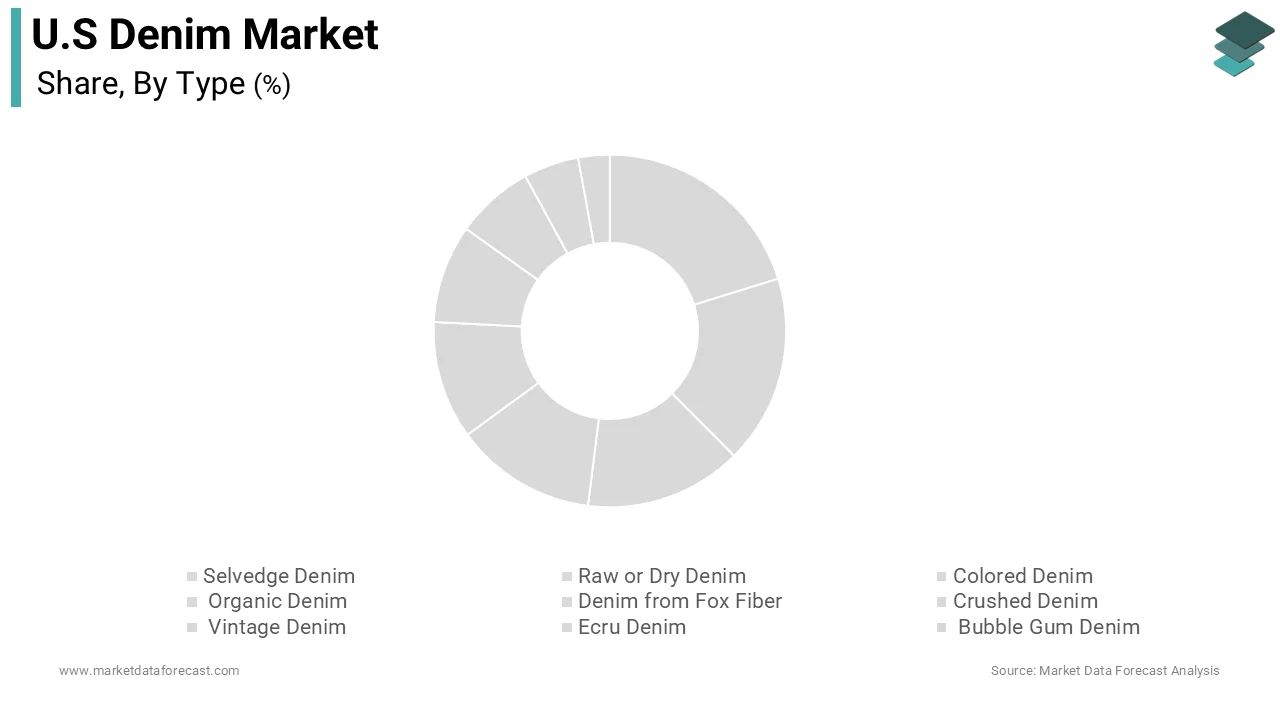
Premium Pricing and Brand Differentiation Strategy. The ability to command premium prices and achieve brand differentiation drives the dominance of the raw denim segment. Manufacturers position raw denim as a luxury or semi-luxury product, distinguishing it from mass market alternatives. According to NPD Group, average selling prices for raw denim jeans are approximately 30 percent higher than standard pre-washed varieties, reflecting their perceived value. This pricing strategy allows brands to maintain healthier margins despite lower volume compared to basic styles. As per McKinsey and Company, consumers are increasingly willing to pay for transparency and craftsmanship, which raw denim embodies. Brands utilize storytelling to highlight the origin of cotton weaving techniques and dyeing processes, creating an emotional connection with buyers. The exclusivity of limited edition raw denim releases generates buzz and demand among collectors. Retail partnerships with specialty stores enhance the premium image through curated displays and expert staff recommendations. The focus on quality materials such as long staple cotton and natural indigo dyes further justifies the cost. Consumers view raw denim purchases as investments in personal style rather than disposable fashion. This perception reduces price sensitivity and encourages repeat purchases from dedicated fans. The segment’s profitability supports continued innovation in fabric development and design. By maintaining high standards, brands secure their position in the upper tier of the market. This strategic positioning ensures raw denim remains a cornerstone of premium denim offerings.
Rising Consumer Demand for Sustainable Materials. Organic denim is the fastest-growing segment in the United States market, driven by escalating consumer demand for environmentally responsible materials. Shoppers are increasingly aware of the harmful impacts of conventional cotton farming, including pesticide use and soil degradation. According to the Textile Exchange, global production of organic cotton increased by 20 percent in 2024, with the United States being a key consumption market. This shift reflects a broader trend toward ethical fashion choices. As per the Sustainable Apparel Coalition, brands utilizing organic fibers report higher customer satisfaction and loyalty rates. Organic denim eliminates synthetic chemicals during cultivation, reducing health risks for farmers and environmental pollution. Certifications such as the Global Organic Textile Standard assure consumers by verifying the integrity of supply chains. Retailers prominently feature organic options to attract eco-conscious demographics, particularly millennials and Gen Z. Marketing campaigns emphasize the positive impact of choosing organic products on ecosystems and communities. The availability of organic denim in mainstream retail channels has expanded, making it more accessible. Price premiums for organic denim are decreasing as scale increases, encouraging wider adoption. Consumers perceive organic denim as a tangible way to contribute to sustainability goals. This alignment with personal values drives rapid adoption and repeat purchases. The segment’s growth is supported by regulatory incentives for sustainable agriculture and corporate responsibility initiatives. The momentum behind organic materials ensures sustained expansion in the coming years.
Regulatory Support and Corporate Sustainability Goals. Regulatory support and corporate sustainability commitments accelerate the growth of the organic denim segment. Government policies and industry standards are increasingly favoring sustainable practices in textile production. According to the Federal Trade Commission guidelines, which encourage brands to adopt verified sustainable materials like organic cotton. Many major retailers have set ambitious targets to source 100 percent sustainable cotton by 2025, driving demand for organic options. As per the Fashion Pact, a coalition of global fashion companies is prioritizing organic fiber procurement to reduce their environmental footprint. These collective actions create a robust market for organic denim. Brands invest in supply chain transparency to meet these commitments, ensuring traceability from farm to finished product. Collaborations with organic cotton growers in the United States and abroad secure stable supplies. Educational initiatives by industry bodies raise awareness about the benefits of organic farming among consumers and producers. The integration of organic denim into corporate social responsibility reports enhances brand reputation. Investors are increasingly evaluating companies based on environmental criteria, favoring those with strong sustainability profiles. This financial incentive motivates further adoption of organic materials. The convergence of regulatory pressure and corporate strategy creates a favorable environment for organic denim. The segment benefits from systemic changes in the fashion industry, prioritizing long-term ecological balance. This structural support ensures organic denim continues to outpace other types in growth rate.
By Application Insights
Ubiquitous Demand for Casual and Workwear Apparel. The clothing application segment dominates the United States denim market due to the ubiquitous demand for casual and workwear apparel. Jeans, jackets, and shirts remain staples in American wardrobes across all age groups and professions. According to the Bureau of Labor Statistics, the average American household spends approximately 1800 USD annually on apparel, with denim constituting a significant portion of outerwear purchases. The versatility of denim clothing allows it to transition seamlessly from work to leisure settings. As per the NPD Group, denim pants account for over 20 percent of total pants sales in the United States, highlighting their market penetration. The cultural ingrainedness of denim as a symbol of casual style ensures consistent demand. Workplace dress codes have become more relaxed, increasing the acceptability of denim in professional environments. The durability of denim clothing makes it a practical choice for manual labor and outdoor activities. Fashion trends continuously refresh the appeal of denim clothing through new cuts, washes, and embellishments. Retailers allocate substantial shelf space to denim clothing, reflecting its importance to overall sales. The wide range of price points from budget to luxury ensures accessibility for all consumer segments. Seasonal collections introduce variations that stimulate repeat purchases. The emotional connection consumers have with denim clothing fosters brand loyalty. This enduring relevance sustains the leadership of the clothing segment. The integration of denim into various lifestyle categories, from streetwear to high fashion, reinforces its dominance. The sheer volume of units sold in this category dwarfs other applications.
Innovation in Fit and Functionality. Innovation in fit and functionality further solidifies the dominance of the clothing segment in the denim market. Manufacturers continuously develop new silhouettes and fabric technologies to meet evolving consumer preferences. According to Cotton Incorporated, the introduction of stretch and recovery fabrics has revolutionized comfort in denim clothing, driving sales. Consumers seek jeans that offer flexibility without losing shape, appealing to active lifestyles. As per the International Textile Alliance, advancements in moisture-wicking and temperature-regulating denim enhance wearability in diverse climates. These functional improvements expand the usage occasions for denim clothing beyond traditional casual settings. The rise of athleisure has influenced denim design, leading to hybrid styles that combine comfort with style. Brands invest in research and development to create inclusive sizing options catering to diverse body types. The availability of petite, tall, and plus-size denim clothing broadens the customer base. Marketing efforts highlight these innovations to educate consumers about the benefits of modern denim. The focus on personalized fit through online tools and in-store services enhances customer satisfaction. Returns due to fit issues are reduced, improving profitability for retailers. The continuous evolution of denim clothing keeps it relevant and desirable. This dynamic approach to product development ensures the clothing segment remains the primary driver of market revenue. The ability to adapt to changing lifestyle needs secures its leading position.
Expansion into Lifestyle and Fashion Adjacencies. The accessories segment is the fastest-growing application in the United States denim market, driven by expansion into lifestyle and fashion adjacencies. Brands are leveraging denim’s cultural capital to create complementary products such as bags, hats, belts, and shoes. According to the Accessory Council estimates the global accessories market is growing at a CAGR of 6 percent, with denim-based items contributing significantly to this trend. Consumers seek coordinated looks that extend beyond clothing, creating demand for denim accessories. As per Vogue Business, collaborations between denim brands and accessory designers have increased visibility and appeal. Denim tote bags and backpacks offer durable and stylish alternatives to leather or synthetic materials. The trend toward upcycling has spurred creativity in accessory design using leftover denim scraps. This sustainability angle attracts eco-conscious shoppers looking for unique items. Social media influencers showcase denim accessories as statement pieces, driving viral trends. The lower price point of accessories compared to clothing encourages impulse purchases. Retailers expand their assortments to include denim accessories, capturing additional wallet share. The versatility of denim allows for experimentation with colors, textures, and hardware. This diversification reduces reliance on clothing sales alone. The growth of the accessories segment reflects a holistic approach to branding. By extending into adjacent categories, brands create deeper engagement with consumers. This strategic expansion ensures sustained high growth rates for the accessories application.
Customization and Personalization Trends Customization and personalization trends accelerate the growth of the denim accessories segment. Consumers increasingly desire unique items that reflect their individual style, driving demand for bespoke denim accessories. According to a study by Deloitte, one in five consumers is willing to pay a premium for personalized products. Denim accessories such as patches, embroidery, and custom dyed bags offer opportunities for self-expression. As per Etsy, sales of handmade and customized denim accessories have surged, indicating strong consumer interest. Brands offer online platforms where customers can design their own denim items, selecting fabrics, colors, and details. This interactive experience enhances customer engagement and loyalty. The rise of DIY culture encourages consumers to modify existing denim accessories or create new ones. Workshops and tutorials provided by brands foster community and skill development. Limited edition customized collections generate excitement and urgency. The ability to personalize accessories reduces the perception of commoditization. Consumers value the story and effort behind customized items, increasing perceived value. Social sharing of personalized creations amplifies marketing reach organically. The trend toward individuality supports the expansion of the accessories segment. Brands that embrace customization gain a competitive edge in a crowded market. This focus on personal connection drives rapid adoption and growth. The accessories segment benefits from the emotional resonance of personalized products.
REGIONAL ANALYSIS
The United States holds the dominant position in the North American denim market, accounting for approximately 85 percent of the regional share. This leadership is underpinned by a large population with deep cultural roots in denim heritage and robust retail infrastructure. The market status is mature yet dynamic, characterized by a shift toward sustainability and premiumization. One primary driving factor is the strong domestic cotton production, which ensures a stable supply of raw materials. According to the United States Department of Agriculture, the United States is one of the world’s largest exporters of cotton, providing a competitive advantage to local manufacturers. This availability supports cost-effective production and innovation in fabric development. Another critical driver is the high level of consumer spending on apparel. As per the Bureau of Economic Analysis, personal consumption expenditures on clothing remain resilient despite economic fluctuations. The cultural significance of denim as a symbol of American identity ensures enduring demand. The presence of iconic global brands headquartered in the United States fosters innovation and marketing excellence. Regulatory frameworks supporting intellectual property protection encourage brand investment. The integration of e-commerce and digital marketing enhances reach and engagement. The focus on sustainable practices aligns with consumer values, driving long-term loyalty. The combination of resource availability, cultural relevance, and economic strength solidifies the United States' position as the leader in the denim market. The scale of consumption and influence sets trends for global markets. The industry’s ability to adapt to changing preferences ensures continued dominance.
COMPETITION OVERVIEW
The competition in the United States denim market is characterized by intense rivalry among established heritage brands and agile fast fashion retailers. Market leaders compete primarily on brand identity, product quality, and sustainability credentials rather than price alone. The presence of iconic companies creates a consolidated environment where historical significance offers significant advantages. However, emerging direct-to-consumer brands gain traction by focusing on niche markets such as raw denim or eco-friendly production. Continuous investment in fabric innovation is essential for companies to introduce comfortable and durable products that meet modern lifestyle needs. Regulatory compliance regarding environmental standards serves as a key differentiator in this competitive landscape. Consumers increasingly prefer brands that demonstrate transparency and ethical sourcing practices. The barrier to entry remains moderate due to manufacturing complexities, but high brand loyalty poses challenges for new entrants. This dynamic fosters a stable yet innovative market where agility and consumer insight determine long-term success. Companies must constantly adapt to sustainability trends and digital shifts to sustain their positions against both legacy and disruptive competitors.
KEY MARKET PLAYERS
A few major players of the U.S denim market include
- Levi Strauss & Co
- Wrangler
- Lee
- True Religion
- Guess
- Diesel
- Calvin Klein
- Tommy Hilfiger
- Gap Inc
- American Eagle Outfitters
- Lucky Brand
- 7 For All Mankind
- Hudson Jeans
- Kontoor Brands
- AG Adriano Goldschmied
Leading Players in the US Denim Market
- Levi Strauss and Co remains a pivotal figure in the United States denim market with its iconic Levi's brand defining American casual wear. The company leverages its rich heritage to maintain strong consumer loyalty across diverse demographics. Recently, Levi Strauss launched extensive sustainability initiatives, including the Water Less technique, to reduce environmental impact. This commitment appeals to eco-conscious shoppers and enhances brand reputation. The company also expanded its direct-to-consumer digital platforms, offering personalized fit recommendations. Strategic collaborations with contemporary designers keep the brand relevant in modern fashion circles. Levi Strauss invests heavily in circular economy programs, encouraging customers to recycle old jeans. These efforts strengthen its market position by aligning with current values while preserving its legacy. The focus on innovation in fabric technology ensures product quality meets evolving consumer expectations for comfort and durability.
- VF Corporation contributes significantly to the United States denim market through its portfolio, including Wrangler and Lee brands. The company focuses on durable and functional denim, catering to workwear and casual segments. VF Corporation recently implemented advanced supply chain technologies to improve efficiency and reduce lead times. This operational enhancement allows for quicker response to changing fashion trends. The company emphasizes sustainability by sourcing organic cotton and reducing water usage in production. VF Corporation also engages in targeted marketing campaigns highlighting the rugged authenticity of its brands. Strategic retail partnerships ensure widespread availability in both physical and online stores. The integration of digital tools for customer engagement strengthens brand loyalty. By balancing tradition with modernization, VF Corporation maintains a robust presence. Its commitment to quality and responsible manufacturing resonates with consumers seeking reliable denim products.
- Gap Inc plays a major role in the United States denim market with its Gap and Old Navy brands offering accessible style. The company focuses on delivering trendy and affordable denim options to a broad audience. Gap Inc recently revitalized its denim assortment by introducing inclusive sizing and diverse fits. This strategy addresses the growing demand for body positivity and representation. The company leverages data analytics to optimize inventory management and reduce waste. Gap Inc also promotes sustainable practices through its Wash Well program, which conserves water. Strategic omnichannel initiatives enhance the shopping experience across digital and physical platforms. Collaborations with influencers drive awareness among younger consumers. By prioritizing accessibility and inclusivity, Gap Inc strengthens its competitive position. The focus on value and style ensures continued relevance in a dynamic retail environment.
Top Strategies Used by Key Market Participants
Key players in the United States denim market primarily employ sustainability initiatives and digital transformation to maintain competitive advantages. Companies invest in water-saving technologies and organic materials to address environmental concerns and appeal to eco conscious consumers. Launching inclusive sizing and diverse fit options attracts broader demographics and enhances brand loyalty. Manufacturers also focus on strengthening direct-to-consumer channels through enhanced e-commerce platforms and personalized shopping experiences. Strategic collaborations with designers and influencers keep brands relevant in evolving fashion landscapes. Supply chain optimization using advanced analytics improves efficiency and reduces lead times. These combined strategies enable market participants to adapt to changing consumer preferences, improve operational resilience, and strengthen their overall market presence effectively while fostering long-term customer relationships.
RECENT HAPPENINGS IN THE MARKET
- In March 2024, Levi Strauss and Co launched its expanded Water Less sustainability initiative to reduce environmental impact and strengthen its US denim market presence.
- In June 2024, VF Corporation implemented advanced supply chain technologies for Wrangler and Lee brands to improve efficiency and strengthen the US denim market presence.e
- In September 2024, Gap Inc introduced new inclusive sizing options across its denim lines to enhance accessibility and strengthen the Us denim market presence.
- In January 2025, Levi Strauss and Co expanded its direct-to-consumer digital platform with personalized fit tools to boost engagement and strengthen the Us denim market presence.
- In May 2025, VF Corporation partnered with organic cotton suppliers to enhance sustainable sourcing practices and strengthen its US denim market presence.e
MARKET SEGMENTATION
This research report on the US denim market has been segmented and sub-segmented based on type, application & region.
By Type
- Selvedge Denim
- Raw or Dry Denim
- Colored Denim
- Organic Denim
- Denim from Fox Fiber
- Crushed Denim
- Vintage Denim
- Ecru Denim
- Bubble Gum Denim
By Application
- Clothing
- Accessories
- Homeware
By Region
- New York
- Texas
- Florida
- Georgia
- California
- Rest of U.S.