- Product Description Description
- Table of Contents TOC
- List of Table & Figure LOT
- Get Free Sample PDF Sample PDF
Market Size, 2025
$9.12 BnMarket Estimate, 2026
$9.48 BnMarket Forecast, 2034
$12.88 BnCAGR, 2026–2034
3.91%U.S. Household Appliances Market Report Summary
The U.S. household appliances market was valued at USD 9.12 billion in 2025, is estimated to reach USD 9.48 billion in 2026, and is projected to reach USD 12.88 billion by 2034, growing at a CAGR of 3.91% during the forecast period from 2026 to 2034. The growth of the U.S. household appliances market is driven by increasing smart home adoption, rising residential construction activities, and growing consumer demand for energy-efficient appliances. Expanding integration of Internet of Things technologies, increasing renovation and remodeling activities, and rising consumer preference for premium and connected appliances are further accelerating market growth. Moreover, advancements in artificial intelligence-enabled appliances, expansion of sustainable and recyclable appliance solutions, and increasing investments in smart manufacturing technologies are supporting the expansion of the U.S. household appliances market.
Key Market Trends
- Rising adoption of smart home appliances with Wi-Fi connectivity, remote monitoring, and voice assistant integration capabilities.
- Growing consumer preference for energy-efficient and environmentally sustainable household appliances.
- Increasing popularity of premium kitchen and laundry appliances with advanced automation and personalized features.
- Strong focus on circular economy initiatives including appliance recycling, refurbishment, and sustainable material sourcing.
- Expansion of online appliance retail channels supported by digital comparison tools, virtual visualization technologies, and home delivery services.
Segmental Insights
- Based on product type, the major household appliances segment dominated the U.S. household appliances market and held the largest share in 2025. The segment’s dominance is attributed to steady replacement demand, increasing housing construction activity, rising adoption of smart major appliances, and the long-term functional necessity of refrigerators, washing machines, and cooking appliances in residential settings.
- The small household appliances segment is projected to witness the fastest CAGR during the forecast period owing to changing consumer lifestyles, increasing health and wellness trends, growing popularity of smart kitchen gadgets, and rising influence of social media-driven product adoption.
- Based on distribution channel, the offline segment accounted for the leading share of the U.S. household appliances market in 2025. The dominance of this segment is driven by consumer preference for physical product inspection, personalized in-store assistance, immediate product availability, and bundled installation and warranty services offered through retail outlets.
- The online segment is anticipated to register notable growth during the forecast period due to increasing consumer preference for digital shopping convenience, advanced product comparison tools, virtual product visualization technologies, and expansion of e-commerce appliance retail platforms.
Based on price, the mid-range segment held the major share of the U.S. household appliances market in 2025 owing to its balance between affordability and advanced functionality, strong consumer trust in established brands, and wide availability of financing options for value-conscious households.
The premium segment is expected to witness rapid growth during the forecast period because of increasing disposable incomes, rising adoption of luxury smart appliances, growing demand for customized appliance solutions, and expanding consumer interest in high-end kitchen and home automation ecosystems.
Regional Insights
The United States maintained a strong position in the global household appliances market in 2025, supported by high consumer spending on durable goods, strong smart home adoption rates, and continuous residential development activities. California remains a major contributor to the U.S. household appliances market due to its large population base, high smart home penetration, and strong demand for energy-efficient appliances. New York, Washington, and Oregon are also witnessing notable growth driven by increasing urbanization, rising renovation activities, and growing adoption of connected and sustainable household technologies.
Competitive Landscape
The U.S. household appliances market is highly competitive and characterized by the presence of multinational appliance manufacturers, smart home technology providers, and premium lifestyle brands competing through innovation, product differentiation, and distribution expansion strategies. Leading companies are focusing on integrating artificial intelligence and IoT technologies, strengthening online retail capabilities, investing in sustainable manufacturing practices, and expanding premium appliance portfolios. Strategic collaborations with smart home ecosystems, home improvement retailers, and digital commerce platforms are further strengthening market positioning across residential appliance categories. Prominent players in the U.S. household appliances market include Whirlpool Corporation, LG Electronics, Samsung Electronics, Haier Group Corporation, GE Appliances, Electrolux AB, Bosch Home Appliances, Panasonic Corporation, Midea Group, KitchenAid, Dyson Ltd., and SharkNinja.
 Download Free Sample Report
U.S. Household Appliances Market Size
The U.S. household appliances market size was valued at USD 9.12 billion in 2025 and is anticipated to reach USD 9.48 billion in 2026 from USD 12.88 billion by 2034, growing at a CAGR of 3.91% during the forecast period from 2026 to 2034.
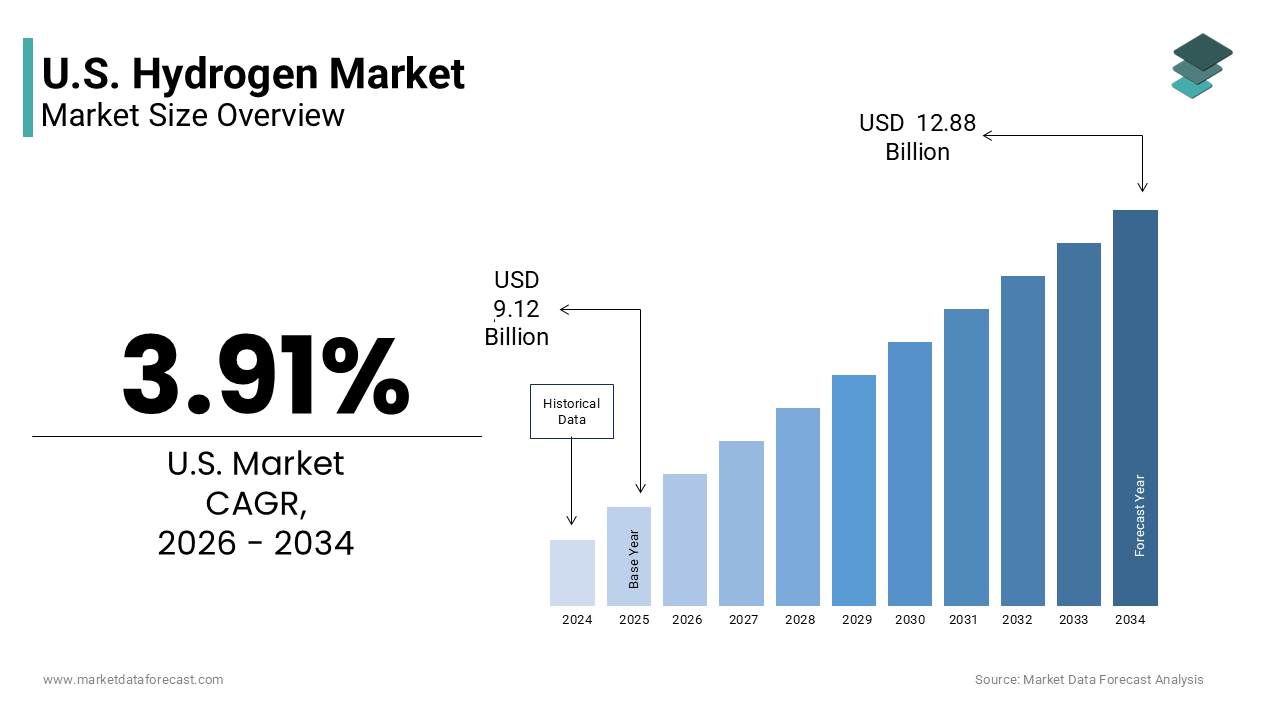
The U.S. household appliances market is likely to witness steady development over the next few years, remaining an essential driver of the country's durable goods sector. The U.S. household appliances market encompasses a broad spectrum of electrical and mechanical devices designed for domestic use, ranging from major white goods like refrigerators and washing machines to small countertop units and emerging smart home integrations. This sector serves as a critical component of the broader durable goods landscape, reflecting both consumer discretionary spending power and underlying housing market dynamics. According to the Bureau of Economic Analysis, personal consumption expenditures on durable goods reached an annualized rate of approximately 2319 billion dollars in the first quarter of 2026, indicating sustained consumer engagement with long lasting household items. The market is increasingly defined by the integration of Internet of Things technology, with smart home adoption rates climbing to nearly 57% of households, driving demand for connected appliances that offer remote monitoring and energy management capabilities. Housing construction activity remains a pivotal contextual factor, with total housing starts recorded at 1.398 million units in January 2026, providing a steady pipeline for new appliance installations in newly built residences. Furthermore, the regulatory environment plays a significant role, as the Department of Energy continues to refine efficiency standards that influence product design and replacement cycles. As per HomeAdvisor, the average cost for appliance repairs typically ranges between 100 dollars and 300 dollars, prompting consumers to weigh repair versus replacement decisions more carefully amidst inflationary pressures. This complex interplay of technological advancement, housing turnover, and economic constraints shapes the current operational landscape for manufacturers and retailers alike, necessitating agile supply chain strategies and innovative product development to meet evolving consumer expectations for sustainability and connectivity.
MARKET DRIVERS
Rising Smart Home Integration Drives Premium Appliance Adoption
The proliferation of smart home technology is a major factor driving the growth of the U.S. household appliances market. As of 2026, smart home household penetration has approached 57%, with market revenue projected to reach between 47.5 billion and 50.2 billion dollars, creating a robust ecosystem for connected appliances. Consumers are increasingly prioritizing devices that offer seamless integration with digital assistants, remote monitoring capabilities, and energy usage analytics, which drives demand for higher valued premium models. This shift is not merely about convenience but also reflects a growing awareness of energy conservation, as smart appliances can optimize operation times to reduce electricity costs. The number of active households using smart home technology is expected to reach 93.59 million by 2027, representing a household penetration rate of 68.6%, which underscores the rapid mainstream acceptance of these technologies. Manufacturers are responding by embedding advanced sensors and Wi Fi connectivity into standard product lines, thereby expanding the addressable market for smart enabled refrigerators, ovens, and laundry systems. This technological evolution encourages earlier replacement cycles, as consumers seek to upgrade legacy units to benefit from new features such as predictive maintenance alerts and automated inventory management. Consequently, the average selling price of appliances has increased, contributing to overall market value growth even if unit sales volume remains stable. The integration of artificial intelligence further enhances user experience by learning household patterns and adjusting performance accordingly, making smart appliances an indispensable component of modern domestic life.
Resilient Housing Construction Fuels Demand for New Installations
The pace of residential construction activity is further contributing to the expansion of the U.S. household appliances market. In January 2026, the U.S. recorded 1.398 million housing starts, maintaining a steady flow of new residences that require complete appliance suites. Although single family starts experienced a decline of 6.9% in 2025 totalling 943,000 units, multifamily starts surged by 17.4%, which is offsetting the decrease and sustaining overall demand for compact and stackable appliance configurations. This shift towards multifamily housing influences product design preferences, favoring space saving solutions and energy efficient models that comply with stringent building codes. Each new housing unit typically necessitates the installation of refrigerators, dishwashers, ranges, and laundry machines, providing a consistent baseline demand that is less susceptible to discretionary spending fluctuations. As per a national housing supply report, the housing supply gap exceeded 4 million homes in 2025, continuing to pressure developers to accelerate construction, thereby supporting appliance manufacturers with predictable order volumes. Furthermore, renovation activities in existing homes, driven by the aging housing stock, complement new construction demand as homeowners upgrade outdated systems to improve property value and livability. The correlation between housing permits and appliance sales remains strong, with builders often partnering directly with manufacturers to secure bulk pricing and ensure timely delivery. As urbanization trends persist, the concentration of new developments in high growth regions further amplifies regional demand spikes, requiring manufacturers to optimize distribution networks to meet localized installation schedules efficiently.
MARKET RESTRAINTS
Supply Chain Volatility Impacts Production Consistency and Costs
Persistent supply chain disruptions constitute a significant restraint on the U.S. household appliances market, which is affecting both production timelines and final product pricing. In 2026, global supply chains remain under increased pressure due to a combination of geopolitical tensions, extreme weather events, and lingering logistical bottlenecks. The appliance industry, which relies heavily on specialized components such as semiconductors, compressors, and steel, faces heightened vulnerability to these disruptions, leading to intermittent production halts and extended lead times. Tariffs and trade policy updates have further complicated sourcing strategies, with manufacturers reporting rising operational costs as they navigate shifting regulatory landscapes. For instance, the cost of appliances began rising in 2025 after a period of decline, largely attributed to tariff induced input cost increases. These cost pressures are often passed on to consumers, potentially dampening demand for higher end models and extending the replacement cycle for existing units. Additionally, labor shortages in the manufacturing sector exacerbate these challenges, with unfilled manufacturing jobs limiting production capacity. The scarcity of skilled workers capable of operating advanced machinery further constrains output, forcing companies to invest heavily in automation and training programs that yield benefits only over the long term. Inventory management has become increasingly complex, as retailers struggle to balance stock levels against unpredictable supply arrivals, leading to either excess holding costs or missed sales opportunities. This environment of uncertainty discourages aggressive expansion plans and compels manufacturers to prioritize resilience over efficiency, often at the expense of profit margins.
Stringent Energy Efficiency Regulations Increase Compliance Burdens
The implementation of rigorous energy efficiency standards presents a substantial restraint for the U.S. household appliances market. The Department of Energy continues to update and enforce minimum efficiency requirements for various household appliances, aiming to reduce national energy consumption and environmental impact. However, recent legislative efforts, such as House Bill 4626 introduced in the 119th Congress, seek to modify the process by which these standards are set, reflecting ongoing political debate over regulatory scope. Manufacturers must invest heavily in research and development to ensure their products meet evolving criteria, which can delay product launches and increase upfront costs. A bill approved by House lawmakers in early 2026 places new limits on the Department of Energy's ability to set standards unless they demonstrate clear cost savings for owners, adding uncertainty to the regulatory timeline. This regulatory flux complicates long term planning, as companies must anticipate potential changes in efficiency metrics that could render current designs obsolete. Furthermore, the withdrawal or postponement of certain appliance efficiency rules by the Department of Energy in 2025 created a fragmented compliance landscape, forcing manufacturers to navigate differing state and federal requirements. The cost of integrating advanced energy saving technologies, such as variable speed compressors and improved insulation materials, often results in higher retail prices that may deter price sensitive consumers. Small and mid-sized manufacturers face particular challenges in absorbing these compliance costs, potentially leading to market consolidation as larger firms leverage economies of scale. The tension between environmental goals and economic feasibility remains a central challenge, requiring careful navigation to maintain competitiveness while adhering to legal mandates.
MARKET OPPORTUNITIES
Expansion of Circular Economy Initiatives Creates Recycling Opportunities
The growing emphasis on sustainability and circular economy principles offers a significant opportunity for the U.S. household appliances market, particularly in the realm of recycling and material recovery. According to the U.S. Environmental Protection Agency, major appliances are a prominent component of durable goods waste, with millions of tons generated annually and a significant portion of ferrous metals successfully recovered for recycling. Manufacturers and retailers can capitalize on this trend by establishing take back programs and partnering with specialized recycling firms to recover valuable metals and plastics from end of life units. This not only mitigates environmental impact but also reduces reliance on virgin raw materials, which are subject to price volatility and supply chain risks. Consumer awareness regarding electronic waste is increasing, with many buyers preferring brands that demonstrate commitment to sustainable practices and responsible disposal. Regulatory frameworks are also evolving, with over 20 states having enacted statewide electronic waste recycling laws that often require manufacturers to offer take back programs, creating a structured pathway for industry participation. By integrating recycled materials into new product designs, companies can enhance their brand image and appeal to environmentally conscious demographics. Additionally, the refurbishment and resale market for used appliances presents an additional revenue stream, catering to budget constrained consumers while extending product lifecycles. Embracing these circular economy models allows firms to differentiate themselves in a crowded market and align with broader corporate social responsibility goals.
Growth in Home Renovation and Remodeling Activities Stimulates Replacement Sales
The robust activity in the home renovation and remodeling sector provides a lucrative opportunity for appliance manufacturers in the U.S. as homeowners increasingly invest in upgrading existing living spaces. With housing inventory remaining tight and mortgage rates influencing mobility, many consumers choose to improve their current homes rather than relocate, driving demand for modern, high efficiency appliances. As per HomeAdvisor, the average cost of appliance repairs typically ranges between 100 dollars and 300 dollars, making replacement with newer, more reliable models an attractive option for many households. Renovation projects often involve kitchen and bathroom overhauls, which are primary drivers for sales of refrigerators, ranges, dishwashers, and washing machines. Consumer preference for aesthetic cohesion and integrated designs encourages the purchase of appliance suites, boosting average transaction values. The trend towards open concept living spaces further fuels demand for visually appealing, quiet, and smart enabled appliances that complement contemporary interior design. Additionally, government incentives for energy efficient home improvements, such as tax credits for installing Energy Star certified products, provide financial motivation for upgrades. The aging housing stock in the U.S., with many homes built before 2000, requires periodic modernization to maintain functionality and value. Retailers and manufacturers can leverage this opportunity by offering bundled financing options and professional installation services to simplify the renovation process for consumers. Collaborations with home improvement retailers and contractors can also enhance market reach, ensuring that appliances are prominently featured in renovation planning stages. This segment offers resilience against new construction slowdowns, providing a stable demand base rooted in existing home ownership.
MARKET CHALLENGES
Labor Shortages in Manufacturing Constrain Production Capacity
A persistent shortage of skilled labor in the manufacturing sector poses a significant challenge to the U.S. household appliances market, which is limiting production scalability and increasing operational costs. According to the Bureau of Labor Statistics, there were hundreds of thousands of unfilled job openings across the manufacturing sector in early 2026, highlighting the ongoing difficulty employers face in finding qualified workers. This scarcity drives up wages and training expenses, squeezing profit margins and forcing companies to accelerate automation investments that require substantial capital outlay. The decline in manufacturing employment further exacerbates the issue, with home appliance production being among the affected subsectors. Skilled workers are essential for operating sophisticated assembly lines and ensuring quality control, and their absence can lead to production delays and increased defect rates. The aging workforce and insufficient pipeline of young entrants into trades contribute to this ongoing crisis, requiring industry wide initiatives to promote vocational training and apprenticeships. Companies are competing fiercely for talent, often poaching workers from competitors, which destabilizes the labor market and increases turnover rates. This challenge is compounded by the need for workers with specialized skills in robotics and digital systems, as manufacturing becomes increasingly technologically advanced. Without a sufficient labor force, manufacturers risk losing market share to imports or facing inability to fulfill large orders, undermining their competitive position in the domestic market.
Fluctuating Raw Material Prices Erode Profit Margins
The volatility of raw material prices is another major challenge for the U.S. household appliances market, which is creating uncertainty in cost structures and pricing strategies. Appliances rely heavily on commodities such as steel, aluminum, copper, and plastics, all of which are subject to global market fluctuations driven by geopolitical events, trade policies, and supply demand imbalances. In 2026, supply chain professionals report that rising operational costs and shifting trade dynamics continue to pressure manufacturing budgets. Tariffs imposed on imported metals and components further amplify these cost pressures, forcing manufacturers to absorb expenses or pass them on to consumers, which can dampen demand. According to the Bureau of Labor Statistics Producer Price Index, the cost of major household appliances experienced sharp increases during periods of high inflation, which impacted consumer purchasing power. Such sharp increases can deter price sensitive consumers and extend the lifespan of existing appliances, reducing replacement frequency. Manufacturers struggle to hedge against these fluctuations effectively, as long term contracts may lock in unfavorable rates or fail to account for sudden market spikes. The unpredictability of raw material costs complicates financial planning and budgeting, making it difficult to maintain consistent profit margins. Additionally, the push for sustainable materials often comes at a premium, adding another layer of cost complexity. Companies must continuously innovate in material sourcing and product design to mitigate these impacts, such as by using alternative alloys or reducing material intensity without compromising durability. Failure to manage these cost pressures can result in reduced competitiveness and diminished shareholder value.
REPORT COVERAGE
| REPORT METRIC | DETAILS |
| Market Size Available | 2025 to 2034 |
| Base Year | 2025 |
| Forecast Period | 2026 to 2034 |
| CAGR | 3.91% |
| Segments Covered | By Product, Distribution Channel, Price and Region. |
| Various Analyses Covered | Global, Regional and Country-Level Analysis, Segment-Level Analysis, Drivers, Restraints, Opportunities, Challenges; PESTLE Analysis; Porter’s Five Forces Analysis, Competitive Landscape, Analyst Overview of Investment Opportunities |
| Countries Covered | California, Washington, Oregon, New York, United States |
| Market Leaders Profiled | Whirlpool Corporation, LG Electronics, Samsung Electronics, Haier Group Corporation, GE Appliances, Electrolux AB, Bosch Home Appliances, Panasonic Corporation, Midea Group, KitchenAid, Dyson Ltd., and SharkNinja. |
SEGMENTAL ANALYSIS
By Product Type Insights
The major household appliances segment dominated the market by capturing the highest share of the U.S. market in 2025. The dominance of this segment is underpinned by the continuous need for replacement due to wear and tear, as well as the correlation with housing market activity. Unlike small appliances, major units represent significant capital expenditures for households, contributing disproportionately to overall market revenue. The longevity of these products, typically ranging from 10 to 15 years, creates a predictable replacement cycle that sustains demand regardless of short term economic fluctuations. The inherent necessity of major appliances ensures a steady baseline demand driven by replacement cycles rather than discretionary trends. Most major appliances have an average lifespan of 10 to 13 years, after which performance degradation and increased repair costs compel consumers to purchase new units. As per HomeAdvisor, the average repair bill for an appliance typically falls between 100 dollars and 300 dollars, making replacement a more economically viable option for many consumers facing aging equipment. This economic calculation drives consistent turnover in the market, ensuring that even during periods of slowed new construction, the replacement market provides substantial revenue. Manufacturers benefit from this predictability, allowing for optimized production schedules and inventory management. Additionally, the integration of smart technology into major appliances has accelerated replacement rates, as consumers seek upgraded features such as remote monitoring and energy optimization, further reinforcing the segment's market leadership through enhanced product appeal and functional necessity.
On the other end, the small household appliances segment is estimated to showcase a promising CAGR of 5.1% during the forecast period in the U.S. market owing to the changing consumer lifestyles, the influence of social media trends, and the increasing affordability of specialized devices. Unlike major appliances, small units such as air fryers, coffee makers, and robotic vacuums are often impulse purchases or gift items, which are making them susceptible to trending behaviors and seasonal promotions. The lower price point allows consumers to experiment with new technologies and functionalities without significant financial commitment and is leading to higher purchase frequency. Additionally, the rise of home cooking and health consciousness has spurred demand for specialized kitchen gadgets, while the desire for convenience has driven sales of cleaning and personal care devices. Social media platforms have become a powerful driver for the sales of small household appliances, with viral trends significantly impacting consumer behavior. Platforms like TikTok and Instagram feature countless videos showcasing innovative kitchen gadgets and cleaning tools, creating immediate demand for featured products. The visual appeal and demonstrated utility of items such as aesthetic coffee makers, portable blenders, and smart air fryers resonate strongly with younger demographics, who are active users of these platforms. The low entry price of most small appliances, often ranging from 20 to 100 dollars, reduces the barrier to purchase, encouraging experimentation with new brands and types. This phenomenon has led to the rapid success of niche products that might otherwise have struggled to gain traction through traditional marketing channels. The immediacy of social media driven demand allows companies to capitalize on fleeting trends, driving short term sales spikes and contributing to the overall high growth rate of the segment.
By Distribution Channel Insights
The offline segment led the market by holding the major share of the U.S. household appliances market in 2025. The preference for physical inspection remains a primary driver for the dominance of offline distribution channels in the appliance market. Consumers often require hands on evaluation to assess build quality, size, and aesthetic appeal, which is difficult to achieve through online images alone. For major appliances, dimensions and finish details are critical, and seeing the product in person reduces the risk of dissatisfaction and returns. According to retail analytics, approximately 70% of consumers still prefer to visit physical stores before purchasing high value durable goods, citing the ability to compare models side by side as a key factor. Specialty retailers employ knowledgeable staff who can provide tailored recommendations based on specific household needs, enhancing the shopping experience. This personalized assistance is particularly valuable for complex products like smart refrigerators or high efficiency washing machines, where technical specifications can be confusing. The immediate gratification of taking home smaller appliances also drives foot traffic to physical stores, as consumers avoid shipping delays. Furthermore, the opportunity to bundle purchases with installation services or extended warranties is more seamlessly executed in person, adding convenience and perceived value. This combination of tactile evaluation, expert guidance, and immediate service reinforces the continued relevance and leadership of offline channels in the appliance retail landscape.
On the other hand, the online segment is growing rapidly and is estimated to register a CAGR of 7.2% during the forecast period in the U.S. market. The enhanced digital experience offered by online retailers, including advanced comparison tools and detailed product information, is a key driver of growth in this segment. E commerce platforms allow consumers to easily compare specifications, prices, and features across multiple brands and models, simplifying the decision making process. Customer reviews and ratings provide social proof and real world insights that are often more trusted than manufacturer descriptions. According to recent data, over 80% of online shoppers read reviews before making a purchase, highlighting the importance of user generated content in driving sales. Virtual reality and augmented reality tools are increasingly being integrated into online stores, allowing customers to visualize how appliances will look in their homes, thereby reducing uncertainty. The convenience of 24/7 shopping accessibility appeals to busy consumers who prefer to browse and purchase at their own pace. Additionally, personalized recommendations based on browsing history and past purchases enhance the shopping experience, increasing conversion rates. The ability to access a wider range of products, including niche and international brands, further attracts online shoppers. These digital advantages create a seamless and informative shopping environment that encourages consumers to choose online channels for their appliance needs, driving the segment's rapid growth.
By Price Insights
The mid-range price segment captured the major share of the U.S. market in 2025. The mid-range segment dominates because it offers an optimal balance of affordability and feature richness, appealing to the mass market. Consumers in this segment are willing to pay slightly more for basic models to gain access to desirable features such as stainless steel finishes, digital controls, and energy saving modes, but they are not inclined to spend excessively on luxury branding or niche functionalities. According to consumer spending data, the majority of appliance purchases occur in the 500 to 1500 dollar range for major units, reflecting this preference for value oriented products. This price point allows manufacturers to incorporate proven technologies that enhance usability and efficiency without incurring the high research and development costs associated with premium innovations. The availability of financing options for mid-range appliances further facilitates purchases, making them accessible to a broader audience. Additionally, the perception of reliability is strong in this segment, as established brands have built reputations for producing durable and dependable units at these price points. This combination of practical features, reasonable pricing, and perceived reliability ensures that the mid-range segment remains the cornerstone of the appliance market, driving the highest volume of transactions and sustaining market leadership.
However, the premium price segment is the fastest growing category in the US household appliances market and is estimated to showcase a CAGR of 6.35 during the forecast period owing to the increasing disposable incomes, the desire for luxury and status, and the adoption of advanced smart home technologies. Rising disposable incomes among affluent households are a primary driver of growth in the premium appliance segment. As wealth increases, consumers are more willing to invest in high end products that offer enhanced functionality, design, and brand prestige. According to economic data, the number of households with high annual incomes has grown steadily, creating a larger base of potential buyers for luxury appliances. These consumers prioritize quality and exclusivity, often seeking customized solutions that fit their specific lifestyle needs. Premium appliances, such as professional grade ranges, wine coolers, and smart refrigerators with advanced features, appeal to this demographic by offering superior performance and aesthetic value.
COMPETITIVE LANDSCAPE
The competition in the U.S. household appliances market is intense and characterized by the presence of established multinational corporations alongside emerging niche brands. Major players compete fiercely on the basis of innovation, price, and brand reputation to capture consumer attention. The market exhibits high barriers to entry due to significant capital requirements for manufacturing and distribution infrastructure. However, technological advancements have lowered some barriers allowing new entrants to offer specialized smart devices. Competitive dynamics are driven by the rapid pace of product innovation particularly in the realm of Internet of Things connectivity. Companies strive to differentiate their offerings through unique features such as voice control and predictive maintenance capabilities. Price competition remains relevant in the mid range segment where consumers seek value for money. Premium segments focus more on design aesthetics and exclusive functionalities to justify higher price points. Retail partnerships play a crucial role in determining market visibility and sales volume. Brand loyalty is strong but can be eroded by negative customer experiences or superior competitor offerings. The threat of substitute products is low as appliances are essential goods but replacement cycles can be extended by economic downturns. Overall the market requires continuous adaptation to changing consumer preferences and regulatory landscapes to sustain competitive advantage.
KEY MARKET PLAYERS
Some of the promising companies that are playing a dominating role in the U.S. household appliances market include
- Whirlpool Corporation
- LG Electronics
- Samsung Electronics
- Haier Group Corporation
- GE Appliances
- Electrolux AB
- Bosch Home Appliances
- Panasonic Corporation
- Midea Group
- KitchenAid
- Dyson Ltd.
- SharkNinja
Top Players in the U.S. Household Appliances Market
Whirlpool Corporation
Whirlpool Corporation remains a dominant force in the U.S. household appliances sector through its extensive portfolio of trusted brands including Whirlpool, Maytag, and KitchenAid. The company focuses heavily on innovation and sustainability to maintain its competitive edge. Recent initiatives include expanding its smart home ecosystem by integrating advanced connectivity features across major appliance lines. Whirlpool has also invested significantly in manufacturing efficiency and supply chain resilience to mitigate global disruptions. By prioritizing energy efficient designs and durable construction, the company appeals to both value conscious and premium seeking consumers. Their strategic emphasis on local production capabilities ensures faster delivery times and reduced logistical risks. This approach strengthens their relationship with retailers and builders who require reliable supply chains. Whirlpool continues to lead in customer satisfaction by offering comprehensive after sales support and warranty services. Their commitment to reducing environmental impact through sustainable manufacturing practices further enhances brand loyalty among eco conscious buyers in the domestic market.
Haier Group
Haier Group operates in the U.S. primarily through its GE Appliances subsidiary, leveraging a strong dual brand strategy to capture diverse consumer segments. The company has aggressively expanded its smart home offerings by integrating artificial intelligence into refrigerators, washers, and ovens. Recent actions include substantial investments in research and development facilities located within the U.S. to accelerate product innovation. Haier focuses on creating interconnected ecosystems that allow seamless control of appliances via mobile applications. The company has also strengthened its distribution networks by partnering with major home improvement retailers and online platforms. By emphasizing localized design and manufacturing, Haier ensures its products meet specific American consumer preferences for size and functionality. Their commitment to quality and reliability has helped solidify the reputation of GE Appliances as a premium brand. Additionally, Haier actively engages in community initiatives and sustainability programs to enhance its corporate image. This holistic approach drives growth and reinforces its position as a key innovator in the domestic appliance landscape.
LG Electronics
LG Electronics maintains a significant presence in the U.S. household appliances market by focusing on cutting edge technology and sleek design aesthetics. The company is renowned for its innovative thinQ platform which enables users to manage appliances remotely through smartphone interfaces. LG has recently intensified its efforts in developing energy efficient models that align with stringent federal regulations and consumer demand for sustainability. The company invests heavily in marketing campaigns that highlight the durability and performance of its front load washers and French door refrigerators. LG also collaborates with interior designers and architects to promote integrated appliance solutions for modern homes. Their strategy includes expanding service networks to ensure prompt maintenance and support for customers. By continuously introducing novel features such as steam cleaning and air purification, LG differentiates its products from competitors. The company’s focus on user experience and technological advancement keeps it at the forefront of consumer preference. This dedication to innovation and customer satisfaction drives sustained growth and brand loyalty in the competitive US market.
Top Strategies Used by Key Market Participants
Key players in the U.S. household appliances market employ several strategic initiatives to maintain competitiveness and drive growth. Product innovation remains central as companies integrate smart technologies and artificial intelligence to enhance user convenience and energy efficiency. Manufacturers frequently launch connected devices that interface with broader smart home ecosystems to appeal to tech savvy consumers. Strategic partnerships with technology firms enable seamless integration of software and hardware components. Companies also focus on sustainability by developing eco friendly models that comply with rigorous regulatory standards and reduce environmental impact. Expansion of distribution channels through e commerce platforms allows broader market reach and improved customer accessibility. Brands invest heavily in digital marketing and social media engagement to build brand loyalty and influence purchasing decisions. Supply chain localization is another critical strategy used to mitigate risks associated with global disruptions and reduce lead times. Mergers and acquisitions help firms diversify product portfolios and enter new market segments efficiently. Customer centric services such as extended warranties and professional installation further differentiate offerings in a saturated market. These combined strategies ensure resilience and adaptability in a dynamic economic environment.
MARKET SEGMENTATION
This research report on the U.S. household appliances market has been segmented based on the following categories.
By Product
- Small household
- Major household
By Distribution channel
- Offline
- Online
By Price
- Mid-range
- Value-based
- Premium
By Country
- California
- Washington
- Oregon
- New York
- Rest of the United States