U.S. Melanoma Therapeutics Market Size, Share, Trends & Growth Forecast Report Segmented By Product Type (Immunotherapy, Targeted Therapy, Chemotherapy, Radiation Therapy, Oncolytic Virus Therapy, Combination Therapy), Drug Type and Country – Industry Analysis From 2026 to 2034
Market Size, 2025
$1.12 BnMarket Estimate, 2026
$1.29 BnMarket Forecast, 2034
$4.10 BnCAGR, 2026–2034
15.55%U.S. Melanoma Therapeutics Market Report Summary
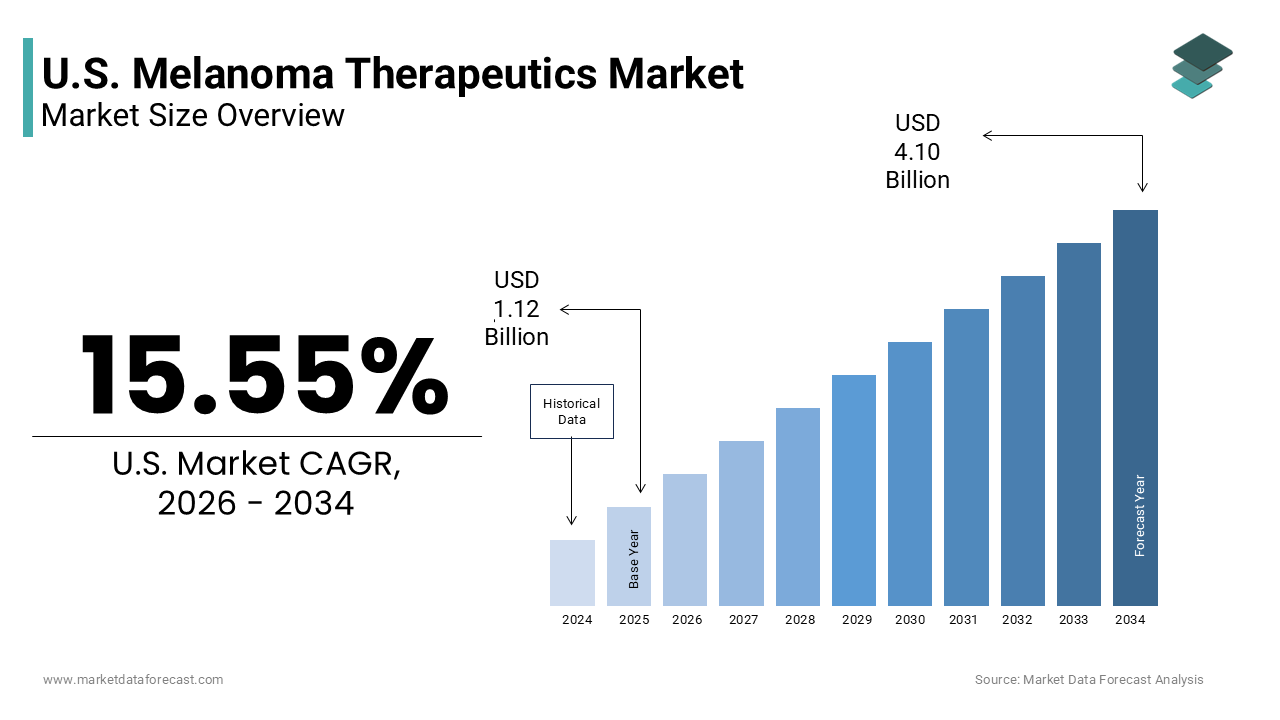
The U.S. melanoma therapeutics market was valued at USD 1.12 billion in 2025 and is anticipated to reach USD 1.29 billion in 2026 from USD 4.10 billion by 2034, growing at a CAGR of 15.55% during the forecast period from 2026 to 2034. The growth of the U.S. melanoma therapeutics market is driven by the rising incidence of melanoma cases, increasing adoption of immunotherapy-based treatment approaches, and growing integration of precision medicine into oncology care. Expanding utilization of biomarker-driven therapies, increasing investments in cancer research and development, and rising awareness regarding early diagnosis and treatment are further accelerating market growth. Moreover, advancements in immune checkpoint inhibitors, expansion of adjuvant and neoadjuvant treatment applications, and increasing focus on personalized therapeutic strategies are supporting the expansion of the U.S. melanoma therapeutics market.
Key Market Trends
- Rising adoption of immune checkpoint inhibitors as the standard of care for advanced and metastatic melanoma treatment.
- Increasing integration of biomarker-driven precision medicine approaches to improve treatment outcomes and patient selection.
- Growing utilization of adjuvant and neoadjuvant therapies to reduce recurrence rates and improve long-term survival.
- Strong focus on combination therapy strategies combining immunotherapy and targeted therapy agents.
- Expansion of genomic profiling and liquid biopsy technologies supporting personalized melanoma management.
Segmental Insights
- Based on product type, the immunotherapy segment dominated the U.S. melanoma therapeutics market and held the largest share in 2025. The segment’s dominance is attributed to superior survival outcomes, durable treatment responses, strong clinical guideline recommendations, and widespread adoption of immune checkpoint inhibitors across advanced melanoma treatment settings.
- The targeted therapy segment is projected to witness the fastest CAGR during the forecast period owing to increasing identification of BRAF mutations, growing adoption of personalized medicine, rapid tumor response rates, and ongoing development of next-generation targeted therapeutic agents.
- Based on drug type, the branded drugs segment accounted for the leading share of the U.S. melanoma therapeutics market in 2025. The dominance of this segment is driven by strong patent protection, extensive clinical validation, lack of biosimilar competition for key immunotherapies, and widespread physician preference for established innovative treatments.
- The generic drugs segment is anticipated to register notable growth during the forecast period due to patent expirations of selected targeted therapies, increasing focus on healthcare cost containment, growing patient accessibility, and rising adoption of cost-effective treatment alternatives.
Regional Insights
The United States maintained a strong position in the global melanoma therapeutics market in 2025, supported by advanced oncology infrastructure, strong research and development activities, and high adoption of innovative cancer therapies. California remains a major contributor to the U.S. melanoma therapeutics market due to its large patient population, advanced cancer treatment centers, and strong biotechnology ecosystem. New York, Washington, and Oregon are also witnessing notable growth driven by increasing awareness of skin cancer prevention, expanding access to advanced oncology treatments, and rising adoption of personalized medicine approaches.
Competitive Landscape
The U.S. melanoma therapeutics market is highly competitive and characterized by the presence of leading pharmaceutical companies, biotechnology firms, and oncology-focused research organizations competing through innovation, clinical advancements, and strategic collaborations. Leading companies are focusing on expanding immunotherapy indications, strengthening targeted therapy portfolios, investing in precision oncology technologies, and developing combination treatment strategies. Strategic partnerships with diagnostic companies, research institutions, and healthcare providers are further strengthening market positioning across the melanoma treatment landscape. Prominent players in the U.S. melanoma therapeutics market include Merck & Co., Inc., Bristol Myers Squibb, Novartis AG, F. Hoffmann-La Roche Ltd, Pfizer Inc., Amgen Inc., Regeneron Pharmaceuticals, Inc., Incyte Corporation, AstraZeneca PLC, and Eli Lilly and Company.
U.S. Melanoma Therapeutics Market Size
The U.S. melanoma therapeutics market size was valued at USD 1.12 billion in 2025 and is anticipated to reach USD 1.29 billion in 2026 from USD 4.10 billion by 2034, growing at a CAGR of 15.55% during the forecast period from 2026 to 2034.
The melanoma therapeutics are pharmacological interventions designed to treat malignant melanoma, the most aggressive form of skin cancer. Melanoma arises from the uncontrolled growth of pigment producing cells known as melanocytes that often triggered by intense ultraviolet radiation exposure. As per the American Cancer Society, approximately 100640 new cases of invasive melanoma were diagnosed in the United States in 2024, with around 8400 individuals expected to die from the disease. The incidence rate has risen steadily over the past three decades, making it a critical public health concern. The National Cancer Institute states that melanoma accounts for only about 1% of all skin cancers but causes the majority of skin cancer deaths. Early detection remains pivotal, yet advanced stage diagnoses necessitate robust therapeutic options. The integration of genomic profiling into clinical practice has enabled personalized treatment strategies, enhancing efficacy. Skin cancer is the most common form of cancer in the United States, with melanoma representing a significant portion of mortality.
MARKET DRIVERS
Rising Incidence Rates Drive Urgent Therapeutic Demand
The escalating incidence of melanoma is primary factor boosting the growth of the United States melanoma therapeutics market. As per the American Cancer Society, the lifetime risk of getting melanoma is about 1 in 38 for white people, 1 in 1000 for Black people, and 1 in 167 for Hispanic people. The Surveillance Epidemiology and End Results program indicates that melanoma incidence rates have increased by approximately 3% annually over the last decade. This consistent upward trend creates a sustained and growing patient pool requiring immediate and effective medical intervention. The aging population further exacerbates this demand, as cumulative sun exposure increases the likelihood of developing malignant lesions. According to the Skin Cancer Foundation, more than 2 people die of skin cancer in the United States every hour, amplifying the severity and urgency of the condition. The shift towards early screening initiatives has led to higher detection rates, thereby increasing the number of patients entering the treatment pipeline. Healthcare providers are increasingly prioritizing access to novel agents that offer better progression free survival metrics. The substantial burden of disease translates directly into heightened procurement of advanced therapeutic modalities.
Advancements In Immunotherapy Enhance Treatment Efficacy
Breakthroughs in immunotherapy have fundamentally transformed the standard of care, which is propelling the growth of the United States melanoma therapeutics market. Immune checkpoint inhibitors, such as pembrolizumab and nivolumab have demonstrated superior overall survival rates compared to traditional chemotherapy. The mechanism of action, which involves unleashing the body’s own immune system to recognize and attack cancer cells that offers a durable response for many patients. The clinical guidelines now strongly recommend these agents for both adjuvant and metastatic settings. The proven efficacy of these drugs encourages broader insurance coverage and reimbursement by facilitating patient access. Furthermore, ongoing research into next generation checkpoints and combination strategies continues to expand the therapeutic arsenal. The success of these biologics has shifted physician prescribing patterns away from less effective cytotoxic agents. Patients are increasingly seeking treatments that offer not just life extension but also improved quality of life. The robust clinical data supporting immunotherapy validates its high cost, ensuring sustained demand.
MARKET RESTRAINTS
High Cost Of Novel Therapies Restricts Patient Access
The prohibitive cost of advanced melanoma treatments is limiting the growth of the United States melanoma therapeutics market. As per the Kaiser Family Foundation, high out of pocket costs lead to medication nonadherence in nearly 30% of patients with chronic conditions. This economic barrier prevents a segment of the diagnosed population from receiving optimal care, thereby limiting market penetration. Insurance prior authorization processes often delay treatment initiation, causing clinical deterioration during waiting periods. The financial toxicity is a recognized side effect of cancer care, impacting mental health and treatment outcomes. Many patients face difficult choices between paying for medication and covering basic living expenses. The complexity of reimbursement policies varies across different payers, creating administrative hurdles for providers. High deductibles and copayments further exacerbate the affordability crisis for middle income families. Pharmaceutical pricing strategies remain opaque by leading to public scrutiny and policy debates that may impact future availability. The economic strain extends to caregivers who may need to reduce work hours to manage patient care. This financial distress can lead to treatment discontinuation, resulting in poorer clinical outcomes and higher long term healthcare costs due to disease progression.
Severe Adverse Effects Limit Treatment Continuity
The prevalence of severe adverse events associated with melanoma therapies is additionally hindering the growth of the United States melanoma therapeutics market. Immune related adverse events such as colitis, pneumonitis, and dermatitis occur in a substantial proportion of patients receiving checkpoint inhibitors. As per studies published in the Journal of Clinical Oncology, grade 3 or 4 adverse events are reported in approximately 20 to 25% of patients undergoing combination immunotherapy. These toxicities often necessitate dose reductions, treatment interruptions, or permanent discontinuation, compromising therapeutic efficacy. Managing these side effects requires specialized medical attention and additional healthcare resources, increasing the overall cost of care. The severe immune mediated reactions can be life threatening if not identified and treated promptly. The fear of experiencing debilitating side effects deters some patients from initiating or continuing therapy. Clinicians must balance the potential benefits of treatment against the risk of severe toxicity, leading to cautious prescribing practices. The need for rigorous monitoring and supportive care adds complexity to the treatment regimen. Patients with pre-existing autoimmune conditions are often excluded from clinical trials and may be ineligible for certain therapies, narrowing the treatable population. The psychological impact of managing chronic side effects affects patient quality of life and adherence.
MARKET OPPORTUNITIES
Expansion Into Adjuvant And Neoadjuvant Settings
The strategic expansion of therapeutic applications into adjuvant and neoadjuvant settings is eventually to set up new opportunities for the growth of the United States melanoma therapeutics market. Previously reserved for metastatic disease, immune checkpoint inhibitors are now approved for use after surgical resection to prevent recurrence. The adjuvant therapy has been shown to significantly improve recurrence free survival in patients with stage III melanoma. This shift expands the treatable patient population to include those with earlier stage disease, who have undergone surgery. The neoadjuvant approach, where treatment is administered before surgery, which is gaining traction for its ability to shrink tumors and assess biological response. The neoadjuvant therapy has demonstrated high pathological complete response rates, predicting favorable long term outcomes. This paradigm shift allows for earlier intervention and potentially curative intent in high risk patients. The inclusion of these earlier stages in treatment guidelines drives volume growth for pharmaceutical manufacturers. Healthcare providers are increasingly adopting these protocols to improve patient prognosis and reduce the burden of metastatic disease. The success in these settings encourages further investigation into combination regimens and biomarker driven strategies.
Integration Of Biomarker Driven Personalized Medicine
The integration of biomarker driven personalized medicine is another attribute to promote the growth of the United States melanoma therapeutics market. Genetic profiling allows for the identification of specific mutations, such as BRAF V600E or V600K by enabling targeted therapy selection. The testing for BRAF mutations is standard practice for all patients with advanced melanoma to guide treatment decisions. This approach ensures that patients receive the most effective therapy based on their tumor biology, improving response rates and minimizing unnecessary toxicity. The personalized medicine can reduce healthcare costs by avoiding ineffective treatments and focusing resources on responsive patients. The emergence of liquid biopsy technologies facilitates real time monitoring of disease progression and resistance mechanisms. This dynamic assessment allows for timely adjustment of therapeutic strategies, optimizing clinical outcomes. The ability to predict response to immunotherapy using markers such as tumor mutational burden further refines patient selection. The precision approach enhances the value proposition of advanced therapies, justifying their premium pricing.
MARKET CHALLENGES
Complexity Of Regulatory Approval Processes
The intricate and lengthy regulatory approval process is one of the major challenges for the growth of the United States melanoma therapeutics market. The United States Food and Drug Administration requires extensive clinical data demonstrating safety and efficacy, which can take several years to generate. As per the Tufts Center for the Study of Drug Development, the average time to approve a new drug is approximately 10 to 12 years, with significant costs exceeding 2 billion dollars. Regulatory requirements for post marketing surveillance and risk evaluation mitigation strategies add further complexity and expense. The regulatory uncertainty can hinder investment in early stage research and development. Changes in regulatory guidelines or requests for additional data can cause substantial delays in approval timelines. The need for large scale randomized controlled trials to meet statistical significance thresholds requires substantial patient recruitment efforts, which can be challenging in rare subtypes. The regulatory landscape is constantly evolving, requiring companies to adapt quickly to new standards. Delays in approval can result in lost market share to competitors who secure faster clearance. The burden of compliance affects smaller biotechnology firms disproportionately, potentially stifling innovation.
Reimbursement Uncertainties And Policy Shifts
The uncertainties surrounding reimbursement policies and potential legislative changes is to decline the growth of the United States melanoma therapeutics market. Payers frequently reassess the value proposition of high-cost therapies, leading to restrictive formulary placements or stringent prior authorization criteria. The pressure to control healthcare spending influences coverage decisions for expensive oncology drugs. Changes in federal or state healthcare policies can abruptly alter reimbursement rates, impacting revenue projections for pharmaceutical companies. The lack of standardized value assessment frameworks creates inconsistency in coverage decisions across different insurance providers. The inconsistent reimbursement policies create administrative burdens for providers and confusion for patients. The threat of price negotiations under new legislative initiatives adds financial uncertainty to long term planning. Payers may demand real world evidence to justify continued coverage, requiring additional data collection and analysis efforts. The dynamic nature of healthcare reform introduces volatility into the market environment. Manufacturers must navigate a complex web of payer requirements, each with distinct criteria for coverage. This fragmentation increases operational costs and complicates market access strategies. The potential for reduced reimbursement rates threatens the return on investment for research and development activities.
REPORT COVERAGE
| REPORT METRIC | DETAILS |
| Market Size Available | 2025 to 2034 |
| Base Year | 2025 |
| Forecast Period | 2026 to 2034 |
| CAGR | 15.55% |
| Segments Covered | By Product Type, Drug Type and Region. |
| Various Analyses Covered | Global, Regional and Country-Level Analysis, Segment-Level Analysis, Drivers, Restraints, Opportunities, Challenges; PESTLE Analysis; Porter’s Five Forces Analysis, Competitive Landscape, Analyst Overview of Investment Opportunities |
| Countries Covered | California, Washington, Oregon, New York, United States |
| Market Leaders Profiled | Merck & Co., Inc., Bristol Myers Squibb, Novartis AG, F. Hoffmann-La Roche Ltd, Pfizer Inc., Amgen Inc., Regeneron Pharmaceuticals, Inc., Incyte Corporation, AstraZeneca PLC, and Eli Lilly and Company. |
SEGMENTAL ANALYSIS
By Product Type Insights
The immunotherapy segment was accounted in holding 44.3% of the United States melanoma therapeutics market share in 2025. The growth of the segment is majorly driven by the ability to significantly extend overall survival compared to historical treatments. As per data from the CheckMate 067 trial published in the New England Journal of Medicine, the combination of nivolumab and ipilimumab resulted in a median overall survival that was not reached at five years, with a survival rate of 52%. The durability of response is another factor, as a substantial proportion of patients experience long term remission after discontinuing therapy. These robust clinical outcomes have led to widespread endorsement by major medical guidelines. The National Comprehensive Cancer Network categorizes these agents as preferred regimens for stage III and IV melanoma. Physicians are increasingly confident in prescribing these therapies due to the extensive real-world evidence supporting their efficacy. The shift in treatment paradigms is further reinforced by patient preference for therapies that offer the potential for a functional cure rather than mere palliation.
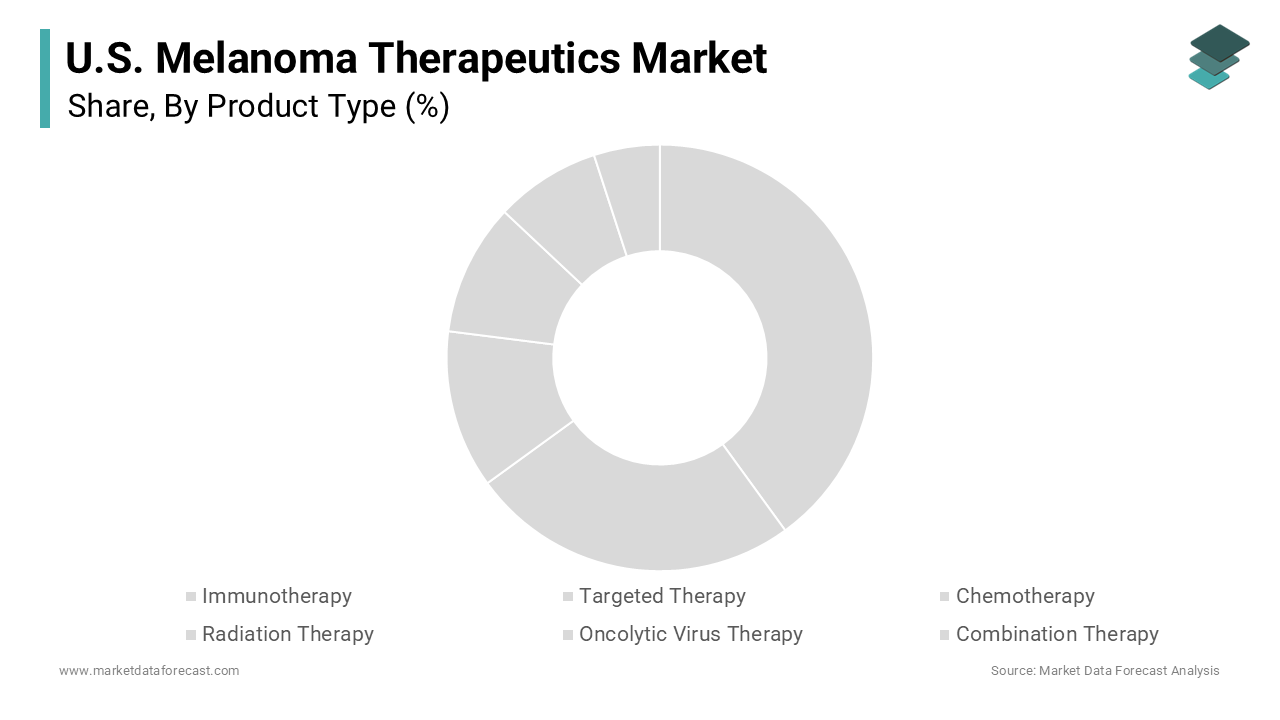
The targeted therapy segment is expected to grow at a fastest CAGR of 9.8% from 2026 to 2034 with its high efficacy in patients harboring BRAF V600 mutations, which account for a significant subset of melanoma cases. The combination of BRAF and MEK inhibitors has demonstrated rapid tumor shrinkage and improved progression free survival compared to monotherapy. According to the COMBI d trial results published in the Lancet Oncology, the combination of dabrafenib and trametinib achieved a median progression free survival of 11.7 months, significantly outperforming vemurafenib alone. This rapid onset of action is particularly valuable for patients with high tumor burden or symptomatic disease who require immediate relief. The ability to tailor treatment based on molecular profiling aligns with the broader trend towards personalized medicine in oncology. Genetic testing for BRAF status is now routine by ensuring that eligible patients are quickly identified and started on appropriate therapy. The development of next generation inhibitors with improved safety profiles and blood brain barrier penetration further enhances their appeal. The targeted therapies are increasingly used in conjunction with immunotherapy to overcome resistance mechanisms. This synergistic approach expands the clinical utility of targeted agents and drives their adoption in complex cases.
By Drug Type Insights
The branded drugs segment was accounted in holding 33.2% of the United States melanoma therapeutics market share in 2025 with the strong patent protection and market exclusivity periods that prevent generic competition. Most of the key immunotherapies and targeted therapies used in melanoma treatment are still within their patent life by allowing manufacturers to maintain premium pricing. This period allows pharmaceutical companies to recoup substantial research and development investments, which often exceed 2 billion dollars per approved drug. The complexity of biologic molecules used in immunotherapy makes them difficult to replicate, further extending their effective monopoly. The biosimilars face higher regulatory hurdles and longer development timelines compared to small molecule generics. This barrier to entry ensures that branded products remain the sole options for many indications. Healthcare providers prefer branded drugs due to the extensive clinical data supporting their safety and efficacy. The lack of interchangeable alternatives means that prescriptions are filled exclusively with the branded product. Insurance formularies often tier these drugs favorably due to the absence of lower cost substitutes. The strong intellectual property landscape protects revenue streams and incentivizes continuous innovation. Manufacturers invest heavily in lifecycle management strategies such as new indications and formulation improvements to extend patent life. This strategic focus on exclusivity ensures that branded drugs retain their market leadership. The financial strength of these companies allows for aggressive marketing and physician education programs, reinforcing brand loyalty.
The generic drugs segment is deemed to register a fastest CAGR of 6.5% from 2026 to 2034 owing to the impending expiration of patents on several key small molecule targeted therapies. While immunotherapies remain branded, earlier generation kinase inhibitors are beginning to lose exclusivity. The introduction of generic versions significantly lowers the cost of treatment, making it accessible to a broader patient population. Healthcare systems under financial pressure are increasingly adopting generic substitution policies to manage budgets. The availability of affordable alternatives encourages earlier initiation of therapy and better adherence rates. Patients with high deductibles are more likely to fill prescriptions for lower cost generic options. The regulatory pathway for generic approval of small molecules is well established by facilitating faster market entry compared to biosimilars. The shift towards value based care further supports the adoption of cost effective generic alternatives.
KEY MARKET PLAYERS
Some of the promising companies that are playing a dominating role in the U.S. Melanoma Therapeutics Market include
- Merck & Co., Inc.
- Bristol Myers Squibb
- Novartis AG
- F. Hoffmann-La Roche Ltd
- Pfizer Inc.
- Amgen Inc.
- Regeneron Pharmaceuticals, Inc.
- Incyte Corporation
- AstraZeneca PLC
- Eli Lilly and Company
Top Players in the US Melanoma Therapeutics Market
Bristol Myers Squibb
Bristol Myers Squibb maintains a formidable presence in the United States melanoma therapeutics landscape through its pioneering immune checkpoint inhibitors. The company leverages its flagship products nivolumab and ipilimumab to set the standard of care for advanced disease. Recent strategic initiatives focus on expanding indications into adjuvant and neoadjuvant settings to capture earlier stage patients. Bristol Myers Squibb actively invests in clinical trials exploring combination therapies with novel agents to overcome resistance mechanisms. The organization collaborates with academic institutions to generate real world evidence supporting long term survival benefits. Their commitment to innovation ensures a continuous pipeline of next generation immunotherapies. This approach solidifies their reputation as a key driver of therapeutic advancement in melanoma care across the nation.
Merck and Co
Merck and Co plays a pivotal role in the market with its widely prescribed antibody pembrolizumab. The company has established this agent as a cornerstone treatment for both metastatic and adjuvant melanoma management. Merck focuses heavily on broadening the utility of its drug through extensive clinical research programs. The corporation actively engages in health economics studies to demonstrate value to payers and providers. Merck supports physician education initiatives to ensure optimal administration and adverse event management. Their strategy emphasizes maintaining strong relationships with key opinion leaders and professional societies.
Novartis AG
Novartis AG contributes significantly to the market through its specialized targeted therapy portfolio for BRAF mutated melanoma. The company offers combination treatments such as dabrafenib and trametinib which address specific genetic alterations in tumor cells. Novartis focuses on precision medicine approaches to deliver personalized care options for eligible patients. Recent actions involve expanding the use of these therapies into adjuvant settings to prevent disease recurrence. The firm invests in diagnostic partnerships to streamline biomarker testing and patient identification processes. Novartis actively participates in research exploring synergistic effects with immunotherapies to improve outcomes. Their strategy includes developing patient support programs to enhance adherence and manage side effects effectively.
Top Strategies Used by Key Market Participants
Key players in the United States melanoma therapeutics market primarily employ strategies centered on clinical expansion and strategic collaborations. Companies aggressively pursue new indications for existing drugs such as moving treatments from metastatic to adjuvant settings. This approach broadens the patient base and extends product lifecycle value. Pharmaceutical firms also engage in extensive merger and acquisition activities to acquire innovative pipelines and complementary technologies. Partnerships with diagnostic companies are common to facilitate biomarker testing and personalized medicine adoption. Investment in real world evidence generation helps demonstrate long term value to payers and healthcare systems. Manufacturers focus on developing combination therapies to overcome resistance and improve survival rates. Educational initiatives targeting physicians ensure proper usage and management of complex treatment regimens. These multifaceted strategies enable companies to maintain competitive advantages and drive sustained growth in a dynamic environment.
MARKET SEGMENTATION
This research report on the U.S. Small Appliance Market has been segmented based on the following categories.
By Product Type
- Immunotherapy
- Targeted Therapy
- Chemotherapy
- Radiation Therapy
- Oncolytic Virus Therapy
- Combination Therapy
By Drug Type
- Branded Drugs
- Generic Drugs
By Country
- California
- Washington
- Oregon
- New York
- Rest of the United States
Access the study in MULTIPLE FORMATS
Purchase options starting from
$ 1200
Didn’t find what you’re looking for?
TALK TO OUR ANALYST TEAM
Need something within your budget?
NO WORRIES! WE GOT YOU COVERED!
Call us on: +1 888 702 9696 (U.S Toll Free)
Write to us: sales@marketdataforecast.com