- Product Description Description
- Table of Contents TOC
- List of Table & Figure LOT
- Get Free Sample PDF Sample PDF
Market Size, 2025
$1.31 BnMarket Estimate, 2026
$1.37 BnMarket Forecast, 2034
$1.93 BnCAGR, 2026–2034
4.78%U.S. Orange Juice Market Report Summary
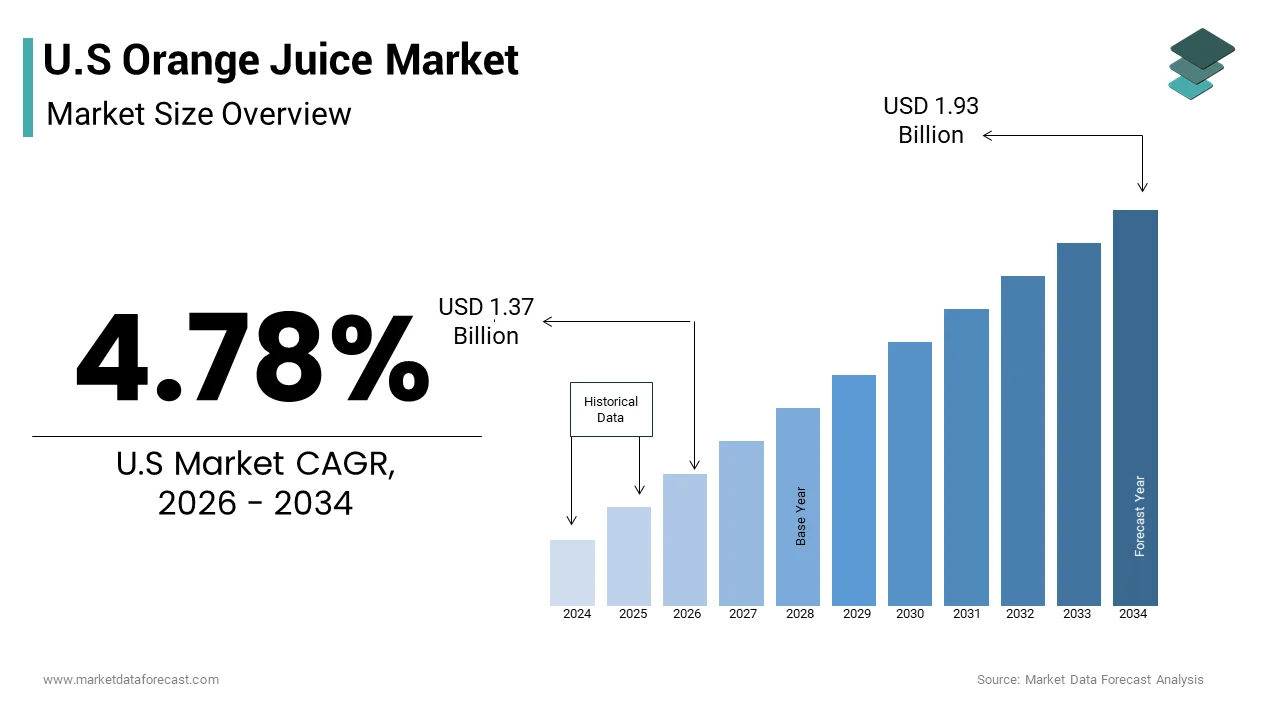
The U.S. orange juice market was valued at USD 1.31 billion in 2025, is estimated to reach USD 1.37 billion in 2026, and is projected to reach USD 1.93 billion by 2034, expanding at a CAGR of 4.78% during the forecast period from 2026 to 2034. The U.S. orange juice market continues to evolve as consumers seek nutritious, natural, and convenient beverage options that align with healthier lifestyles. Growing awareness of the nutritional benefits of vitamin C, antioxidants, and immune-supporting beverages is driving steady demand across households and foodservice establishments. Manufacturers are expanding their portfolios with premium, organic, pulp-based, and fortified orange juice products to cater to changing consumer preferences. In addition, advancements in sustainable packaging, cold-chain logistics, and product innovation are enhancing product quality and accessibility. Rising demand for clean-label beverages and minimally processed fruit juices is expected to support long-term market growth across the United States.
Key Market Trends
- Consumers are increasingly choosing not-from-concentrate and minimally processed orange juice for its fresh taste and nutritional value.
- Functional juice products fortified with vitamins, minerals, and immune-supporting ingredients are gaining wider consumer acceptance.
- Sustainable packaging solutions, including recyclable cartons and eco-friendly materials, are becoming a key focus for manufacturers.
- Premium, organic, and clean-label orange juice products are expanding their presence as health-conscious purchasing behavior continues to rise.
- Brands are strengthening omnichannel distribution strategies by combining retail expansion with growing online grocery availability.
Segmental Insights
Based on product, the not-from-concentrate orange juice segment accounted for the leading share of the U.S. orange juice market in 2025. The segment's dominance is driven by growing consumer preference for fresh-tasting beverages, minimal processing, and products that preserve the natural flavor and nutritional profile of oranges.
Based on packaging, the cartons segment dominated the U.S. orange juice market in 2025. Carton packaging remains the preferred choice due to its convenience, product protection, extended shelf life, and increasing adoption of recyclable and environmentally responsible packaging materials.
Based on distribution channel, the offline channel segment held the largest share of the U.S. orange juice market in 2025. The segment continues to lead because supermarkets, hypermarkets, convenience stores, and grocery retailers provide broad product availability, attractive promotional offers, and immediate purchasing convenience for consumers.
Regional Insights
The United States accounted for 83.8% of the North American orange juice market in 2025, maintaining its position as the region's largest contributor. Strong consumer demand for fruit-based beverages, well-established citrus processing infrastructure, and widespread retail availability continue to support market leadership. The country's advanced food and beverage distribution network, combined with ongoing product innovation in premium, organic, and fortified juice categories, is reinforcing industry growth. Increasing consumer preference for nutritious, clean-label beverages and investments in sustainable production practices are expected to further strengthen the U.S. orange juice market during the forecast period.
Competitive Landscape
The U.S. orange juice market is characterized by competition among global beverage companies, citrus cooperatives, and regional juice manufacturers focused on product quality, nutritional value, and brand differentiation. Leading companies are investing in premium juice formulations, functional beverage innovations, and sustainable packaging solutions to address changing consumer preferences. Strategic partnerships with citrus growers, expansion of processing capabilities, and investments in advanced supply chain technologies remain key growth strategies across the industry. Companies are also strengthening their retail presence through omnichannel distribution, private-label collaborations, and digital marketing initiatives to enhance customer engagement. As demand for healthier and minimally processed beverages continues to grow, market participants are emphasizing innovation, sustainability, and consistent product quality to maintain their competitive advantage.
Prominent players in the U.S. orange juice market include Ocean Spray, Uni-President Enterprises Corporation, Dabur, Aldi, Florida’s Natural Growers, The Coca-Cola Company, ITC Limited, Tree Ripe Fruit Co., PepsiCo, and Nestlé.
U.S. Orange Juice Market Size
The U.S orange juice market size was valued at USD 1.31 billion in 2025 and is anticipated to reach USD 1.37 billion in 2026 to reach USD 1.93 billion by 2034, growing at a CAGR of 4.78% during the forecast period from 2026 to 2034.
As per the U.S. Department of Agriculture Economic Research Service domestic production of oranges has faced significant volatility due to climatic challenges yet consumer demand remains resilient driven by habitual consumption patterns. The definition extends beyond traditional retail bottles to include food service portions and industrial bulk supplies used in culinary applications. As per the Centers for Disease Control and Prevention citrus fruits are recognized as vital components of a healthy diet providing high levels of vitamin C and potassium which support immune function and cardiovascular health. The regulatory environment mandates strict adherence to labeling standards regarding sugar content and origin ensuring transparency for consumers. Recent trends indicate a shift toward premiumization with buyers increasingly seeking organic and cold pressed options that retain more natural flavors and nutrients. The sector operates within a complex supply chain heavily reliant on imports from Brazil and Mexico to supplement domestic shortages. This dependency influences pricing dynamics and availability creating a unique market structure where global agricultural conditions directly impact local retail shelves. The enduring popularity of orange juice as a staple breakfast item ensures its continued relevance despite evolving beverage preferences.
MARKET DRIVERS
Established Cultural Habit and Breakfast Staple Status
The entrenched cultural habit of consuming orange juice as a breakfast staple is one of the major factors driving the growth of the U.S. orange juice market. For generations American families have associated orange juice with morning routines viewing it as an essential component of a balanced start to the day. As per the National Health and Nutrition Examination Survey conducted by the Centers for Disease Control and Prevention 100% juice is reported by approximately 15.3% of children aged 6 to 11 years as a breakfast beverage indicating strong behavioral conditioning. This ritualistic consumption creates a baseline demand that is relatively inelastic to short term price fluctuations or minor shifts in dietary trends. The perception of orange juice as a family friendly beverage further reinforces its presence in household refrigerators appealing to parents who seek convenient ways to provide vitamins to children. According to dietary guidelines promoted by the U.S. Department of Agriculture fruit juices can contribute to daily fruit intake recommendations encouraging continued inclusion in meal plans. The convenience of ready to drink formats aligns with the fast paced lifestyles of modern consumers who prioritize quick and nutritious options. Marketing campaigns by major brands have historically reinforced this association linking orange juice with vitality and energy. This deep rooted cultural connection ensures that orange juice maintains a dominant position in the juice category despite competition from other beverages. The stability of this demand base provides manufacturers with predictable sales volumes allowing for long term strategic planning and investment in production capabilities.
High Nutritional Value and Immune System Support
The high nutritional value of orange juice particularly its rich vitamin C content is further boosting the U.S. orange juice market expansion. Vitamin C is widely recognized for its role in supporting immune function collagen synthesis and iron absorption making it a critical nutrient for overall health. As per the National Institutes of Health global daily vitamin C intake recommendations range from 40 to 110 milligrams per day depending on the region which is essential for preventing deficiencies and maintaining optimal physiological function especially during periods of stress or illness. Consumers increasingly view orange juice as a functional beverage that offers tangible health benefits beyond simple hydration. The rising awareness of preventive healthcare has led many individuals to incorporate immune boosting foods into their daily diets with orange juice being a popular and accessible choice. According to public health data seasonal spikes in respiratory infections often correlate with increased sales of vitamin rich beverages as consumers seek natural remedies to bolster their defenses. The presence of other beneficial compounds such as flavonoids and potassium further enhances the health profile of orange juice appealing to health conscious demographics. Manufacturers leverage these nutritional attributes in marketing efforts emphasizing the natural goodness and purity of their products. The alignment with wellness trends ensures that orange juice remains relevant in a market increasingly focused on functional benefits. This health driven demand supports premium pricing for high quality variants and encourages innovation in fortification and processing methods to preserve nutrient integrity.
MARKET RESTRAINTS
High Sugar Content and Health Consciousness Trends
The high natural sugar content of orange juice is a significant restraint of the U.S. orange juice market growth. While the sugar in orange juice is naturally occurring it contributes to total daily caloric intake and can impact blood glucose levels. As per the Dietary Guidelines for Americans 2020 to 2025 calories from added sugars should be limited to less than 10% of total daily intake which has heightened awareness about overall sugar consumption leading some individuals to reduce their intake of fruit juices. The American Heart Association advises limiting sugar sweetened beverages including fruit juices to prevent weight gain and metabolic issues. This growing health consciousness has led to a shift toward whole fruits which provide fiber and satiety without the concentrated sugar load of juice. According to nutrition surveys a notable percentage of consumers are actively seeking low sugar or no sugar added beverage options causing a decline in traditional orange juice consumption among certain demographics. The perception of juice as a sugary drink rather than a health food challenges manufacturers to reformulate products or educate consumers about portion control. The rise of alternative beverages such as infused waters and vegetable juices offers lower sugar alternatives that appeal to health focused buyers. This competitive pressure forces orange juice producers to innovate with diluted blends or smaller package sizes to address sugar concerns. The persistent narrative around sugar reduction continues to impact market growth requiring strategic communication to balance nutritional benefits with calorie awareness.
Volatility in Raw Material Supply and Climate Impact
Volatility in raw material supply due to climate change and agricultural diseases are further hampering the U.S. orange juice market expansion. Orange cultivation is highly sensitive to weather conditions with extreme temperatures droughts and hurricanes significantly affecting crop yields. As per the U.S. Department of Agriculture orange production acreage has dropped 94% over the past 25 years due to citrus greening disease also known as Huanglongbing which has devastated groves in Florida leading to a substantial decline in domestic production. This disease causes fruit to drop prematurely and become bitter rendering it unsuitable for juice production. The reliance on imports from Brazil and Mexico to fill supply gaps exposes the market to global price fluctuations and logistical disruptions. According to agricultural reports climate variability in producing regions has led to inconsistent harvests creating uncertainty in supply chains. These supply constraints drive up the cost of raw materials which are often passed on to consumers in the form of higher retail prices. Elevated prices can deter price sensitive buyers and encourage substitution with cheaper beverage alternatives. The long term sustainability of orange sourcing is threatened by environmental challenges requiring significant investment in resistant rootstocks and agricultural technologies. However these solutions take time to implement and do not guarantee immediate relief. The inherent instability of raw material availability complicates inventory management and pricing strategies for manufacturers. This structural vulnerability limits market expansion and necessitates diversification of sourcing strategies to mitigate risks.
MARKET OPPORTUNITIES
Innovation in Premium and Cold Pressed Variants
Innovation in premium and cold pressed orange juice variants offers a lucrative opportunity for the U.S. orange juice market growth by catering to discerning consumers seeking superior quality and flavor. Cold pressed juice retains more natural enzymes vitamins and fresh taste compared to traditionally pasteurized products appealing to health enthusiasts and foodies. As per industry trends the demand for minimally processed foods is rising with consumers willing to pay a premium for products perceived as fresher and more nutritious. Manufacturers can differentiate their offerings by introducing small batch artisanal juices sourced from specific orange varieties such as blood oranges or valencias. These niche products command higher margins and foster brand loyalty among customers who value authenticity and craftsmanship. According to market observations premium orange juice segments are experiencing faster growth rates than conventional categories driven by urban demographics with higher disposable incomes. The introduction of organic certifications further enhances appeal to environmentally conscious buyers who prioritize sustainable farming practices. Packaging innovations such as glass bottles and eco-friendly materials also contribute to the premium image attracting gift shoppers and special occasion buyers. By focusing on quality over quantity companies can capture a valuable segment of the market that is less sensitive to price fluctuations. This strategy allows brands to escape the commoditization trap of standard orange juice and build a reputation for excellence. The expansion of premium lines in specialty stores and high end grocery chains provides additional distribution channels for growth.
Expansion into Functional and Fortified Blends
Expansion into functional and fortified orange juice blends offers significant opportunities to the U.S. orange juice market. By incorporating additional nutrients such as calcium vitamin D probiotics or plant based proteins manufacturers can transform orange juice into a multifunctional beverage. As per the International Food Information Council 82% of consumers report changing shopping behavior due to high prices while still seeking protein and fiber which indicates that consumers are increasingly interested in drinks that provide specific health benefits. Fortified orange juice can address common dietary gaps such as bone health support through calcium enrichment or gut health improvement via probiotic addition. This innovation aligns with the growing trend of personalized nutrition where individuals seek tailored solutions for their health needs. According to nutritional studies the bioavailability of certain nutrients is enhanced when consumed with vitamin C making orange juice an ideal vehicle for fortification. Manufacturers can collaborate with nutritionists to develop scientifically backed formulations that deliver measurable health outcomes. Marketing these functional benefits effectively can justify premium pricing and differentiate products in a crowded marketplace. The development of blends with other superfoods such as turmeric ginger or kale also appeals to adventurous drinkers seeking novel flavor profiles. This diversification strategy expands the usage occasions for orange juice beyond breakfast positioning it as a wellness shot or post workout recovery drink. By leveraging the natural appeal of orange juice as a health beverage companies can unlock new revenue streams and drive category revitalization.
MARKET CHALLENGES
Intense Competition from Alternative Beverages
Intense competition from a wide array of alternative beverages is challenging the growth of the U.S. orange juice market. The beverage landscape has expanded to include smoothies plant based milks kombucha and flavored waters which offer varied taste experiences and perceived health benefits. As per the Beverage Marketing Corporation fruit juice availability per person has declined by 42% from its historical peak as shoppers explore newer categories. Smoothies in particular compete directly with orange juice by offering whole fruit benefits including fiber which juice lacks. Plant based milks such as almond and oat milk have gained popularity as breakfast accompaniments replacing juice in many households. The rise of sparkling water and infused teas provides low calorie hydration options that appeal to weight conscious individuals. According to retail scanner data shelf space allocated to orange juice is increasingly contested by these emerging categories forcing manufacturers to fight for visibility. The fragmentation of consumer attention makes it difficult for orange juice to maintain its dominant status as the default breakfast beverage. Brands must invest heavily in marketing and innovation to retain relevance amidst this crowded field. The inability to adapt to changing preferences risks further erosion of market share. Additionally the perception of orange juice as a high sugar option disadvantages it against low calorie alternatives. Overcoming this competitive pressure requires strategic positioning and continuous product development to meet evolving consumer expectations.
Regulatory Scrutiny and Labeling Requirements
Regulatory scrutiny and stringent labeling requirements are further challenging the expansion of the U.S. orange juice market. Government agencies such as the Food and Drug Administration enforce strict guidelines regarding nutrition labeling ingredient disclosure and health claims. As per recent regulatory updates there is increased emphasis on distinguishing between added sugars and natural sugars although both contribute to total sugar content on labels. This complexity can confuse consumers who may perceive all sugars as equally detrimental regardless of source. The requirement to list specific nutrient values and allergen information adds to operational burdens for producers who must ensure accuracy across all packaging. According to legal analyses non-compliance with labeling standards can result in costly recalls and reputational damage. Furthermore proposals to restrict marketing of high sugar products to children could limit promotional opportunities for orange juice brands. The debate over whether juice should be counted toward daily fruit intake in dietary guidelines also influences public perception and institutional purchasing decisions. Manufacturers must navigate this evolving regulatory landscape while maintaining transparent communication with consumers. The need to constantly update packaging and reformulate products to meet new standards increases production costs. These regulatory pressures require vigilant monitoring and adaptive strategies to ensure market access. Failure to comply or effectively communicate compliance can erode trust and hinder sales growth in an increasingly regulated environment.
REPORT COVERAGE
| REPORT METRIC | DETAILS |
| Market Size Available | 2025 to 2034 |
| Base Year | 2025 |
| Forecast Period | 2026 to 2034 |
| CAGR | 7.76% |
| Segments Covered | By Product, Packaging, Distribution Channel, and By Country |
| Various Analyses Covered | Global, Regional, and Country Level Analysis, Segment-Level Analysis; DROC, PESTLE Analysis; Porter’s Five Forces Analysis; Competitive Landscape; Analyst Overview of Investment Opportunities. |
| Regions Covered | California, Washington, Oregon, New York & Rest of the United States |
| Market Leaders Profiled | Ocean Spray, Uni-President Enterprises Corporation , Dabur, Aldi, Florida’s Natural Growers, The Coca-Cola Company, ITC Limited, Tree Ripe Fruit Co., PepsiCo, Nestle |
SEGMENTAL ANALYSIS
By Product Insights
The not from concentrate orange juice segment accounted for the leading share of the U.S. market in 2025 and this dominance is primarily attributed to the superior sensory quality and consumer preference for freshness which closely mimics the taste of freshly squeezed fruit. Modern consumers are increasingly discerning about flavor profiles and texture seeking beverages that offer an authentic citrus experience rather than the cooked or flat taste often associated with reconstituted concentrates. As per sensory evaluation studies conducted by food science institutions not from concentrate juices retain higher levels of volatile aroma compounds which are critical for perceived freshness and quality. This attribute appeals strongly to middle and upper income households who prioritize premium quality in their grocery purchases. According to retail data sales of premium chilled juices have consistently outpaced value oriented segments reflecting this shift in consumer priorities. The perception of not from concentrate juice as a healthier and less processed option further reinforces its market leadership. Parents often choose this variant for children believing it provides better nutrition and taste. The widespread availability of this product in refrigerated sections of major supermarkets ensures high visibility and accessibility. Brands invest heavily in marketing campaigns that emphasize the natural and pure aspects of their not from concentrate offerings distinguishing them from commodity products. This focus on quality and authenticity sustains strong brand loyalty and repeat purchases ensuring the segment remains the cornerstone of the orange juice industry.
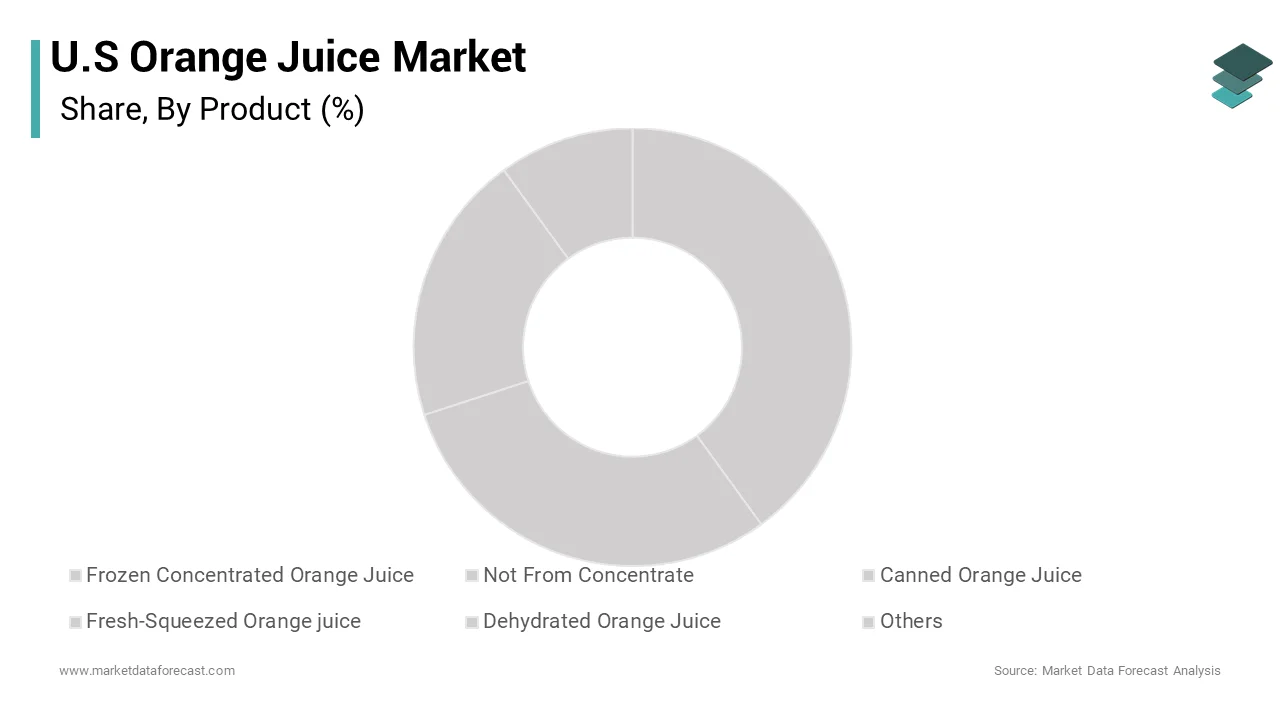
On the other end, the fresh squeezed orange juice segment is predicted to showcase the fastest CAGR of 7.4% during the forecast period in the U.S. market owing to the increasing consumer demand for minimal processing and clean label products that offer maximum nutritional integrity. Health conscious buyers are moving away from pasteurized options seeking raw juices that retain all natural enzymes vitamins and antioxidants without heat treatment. As per nutritional research heat sensitive nutrients such as vitamin C and certain phytonutrients are better preserved in fresh squeezed variants making them appealing to wellness oriented consumers. The clean label trend emphasizes transparency and simplicity in ingredients with fresh squeezed juice containing only oranges and no additives or preservatives. According to market trends the willingness to pay a premium for unpasteurized juices has increased significantly among millennials and Generation Z who view food as medicine. This segment benefits from the perception of being the closest alternative to home squeezing without the labor involved. Retailers are responding by installing in store juicing stations or partnering with local brands to offer freshly pressed options. The short shelf life of these products creates a sense of urgency and exclusivity driving frequent purchases. The alignment with holistic health practices and detox trends further boosts adoption. As consumers become more educated about the benefits of raw foods fresh squeezed orange juice captures a niche but rapidly expanding market share driven by the pursuit of optimal health and purity.
By Packaging Insights
The cartons segment dominated the market by holding the major share of the U.S. orange juice market in 2025. The growth of the cartons segment in the U.S. market can be credited to the growing consumer and regulatory emphasis on sustainability and environmental consciousness. Cartons are primarily made from paperboard a renewable resource which appeals to eco-friendly buyers seeking to reduce plastic waste. As per the Environmental Protection Agency paper based packaging has a higher recycling rate and lower carbon footprint compared to many plastic alternatives. Consumers are increasingly aware of the environmental impact of single use plastics leading them to prefer carton packaged beverages. According to sustainability reports major beverage companies are committing to increasing the use of renewable materials in their packaging portfolios with cartons playing a central role in these initiatives. The lightweight nature of cartons also reduces transportation emissions contributing to overall supply chain efficiency. Retailers are favoring carton formats to meet corporate sustainability goals and appeal to green consumers. The ability to source paperboard from responsibly managed forests further enhances the ethical appeal of carton packaging. This alignment with environmental values builds brand loyalty among conscientious shoppers who prioritize ecological responsibility. The ongoing innovation in carton design to improve recyclability and reduce material usage reinforces its position as the preferred packaging solution. The combination of functional performance and environmental benefits ensures that cartons remain the dominant choice for orange juice packaging in the U.S.
However, the PP material bottles segment is anticipated to record a CAGR of 6.5% during the forecast period in the U.S. market owing to the durability convenience and recyclability of polypropylene which appeals to on the go consumers. The rapid expansion of PP material bottles is primarily fueled by their durability and convenience for on the go consumption which aligns with active lifestyles. Polypropylene is a robust plastic that resists breaking and leaking making it ideal for portable beverage containers. As per consumer behavior studies the demand for grab and go formats has increased significantly with individuals seeking beverages that fit easily into bags cup holders and gym kits. PP bottles are lightweight and shatterproof reducing the risk of injury and mess compared to glass or rigid PET alternatives. This safety feature makes them particularly popular among parents for childrens lunches and outdoor activities. According to packaging trends the ergonomic design of PP bottles with easy grip features and secure caps enhances user experience. The clarity of PP allows consumers to see the product while providing sufficient protection against light and oxygen to maintain freshness. The resealable nature of these bottles supports multiple consumption occasions encouraging partial use and storage. This functionality appeals to health conscious users who prefer to sip juice throughout the day rather than consuming it all at once. The combination of physical resilience and user friendly design drives the adoption of PP bottles in the convenience and sports sectors. As mobility becomes a key factor in beverage choice PP material bottles continue to gain market share.
By Distribution Channel Insights
The offline channel segment occupied the largest share of the U.S. orange juice market in 2025. The growth of the offline channel segment in the U.S. market can be credited to the habitual nature of grocery shopping and the immediate availability of orange juice for consumers. Most American households purchase beverages during weekly or biweekly grocery trips making physical stores the primary point of sale. As per the Food Marketing Institute the vast majority of food and beverage purchases still occur in brick and mortar locations where shoppers can inspect products and make impulse buys. The ability to take home orange juice immediately satisfies immediate consumption needs without waiting for delivery. This immediacy is crucial for perishable items like chilled juice which consumers prefer to select personally to ensure freshness. According to retail data foot traffic in supermarkets remains high with beverage aisles being key destinations for routine purchases. The tactile experience of checking expiration dates and package integrity builds consumer confidence. Promotional displays and end cap placements in stores effectively drive sales through visual appeal and discounts. The integration of orange juice into regular shopping lists ensures consistent demand. The established infrastructure of offline retail provides widespread access to various brands and formats catering to diverse preferences. This convenience and reliability make the offline channel the preferred choice for the majority of orange juice buyers sustaining its market leadership.
On the other end, the online channel segment is predicted to expand at a CAGR of 9.5% during the forecast period in the U.S. market owing to the rise of e-commerce grocery platforms and subscription services that offer unparalleled convenience. Consumers are increasingly adopting online shopping for household staples including beverages to save time and effort. As per the U.S. Census Bureau total retail e commerce sales for 2025 increased 5.4% from 2024 which indicates that many shoppers rely on delivery apps and retailer websites for their grocery needs. Subscription models allow customers to automate recurring purchases of orange juice ensuring they never run out. This automation is particularly appealing for busy families and individuals who value predictability and ease. According to digital retail trends the integration of orange juice into broader grocery baskets online increases attachment rates and order values. The ability to browse a wider variety of brands and formats online than available in local stores enhances choice. User reviews and detailed product descriptions help inform purchasing decisions. The convenience of home delivery eliminates the need to transport heavy cases of juice from stores. This shift in shopping behavior is supported by improved logistics and faster delivery times. As digital literacy increases across all age groups the online channel continues to capture a larger share of orange juice sales. The seamless integration of technology and retail drives the sustained high growth of this segment.
COUNTRY ANALYSIS
The U.S. had the largest share of the North American orange juice market in 2025 with 83.8% of the regional market share. As the largest consumer market globally the country exhibits a mature yet dynamic landscape characterized by high per capita consumption and a strong cultural affinity for citrus beverages. The market status is defined by a reliance on imports to supplement domestic production challenges while maintaining robust demand through established retail networks. The U.S. market is fundamentally driven by high per capita consumption and the deep cultural entrenchment of orange juice as a breakfast staple. Despite competition from other beverages orange juice remains a preferred choice for millions of Americans due to its perceived health benefits and taste. As per the U.S. Department of Agriculture annual per capita availability of orange juice has declined by 42% from its peak in 1977 which reflects both long term shifts in demand and significant domestic production challenges. The association of orange juice with morning routines and family meals creates a stable demand base that is resilient to economic fluctuations. According to dietary surveys a large proportion of households include juice in their weekly grocery lists indicating habitual purchasing behavior. The widespread availability of orange juice in schools workplaces and restaurants further reinforces its presence in daily life. The marketing efforts of major brands have successfully maintained this cultural relevance over decades. The diversity of the population ensures a broad consumer base with varying preferences for different juice types and formats. This cultural significance ensures that the U.S. remains the primary driver of demand in the region. The consistent consumption patterns support a robust supply chain and encourage continuous innovation in product offerings. This entrenched position solidifies the countrys leadership in the North American orange juice market.
COMPETITIVE LANDSCAPE
The competitive landscape of the U.S. orange juice market is characterized by the dominance of a few multinational beverage corporations and specialized citrus producers who leverage strong brand equity and extensive distribution networks. Incumbent players face increasing pressure from private label brands offered by major retailers which provide lower cost alternatives to national brands. Competition is primarily driven by price sensitivity and the need for consistent quality amidst supply chain volatility. Innovation in product formulations such as functional blends and organic options serves as a key differentiator in a mature market. Sustainability initiatives including eco friendly packaging and ethical sourcing have become critical factors influencing consumer choice and brand loyalty. The threat of substitution from other breakfast beverages such as smoothies and plant based milks intensifies rivalry among juice manufacturers. Supply chain resilience is a major competitive advantage as companies navigate agricultural challenges and import dependencies. Regulatory compliance regarding labeling and health claims also shapes competitive dynamics. Overall the market favors entities that can balance cost efficiency with premium quality offerings while maintaining robust logistical capabilities to ensure product availability.
KEY MARKET PLAYERS
A few of the market players that are dominating the U.S orange juice market are
- Ocean Spray
- Uni-President Enterprises Corporation
- Cutrale Group
- Dabur
- Aldi
- Florida’s Natural Growers
- The Coca-Cola Company
- ITC Limited
- Tree Ripe Fruit Co.
- PepsiCo
- Nestle
Top Players In The Market
- The Coca Cola Company maintains a significant presence in the U.S. orange juice market through its Minute Maid and Simply Orange brands. The corporation leverages its extensive distribution network to ensure widespread availability across retail and food service channels. Recent strategic initiatives include investing in sustainable sourcing practices and enhancing supply chain resilience to mitigate climate related risks. The company has also expanded its premium offerings with cold pressed and organic variants to cater to health conscious consumers. By utilizing advanced data analytics for demand forecasting Coca Cola optimizes inventory management and reduces waste. These efforts aim to strengthen brand loyalty and adapt to evolving consumer preferences for transparency and quality. The continuous innovation in packaging formats such as recyclable bottles further aligns with environmental goals. This comprehensive approach solidifies its leadership position in the competitive beverage landscape.
- PepsiCo Inc contributes substantially to the market via its Tropicana brand which is synonymous with premium orange juice in the U.S.. The company focuses on delivering high quality not from concentrate products that appeal to discerning consumers seeking freshness. Recent actions involve revitalizing the Tropicana brand identity with modern packaging and targeted marketing campaigns. PepsiCo has invested in agricultural partnerships to secure stable supplies of oranges amidst challenging growing conditions. The organization emphasizes sustainability by reducing plastic usage and promoting recycling initiatives. By leveraging its robust logistics infrastructure PepsiCo ensures consistent product availability and freshness. The introduction of functional blends with added vitamins and minerals addresses the growing demand for wellness oriented beverages. These strategies enable the company to maintain strong consumer engagement and compete effectively in the premium segment while adapting to market dynamics.
- Cutrale Group plays a pivotal role in the U.S. orange juice market as a major producer and supplier of citrus products. The company operates extensive processing facilities and owns significant orange groves ensuring vertical integration and quality control. Recent strategic moves include expanding production capacity and adopting advanced technologies to improve efficiency and yield. Cutrale focuses on sustainable farming practices to combat citrus diseases and enhance crop resilience. The group supplies both private label and branded products to major retailers and food service providers. By maintaining strong relationships with growers and distributors Cutrale ensures a steady flow of high quality juice. The company also invests in research and development to create innovative juice blends and value added products. These initiatives strengthen its position as a key supplier in the industry supporting market stability and growth through reliable and sustainable operations.
Top Strategies Used by Key Market Participants
Key players in the U.S. orange juice market primarily employ supply chain diversification and product premiumization strategies to sustain growth. Companies are increasingly sourcing oranges from multiple global regions to mitigate risks associated with domestic crop failures and climate variability. This approach ensures consistent product availability and stabilizes pricing structures. Another major strategy involves launching premium not from concentrate and cold pressed variants to attract health conscious consumers willing to pay for higher quality. Manufacturers invest in sustainable packaging solutions such as recycled plastics and paper based cartons to address environmental concerns and meet regulatory standards. Digital marketing and direct to consumer platforms enhance brand engagement and provide valuable customer insights. Strategic partnerships with retailers ensure prominent shelf placement and promotional visibility. By balancing operational resilience with innovation in product quality and sustainability key participants strengthen their market positions and adapt to evolving consumer expectations effectively.
MARKET SEGMENTATION
This research report on the U.S orange juice market is segmented and sub-segmented into the following categories.
By Product
- Frozen Concentrated Orange Juice
- Not From Concentrate
- Canned Orange Juice
- Fresh-Squeezed Orange juice
- Dehydrated Orange Juice
- Others
By Packaging
- Cartons
- PP Material Bottle
- Metal Can
- Others
By Distribution Channel
- Offline Channel
- Online Channel
By Country
- California
- Washington
- Oregon
- New York
- Rest of the United States