- Product Description Description
- Table of Contents TOC
- List of Table & Figure LOT
- Get Free Sample PDF Sample PDF
Market Size, 2025
$3.42 BnMarket Estimate, 2026
$3.56 BnMarket Forecast, 2034
$4.87 BnCAGR, 2026–2034
4.00%Executive Summary: Asia Pacific Antacid Market
- Market Scope: Comprehensive regional antacid market analysis covering drug classes, formulation types, distribution channels, country leadership frameworks, and gastrointestinal disorder treatment trends.
- Market Valuation: Valued at USD 3.42 billion (2025), estimated at USD 3.56 billion (2026), and projected to reach USD 4.87 billion by 2034, registering a solid CAGR of 4.00% (2026–2034).
- Primary Growth Drivers: Rising gastrointestinal disorder prevalence (GERD rates increasing to nearly 15%), a cultural shift toward self-medication, e-commerce channel growth, and innovation in natural herbal formulations.
Key Market Segment Metrics (2026–2034)
| Category | Leading Segment (Base Position) | Fastest-Growing Segment |
|---|---|---|
| By Drug Class | Proton Pump Inhibitors (dominated with a 45.8% share in 2025) | Acid Neutralizers (expected to register the fastest CAGR of 7.5%) |
| By Formulation Type | Tablets (led formulation types with a 55.2% share in 2025) | Liquids (projected to grow at a robust CAGR of 6.8%) |
| By Distribution Channel | Retail Pharmacies (held the largest channel share at 60.3% in 2025) | E-commerce Channels (anticipated to expand rapidly at a CAGR of 12.4%) |
| By Region / Country | China (leading regional market with a 35.5% share in 2025, followed by Japan at 20.1%) | Emerging regional markets scaling via affordable generics and digital retail expansions |
Major Market Players & Market Structure
Market Structure: Highly competitive regional pharmaceutical landscape featuring multinational corporations and local manufacturers differentiating through innovative formulations like chewable tablets and effervescent powders.
Key Companies: Sun Pharma, Digene (Abbott India), Pudin Hara (Dabur), GlaxoSmithKline plc, Abbott Laboratories, Pfizer, Inc., and Gelusil (Pfizer).
Asia Pacific Antacid Market Size
The Asia Pacific Antacid Market size was valued at USD 3.42 billion in 2025 and is anticipated to reach USD 3.56 billion in 2026 from USD 4.87 billion by 2034, growing at a CAGR of 4.00% during the forecast period from 2026 to 2034.
An antacid is an over-the-counter (OTC) medication that provides quick relief for occasional heartburn, indigestion, or an upset stomach by neutralizing existing stomach acid. This market includes calcium carbonate magnesium hydroxide aluminum hydroxide and sodium bicarbonate based products available in various forms such as tablets chewables liquids and powders. The region is witnessing a substantial rise in demand driven by shifting dietary patterns and lifestyle modifications that exacerbate gastrointestinal disorders. According to the World Gastroenterology Organisation the prevalence of GERD in Asia has increased significantly over the past two decades with rates rising from 5 percent to nearly 15 percent in several countries due to urbanization and westernized diets. In China, recent data using the Rome IV criteria indicates that functional dyspepsia (FD) affects approximately 5.9% to 10.7% of the adult population. While uninvestigated dyspepsia (general stomach discomfort) can reach higher levels, the confirmed functional segment remains a significant consumer base for digestive relief products. Similarly in India the Indian Society of Gastroenterology indicates that the incidence of acid peptic diseases is climbing due to high stress levels and irregular eating habits. The World Health Organization emphasizes that non communicable diseases including digestive disorders are a growing burden in the South East Asia Region. These epidemiological trends underscore the critical need for accessible and effective antacid solutions. The market is thus propelled by a combination of medical necessity and the increasing self medication culture among consumers seeking immediate relief from discomfort.
MARKET DRIVERS
Rising Prevalence of Gastrointestinal Disorders and Lifestyle Changes
The escalating prevalence of gastrointestinal disorders, particularly GERD and functional dyspepsia, serves as a primary driver for the Asia Pacific Antacid Market. Rapid urbanization and the adoption of westernized lifestyles characterized by high fat diets excessive caffeine consumption and smoking have significantly contributed to this trend. According to the World Gastroenterology Organisation the prevalence of GERD in Asia has risen sharply with studies indicating that up to 15 percent of the population in countries like Japan and South Korea suffer from chronic symptoms. In China the Chinese Society of Gastroenterology reports that the incidence of reflux esophagitis has doubled in the last decade due to changing dietary habits and increased obesity rates. As per the National Health Commission of China obesity affects over 50 percent of adults which is a known risk factor for increased intra abdominal pressure and acid reflux. In India the Indian Society of Gastroenterology notes that stress and irregular meal timings among the working population are major contributors to acidity and heartburn. The Indian Journal of Gastroenterology highlights that approximately 25% to 30%of urban Indians experience frequent episodes of dyspepsia. In Australia the Royal Australian College of General Practitioners states that lifestyle factors such as alcohol consumption and poor diet are leading causes of gastrointestinal distress. This convergence of dietary shifts and metabolic changes ensures a sustained and growing demand for antacids across the region.
Increasing Self Medication and Over the Counter Accessibility
The increasing tendency towards self-medication and the widespread availability of over-the-counter OTC antacids significantly contribute to the growth of the Asia Pacific Antacid Market. Consumers prefer immediate relief from mild to moderate gastrointestinal symptoms without the need for a physician's prescription leading to higher sales of OTC products. According to the International Pharmaceutical Federation the OTC segment constitutes a significant portion of pharmaceutical sales in Asia due to the convenience and affordability of these products. In Japan the Ministry of Health Labour and Welfare reports that antacids are among the most commonly purchased OTC drugs reflecting a strong culture of self care. As per the Japan Self Medication Industry Association the ease of access through pharmacies and convenience stores drives consistent consumer engagement. In India the All India Organization of Chemists and Druggists notes that antacids are readily available in even the smallest retail outlets making them accessible to rural and urban populations alike. The Indian Journal of Pharmacy Practice highlights that low cost generic antacids are preferred by lower income groups for managing occasional acidity. In Thailand the Thai Food and Drug Administration facilitates the easy registration and distribution of OTC antacids ensuring wide market penetration. The Thai Pharmaceutical Association reports that promotional activities by manufacturers further boost consumer awareness and trial. In Indonesia the Ministry of Health indicates that traditional herbal antacids are also popular but synthetic OTC options are gaining traction due to faster action. This accessibility and consumer preference for autonomy in managing minor health issues drive the robust growth of the antacid market.
MARKET RESTRAINTS
Safety Concerns and Side Effects of Long Term Use
Safety concerns regarding the long term use of antacids restrict the expansion of the Asia Pacific Antacid Market. While effective for short term relief prolonged consumption of certain antacids can lead to adverse effects such as kidney damage electrolyte imbalances and rebound acidity. According to the World Health Organization excessive intake of aluminum based antacids can cause constipation and bone demineralization while magnesium based ones may lead to diarrhea. In China the National Medical Products Administration has issued warnings about the potential risks of overusing antacids without medical supervision. As per the Chinese Society of Gastroenterology many patients mistakenly rely on antacids for chronic conditions that require proton pump inhibitors or lifestyle changes leading to complications. In India the Indian Council of Medical Research emphasizes cases of hypermagnesemia and hypophosphatemia associated with indiscriminate antacid use. The Indian Journal of Nephrology reports that chronic kidney disease patients are particularly vulnerable to the harmful effects of magnesium and aluminum accumulation. In Australia the Therapeutic Goods Administration mandates clear labeling regarding dosage limits and potential side effects to mitigate risks. The Royal Australian College of General Practitioners advises against long term self medication with antacids due to the risk of masking serious underlying conditions such as gastric cancer. In Japan the Ministry of Health Labour and Welfare emphasizes the importance of professional diagnosis for persistent symptoms. These safety concerns discourage continuous usage and prompt healthcare providers to recommend alternative treatments thereby restraining market growth for long term consumers.
Stringent Regulatory Frameworks and Approval Processes
Stringent regulatory frameworks and complex approval processes for new antacid formulations further hamper the growth of the Asia Pacific Antacid Market. Each country in the region has distinct requirements for the registration quality control and marketing of pharmaceutical products creating barriers for manufacturers. According to the Association of Southeast Asian Nations harmonizing drug regulations remains a challenge leading to fragmented market entry strategies. In China the National Medical Products Administration requires extensive clinical data and local testing for both domestic and imported antacids increasing the time and cost for product launch. As per the China Chamber of Commerce for Import and Export of Medicines and Health Products the rigorous approval process can delay market access by several years. In India the Central Drugs Standard Control Organization has tightened norms for drug manufacturing and labeling requiring additional compliance efforts. The Indian Pharmaceutical Alliance notes that smaller manufacturers often struggle to meet these stringent standards limiting competition. In Australia the Therapeutic Goods Administration maintains high standards for safety and efficacy which can be a barrier for innovative but unproven formulations. The Department of Health requires thorough evaluation of ingredients and claims ensuring only safe products reach the market. In Japan the Ministry of Health Labour and Welfare strictly regulates the classification of antacids as either pharmaceuticals or quasi drugs affecting their distribution channels. These regulatory hurdles increase operational costs and slow down the introduction of new products hindering market expansion and innovation.
MARKET OPPORTUNITIES
Expansion of E Commerce and Digital Health Platforms
The expansion of e-commerce and digital health platforms offers a potential prospect for the Asia Pacific Antacid Market. This growth is driven by enhanced product accessibility and deeper consumer engagement. Online pharmacies and health apps allow consumers to purchase antacids conveniently and access information about symptom management. According to the United Nations Conference on Trade and Development e commerce sales of health products in Asia Pacific have grown rapidly driven by increased internet penetration. In China the Alibaba Group reports that online sales of OTC medications including antacids have surged as consumers prefer home delivery. As per the China Internet Network Information Center millions of users purchase health products online annually benefiting from discounts and subscription models. In India the Federation of Indian Chambers of Commerce and Industry notes that digital health startups are partnering with e pharmacy platforms to offer bundled consultation and medication services. The Indian Brand Equity Foundation highlights that the reach of online retail extends to remote areas where physical pharmacies are scarce. In Singapore the Health Sciences Authority supports the development of telemedicine platforms that integrate with e pharmacy services. The Infocomm Media Development Authority notes that digital health initiatives improve access to affordable medications. In South Korea the Ministry of Science and ICT promotes smart healthcare solutions including online prescription and delivery services. The Korean Consumer Agency reports that young consumers frequently buy antacids online for convenience. This digital transformation enables manufacturers to reach wider audiences and provide personalized recommendations driving market growth.
Innovation in Natural and Herbal Formulations
Innovation in natural and herbal antacid formulations is creating substantial opportunities for the Asia Pacific Antacid Market. This trend is driven by consumers who are increasingly seeking safer and holistic alternatives. Ingredients such as licorice ginger fennel and aloe vera are being incorporated into antacid products to appeal to health conscious buyers. According to the World Health Organization traditional medicine is widely used in Asia for treating digestive ailments providing a strong foundation for herbal antacids. In India the Ministry of AYUSH promotes the development and standardization of Ayurvedic formulations for acidity and digestion. As per the Indian Society of Gastroenterology many patients prefer herbal remedies due to perceived fewer side effects compared to synthetic drugs. The Indian Journal of Traditional Knowledge highlights the efficacy of herbal combinations in managing functional dyspepsia. In China the National Administration of Traditional Chinese Medicine supports research into herbal medicines for gastrointestinal health. The Chinese Association of Traditional Chinese Medicine notes that patent herbal medicines for stomach comfort are popular among older adults. In Japan the Ministry of Economy Trade and Industry encourages the innovation of Kampo medicines which include herbal antacids. The Japanese Society of Oriental Medicine reports that Kampo prescriptions for digestive issues are common in clinical practice. In Thailand the Department of Thai Traditional and Alternative Medicine promotes the use of local herbs for digestive health. The Thai FDA has approved several herbal products for OTC sale. This trend towards natural wellness drives product differentiation and attracts a broader consumer base fostering market expansion.
MARKET CHALLENGES
Prevalence of Counterfeit and Substandard Products
The prevalence of counterfeit and substandard antacid products in informal markets is a major challenge to the Asia Pacific Antacid Market. This issue compromises patient safety and erodes brand trust. Unregulated vendors often sell fake or expired medications that lack active ingredients or contain harmful substances. According to the World Health Organization one in ten medical products in low and middle income countries is substandard or falsified with OTC drugs being a vulnerable category. In Vietnam the Ministry of Health has reported seizures of counterfeit antacids sold in street markets and unlicensed shops. As per the Vietnam Drug Administration these illegal products can cause severe health issues due to unknown contaminants. In Indonesia the National Agency of Drug and Food Control struggles to monitor the vast network of small retailers and online sellers offering unregistered products. The Indonesian Pharmacists Association warns consumers against buying medications from unauthorized sources. In the Philippines the Food and Drug Administration issues regular alerts against fake antacids circulating in rural areas. The Philippine Pharmaceutical Manufacturers Association notes that counterfeit products undercut legitimate brands affecting revenue and reputation. In India the Central Drugs Standard Control Organization faces challenges in enforcing regulations across numerous small scale manufacturers. The Indian Drug Manufacturers Association highlights that price sensitive consumers often opt for cheaper unofficial variants risking their health. This pervasive issue undermines the credibility of the industry and discourages consumers from trusting established brands. Addressing this challenge requires robust enforcement and consumer education to ensure the availability of safe and authentic products.
Limited Awareness of Proper Usage and Dosage
Limited awareness regarding the proper usage and dosage of antacids continues to be a serious barrier to the Asia Pacific Antacid Market. Consequently, this leads to widespread misuse and ineffective treatment. Many consumers view antacids as harmless candies and consume them excessively without understanding the potential risks or correct timing. According to the World Gastroenterology Organisation improper use of antacids can interfere with the absorption of other medications and nutrients. In China the Chinese Society of Gastroenterology reports that many patients take antacids at the wrong time reducing their efficacy. As per the National Health Commission public education campaigns on digestive health are limited leading to widespread misconceptions. In India the Indian Medical Association notes that self medication often leads to delayed diagnosis of serious conditions like ulcers or cancer. The Indian Journal of Community Medicine highlights the need for better health literacy regarding gastrointestinal symptoms. In Thailand the Thai Society of Gastroenterology emphasizes that patients often ignore lifestyle modifications relying solely on medication. The Ministry of Public Health indicates that educational resources are not evenly distributed across regions. In Malaysia the Ministry of Health reports that language barriers and low literacy levels hinder effective communication of dosage instructions. The Malaysian Pharmaceutical Society stresses the role of pharmacists in counseling but access is limited in rural areas. In the Philippines the Department of Health notes that misinformation spreads quickly through social media. This lack of knowledge results in poor health outcomes and dissatisfaction with products limiting market potential and necessitating extensive educational efforts.
REPORT COVERAGE
| REPORT METRIC | DETAILS |
| Market Size Available | 2025 to 2034 |
| Base Year | 2025 |
| Forecast Period | 2026 to 2034 |
| CAGR | 4.00% |
| Segments Covered | By Drug Class, Formulation Type, Distribution Channel, Disease Indications and Region |
| Various Analyses Covered | Global, Regional, & Country Level Analysis; Segment-Level Analysis, Drivers, Restraints, Opportunities, Challenges, PESTLE Analysis, Porter’s Five Forces Analysis, Competitive Landscape, Analyst Overview of Investment Opportunities |
| Regions Covered | India, China, Japan, South Korea, Australia, New Zealand, Thailand, Malaysia, Vietnam, the Philippines, Indonesia, Singapore, and the rest of APAC. |
| Key Market Players | Sun Pharma, Digene (Abbott India), Pudin Hara (Dabur), and GlaxoSmithKline plc, Abbott Laboratories, Pfizer, Inc, Gelusil (Pfizer). |
SEGMENTAL ANALYSIS
By Drug Class Insights
The Proton Pump Inhibitors segment dominated the Asia Pacific Antacid Market and accounted for a 45.8% share in 2025. This dominance of the segment is driven by their superior efficacy in suppressing acid production and their status as the first line treatment for severe gastroesophageal reflux disease and peptic ulcers. The main reason behind the dominance of proton pump inhibitors is their unparalleled ability to provide profound and long lasting suppression of gastric acid secretion which is essential for healing erosive esophagitis and peptic ulcers. Unlike antacids that neutralize existing acid or H2 antagonists that block histamine receptors proton pump inhibitors inhibit the final step of acid production in the parietal cells. According to the American College of Gastroenterology proton pump inhibitors are the most effective medical therapy for healing erosive esophagitis with healing rates exceeding 90 percent after eight weeks of treatment. In Japan the Japanese Society of Gastroenterology guidelines recommend proton pump inhibitors as the standard of care for GERD due to their consistent symptom relief. As per the Ministry of Health Labour and Welfare in Japan the prescription volume of these drugs remains high among the elderly population who suffer from chronic acid related disorders. In China the Chinese Society of Gastroenterology notes that the rising incidence of Helicobacter pylori infections which cause ulcers has increased the demand for proton pump inhibitors as part of eradication therapy. The National Health Commission of China reports that combination therapies including proton pump inhibitors are widely used in clinical practice. In India the Indian Society of Gastroenterology highlights that proton pump inhibitors are preferred for managing severe dyspepsia and preventing NSAID induced ulcers. The Indian Journal of Gastroenterology states that the availability of generic versions has made these potent drugs accessible to a broader patient base. This clinical superiority ensures that proton pump inhibitors remain the cornerstone of acid related disease management sustaining their leading market position. A further key factor contributing to the leadership of the proton pump inhibitors segment is the widespread availability of affordable generic formulations which have significantly reduced the cost burden on patients and healthcare systems. The expiration of patents for major brands such as omeprazole pantoprazole and esomeprazole has allowed numerous pharmaceutical companies to produce low cost alternatives. According to the World Health Organization the inclusion of generic proton pump inhibitors in national essential medicines lists across Asia Pacific countries has enhanced accessibility. In India the Department of Pharmaceuticals reports that the price of generic proton pump inhibitors has dropped by over 80 percent since the introduction of price controls under the National Pharmaceutical Pricing Authority. As per the Indian Medical Association this affordability has led to a surge in prescriptions particularly in rural and semi urban areas where out of pocket expenditure is a concern. In Indonesia the Ministry of Health includes generic proton pump inhibitors in the national health insurance scheme ensuring coverage for millions of beneficiaries. The Indonesian Society of Internal Medicine notes that the shift from branded to generic drugs has increased compliance rates among chronic patients. In Thailand the Thai Food and Drug Administration facilitates the rapid approval of generic equivalents promoting competition. The Thai Ministry of Public Health reports that public hospitals predominantly prescribe generic proton pump inhibitors to manage costs. In Vietnam the Ministry of Health encourages the use of domestically produced generics to reduce reliance on imports. This economic accessibility drives high volume consumption maintaining the segments dominance in the Asia Pacific market.
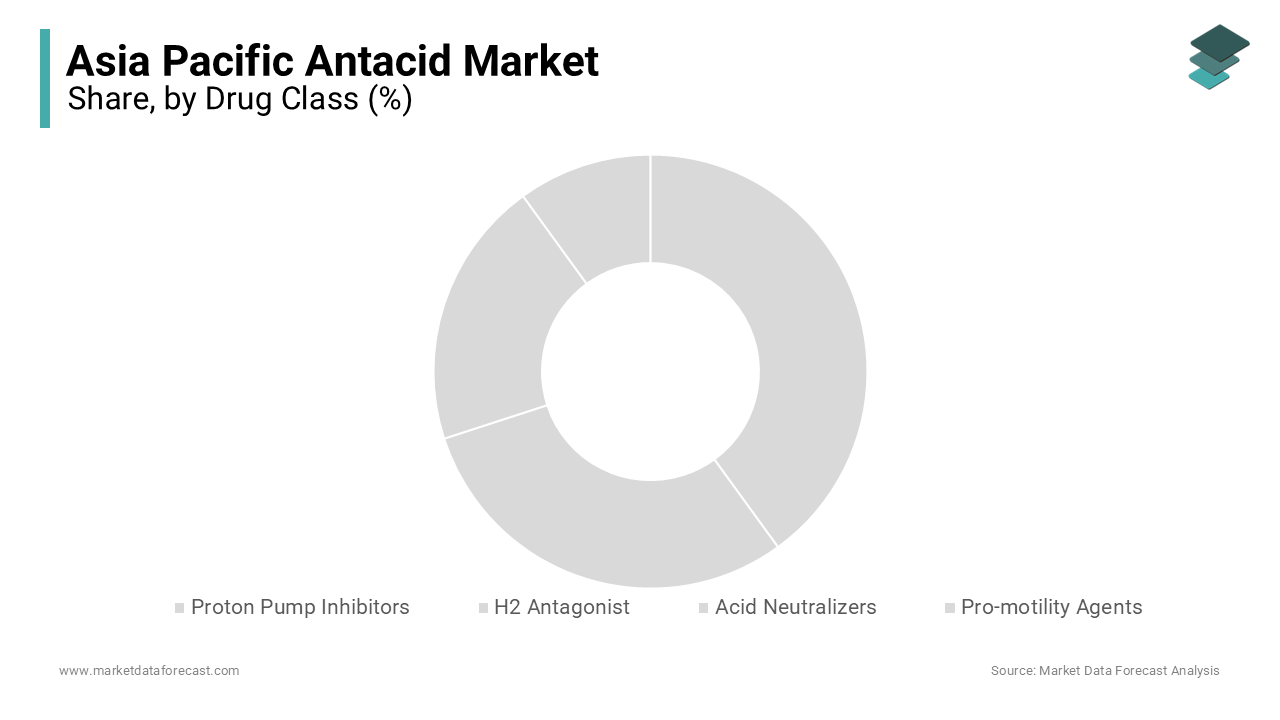
The Acid Neutralizers segment is likely to experience the fastest CAGR of 7.5% from 2026 to 2034 due to the rising preference for immediate relief from mild symptoms and the increasing trend of self medication. This rapid growth of the segment is driven by consumer preference for immediate relief from occasional heartburn and indigestion without the need for a prescription or prolonged treatment course. Acid neutralizers such as calcium carbonate and magnesium hydroxide work within minutes to neutralize stomach acid providing quick comfort. According to the International Pharmaceutical Federation over the counter antacids are among the most frequently purchased gastrointestinal medications globally due to their fast acting nature. In Australia the Therapeutic Goods Administration notes that sales of chewable antacid tablets have increased as consumers seek convenient solutions for lifestyle induced acidity. As per the Royal Australian College of General Practitioners many patients prefer acid neutralizers for intermittent symptoms rather than daily preventive medication. In South Korea the Korean Consumer Agency reports that young professionals frequently purchase portable antacid sachets for immediate relief after meals. The Korean Food and Drug Administration indicates that the variety of flavored and chewable formats has boosted appeal among younger demographics. In Singapore the Health Sciences Authority highlights that busy urban lifestyles contribute to irregular eating habits leading to sporadic acidity episodes. The Singapore Medical Association notes that acid neutralizers are the first line of defense for mild discomfort. In Malaysia the Ministry of Health reports that traditional and modern antacid combinations are popular for their quick action. This demand for instant gratification and convenience fuels the robust expansion of the acid neutralizers segment. The increasing trend of self medication and the easy availability of acid neutralizers over the counter are key catalysts accelerating the growth of this segment. Consumers are becoming more proactive in managing minor health issues and prefer the autonomy of purchasing antacids without consulting a doctor. In China the Alibaba Group reports that online sales of OTC antacids have surged due to the convenience of home delivery and privacy. As per the China Internet Network Information Center millions of consumers purchase digestive aids online annually driven by promotional campaigns and health awareness. In India the All India Organization of Chemists and Druggists notes that antacids are stocked in nearly every retail pharmacy and grocery store ensuring ubiquitous access. The Indian Journal of Pharmacy Practice highlights that low cost and high visibility drive impulse purchases. In Thailand the Thai Pharmaceutical Association reports that prominent shelf placement in convenience stores boosts sales of branded antacids. The Thai Food and Drug Administration supports the classification of safe antacids as household remedies. In the Philippines the Food and Drug Administration facilitates the wide distribution of OTC antacids in rural areas. The Philippine Pharmaceutical Manufacturers Association notes that aggressive marketing by local brands increases consumer trial. This ease of access and cultural acceptance of self care sustain the fast growth of acid neutralizers.
By Formulation Type Insights
The Tablet segment led the Asia Pacific Antacid Market and captured a 55.2% share in 2025. This leading position of the segment is attributed to the convenience portability and precise dosing offered by tablet formulations including chewables and swallowable tablets. A top factor for the dominance of the tablet segment is the exceptional convenience and portability it offers making it the preferred choice for busy individuals and travelers. Tablets are easy to carry in pockets or bags and do not require special storage conditions unlike liquids. In Japan the Ministry of Economy Trade and Industry notes that single dose packaging of chewable antacid tablets is highly popular among office workers and students. As per the Japan Self Medication Industry Association the compact size of tablets allows for discreet consumption in public settings. In South Korea the Korean Consumer Agency reports that sleek packaging of antacid tablets appeals to young consumers who value aesthetics and convenience. The Korean Food and Drug Administration indicates that chewable tablets are favored for their pleasant taste and ease of ingestion without water. In Singapore the Health Promotion Board highlights that ready to consume tablets fit well into the fast paced lifestyle of residents. The Singapore Medical Association notes that tablets are the most prescribed form for mild dyspepsia. In Australia the Therapeutic Goods Administration reports that travel sized packs of antacid tablets are best sellers in pharmacies. The Royal Australian College of General Practitioners emphasizes the importance of adherence which is improved by convenient formulations. This user friendly nature ensures that tablets remain the most widely consumed formulation in the market. Further helping this segment lead the market is the precise dosing and superior stability compared to liquid or powder forms. Tablets provide consistent amounts of active ingredients ensuring predictable therapeutic effects and reducing the risk of under or overdosing. In India the Central Drugs Standard Control Organization mandates strict quality controls for tablet manufacturing ensuring uniformity and potency. As per the Indian Pharmaceutical Alliance the stability of tablets makes them ideal for distribution in tropical climates where heat and moisture can affect liquid formulations. The Indian Journal of Pharmaceutical Sciences highlights that tablets are less likely to spill or leak during transport enhancing consumer confidence. In China the National Medical Products Administration reports that tablet formulations dominate the market due to their reliability and ease of storage. The Chinese Association of Pharmaceutical Manufacturers notes that advanced coating technologies improve the taste and dissolution rates of tablets. In Indonesia the National Agency of Drug and Food Control indicates that tablets are preferred in rural areas where refrigeration for liquids may not be available. The Indonesian Pharmacists Association emphasizes the cost effectiveness of tablet production which translates to lower prices for consumers. In Vietnam the Ministry of Health supports the local production of stable tablet formulations. This reliability and economic efficiency sustain the dominant position of tablets in the Asia Pacific antacid market.
The Liquid segment is on the rise and is expected to be the fastest growing segment in the market by witnessing a CAGR of 6.8% during the forecast period owing to the faster onset of action and suitability for patients with swallowing difficulties such as the elderly and children. This quick expansion of the segment is fuelled by its faster onset of action compared to solid forms as liquids do not need to disintegrate before absorption. This immediate availability of the active ingredient provides quicker relief from acute symptoms of heartburn and acidity. In Japan the Japanese Society of Gastroenterology notes that liquid antacids are often recommended for patients requiring immediate symptom control. As per the Ministry of Health Labour and Welfare the elderly population who may have slower gastric emptying benefits from the rapid action of liquids. In Australia the Royal Australian College of General Practitioners highlights that liquid formulations are preferred for nighttime heartburn due to their coating effect on the esophageal lining. The Therapeutic Goods Administration reports that sales of liquid antacids have increased among older adults. In New Zealand the Medsafe agency indicates that liquid antacids are widely available and prescribed for geriatric care. The Pharmaceutical Society of Australia notes that the soothing properties of liquids provide additional comfort. In China the National Health Commission reports a growing preference for liquid suspensions among patients with sensitive stomachs. The Chinese Society of Gastroenterology emphasizes the efficacy of liquids in coating the mucosa. This clinical advantage drives the adoption of liquid formulations fueling the segments fast growth. The suitability of liquid antacids for pediatric and geriatric populations who often face difficulties in swallowing pills is another key factor accelerating the growth of this segment. Dysphagia is common among the elderly and young children making liquids a safer and more manageable option. In Japan the Ministry of Health Labour and Welfare reports that liquid formulations are standard in nursing homes and pediatric clinics. As per the Japanese Pediatric Society liquid antacids are preferred for treating reflux in infants and toddlers. In India the Indian Academy of Pediatrics recommends liquid antacids for children due to ease of dosing and administration. The Indian Journal of Pediatrics notes that parents find it easier to adjust doses of liquid medications. In Australia the Royal Children s Hospital emphasizes the importance of liquid formulations for pediatric gastrointestinal care. The Australian Institute of Health and Welfare reports that the number of elderly individuals with swallowing difficulties is rising. The Aged Care Quality and Safety Commission supports the use of liquid medications in aged care facilities. In Thailand the Thai Pediatric Society highlights the convenience of flavored liquid antacids for children. This demographic necessity ensures sustained growth for the liquid segment.
By Distribution Channel Insights
The Retail Pharmacies segment held the majority share of 60.3% of the Asia Pacific Antacid Market in 2025. This supremacy of the segment is supported by the extensive network of physical pharmacies and the immediate availability of over the counter products. The top factor boosting the dominance of retail pharmacies is their extensive geographic presence and the ability to provide immediate access to antacids for consumers seeking quick relief. Physical pharmacies are located in urban centers suburban neighborhoods and even rural villages ensuring widespread availability. As per the Indian Ministry of Health and Family Welfare rural health initiatives have increased the number of pharmacy outlets in remote areas. In China the National Medical Products Administration notes that chain pharmacies like LBX and Nepstar have expanded aggressively covering most cities. The Chinese Chain Store and Franchise Association highlights that proximity to residential areas drives foot traffic. In Japan the Ministry of Economy Trade and Industry reports that drugstores are ubiquitous and serve as one stop shops for health needs. The Japan Drugstore Association indicates that antacids are staple items with high turnover. In Thailand the Thai Pharmaceutical Association notes that community pharmacies are trusted sources for health advice and products. The Thai Ministry of Public Health supports the role of pharmacists in guiding self medication. This physical accessibility and trust sustain the leading position of retail pharmacies. Also, a main driver holding the top spot is the professional guidance provided by pharmacists which builds consumer trust and influences purchasing decisions. Pharmacists play a crucial role in recommending appropriate antacids based on symptoms and medical history. In Australia the Pharmaceutical Society of Australia emphasizes the role of pharmacists in triaging minor ailments and recommending OTC treatments. As per the Therapeutic Goods Administration consumers rely on pharmacist advice for safe self medication. In Singapore the Singapore Pharmaceutical Society notes that community pharmacists provide valuable counseling on dosage and side effects. The Health Sciences Authority supports professional standards that enhance consumer confidence. In Malaysia the Malaysian Pharmaceutical Society highlights that pharmacists help distinguish between mild acidity and serious conditions. The Ministry of Health Malaysia encourages consultation with pharmacists for OTC purchases. In Indonesia the Indonesian Pharmacists Association reports that trust in local pharmacists drives brand loyalty. The National Agency of Drug and Food Control regulates pharmacy practices to ensure quality advice. This professional interaction differentiates retail pharmacies from other channels and maintains their market dominance.
The others segment is expected to exhibit a noteworthy CAGR of 12.4% between 2026 and 2034. This swift acceleration of the segment is fueled by the digitalization of healthcare and the convenience of online shopping. The rapid growth of the e commerce segment is driven by the increasing digitalization of healthcare and the unparalleled convenience of online shopping which allows consumers to purchase antacids from home. Online platforms offer a wide variety of brands competitive pricing and home delivery services. In China the Alibaba Group reports that online sales of OTC medicines including antacids have grown exponentially due to integrated logistics. As per the China Internet Network Information Center consumers appreciate the privacy and ease of comparing products online. In India the Federation of Indian Chambers of Commerce and Industry notes that e pharmacy startups like Pharmeasy and 1mg have revolutionized access to medications. The Indian Brand Equity Foundation highlights that discounts and subscription models attract repeat buyers. In South Korea the Ministry of Science and ICT supports the growth of online health landscapes. The Korean Consumer Agency reports that young adults prefer buying health products online for convenience. In Singapore the Infocomm Media Development Authority promotes digital health initiatives. The Health Sciences Authority regulates online sales to ensure safety. This shift towards digital channels drives the fast growth of the e commerce segment. The expansion of telemedicine and integrated health services that link online consultations with medication delivery is another key factor accelerating the growth of the e commerce segment. Patients can consult doctors online and receive electronic prescriptions for antacids which are then delivered to their doorstep. In Australia the Department of Health supports telehealth services that integrate with online pharmacies. As per the Royal Australian College of General Practitioners digital prescriptions facilitate seamless access to medications. In Japan the Ministry of Health Labour and Welfare has relaxed regulations to allow online prescribing and delivery. The Japanese Telemedicine Association notes increased usage of these services. In India the National Health Authority promotes the Ayushman Bharat Digital Mission which connects patients with providers and pharmacies. The Indian Medical Association acknowledges the role of digital platforms in improving access. In Thailand the Ministry of Public Health supports online health consultations. The Thai FDA regulates digital health services to ensure quality. This integration of consultation and delivery enhances user experience and drives the robust expansion of the e commerce channel.
By Disease Indications Insights
The Other Diseases segment was the largest segment in the Asia Pacific antacid market and occupied a significant share in 2025 because of the high prevalence of these conditions directly treated by antacids. This segment primarily covers encompasses gastrointestinal disorders such as GERD dyspepsia and peptic ulcers. One of the major drivers for the dominance of the Other Diseases segment is the exceptionally high prevalence of gastroesophageal reflux disease GERD and functional dyspepsia in the Asia Pacific region. These conditions are the primary indications for antacid usage. As per the National Health Commission of China the rising incidence of obesity and westernized diets contributes to this burden. In India the Indian Society of Gastroenterology notes that stress and irregular eating habits lead to high rates of acidity. Moreover, in Japan the Japanese Society of Gastroenterology indicates that an aging population increases the risk of reflux. The Ministry of Health Labour and Welfare reports high prescription rates for acid suppressants. In Australia the Royal Australian College of General Practitioners states that GERD is a common presentation in primary care. The Australian Institute of Health and Welfare notes the impact of diet on digestive health. This widespread occurrence of gastrointestinal issues ensures that the majority of antacid sales are directed towards these conditions sustaining the segments leadership. Further helping this segment lead the market is the chronic and recurrent nature of gastrointestinal disorders which necessitates long term and repeated use of antacids. Unlike acute conditions GERD and dyspepsia often require ongoing management. In South Korea the Korean Society of Gastroenterology reports that a significant proportion of patients require maintenance therapy. As per the Korean Food and Drug Administration repeat purchases of antacids are common among chronic sufferers. In Singapore the Singapore Medical Association notes that lifestyle factors such as stress and diet make symptoms persistent. The Health Promotion Board emphasizes long term management strategies. In Thailand the Thai Society of Gastroenterology highlights that seasonal changes and dietary habits trigger recurring episodes. The Ministry of Public Health reports steady demand for antacids. In Malaysia the Malaysian Society of Gastroenterology and Hepatology notes that chronic users form a loyal customer base. The Ministry of Health Malaysia supports patient education for long term care. In Indonesia the Indonesian Society of Internal Medicine reports high recurrence rates. This need for continuous symptom management drives consistent sales volume maintaining the segments dominant position.
The Other Diseases segment is also the fastest growing category exhibiting a CAGR of 7.1% over the forecast period. This growth is propelled by the increasing diagnosis rates and awareness of gastrointestinal health. Rising diagnosis rates and awareness of gastrointestinal health are driving rapid growth in the 'Other Diseases' segment as more people seek treatment. Improved healthcare access and screening programs have identified more cases of GERD and ulcers. In China the National Health Commission reports that health checkups now commonly include gastrointestinal assessments. As per the Chinese Society of Gastroenterology early detection leads to higher treatment uptake. In India the Indian Society of Gastroenterology notes that media campaigns have reduced stigma around digestive issues. The Indian Journal of Community Medicine emphasizes improved health literacy. In Japan the Ministry of Health Labour and Welfare promotes regular health screenings for the elderly. The Japanese Gastroenterological Endoscopy Society reports increased endoscopy rates. In Australia the Gastroenterological Society of Australia emphasizes early intervention. The Australian Institute of Health and Welfare notes rising diagnosis rates. In South Korea the National Cancer Center includes gastric health in screenings. The Korean Society of Gastrointestinal Endoscopy reports high participation. This increased identification of cases drives demand for antacids fueling segment growth. The lifestyle induced increase in the incidence of gastrointestinal disorders is another key factor accelerating the growth of the Other Diseases segment. Poor dietary habits stress and lack of sleep are becoming more common leading to new cases. In Thailand the Thai Society of Gastroenterology notes that fast food consumption is rising. The Ministry of Public Health reports increasing cases among young adults. In Vietnam the Vietnamese Society of Gastroenterology highlights the impact of urbanization. The Ministry of Health notes changing diets. In the Philippines the Philippine Society of Gastroenterology reports stress related acidity. The Department of Health notes urban lifestyle impacts. In Malaysia the Malaysian Society of Gastroenterology and Hepatology notes increased prevalence in working populations. The Ministry of Health Malaysia supports workplace wellness. In Indonesia the Indonesian Society of Internal Medicine reports rising cases due to spicy food consumption. The Ministry of Health notes dietary trends. This trend towards unhealthy lifestyles creates new patients driving the fast growth of the segment.
REGIONAL ANALYSIS
China Antacid Market Analysis
China dominated the Asia Pacific antacid market and accounted for a 35.5% share in 2025. This leading position of the Chinese market is driven by its vast population and high prevalence of gastrointestinal disorders. The market status in China is characterized by a robust demand for both over the counter and prescription antacids driven by changing dietary habits and increasing stress levels among the urban workforce. According to the National Health Commission, the occurrence of digestive reflux conditions in metropolitan regions is increasing. This trend is a primary driver for the rising use of medications that manage stomach acid. The rapid urbanization and adoption of Westernized diets high in fats and spices have exacerbated digestive issues among the younger demographic. Additionally the aging population in China contributes to the market growth as older adults are more susceptible to chronic acidity and related conditions. The government's focus on improving healthcare accessibility has led to wider availability of affordable antacid medications in rural areas further expanding the consumer base. Local pharmaceutical companies are increasingly investing in research and development to produce generic antacids that cater to the price sensitive segments of the market. The integration of digital health platforms has also facilitated easier access to medical advice and medication delivery enhancing market penetration. As per sources, the pharmaceutical market in China continues to expand with gastrointestinal drugs representing a substantial portion of sales reflecting the sustained demand for effective digestive health solutions. This strong domestic demand positions China as the primary driver of growth in the regional antacid sector.
Japan Antacid Market Analysis
Japan was the second largest market for antacids in the Asia Pacific region and captured a 20.1% share in 2025 because of a mature healthcare infrastructure and high consumer awareness regarding digestive health. The market status in Japan is defined by a preference for premium and specialized antacid products including combination therapies that offer rapid relief and long term protection. As per the Ministry of Health, Labour and Welfare, stomach-related discomfort and inflammation are widespread, particularly among the large portion of the population over the age of sixty-five. This demographic shift drives the consistent demand for gentle and effective antacid formulations that minimize side effects. The Japanese consumer market is highly sophisticated with a strong inclination towards branded products from established pharmaceutical companies such as Takeda and Eisai. These companies continuously innovate by introducing new formulations with improved taste and faster action profiles to meet consumer expectations. The widespread availability of antacids in convenience stores and pharmacies ensures easy access for consumers contributing to steady market volume. Furthermore the high incidence of Helicobacter pylori infection in Japan has led to increased diagnosis and treatment of gastric conditions often involving antacid therapy as part of the regimen. As per the Japan Gastroenterological Endoscopy Society regular screening programs have increased the detection rate of gastric issues leading to higher prescription rates for acid reducing medications. The combination of an aging society and advanced healthcare services sustains Japan's prominent position in the regional market.
India Antacid Market Analysis
India is emerging as a high growth market in the Asia Pacific sector due to a large population base and increasing affordability of healthcare services. The market status in India is marked by a significant transition from unorganized local remedies to standardized pharmaceutical antacids due to greater health awareness and regulatory improvements. According to the Indian Society of Gastroenterology the prevalence of acid peptic diseases in India ranges from 5 to 10 percent in the general population with higher rates observed in urban centers due to lifestyle factors. The rising consumption of spicy foods and irregular eating habits among the working class further amplifies the demand for immediate relief solutions. The expansion of retail pharmacy chains and e commerce platforms has made antacids more accessible to consumers in tier two and tier three cities. Generic manufacturers in India play a crucial role in keeping prices low thereby enabling mass market penetration. The government initiatives under the Ayushman Bharat scheme have improved healthcare coverage allowing more individuals to seek professional medical advice for digestive issues. As per the Indian Pharmaceutical Alliance, the country’s medicine manufacturing industry is expanding rapidly. Treatments for stomach and intestinal health are a major contributor to this growth, ranking among the top-selling types of medication nationwide. The increasing middle class income levels also support the purchase of branded antacids over traditional remedies. This combination of demographic advantages and improving healthcare infrastructure positions India as a critical growth engine for the Asia Pacific antacid market.
South Korea Antacid Market Analysis
South Korea holds a notable position in the Asia Pacific antacid market owing to high stress levels and distinctive dietary patterns that predispose the population to acidity. The market status in South Korea is characterized by a strong preference for fast acting liquid antacids and chewable tablets which are widely available in pharmacies and convenience stores. According to the Korean Society of Neurogastroenterology and Motility, functional digestive issues are common across the country. Experts identify high stress levels and traditional dietary habits as significant factors that lead to frequent stomach discomfort. The competitive work culture and long working hours contribute to irregular meal times and heightened stress which exacerbate gastric acid secretion. The presence of major domestic pharmaceutical companies such as Yuhan Corporation and Chong Kun Dang ensures a steady supply of innovative antacid products tailored to local preferences. These companies frequently launch marketing campaigns emphasizing quick relief and digestive comfort which resonates well with the health conscious consumer base. The national health insurance system covers a significant portion of prescription antacid costs encouraging patients to seek medical treatment for chronic acidity. As per the Korea Health Industry Development Institute the pharmaceutical market in South Korea is experiencing steady growth with digestive health products maintaining a consistent demand trajectory. The increasing awareness of gut health and its connection to overall well being is driving consumers to adopt proactive measures including regular use of antacids. This cultural and structural context supports the stable growth of the antacid market in South Korea.
Australia Antacid Market Analysis
Australia is anticipated to expand significantly in the Asia Pacific antacid market from 2026 to 2034 due to high per capita consumption and a well established regulatory framework for over the counter medications. The market status in Australia is defined by a high level of consumer self medication for minor ailments including heartburn and indigestion supported by widespread availability of products in supermarkets and pharmacies. As per the Gastroenterological Society of Australia, a significant portion of the population experiences regular symptoms of acid reflux. This high prevalence sustains the frequent use of various medications that neutralize or reduce stomach acid. The aging population in Australia coupled with high rates of obesity which is a known risk factor for acidity contributes to the sustained demand for effective digestive remedies. The Therapeutic Goods Administration strictly regulates the quality and safety of antacid products ensuring consumer trust in branded medications. Major international pharmaceutical companies have a strong presence in the Australian market offering a wide range of antacid formulations from tablets to liquids. The high disposable income of Australian consumers allows for the purchase of premium antacid brands that offer additional benefits such as calcium supplementation. As per the Pharmaceutical Society of Australia community pharmacists play a pivotal role in advising customers on appropriate antacid usage which drives informed purchasing decisions. The integration of telehealth services has also increased access to medical advice for digestive issues further supporting market activity. This mature and regulated environment ensures steady and reliable growth for the antacid market in Australia.
COMPETITIVE LANDSCAPE
The competition in the Asia Pacific Antacid Market is characterized by the presence of established multinational corporations and strong local manufacturers vying for dominance through brand recognition and accessibility. Leading companies differentiate themselves by offering innovative formulations such as chewable tablets and effervescent powders that provide rapid relief. This product differentiation is key to capturing consumer preference in a crowded marketplace. The market sees intense rivalry in the over the counter segment where price competitiveness and availability are crucial factors. Local brands in countries like India and China gain traction by offering affordable alternatives that cater to price sensitive consumers. Strategic collaborations with pharmacies and e commerce platforms are common tactics to enhance market penetration. Furthermore companies are investing in digital marketing and influencer partnerships to reach younger demographics. The rise of online health consultations adds to the competitive dynamics as integrated services become more popular. Regulatory variations across countries also influence competitive strategies requiring firms to adapt to local requirements. Overall the market remains dynamic with continuous innovation and strategic initiatives shaping the competitive landscape and driving growth.
KEY MARKET PLAYERS
Notable companies dominating in the Asia Pacific Antacid Market include
- Sun Pharma
- Digene (Abbott India)
- Pudin Hara (Dabur)
- GlaxoSmithKline plc
- Abbott Laboratories
- Pfizer, Inc.
- Gelusil (Pfizer)
Top Players in the Market
Pfizer Inc
Pfizer Inc is a global pharmaceutical leader with a strong presence in the Asia Pacific Antacid Market through its consumer healthcare division. The company offers well known brands such as Tums and Caltrate which are widely recognized for effective heartburn relief. Pfizer contributes to the global market by driving innovation in calcium based antacids and digestive health supplements. In the Asia Pacific region the company has strengthened its position by expanding distribution networks and launching localized marketing campaigns. Recent actions include introducing new flavored chewable tablets tailored to Asian consumer preferences. Pfizer also invests in educational initiatives to raise awareness about digestive health. By leveraging its robust research and development capabilities the company ensures high product quality and safety. These strategic efforts help Pfizer maintain its reputation and drive growth in the competitive Asia Pacific landscape.
Sanofi SA
Sanofi SA is a major player in the Asia Pacific Antacid Market known for its popular brand Gaviscon which provides dual action relief from heartburn and indigestion. The company contributes to the global market by advancing alginate based therapies that create a protective barrier against acid reflux. In the Asia Pacific region Sanofi has expanded its footprint through strategic partnerships with local distributors and retailers. Recent actions include launching ready to drink liquid formulations that offer faster relief and convenience. The company also focuses on digital health initiatives to engage consumers through online platforms. Sanofi emphasizes patient education and professional engagement to build trust among healthcare providers. Sanofi is strengthening its market position by prioritizing innovation and accessibility. This approach addresses the growing demand for effective gastrointestinal solutions in diverse Asian markets.
Reckitt Benckiser Group plc
Reckitt Benckiser Group plc is a leading consumer health company with a significant presence in the Asia Pacific Antacid Market through its Eno brand. The company specializes in fast acting effervescent powders and tablets that provide immediate relief from acidity. Reckitt Benckiser contributes to the global market by offering affordable and accessible over the counter solutions. In the Asia Pacific region the company has strengthened its position by expanding into rural markets and enhancing supply chain efficiency. Recent actions include introducing portable sachet formats that cater to on the go consumers. The company also leverages digital marketing to reach younger demographics through social media platforms. Reckitt Benckiser focuses on brand visibility and consumer engagement to drive sales. The company maintains its competitive edge by combining affordability with convenience. This strategy allows them to grow their presence in the dynamic Asia Pacific antacid sector.
Top Strategies Used by the Key Market Participants
Key players in the Asia Pacific Antacid Market primarily focus on product innovation and expansive distribution networks to enhance their competitive positions. Companies are increasingly investing in research and development to create faster acting and better tasting formulations that appeal to local preferences. Expanding into e commerce platforms allows manufacturers to reach wider audiences and offer convenient purchasing options. Strategic partnerships with local distributors and retail chains help penetrate rural and semi urban markets effectively. Educational campaigns aimed at raising awareness about digestive health drive consumer engagement and brand loyalty. Regulatory compliance and adherence to local safety standards remain critical for market entry and sustainability. Manufacturers also emphasize branding and marketing initiatives that highlight efficacy and convenience. Additionally companies explore mergers and acquisitions to broaden their product portfolios. These strategies enable participants to navigate diverse market dynamics and meet the evolving needs of consumers across the region.
MARKET SEGMENTATION
This research report on the Asia Pacific Antacid Market has been segmented and sub-segmented into the following categories.
By Drug Class
- Proton Pump Inhibitors
- H2 Antagonist
- Acid Neutralizers
- Pro-motility Agents
By Formulation Type
- Tablet
- Liquid
- Powder
By Distribution Channel
- Hospital Pharmacies
- Retail Pharmacies
- Others
By Disease Indications
- Cancer
- Cardiovascular Disorders
- Neurological Disorders
- Immunological Disorders
- Other Diseases
By Country
- India
- China
- Japan
- South Korea
- Australia
- New Zealand
- Thailand
- Malaysia
- Vietnam
- Philippines
- Indonesia
- Singapore
- Rest of APAC