- Product Description Description
- Table of Contents TOC
- List of Table & Figure LOT
- Get Free Sample PDF Sample PDF
Market Size, 2025
$2.16 BnMarket Estimate, 2026
$2.32 BnMarket Forecast, 2034
$4.02 BnCAGR, 2026–2034
7.1%Executive Summary: Asia Pacific Chromatography Instrumentation Market
- Market Scope: Regional analysis of the Asia-Pacific chromatography instrumentation sector, covering systems (LC, GC, SFC), consumables (columns, filters), and industrial applications (Life Sciences, Food & Beverage, Environmental).
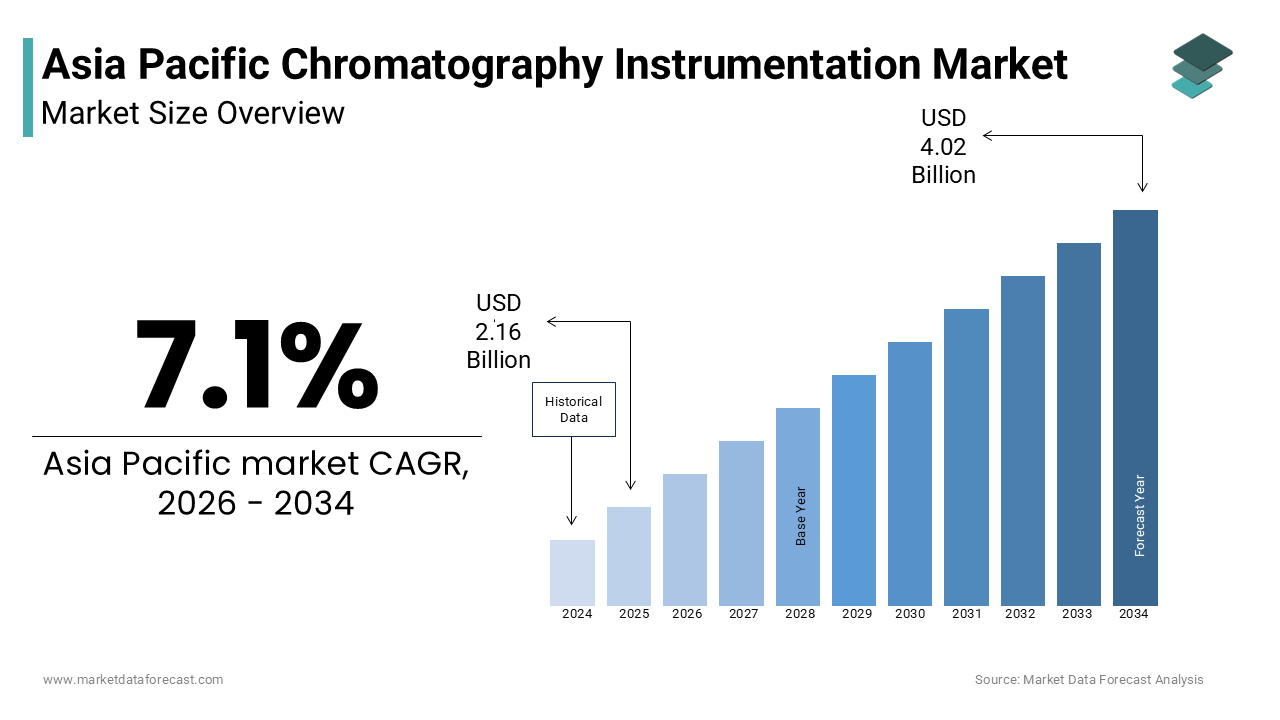
- Market Valuation: Valued at USD 2.16 billion in 2025, estimated at USD 2.32 billion in 2026, and projected to reach USD 4.02 billion by 2034, growing at a CAGR of 7.1% during the forecast period (2026–2034).
- Primary Growth Drivers: Rapid biopharmaceutical expansion (especially in China, India, and South Korea), stringent food safety and environmental monitoring mandates, and the rising adoption of contract research organization (CRO) services.
Key Market Segment Metrics (2026–2034)
| Category | Leading / Fastest-Growing Segment |
|---|---|
| By System | Liquid Chromatography leads (54.1% share in 2025); SFC is the fastest-growing (9.2% CAGR) due to green chemistry trends. |
| By Consumable | Columns lead (41.5% share); Syringe Filters are the fastest-growing (8.2% CAGR) due to sample prep emphasis. |
| By Application | Life Sciences lead (44.6% share); Food & Beverage Testing is the fastest-growing (8.2% CAGR). |
| Geographic Leadership | China dominates (34.7% share); Japan remains a key hub for high-tech innovation. |
Strategic Insights & Market Challenges
- Growth Opportunities: Integration of AI/automation for data accuracy; expansion of CROs; and regulatory demand for "Green" analytical solutions.
- Key Market Restraints: High capital investment (USD 50k–150k per unit), shortage of skilled technical professionals, and fragmented regulatory compliance across borders.
- Dominant Players: Thermo Fisher Scientific, Agilent Technologies, Waters Corporation, Shimadzu Corporation, PerkinElmer, Pall Corporation, and others.
Asia Pacific Chromatography Instrumentation Market Size
The chromatography instrumentation market size in the Asia Pacific was estimated at USD 2.16 billion in 2025. The regional market size is projected to be worth USD 4.02 billion by 2034 from USD 2.32 billion in 2026, growing at a CAGR of 7.1% from 2026 to 2034.
Chromatography instrumentation comprises a sophisticated array of analytical tools designed to separate, identify, and quantify components within complex mixtures. These instruments, including gas chromatography, liquid chromatography, and ion chromatography systems, are indispensable in pharmaceutical development, food safety testing, environmental monitoring, and clinical diagnostics. The region is experiencing a paradigm shift in quality control and research capabilities driven by stringent regulatory frameworks and the expansion of the biopharmaceutical sector. According to the World Health Organization, the Western Pacific Region, which encompasses many Asia Pacific nations, has seen a 40% increase in the number of national medicine regulatory authorities strengthening their oversight capabilities since 2015. This regulatory tightening necessitates advanced analytical instrumentation to ensure compliance with international standards. Furthermore, according to the Food and Agriculture Organization of the United Nations, approximately 31.2% of food produced in the Asia Pacific region is lost or wasted, which is prompting governments to invest in rigorous food safety testing infrastructure. The proliferation of contract research organizations in countries like China, India, and South Korea further amplifies the demand for high throughput analytical solutions. The integration of automation and artificial intelligence into chromatography systems is transforming data analysis, enabling faster decision making in drug discovery and quality assurance. This technological evolution, coupled with increased government funding for scientific research, creates a robust ecosystem for the adoption of advanced chromatography instrumentation across diverse industrial verticals in the Asia Pacific region.
MARKET DRIVERS
Expansion of the Biopharmaceutical Industry and Drug Discovery Activities
The rapid expansion of the biopharmaceutical industry and intensified drug discovery activities is fuelling the expansion of the Asia-pacific chromatography instrumentation market. Countries such as China, India, and South Korea have emerged as global hubs for pharmaceutical manufacturing and research due to favorable government policies and cost advantages. According to the International Federation of Pharmaceutical Manufacturers and Associations, the Asia Pacific region accounts for approximately 35% of global pharmaceutical production by volume. This substantial output requires rigorous quality control and purity analysis, which are predominantly achieved through high performance liquid chromatography and gas chromatography techniques. In China, the National Medical Products Administration has implemented stricter guidelines for drug approval, mirroring standards set by the US Food and Drug Administration and the European Medicines Agency. According to the Chinese Pharmaceutical Association, the number of new drug applications submitted in China increased by 20% annually over the past three years. Each application requires extensive analytical data generated by chromatography systems to demonstrate safety and efficacy. Additionally, the rise of biosimilars and complex biologics necessitates advanced chromatographic methods for characterization and impurity profiling. The increasing investment in research and development by both multinational corporations and local enterprises drives the procurement of state of the art instrumentation. This trend is further supported by the growth of contract research organizations that provide analytical services to global clients, thereby sustaining the demand for high end chromatography equipment in the region.
Stringent Food Safety Regulations and Environmental Monitoring Mandates
The implementation of stringent food safety regulations and environmental monitoring mandates significantly propels the demand for chromatography instrumentation in the Asia Pacific. Rapid industrialization and urbanization have led to heightened concerns regarding food contamination and environmental pollution, prompting governments to enforce stricter compliance standards. According to the World Bank, environmental degradation costs some countries in East Asia up to 9% of their gross domestic product annually, driving urgent investments in monitoring technologies. In India, the Food Safety and Standards Authority of India has expanded its testing infrastructure, requiring laboratories to utilize advanced analytical methods for detecting pesticides, heavy metals, and adulterants. According to the Ministry of Environment, Forest and Climate Change of India, the number of accredited environmental testing laboratories has increased by 15% in the last two years. Similarly, in Southeast Asian nations like Vietnam and Thailand, export oriented agricultural sectors must comply with international residue limits imposed by importing countries in Europe and North America. This compliance requirement necessitates the use of sensitive gas chromatography mass spectrometry and liquid chromatography tandem mass spectrometry systems. The growing awareness of consumer health and safety among the middle class further pressures manufacturers to adopt rigorous testing protocols. Government initiatives such as China's Blue Sky Defence War have also led to increased deployment of air and water quality monitoring stations equipped with chromatographic analyzers. These regulatory and societal pressures create a sustained demand for reliable and precise chromatography instrumentation across the food and environmental sectors.
MARKET RESTRAINTS
High Initial Capital Investment and Maintenance Costs
The substantial initial capital investment required for acquiring advanced chromatography systems, along with high ongoing maintenance costs is hampering the expansion of the Asia-pacific chromatography instrumentation market. High performance liquid chromatography and gas chromatography mass spectrometry instruments are sophisticated devices that often cost between USD 50,000 and USD 150,000 per unit, depending on configuration and sensitivity. For small and medium sized enterprises and academic institutions in developing countries such as Indonesia, Philippines, and Vietnam, these costs present a formidable financial barrier. According to the Asian Development Bank, small and medium enterprises in Southeast Asia often face a finance gap where over 50% of these businesses lack access to formal credit for technology upgrades. Furthermore, the operational expenses, including specialized columns, detectors, and high purity solvents, add to the total cost of ownership. According to industry surveys, maintenance contracts can account for 10% to 15% of the initial purchase price annually. The scarcity of trained technicians capable of operating and troubleshooting these complex systems further exacerbates the cost burden, as companies must invest in extensive training or hire expensive external consultants. In rural areas where budget constraints are more severe, laboratories often rely on outdated or less accurate analytical methods. The lack of standardized reimbursement policies for diagnostic tests in some countries also limits the revenue potential for clinical laboratories, discouraging investment in new equipment. Consequently, the high financial entry barrier restricts the widespread adoption of advanced chromatography instrumentation, particularly among smaller players who constitute a significant portion of the market landscape in the region.
Shortage of Skilled Professionals and Technical Expertise
A critical shortage of skilled professionals with expertise in operating and maintaining chromatography instrumentation is further impeding the market expansion in the Asia Pacific. The effective utilization of these sophisticated analytical tools requires specialized knowledge in chemistry, data interpretation, and instrument calibration, which is not uniformly available across the region. According to the United Nations Educational, Scientific and Cultural Organization, only about 20% of the workforce in several developing Asia Pacific countries is employed in science and technology related roles, highlighting a significant disparity in education outcomes. In many developing nations, the curriculum does not adequately cover advanced analytical techniques, leading to a gap in practical skills among graduates. According to the Society for Laboratory Automation and Screening, the lack of trained personnel is cited as a top concern for laboratory managers in emerging markets. This skills deficit results in underutilization of equipment, increased downtime, and potential errors in data analysis, which can compromise regulatory compliance. In countries like India and China, despite the large number of science graduates, there is a mismatch between academic training and industry requirements. Companies often struggle to find qualified staff, leading to reliance on expatriate experts or extensive internal training programs, which are time consuming and costly. The turnover rate for skilled laboratory professionals is also high, as they seek better opportunities in developed markets or multinational corporations. This human resource bottleneck impedes the efficient deployment of chromatography systems and limits the ability of laboratories to maximize their return on investment, thereby restraining market growth.
MARKET OPPORTUNITIES
Growth of Contract Research Organizations and Outsourced Analytical Services
The burgeoning growth of contract research organizations (CROs) and the increasing trend of outsourcing analytical services present lucrative opportunities for the chromatography instrumentation market in the Asia Pacific. Pharmaceutical and biotechnology companies are increasingly partnering with CROs to accelerate drug development timelines and reduce operational costs. According to various industry analyses, the Asia Pacific CRO market is expected to grow at a double digit rate driven by cost efficiencies and a large pool of scientific talent. These organizations require high throughput and versatile chromatography systems to handle diverse client projects, ranging from small molecule analysis to complex biologics characterization. In China and India, the number of registered CROs has increased by 25% in the past five years according to local industry associations. This expansion drives the demand for scalable and automated chromatography solutions that can handle large sample volumes with high precision. Furthermore, the trend of outsourcing quality control testing by food and beverage manufacturers to third party laboratories creates additional demand. Accredited testing labs are investing in state of the art instrumentation to meet international accreditation standards such as ISO 17025. The ability of CROs to offer comprehensive analytical packages, including method development and validation, makes them attractive partners for global clients. As the outsourcing model gains traction, manufacturers of chromatography instruments have the opportunity to supply bulk orders to these service providers. Strategic partnerships with leading CROs can also facilitate the introduction of new technologies and establish long term revenue streams in the region.
Integration of Artificial Intelligence and Automation in Analytical Workflows
The integration of artificial intelligence (AI) and automation into chromatography workflows offers significant opportunities for enhancing efficiency and data accuracy in the Asia Pacific market. Modern laboratories are increasingly adopting smart instruments that leverage machine learning algorithms for predictive maintenance, peak identification, and method optimization. According to the International Journal of Molecular Sciences, AI driven data analysis can reduce processing time by up to 40% while improving the accuracy of compound identification. In Japan and South Korea, where labor costs are high and the population is aging, automation is seen as a critical solution to maintain productivity. According to the International Federation of Robotics, robot density in the electronics and chemical sectors in Asia has seen double digit growth, with chromatography being a key application area in automated labs. Automated sample preparation systems coupled with chromatography instruments minimize human error and increase throughput, enabling laboratories to process more samples in less time. This capability is particularly valuable in high volume settings, such as clinical diagnostics and environmental monitoring. Furthermore, cloud based data management platforms allow for real time collaboration and remote monitoring of instruments, which is beneficial for multi-site operations. Manufacturers that offer integrated solutions combining hardware, software, and AI capabilities can differentiate themselves in a competitive market. The push towards digital transformation in healthcare and industrial sectors provides a fertile ground for the adoption of intelligent chromatography systems. By addressing the need for speed, accuracy, and connectivity, companies can capture a growing segment of tech savvy customers in the region.
MARKET OPPORTUNITIES
Regulatory Heterogeneity and Complex Compliance Requirements
The lack of harmonized regulatory frameworks and complex compliance requirements across different countries in the Asia Pacific region present a significant challenge for manufacturers and users of chromatography instrumentation. Each country has its own set of standards for instrument validation, data integrity, and reporting, which complicates the operation of multi-national laboratories. According to the Asia Pacific Economic Cooperation forum, differences in regulatory expectations among member economies create significant administrative burdens for companies operating across borders. For instance, data generated in a laboratory in Singapore may not be automatically accepted by regulatory authorities in China or India without additional validation steps. According to the Pharmaceutical Inspection Cooperation Scheme, varying interpretations of good manufacturing practice guidelines can lead to inconsistencies in inspection outcomes. This fragmentation forces companies to maintain multiple standard operating procedures and invest in redundant documentation processes. The frequent updates to local regulations also require continuous monitoring and adaptation, which strains resources. In the food safety sector, differing maximum residue limits for pesticides and contaminants across countries necessitate the use of multiple analytical methods. This complexity increases the time and cost associated with product registration and market entry. Manufacturers must navigate this intricate landscape by providing flexible instruments that can be configured to meet diverse regulatory needs. However, the lack of mutual recognition agreements for analytical data remains a persistent hurdle. Until greater regulatory convergence is achieved, the efficiency of cross border research and trade will remain constrained, impacting the overall market dynamics.
Supply Chain Disruptions and Availability of Consumables
Supply chain disruptions and the inconsistent availability of high quality consumables such as columns, solvents and standards are primarily challenging the expansion of the Asia-pacific market. The region relies heavily on imports for many specialized chromatographic materials, which are susceptible to global logistical bottlenecks and trade restrictions. According to the World Trade Organization, global supply chain delays have impacted the delivery times of laboratory supplies by an average of 20% to 30% in recent years. In remote areas of countries like Indonesia and the Philippines, logistical challenges are even more pronounced, leading to stockouts and extended downtime for instruments. According to industry reports, the shortage of high purity solvents during periods of increased demand can halt analytical workflows entirely. The dependence on single source suppliers for proprietary columns further exacerbates the risk of supply interruptions. Geopolitical tensions and trade disputes can also lead to sudden changes in tariffs and export controls, affecting the cost and availability of imported components. Laboratories often struggle to maintain adequate inventory levels due to storage constraints and cash flow limitations. The lack of local manufacturing capabilities for high end consumables in many Asia Pacific countries means that users have limited alternatives when supply chains are disrupted. This vulnerability impacts the reliability of analytical results and can delay critical decision making in pharmaceutical and food safety applications. Addressing these supply chain vulnerabilities requires strategic sourcing and the development of local distribution networks, which remain a work in progress in many parts of the region.
REPORT COVERAGE
| REPORT METRIC | DETAILS |
| Market Size Available | 2025 to 2034 |
| Base Year | 2025 |
| Forecast Period | 2026 to 2034 |
| CAGR | 7.1% |
| Segments Covered | By System, Consumable, Application and Region |
| Various Analyses Covered | Regional & Country Level Analysis, Segment-Level Analysis, DROC, PESTLE Analysis, Porter’s Five Forces Analysis, Competitive Landscape, Analyst Overview on Investment Opportunities |
| Countries Covered | India, China, Japan, South Korea, Australia, New Zealand, Thailand, Malaysia, Vietnam, the Philippines, Indonesia, Singapore, and the Rest of APAC. |
| Market Leaders Profiled | Thermo Fisher Scientific, Inc., PerkinElmer, Inc., Agilent Technologies, Shimadzu Corporation, Novasep Holding S.A.S., Waters Corporation, Pall Corporation, JASCO, Inc, Phenomenex, Inc., GE Healthcare, GL Sciences, Inc., Becton, Dickinson and Company, Pall Corporation, Regis Technologies, Life Technologies Corporation, Sigma-Aldrich Corporation, Phenomenex, Inc., Helena Laboratories and Tosoh Corporation |
SEGMENTAL ANALYSIS
By System Insights
The liquid chromatography systems segment led the market by holding 54.1% of the regional market share in 2025. The growth of the liquid chromatography systems segment in the Asia-pacific market is driven by the versatility of the technology in analyzing non-volatile and thermally unstable compounds, which are prevalent in pharmaceutical and biological applications. High Performance Liquid Chromatography (HPLC) and Ultra High Performance Liquid Chromatography (UHPLC) are the gold standards for assessing the purity, stability, and potency of active pharmaceutical ingredients. According to the International Federation of Pharmaceutical Manufacturers and Associations, the Asia Pacific region accounts for over 35% of global pharmaceutical production, necessitating rigorous analytical testing. In China, the National Medical Products Administration mandates strict compliance with Good Manufacturing Practice guidelines, which require extensive chromatographic data for drug approval. According to the Chinese Pharmaceutical Association, the number of new drug applications has increased by 20% annually, leading to higher procurement of LC systems. Furthermore, the rise of biologics and biosimilars in countries like South Korea and India requires advanced liquid chromatography techniques such as size exclusion and ion exchange chromatography for characterization. The ability of LC systems to handle complex matrices and provide high resolution separation makes them essential for ensuring patient safety. The continuous expansion of contract research organizations in the region further amplifies demand, as these entities rely heavily on LC platforms to service global pharmaceutical clients. This sustained investment in drug discovery and manufacturing infrastructure ensures that Liquid Chromatography remains the cornerstone of the regional market.
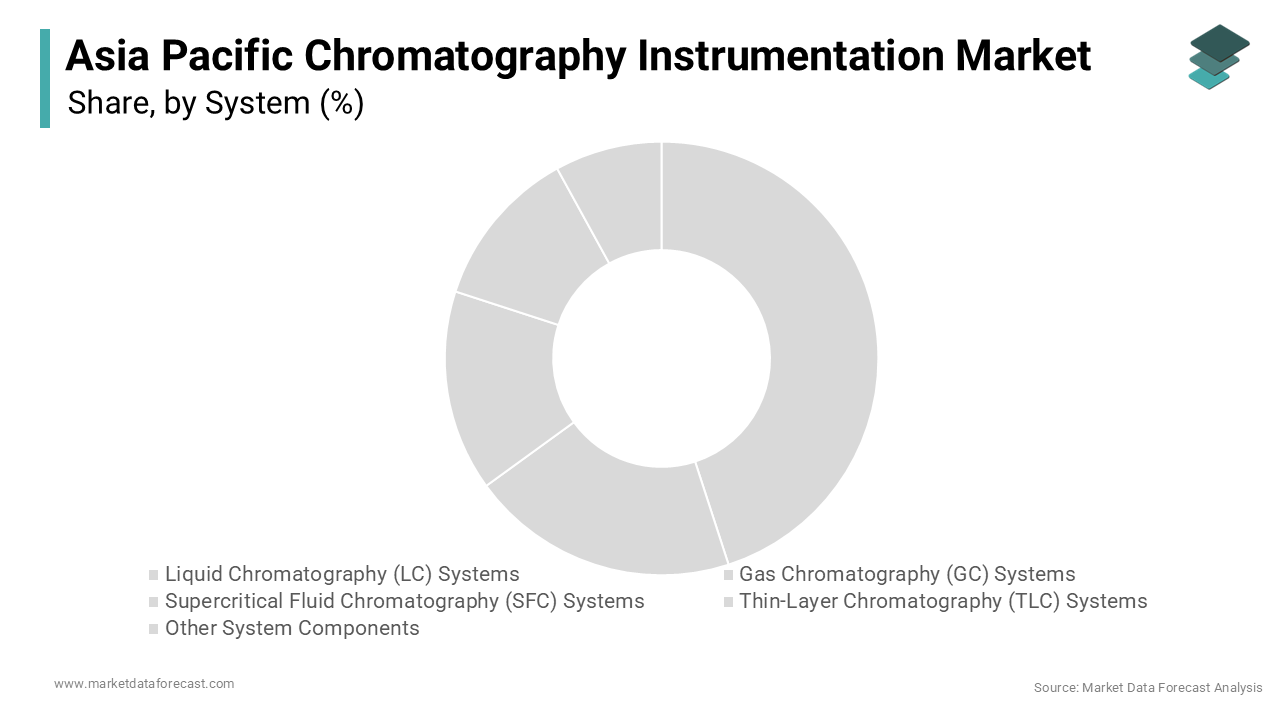
On the other hand, the supercritical fluid chromatography (SFC) systems segment is a promising segment and is estimated to register a CAGR of 9.2% over the forecast period owing to the rising demand for green chemistry solutions and efficient chiral separations. SFC uses supercritical carbon dioxide as the mobile phase, which is non-toxic, non-flammable and environmentally friendly compared to organic solvents used in traditional liquid chromatography. According to the United Nations Environment Programme, about 80% of environmental impact in chemical processes comes from solvent use, driving the shift towards sustainable analytical methods. In China, the government’s Green Manufacturing Initiative encourages pharmaceutical and chemical companies to adopt technologies that minimize environmental impact. According to the Chinese Chemical Society, the use of SFC in process development has reduced solvent consumption by up to 90% in pilot studies. This cost savings and regulatory compliance benefit make SFC an attractive option for large scale manufacturing. Furthermore, the faster analysis times and lower operating costs associated with SFC enhance laboratory productivity. Companies in Japan and South Korea are also investing in SFC technology to meet corporate sustainability goals and improve their environmental, social, and governance ratings. The ability to recycle carbon dioxide further reduces the ecological footprint of analytical operations. As environmental regulations become stricter across the Asia Pacific region, the demand for eco friendly chromatography solutions like SFC is expected to accelerate, driving significant market growth.
By Consumables Insights
The columns segment led the market by accounting for 41.5% of the Asia-pacific market share in 2025 due to the critical role columns play in separation efficiency and the need for regular replacement due to wear and tear. The column is the heart of the chromatography system where the actual separation of components occurs, making its quality and performance paramount. According to the Journal of Chromatography A, the choice of stationary phase and column dimensions directly impacts the accuracy and reproducibility of analytical results. In the pharmaceutical industry, strict regulatory requirements mandate the use of validated columns to ensure consistent product quality. According to the United States Pharmacopeia guidelines, any change in column specifications requires revalidation, which encourages laboratories to stick to proven high quality products. The diversity of applications, ranging from small molecule analysis to large protein separations, necessitates a wide variety of column types, including reversed phase, ion exchange, and size exclusion. In China and India, the expanding pharmaceutical sector drives the demand for specialized columns tailored to specific drug molecules. Furthermore, the degradation of column performance over time due to sample matrix effects and high pressure usage necessitates frequent replacement. Laboratories typically replace columns after a certain number of injections to maintain data integrity. This recurring demand ensures a steady revenue stream for manufacturers. The development of core shell particles and monolithic columns has further enhanced performance, driving upgrades and replacements. Thus, the essential nature of columns in achieving reliable analytical outcomes sustains their leading position in the consumables market.
However, the syringe filters segment is emerging as the fastest growing consumable segment in the Asia-pacific chromatography instrumentation market and is estimated to register a CAGR of 8.2% over the forecast period owing to the increasing emphasis on sample preparation and instrument protection. Proper sample filtration is essential to remove particulate matter that can clog chromatography columns and damage sensitive instrumentation. According to the American Chemical Society, sample preparation accounts for up to 60% of a laboratory technician's time, and improper techniques are a leading cause of chromatographic system failure. In the biopharmaceutical sector where samples often contain proteins and other large molecules, effective filtration is crucial for accurate analysis. In China, the rise of biosimilar development has led to stricter requirements for sample clarity to prevent column fouling. According to the Chinese Association for Pharmaceutical Equipment, the adoption of pre filtration steps using syringe filters has increased by 25% in biopharma laboratories. Syringe filters offer a convenient and cost effective solution for clarifying small volume samples prior to injection. They are available in various pore sizes and membrane materials to suit different sample types. The growing awareness of the importance of sample integrity among laboratory technicians is driving the routine use of syringe filters. Furthermore, the availability of sterile syringe filters is essential for microbiological and cell culture applications, which are expanding in the region. As laboratories strive to improve data quality and extend the lifespan of expensive columns, the demand for high quality syringe filters continues to rise rapidly.
By Application Insights
The life sciences segment led the market by accounting for 44.6% of the regional market share in 2025. The growth of the life sciences segment in the Asia-pacific market is attributed to the extensive use of chromatography in drug discovery, development, and quality control. Chromatography is essential for identifying lead compounds, optimizing synthesis pathways, and ensuring the purity of drug candidates. According to the International Federation of Pharmaceutical Manufacturers and Associations, the Asia Pacific region is home to over 3,000 pharmaceutical manufacturing facilities, many of which have dedicated research and development departments. In China, the government’s Made in China 2025 initiative prioritizes the development of innovative drugs, leading to increased investment in analytical infrastructure. According to the Chinese Pharmaceutical Association, research and development expenditure by pharmaceutical companies has grown by 18% annually. Chromatography systems are used at every stage of the drug development pipeline, from early discovery to clinical trials. The complexity of modern drugs, including biologics and antibody drug conjugates, requires advanced chromatographic techniques for characterization. In India, the generic pharmaceutical industry relies heavily on chromatography for reverse engineering and bioequivalence studies. According to the Indian Drug Manufacturers Association, the number of Abbreviated New Drug Applications filed with the US FDA by Indian companies remains high, with India accounting for about 40% of US generic drug approvals. The continuous pipeline of new drug candidates ensures a steady demand for chromatography instruments and services. Furthermore, the collaboration between academic institutions and pharmaceutical companies fosters innovation and drives the adoption of cutting edge technologies. This deep integration of chromatography into the life sciences workflow cements its position as the leading application segment.
However, the food and beverage testing segment is estimated to record a CAGR of 8.2% over the forecast period in this regional market owing to the stringent food safety regulations and increasing consumer awareness. Governments across the Asia Pacific are enforcing stricter limits on pesticide residues, mycotoxins, and adulterants in food products. According to the Food and Agriculture Organization of the United Nations, global food trade has increased, and over 200 diseases are spread through food, prompting regulatory bodies to enhance monitoring. In China, the revised Food Safety Law imposes heavy penalties for non-compliance, which is driving food manufacturers to invest in advanced testing infrastructure. According to the State Administration for Market Regulation, the number of food safety inspections has increased by 20% annually. Chromatography is the preferred method for detecting trace levels of contaminants due to its high sensitivity and specificity. In Southeast Asian countries like Vietnam and Thailand, agricultural exports to Europe and North America must meet rigorous international standards. According to the Vietnamese Ministry of Agriculture and Rural Development, the value of agricultural exports has grown by 10% annually, necessitating robust quality control measures. Gas chromatography and liquid chromatography are widely used for analyzing pesticide residues and veterinary drugs. The establishment of accredited testing laboratories by private companies and government agencies is further driving demand. As consumer awareness of food safety issues rises, brands are also conducting internal testing to protect their reputation. This regulatory and market pressure ensures that food and beverage testing remains a high growth area for chromatography instrumentation.
REGIONAL ANALYSIS
China Chromatography Instrumentation Market Analysis
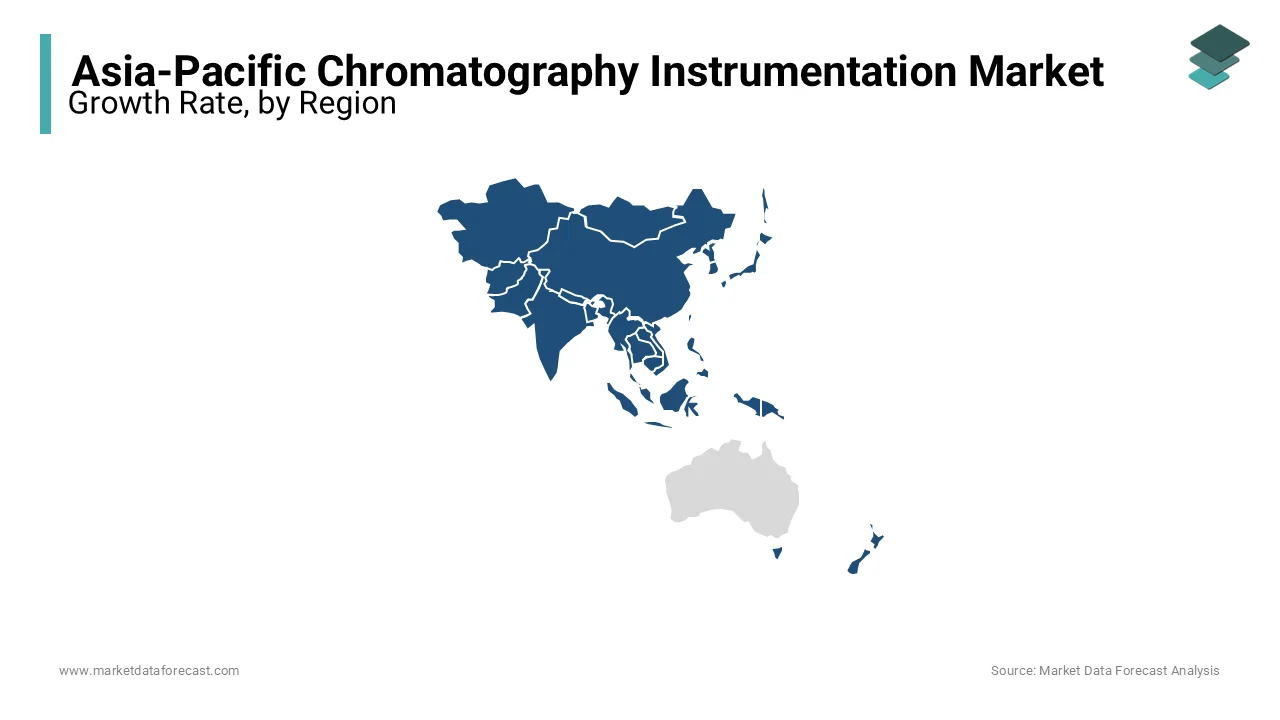
China accounted for the major share of 34.7% of the regional market in 2025 due to the rapid industrialization and strong government support for scientific research. The expansion of the pharmaceutical industry and stringent environmental regulations are further contributing to the growth of China in the Asia-pacific market. According to the National Bureau of Statistics of China, research and development expenditure has grown to approximately 2.64% of GDP, reflecting the commitment to innovation. The Made in China 2025 plan prioritizes the development of high end analytical instruments, reducing reliance on imports. According to the Ministry of Ecology and Environment, the number of environmental monitoring stations has increased significantly, requiring advanced chromatography systems for air and water quality analysis. The pharmaceutical sector is also booming, with numerous new drug approvals driving demand for quality control instruments. Local manufacturers are gaining market share by offering cost effective alternatives to international brands. The establishment of innovation hubs in Shanghai and Beijing fosters collaboration between academia and industry. The large population and rising healthcare needs ensure sustained demand for diagnostic and pharmaceutical applications. The government’s focus on food safety has also led to the expansion of testing laboratories. These combined factors position China as the dominant force in the regional chromatography market, with continuous growth expected in both public and private sectors.
Japan Chromatography Instrumentation Market Analysis
Japan held a promising share of the Asia-pacific chromatography instrumentation market during the forecast period owing to its advanced technological prowess and mature healthcare system. According to the Ministry of Internal Affairs and Communications of Japan, the proportion of the population aged 65 and above has reached 29.1%, increasing the demand for pharmaceuticals and clinical diagnostics. Companies like Shimadzu and Hitachi High-Tech are global leaders in chromatography technology, driving innovation and exports. According to the Japan Society for Analytical Chemistry, the adoption of ultra high performance liquid chromatography in research institutions is widespread. The pharmaceutical industry in Japan focuses on high value added drugs, requiring precise analytical methods. The food safety standards are among the strictest in the world, necessitating rigorous testing of imports and domestic products. The government supports research through grants and subsidies, encouraging the adoption of latest technologies. The integration of automation and artificial intelligence in laboratories is advancing rapidly to address labor shortages. The stable economic environment and high investment in research and development ensure that Japan remains a key pillar of the regional market. The focus on quality and precision sustains the demand for high end chromatography systems across various sectors.
COMPETITIVE LANDSCAPE
The competition in the Asia Pacific Chromatography Instrumentation Market is intense and characterized by the presence of established global giants alongside emerging local innovators. Leading multinational corporations leverage their brand reputation technological superiority and extensive distribution networks to maintain dominance. However domestic manufacturers in China and India are gaining traction by offering cost effective alternatives that cater to budget constrained laboratories. The market witnesses frequent product launches and technological advancements as companies strive to differentiate their offerings through enhanced sensitivity speed and integration with artificial intelligence. Strategic alliances with local distributors and academic institutions are common tactics employed to navigate complex regulatory environments and cultural nuances. Price competition is becoming more pronounced as local players enter the fray forcing global entities to reconsider their pricing strategies. The race to secure regulatory approvals and establish application centers further intensifies the competitive dynamics. Companies are also focusing on after sales service and maintenance support to build long term customer loyalty. This dynamic environment fosters continuous innovation and improves accessibility of advanced analytical solutions across the diverse scientific landscapes of the Asia Pacific region driving better research outcomes.
KEY MARKET PLAYERS
Companies playing a notable role in the Asia-Pacific chromatography instrumentation market profiled in this report include
- Thermo Fisher Scientific, Inc.
- PerkinElmer, Inc.
- Agilent Technologies, Inc.
- Shimadzu Corporation
- Novasep Holding S.A.S.
- Waters Corporation
- Pall Corporation
- JASCO, Inc.
- Phenomenex, Inc.
- GE Healthcare
- GL Sciences, Inc.
- Becton, Dickinson and Company
- Regis Technologies, Inc.
- Life Technologies Corporation
- Sigma-Aldrich Corporation
- Helena Laboratories
- Tosoh Corporation
Top Players in the Market
Agilent Technologies Inc
Agilent Technologies Inc maintains a robust presence in the Asia Pacific region through its comprehensive portfolio of liquid and gas chromatography systems. The company contributes significantly to the global market by setting industry standards for analytical precision and reliability. Recent actions include expanding its manufacturing capabilities in Singapore to enhance supply chain resilience and reduce delivery times for regional customers. Agilent also collaborates with local universities and research institutions to promote advanced analytical techniques and train the next generation of scientists. These initiatives solidify its reputation as a technology leader while fostering strong relationships with key opinion leaders. By focusing on innovation and customer support the company ensures sustained adoption of its platforms thereby reinforcing its leadership position in the regional market without relying solely on sales metrics. Its commitment to digital transformation through connected laboratory solutions further enhances its competitive edge.
Shimadzu Corporation
Shimadzu Corporation leverages its extensive expertise in analytical instruments to compete effectively in the Asia Pacific Chromatography Instrumentation Market. The company plays a pivotal role globally by providing high quality and cost effective solutions tailored to diverse industrial needs. Recent strategies include launching next generation ultra high performance liquid chromatography systems in China and India to meet the growing demand for faster analysis. Shimadzu actively partners with local distributors and healthcare providers to integrate its solutions into existing clinical and industrial workflows. The company has also established new application centers in South Korea and Australia to provide localized technical support and training. By combining its global technological prowess with responsive local service structures Shimadzu enhances its competitive stance. The focus on sustainability and energy efficient instruments aligns with regional regulatory trends allowing the company to address the varying needs of emerging and developed markets within the region effectively.
Waters Corporation
Waters Corporation strengthens its position in the Asia Pacific Chromatography Instrumentation Market through its innovative separation science technologies and informatics solutions. The company focuses on expanding its footprint in pharmaceutical and biopharmaceutical applications which are increasingly prevalent in countries like China and Singapore. Waters has invested significantly in digital health integration allowing for seamless data management and compliance with regulatory standards. Recent developments include establishing new innovation hubs in Shanghai and Bangalore to drive local research and development. The company also engages in strategic collaborations with contract research organizations to showcase the clinical benefits of its advanced chromatographic techniques. By prioritizing precision and data driven insights Waters differentiates itself in the competitive landscape. These initiatives enable the company to capture growing demand for sophisticated analytical solutions while maintaining high standards of care and operational efficiency across the region. Its emphasis on customer success through comprehensive training programs further solidifies its market presence.
Top Strategies Used by the Key Market Participants
Key players in the Asia Pacific Chromatography Instrumentation Market primarily employ strategies such as strategic partnerships and collaborations with local research institutions to enhance market penetration. Companies frequently engage in mergers and acquisitions to broaden their product portfolios and acquire innovative technologies. Investment in research and development is crucial for creating cost effective solutions tailored to regional needs. Expanding manufacturing facilities within the region helps reduce costs and improve supply chain efficiency. Additionally firms focus on comprehensive training programs for scientists and technicians to ensure safe and effective use of chromatography systems. Regulatory compliance and securing approvals from local authorities are also prioritized to facilitate market entry. Digital integration and cloud based data management capabilities are being enhanced to support remote monitoring and analysis. These multifaceted approaches enable companies to strengthen their competitive positions and address the diverse requirements of the Asia Pacific healthcare and industrial landscapes effectively.
MARKET SEGMENTATION
This research report on the Asia Pacific chromatography instrumentation market is segmented and sub-segmented into the following categories.
By System
- Liquid Chromatography (LC) Systems
- High-Pressure Liquid Chromatography (HPLC) Systems
- Ultra-High-Pressure Liquid Chromatography (UHPLC) Systems
- Flash Chromatography (FC) Systems
- Medium-Pressure Liquid Chromatography (MPLC) Systems
- Other Liquid Chromatography Systems
- Gas Chromatography (GC) Systems
- Supercritical Fluid Chromatography (SFC) Systems
- Thin-Layer Chromatography (TLC) Systems
- Other System Components
- Autosamplers
- Detectors
- Pumps
- Vials
By Consumables
- Columns
- Syringe Filters
- Vials
- Tubing
- Other Consumables
By Application
- Life Sciences
- Food & Beverage Testing
- Environmental Testing
- Others
By Country
- India
- China
- Japan
- South Korea
- Australia
- New Zealand
- Thailand
- Malaysia
- Vietnam
- Philippines
- Indonesia
- Singapore
- Rest of Asia-Pacific