- Product Description Description
- Table of Contents TOC
- List of Table & Figure LOT
- Get Free Sample PDF Sample PDF
Market Size, 2025
$103.73 MnMarket Estimate, 2026
$109.62 MnMarket Forecast, 2034
$170.55 MnCAGR, 2026–2034
5.68%Asia Pacific Activated Carbon Fiber Market Summary
The Asia Pacific Activated carbon fiber market was valued at USD 103.73 million in 2025 and is anticipated to reach a valuation of USD 109.62 million in 2026 and USD 170.55 million by 2034, growing at a CAGR of 5.68%, from 2026 to 2034.
Key Market Trends & Insights
- Japan held the largest share of the Asia Pacific Market in 2025.
- China captures a significant share of the Asia Pacific market in 2025.
- South Korea holds a notable share of the Asia Pacific market in 2025.
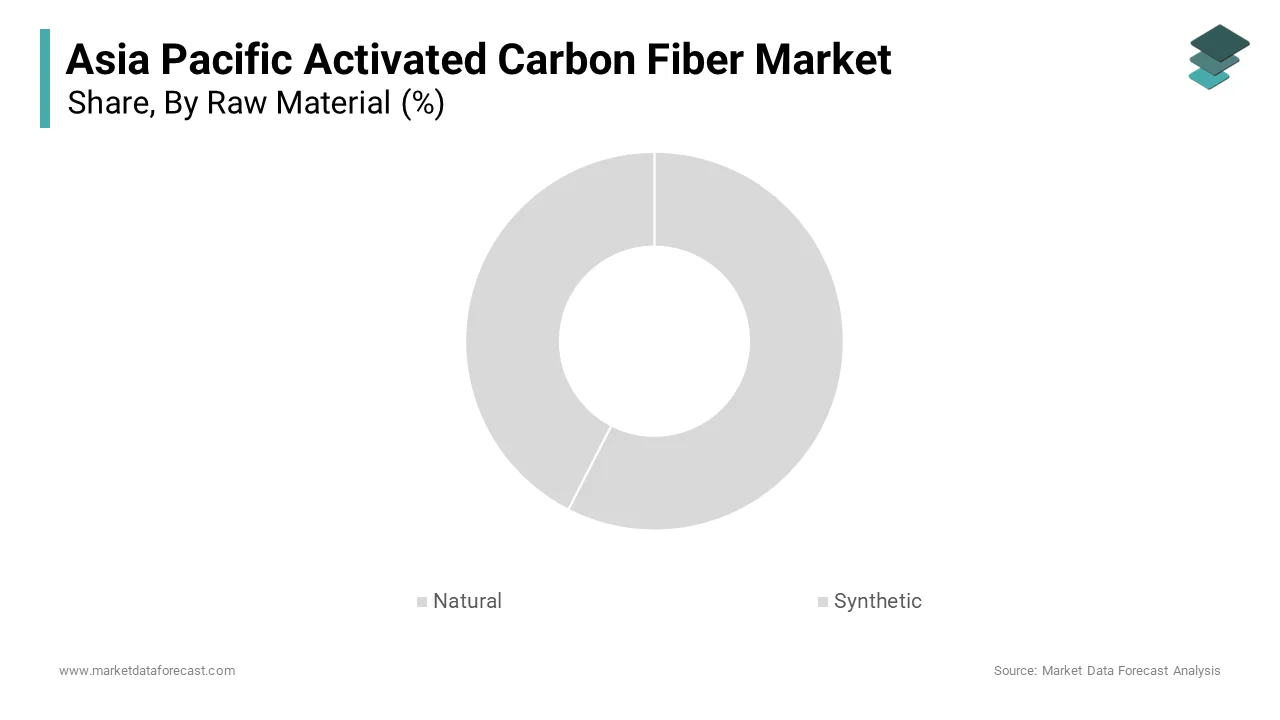
- Based on Raw Material, the synthetic raw material segment dominated the market in 2025.
- Based on Application, the purification application segment led the market in 2025.
Market Size & Forecast
2026 Market Size: USD 109.62 Million
2034 projected Market Size: USD 150.06 Million
CAGR (2026 to 2034): 5.68%
Japan: Largest Market in 2026
China: Strongest Growth Region
Asia Pacific Activated Carbon Fiber Market Size
The Asia Pacific Activated carbon fiber market was valued at USD 103.73 million in 2025 and is anticipated to reach a valuation of USD 109.62 million in 2026 and USD 170.55 million by 2034, growing at a CAGR of 5.68%, from 2026 to 2034.
Activated carbon fiber (ACF) is a high-performance adsorbent material derived primarily from polyacrylonitrile (PAN), rayon, or pitch-based precursors, engineered to possess an exceptionally high surface area and microporous structure that enables superior adsorption of organic vapors, gases, and contaminants at the molecular level. Unlike granular or powdered activated carbon, ACF offers faster adsorption kinetics, lower pressure drop, and regenerability, making it ideal for compact, high-efficiency filtration systems. In the Asia Pacific region, ACF is increasingly integrated into advanced environmental, industrial, and healthcare applications where precision filtration and space efficiency are critical. The material’s ability to capture volatile organic compounds (VOCs) at concentrations as low as 10 parts per billion has led to its adoption in semiconductor cleanrooms, automotive cabin air filters, and personal protective equipment. Japan leads in technological innovation, with companies like Kuraray and Mitsubishi Chemical producing ACF for niche applications such as odor control in public restrooms and radioactive iodine capture in nuclear facilities. The material’s compatibility with flexible substrates also enables its use in wearable sensors and next-generation energy storage, positioning ACF as a critical enabler of advanced material science in the region.
MARKET DRIVER
Expansion of Semiconductor Manufacturing with Stringent Cleanroom Air Quality Standards
The rapid expansion of semiconductor fabrication facilities across the Asia Pacific is a primary catalyst for activated carbon fiber demand, driven by the need for ultra-pure air environments in cleanroom operations. Semiconductor manufacturing processes, particularly photolithography and etching, are highly sensitive to airborne molecular contamination (AMC), including trace levels of amines, siloxanes, and sulfur compounds, which can cause yield loss and equipment degradation. Activated carbon fiber, with its high microporosity and rapid adsorption kinetics, is uniquely suited to remove these contaminants at sub-ppb levels. Moreover, the rise of AI chips and advanced packaging has increased fab complexity, further intensifying air quality demands. As governments in Japan, India, and Malaysia incentivize domestic chip production, the need for ACF-integrated air purification systems will grow in parallel.
Rising Demand for Advanced Personal Protective Equipment in Urban and Industrial Zones
The increasing demand for high-efficiency personal protective equipment (PPE), particularly in densely populated urban centers and industrial corridors plagued by air pollution and chemical exposure risks, is a significant driver of activated carbon fiber adoption in the Asia Pacific. In cities like Delhi, Beijing, and Jakarta, where annual average PM2.5 levels exceed 100 µg/m³, over ten times the WHO guideline, respiratory protection has become a public health necessity. ACF, due to its thin profile, low breathing resistance, and high adsorption capacity, is increasingly embedded in N95+ respirators, smart masks, and industrial respirators. Besides, the oil & gas and petrochemical sectors in India and Indonesia are adopting ACF respirators for workers exposed to benzene and hydrogen sulfide. The International Labour Organization estimates that over 18 million industrial workers in the region now require ACF-grade respiratory protection, creating a sustained demand stream that extends beyond episodic pollution events.
MARKET RESTRAINT
Limited Availability of High-Purity Precursor Materials for ACF Production
The limited availability and high cost of high-purity precursor materials, particularly aerospace-grade polyacrylonitrile (PAN), which is essential for producing high-performance ACF, is a critical constraint on the growth of the Asia Pacific activated carbon fiber market. PAN, the most widely used precursor, must meet stringent molecular weight and homogeneity standards to ensure uniform carbonization and activation, but only a few global suppliers, mainly in Japan and Germany, produce grades suitable for ACF synthesis. This supply bottleneck increases production costs. Furthermore, alternative precursors like rayon and pitch face scalability issues. Rayon-based ACF, while biodegradable, requires extensive chemical processing and generates higher wastewater volumes. Pitch-based ACF offers high conductivity but suffers from brittleness and low tensile strength, limiting its application scope. With no major new PAN facilities under construction in the region, and geopolitical risks affecting supply chains, precursor scarcity remains a systemic barrier to ACF market expansion.
High Energy Intensity and Emissions in ACF Manufacturing Processes
The production of activated carbon fiber is inherently energy-intensive and environmentally burdensome, posing a significant restraint on its scalable adoption in the Asia Pacific. The manufacturing process involves multiple high-temperature stages—stabilization (200–300°C), carbonization (1,000–1,500°C), and activation (800–1,000°C)—all of which require sustained thermal input, typically from natural gas or electricity. Additionally, the activation phase releases volatile organic compounds and hydrogen cyanide, requiring costly abatement systems. Furthermore, the recycling of spent ACF remains underdeveloped smaller share of used ACF being regenerated due to fiber degradation during thermal desorption, according to the Korea Institute of Science and Technology. With countries like Japan and Australia enforcing carbon pricing mechanisms, the operational costs of ACF production are rising. These environmental and economic pressures are prompting some manufacturers to explore bio-based precursors and microwave-assisted activation, but commercial viability remains limited.
MARKET OPPORTUNITY
Integration of ACF in Next-Generation Energy Storage and Supercapacitors
The integration of activated carbon fiber into next-generation energy storage systems, particularly in flexible supercapacitors and hybrid batteries for portable electronics, electric vehicles, and grid stabilization, is a transformative opportunity. ACF’s high electrical conductivity, large specific surface area (up to 2,500 m²/g), and mechanical flexibility make it an ideal electrode material for supercapacitors that require rapid charge-discharge cycles and long cycle life. Additionally, ACF’s compatibility with textile substrates enables its use in smart clothing with embedded power sources. With governments in Japan and South Korea funding R&D in carbon-based energy materials, and pilot production lines emerging in Shenzhen and Daejeon, ACF is poised to transition from a filtration medium to a core component of the region’s energy infrastructure.
Adoption of ACF in Medical and Wound Care Applications
An emerging frontier for activated carbon fiber is its application in medical devices and advanced wound care, where its antimicrobial properties, exudate management, and toxin adsorption capabilities offer clinical advantages. ACF is increasingly used in antimicrobial dressings, hemoperfusion cartridges, and odor-absorbing surgical drapes, particularly in burn units and chronic wound management. The material’s ability to bind endotoxins and inflammatory mediators makes it valuable in extracorporeal blood purification systems. With aging populations in Japan and South Korea increasing demand for chronic care solutions, and regulatory pathways becoming more streamlined, the medical segment is emerging as a high-growth avenue for ACF commercialization.
MARKET CHALLENGE
High Production Costs Limiting Mass Market Penetration
Its prohibitively high production cost, which restricts widespread adoption beyond premium and specialized applications, is a persistent challenge confronting the Asia Pacific activated carbon fiber market. The multi-stage manufacturing process, encompassing precursor stabilization, high-temperature carbonization, and steam or chemical activation, requires sophisticated equipment, precise environmental controls, and extensive energy input, all contributing to elevated unit costs. This cost differential makes ACF economically unviable for large-scale air and water treatment projects, where the cost-per-cubic-meter is a decisive factor. In India and Southeast Asia, municipal water filtration programs continue to rely on cheaper alternatives despite ACF’s superior performance. The high cost also limits innovation in downstream applications; startups developing ACF-based consumer products often fail to achieve commercial viability. While Japanese and South Korean firms maintain premium pricing due to quality, Chinese manufacturers struggle to compete on cost without compromising performance. Without breakthroughs in low-cost precursors or energy-efficient activation methods, ACF will remain confined to niche markets, unable to achieve the volume-driven growth seen in other advanced materials.
Lack of Standardization and Performance Benchmarking Across Applications
The absence of unified technical standards and performance benchmarks, leading to inconsistent product quality and market fragmentation, is a critical impediment to the broader adoption of activated carbon fiber in the Asia Pacific. Unlike granular activated carbon, which is governed by ISO 11443 and ASTM D4607, ACF lacks region-wide specifications for key parameters such as adsorption capacity, fiber diameter, tensile strength, and regeneration efficiency. This inconsistency complicates procurement for multinational companies and hinders cross-border trade. Furthermore, performance claims are often unverified. The absence of third-party certification bodies dedicated to ACF compounds the issue. With the growing demand in healthcare and energy, standardization is becoming urgent. The International Electrotechnical Commission is developing a new standard for ACF in supercapacitors, but regional harmonization remains years away, leaving the market vulnerable to quality disputes and reputational risk.
REPORT COVERAGE
| REPORT METRIC | DETAILS |
| Market Size Available | 2025 to 2034 |
| Base Year | 2025 |
| Forecast Period | 2026 to 2034 |
| CAGR | 5.68% |
| Segments Covered | By Raw Material, Application, Country |
| Various Analyses Covered | Global, Regional and Country Level Analysis; Segment-Level Analysis; DROC; PESTLE Analysis; Porter’s Five Forces Analysis; Competitive Landscape; Analyst Overview of Investment Opportunities |
| Regions Covered | India, China, Japan, South Korea, Australia, New Zealand, Thailand, Malaysia, Vietnam, Philippines, Indonesia, Singapore, and the Rest of APAC |
| Market Leaders Profiled | Anshan Sinocarb Carbon Fibers Co., Ltd, China Beihai Fiberglass Co., Ltd, Evertech Envisafe Ecology Co., Ltd, Hangzhou Nature Technology Co., Ltd (Nature Carbon), HPMS Graphite, Jiangsu Tongkang Activated Carbon Fiber Co., Ltd, Kuraray Co., Ltd, Nantong Yongtong Environmental Technology C,o. Ltd, Osaka Gas Chemicals, Co., Ltd, Toyobo, Co., Ltd, Unitika, LTD. |
SEGMENTAL ANALYSIS
By Raw Material Insights
The synthetic raw material segment dominated the Asia Pacific activated carbon fiber (ACF) market by capturing a substantial share of the regional market in 2025. This dominance is primarily anchored in the superior performance, consistency, and scalability of synthetic precursors, particularly polyacrylonitrile (PAN) and pitch, over natural alternatives. Unlike natural fibers derived from cellulose or lignin, synthetic precursors offer tightly controlled molecular structures, enabling uniform carbonization and activation, which are critical for high-efficiency adsorption applications. The stringent performance requirements in high-tech industrial sectors, particularly semiconductor manufacturing and advanced filtration, are a primary driver of synthetic dominance. PAN-based AC delivers exceptional surface area (up to 2,500 m²/g) and micropore uniformity, essential for capturing sub-ppb levels of airborne molecular contaminants (AMCs) in cleanrooms. Each 300mm fab consumes an average of 18 tons of ACF annually in HVAC and recirculation systems, with replacement cycles every several months. Additionally, the aerospace and defense sectors in South Korea and India rely on PAN-ACF for chemical warfare agent filtration, where consistency and rapid adsorption kinetics are non-negotiable. A further pivotal factor is the established industrial infrastructure for synthetic fiber production in key economies. Japan and South Korea host the majority of high-purity PAN production facilities. China has also invested heavily in domestic PAN capacity. This localized supply chain reduces dependency on imports and ensures stable pricing. Furthermore, synthetic ACF can be engineered into nonwoven mats, cloths, and composites with tailored thickness and flexibility, making it ideal for integration into automotive cabin filters, smart masks, and wearable sensors. Thus, the demand for performance-grade synthetic ACF remains structurally entrenched.
The natural raw material segment is the fastest-growing segment in the Asia Pacific activated carbon fiber market and is projected to expand at a CAGR of 11.6% from 2025 to 2033. This rapid growth is fueled by increasing regulatory pressure and corporate sustainability mandates to reduce carbon footprints and adopt bio-based materials across industrial and consumer applications.
The rising emphasis on circular economy and biodegradability in environmental filtration systems is a key driver. Governments across the region are implementing stricter waste management regulations, particularly targeting single-use and non-recyclable filtration media. Rayon, derived from wood pulp, produces ACF with excellent adsorption capacity and full biodegradability under industrial composting conditions. An additional critical factor is the abundant availability of biomass feedstock and government-backed green material initiatives. Countries like Indonesia, Thailand, and Vietnam generate substantial tons of agricultural waste annually, including rice husks, coconut shells, and bagasse, which can be converted into lignin-rich precursors for ACF production. Additionally, multinational corporations like Panasonic and Daikin are incorporating natural ACF into consumer air purifiers to meet ESG targets.
By Application Insights
The purification application segment led the Asia Pacific activated carbon fiber market by accounting for 64.2% of total demand in 2025. This dominance is rooted in the widespread deployment of ACF in air and water purification systems across industrial, commercial, and residential sectors, where its high adsorption efficiency and compact form factor outperform conventional activated carbon. The escalating demand for indoor air quality control in urban and industrial environments is a primary driver. The automotive sector is another major consumer: every new vehicle in South Korea and Japan now includes ACF-lined cabin air filters, with an average of 1.2 kg of ACF per car, according to the Korea Automobile Manufacturers Association. A further critical factor is the expansion of industrial emission control regulations. The ASEAN Centre for Energy reports that VOC emissions from chemical, printing, and coating industries in Southeast Asia grew annually from 2018 to 2023. In addition, countries like Thailand and Malaysia have adopted Japan-style VOC emission standards, requiring 90% capture efficiency in manufacturing facilities. ACF, with its rapid adsorption and regenerability, is the preferred solution. Additionally, water purification applications are growing, particularly in semiconductor and pharmaceutical manufacturing, where ultra-pure water is essential. With urbanization and industrialization continuing to drive pollution, purification remains the cornerstone of ACF demand.
The super capacitor application segment is the fastest-growing in the Asia Pacific activated carbon fiber market, projected to grow at a CAGR of 13.2% from 2023 to 2030, according to the International Energy Agency’s Energy Storage Technology Outlook. This surge is driven by the integration of ACF into next-generation energy storage systems, particularly in electric mobility, renewable energy buffering, and portable electronics.
The material’s exceptional electrical conductivity and high specific surface area, which enable rapid charge-discharge cycles and long cycle life—critical for supercapacitors is a key driver. ACF-based electrodes offer energy densities of up to 50 Wh/kg and power densities exceeding 10 kW/kg, outperforming traditional activated carbon. An additional critical factor is government investment in smart grids and renewable integration. Hence, the supercapacitor segment is set for exponential growth.
COUNTRY-LEVEL ANALYSIS
Japan
Japan held the largest share of the Asia Pacific activated carbon fiber market with 32.5% of regional demand in 2025. As a pioneer in advanced materials, Japan leads in both production and application of high-performance ACF, particularly in precision filtration and electronics. The country is home to global leaders like Kuraray, Mitsubishi Chemical, and Toho Tenax, which produce a notable share of the world’s PAN-based ACF. Japanese ACF is integral to semiconductor cleanrooms, where ISO Class 1 standards require sub-ppb contaminant control. The government supports innovation through the Green Innovation Fund, allocating significant funds for carbon-based material R&D. With aging infrastructure requiring continuous upgrades and strong IP protection fostering R&D, Japan remains the region’s ACF technology hub.
China
China captures a significant share of the Asia Pacific ACF market. As the world’s largest producer and consumer of industrial goods, China drives demand through massive air and water purification programs, semiconductor expansion, and PPE manufacturing. Domestic producers like Sinofibers and Weihai Guangwei are scaling up PAN-ACF capacity, achieving 85% purity for cleanroom applications. The rise of domestic chipmakers such as SMIC and Hua Hong has further boosted demand, with each new fab requiring 10–12 tons of ACF. Additionally, the National Development and Reform Commission has designated ACF as a “strategic emerging material,” offering tax incentives for production. With aggressive urbanization and industrial upgrading, China’s ACF market is expanding rapidly.
South Korea
South Korea holds a notable share of the Asia Pacific ACF market. The country excels in integrating ACF into high-value electronics, automotive systems, and smart wearables. Samsung and LG incorporate ACF into cabin air filters, cleanroom HVAC, and odor-absorbing home appliances, with a significant share of premium air purifiers sold in Korea containing ACF modules. Additionally, South Korea is advancing ACF use in energy storage. The government’s K-Net Zero initiative includes funding for carbon material innovation. The country also leads in medical applications, with ACF-based hemoperfusion cartridges approved by the Ministry of Food and Drug Safety. With strong collaboration between chaebols and research institutes, South Korea is transforming ACF from a filtration medium into a multi-functional advanced material.
India
India is a lucrative region in the Asia Pacific ACF market. As one of the most polluted countries, India is rapidly adopting ACF-based air purification systems in urban and industrial settings. Delhi, Mumbai, and Bengaluru have mandated ACF filters in government buildings, hospitals, and schools. The pharmaceutical and chemical sectors are major consumers. Indian manufacturers like Garware Hi-Tech and Samruddhi Activated Carbon are scaling up production, though still reliant on Japanese and Chinese precursors. The government’s Atmanirbhar Bharat initiative is promoting domestic ACF development, with pilot projects at IIT Bombay and CSIR-NCL. Additionally, the rise of premium consumer appliances reflects growing health awareness. With urban air pollution levels averaging 120 µg/m³ of PM2.5, well above WHO limits, demand for high-efficiency filtration is expected to grow at 12% annually, positioning India as a key growth market.
Australia
Australia is a leader in niche applications, particularly in environmental remediation and medical technology. The country uses ACF in mine site air filtration, wastewater treatment, and bushfire recovery programs, where its ability to capture toxic fumes is critical. The medical sector is another frontier. The government’s National Reconstruction Fund includes an amount for clean technology, with ACF projects receiving priority. Though small in volume, Australia’s focus on high-impact, science-driven applications positions it as a regional innovator in advanced ACF utilization.
KEY MARKET PLAYERS
Anshan Sinocarb Carbon Fibers Co., Lt, China Beihai Fiberglass Co., Ltd, Evertech Envisafe Ecology Co., Ltd, Hangzhou Nature Technology C,o. Ltd (Nature Carbon), HPMS Graphite, Jiangsu Tongkang Activated Carbon Fiber, Co., Ltd, Kuraray, Co., Ltd, Nantong Yongtong Environmental Technology Co., Ltd, Osaka Gas Chemicals Co., Ltd, Toyobo Co., Ltd, Unitik, a LTD. are the market players that are dominating the Asia Pacific activated carbon fiber market.
Top Players In The Market
Kuraray Co., Ltd.
Kuraray is a pioneering force in the Asia Pacific activated carbon fiber market, renowned for its high-performance ACF under the trade name Kureha ACF. The company has been instrumental in advancing PAN-based ACF technology for precision filtration in semiconductor cleanrooms, medical devices, and protective gear. Headquartered in Japan, Kuraray supplies ACF to leading electronics manufacturers across South Korea, Taiwan, and China, where its material is integrated into air purification systems requiring sub-ppb contaminant control. In 2023, Kuraray expanded its Oita production facility to increase output by 25%, focusing on thin, flexible ACF sheets for wearable air purifiers and smart masks. The company has also strengthened R&D collaboration with the Tokyo Institute of Technology to develop regenerable ACF for carbon capture applications. Kuraray’s recent investment in low-temperature activation technology has reduced energy consumption by 18%, enhancing sustainability. By aligning with Japan’s Green Innovation Fund objectives, the company is positioning ACF as a critical material for decarbonization, particularly in industrial VOC abatement and hydrogen purification systems.
Mitsubishi Chemical Corporation
Mitsubishi Chemical is a dominant player in the Asia Pacific activated carbon fiber landscape, leveraging its expertise in synthetic materials to deliver high-purity ACF for advanced industrial and environmental applications. The company’s Daiwacarbon series is widely used in semiconductor manufacturing, automotive cabin filters, and hemoperfusion devices across Japan, South Korea, and Southeast Asia. Mitsubishi Chemical has integrated ACF into modular air purification units deployed in subway systems and hospitals, contributing to urban air quality improvement. In 2022, the company launched a next-generation ACF with enhanced adsorption capacity for formaldehyde and toluene, meeting Japan’s stringent Building Center Certification standards. It has also partnered with Panasonic and Daikin to co-develop energy-efficient HVAC filters for smart buildings. In 2023, Mitsubishi Chemical initiated a pilot project with the City of Yokohama to deploy ACF-based odor control systems in wastewater treatment plants. The company is investing in bio-based ACF research, exploring lignin from paper mill waste as a sustainable precursor. With a strong focus on circular economy principles and ISO 14001-compliant production, Mitsubishi Chemical is reinforcing its leadership in high-performance, environmentally responsible ACF solutions.
Toray Industries, Inc.
Toray Industries is a key innovator in the Asia Pacific activated carbon fiber market, utilizing its advanced polymer science capabilities to produce high-strength, microporous ACF for aerospace, electronics, and healthcare applications. The company’s PAN-based ACF is integral to cleanroom environments in semiconductor fabs across Taiwan and South Korea, where its low outgassing and rapid adsorption kinetics ensure process integrity. Toray has also developed flexible ACF textiles for integration into protective clothing and wearable sensors, responding to rising demand for smart PPE in industrial and medical sectors. In 2023, the company launched an ultra-thin ACF mat for use in portable air purifiers, achieving 90% VOC removal in under 10 minutes. Toray has strengthened its position through strategic alliances with equipment manufacturers like Shibata Scientific and Daikin, enabling turnkey filtration solutions. The company is expanding its carbon materials R&D center in Shiga, Japan, with a focus on ACF for supercapacitors and hydrogen storage. Additionally, Toray is exploring microwave-assisted activation to reduce energy use by 30%, aligning with Japan’s carbon neutrality goals. With a relentless focus on material innovation and application-specific engineering, Toray continues to shape the future of ACF technology in the region.
Top Strategies Used by Key Market Participants
Key players in the Asia Pacific activated carbon fiber market are deploying targeted strategies to enhance competitiveness and expand application reach. Major approaches include investing in R&D to improve adsorption efficiency and reduce production energy intensity, expanding production capacity to meet rising demand from semiconductor and automotive sectors, and developing bio-based or recyclable ACF variants to comply with environmental regulations. Companies are forming strategic partnerships with equipment integrators and end-users to deliver turnkey filtration solutions. Vertical integration is gaining traction, with firms securing precursor supply through in-house PAN production or biomass sourcing. There is also a growing emphasis on application-specific engineering, such as flexible ACF for wearables and high-conductivity variants for supercapacitors. To strengthen regional presence, firms are establishing technical service centers in high-growth markets like India and Vietnam. Digital monitoring and lifecycle management platforms are being introduced to support industrial customers with performance tracking and regeneration scheduling. Additionally, players are aligning with national green technology initiatives to access funding and regulatory support, ensuring long-term sustainability and market relevance.
COMPETITION OVERVIEW
The competition in the Asia Pacific activated carbon fiber market is characterized by a concentrated yet dynamic landscape, where Japanese chemical giants maintain technological leadership while Chinese and South Korean firms accelerate production and application diversification. Japan’s Kuraray, Mitsubishi Chemical, and Toray dominate high-end segments, particularly in semiconductor and medical applications, leveraging decades of material science expertise and strong IP portfolios. South Korean players like Kolon Industries and KOLON GL are expanding into flexible ACF for smart wearables and energy storage, supported by government-backed R&D in advanced materials. China’s domestic producers, including Sinofibers and Weihai Guangwei, are scaling up capacity to reduce reliance on imported precursors, though they still lag in consistency and purity. The market is witnessing increased collaboration between material suppliers and system integrators to deliver end-to-end solutions for air and water purification. Differentiation is emerging through sustainability, with companies investing in bio-based ACF and low-carbon activation processes. Regulatory pressures in Japan, South Korea, and Australia are favoring environmentally compliant products, reshaping competitive dynamics. Smaller innovators in India and Australia are focusing on niche applications such as medical hemoperfusion and bushfire recovery, creating specialized demand pockets. As applications expand into supercapacitors and carbon capture, the competitive frontier is shifting from filtration dominance to multi-functional material integration, requiring both technical agility and strategic foresight.
RECENT HAPPENINGS IN THE MARKET
- In March 2022, Kuraray expanded its Oita production facility in Japan to increase activated carbon fiber output by 25%, focusing on thin, flexible ACF sheets for wearable air purifiers and smart masks to meet rising urban health demand in the Asia Pacific region.
- In June 2022, Mitsubishi Chemical launched a next-generation ACF with enhanced adsorption capacity for formaldehyde and toluene, meeting Japan’s Building Center Certification standards and strengthening its position in smart building and healthcare air purification systems.
- In September 2023, Toray Industries initiated a pilot project with the City of Yokohama to deploy ACF-based odor control systems in municipal wastewater treatment plants, expanding its footprint in environmental remediation and public infrastructure applications.
- In January 2025, Kolon Industries partnered with LG Chem to develop flexible ACF electrodes for use in wearable supercapacitors, aiming to integrate energy storage into smart textiles for consumer and medical applications across South Korea and Southeast Asia.
- In April 2025, Sinofibers completed a new PAN-ACF production line in Shandong, China, achieving 85% purity for semiconductor-grade filtration, reducing reliance on Japanese imports, and enhancing domestic supply chain resilience in the Asia Pacific activated carbon fiber market.
MARKET SEGMENTATION
This research report on the Asia Pacific activated carbon fiber market is segmented and sub-segmented into the following categories.
By Raw Material
- Natural
- Synthetic
- Pitch-based
- Pan-based
- Phenolic-based
- Viscose-based
- Other Materials
By Application
- Purification
- Chemical Separation and Catalysis
- Protective Clothing
- Medical
- Super Capacitors
- Other Applications
By Country
- India
- China
- Japan
- South Korea
- Australia
- New Zealand
- Thailand
- Malaysia
- Vietnam
- Philippines
- Indonesia
- Singapore
- Rest of APAC