- Product Description Description
- Table of Contents TOC
- List of Table & Figure LOT
- Get Free Sample PDF Sample PDF
Market Size, 2025
$37.9 MnMarket Estimate, 2026
$40.2 MnMarket Forecast, 2034
$64.1 MnCAGR, 2026–2034
6%Global Canola Oil Market Report Summary
The global canola oil market was valued at USD 37.98 million in 2025, is estimated to reach USD 40.26 million in 2026, and is projected to reach USD 64.17 million by 2034, growing at a CAGR of 6.0% during the forecast period. Market growth is driven by increasing demand for healthy edible oils, rising awareness of low-saturated-fat diets, and expanding applications across food processing and industrial sectors. Canola oil is widely preferred due to its favorable fatty acid profile, versatility, and cost-effectiveness. The growing use of canola oil in biofuel production and sustainable energy applications is further supporting market expansion globally.
Key Market Trends
- Rising demand for heart-healthy and low saturated fat cooking oils is driving market growth.
- Increasing use of canola oil in biofuel production is boosting market expansion.
- Growing awareness of nutritional benefits is supporting consumer adoption.
- Expansion of food processing industry is enhancing demand for canola oil.
- Technological advancements in oil extraction and refining are improving product quality.
Segmental Insights
- Based on type, the extracted segment held a significant share of the global canola oil market in 2025. This dominance is attributed to large scale production efficiency and widespread industrial adoption.
- Based on application, the biofuels segment accounted for 40.2% of the global canola oil market share in 2025. The segment’s growth is driven by increasing demand for renewable energy sources and sustainable fuel alternatives.
Regional Insights
- The global canola oil market is experiencing steady growth across regions, supported by rising consumption and industrial demand.
- North America was the largest contributor, accounting for 35.4% of the global canola oil market share in 2025, driven by strong agricultural production, advanced processing infrastructure, and growing demand for biofuels and edible oils.
Competitive Landscape
The global canola oil market is moderately competitive, with key players focusing on production capacity expansion, product quality, and distribution network strengthening to enhance their market position. Companies are investing in sustainable sourcing, advanced refining technologies, and strategic partnerships. Prominent players in the global canola oil market include Archer Daniel Midland Company, Associated British Foods, Burge, Cargill, Wilmar International, Conagra Foodservice, Dalmia Shop, Huiles TITAN OILS, Jivo Wellness, and Richardson International.
 Download Free Sample Report
Global Canola Oil Market Size
The global canola oil market size was valued at USD 37.98 million in 2025 and is projected to reach USD 64.17 million by 2034 from USD 40.26 million in 2026, growing at a CAGR of 6.0%.

The canola oil is the oil derived from the seeds of the Brassica napus plant, specifically bred to contain low levels of erucic acid and glucosinolates. This vegetable oil is renowned for its neutral flavor high smoke point and favorable fatty acid profile which includes high levels of monounsaturated fats and omega 3 fatty acids. According to the United States Department of Agriculture, global canola seed production reached approximately 85 million metric tons in the 2023 harvest season with Canada, Australia, and the European Union, standing as the primary producers. The crop is predominantly cultivated in temperate regions, where cool climates support optimal yield quality. As per data from Statistics Canada, canola remains the largest cash crop in the country accounting for over 24 million acres of seeded area in recent years. The versatility of canola oil allows it to function as a substitute for saturated fats in processed foods aligning with global health initiatives aimed at reducing cardiovascular risks. Furthermore, the agricultural sector benefits from the crop's role in sustainable farming rotations which help break disease cycles and improve soil health. Regulatory frameworks in major economies strictly define canola standards ensuring consumer safety and product consistency.
MARKET DRIVERS
Growing Consumer Preference for Heart Healthy Dietary Fats
The increasing global awareness regarding cardiovascular health and the detrimental effects of saturated fats, as a healthier alternative is fuelling the growth of canola oil market. Consumers are actively seeking cooking oils that support heart health by lowering low density lipoprotein cholesterol levels. Canola oil is particularly favored due to its high content of monounsaturated fats and alpha linolenic acid and plant based omega 3 fattyada. According to the American Heart Association replacing saturated fats with unsaturated fats like those found in canola oil can reduce the risk of heart disease by up to 30%. This medical endorsement significantly influences purchasing decisions among health conscious demographics. The World Health Organization recommends limiting saturated fat intake to less than 10% of total energy intake further promoting the shift towards vegetable oils. In North America and Europe where heart disease remains a leading cause of mortality public health campaigns frequently highlight the benefits of canola oil. Retailers respond to this demand by prominently displaying canola oil in health focused aisles and marketing it as a heart smart choice. The availability of non genetically modified and organic variants further appeals to consumers who prioritize clean labels. As dietary guidelines evolve to emphasize plant based nutrition the consistent promotion of canola oil’s nutritional profile ensures sustained growth in household consumption. This health driven narrative solidifies its position as a staple in modern kitchens.
Expansion of Biodiesel Production Enhances Industrial Demand
The rapid expansion of the biodiesel industry, as governments and corporations seek renewable energy sources to mitigate climate change is also escalating the growth of canola oil market. Canola oil is a preferred feedstock for biodiesel production due to its high oil content and favorable combustion properties. According to the International Energy Agency, global biofuel production is expected to grow by 10% annually through 2026 driven by policy mandates in countries like Canada, the United States, and members of the European Union. In Canada, the Clean Fuel Standard aims to reduce the carbon intensity of fuels creating a robust domestic market for canola based biodiesel. Industrial buyers are increasingly contracting directly with farmers to secure stable supplies of canola oil for fuel blending. Additionally, advancements in extraction technologies have improved the efficiency of converting canola seeds into fuel grade oil. The dual use of canola for both food and energy purposes diversifies revenue streams for growers and processors.
MARKET RESTRAINTS
Susceptibility to Climate Variability and Extreme Weather Events
The crop's high sensitivity to climatic conditions, including drought heat waves and excessive rainfall is limiting the growth of canola oil market. Canola requires specific moisture levels during flowering and pod filling stages to achieve optimal yields. According to the Intergovernmental Panel on Climate Change, the frequency of extreme weather events in major producing regions, such as Western Canada and Australia has increased by 20%, over the past two decades. These climatic disruptions lead to substantial yield volatility affecting global supply stability. For instance, severe droughts in the Canadian Prairies have historically reduced canola yields by up to 30% causing sharp spikes in international prices. Heat stress during the flowering period can also result in poor seed set and lower oil content diminishing the economic value of the harvest. The lack of widespread irrigation infrastructure in key growing areas exacerbates the impact of dry spells. As global temperatures continue to rise the risk of crop failure increases threatening the reliability of canola oil supplies. Insurance costs for farmers are rising reflecting the heightened risk profile of canola cultivation. These environmental challenges necessitate significant investment in drought resistant varieties and adaptive agricultural practices which may not be immediately accessible to all producers.
Regulatory Restrictions on Genetically Modified Organisms in Key Markets
The stringent regulatory frameworks governing genetically modified organisms GMOs in regions with strong anti GMO sentiments is declining the growth of canola oil market. A significant portion of global canola production especially in Canada and the United States, involves genetically modified seeds designed for herbicide tolerance. According to the European Commission, only a limited number of genetically modified crops are authorized for import and cultivation leading to trade barriers for conventional canola exporters. This regulatory fragmentation forces suppliers to maintain separate supply chains for GMO and non-GMO canola increasing operational costs and logistical complexity. The cost of identity preservation systems required to keep non-GMO canola separate from GM varieties can be prohibitive for smaller producers. Additionally, consumer awareness regarding GMOs in Europe and parts of Asia limits market access for standard canola oil. The United States Department of Agriculture notes that trade disputes related to biotechnology approvals can delay shipments and create market uncertainty.
MARKET OPPORTUNITIES
Development of High Oleic Canola Varieties for Premium Applications
The innovation and commercialization of high oleic canola oil for differentiation and value addition is creating new opportunities for the growth of canola oil market. High oleic canola contains elevated levels of monounsaturated fats and reduced polyunsaturated fats making it more stable at high temperatures and extending shelf life. According to the Canola Council of Canada, high oleic varieties offer superior performance for frying and industrial food processing compared to standard canola oil. This stability reduces the need for hydrogenation which eliminates trans fats a major concern for food manufacturers. The global food service industry is increasingly adopting high oleic oils to meet consumer demand for healthier frying options. Food companies are reformulating products to replace palm and soybean oils with high oleic canola due to its neutral flavor and health profile. The ability to market high oleic canola as a premium ingredient allows producers to command higher prices. Additionally, the extended fry life reduces oil consumption in commercial kitchens offering cost savings to operators. Investment in breeding programs to enhance the oleic acid content further strengthens the competitive position of canola.
Growth in Plant Based Meat Alternatives Drives Ingredient Demand
The burgeoning plant-based meat industry, as a key ingredient in texture and flavor formulation, which is additionally to create the growth opportunities for the expansion of canola oil market. Plant based meat substitutes require fats that mimic the mouthfeel and juiciness of animal fat and canola oil is ideally suited for this purpose due to its neutral taste and smooth texture. According to the Good Food Institute sales of plant based meats in the United States exceeded 1.4 billion dollars in 2022 with continued growth expected globally. Manufacturers prefer canola oil because it remains liquid at room temperature and does not impart strong flavors that could mask other ingredients. The high smoke point of canola oil also makes it suitable for cooking applications involving plant based proteins. As major food corporations expand their portfolios of meat alternatives the demand for reliable and scalable fat sources increases. Canola oil’s non allergenic status further enhances its appeal compared to nut or soy-based oils. The sustainability credentials of canola align with the environmental values of plant-based consumers who prioritize low impact agriculture. Partnerships between canola processors and plant-based meat brands are becoming more common to secure dedicated supply chains. This integration into the alternative protein sector diversifies the end uses of canola oil beyond traditional cooking and biodiesel.
MARKET CHALLENGES
Volatility in Global Vegetable Oil Prices Impacts Competitiveness
The price volatility in the broader vegetable oil complex, including soybean palm and sunflower oils is creating a challenge for the growth of canola oil market. Canola oil often competes on price with these alternatives and fluctuations in their production can significantly impact canola’s market positioning. According to the study, the price index for agricultural raw materials experienced significant swings in recent years due to supply chain disruptions and geopolitical conflicts. For example, tensions in the Black Sea region affected sunflower oil supplies causing ripple effects across all vegetable oil markets. When soybean or palm oil prices drop due to bumper harvests in South America or Southeast Asia canola oil becomes less competitive leading to reduced demand. This price sensitivity forces canola producers to operate on thin margins during periods of oversupply. The interconnectedness of global oilseed markets means that local issues in one region can have immediate global repercussions. Traders and processors must navigate these fluctuations using complex hedging strategies which can be costly and risky. Small and medium sized enterprises often lack the financial resources to manage such volatility effectively. Additionally, sudden changes in export policies by major producing countries can disrupt trade flows and pricing structures.
REPORT COVERAGE
| REPORT METRIC | DETAILS |
| Market Size Available | 2025 to 2034 |
| Base Year | 2025 |
| Forecast Period | 2026 to 2034 |
| CAGR | 6.0% |
| Segments Covered | By Type, Application, and Region |
| Various Analyses Covered | Global, Regional and Country Level Analysis; Segment-Level Analysis; DROC; PESTLE Analysis; Porter’s Five Forces Analysis; Competitive Landscape; Analyst Overview of Investment Opportunities |
| Regions Covered | North America, Europe, APAC, Latin America, Middle East & Africa |
| Market Leaders Profiled | Archer Daniel Midland Company, Associated British Foods, Burge, Cargill, Wilmar International, Conagra Foodservice, Dalmia Shop, Huiles TITAN OILS, Jivo Wellness, Richardson International |
SEGMENTAL ANALYSIS
By Type Insights
The extracted segment was the largest by holding a significant share of the Canola Oil Market in 2025 due to the superior extraction efficiency of solvent based methods, which recover nearly 99% of the oil from the seed compared to mechanical pressing. According to the United States Department of Agriculture, the industrial scale production of extracted oil allows manufacturers to meet the vast global demand for affordable cooking oil and food ingredients. The lower production costs associated with extraction make it the preferred choice for large scale food processors and commodity traders who prioritize price competitiveness. The neutral flavor and high smoke point of extracted canola oil make it ideal for frying baking and the production of margarine and shortenings. Data from the Food and Agriculture Organization of the United Nations indicates that the majority of vegetable oil consumed globally is refined and extracted due to its versatility and shelf stability. The established infrastructure for solvent extraction in major producing countries like Canada and Australia ensures a consistent and reliable supply chain. Additionally, the by product of extraction canola meal is a high protein animal feed which provides an additional revenue stream for processors further incentivizing this method.
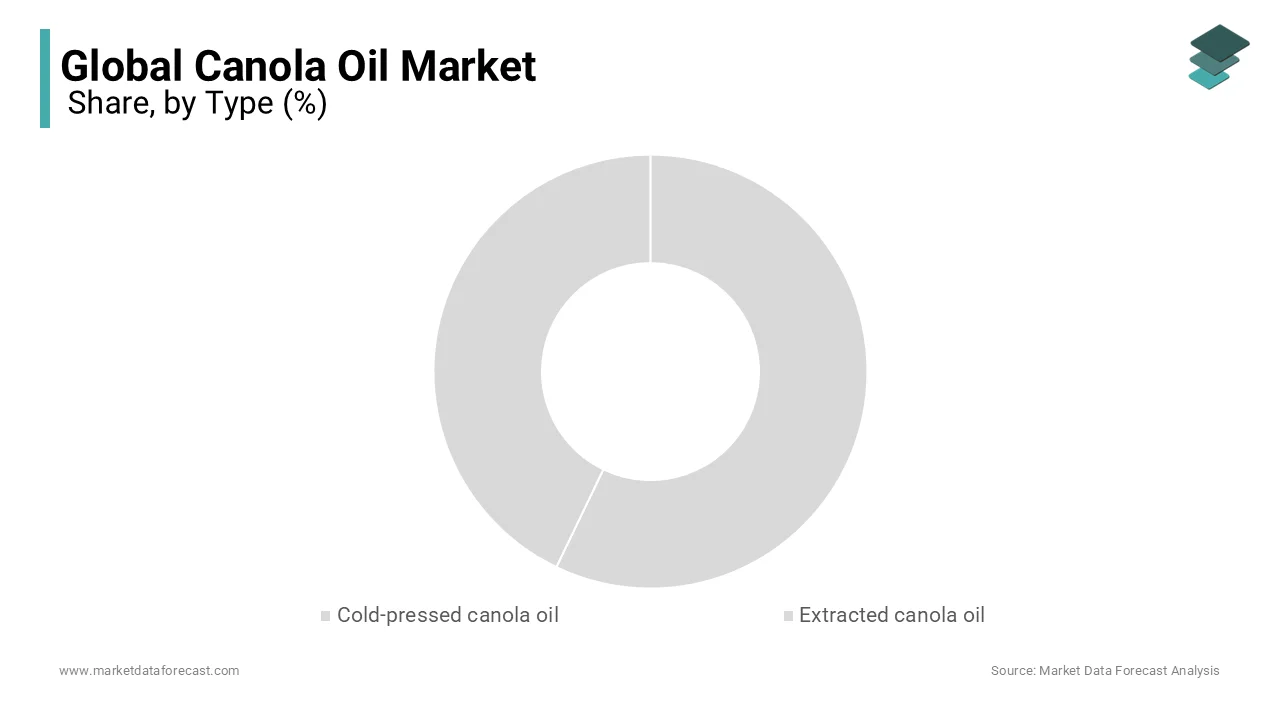
The cold pressed segment is projected to register a CAGR of 7.2% during the forecast period with the increasing consumer demand for natural unrefined and nutrient rich food products. Cold pressing involves mechanical extraction without the use of heat or chemical solvents preserving the natural flavor aroma and nutritional content of the oil. Health-conscious consumers value cold pressed canola oil for its higher retention of antioxidants vitamins and phytochemicals compared to refined counterparts. The premium positioning of cold pressed oil appeals to affluent demographics who are willing to pay higher prices for perceived health benefits and superior quality. Retailers are responding by expanding their offerings of specialty oils in health food stores and upscale supermarkets. The trend towards home cooking and gourmet culinary experiences further boosts demand for high quality finishing oils.
By Application Insights
The biofuels segment was the largest by capturing 40.2% of canola oil market share in 2025 with the stringent government regulations and incentives aimed at reducing greenhouse gas emissions from the transportation sector. Canola oil is a preferred feedstock for biodiesel production due to its high oil yield and favorable cold flow properties. According to the International Energy Agency, global biofuel production is expected to increase by 10% annually through 2026 supported by policies, such as the Renewable Fuel Standard in the United States and the Clean Fuel Standard in Canada. The agricultural sector benefits from this industrial outlet which provides a price floor and reduces dependence on volatile food markets. Additionally, advancements in conversion technologies have improved the efficiency and sustainability of canola-based biofuels.
Petroleum chemicals segment is likely to grow at an anticipated CAGR of 6.5% from 2026 to 2034 with the development of bio-based alternatives to petroleum derived chemicals in various industrial applications. Canola oil is increasingly used as a base stock for biodegradable lubricants hydraulic fluids and metalworking fluids due to its excellent lubricity and environmental profile. The high oleic content of specialized canola varieties enhances the oxidative stability and performance of these industrial fluids making them suitable for demanding applications. Manufacturers in the automotive construction and manufacturing sectors are adopting bio based chemicals to improve sustainability credentials and meet corporate social responsibility goals. The versatility of canola oil allows for its modification into various chemical intermediates used in plastics coatings and adhesives.
REGIONAL ANALYSIS
North America Canola Oil Market Analysis
North America was the largest contributor by holding 35.4% of the global Canola Oil Market share in 2025 with its status as a major producer and exporter of canola seeds, particularly in Canada and the United States. According to Statistics Canada, canola is the most valuable crop in the country with over 24 million acres seeded annually providing a robust raw material base for oil extraction. The presence of advanced processing infrastructure and strong domestic demand for both food and biodiesel drives market growth. The high consumption of vegetable oils in the food service and packaged food industries further supports demand. The integration of canola into sustainable farming practices also enhances its appeal among environmentally conscious stakeholders.
Europe Canola Oil Market Analysis
Europe canola oil market was next with 25.4% of share in 2025 with a strong focus on sustainability and non-genetically modified organism production. According to Eurostat, Europe produces a significant portion of the world's rapeseed the botanical equivalent of canola with France, Germany, and Poland being the leading producers. Data from the European Commission shows that the transport sector is a major consumer of biodiesel supporting industrial demand for rapeseed oil. Consumer preference for healthy and natural food options also boosts the retail sales of cold pressed and organic canola oils. The region benefits from well established supply chains and trade agreements that facilitate the movement of oilseeds and oils.
Asia Pacific Canola Oil Market Analysis
The Asia Pacific canola oil market growth is likely to grow with the rising populations and changing dietary habits. According to the Food and Agriculture Organization of the United Nations, Asia Pacific is a major consumer of vegetable oils with canola gaining popularity as a healthy alternative to palm and soybean oils. In India, canola oil is often blended with other vegetable oils to improve nutritional profiles. Data from local industry associations indicates that imports of canola oil have risen steadily over the past decade. Government initiatives promoting healthy eating and sustainable agriculture further support market development. Although, local production is limited in some countries the strong trade relationships with exporting nations ensure adequate supply.
Latin America Canola Oil Market Analysis
Latin America canola oil market growth is estimated to grow with the increasing production in countries like Argentina and Brazil, where farmers are adopting canola as a rotational crop. According to the United States Department of Agriculture, canola acreage in South America has expanded due to its compatibility with soybean and corn farming systems. The domestic demand for vegetable oils is rising due to population growth and urbanization. Canola oil is increasingly used in food processing and household cooking as consumers become more health conscious. The export potential for canola oil from Latin America is also growing as global demand increases. The region benefits from favorable climatic conditions in southern areas which support high yields. Additionally, the adoption of improved seed varieties and farming techniques is enhancing productivity.
Middle East and Africa Canola Oil Market Analysis
The Middle East and Africa canola oil market growth is driven by the need to secure stable supplies of vegetable oils for growing populations. According to the study, imports of edible oils including canola are increasing in Gulf Cooperation Council countries and North African nations. The lack of significant local production means that these regions rely heavily on imports from Canada, Europe, and Australia. The rise in lifestyle diseases, such as diabetes and heart disease is prompting healthcare providers to recommend healthier cooking oils. Government efforts to diversify food sources and improve nutrition also support market growth.
COMPETITIVE LANDSCAPE
The competition in the Canola Oil Market is characterized by the presence of large multinational agribusinesses and regional processors vying for market dominance. Major players leverage their extensive supply chains and processing capabilities to offer consistent quality and competitive pricing. The market sees intense rivalry in terms of operational efficiency and innovation in product offerings. Companies differentiate themselves through sustainability certifications and non genetically modified organism claims which appeal to environmentally conscious consumers and regulated markets. Price volatility in the global vegetable oil complex influences competitive dynamics as firms strive to maintain margins amidst fluctuating input costs. Strategic acquisitions and expansions of crushing facilities are common as companies seek to increase market reach and capacity. The growing demand for biofuels adds another layer of competition as industrial buyers compete with food processors for raw materials. Regulatory compliance regarding trade and environmental standards also shapes competitive strategies.
Key Market Players
Key Players in canola oil market are
- Archer Daniel Midland Company
- Associated British Foods
- Burge
- Cargill
- Wilmar International
- Conagra Foodservice
- Dalmia Shop
- Huiles TITAN OILS
- Jivo Wellness
- Richardson International
Top Players in the Canola Oil Market
- Cargill Incorporated is a global leader in the agricultural and food industries with a significant presence in the canola oil sector. The company contributes to the global market by operating extensive crushing facilities that process canola seeds into high quality oil and meal. Its involvement spans sourcing trading and distributing canola products to food manufacturers and industrial clients worldwide. Recent actions to strengthen its market position include investing in advanced extraction technologies to improve yield efficiency and product consistency. Cargill has also expanded its sustainable sourcing programs to ensure responsible farming practices among suppliers. These strategic initiatives enhance operational resilience and support long term growth in the competitive vegetable oil landscape.
- Bunge Limited is a major agribusiness and food company that plays a crucial role in the global canola oil market. The organization contributes by processing canola seeds into refined oils used in cooking baking and food production. Its involvement includes managing a robust supply chain from farm to fork ensuring quality and safety standards. Recent actions to strengthen its market position include the expansion of its crushing capacity in key producing regions, such as Canada and Europe. Bunge has also focused on developing specialized oil blends that cater to specific nutritional and functional requirements of food manufacturers. The company emphasizes sustainability through initiatives that reduce environmental impact and support farmer livelihoods. These efforts reinforce its reputation as a reliable partner in the global food system and drive continued market expansion.
- Richardson International Limited is a leading Canadian agribusiness with deep roots in the canola industry. The company contributes to the global market by producing and exporting high quality canola oil and meal products. Its involvement encompasses every stage of the value chain from seed procurement to processing and distribution. Recent actions to strengthen its market position include significant investments in state-of-the-art processing facilities to increase throughput and efficiency. Richardson has also enhanced its research and development capabilities to innovate new canola based ingredients for diverse applications. The company prioritizes sustainable agriculture by partnering with farmers to implement best practices.
Top Strategies Used by the Key Market Participants
Key players in the Canola Oil Market primarily employ strategies focused on vertical integration and sustainability to maintain competitive advantage. Companies are increasingly investing in upstream activities such as seed development and farming partnerships to secure raw material supplies. Expansion of processing capacities in strategic locations enhances operational efficiency and reduces logistical costs. Innovation in product formulations including high oleic and cold pressed varieties caters to evolving consumer preferences for healthier options. Strategic collaborations with food manufacturers and biofuel producers create stable demand channels. Additionally, firms are adopting digital technologies to optimize supply chain transparency and traceability. These combined strategies enable market participants to navigate regulatory complexities while ensuring long term profitability and growth in the dynamic global canola oil landscape.
MARKET SEGMENTATION
This research report on the global canola oil market has been segmented and sub-segmented based on Type, Application, & region.
By Type
- Cold-pressed canola oil
- Extracted canola oil
By Application
- Biofuels
- Petroleum chemicals
By Region
- North America
- Latin America
- Europe
- Asia Pacific
- Latin America
- Middle East & Africa