- Product Description Description
- Table of Contents TOC
- List of Table & Figure LOT
- Get Free Sample PDF Sample PDF
Market Size, 2025
$69.45 BnMarket Estimate, 2026
$73.63 BnMarket Forecast, 2034
$117.53 BnCAGR, 2026–2034
6.02%Global Cosmeceuticals Market Report Summary
The global cosmeceuticals market was valued at USD 69.45 billion in 2025 and is projected to grow from USD 73.63 billion in 2026 to USD 117.53 billion by 2034, registering a CAGR of 6.02% from 2026 to 2034. Market growth is driven by increasing consumer awareness of skincare, rising demand for anti-aging and preventive beauty products, and continuous innovation in active cosmetic ingredients. Cosmeceuticals combine cosmetic benefits with biologically active ingredients that support skin health, making them increasingly popular among consumers seeking science-backed personal care solutions. Growing investments in dermatological research, personalized skincare, and premium beauty products are further supporting market expansion.
Key Market Trends
- Rising demand for anti-aging, skin rejuvenation, and preventive skincare products.
- Increasing adoption of dermatologist-recommended and science-backed formulations.
- Growing popularity of natural, clean-label, and multifunctional cosmeceutical products.
- Expansion of personalized skincare solutions powered by AI and skin diagnostics.
- Increasing investment in innovative active ingredients, peptides, and biotechnology-based formulations.
Segmental Insights
- Based on product type, the skin care segment dominated the global cosmeceuticals market in 2025, driven by increasing consumer focus on anti-aging, hydration, pigmentation correction, acne treatment, and overall skin health.
- Based on distribution channel, the specialist stores segment held the largest share of the market in 2025, supported by strong consumer preference for expert product recommendations, premium skincare brands, and access to dermatologist-endorsed products.
Regional Insights
The global cosmeceuticals market continues to expand across major regions, supported by increasing beauty awareness, rising disposable incomes, and growing demand for premium skincare products.
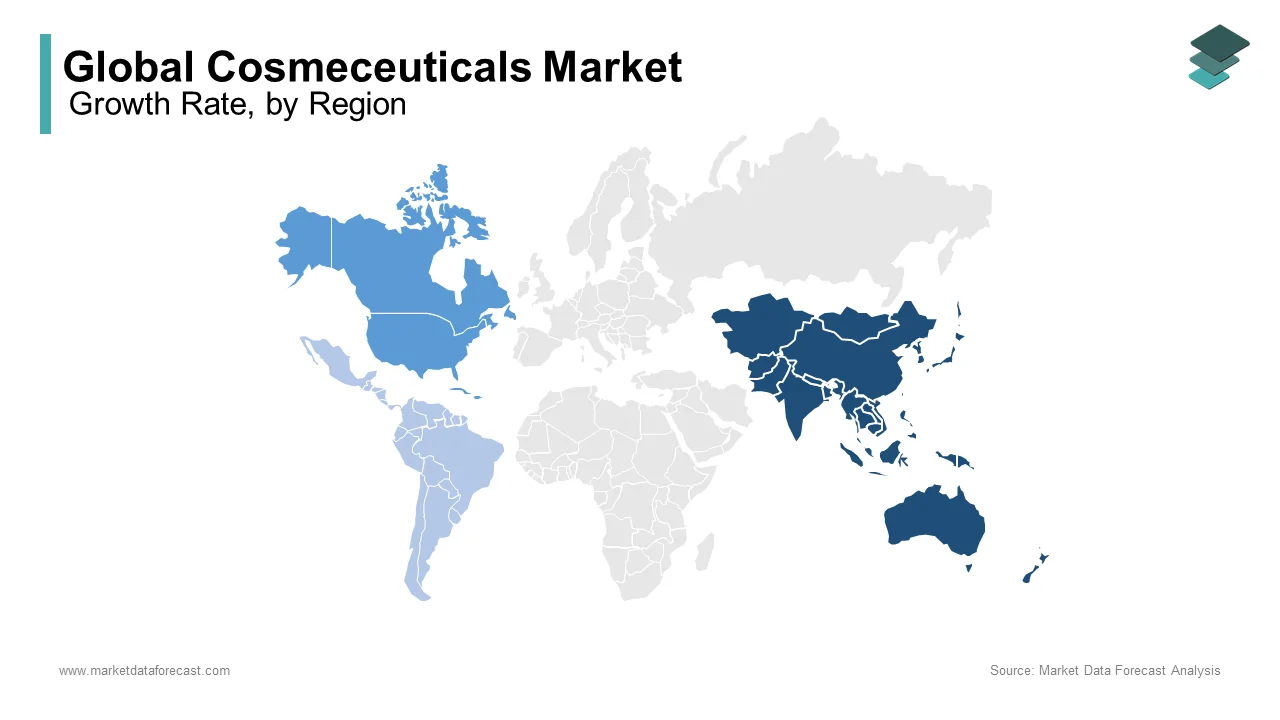
- North America dominated the global market in 2025 by accounting for a 35.3% share, driven by high consumer spending on premium skincare, widespread adoption of advanced dermatological products, and a strong presence of leading beauty and healthcare companies.
- Europe held the second-largest position with a 28.1% share in 2025, supported by stringent regulatory standards, a long-standing tradition of pharmacy-based skincare, and increasing demand for clinically validated cosmetic products.
- Asia-Pacific is projected to register the fastest growth during the forecast period, driven by rising disposable incomes, rapid urbanization, expanding middle-class populations, and a strong cultural emphasis on skincare, beauty, and personal grooming.
Competitive Landscape
The global cosmeceuticals market is highly competitive, with leading beauty, personal care, and dermatology companies focusing on product innovation, premium formulations, and scientifically validated skincare solutions. Market participants are investing in biotechnology, active ingredient research, sustainable packaging, and personalized beauty technologies to strengthen their market position. Strategic acquisitions, product launches, and expansion into emerging markets continue to shape the competitive landscape.
Prominent companies operating in the global cosmeceuticals market include L'Oréal S.A., Johnson & Johnson Services, Inc., Procter & Gamble (P&G), Unilever PLC, Beiersdorf AG, Shiseido Company, Limited, Estée Lauder Companies Inc., Avon Products, Inc., Galderma Group AG, Amorepacific Corporation, and Bioderma (Naos Group).
Global Cosmeceuticals Market Size
The size of the global cosmeceuticals market was worth USD 69.45 billion in 2025. The global market is anticipated to grow at a CAGR of 6.02% from 2026 to 2034 and be worth USD 117.53 billion by 2034 from USD 73.63 billion in 2026.
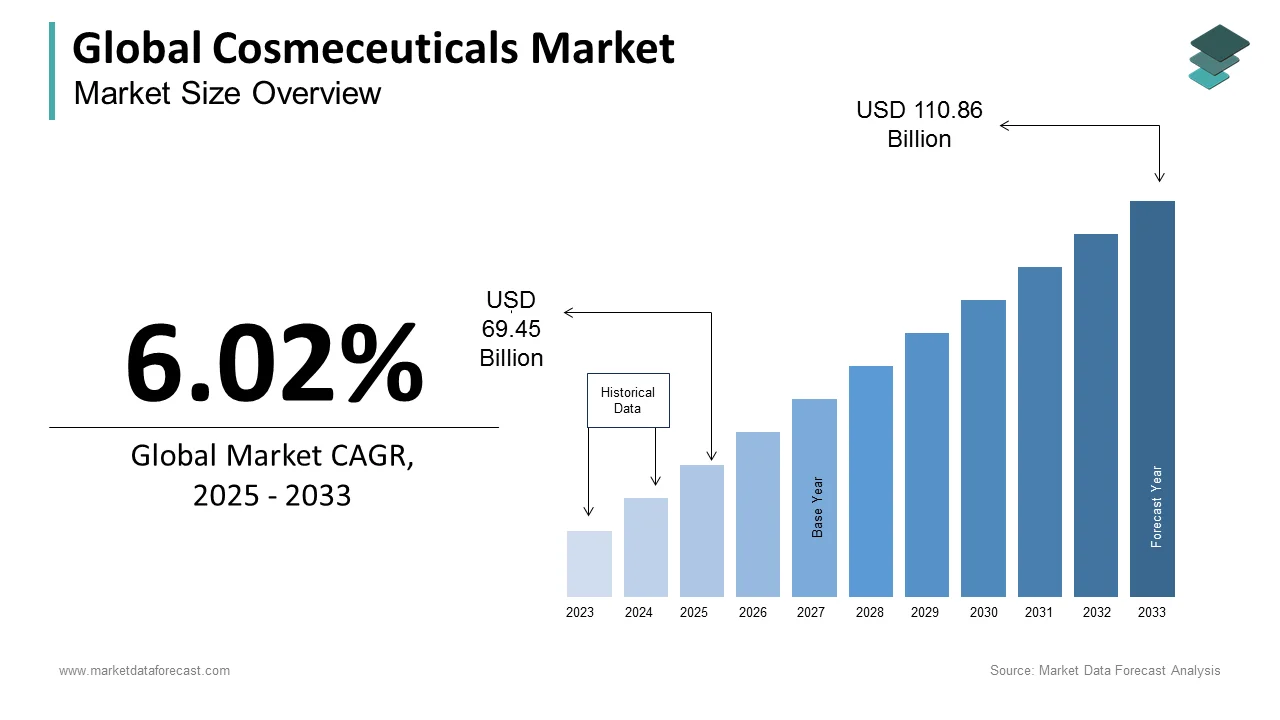
The cosmeceuticals market has emerged as a pivotal segment within the beauty and personal care industry and the demand for these products is driven by the growing consumer focus on health, wellness, and appearance. The increasing prevalence of skin disorders are exacerbated by factors like pollution and UV exposure has fueled demand for scientifically backed solutions. The World Health Organization (WHO) reports that 9 out of 10 people globally breathe polluted air, which is a significant contributor to skin damage and conditions like premature aging and hyperpigmentation.
Social media platforms have amplified awareness about skincare routines with influencers and dermatologists promoting cosmeceuticals as essential for maintaining healthy skin. Additionally, the rise of clean beauty trends has encouraged manufacturers to adopt sustainable practices by using natural and biodegradable ingredients. Regulatory bodies like the U.S. Food and Drug Administration (FDA) ensure product safety that is fostering consumer trust. The cosmeceuticals market is poised to remain a cornerstone of innovation in the beauty industry as urbanization and environmental concerns continue to shape lifestyle choices.
MARKET DRIVERS
Increasing Prevalence of Skin Disorders Due to Environmental Factors
One of the major drivers of the cosmeceuticals market is the rising incidence of skin disorders caused by environmental stressors. According to the World Health Organization (WHO), over 2 billion people globally are exposed to unhealthy levels of air pollution, which accelerates skin aging and exacerbates conditions like acne and hyperpigmentation. The Global Burden of Disease Study highlights that skin diseases rank among the top non-fatal health burdens worldwide, prompting consumers to seek effective solutions. Urbanization further intensifies this trend as densely populated cities often experience higher pollution levels. This has fueled demand for cosmeceuticals containing active ingredients such as antioxidants and retinoids, which offer therapeutic benefits. Regions like Asia-Pacific and Europe are witnessing significant growth in product adoption which are driven by heightened awareness of pollution's impact on skin health.
Rising Influence of Social Media and Digital Platforms
Another key driver is the growing influence of social media and digital platforms on consumer behavior. Influencers and dermatologists promote cosmeceuticals as essential tools for maintaining healthy skin, amplifying trends like "clean beauty" and ingredient transparency. The U.S. Food and Drug Administration (FDA) notes that this shift has encouraged brands to adopt stricter safety standards and innovative formulations. Additionally, the global reach of e-commerce has made cosmeceuticals more accessible, which is anticipated to drive sales growth. This digital transformation has expanded consumer awareness and created new opportunities for brands to engage directly with their target audience by significantly contributing to market expansion.
MARKET RESTRAINTS
Stringent Regulatory Frameworks and Compliance Challenges
One of the major restraints in the cosmeceuticals market is the stringent regulatory environment governing product safety and efficacy. The U.S. Food and Drug Administration (FDA) mandates rigorous testing and approval processes, which can delay product launches by up to 24 months, as highlighted by the World Health Organization (WHO). These compliance requirements disproportionately affect smaller companies, with costs often exceeding 15% of total production expenses. Additionally, inconsistent regulations across regions create barriers to global expansion. For instance, the European Medicines Agency (EMA) reports that non-compliance with labeling standards has led to product recalls by impacting consumer trust. Such complexities hinder innovation and limit market entry for emerging players in developing economies where regulatory frameworks are less standardized, which is restricting overall industry growth.
High Costs Limiting Accessibility for Price-Sensitive Consumers
Another significant restraint is the high cost of advanced formulations and sustainable ingredients, which restricts accessibility for budget-conscious consumers. The Environmental Protection Agency (EPA) notes that sourcing eco-friendly raw materials has increased production costs by up to 20%. Furthermore, the American Academy of Dermatology (AAD) highlights that premium cosmeceuticals often retail at prices unaffordable for low- and middle-income populations, particularly in Asia-Pacific and Africa. Counterfeit products exacerbate the issue, with the International Trademark Association estimating that 10% of skincare products globally are counterfeit.
MARKET OPPORTUNITIES
Growing Demand for Clean and Sustainable Beauty Products
A significant opportunity in the cosmeceuticals market lies in the rising consumer preference for clean and sustainable beauty products. The Environmental Protection Agency (EPA) reports that over 60% of consumers globally are willing to pay a premium for products made with natural and eco-friendly ingredients. This trend is particularly strong among millennials and Gen Z, where 70% of these demographics prioritize sustainability in their purchasing decisions. Brands adopting transparent labeling and sustainable packaging are gaining a competitive edge. For instance, the U.S. Department of Agriculture (USDA) notes that certifications like "organic" and "biodegradable" have boosted sales by 15% annually in niche markets. Companies investing in green formulations and ethical sourcing can tap into this lucrative segment as environmental awareness grows is driving innovation and expanding their customer base.
Expansion into Emerging Markets with Rising Disposable Incomes
Another key opportunity is the expansion into emerging markets such as Asia-Pacific, Latin America, and Africa, driven by increasing disposable incomes and urbanization. The World Bank states that the middle class in these regions is expected to grow by 200 million people by 2030, which is creating a surge in demand for premium skincare solutions. According to the Food and Agriculture Organization (FAO), countries like India and Brazil are witnessing a 10% annual increase in spending on personal care products. Additionally, the International Trade Administration (ITA) highlights that e-commerce platforms have made cosmeceuticals more accessible in rural areas shall boost sales. Companies can capitalize on this untapped potential and achieve significant revenue growth by tailoring affordable yet effective products to local preferences.
MARKET CHALLENGES
Counterfeit Products Undermining Consumer Trust
A significant challenge in the cosmeceuticals market is the proliferation of counterfeit products, which undermines consumer trust and impacts legitimate brands. The International Trademark Association estimates that counterfeit skincare products account for nearly 10% of the global market, resulting in annual losses of over $5 billion for authentic manufacturers. These fake products often contain harmful ingredients, leading to adverse health effects and damaging brand reputations. According to the World Health Organization (WHO), over 40% of consumers in developing regions have unknowingly purchased counterfeit skincare items, creating skepticism about product authenticity. Additionally, the U.S. Food and Drug Administration (FDA) highlights that inadequate enforcement in some countries exacerbates the issue, which is making it difficult for genuine brands to compete. This challenge calls for stricter regulatory measures and consumer awareness campaigns to combat counterfeiting effectively.
Limited Awareness and Accessibility in Rural Areas
Another major challenge is the limited awareness and accessibility of cosmeceuticals in rural and underdeveloped regions. The Food and Agriculture Organization (FAO) reports that over 3 billion people in rural areas lack access to advanced skincare solutions due to poor distribution networks and low awareness about skin health. A study by the World Health Organization (WHO) reveals that skin disorders remain untreated in these regions, with only 20% of affected individuals seeking professional care. Additionally, high costs and cultural preferences for traditional remedies further restrict adoption. The International Trade Administration (ITA) notes that while urban markets are saturated, rural areas remain underserved, presenting a logistical and educational challenge for companies. Bridging this gap requires targeted marketing and affordable product offerings tailored to local needs.
REPORT COVERAGE
| REPORT METRIC | DETAILS |
| Market Size Available | 2025 to 2034 |
| Base Year | 2025 |
| Forecast Period | 2026 to 2034 |
| Segments Covered | By Product Type, Distribution Channel, and Region. |
| Various Analyses Covered | Global, Regional and Country-Level Analysis, Segment-Level Analysis, Drivers, Restraints, Opportunities, Challenges; PESTLE Analysis; Porter’s Five Forces Analysis, Competitive Landscape, Analyst Overview of Investment Opportunities |
| Regions Covered | North America, Europe, Asia Pacific, Latin America, Middle East & Africa |
| Market Leaders Profiled | L'Oréal S.A., Johnson & Johnson Services, Inc., Procter & Gamble (P&G), Unilever PLC, Beiersdorf AG, Shiseido Company, Limited, Estée Lauder Companies Inc., Avon Products, Inc., Amorepacific Corporation, Bioderma (Naos Group), and Others. |
SEGMENT ANALYSIS
By Product Type Insights
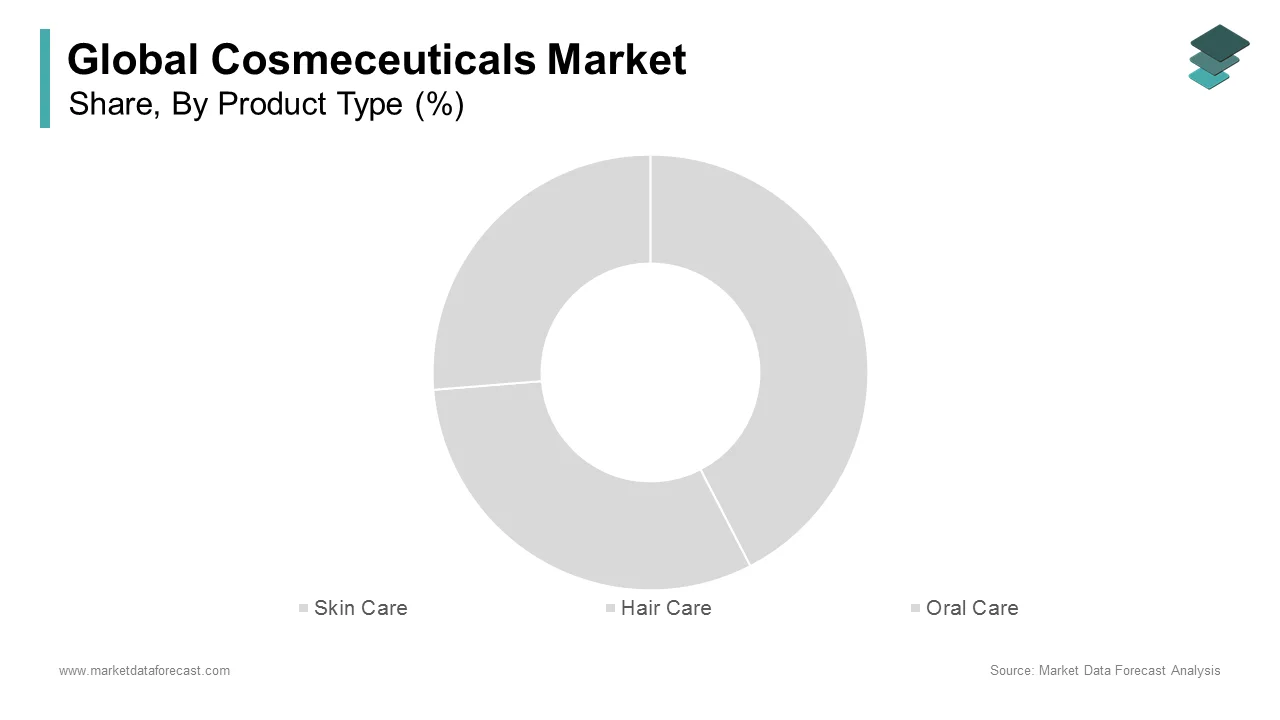
The skin care segment was the largest in the global cosmeceuticals market and occupied a commanding share in 2025. This dominance of the segment was mainly driven by the urgent need to mitigate the damaging effects of ultraviolet radiation and environmental pollutants, which are major contributors to premature aging and dermatological disorders. Consumers are increasingly aware that daily exposure to solar radiation accelerates collagen breakdown and causes hyperpigmentation, necessitating the regular use of protective and reparative topical formulations. According to the World Health Organization, between two and three million nonmelanoma skin cancers and 132,000 melanoma skin cancers occur globally each year, highlighting the critical importance of sun protection and skin barrier maintenance. This health concern translates directly into high demand for cosmeceuticals containing broad-spectrum sunscreens, antioxidants like vitamin C, and DNA repair enzymes. Furthermore, urban pollution generates free radicals that compromise skin integrity, driving the adoption of products with niacinamide and ferulic acid. The physiological necessity to protect the largest organ of the body from irreversible environmental damage ensures that skin care remains the cornerstone of the cosmeceutical industry, commanding the largest share of consumer expenditure and product innovation efforts worldwide.
The widespread prevalence of acne and various inflammatory skin conditions across multiple age groups significantly fuels the growth and domination of this segment. Acne vulgaris is not limited to adolescence but increasingly affects adults due to hormonal fluctuations, stress, and dietary factors, creating a sustained demand for effective over-the-counter therapeutic solutions. According to the Global Burden of Disease Study, acne affects approximately 9.4 percent of the global population, making it one of the most common skin conditions worldwide and driving millions of consumers to seek specialized cleansers, serums, and treatments. These cosmeceuticals often contain salicylic acid, benzoyl peroxide, and retinoids, which offer clinical efficacy comparable to prescription medications but with greater accessibility. Additionally, conditions such as rosacea and eczema require gentle yet active formulations that restore the skin barrier while reducing inflammation. The psychological impact of visible skin imperfections further motivates consumers to invest in high-quality skincare products that promise clear and healthy complexions. This broad base of users seeking medical-grade solutions for common dermatological issues solidifies the leading position of skin care in the global market.
The hair care segment is predicted to witness the highest CAGR of 8.2% between 2026 and 2034 due to the rising incidence of hair loss, thinning, and scalp disorders triggered by modern lifestyle stresses and environmental factors. Androgenetic alopecia and telogen effluvium are becoming increasingly common among both men and women, driven by poor nutrition, high stress levels, and exposure to hard water and pollution. The International Society of Hair Restoration Surgery (ISHRS) establishes that androgenetic alopecia affects millions of individuals globally, prompting early consumer adoption of non-prescription, preventive, and restorative topical hair cosmeceuticals. Consumers are shifting away from traditional shampoos toward scientifically formulated treatments containing minoxidil, caffeine, biotin, and ketoconazole, which stimulate follicle activity and improve scalp health. As per the American Academy of Dermatology, stress-related hair shedding has increased significantly in recent years, prompting individuals to seek professional-grade solutions available without a prescription. The stigma associated with hair loss also drives discreet home-based treatments rather than clinical procedures. Furthermore, the growing awareness of scalp health as a foundation for hair quality has led to the proliferation of exfoliating scrubs and serums that address dandruff and inflammation. This combination of medical need and aesthetic desire propels the hair care segment to outpace other categories in terms of growth velocity.
Technological advancements in bioactive ingredients and sophisticated delivery systems are accelerating the growth of the hair care cosmeceutical segment by enhancing product efficacy and consumer confidence. Innovations such as liposomal encapsulation and nanoparticle technology allow active compounds to penetrate the scalp barrier more effectively and reach the hair follicle bulb where growth regulation occurs. According to the Journal of Cosmetic Science, newer peptide complexes and stem cell-derived factors have demonstrated significant potential in prolonging the anagen phase of hair growth and increasing hair shaft diameter in clinical studies. These scientific breakthroughs enable brands to make credible claims about hair density and strength, attracting consumers who previously relied only on surgical interventions. Additionally, the integration of natural extracts like saw palmetto and rosemary oil with synthetic actives offers a holistic approach that appeals to health-conscious consumers. The ability of these advanced formulations to deliver visible results within weeks encourages repeat purchases and brand loyalty. This continuous innovation cycle ensures that the hair care segment remains dynamic and rapidly expanding as new solutions emerge to address complex trichological concerns.
By Distribution Channel Insights
The specialist stores segment led the cosmeceuticals market and captured a significant share in 2025. Factors such as the high level of expert consultation and personalized product recommendations they provide have contributed to the leading position of the segment. Cosmeceuticals often contain potent active ingredients that require proper usage instructions to avoid adverse reactions, making professional guidance invaluable to consumers. The National Community Pharmacists Association (NCPA) highlights that independent pharmacies continue to expand front-end clinical offerings and specialized OTC wellness services, driving local consumer foot traffic to community-based health retail hubs. This trust factor is crucial for high-value items where efficacy and safety are paramount. Specialist stores also curate their inventory to include clinically validated brands, filtering out ineffective generic products. This selective assortment reinforces the perception of quality and reliability. Furthermore, many specialist retailers offer skin analysis services using digital tools, allowing for precise product matching. The combination of professional expertise, curated selection, and immediate availability creates a superior shopping experience that mass market channels cannot replicate, securing the dominant market share for specialist stores.
The availability of exclusive professional-grade brands and clinical formulations that are not distributed through mass market channels has made the segment even stronger in the market. Many leading cosmeceutical manufacturers restrict their distribution to pharmacies, dermatologist offices, and authorized specialty retailers to maintain brand prestige and ensure proper handling of sensitive ingredients. Dermatologists frequently recommend specific brands available only in specialist stores, creating a direct referral pipeline that drives foot traffic and sales. This exclusivity prevents price competition with discount retailers and preserves the perceived value of the products. Additionally, specialist stores often stock larger sizes and professional kits that are cost-effective for long-term users, fostering customer loyalty. The inability to find these trusted brands in supermarkets or general online marketplaces forces consumers to visit specialist outlets, ensuring a steady stream of revenue and reinforcing the channel's leadership position in the cosmeceuticals market.
The other distribution channels segment is estimated to register the fastest CAGR of 12.6% from 2026 to 2034 owing to the rapid expansion of online retail infrastructure and changing consumer shopping habits. The convenience of browsing extensive product catalogs, reading verified user reviews, and accessing detailed ingredient information online appeals to the educated cosmeceutical consumer. Direct-to-consumer brands leverage social media marketing and influencer partnerships to reach niche audiences globally without the overhead costs of physical retail spaces. As per sources, online beauty and personal care sales are projected to continue outpacing offline growth, driven by mobile commerce and seamless payment options. Furthermore, subscription models for recurring deliveries of skincare essentials enhance customer retention and predictability for brands. The ability of online platforms to offer personalized quizzes and algorithm-based product recommendations mimics the in-store consultation experience, reducing hesitation among new buyers. This digital transformation allows smaller innovative brands to enter the market quickly and scale rapidly, contributing to the high growth rate of this distribution channel.
Increased accessibility to global brands and aggressive competitive pricing strategies are key factors propelling the growth of online and alternative distribution channels in the cosmeceuticals market. E-commerce platforms eliminate geographical barriers, allowing consumers in remote areas or countries with limited local availability to purchase international premium brands directly. According to the World Trade Organization, cross-border e-commerce has facilitated a significant increase in the import of specialized health and beauty products, exposing consumers to a wider variety of innovative formulations. Online retailers often operate with lower overhead costs compared to brick-and-mortar stores, enabling them to offer frequent discounts, bundle deals, and loyalty rewards that attract price-sensitive shoppers. Flash sales and exclusive online launches create urgency and drive traffic to digital storefronts. Additionally, the transparency of online pricing allows consumers to easily identify fair market values, pressuring traditional retailers to compete. This combination of global access, price competitiveness, and promotional agility makes online channels the preferred choice for a growing segment of savvy cosmeceutical buyers.
REGIONAL ANALYSIS
North America Cosmeceuticals Market Analysis
North America was the top performer in the global cosmeceuticals market and occupied a 35.3% share in 2025. This dominance of the North American market was driven by a highly developed healthcare infrastructure and a culture that prioritizes aesthetic wellness and preventive skincare. The United States dominates this region, characterized by high consumer spending power and widespread acceptance of dermatologist-recommended products. According to the American Society for Dermatologic Surgery, minimally invasive cosmetic procedures and adjunctive topical treatments are increasingly popular, with millions of procedures performed annually that require post-care cosmeceuticals. The presence of major pharmaceutical and cosmetic companies facilitates rapid innovation and commercialization of new active ingredients. The Centers for Disease Control and Prevention (CDC) notes that skin cancer is the most common cancer in the United States, prompting comprehensive public health campaigns that encourage voluntary daily use of broad-spectrum sunscreens. Furthermore, the aging baby boomer population seeks effective anti-aging solutions, fueling demand for retinoids and peptide-based formulations. Regulatory clarity from the Food and Drug Administration regarding ingredient safety provides consumer confidence in product efficacy. The integration of telemedicine allows dermatologists to prescribe and recommend specific cosmeceutical brands remotely, strengthening the link between medical advice and product purchase. This robust ecosystem of clinical support, consumer awareness, and industrial capability ensures North America remains the primary revenue generator for the global industry.
Europe Cosmeceuticals Market Analysis
Europe was positioned second in the global market and secured a 28.1% share in 2025 because of stringent regulatory standards and a strong tradition of pharmacy-based skincare. France, Germany, and the United Kingdom are the key contributors, leveraging their heritage in dermo cosmetics and thermal spring water therapies. According to the European Commission, the strict Cosmetic Regulation ensures high safety standards, fostering consumer trust in locally produced brands that emphasize natural and scientifically validated ingredients. The region sees high adoption of cosmeceuticals for managing sensitive skin and conditions like rosacea, which are prevalent due to climatic variations. Also, the aging population in Western Europe creates sustained demand for anti-aging and skin barrier repair products. Additionally, the growing trend towards sustainability and clean beauty influences product development, with consumers favoring brands that use ethically sourced and eco-friendly packaging. Government-funded healthcare systems often cover certain dermatological treatments, increasing patient interaction with skin health professionals who recommend adjunctive topical care. This blend of regulatory rigor, medical endorsement, and environmental consciousness defines the European market landscape.
Asia Pacific Cosmeceuticals Market Analysis
The Asia Pacific region is the fastest-growing region in the cosmeceuticals market due to rising disposable incomes, urbanization, and intense cultural emphasis on skin perfection. China, Japan, and South Korea lead the region, with South Korea setting global trends in innovative skincare formulations and multi-step routines. According to the World Bank, the expanding middle class in emerging economies like India and Indonesia is increasing expenditure on personal care and premium beauty products. The high levels of air pollution in major Asian cities drive demand for detoxifying and protective skincare products containing antioxidants and barrier-strengthening ingredients. In addition, the influence of K-beauty and J-beauty philosophies has globalized Asian skincare standards, encouraging local consumers to adopt advanced ingredients like snail mucin, ginseng, and rice extract. E-commerce penetration is exceptionally high in this region, facilitating rapid adoption of new products through social media influencers and live streaming sales. The young demographic profile combined with early adoption of preventive skincare ensures long-term sustained growth for the sector.
Latin America Cosmeceuticals Market Analysis
Latin America maintains a developing position in the global market owing to a strong cultural focus on physical appearance and growing access to international brands. Brazil and Mexico are the primary markets, driven by a large youth population and increasing participation in the formal workforce, which boosts personal grooming spending. Public health alerts regarding high UV exposure in Latin America emphasize sun protection, creating a natural baseline demand within the regional beauty industry for specialized sunscreens and after-sun soothing cosmetics. The region has seen a surge in the popularity of dermocosmetic brands that offer affordable yet effective solutions for acne and oil control, which are common concerns in humid environments. Research shows that Brazil remains one of the largest beauty and personal care markets globally, characterized by an accelerating consumer transition toward active, specialized skincare. Local manufacturers are increasingly investing in research and development to create products tailored to diverse skin tones and types found in the region. The rise of digital influencers and beauty bloggers has accelerated education about ingredient efficacy, driving consumers toward science-backed products. Economic stabilization in key countries further supports the transition from basic cosmetics to functional cosmeceuticals.
Middle East and Africa Cosmeceuticals Market Analysis
The Middle East and Africa region is anticipated to expand notably in the global market from 2026 to 2034. Moreover, the regional market was influenced by extreme climatic conditions and evolving beauty standards. Gulf Cooperation Council countries like Saudi Arabia and the United Arab Emirates drive demand due to high disposable incomes and a strong culture of luxury personal care. Consumer spending assessments across arid regions reveal that severe climatic conditions, such as extreme heat and low humidity, drive elevated regional retail demand for intensive lipid-replenishing formulations and skin barrier repair cosmeceuticals. Consumers in this region heavily invest in high-end international brands that offer specialized solutions for pigmentation and anti-aging. Urban economic assessments show that rapid modernization and evolving retail supply chains across Africa's major metropolitan centers are expanding consumer access to international dermocosmetic brands. In South Africa and Nigeria, a growing middle class is adopting global skincare trends, focusing on even skin tone and hydration. The halal certification of cosmetic products is also a significant factor in the Middle East, influencing brand selection and formulation choices. While awareness is still developing in rural areas, urban populations are increasingly seeking dermatologist-recommended products, laying the foundation for future market expansion as economic conditions improve.
COMPETITIVE LANDSCAPE
The competitive landscape of the cosmeceuticals market is characterized by intense rivalry between established pharmaceutical giants, specialized dermatology companies, and agile indie beauty brands. Large multinational corporations leverage their extensive distribution networks and substantial research budgets to dominate the market with trusted legacy brands. Meanwhile, smaller niche players differentiate themselves through unique formulations, clean ingredient lists, and direct-to-consumer digital marketing strategies. Scientific validation serves as a key battleground where companies compete to publish the most robust clinical data supporting their efficacy claims. Regulatory compliance remains a critical factor as firms navigate complex labeling requirements to avoid misclassification as drugs. Price competition is moderate since consumers prioritize perceived quality and medical endorsement over cost. Innovation in delivery systems such as encapsulation technology provides a temporary competitive advantage. Collaborations with dermatologists and influencers are crucial for building brand authority and reaching target audiences effectively in this science-driven sector.
KEY MARKET PLAYERS
Notable players operating in the global cosmeceuticals market profiled in this report are
- L'Oréal S.A.
- Johnson & Johnson Services, Inc.
- Procter & Gamble (P&G)
- Unilever PLC
- Beiersdorf AG
- Shiseido Company, Limited
- Estée Lauder Companies Inc.
- Avon Products, Inc.
- Galderma Group AG
- Amorepacific Corporation
- Bioderma (Naos Group)
TOP PLAYERS IN THE MARKET
- L'Oréal S.A. leverages its extensive research and development capabilities to lead the global cosmeceuticals sector through its active cosmetics division. The company integrates advanced dermatological science into accessible consumer products under brands like La Roche-Posay and Vichy. L'Oréal recently invested heavily in biotechnology to develop sustainable active ingredients and personalized skincare solutions using artificial intelligence. Strategic acquisitions of niche dermatological brands have expanded its portfolio to address specific skin concerns such as sensitivity and aging. The firm collaborates with healthcare professionals to validate product efficacy, ensuring clinical credibility. L'Oréal uses digital health tools and telemedicine partnerships to bridge the gap between medical treatments and daily skincare regimens. This strategic focus effectively enhances consumer trust and brand loyalty on a global scale.
- Beiersdorf AG maintains a strong presence in the cosmeceuticals market through its Eucerin and Nivea Medical brands, which are widely recommended by dermatologists. The company focuses on developing formulations that support the skin barrier and address conditions like eczema and dryness. Beiersdorf recently launched innovative serum-based treatments containing high concentrations of hyaluronic acid and peptides to compete with premium clinical brands. The firm emphasizes evidence-based marketing by publishing clinical study results to substantiate product claims. Strategic expansion into emerging markets has increased accessibility to its dermo-cosmetic lines. Beiersdorf appeals to consumers with sensitive skin by prioritizing gentle yet effective ingredients. At the same time, the company maintains a reputation for scientific rigor and reliability in the competitive personal care landscape.
- Galderma Group AG is a pure-play dermatology category leader that specializes in prescription and consumer skincare solutions. The company offers a comprehensive portfolio including Cetaphil and Epiderm, which are staples in dermatological practices worldwide. Galderma recently enhanced its digital ecosystem by launching platforms that connect patients with skincare experts for personalized recommendations. The firm invests significantly in clinical trials to prove the efficacy of its over-the-counter products in managing acne and rosacea. Strategic partnerships with pharmacy chains ensure prominent shelf placement and professional endorsement. Galderma differentiates itself from general beauty conglomerates by focusing exclusively on skin health. As a result, it provides specialized expertise and targeted therapies that meet the growing demand for medical-grade skincare products.
TOP STRATEGIES USED BY KEY MARKET PARTICIPANTS
Key players in the cosmeceuticals market primarily focus on intensive research and development to create proprietary active ingredients with proven clinical efficacy. Companies invest heavily in dermatological testing and peer-reviewed studies to build scientific credibility and distinguish their products from standard cosmetics. Strategic acquisitions of niche dermatological brands allow large corporations to expand their portfolios and access specialized technologies quickly. Partnerships with healthcare professionals and pharmacies are essential for gaining consumer trust and ensuring products are recommended by experts. Digital transformation initiatives include launching personalized skincare platforms and telemedicine services to engage consumers directly. Sustainability efforts involve sourcing ethical raw materials and using eco-friendly packaging to appeal to environmentally conscious buyers. These strategies collectively enhance brand reputation, drive innovation, and secure long-term customer loyalty in a highly competitive industry.
GLOBAL COSMECEUTICALS MARKET NEWS
- In 2019, L'Oréal S.A.'s dermatological brand La Roche-Posay launched Spotscan, a free, dermatologist-validated AI skin analysis tool designed to assess blemish severity and deliver personalized skincare routines.
- In December 2022, Beiersdorf AG finalized the acquisition of a majority stake in life-science company S-Biomedic NV to accelerate research and integrate advanced live-bacteria technologies into its skin microbiome platform.
- In January 2023, Galderma Group AG launched FACE by Galderma, an advanced augmented reality solution that enables aesthetic professionals to assess skin and simulate treatment results digitally during patient consultations.
- In May 2026, Pierre Fabre Laboratories unveiled a major expansion project for its Avène production facility, doubling its capacity to support the global market growth of the Eau Thermale Avène brand while deploying modern automation.
MARKET SEGMENTATION
This research report on the global cosmeceuticals market has been segmented and sub-segmented based on the product type, distribution channel, and region.
By Product Type
- Skin Care
- Hair Care
- Oral Care
By Distribution Channel
- Supermarket/Hypermarkets
- Specialist Stores
- Other Distribution Channels
By Region
- North America
- Europe
- Asia-Pacific
- Latin America
- The Middle East and Africa