- Product Description Description
- Table of Contents TOC
- List of Table & Figure LOT
- Get Free Sample PDF Sample PDF
Market Size, 2025
$3.69 BnMarket Estimate, 2026
$3.85 BnMarket Forecast, 2034
$5.41 BnCAGR, 2026–2034
4.34%Executive Summary: Middle East and Africa Cosmeceuticals Market
- Market Scope: Comprehensive regional assessment covering product types (skin care, hair care, oral care), distribution channels (supermarkets & specialty stores, online platforms), and targeted country markets across the Middle East and Africa.
- Market Valuation: Valued at USD 3.69 billion in 2025, estimated at USD 3.85 billion in 2026, and projected to reach USD 5.41 billion by 2034, registering a compound annual growth rate (CAGR) of 4.34% from 2026 to 2034.
- Primary Growth Drivers: High disposable income and luxury consumption in GCC nations, rising consumer demand for natural, vegan, and halal-certified beauty formulations, rapid urbanization, and the proliferation of organized retail and digital shopping channels.
Key Market Segment Metrics (2026–2034)
| Category | Leading Segment Focus | Fastest-Growing / Key Structural Trends |
|---|---|---|
| By Product Type | Skin Care (dominates regional consumption due to severe climatic conditions, anti-aging needs, and a strong preference for dermatology-backed solutions) | Hair Care & Specialty Treatments (experiencing steady demand driven by environmental stressors and heightened scalp/hair health awareness) |
| By Distribution Channel | Supermarkets & Specialty Stores (capturing traditional retail dominance through upscale malls, department stores, and expanding physical storefronts) | Online Platforms (expanding rapidly as e-commerce infrastructure matures and digital marketing shapes consumer purchasing habits) |
| By Region / Country | GCC Countries (Saudi Arabia and the UAE lead regional market share due to high per capita spending and thriving luxury retail landscapes) | Emerging African Hubs (Nigeria, Kenya, and South Africa scaling up quickly as middle-class disposable incomes rise and urban retail expands) |
Major Market Players & Market Structure
Market Structure: A competitive marketplace driven by global multinational beauty conglomerates leveraging local distribution partnerships, premium product positioning, and tailored halal-certified product lines.
Key Companies: L'Oreal SA, Procter & Gamble, Unilever PLC, Shiseido Co. Ltd, Revlon Inc., Groupe Clarins SA, Beiersdorf AG, and Johnson & Johnson Inc.
 Download Free Sample Report
Middle East and Africa Cosmeceuticals Market Size
The Middle East and Africa cosmeceuticals market was valued at USD 3.69 billion in 2025, is estimated to reach USD 3.85 billion in 2026, and is projected to reach USD 5.41 billion by 2034, growing at a CAGR of 4.34% from 2026 to 2034.
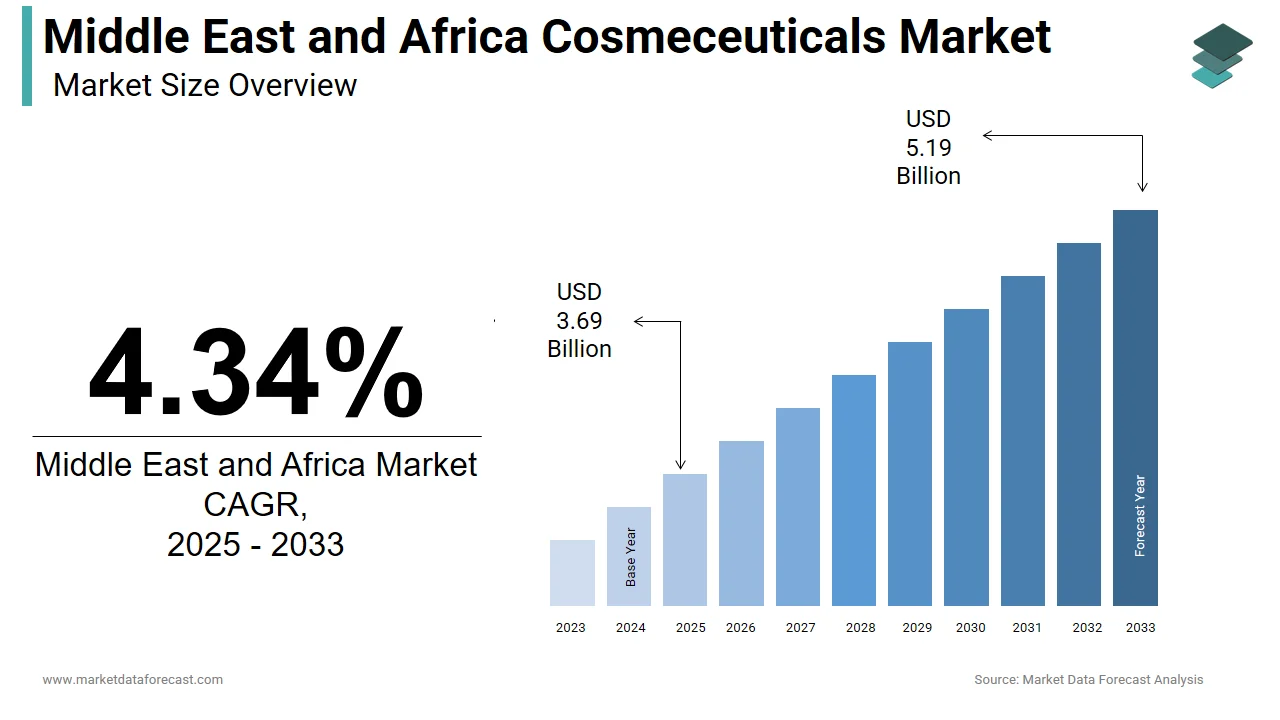
The Middle East and Africa cosmeceuticals market encompasses a specialized category of topical products that bridge the gap between pharmaceuticals and cosmetics by delivering biologically active ingredients to address specific dermatological concerns. This sector is increasingly vital as regional consumers shift from purely aesthetic enhancements to therapeutic skincare solutions driven by harsh climatic conditions and genetic predispositions. According to the World Health Organization, vitamin D deficiency among adults over 15 years was reported at 41% among males and 63% among females in Saudi Arabia, while studies in the United Arab Emirates and Saudi Arabia have linked higher deficiency during summer with extreme temperatures and reduced outdoor exposure. The African Union reports that urbanization rates in Sub-Saharan Africa are projected to reach 50% by 2030, leading to increased exposure to environmental pollutants that accelerate skin aging and inflammation. These epidemiological and environmental trends underscore the clinical necessity for products containing retinoids, peptides, and antioxidants that offer measurable physiological benefits. Regulatory frameworks in Gulf Cooperation Council countries are tightening standards for ingredient safety and efficacy claims, pushing manufacturers toward evidence-based formulations. The market is shaped by a convergence of rising disposable income, growing dermatological awareness, and a cultural emphasis on personal grooming that views healthy skin as a marker of social status and well-being.
MARKET DRIVERS
High Prevalence of Pigmentation Disorders and Skin Sensitivity
The escalating incidence of pigmentation disorders and skin sensitivity is a key factor propelling the Middle East and Africa cosmeceuticals market growth by creating a robust demand for targeted depigmenting and barrier-repair solutions. According to a Middle East and North Africa dermatology consensus published in the Journal of Cosmetic Dermatology, acne and related dermatological concerns are prevalent across the region, and dermocosmetics are increasingly incorporated into acne management. This demographic reality transforms cosmeceuticals from luxury items into essential daily care products for maintaining even skin tone and preventing discoloration. The South African Dermatological Society notes that consultations for hyperpigmentation have increased by 35% in major urban centers, like Johannesburg and Cape Town, as consumers seek professional-grade ingredients like niacinamide and kojic acid available in cosmeceutical formats. Patients are increasingly aware that standard cosmetics do not address the root causes of pigmentation, driving them toward products with proven biological activity. The chronic nature of these conditions ensures recurring revenue streams for manufacturers through continuous product usage. Furthermore, the availability of non-prescription cosmeceuticals allows patients to manage mild to moderate cases without frequent clinic visits, reducing healthcare burdens. This clinical urgency and therapeutic superiority solidify the position of pigmentation-focused cosmeceuticals as a cornerstone of the regional skincare routine.
Rising Disposable Income and Urban Lifestyle Adoption
The broadening scope of disposable income and rapid adoption of urban lifestyles across the Middle East and Africa is further favoring the Middle East and Africa cosmeceuticals market expansion by enhancing consumer purchasing power for premium skincare solutions. According to the Saudi Capital Market Authority, Saudi Arabia’s local demand for cosmetics and personal care products increased from SAR 19.756 billion in 2018 to SAR 23.439 billion in 2022, supported by expanding e-commerce, income growth, and increased female labor force participation. This financial capacity enables consumers to invest in advanced cosmeceuticals that offer visible results rather than basic moisturizers or cleansers. The United Nations Economic Commission for Africa reports that urbanization in nations like Kenya and Nigeria has led to a 25% increase in exposure to global beauty trends through digital media and international travel. Urban consumers are more likely to prioritize self-care and view skincare as an investment in their professional and social image. The presence of modern retail infrastructure, such as shopping malls and specialized beauty boutiques in cities like Dubai and Lagos, facilitates access to a wide range of international and local cosmeceutical brands. This accessibility, combined with higher income levels, drives trial and adoption of innovative formulations. The aspiration to maintain youthful and radiant skin in competitive urban environments further accelerates demand. This economic and social transformation creates a sustainable foundation for market growth.
MARKET RESTRAINTS
Proliferation of Counterfeit and Unregulated Products
The widespread availability of counterfeit and unregulated cosmetic products impedes the Middle East and Africa cosmeceuticals market growth by undermining consumer trust and compromising patient safety. According to the Saudi Food and Drug Authority, official open data include registered local and imported cosmetic products and registered cosmetic establishments, demonstrating the importance of formal product registration and regulatory oversight in the Saudi market. These illicit products are often sold through informal markets and unverified online platforms at prices significantly lower than legitimate cosmeceuticals. According to the Gulf Standardization Organization, up to 20% of beauty products in some regional markets fail to meet safety standards, posing health risks to unsuspecting consumers. This prevalence of counterfeits erodes brand equity for legitimate manufacturers who struggle to compete on price while maintaining quality. Consumers who experience adverse reactions from fake products may become skeptical of all cosmeceutical claims, delaying adoption of effective treatments. Enforcement remains challenging due to porous borders and limited regulatory resources in many African nations. Healthcare providers face difficulties in treating complications arising from unknown ingredients, complicating clinical outcomes. Until robust verification systems and strict enforcement mechanisms are implemented universally, this illicit trade will continue distorting market dynamics and endangering public health across the region.
Lack of Specialized Dermatological Expertise in Rural Areas
The acute shortage of qualified dermatologists and skincare specialists in rural and remote areas is further hampering the Middle East and Africa cosmeceuticals market expansion by limiting professional guidance and product recommendations. According to a study published in the British Journal of Dermatology, several African countries have fewer than 1 dermatologist per million people, while the majority of available dermatologists practice in urban areas. Without professional consultation, consumers often rely on misinformation from social media or general practitioners who may lack specific knowledge about active ingredients and their interactions. The African Academy of Dermatology reports that misdiagnosis of skin conditions leads to inappropriate product selection, resulting in treatment failure or worsening of symptoms. This lack of expertise hampers the adoption of advanced cosmeceuticals that require proper understanding of skin physiology and condition severity. Rural populations remain underserved, forcing them to use basic or traditional remedies that may not address specific dermatological needs. Manufacturers face difficulties in educating consumers and building trust without the endorsement of medical professionals. The absence of a strong referral network limits the penetration of premium cosmeceutical brands into larger geographic areas. Expanding tele-dermatology services and training primary care workers are essential yet slow solutions. Until workforce capacity scales proportionally with demand, market growth will remain constrained by supply-side limitations.
MARKET OPPORTUNITIES
Expansion of E-Commerce and Digital Beauty Platforms
The rapid proliferation of e-commerce platforms and digital beauty communities is a significant opportunity for the Middle East and Africa cosmeceuticals market by overcoming geographical barriers and providing access to diverse product ranges. According to the International Telecommunication Union, internet use reached 70% of the population in the Arab States region in 2024, compared with 54% in 2019, while internet use in Africa reached 38% in 2024. Digital platforms allow brands to educate consumers through detailed product descriptions, video tutorials, and virtual consultations, which build trust and confidence in purchasing decisions. The Arab Social Media Influencer Summit reports that 70% of beauty consumers in the region rely on influencer recommendations and online reviews before buying skincare products. This digital engagement drives brand awareness and trial among younger demographics who are tech-savvy and open to new innovations. E-commerce also facilitates direct-to-consumer models, allowing brands to gather valuable data on customer preferences and tailor their offerings accordingly. Subscription services and personalized skincare kits enhance customer loyalty and ensure consistent usage. The convenience of home delivery appeals to busy urban professionals and those seeking privacy when addressing sensitive skin issues. This digital transformation democratizes access to high-quality cosmeceuticals and creates new revenue streams independent of traditional retail constraints.
Growing Demand for Halal-Certified and Natural Ingredients
The increasing consumer preference for Halal-certified and natural ingredient-based cosmeceuticals offers a lucrative opportunity for the Middle East and Africa cosmeceuticals market by aligning with religious values and health consciousness. According to the Islamic Food and Nutrition Council of America, the global demand for Halal cosmetics is expected to grow significantly, with the Middle East representing the largest share due to strict adherence to Islamic principles. Consumers are increasingly scrutinizing ingredient lists to ensure products are free from alcohol, animal-derived components, and other prohibited substances. The Journal of Islamic Marketing notes that 80% of Muslim consumers in the region prefer brands that display Halal certification logos as a mark of purity and ethical sourcing. This trend extends to natural and organic ingredients, which are perceived as safer and gentler on the skin, appealing to those with sensitivities. Brands that invest in obtaining Halal certification and using plant-based actives can differentiate themselves in a crowded market. Government initiatives in countries like Malaysia and Indonesia support the development of Halal industries, influencing regional trade patterns. By focusing on ethical and compliant formulations, companies can tap into a loyal and growing segment that values both spiritual and physical well-being. This alignment with cultural and religious norms ensures long-term brand resonance and market expansion.
MARKET CHALLENGES
Extreme Climatic Conditions Affecting Product Stability
The inherent volatility of extreme climatic conditions in the Middle East and Africa is considerably challenging the Middle East and Africa cosmeceuticals market by disrupting the stability and efficacy of temperature-sensitive active ingredients. According to the World Meteorological Organization, extreme heat is a major climatic characteristic of the Arabian Peninsula, and projected warming is expected to increase the frequency and intensity of heat extremes across the region. Most cosmeceuticals require cool and dry storage conditions to maintain their biological activity, making them vulnerable to spoilage during transportation and retail display. The African Logistics Association reports that up to 15% of perishable goods, including skincare products, are compromised due to breaks in the cold chain in regions with inadequate infrastructure. This degradation leads to reduced product effectiveness and potential skin irritation, causing consumer dissatisfaction and brand damage. Retailers in hot climates often lack climate-controlled storage facilities, further exacerbating the issue. Manufacturers must invest in expensive packaging technologies and refrigerated logistics to ensure product integrity, which increases costs. Fluctuating humidity levels in coastal areas can also affect product texture and preservation. Without robust supply chain solutions, the market cannot fully capitalize on the demand for advanced formulations. This structural deficit acts as a brake on widespread adoption and limits market expansion into hotter and more remote regions.
Fragmented Regulatory Frameworks Across Countries
The fragmented regulatory landscape across different countries in the Middle East and Africa is significantly challenging the Middle East and Africa cosmeceuticals market by imposing complex and varying compliance requirements on manufacturers. According to the UAE legislation framework, regulated products are subject to requirements covering conformity certification, technical specifications, documentation, and verification of product claims. This lack of harmonization forces companies to adapt their products and documentation for each market, which increases time to market and operational costs. The Gulf Standardization Organization notes that obtaining approval for a new cosmeceutical product can take anywhere from 6 to 18 months depending on the country due to differing evaluation processes. Inconsistent definitions of what constitutes a cosmeceutical versus a drug create confusion and legal risks. Some countries require clinical trials for products that are considered over-the-counter items in neighboring nations. This regulatory disparity hinders economies of scale and discourages smaller players from entering multiple markets. Companies must invest heavily in legal and regulatory expertise to navigate these complexities, which diverts resources from innovation and marketing. The absence of a unified regional standard also complicates cross-border trade and e-commerce operations. Until greater regulatory alignment is achieved, manufacturers will continue to face inefficiencies that limit their ability to respond quickly to market demands and consumer trends across the diverse regional landscape.
REPORT COVERAGE
| REPORT METRIC | DETAILS |
| Market Size Available | 2025 to 2034 |
| Base Year | 2025 |
| Forecast Period | 2026 to 2034 |
| Segments Covered | By Product Type, Distribution Channel, and Region. |
| Various Analyses Covered | Global, Regional and Country-Level Analysis, Segment-Level Analysis, Drivers, Restraints, Opportunities, Challenges; PESTLE Analysis; Porter’s Five Forces Analysis, Competitive Landscape, Analyst Overview of Investment Opportunities |
| Countries Covered | KSA, UAE, Israel, rest of GCC countries, South Africa, Ethiopia, Kenya, Egypt, Sudan, rest of Middle East and Africa |
| Market Leaders Profiled | L'Oreal SA, Procter & Gamble, Unilever PLC, Shiseido Co. Ltd, Revlon Inc., Groupe Clarins SA, Beiersdorf AG, Procter and Gamble, and Johnson & Johnson Inc. |
SEGMENTAL ANALYSIS
By Product Type Insights
The skin care segment held the leading share of the Middle East and Africa cosmeceuticals market in 2025. The overwhelming dominance of the skin care segment in the Middle East and Africa cosmeceuticals market is primarily driven by the high prevalence of hyperpigmentation, melasma, and sun-induced damage, which necessitates targeted therapeutic interventions. According to the Middle East and North Africa dermatology consensus, dermocosmetics are increasingly used as part of management strategies for common dermatological conditions in the region. This widespread dermatological concern transforms skin care products from aesthetic luxuries into essential daily necessities for maintaining even skin tone and preventing further discoloration. The Saudi Society of Dermatology notes that consultations for pigmentation disorders have increased by 40% in major cities like Riyadh and Jeddah as consumers seek professional-grade ingredients such as niacinamide, vitamin C, and kojic acid. These active ingredients are predominantly found in cosmeceutical formulations rather than standard cosmetics, driving volume sales in this category. The chronic nature of pigmentation requires long-term management, ensuring recurring revenue streams for manufacturers. Consumers are increasingly educated about the limitations of traditional beauty products and prefer evidence-based solutions that offer measurable physiological benefits. The cultural emphasis on flawless and radiant skin further amplifies demand for high-efficacy serums, creams, and treatments. This clinical urgency, combined with social expectations, solidifies the position of skin care as the backbone of the regional cosmeceuticals market. As per available 2025 market estimates, skin care was the largest product category in the Middle East and Africa cosmeceuticals market.
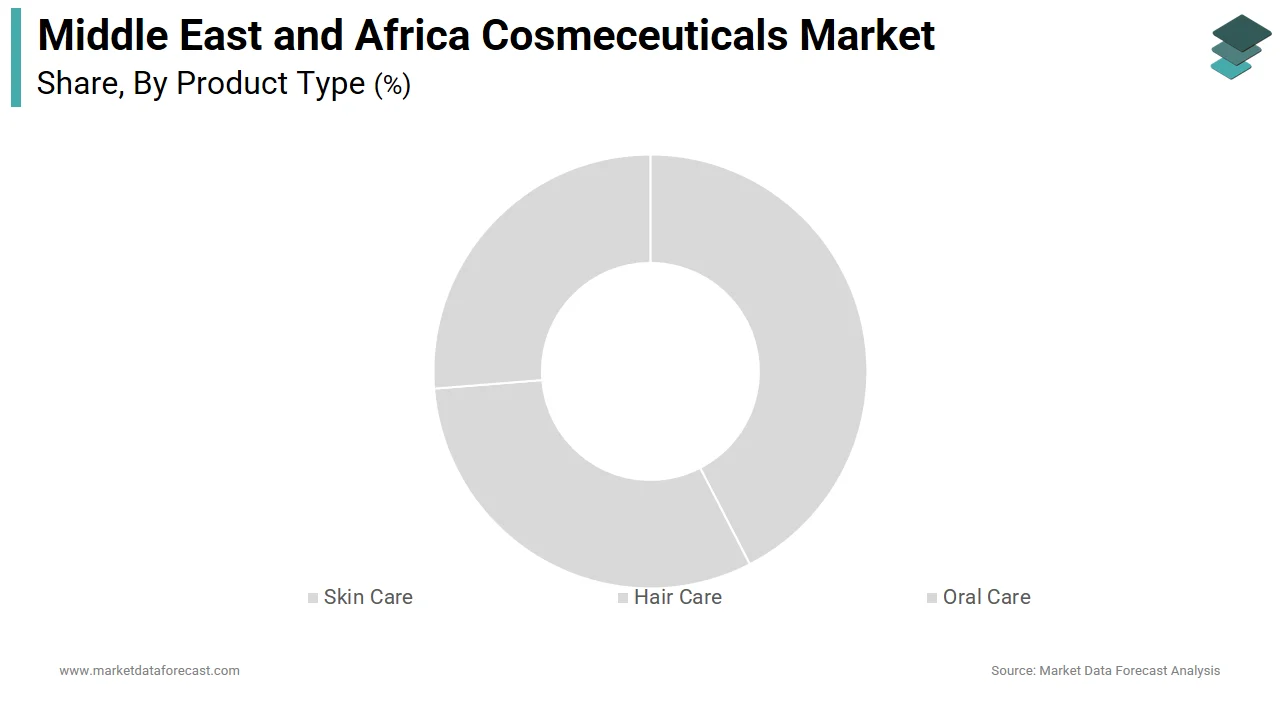
However, the hair care segment is estimated to showcase the fastest CAGR in the regional market over the forecast period owing to the growing incidence of hair loss, alopecia, and scalp disorders, which drive demand for therapeutic shampoos, serums, and treatments. According to the World Health Organization, dermatological conditions represent a substantial health burden in low- and middle-income countries, while African dermatology studies report less than 1 dermatologist per million people in many African countries, limiting specialist access for hair and scalp disorders. This growing prevalence creates a vast addressable market for cosmeceutical products that claim to strengthen hair follicles, reduce shedding, and promote regrowth. As per the Turkish Society of Dermatology, the use of minoxidil-based topical solutions and caffeine-enriched shampoos has increased by 55% in recent years as consumers seek non-invasive alternatives to surgical transplants. Patients are increasingly aware that general shampoos do not address the root causes of hair thinning, leading them to invest in specialized cosmeceutical formulations. The psychological impact of hair loss drives proactive seeking of effective solutions, making this segment highly responsive to innovation. Manufacturers are launching products with clinically proven ingredients such as biotin, keratin, and plant extracts, which appeal to health-conscious consumers. The visibility of hair issues makes them a priority for treatment, ensuring high engagement and trial rates. This medicalization of hair care transforms it from a routine hygiene practice into a targeted therapeutic regimen, driving faster growth than other categories.
By Distribution Channel Insights
The supermarkets and specialty stores segment had the highest share of the Middle East and Africa cosmeceuticals market in 2025. The growth of the supermarkets and specialty stores segment in this regional market is attributed to the consumer trust in physical inspection of products and the immediate availability of items without shipping delays. According to regional beauty and personal care market data, specialty stores accounted for 47% of Middle East and Africa beauty and personal care revenue in 2025, reflecting the importance of physical retail and specialist advice in the region. This tactile experience is crucial for cosmeceuticals, as consumers are often cautious about applying new active ingredients to their skin and want to ensure product authenticity. The Gulf Retail Federation notes that specialty beauty stores in malls attract high foot traffic due to the presence of trained beauty advisors who provide personalized recommendations and samples. This human interaction builds confidence and encourages trial of premium brands that may be intimidating to buy online. Supermarkets offer the convenience of one-stop shopping, allowing consumers to purchase cosmeceuticals alongside daily essentials, which increases impulse buys. The widespread presence of these retail outlets in urban and semi-urban areas ensures broad market reach. Promotional displays and in-store discounts further drive sales volume. The ability to return or exchange products easily if they cause adverse reactions adds a layer of security for buyers. This combination of trust, convenience, and expert guidance solidifies the position of physical retail as the primary channel for cosmeceutical distribution.
On the other side, the online platform segment is predicted to register a healthy CAGR in the Middle East and Africa cosmeceuticals market during the forecast period owing to the increasing digital penetration and the unparalleled convenience of home delivery, which appeals to busy urban consumers. According to the International Telecommunication Union, internet usage reached 70% in the Arab States region in 2024, up from 54% in 2019, providing a broad digital base for online beauty commerce. This widespread connectivity enables consumers to browse a vast array of cosmeceutical products from the comfort of their homes, overcoming geographical barriers and limited local stock. According to the e-Commerce Foundation, online sales of personal care products in the region have grown by 35% year-on-year, driven by the ease of comparison shopping and access to detailed product information. Consumers appreciate the ability to read user reviews and watch video tutorials, which help them make informed decisions about complex formulations. The discretion offered by online shopping is particularly appealing for individuals dealing with sensitive issues, such as acne or hair loss, who may feel embarrassed buying these products in public. Subscription services ensure regular delivery of essential items, enhancing customer retention. The improvement in last-mile delivery infrastructure has reduced shipping times and costs, making online purchases more attractive. This digital shift transforms how consumers interact with brands and drives faster growth for the online channel.
COUNTRY-LEVEL ANALYSIS
Saudi Arabia Cosmeceuticals Market Analysis
Saudi Arabia held the major share of the Middle East and Africa cosmeceuticals market in 2025 and is likely to remain one of the strongest markets in the Middle East and Africa cosmeceuticals market over the next few years, supported by high beauty spending and established consumer demand. According to Saudi government national accounts data, financial services and personal care accounted for 11.8% of household final consumption expenditure in 2024, and this indicates the significance of personal care within household spending. The hot and arid climate creates a constant demand for hydrating and protective products that address sun damage and dryness. The Saudi Food and Drug Authority has implemented strict regulations on cosmetic ingredients, ensuring high product quality and safety, which builds consumer trust. The rise of female workforce participation has further boosted demand for professional and polished appearances, driving sales of anti-aging and brightening products. Local manufacturing initiatives under Vision 2030 are encouraging domestic production of cosmeceuticals, reducing reliance on imports. E-commerce adoption is high, with many consumers preferring online channels for convenience and variety. The presence of major international brands in malls and online platforms ensures wide availability. Government support for the healthcare and wellness sectors fosters a conducive environment for market growth. Saudi Arabia serves as a key trendsetter and revenue generator for the regional market.
United Arab Emirates Cosmeceuticals Market Analysis
The United Arab Emirates is likely to maintain a sophisticated and strategically important position in the Middle East and Africa cosmeceuticals market over the next few years, supported by tourism, affluent consumers, and advanced retail infrastructure. According to the Dubai Department of Economy and Tourism, Dubai welcomed 18.72 million international overnight visitors in 2024, an increase of 9% from 17.15 million in 2023. The multicultural population exposes consumers to global beauty trends, driving demand for diverse and specialized formulations. The UAE Ministry of Health and Prevention enforces rigorous standards for product registration, ensuring that only safe and effective items reach the market. Consumers in the UAE are early adopters of new technologies, such as AI-driven skin analysis and personalized skincare routines. The well-developed retail infrastructure, including luxury boutiques and pharmacies, provides easy access to premium brands. High internet penetration supports robust online sales channels. The government’s focus on health and wellness promotes the use of preventative skincare products. The UAE serves as a regional hub for distribution and marketing, influencing neighboring markets. Its strategic location and affluent consumer base make it a critical market for global players.
Israel Cosmeceuticals Market Analysis
Israel is likely to remain an innovation-oriented market in the Middle East and Africa cosmeceuticals sector over the next few years, supported by its strong research ecosystem and emphasis on evidence-based products. According to the International Telecommunication Union, 88.2% of Israel’s population used the internet in 2024, supporting the country’s digitally connected consumer and innovation environment. According to the Israel Export Institute, the country is a global leader in dermatological research, producing numerous patented ingredients and formulations that are exported worldwide. Domestic consumers are highly educated and prefer evidence-based products with proven clinical efficacy. The harsh desert climate and high UV index drive demand for superior sun protection and repair products. Israeli startups frequently collaborate with international companies to bring novel cosmeceutical solutions to the global market. The regulatory framework is aligned with European standards, ensuring high quality and safety. Consumers are willing to pay a premium for locally developed innovations that address specific skin concerns. The strong healthcare system supports the integration of cosmeceuticals into dermatological treatments. Tel Aviv serves as a hub for beauty tech innovations, attracting investment and talent. Israel’s reputation for scientific excellence enhances the credibility of its cosmeceutical offerings. The market is small but highly influential in terms of product development and trends.
COMPETITIVE LANDSCAPE
The competitive landscape of the Middle East and Africa cosmeceuticals market is characterized by intense rivalry between established multinational corporations and emerging local brands who vie for consumer loyalty through innovation and accessibility. Multinational players leverage their global research capabilities, extensive clinical data, and strong brand recognition to dominate the premium and dermatological segments. They invest heavily in marketing campaigns that emphasize scientific validity and safety to differentiate themselves from competitors. Local brands compete aggressively by offering cost-effective alternatives that cater to price-sensitive consumers in rural and semi-urban areas. These domestic players often have deeper insights into regional cultural nuances and preferences, allowing them to tailor products more effectively. The market is witnessing a surge in niche players who focus on natural organic and Halal certified products appealing to religiously conscious consumers. E commerce platforms have lowered entry barriers enabling smaller brands to reach wider audiences without significant infrastructure investments. Competition is further intensified by continuous product launches and promotional activities that drive consumer trial. Companies are increasingly collaborating with healthcare providers and influencers to build trust and credibility. This dynamic environment fosters innovation and improves product quality, benefiting consumers across the region.
KEY MARKET PLAYERS
The leading companies operating in the Middle East and Africa cosmeceuticals market include:
- L'Oréal A.
- Procter & Gamble
- Unilever PLC
- Shiseido Ltd.
- Revlon
- Groupe Clarins A.
- Beiersdorf AG
- Johnson & Johnson
TOP PLAYERS IN THE MARKET
- L'Oréal Group maintains a commanding presence in the Middle East and Africa Cosmeceuticals Market through its diverse portfolio of dermatological brands such as La Roche-Posay and Vichy. The company focuses on scientific innovation and clinical efficacy to build trust among consumers seeking therapeutic skincare solutions. Recent initiatives include expanding distribution networks in Saudi Arabia and South Africa by partnering with local pharmacies and e-commerce platforms. L'Oréal invests heavily in consumer education campaigns that highlight the benefits of active ingredients like hyaluronic acid and niacinamide. The corporation also adapts its formulations to suit the specific climatic conditions and skin types prevalent in the region. By leveraging digital marketing and influencer collaborations, L'Oréal enhances brand visibility and engagement. Its commitment to sustainability and ethical sourcing resonates with environmentally conscious consumers. These strategic efforts solidify its reputation as a leader in evidence-based skincare. The company continues to launch innovative products tailored to regional needs, ensuring sustained growth and loyalty.
- Beiersdorf AG contributes significantly to the market through its trusted Nivea and Eucerin brands which are synonymous with reliability and skin health across the region. The company emphasizes affordability and accessibility, making its cosmeceutical products available to a broad demographic, including middle and lower-income households. Recent actions involve launching specialized sun protection and hyperpigmentation ranges in the Gulf Cooperation Council countries to address high UV exposure concerns. Beiersdorf collaborates with dermatologists to validate product efficacy, thereby enhancing professional endorsement and consumer confidence. The company has strengthened its supply chain infrastructure in Egypt and Kenya to ensure consistent product availability. Digital transformation initiatives include personalized skin analysis tools on mobile apps that guide users to appropriate products. Beiersdorf also supports community health programs that promote skin cancer awareness and proper skincare habits. These efforts reinforce its position as a dependable provider of everyday skincare solutions. The brand’s long-standing heritage and local relevance drive continuous market penetration.
- Procter and Gamble plays a vital role in the market through its Olay and SkinCeuticals brands, which cater to both mass and premium segments of the cosmeceuticals sector. The company focuses on anti-aging and brightening solutions that appeal to the growing demographic of mature consumers in the region. Recent strategies include introducing advanced peptide and vitamin C serums in major urban centers like Dubai and Johannesburg. Procter and Gamble leverages its extensive retail relationships to secure prime shelf space in supermarkets and specialty stores. The company utilizes data analytics to understand local consumer preferences and tailor marketing messages accordingly. Investment in sustainable packaging aligns with regional environmental goals and attracts eco-conscious buyers. Procter and Gamble also engages in educational workshops that teach proper skincare routines and ingredient benefits. Its strong brand equity and distribution reach ensure wide market coverage. By combining scientific innovation with consumer-centric approaches, the company maintains a competitive edge. These actions drive brand loyalty and repeat purchases across diverse markets.
TOP STRATEGIES USED BY KEY MARKET PARTICIPANTS
Key players in the Middle East and Africa Cosmeceuticals Market employ several strategic approaches to maintain competitiveness and drive growth. Product localization remains a primary strategy, with companies formulating products specifically for regional skin types and climatic conditions such as high heat and humidity. Brands are increasingly focusing on digital engagement by leveraging social media influencers and e-commerce platforms to reach younger demographics. Partnerships with local distributors and pharmacies help companies navigate complex regulatory environments and expand reach in rural areas. Marketing strategies emphasize clinical efficacy and dermatologist endorsements to build trust and differentiate from generic cosmetics. Companies also pursue portfolio diversification by introducing Halal-certified and natural ingredient-based products to align with cultural and religious values. Pricing strategies are tailored to different economic segments, ensuring affordability for mass markets while offering premium options for affluent consumers. Sustainability initiatives, including eco-friendly packaging and ethical sourcing, appeal to environmentally conscious shoppers. These multifaceted strategies enable key players to address diverse consumer needs and structural challenges effectively across the varied regional landscape.
MARKET SEGMENTATION
This research report on the Middle East & African cosmeceuticals market has been segmented and sub-segmented into the following categories:
By Product Type
- Skin Care
- Hair Care
- Oral Care
By Distribution Channel
- Supermarkets & Specialty Stores
- Online Platform
By Country:
- KSA
- UAE
- Israel
- rest of GCC countries
- South Africa
- Ethiopia
- Kenya
- Egypt
- Sudan
- rest of MEA